Skip to content
stuff to do in.cologne

Landmarks & Sights

259 places in Cologne
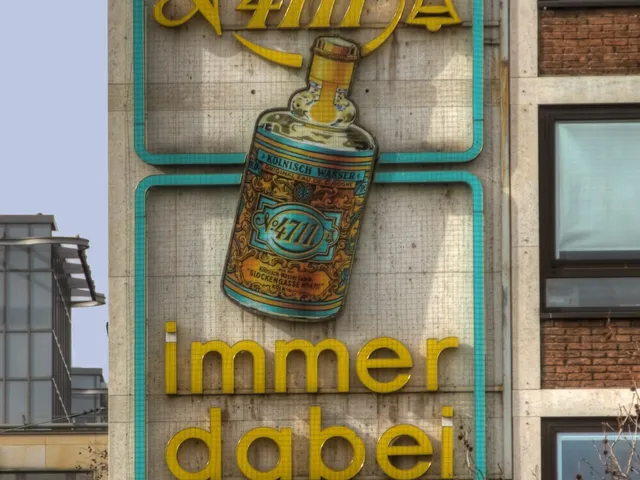
4711

since 1799
4.5(1,298)· Google

Cologne water from Glockengasse, named after an old Cologne house number, entitled to call itself the "Original Eau de Cologne."

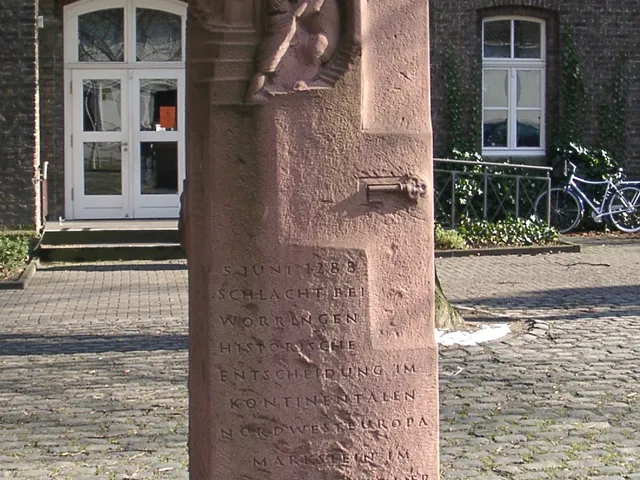
A Landmark in Cologne's Citizens' Fight for Independence

Memorial in Worringen commemorating the 1288 Battle of Worringen — a landmark moment in Cologne's citizens' struggle for independence.

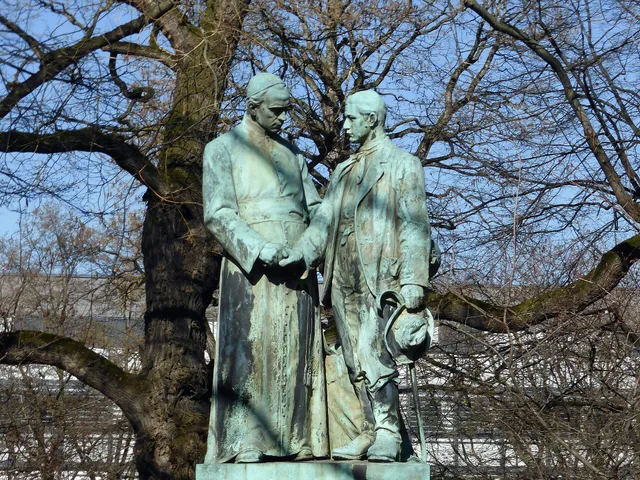
Adolph Kolping Monument

since 1903
4.3(12)· Google

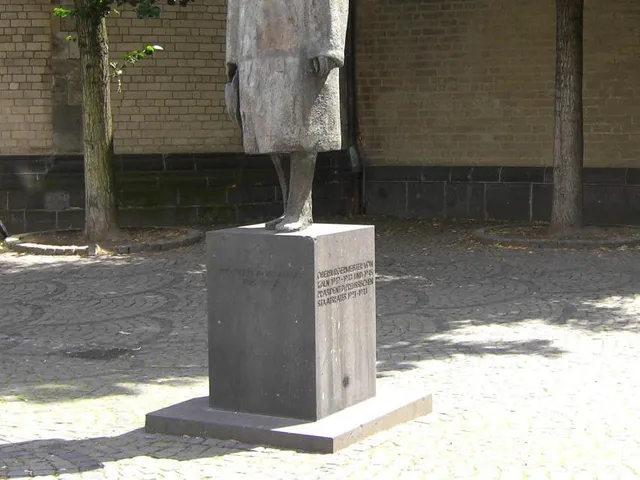
Bronze memorial to Adolph Kolping — the 'Father of Journeymen' and founder of the Catholic journeymen's associations — standing before Cologne's Minorite Church, where he is buried.

Alt St. Alban – Church Ruin and War Memorial at Quatermarkt

since 1200
4.5(122)· Google

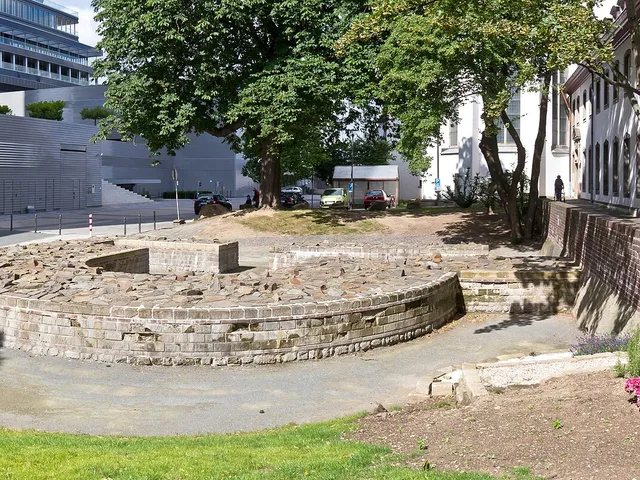
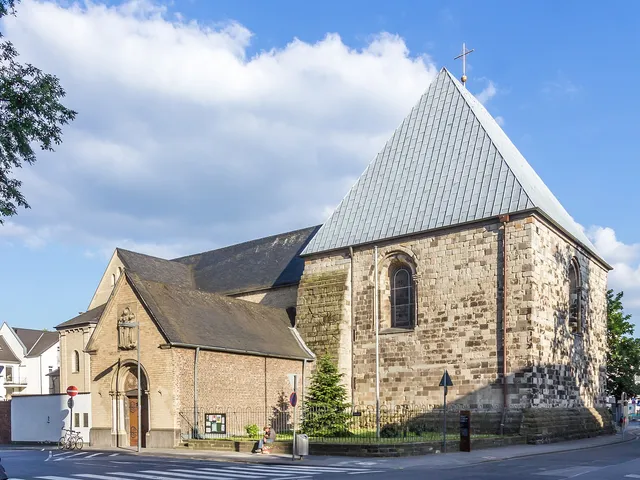
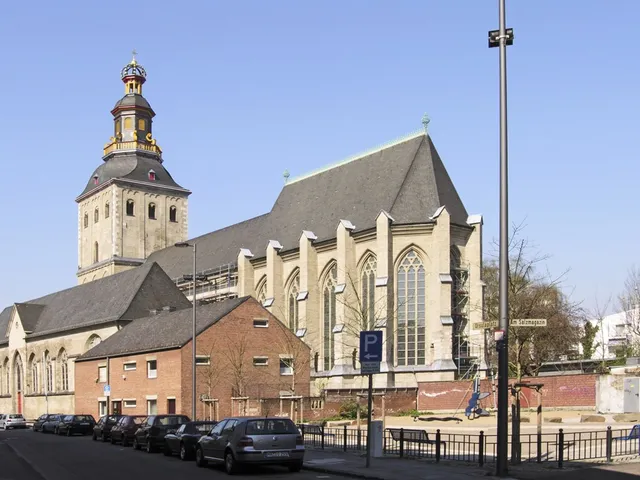
Preserved Romanesque church ruin at Quatermarkt; left unrestored after WWII bombing and consecrated as a memorial to the war dead in 1959.

Alt St. Cornelius

since 1833
4.8(24)· Google

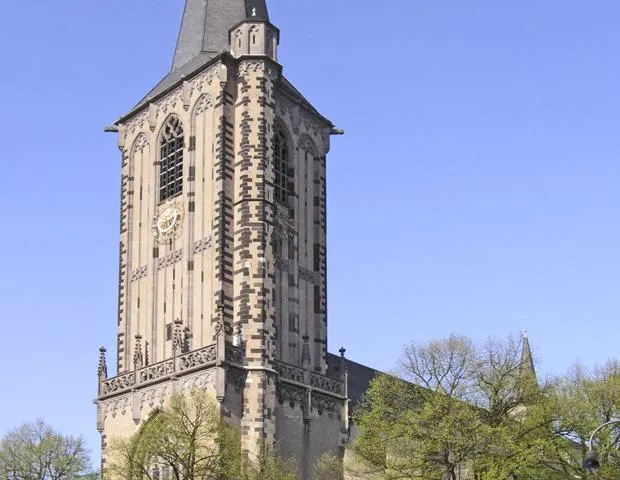
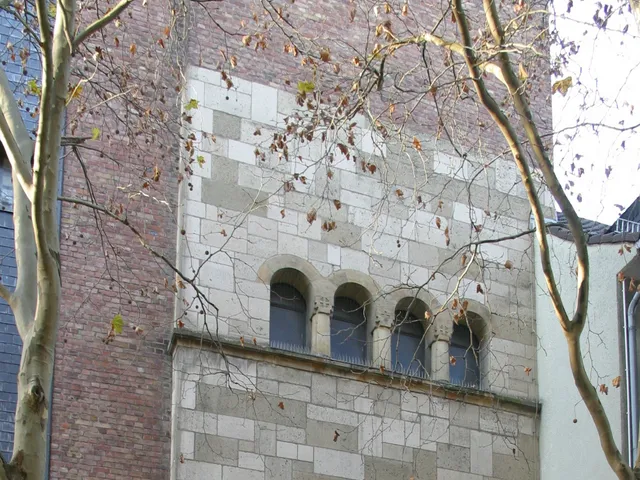
Only the Romanesque tower survives from this former parish church in Cologne's Rath/Heumar district, a remnant of its medieval predecessor.

Alt St. Katharina (Cologne-Niehl)

4.7(31)· Google

The "Niehler Dömchen": a 12th-century Romanesque basilica on the Rhine riverbank, featuring a Gothic choir and listed heritage status.

Alt St. Maternus

since 950
4.9(15)· Google

Romanesque 'little chapel' on the Rhine — one of 13 small former village churches outside Cologne's medieval city walls.

Alt St. Mauritius (Cologne-Buchheim)

5.0(5)· Google

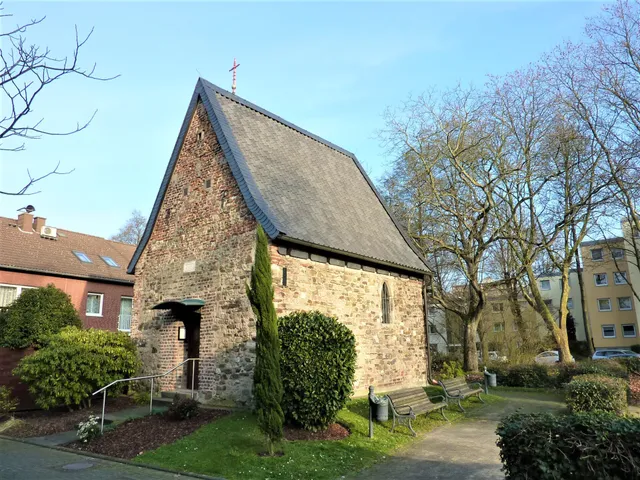
Romanesque cemetery chapel and surviving remnant of Buchheim's former parish church — featuring a semicircular apse from around 1200.

Alt St. Pankratius (Cologne-Worringen)

Former parish church of Cologne-Worringen with a Gothic nave and a controversially dated west tower — now converted into a residential house.

Alte Dorfkirche Köln-Junkersdorf

4.1(8)· Google

Medieval village church with a Gothic choir — once the parish church of St. Pankratius, now a small chapel after centuries of fire, war, and reinvention.

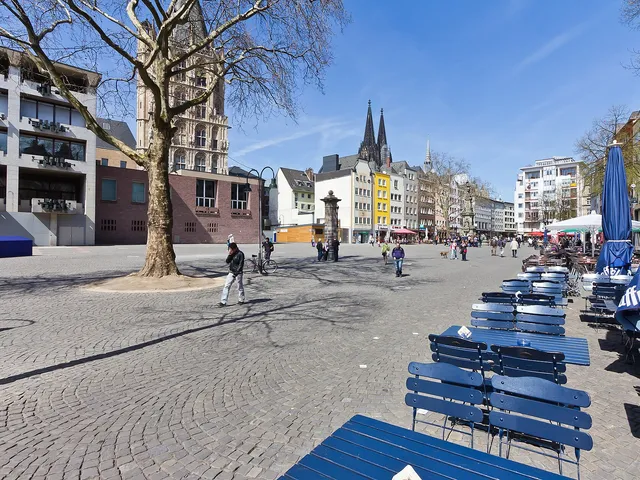
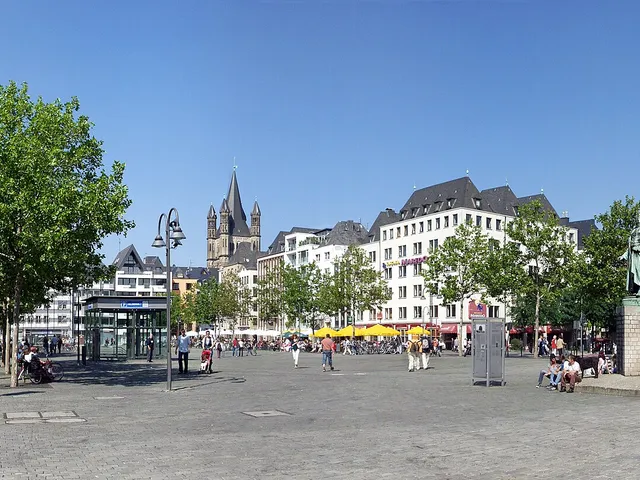
Alter Markt

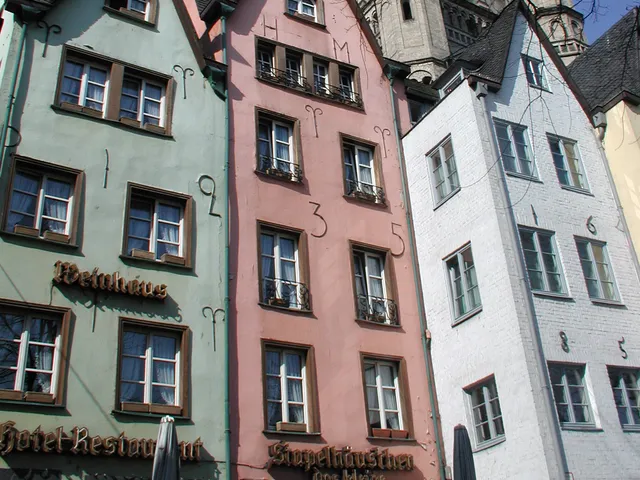
Historic square in Cologne's Altstadt-Nord with a medieval-looking row of buildings — documented as Cologne's market since 922.

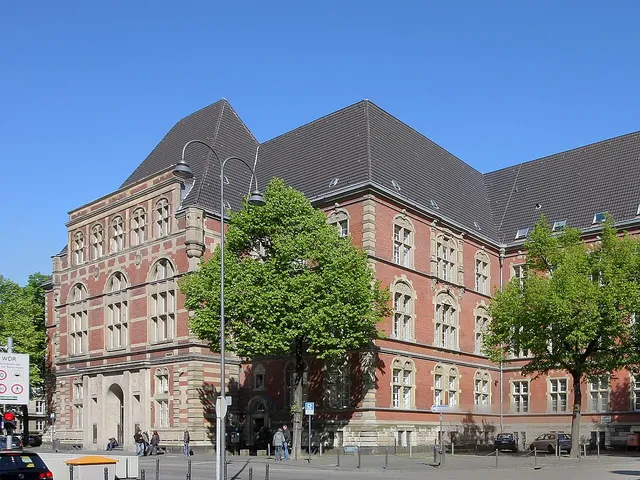
Appellhofplatz

3.0(89)· Google

Cologne square named after the Court of Appeal — built on the site of a Roman gate tower and shaped by centuries of landmark court cases.

Auferstehungskirche (Cologne-Buchforst)

since 1965
4.4(55)· Google

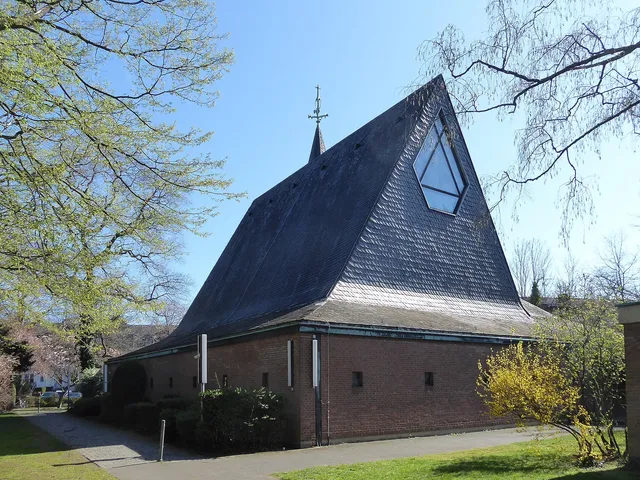
Listed Brutalist church from 1968 with a striking tetrahedral form, now operating as the 'Kulturkirche Ost' cultural venue for readings, music, and cabaret.

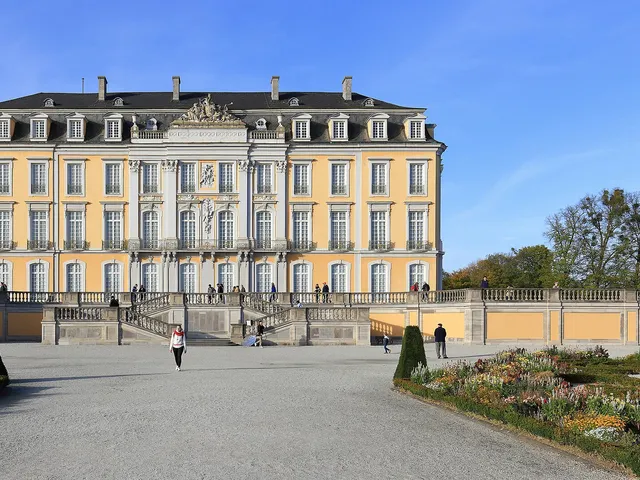
Brühl · Surrounding areaAugustusburg and Falkenlust Palaces, Brühl© Martin Falbisoner · CC BY-SA 4.0

Augustusburg and Falkenlust Palaces, Brühl

since 1768

Two early-rococo palaces in Brühl, connected by the Schlosspark and a UNESCO World Heritage Site since 1984.

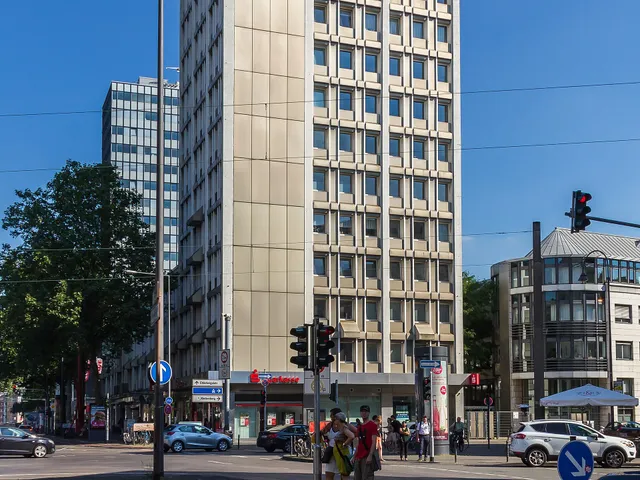
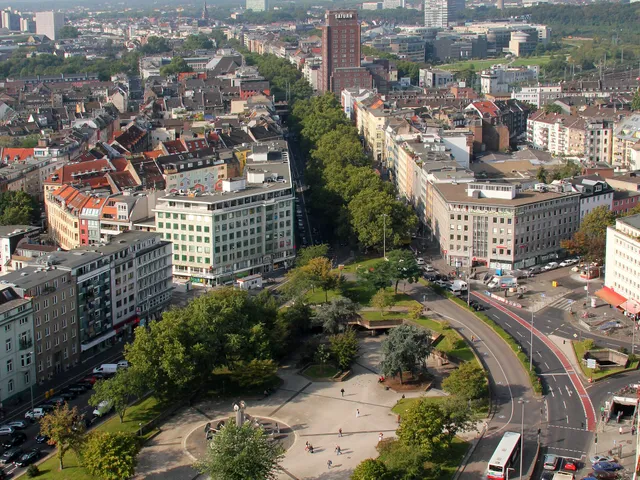
Barbarossaplatz

Traffic hub on Cologne's Kölner Ringe ring road, named after Frederick Barbarossa in 1883, with a tram stop encircled by multi-lane carriageways.

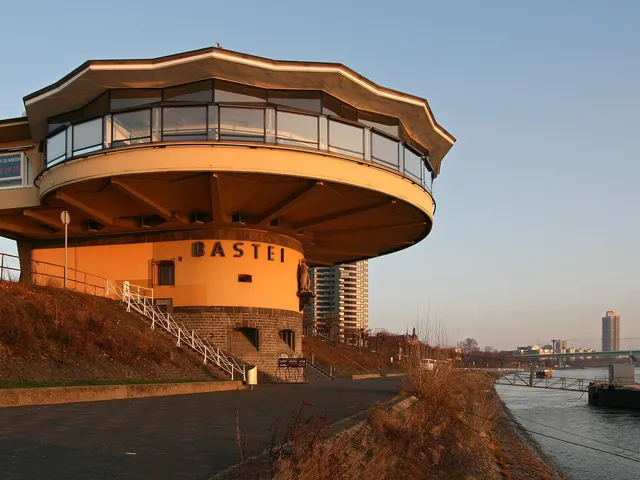
Bastei

since 1924
4.1(96)· Google

Expressionist observation restaurant (1924) on a Prussian caponier — superstructure cantilevers 8 m beyond its footprint; closed since 2019.

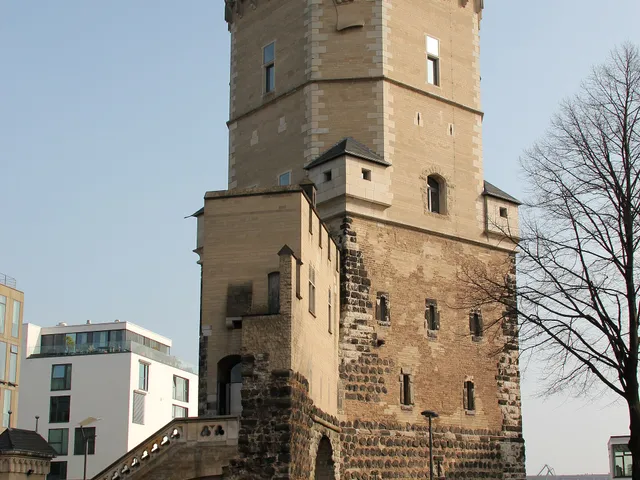
Bayenturm

since 1220

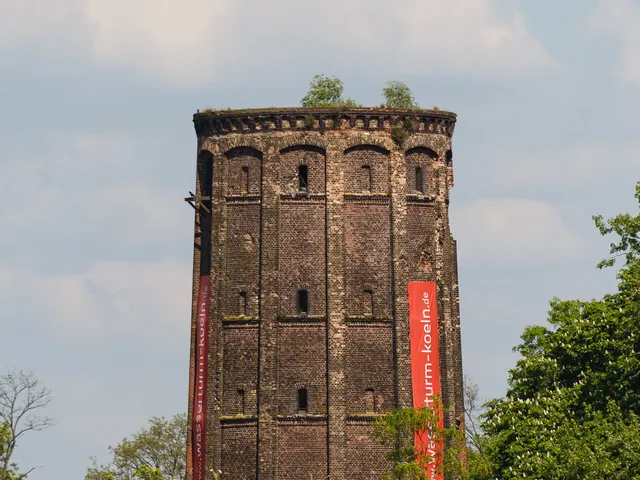
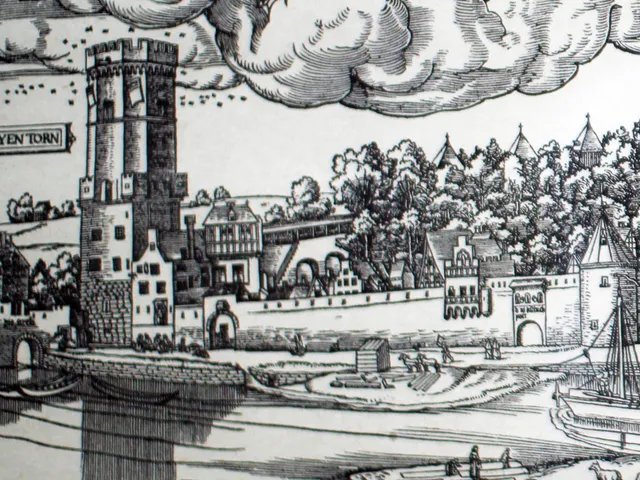
One of Cologne's few surviving medieval fortification towers, built c. 1220 on the Rhine — today home to the FrauenMediaTurm foundation.

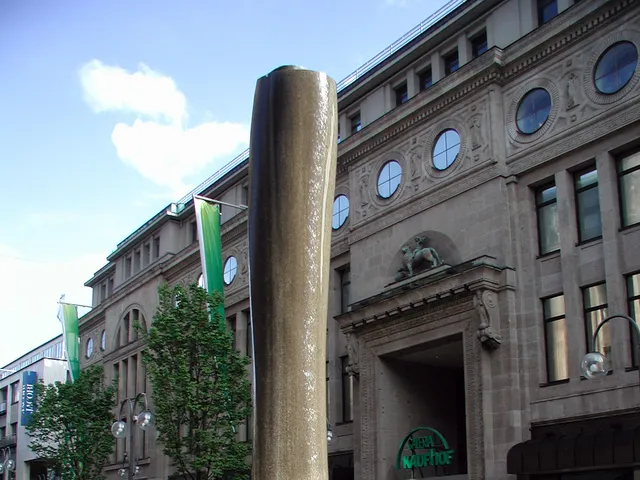
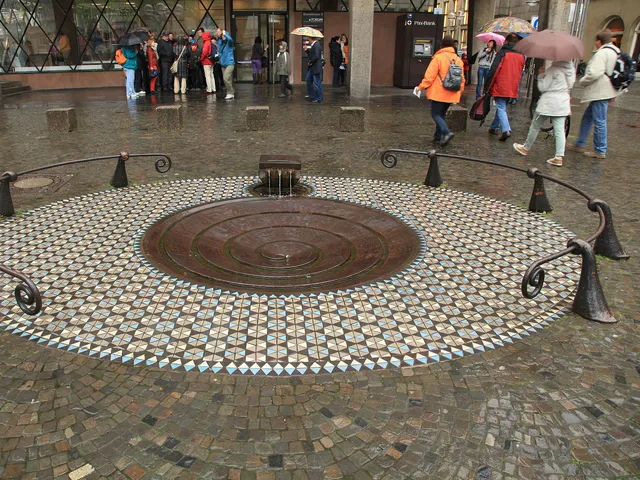
Bierbrunnen

since 1972
4.3(39)· Google

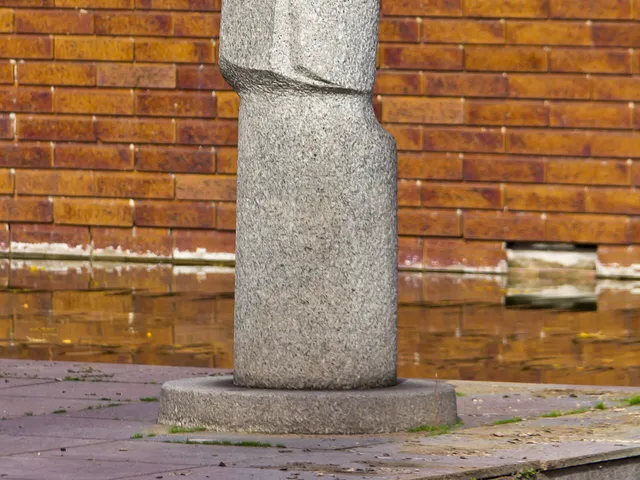
A 1972 fountain on Schildergasse featuring a granite column wrapped in a thin veil of water — named after a brief beer tap that once operated at the site.

Bismarck Monument (Augustinerplatz)

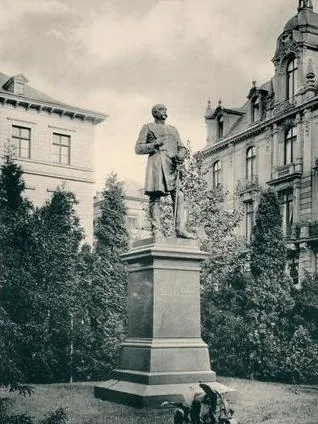
The second Bismarck statue in the German Empire — unveiled in 1879 in Catholic Cologne as a deliberate provocation, lost to war.

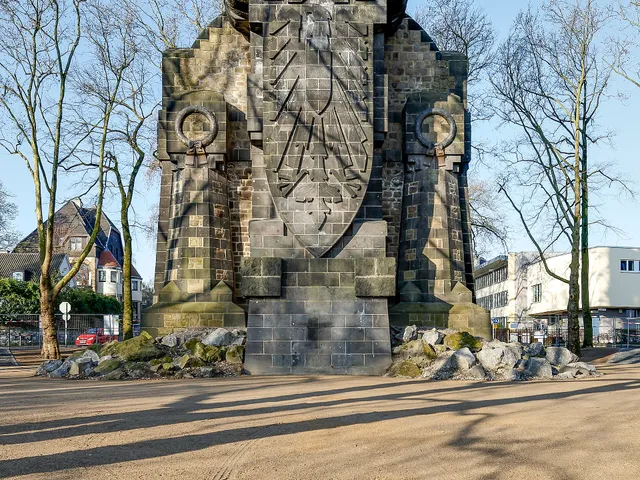
Bismarckturm

since 1902
4.4(155)· Google

A Bismarck monument in Cologne-Marienburg designed as a fire column — featuring a monolithic figure of Bismarck as Roland in armour with an eagle shield.

Bottmühle

4.6(25)· Google

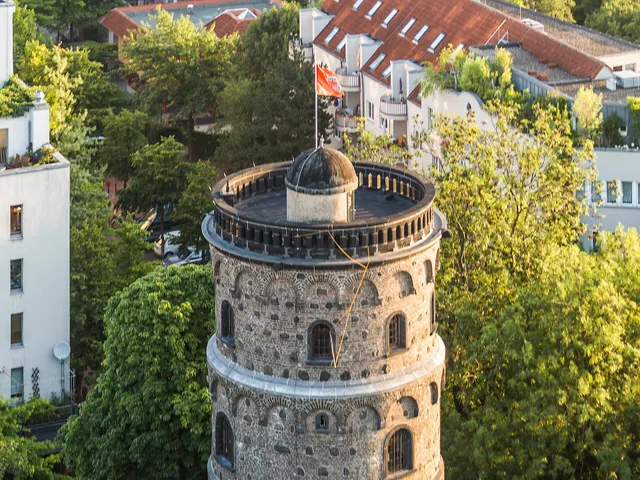
The Bottmühle in Cologne's southern Old Town is a 17th-century stone tower windmill standing on an old fortification platform behind the medieval city wall.

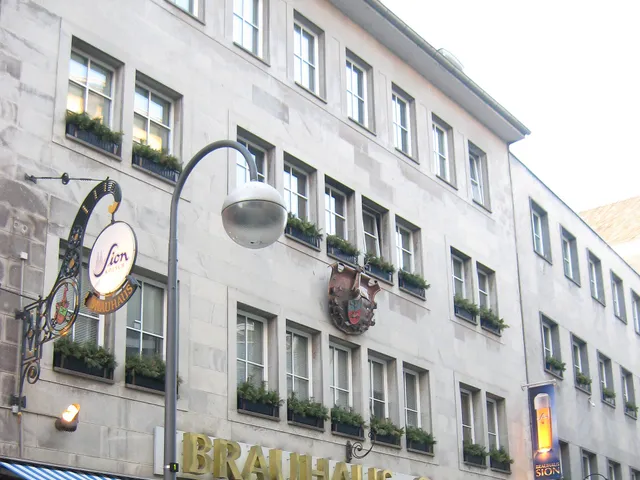
Brauhaus Sion

4.0(7,715)· Google

Historic Cologne brewery tavern with roots going back to 1318 — home of Sion Kölsch and a stop on the Brewery Trail.

Breslauer Platz

The northern forecourt of Cologne Central Station — home to the city's main bus terminal and the Musical Dome, Cologne's largest theatre.

Brüsseler Platz

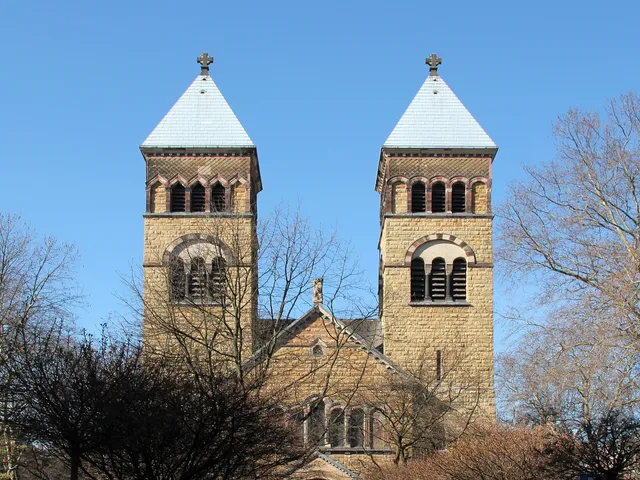
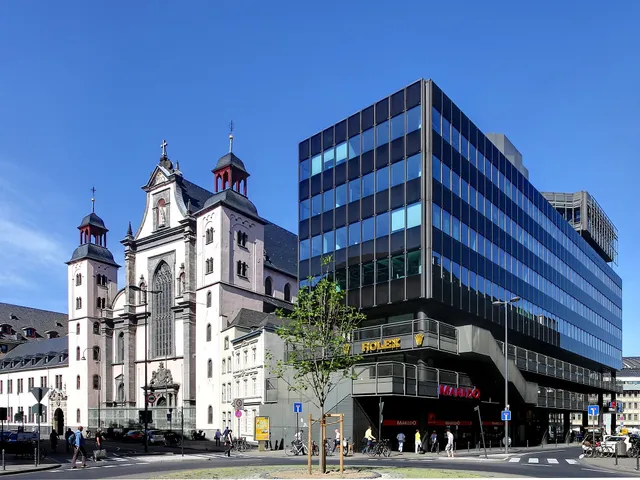
The heart of Cologne's Belgian Quarter, defined by the Neo-Romanesque church of St. Michael — a vibrant social hub and the scene of a long-running noise dispute.

Chocolate Museum Cologne

since 1993
4.3(48,500)· Google

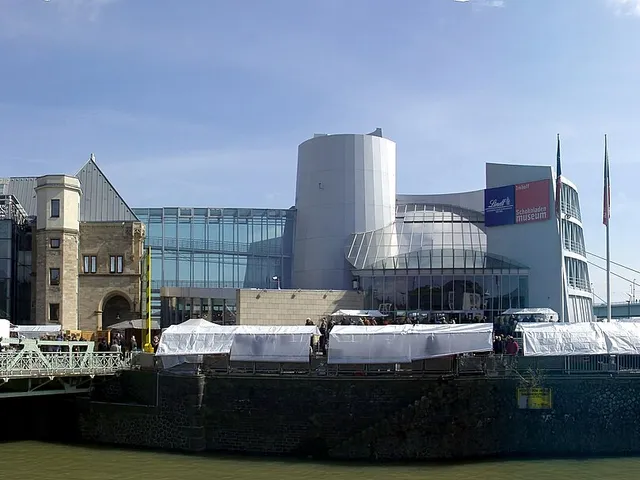
Built on a peninsula in the Rheinauhafen harbour, this museum tells the story of chocolate — complete with a glass-fronted factory and a three-metre chocolate fountain.

Christi Auferstehung (Lindenthal)

since 1968
4.6(53)· Google

Sculptural concrete church by Gottfried Böhm at the head of the Lindenthal Canal – with a cave-like interior of branching pillars.

Christuskirche

since 1891
4.4(72)· Google

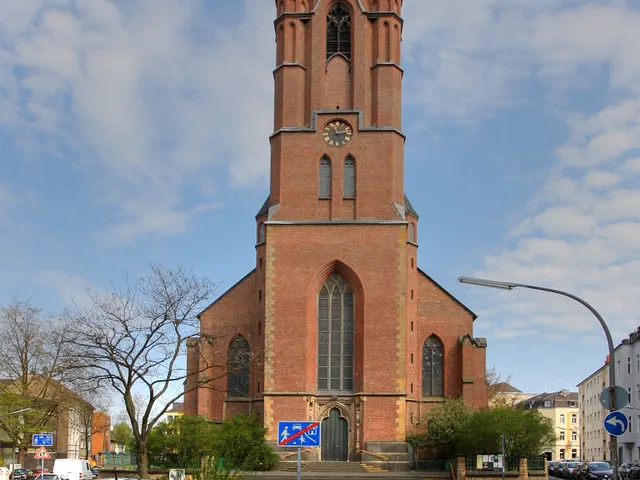
Protestant church in the Belgian Quarter: a historic Neo-Gothic tower fronting a nave that was newly consecrated in 2016.

Church of the Redeemer (Rodenkirchen)

4.2(35)· Google

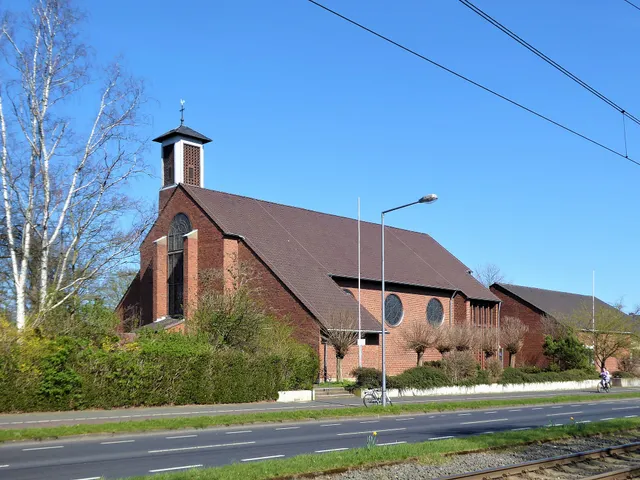
Protestant L-shaped church in Rodenkirchen with a 20-metre campanile; its three bells together carry the Christmas angels' greeting.

Cologne Bridge Green

The patina-green chromium oxide hue coating Cologne's Rhine bridges, introduced in 1929 at the request of Konrad Adenauer.

Cologne Cathedral

since 1248
4.8(2,260)· Google

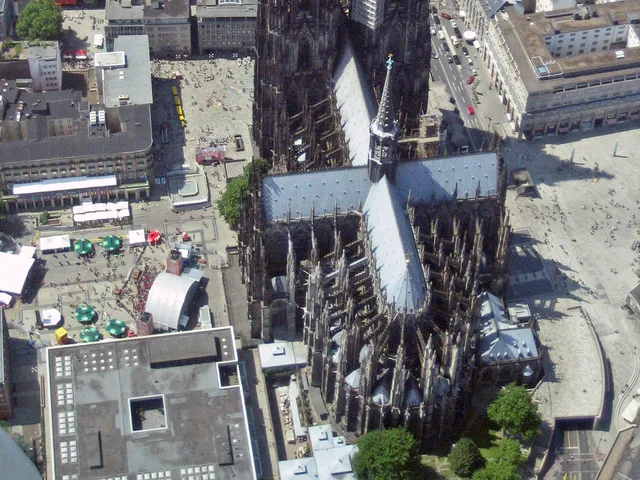
Gothic cathedral and shrine of the Three Kings — at around 157 metres one of the tallest churches in the world and a UNESCO World Heritage Site.

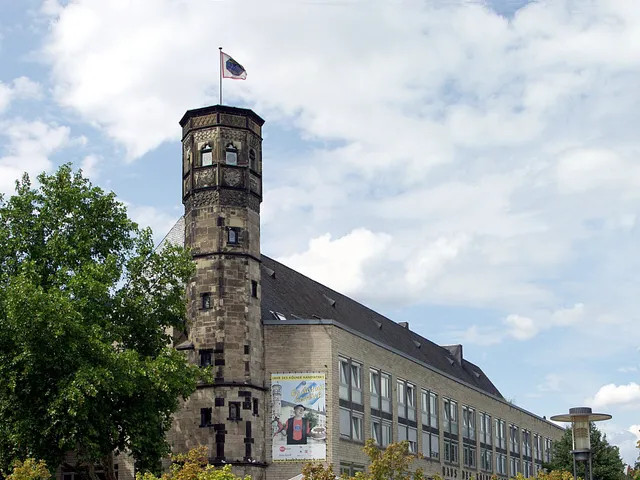
Cologne City Museum

since 1888
4.3(836)· Google

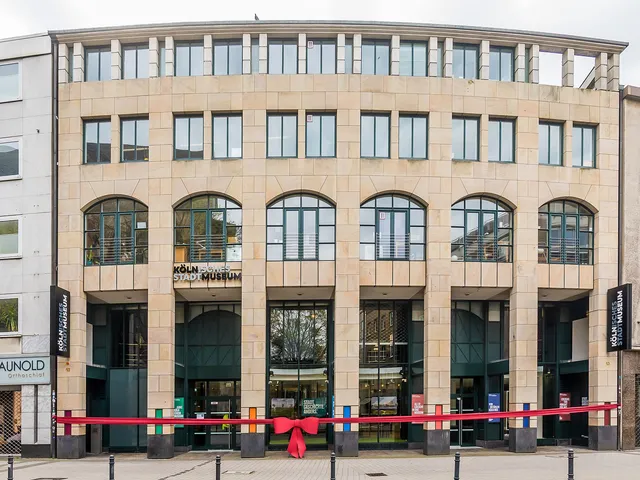
Cologne's urban history museum, open for over 130 years — since 2024 it organises its collection around emotions rather than chronology; currently in temporary premises.

Cologne Marian Column

4.6(38)· Google

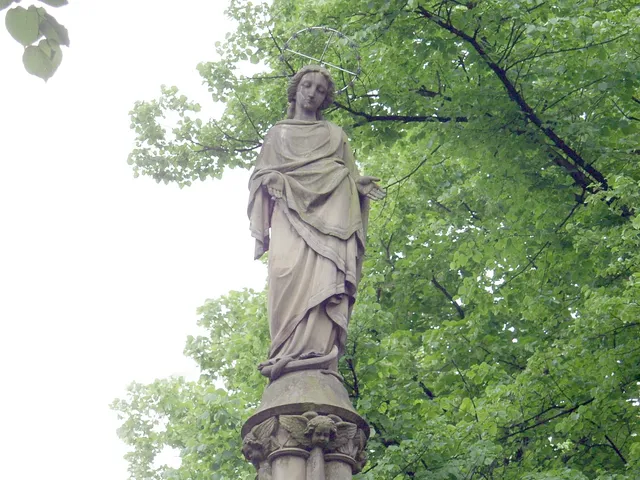
A Neo-Gothic Marian monument from 1858, today standing on the Gereonsdriesch beside the Romanesque church of St. Gereon and among the oldest Marian columns in the Rhineland.

Cologne Mikveh

4.4(8)· Google

Medieval Jewish ritual bath beneath the Rathausplatz: the staircase descends inside the nearly 16-metre-deep shaft all the way to the water level.

Cologne sewerage system

since 1890
4.9(14)· Google

A sewer network with Roman roots — and the Kronleuchtersaal, an underground chamber where concerts are held.

Cologne Synagogue

since 1899

Neo-Romanesque synagogue built in 1899 on Roonstraße — heart of Cologne's Jewish community, ravaged in 1938, visited by the Pope in 2005.

Cologne Water Gauge

4.4(71)· Google

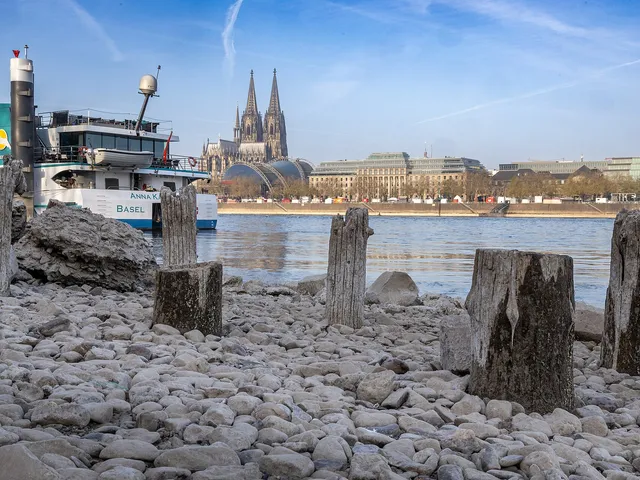
On the left bank of the Rhine in Cologne's northern old town, the Pegel Köln has recorded the river's water level at river kilometre 688 for centuries.

Cologne Zoo

since 1860
4.4(36,342)· Google

Founded in 1860 in the Riehl district, Cologne Zoo is Germany's third-oldest zoo — famous for its century-old baboon rock.

Cologne-Merkenich Combined Heat and Power Plant

4.4(9)· Google

At 250 metres, this power plant's chimney is Cologne's second-tallest structure after the Colonius tower — and the city's primary source of district heating for its northern districts.

Cologne-Rodenkirchen Rhine Bridge

since 1941
4.3(556)· Google

Germany's first true suspension bridge: 567 m across the Rhine, opened in 1941 as the 'Adolf Hitler Bridge,' destroyed in WWII and rebuilt in 1954.

Colonia-Haus

since 1973
4.3(151)· Google

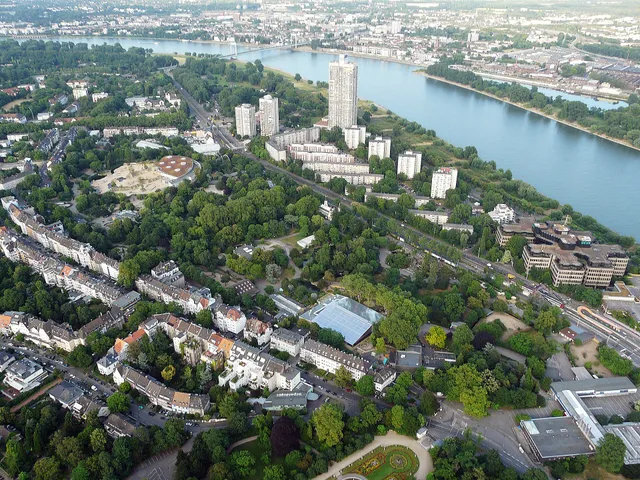
Germany's second-tallest residential skyscraper, right on the Rhine in Riehl — at 155 m with antenna, almost as tall as Cologne Cathedral (157 m).

Cologne's tallest structureColonius© Unbekannt · CC BY-SA 3.0

Colonius

since 1981

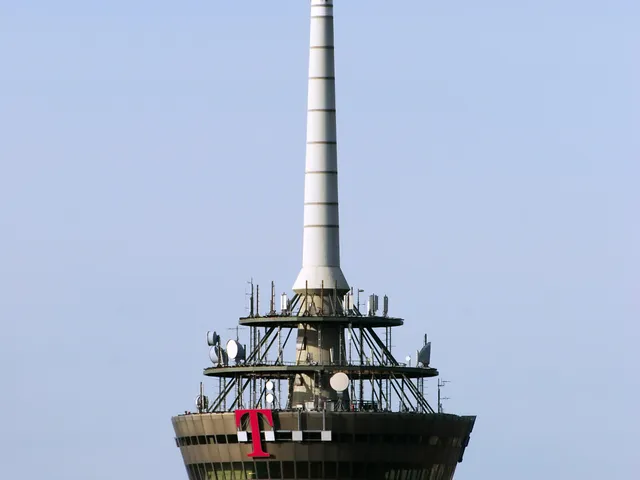
At 266 metres, the tallest telecommunications tower in North Rhine-Westphalia — its revolving restaurant and observation deck have been closed for years.

Deportation Camp Cologne-Müngersdorf Memorial

since 2020

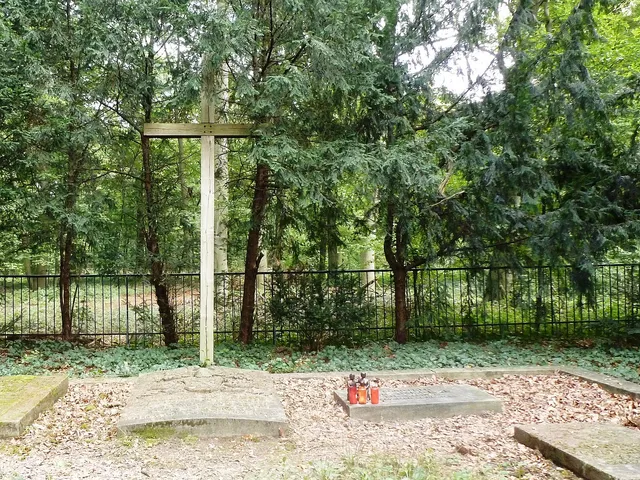
A freely accessible memorial in Cologne's outer green belt that has commemorated the former Nazi assembly camp since 2020. Around 3,500 Jewish people were deported from here. At its heart is a walkable path and the sculpture "Wall" by Simon Ungers.

Deserters' Memorial

since 2009
5.0(4)· Google

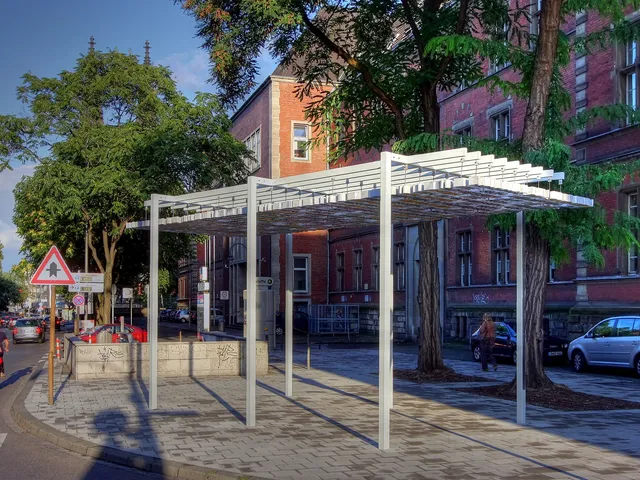
A memorial to victims of Nazi military justice at Appellhofplatz — a pergola whose chained tribute inscription seems written in colored letters across the sky.

Deutz Abbey

since 1001
4.3(19)· Google

Cologne's Deutz Abbey, founded in 1002, is the original home of the golden Heribert Shrine and today serves as a Greek Orthodox church.

Deutz Bridge

4.5(945)· Google

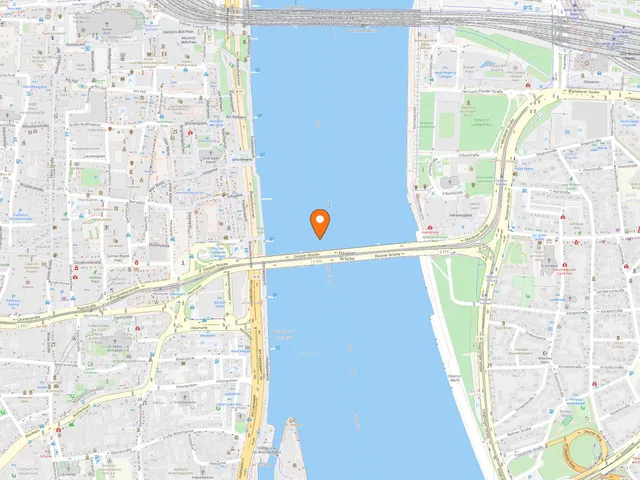
The world's first steel box girder bridge (1947/48) – linking Heumarkt with Deutz; the Roman bridge once stood a few metres further north.

Deutzer Drehbrücke

since 1908
4.5(314)· Google

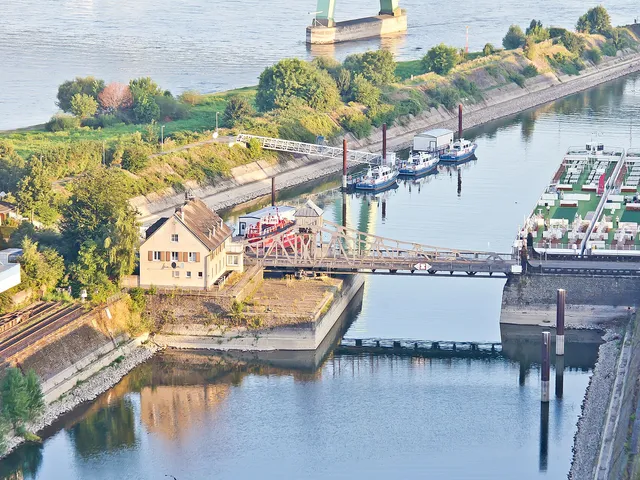
Rotating steel bridge from 1908 over Deutz Harbour — one of two Cologne swing bridges, a listed technical monument with its original control house intact.

Die Trauernde

since 1949

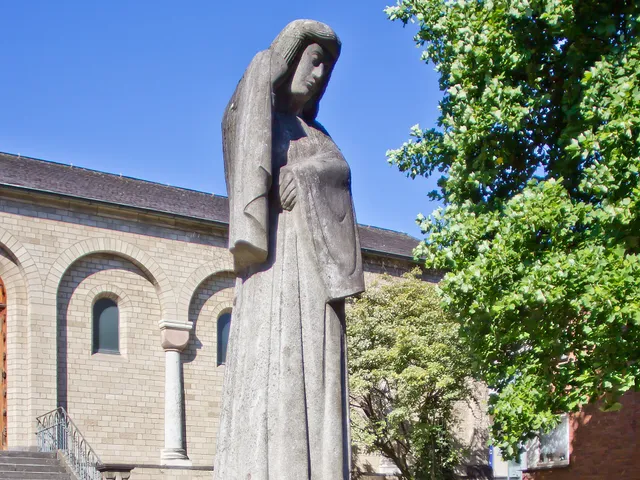
A 1949 sculpture by Gerhard Marcks standing in the churchyard of St. Maria im Kapitol, commemorating the victims of World War II.

DITIB Central Mosque Cologne

since 2017
4.8(1,662)· Google

Central mosque of DİTİB in Cologne-Ehrenfeld, inaugurated in 2018 in the presence of Erdoğan — with two 55-metre minarets and a grand domed hall.

Domforum

4.4(261)· Google

Located on the Domplatte opposite the cathedral's west portal, the Domforum serves as the visitor centre of Cologne Cathedral and as a meeting and events centre of the city's Catholic Church.

Dreikönigenpförtchen

Tucked away between St. Maria im Kapitol and Marienplatz, the Dreikönigenpförtchen is the only surviving gate of Cologne's former monastic immunity districts.

Düxer Bock

4.1(15)· Google

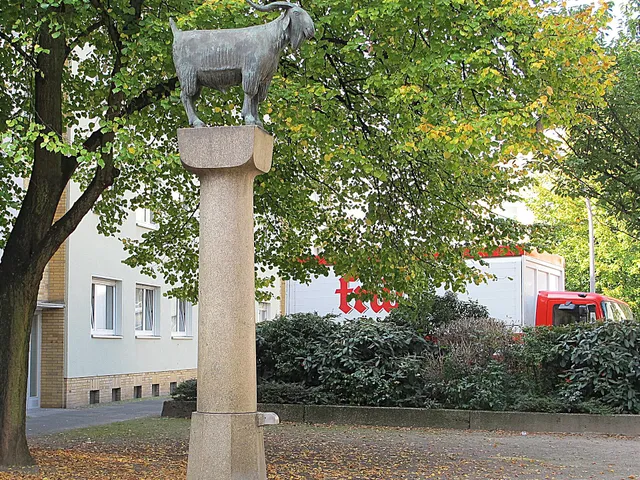
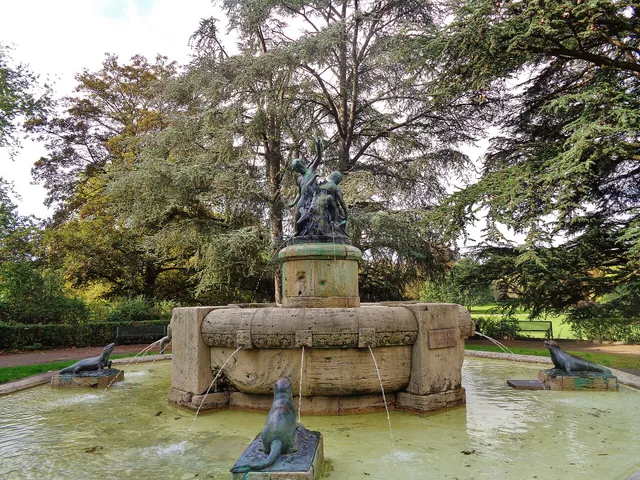
The unofficial heraldic animal of Deutz: this fountain monument commemorates an old Cologne legend about a tailor and a tax collector.

Ebertplatz

Square on Cologne's ring boulevards in Neustadt-Nord, laid out in the late 19th century where the city's demolished fortifications once stood.

Eierplätzchen

4.3(263)· Google

A small oval square in Cologne's Südstadt where six streets meet like spokes — named not by city hall, but by the locals themselves.

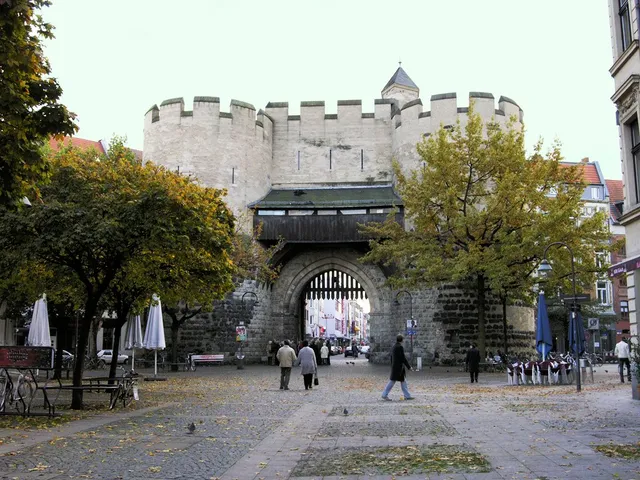
Eigelsteintorburg

since 1228
4.5(2,019)· Google

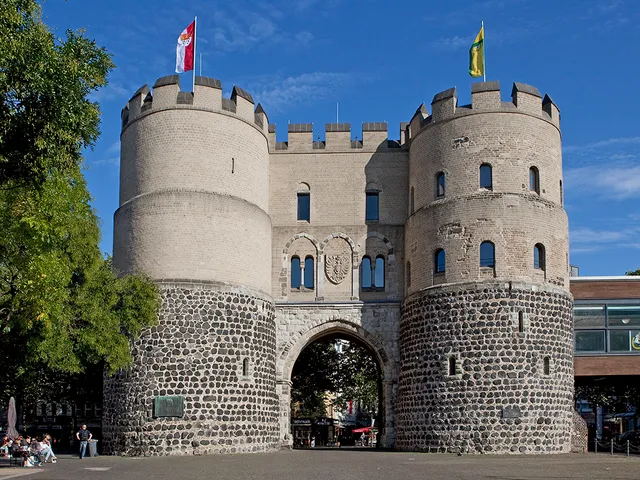
One of four surviving gates of Cologne's medieval city wall — both Maria de' Medici and Napoleon once entered the city through this very gate.

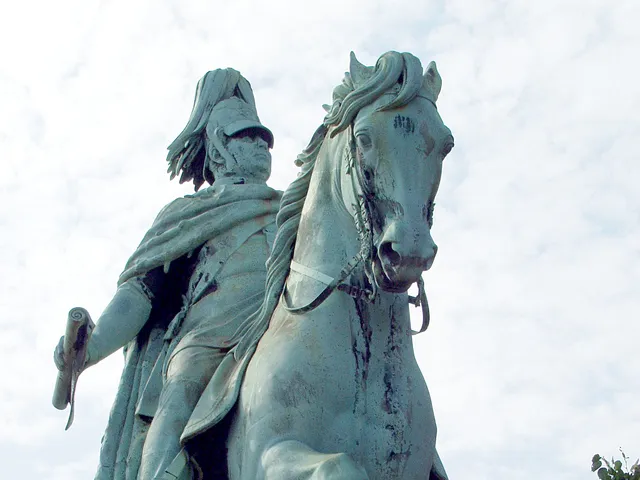
Equestrian Statue of Frederick William IV

4.2(24)· Google

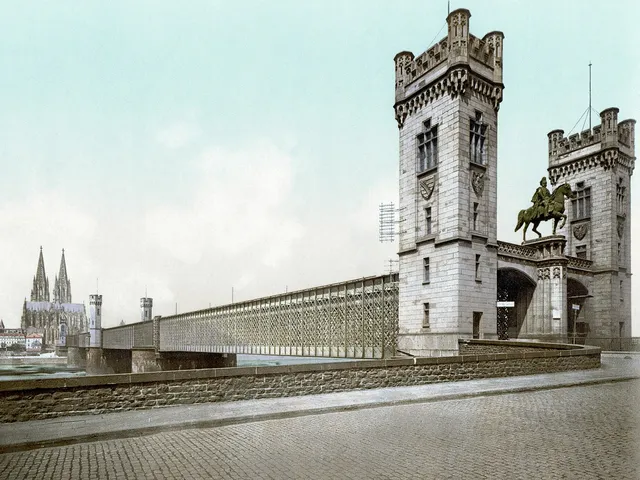
Bronze equestrian monument by Gustav Blaeser at the right-bank portal of the Hohenzollern Bridge, unveiled in 1867.

Erich-Klibansky-Platz

A Cologne memorial square whose Lion Fountain bears the names of 1,100 murdered Jewish children — built on the former site of the Adass Jeschurun congregation.

Fischmarkt

4.4(1,985)· Google

Historic square on the Rhine riverfront in Cologne's Altstadt — for centuries the heart of the city's fish trade, first recorded as "forum piscium" in the 12th century.

Fischreiterbrunnen

5.0(3)· Google

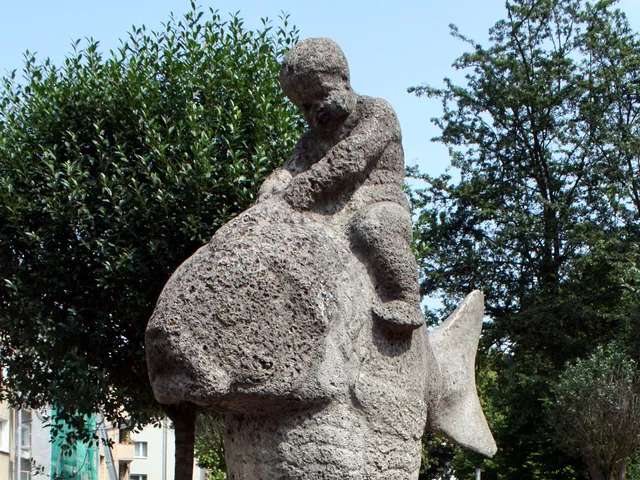
Sandstone fountain from 1913: a boy riding a fish — a listed landmark at Theophanoplatz in Zollstock.

Flora

since 1864
4.7(9,445)· Google

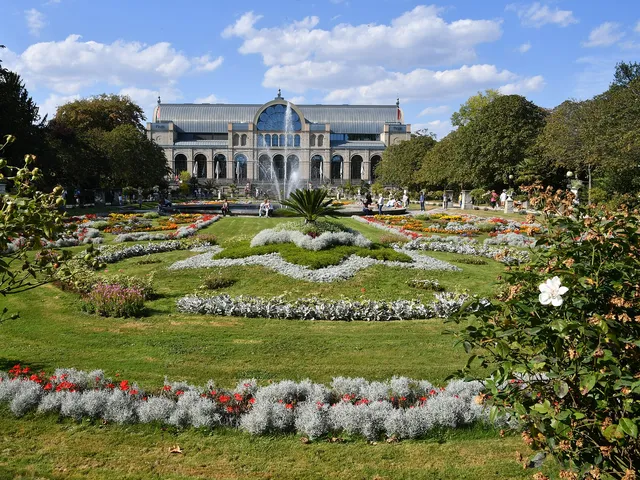
Cologne's botanical garden centred on the 1864 glass festival hall 'Flora' — a Lenné-designed park with over 10,000 plant species across more than 11 hectares.

Fort X of the Cologne Fortification Ring

since 1819
4.5(1,041)· Google

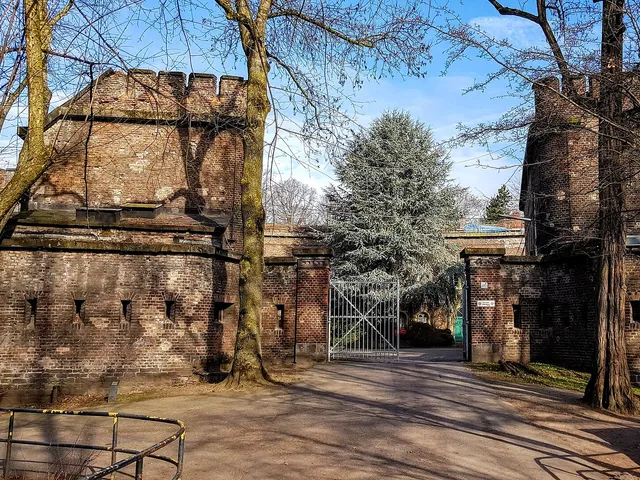
The best-preserved Prussian fort of Cologne's inner defensive ring — now a 'green fort' with a rose garden set within a generous parkland in Neustadt-Nord.

Fragrance Museum in the Farina House

since 1709
4.4(3,253)· Google

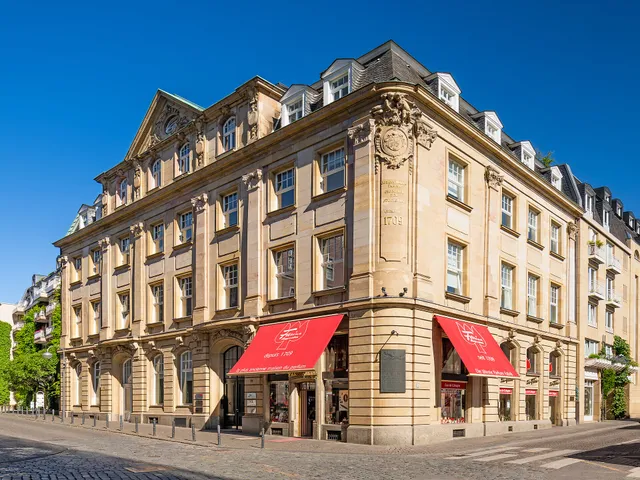
Birthplace of Eau de Cologne: the Farina House of 1709, the oldest perfume factory in the world still in operation.

Frauenbrunnen

4.4(30)· Google

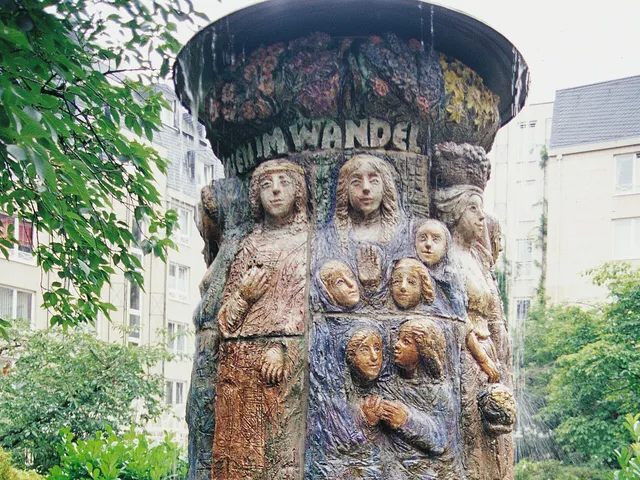
A 1987 terracotta fountain in the courtyard of the „An Farina“ complex, showing ten Cologne women from two millennia of city history as representatives of their era.

Friedenskirche (Köln-Mülheim)

since 1896
4.8(22)· Google

Oldest Protestant church building in present-day Cologne – named after the peaceful union of two congregations in 1837.

Friedenspark

4.6(1,462)· Google

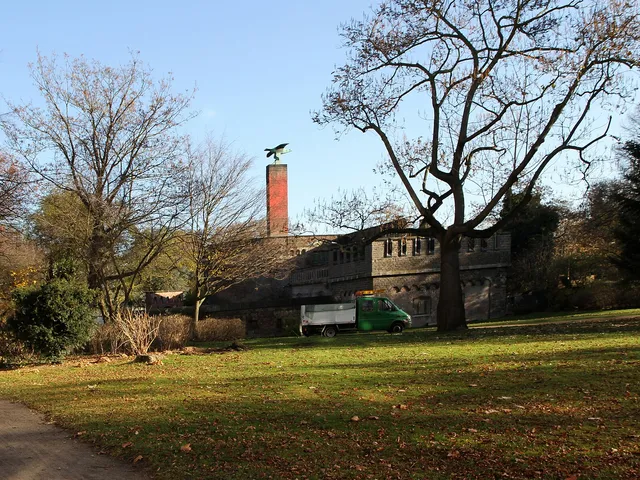
Cologne city park on the grounds of former Fort I — featuring ivy-covered fortress walls, a rose garden, and a WWI monument with an eagle cast from cannons.

Friesenplatz

Square on Cologne's ring boulevards at the start of Venloer Straße — gateway to the Belgian Quarter and once the haunt of Cologne's underworld.

Friesentor

since 1244
3.9(248)· Google

Cologne's only hexagonal city gate, built around 1244 at what is now Friesenplatz — a uniquely shaped landmark of the medieval fortifications.

Galopprennbahn Weidenpesch

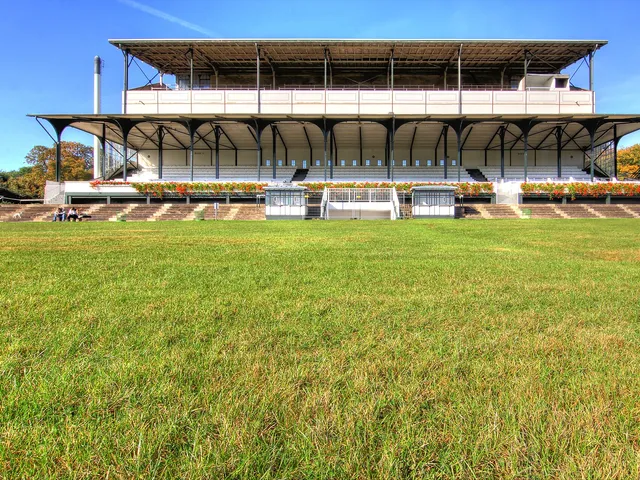
Cologne's oldest sports venue: a gallop racecourse open since 1898, hosting internationally significant races and a landmark-listed historic football stand.

Genoveva Fountain

since 1914
4.7(6)· Google

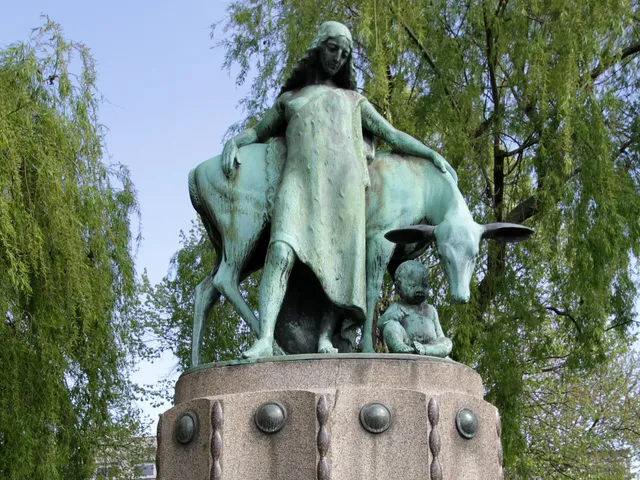
A fountain in a Mülheim green space crowned by a life-size sculpture of Saint Genevieve with a child and a stag — the namesake of a street, a grammar school and a swimming pool.

Gereon-Kaserne

since 1937
4.3(47)· Google

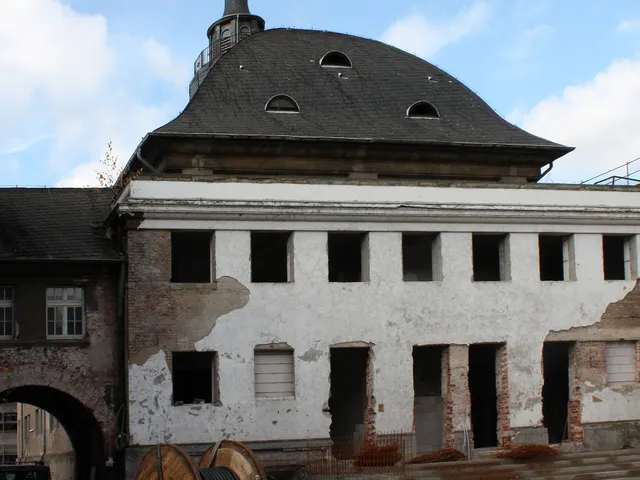
Bundeswehr barracks in Cologne housing the military leadership assessment centre — renamed from Mudra-Kaserne in 2022.
Gereonsmühle

4.3(20)· Google

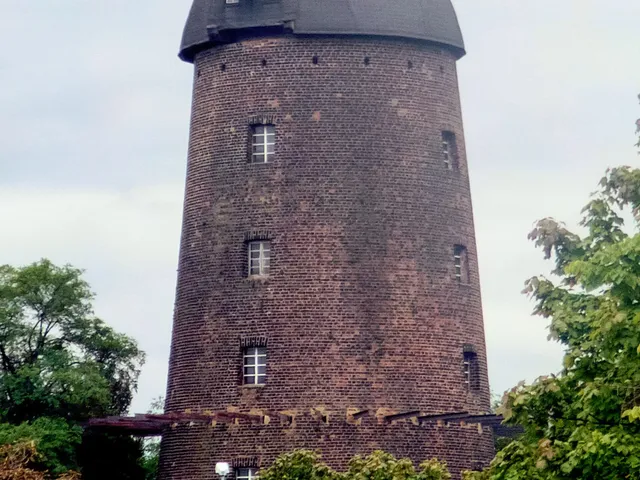
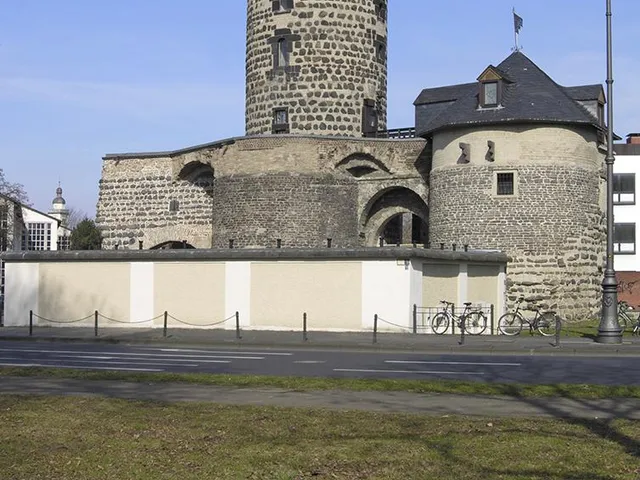
A surviving stretch of Cologne's medieval city wall with a former defensive tower that was converted into a windmill in the 15th century.

Gereonstor

since 1215

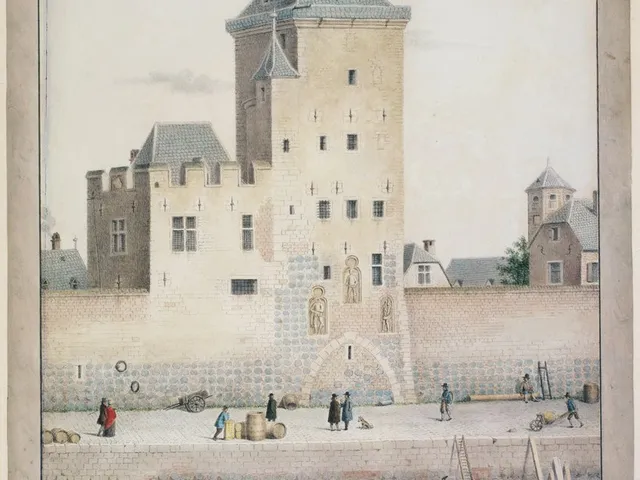
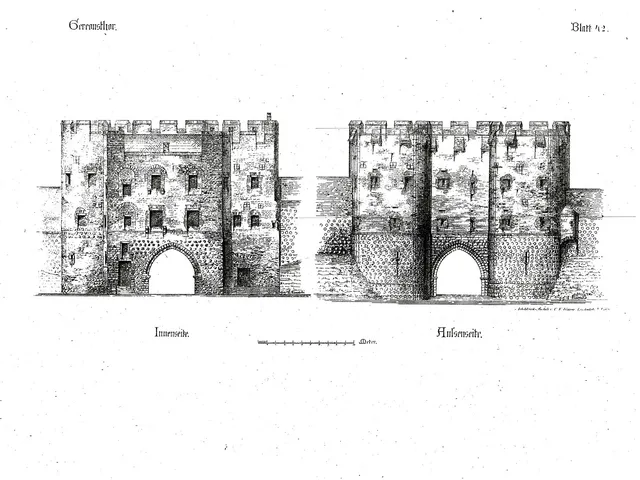
Medieval twin-tower gate of Cologne's city wall — bricked up for over 400 years, once the city's strictest prison, demolished in 1881.

Gerling Ring-Karree

since 2001
4.1(276)· Google

A 55-metre office tower on Hohenzollernring designed by Norman Foster — with a hidden lake and garden reserved exclusively for residents.

German Sport & Olympic Museum

since 1999
4.3(1,982)· Google

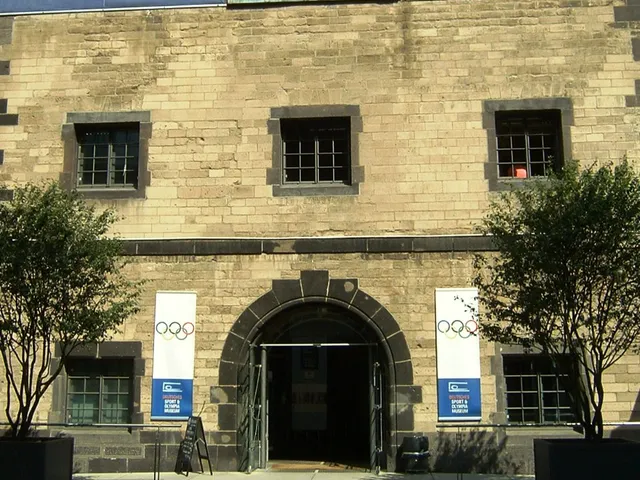
Museum in Cologne's Rheinauhafen dedicated to the history of sport from antiquity to the present — with rooms on the Olympics, football, boxing, and more.

Gremberger Wäldchen

Urban woodland in Cologne-Humboldt, home to what is believed to be the city's oldest tree — a copper beech dating back to the early 18th century.

Groß St. Martin

since 1150
4.6(1,694)· Google

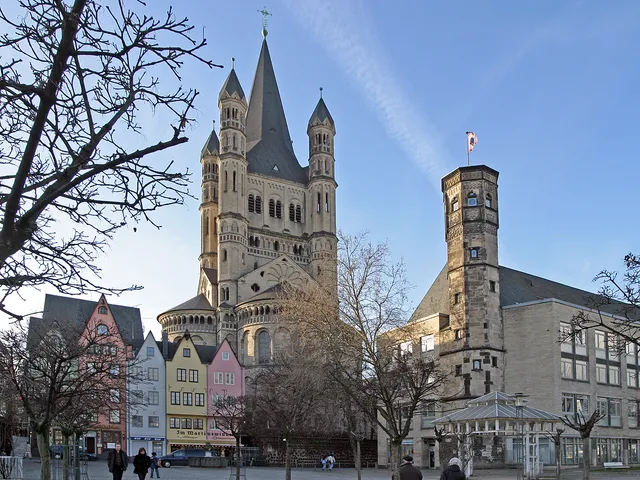
Romanesque basilica in Cologne's Old Town with a cloverleaf-shaped east choir and striking crossing tower — built over Roman foundations.

Hahnentorburg

since 1220
4.5(1,039)· Google

Medieval twin-tower gate at Rudolfplatz — Cologne's western gateway, through which crowned kings entered the city after their coronation in Aachen.

Hansahochhaus

since 1925
4.0(776)· Google

Cologne's first skyscraper from 1925 — briefly the tallest building in Europe at completion, built in the Brick Expressionist style.

Heinzelmännchen – Cologne's Household Spirits and Their Fountain

since 1900
4.5(795)· Google

Cologne's legendary household sprites who worked through the night while citizens slept — caught once, gone forever. Their fountain stands near the Cathedral.

Heizkraftwerk Köln-Niehl

3.0(11)· Google

Rheinenergie's gas-fired combined heat and power plant in Niehl — supplying Cologne's city centre with district heating, with Germany's largest heat pump planned next door.

Herkules-Hochhaus

since 1972
3.6(156)· Google

Nicknamed the 'Parrot House' for its vivid coloured façade, this 1972 residential tower in Neuehrenfeld stands 102 m tall — Cologne's ninth-highest high-rise.

Hermann Joseph Fountain

since 1894
4.3(9)· Google

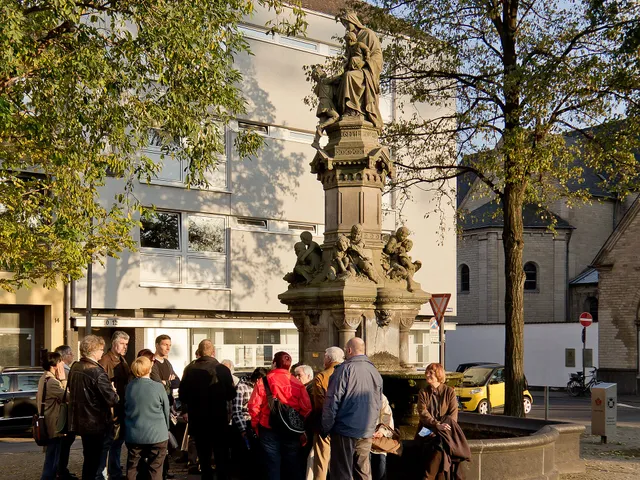
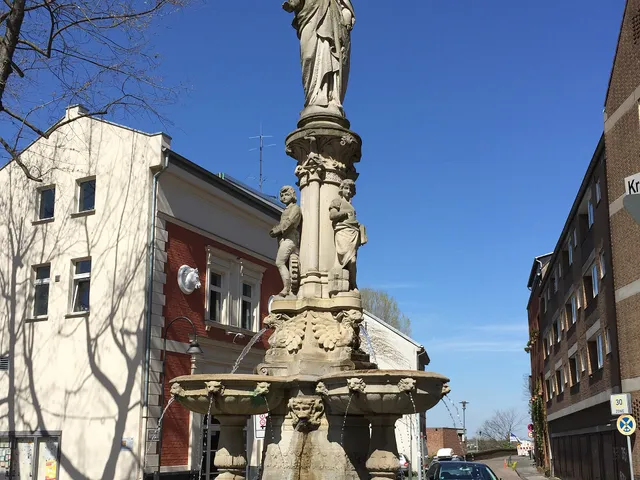
A richly figured 1894 fountain on Waidmarkt telling the legend of the "apple saint" Hermann Joseph — considered the high point of sculptor Wilhelm Albermann's work.

Herz-Jesu-Kirche

4.5(79)· Google

Neo-Gothic church on Zülpicher Platz whose tower was modelled on Freiburg Minster — rebuilt in a modern form after wartime destruction.

Heumarkt

Cologne's second-largest square and one of its oldest — built on a former Rhine island, hence its historic name 'Inselmarkt' (Island Market).

Hiroshima-Nagasaki-Park

since 2004
4.5(4,971)· Google

Memorial park in Cologne's Inner Green Belt commemorating the victims of the atomic bombings of Hiroshima and Nagasaki, with a monument featuring an origami crane.

Historic City Hall

4.2(539)· Google

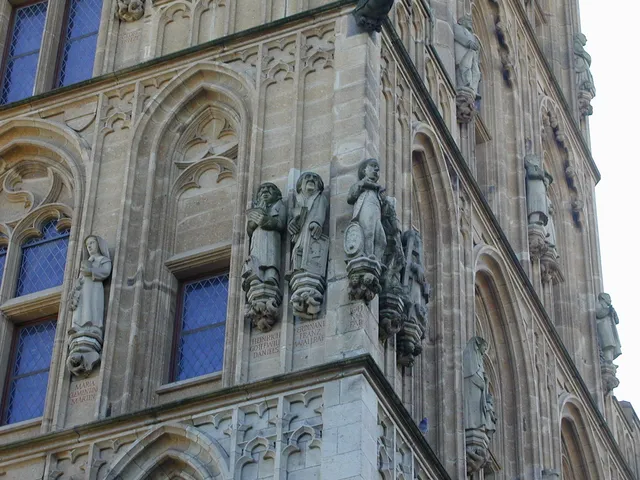
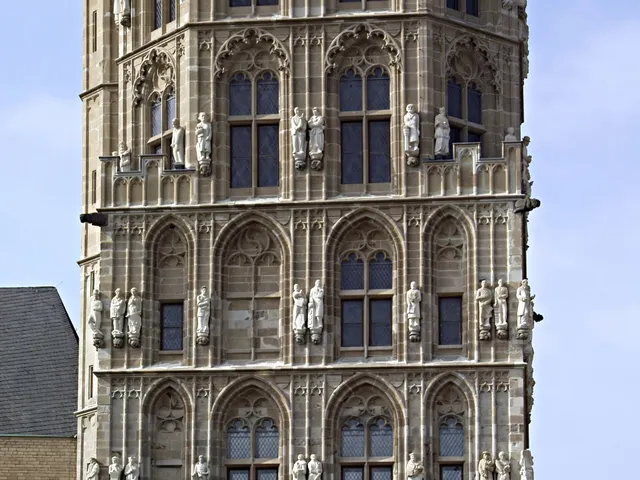
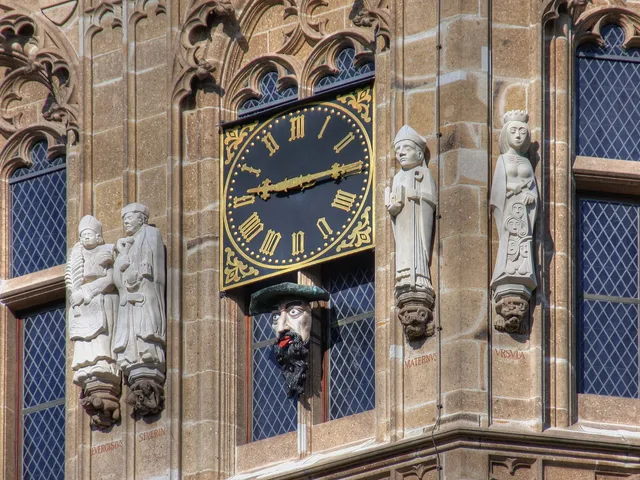
Germany's oldest city hall – with a Gothic council tower, a Renaissance loggia, and over 800 years of documented building history in Cologne's Old Town.

Historical Archive with Rhenish Image Archive

since 1857
5.0(1)· Google

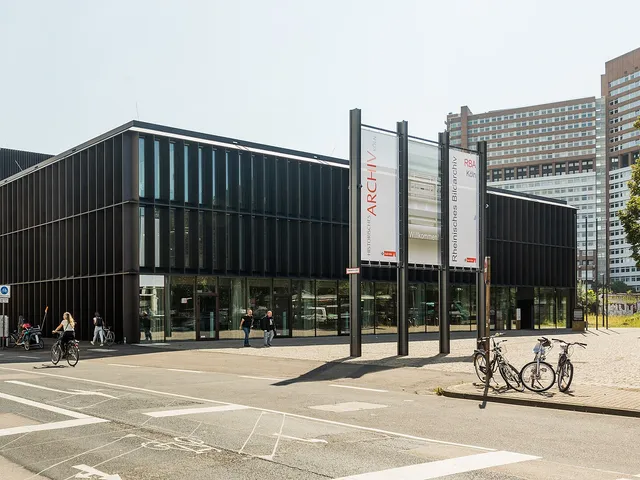
Germany's largest municipal archive — collapsed during subway construction in 2009, reopened in a new building at Eifelwall in 2021.

Hohe Pforte

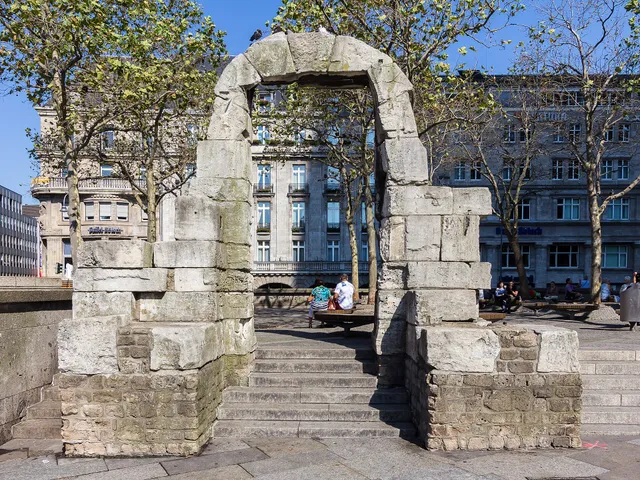
Southern gate of Cologne's Roman city wall on the 'cardo maximus' — the origin of today's Hohe Straße.

Hohe Straße

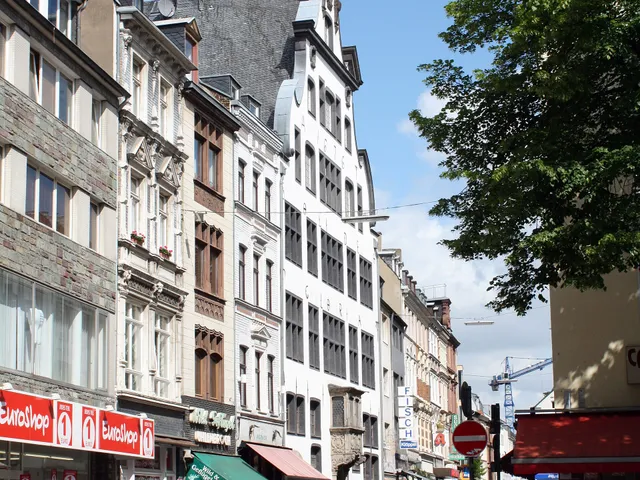
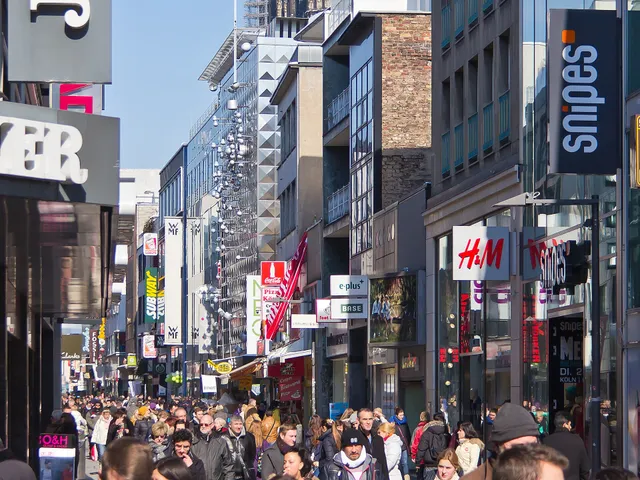
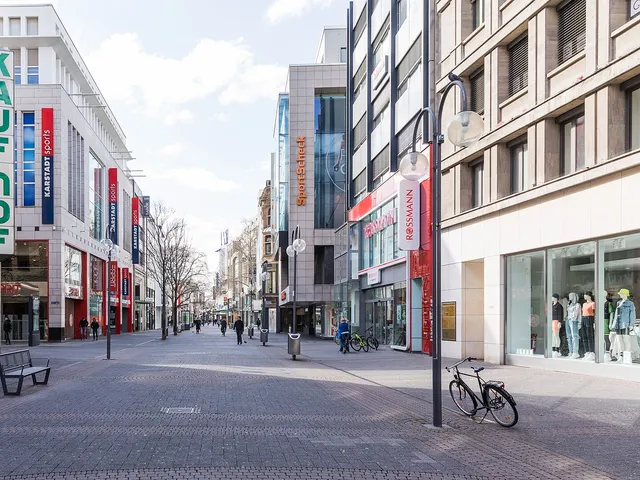
The Hohe Straße is one of Cologne's best-known shopping streets, running as a pedestrian zone through the heart of the Altstadt-Nord district. Its history goes all the way back to Roman times, when it formed the main north-south axis of the ancient city.

Hohenzollernbrücke

since 1911
4.6(13,656)· Google

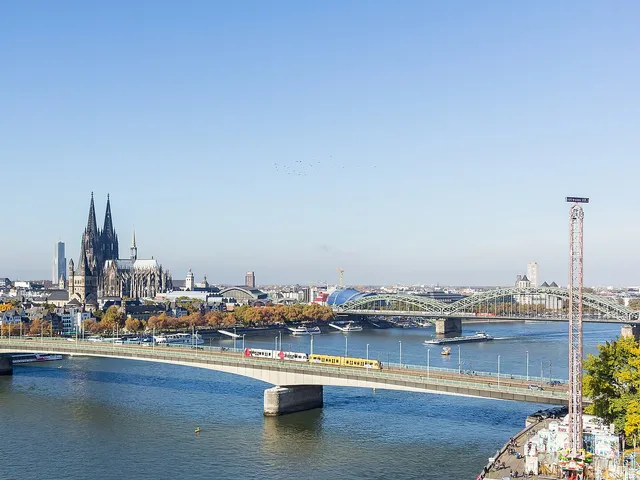
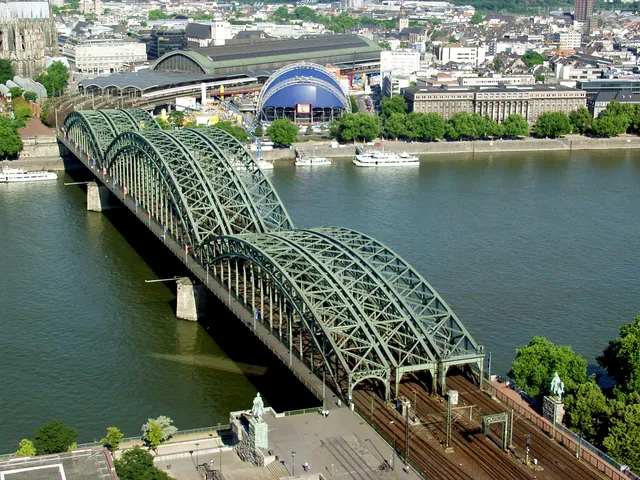
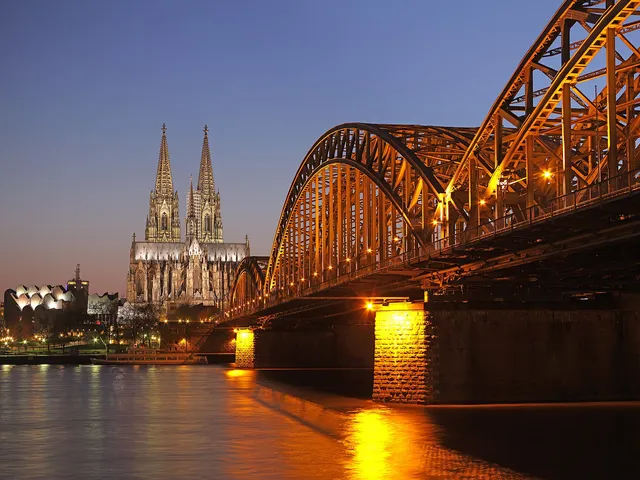
Germany's busiest railway bridge spanning the Rhine — a defining feature of Cologne's skyline alongside the Cathedral, and famous for thousands of love locks.

Idiotenbrücke

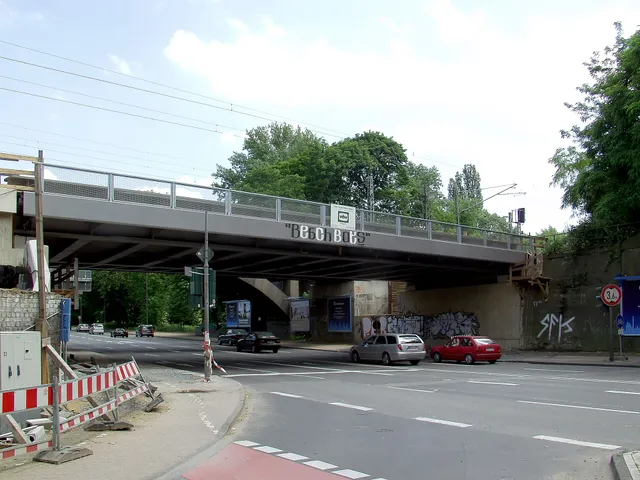
Nickname of a former Cologne railway bridge in Neuehrenfeld, where trucks repeatedly got wedged due to a clearance of only 3.9 m.

Immanuel Church (Cologne-Stammheim)

4.4(38)· Google

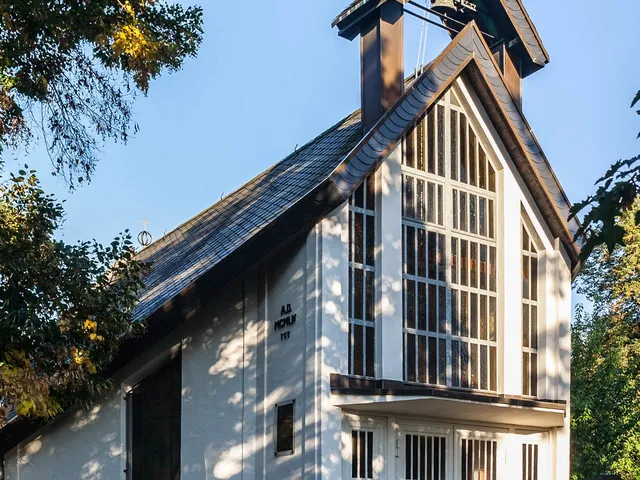
Multiple award-winning timber church of the evangelical Brückenschlag congregation in Cologne-Stammheim, consecrated in 2013.

Institut français Köln

since 1952
4.7(21)· Google

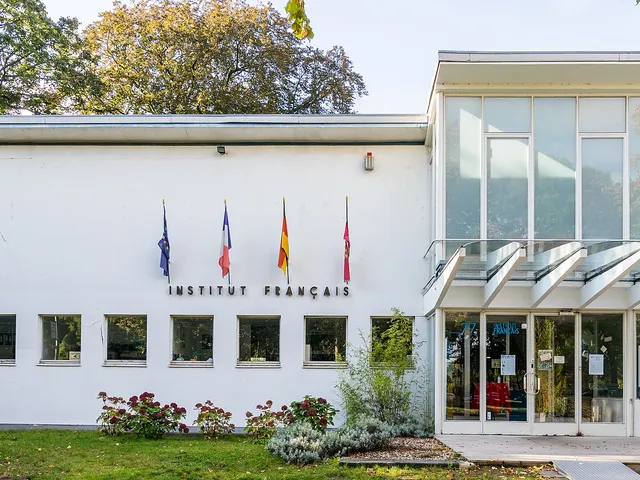
French cultural institute in Cologne's Südstadt — one of the first and now one of the last of its kind in western Germany; housed in Riphahn's 1952 building.

Jahndenkmal

4.4(37)· Google

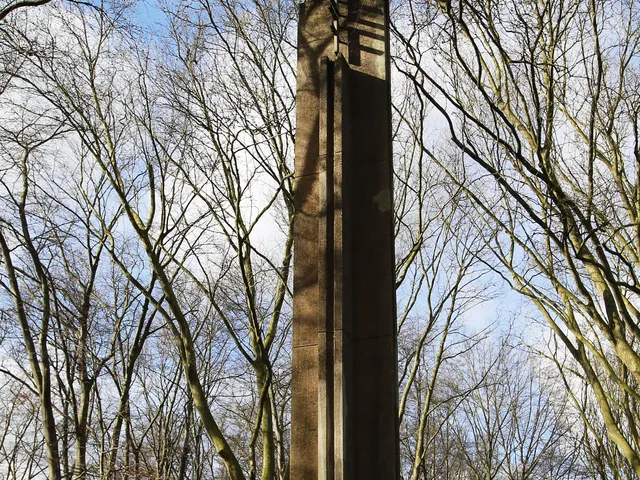
A 15-metre concrete pillar crowned by the Turner Cross of four "F"s — erected at Jahnwiese to mark the 150th birthday of gymnastics pioneer Friedrich Ludwig Jahn.

Jan-Wellem-Denkmal

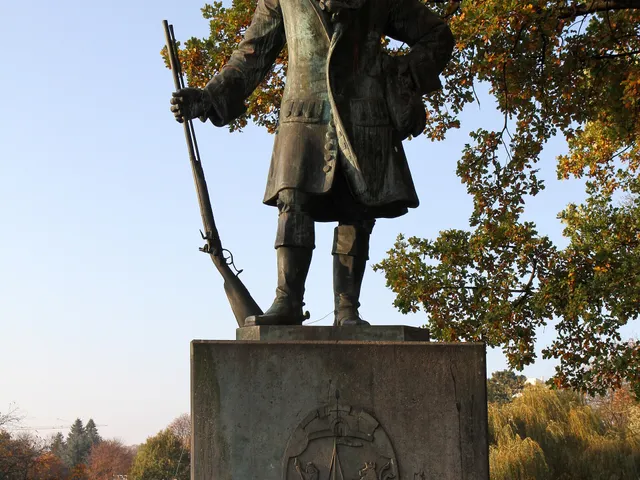
4.5(54)· Google

Bronze statue of Elector Jan Wellem in Cologne-Mülheim, donated in 1914 by the Andreae manufacturing family amid the controversy over the district's annexation.

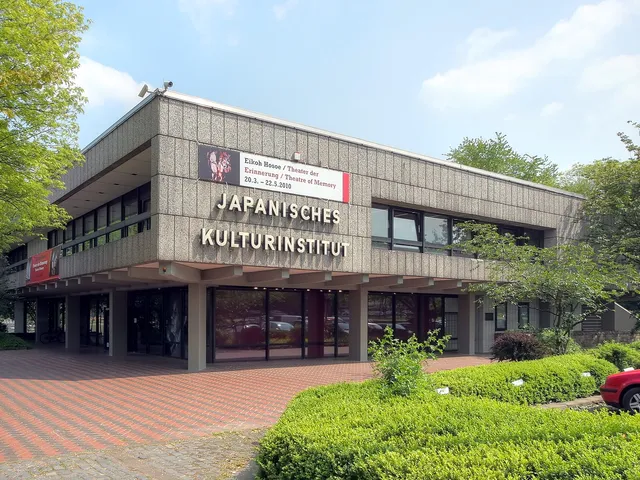
Japanese Cultural Institute

since 1969
4.7(279)· Google

One of only three Japanese cultural institutes in Europe — Cologne's gateway to Japanese culture for the entire German-speaking world.

Japanese Garden (Leverkusen)

A serene Japanese garden with koi ponds and a replica of Nikkō's iconic Mikado Bridge, nestled in the Carl Duisberg Park since 1912.

Jewish Welfare Center

3.6(5)· Google

Jewish social facility of the Cologne Synagogue Community in Neuehrenfeld — housed in the historic buildings of the former Israelite Asylum for the Sick and Elderly.

Kalker Kapelle

4.1(106)· Google

A pilgrimage chapel in Cologne's Kalk district, home to a 15th-century Pietà said to have miraculous powers — a destination for annual processions for centuries.

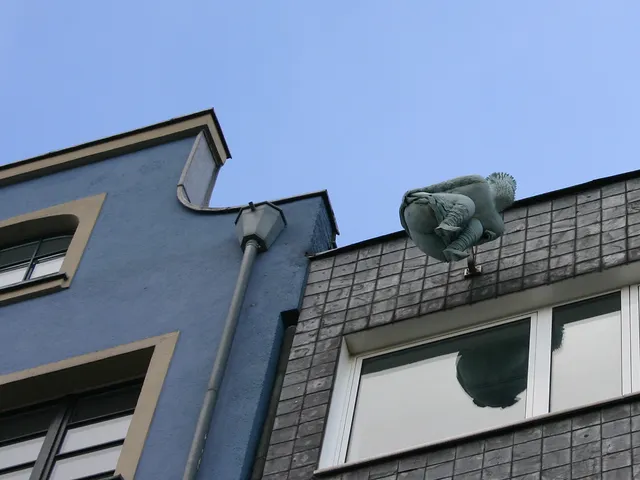
Kallendresser

4.2(9)· Google

Copper figure at Alter Markt that bares its backside to onlookers — a Cologne satirical motif with roots in the Middle Ages.

Kartäuserkirche

since 1350
4.4(115)· Google

Gothic church of the 1334 Cologne Charterhouse — now an Evangelical parish church with stained-glass windows by Charles Crodel.

Käthe Kollwitz Museum

since 1985
4.6(350)· Google

Home to the world's largest Käthe Kollwitz collection, this Cologne museum brings together her drawings, prints, and all 15 known bronze sculptures.

Katzenbuckelbrücke

since 1957
4.5(615)· Google

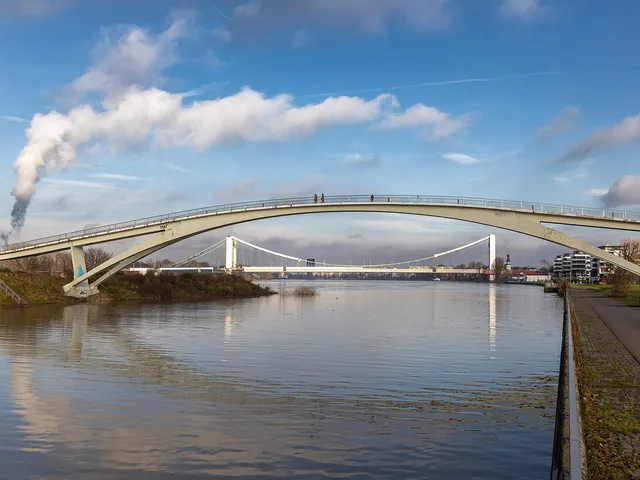
A curving prestressed-concrete pedestrian bridge from 1957 that links the Rhine bank in Cologne-Mülheim with the Katzenkopf river peninsula.

Klein St. Martin

since 1460

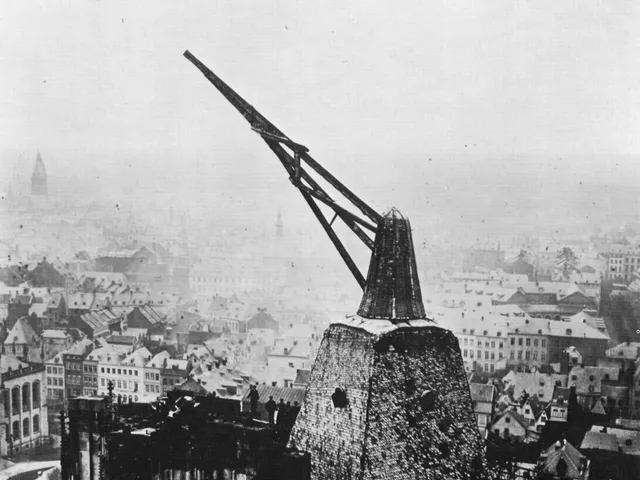
A lone tower surviving from a demolished Cologne parish church — once crowned with a tall Gothic spire visible across the Rhine skyline, today capped by a flat pyramid.

Klingelpützpark

4.3(112)· Google

Park on the site of the demolished Klingelpütz prison — with a memorial stone honouring more than 1,000 victims of Nazi-era justice.

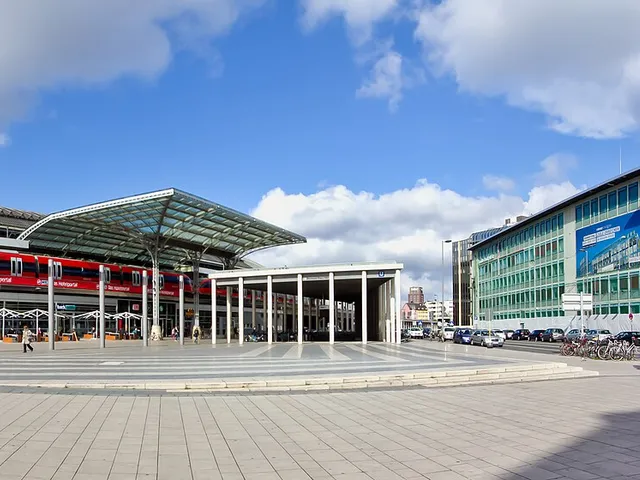
Köln Hauptbahnhof

since 1859
4.0(7,910)· Google

Cologne's central railway station beside the cathedral — the fifth busiest in Germany, with around 280,000 travellers a day.

Kölner Festungsmuseum

4.5(75)· Google

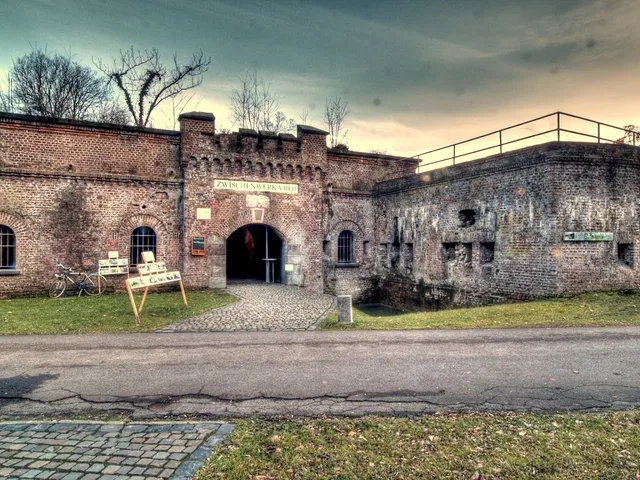
Volunteer-run museum in Prussian fortification VIII b — home to Germany's last surviving drawbridge, moat, and sculpture park in Marienburg.

Kölner Seilbahn

since 1957
4.4(337)· Google

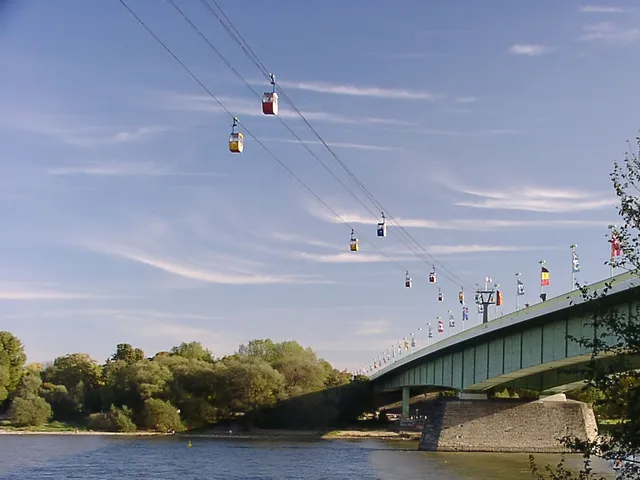
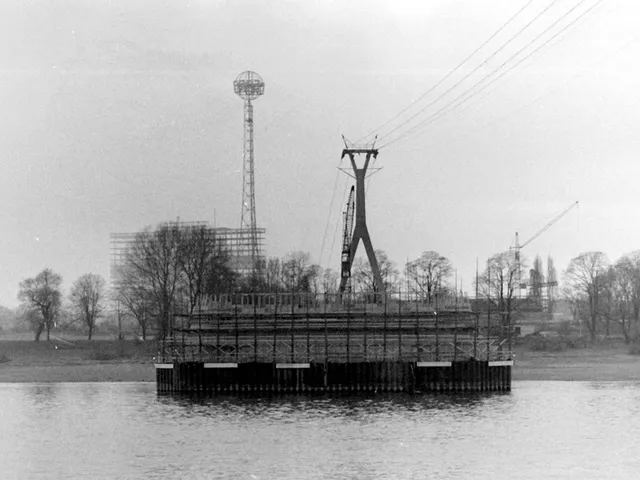
Gliding over the Rhine: since 1957, this six-minute cable car ride has offered sweeping views of Cologne, the Old Town, and the Cathedral.

Kölnischer Kunstverein (Cologne Art Association)

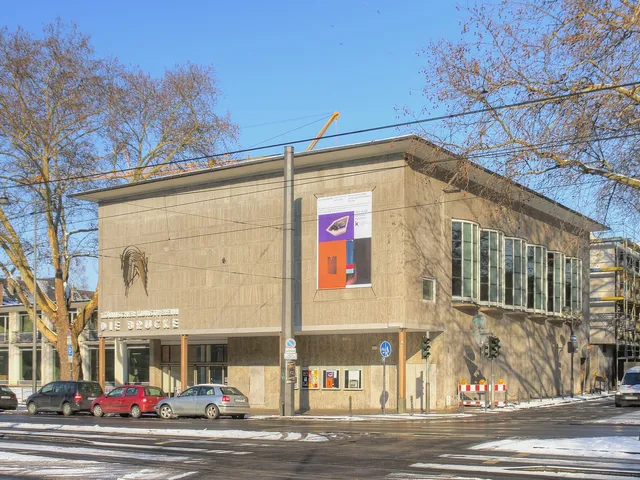
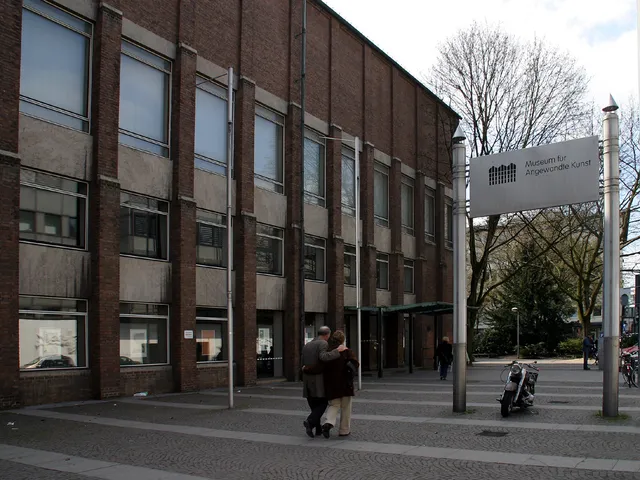
Founded in 1839, the Kölnischer Kunstverein is one of the oldest and most respected institutions for contemporary art in Germany. Today it resides in the striking building "Die Brücke" on Hahnenstraße, presenting current international art in Cologne.

KölnTriangle

4.6(5,595)· Google

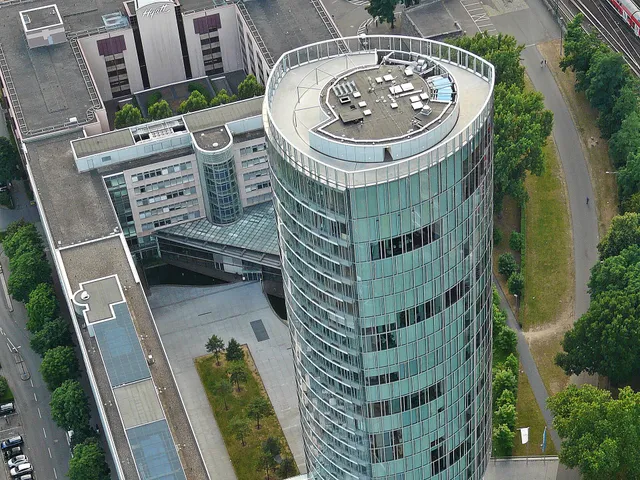
Triangular skyscraper in Cologne-Deutz with a fully glazed observation deck "Cologne View" at just over 100 metres, offering panoramic views across the city.

KölnTurm

since 2001
4.4(80)· Google

Cologne's tallest office building in the Mediapark (148.1 m) — glass façade with fired-on cathedral motifs and a rooftop terrace on the 30th floor open to restaurant guests.

Kolumba

since 1853
4.5(1,486)· Google

Peter Zumthor's landmark brick building for the Archdiocese of Cologne's art museum, built over the ruins of the war-destroyed church of St. Columba.

Kranhäuser

4.7(421)· Google

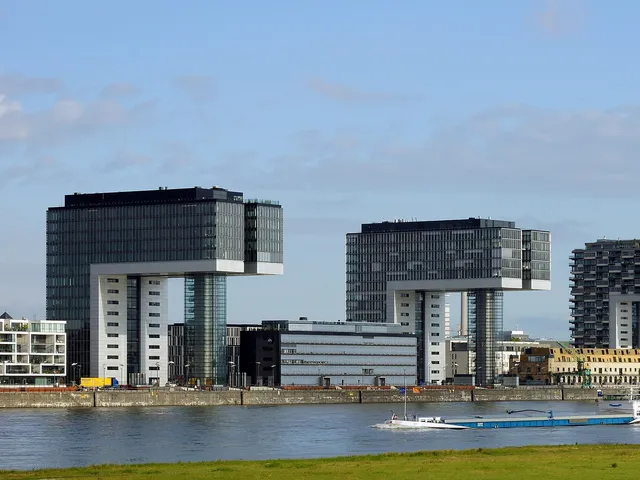
Three striking high-rises in Cologne's Rheinauhafen whose inverted-L silhouette mimics harbour cranes extending their jibs toward the Rhine.

Krieler Dömchen

since 850
4.8(60)· Google

Cologne's second-oldest church after St. Gereon — a small Romanesque village chapel in Lindenthal with roots stretching back to around 900 AD.

Landgericht Köln

2.4(292)· Google

One of Germany's largest regional courts – with a press chamber that journalists consider the strictest in the country.

Landschaftspark Belvedere

5.0(2)· Google

Park in Cologne's west that completes the Outer Green Belt — home to four viewing platforms and Germany's oldest surviving railway station.

Lanxess Tower

since 1969

Striking 95-metre office tower in Cologne-Deutz, originally built as Lufthansa's headquarters and now home to the global HQ of Lanxess AG.

Leaning Tower of Cologne (St. Johann Baptist)

4.1(17)· Google

In 2004, its 44 m tower tilted 77 cm westward — earning the church the nickname 'Leaning Tower of Cologne' and making international headlines.

Lenauplatz

Neighbourhood square in Neuehrenfeld with the Max-and-Moritz Fountain — lined with lime trees and framed by Gründerzeit townhouses.

Cologne's longest bridgeLeverkusen Rhine Bridge© A.Savin · CC BY-SA 3.0

Leverkusen Rhine Bridge

since 1965

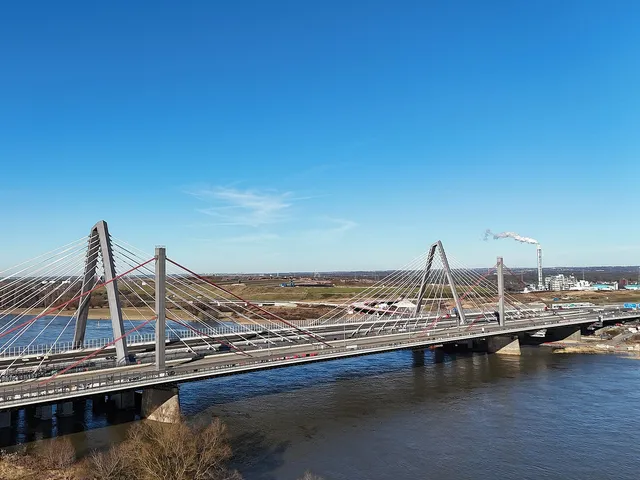
Cable-stayed bridge carrying the A1 motorway across the Rhine at Leverkusen — replacing the demolished 1965 bridge that could no longer handle modern traffic.

Luftwaffenkaserne

since 1870
5.0(1)· Google

One of Germany's largest military bases at around 300 hectares — home to senior Bundeswehr commands, a NATO unit, and a Canadian operational hub.

Lukaskirche (Cologne-Porz)

4.5(31)· Google

Protestant hall church in Cologne-Porz blending Art Nouveau beginnings (1914) with a striking Expressionist interior completed in 1927; listed heritage building since 1982.

Malakoffturm

since 1855
4.4(235)· Google

Brick gatehouse of Prussian Rhine fortifications at Rheinauhafen — now linked by a swing bridge to the Chocolate Museum across the water.

MediaPark

4.5(5,136)· Google

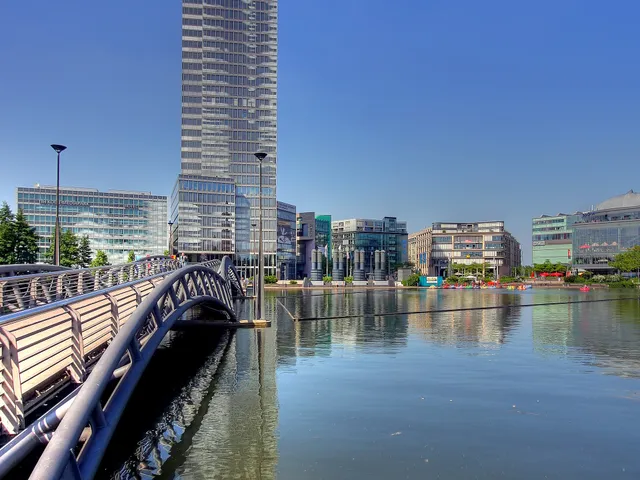
Car-free media business park on a former freight yard — built around a central square with an artificial lake, crowned by the soaring Kölnturm.

Memorial for the Gay and Lesbian Victims of National Socialism in Cologne
since 1995
4.6(13)· Google

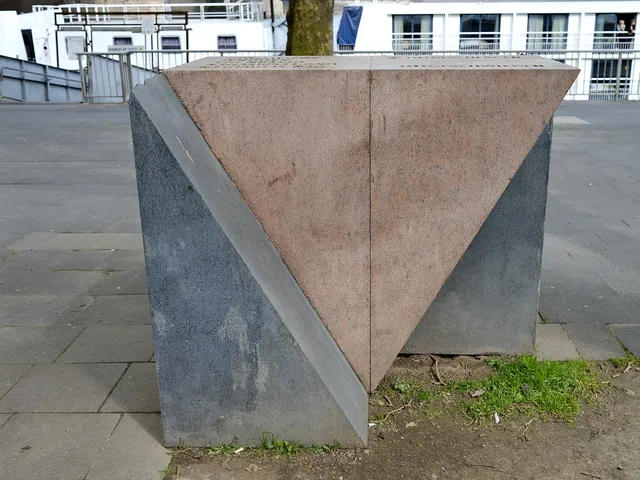
First memorial of its kind erected by a trade union — a 1995 riverside stone for gay and lesbian Nazi victims, inscribed 'Totgeschlagen – Totgeschwiegen'.

Merheimer Heide

A right-bank Cologne green space born from plans for the Outer Green Belt — meadows, woodland, and a variety of sports facilities.

Messeturm Köln

since 1928

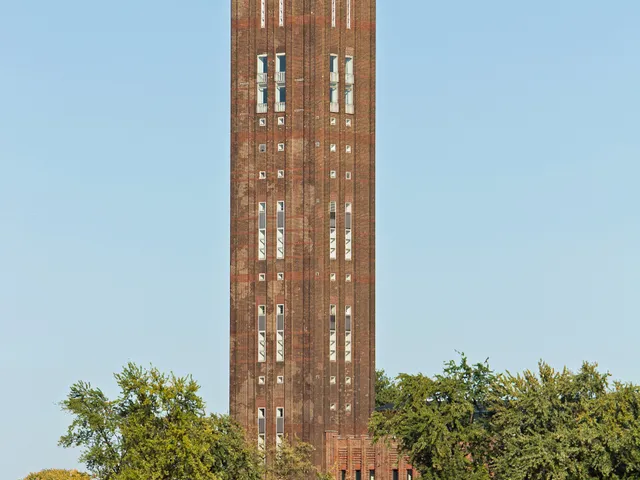
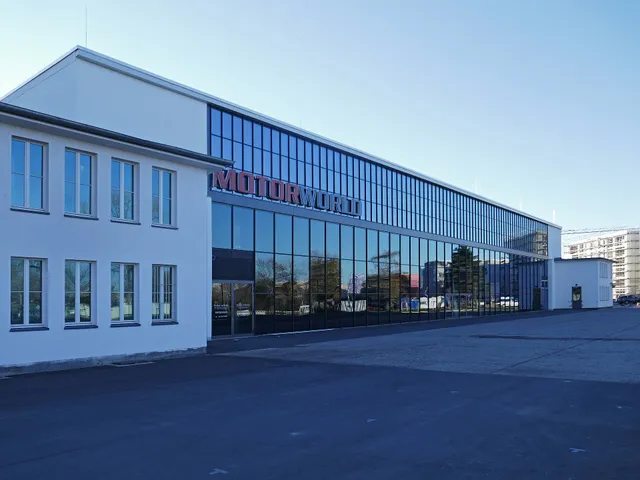
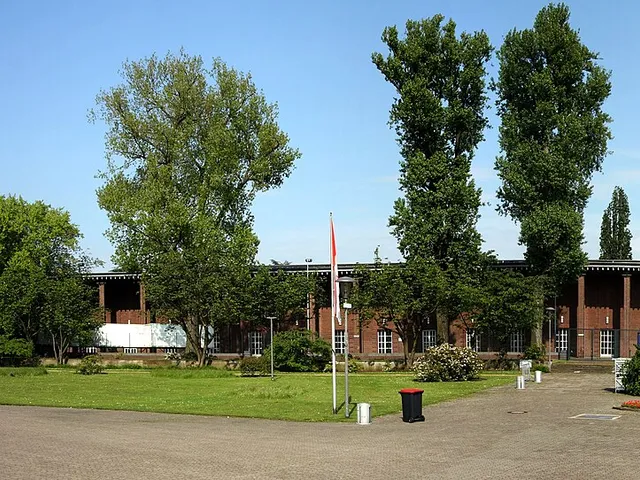
An 85-metre brick tower from 1928 in Deutz — crowned by a three-faced Hermes sculpture and united with the Rheinhallen by its striking Expressionist façade.

Minoritenkirche

4.7(125)· Google

Burial church of Adolph Kolping and Johannes Duns Scotus — a 13th-century Gothic mendicant church and place of pilgrimage.

Mülheim Town Fountain

since 1884
4.7(21)· Google

A roughly ten-metre sandstone fountain from 1884 whose crowned patroness, the "Mülheimia", commemorates the devastating Rhine flood of 1784.

Mülheimer Brücke

since 1951
4.0(698)· Google

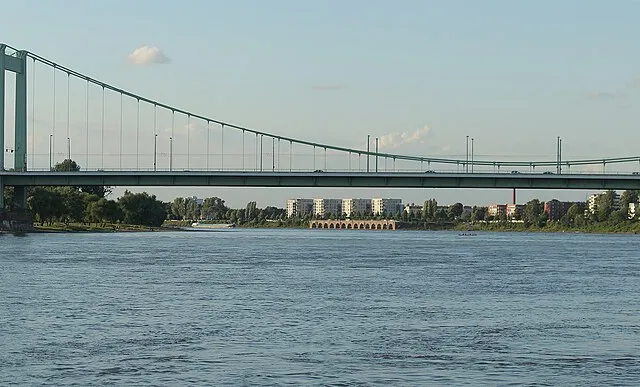
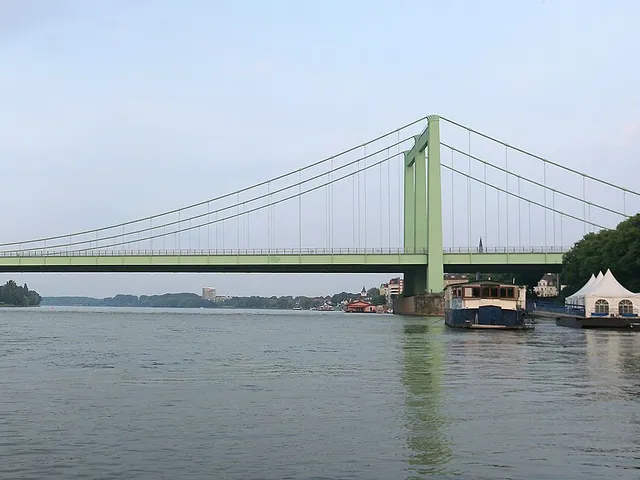
Rhine suspension bridge between Mülheim and Riehl — the origin of Cologne's iconic bridge-green colour and Germany's first bridge with an orthotropic deck.

Mülheimer Stadtgarten

Historic public park in Cologne-Mülheim, established 1912/13 — featuring a lake, sweeping lawns, and the 1914 Fairy-Tale Fountain. Listed landmark.

Museum Ludwig

since 1976
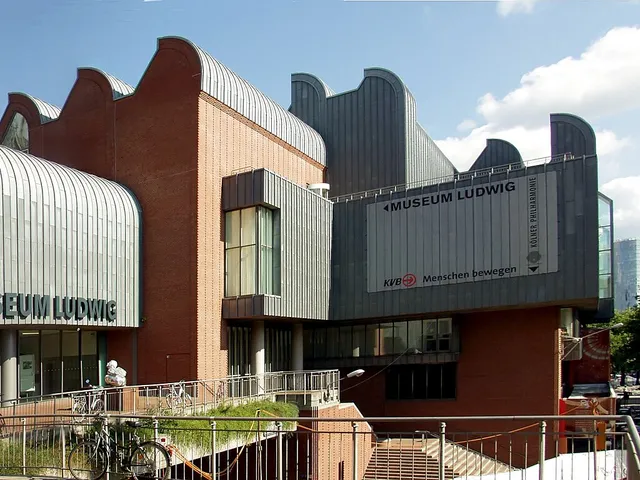
4.5(9,316)· Google

20th- and 21st-century art on Cologne's Cathedral Plateau — home to Europe's largest Pop Art collection and the world's third-largest Picasso collection.

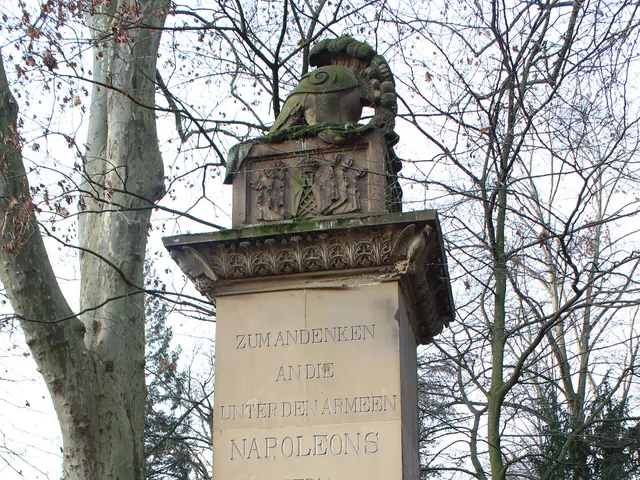
Napoleon Stone at Melaten Cemetery

since 1853

A war memorial at Cologne's Melaten Cemetery, unveiled in 1853 in memory of Cologne soldiers who died in the Napoleonic Wars. Funded by 65 surviving veterans, it serves as both a memorial to the fallen and to the veterans.

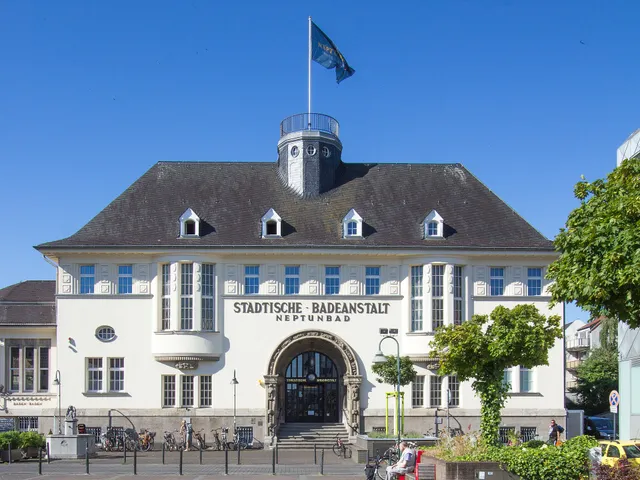
Neptunbad

4.6(2,863)· Google

Art Nouveau bathhouse from 1912 in Ehrenfeld — Cologne's first modern suburban public bath, now a fitness and wellness centre.

Neu St. Alban

since 1958
4.8(22)· Google

Post-war church in the Stadtgarten built from rubble bricks of the destroyed Cologne Opera, with a pentagonal floor plan inspired by Le Corbusier.

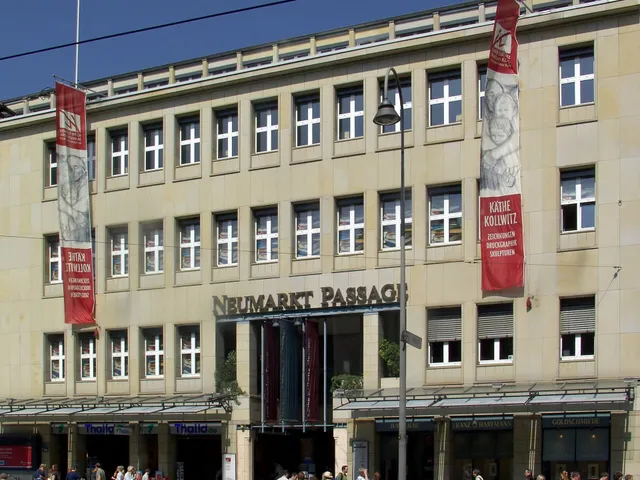
Neumarkt

Cologne's largest square at over 27,000 m² — once a livestock market, execution ground, and legendary witches' sabbath site, with Roman remains beneath.

Nikolaus-Kapelle

4.9(28)· Google

Built around 1100 near the Rhine in Westhoven — Cologne's smallest surviving Romanesque village chapel, enclosed by an ancient churchyard.

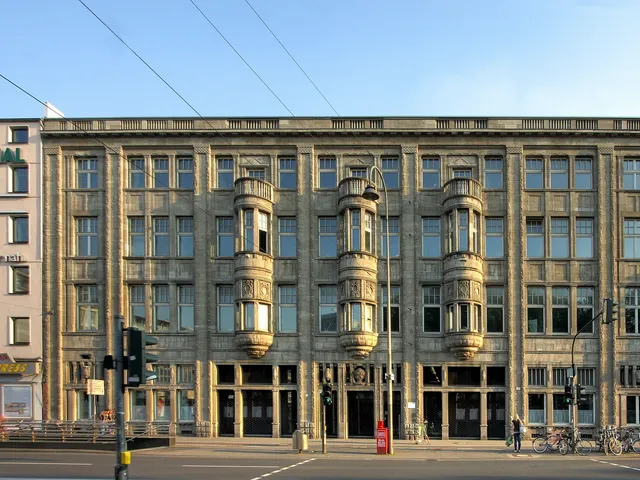
NS-Dokumentationszentrum (EL-DE-Haus)

since 1979
4.5(3,862)· Google

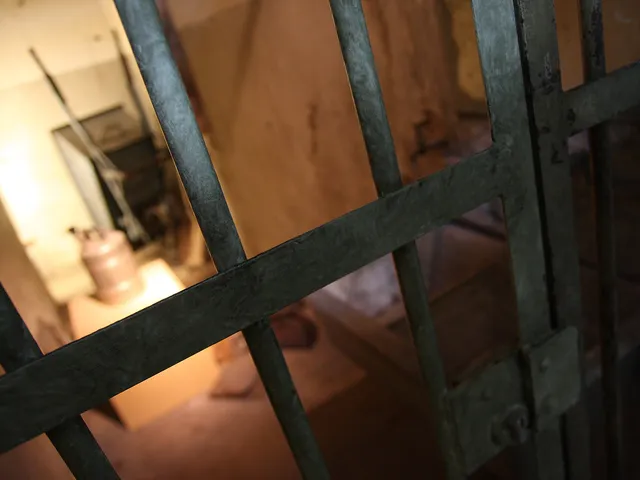
Memorial and museum in Cologne's former Gestapo headquarters — with preserved prison cells and prisoners' wall inscriptions surviving in the basement.

Oberpostdirektion Köln

Regional postal authority for the Cologne area from 1850 to 1993, headquartered in the Altstadt-Nord district.

Offenbachplatz

The theatre square in Cologne's Altstadt-Nord, fronting the Opera House and Schauspielhaus, centred on the long-neglected Opernbrunnen by Jürgen Hans Grümmer.

Opernbrunnen

since 1966
3.7(20)· Google

Mosaic fountain in front of Cologne's Opera House, incorporating tiles from Aristotle Onassis's yacht and the bombed-out Kaiser Wilhelm Memorial Church in Berlin.

Overstolzenhaus

4.3(58)· Google

Built around 1230, the Overstolzenhaus on Rheingasse is a Romanesque patrician house that today houses the Academy of Media Arts Cologne.

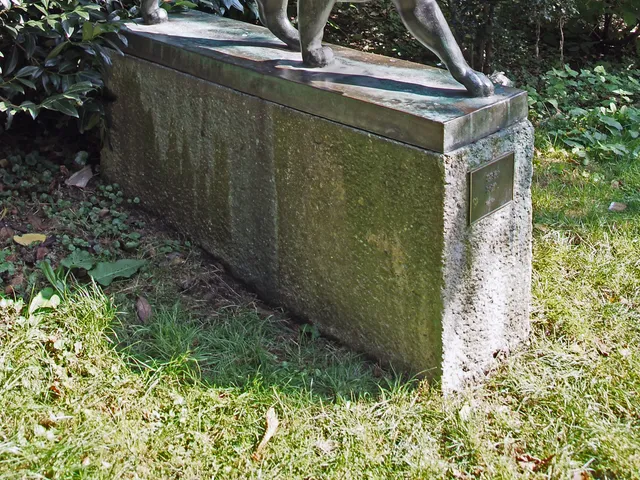
Panther

4.0(4)· Google

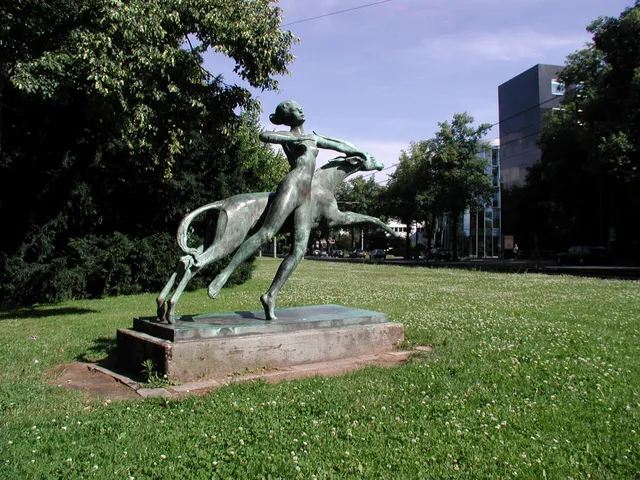
A bronze big cat poised to strike by sculptor Fritz Behn, created around 1920, in the Südpark in Cologne's Marienburg district.

Parish Church of Christ's Resurrection

4.7(32)· Google

Old Catholic parish church in Cologne's Südstadt — a red steel frame on its 1990s successor traces the silhouette of the wartime predecessor at full scale.

Poller Köpfe

Historic riverbank fortification on the right bank of the Rhine — built over 250 years to keep the river from carving a new course around Cologne.

Pollonius

5.0(2)· Google

115-metre telecommunications tower in Cologne's Porz district, named as a nod to its taller 'big brother', the Colonius tower.

Radstadion Köln

4.8(99)· Google

Müngersdorf velodrome opened in 1996 with a track made from rare tropical Afzelia wood; partly demolished since 2022, replaced by the Albert Richter Velodrome from 2027.

Rathenauplatz

Cologne's leafy Südstadt park with a plane-tree avenue, a popular beer garden, and a name that mirrors Germany's turbulent 20th century.

Rheinauhafen

Former Cologne harbour with the iconic Crane Houses – today a residential and commercial quarter on the 'Werthchen' peninsula in Altstadt-Süd.

Rheinboulevard

since 2015
4.6(2,546)· Google

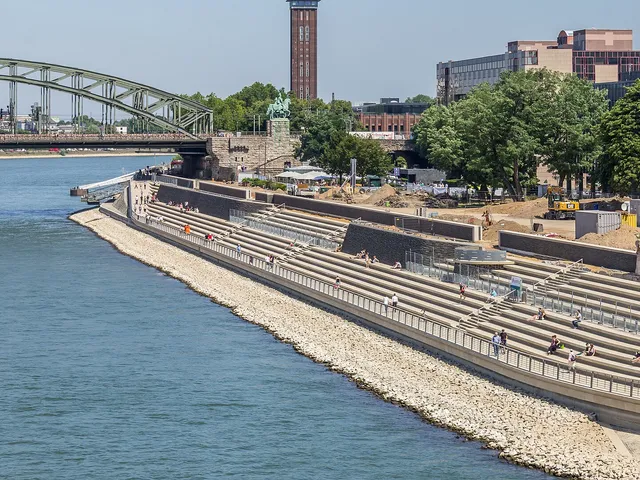
A wide riverside staircase and promenade on the right bank of the Rhine in Deutz — with one of the finest views of Cologne's old town and cathedral.

RheinEnergieStadion

since 1921
4.6(19,912)· Google

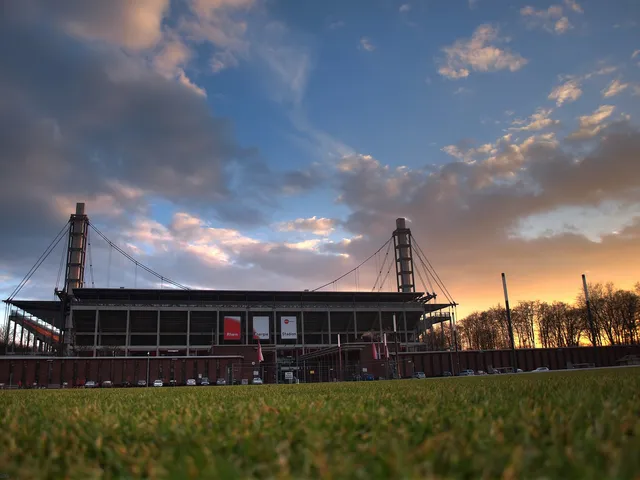
Home ground of 1. FC Köln in Müngersdorf — rebuilt in 2004 as a dedicated football stadium and one of twelve 2006 FIFA World Cup venues.

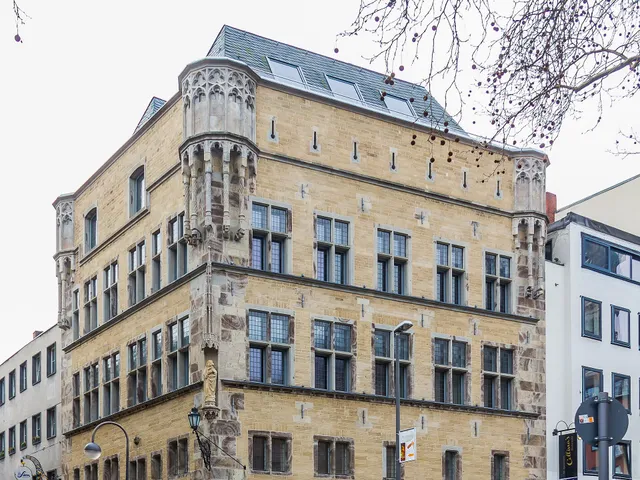
Richmodis-Haus

4.4(9)· Google

Cologne landmark with two stone horse heads in its octagonal tower — rooted in the haunting legend of Richmodis von Aducht from the Black Death era.

Roman Cologne – Colonia Claudia Ara Agrippinensium

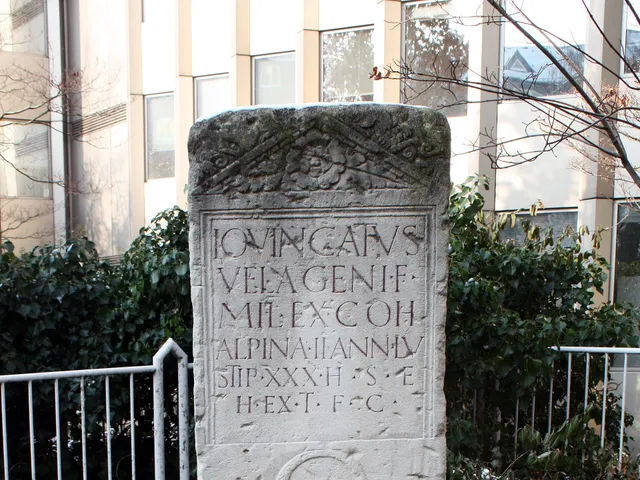
The birthplace of Cologne: the Roman CCAA, capital of Lower Germania — and today part of a UNESCO World Heritage Site.

Roman Tomb Cologne-Weiden

4.8(170)· Google

Underground Roman burial chamber from the 2nd century — one of the best-preserved funerary structures north of the Alps, discovered in 1843.

Romano-Germanic Museum (RGM)

since 1946

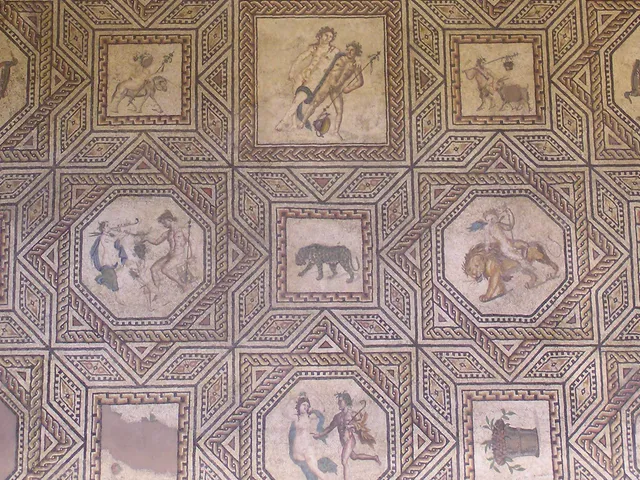
Cologne's archaeological museum — world's largest collection of Roman glass and the Dionysus Mosaic near the cathedral (currently at the Belgian House).

Römerturm

4.3(418)· Google

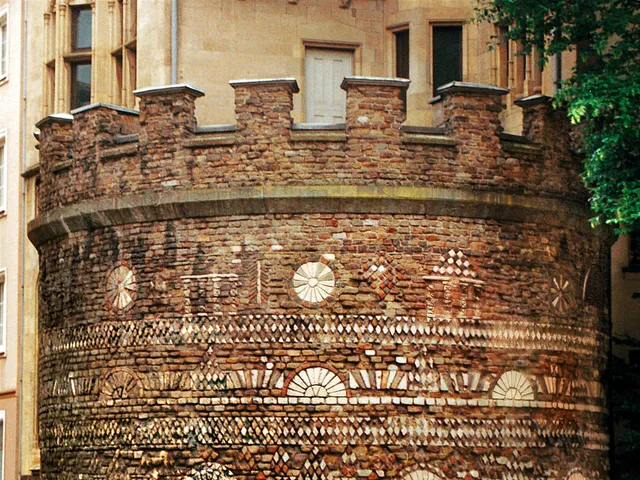
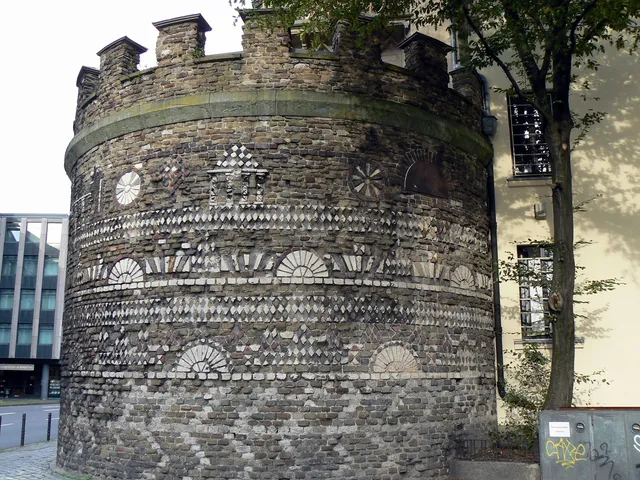
The best-preserved tower of Cologne's Roman city wall, built around 50 AD and decorated on its outer face with an elaborate mosaic of natural stones.

Roncalliplatz

The square around Cologne Cathedral traces a dramatic transformation from a densely built medieval neighbourhood to an open national monument.

Ruhender Verkehr

4.7(10)· Google

A car fully encased in concrete on Hohenzollernring – Wolf Vostell's ironic 1969 action sculpture about parking.

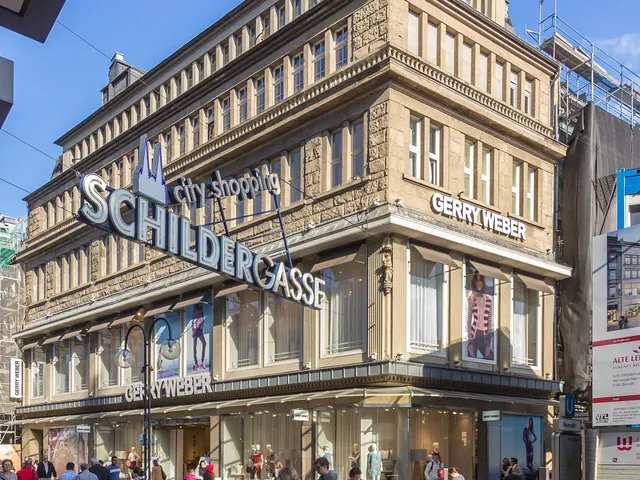
Schildergasse

The Schildergasse is one of Cologne's central shopping streets, linking Neumarkt with Hohe Straße as a pedestrian zone. With Roman roots and a name derived from medieval shield painters, it blends centuries of history with modern retail.

Schlosspark Stammheim

4.6(2,123)· Google

English-garden landscape park on the Rhine, laid out 1828–1832 by Maximilian Weyhe — today a public green space and, since 2002, a venue for contemporary art.

Schmitz Column

4.4(22)· Google

A sculpture in Cologne's Old Town in front of Great St. Martin Church that marks the city's 50-metre elevation point and playfully commemorates the Schmitz family and the Moon landing.

Severinsbrücke

since 1959
4.5(780)· Google

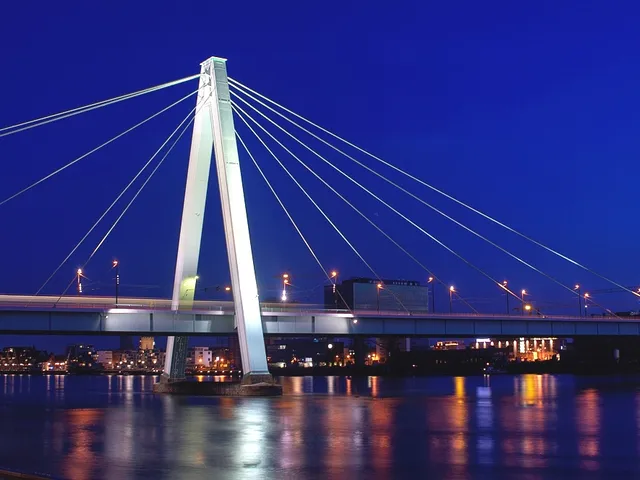
Cable-stayed bridge with a single A-shaped pylon over the Rhine to Deutz — Cologne's first entirely new bridge built after World War II.

Severinstorburg

since 1230
4.5(1,173)· Google

One of only four surviving medieval city gate towers in Cologne — a landmark of the Severinsviertel and today a vibrant community venue at Chlodwigplatz.
St. Agnes

since 1896
4.6(612)· Google

Cologne's largest church after the Cathedral: a Neo-Gothic hall church that gave its name to the surrounding Agnesviertel district.

St. Amandus (Köln-Rheinkassel)

since 1200
4.8(43)· Google

Romanesque church on the Rhine whose twin-towered chancel is a miniature echo of nearby St. Gereon — an extraordinary feature for a rural parish church.

St. Andreas

since 974
4.6(395)· Google

One of Cologne's twelve great Romanesque churches — home to the tomb of Albertus Magnus in its crypt and stained-glass art by Markus Lüpertz.

St. Anna-Haus

4.1(10)· Google

Founded in 1888 as a hospital and care home for the elderly, it served as a hospital until 1979 — today a Cellitinnen senior residence in Cologne-Lindenthal.

St. Aposteln

since 1020
4.6(665)· Google

One of Cologne's twelve great Romanesque churches — known for its trefoil-shaped trichoral apse at Neumarkt and celebrated as the city's premier music church.

St. Cäcilien – Museum Schnütgen

since 801
4.5(29)· Google

One of Cologne's twelve great Romanesque churches — home to the Museum Schnütgen for medieval art since 1956.

St. Clemens (Cologne-Mülheim)

4.4(74)· Google

A former sailors' church on the Rhine in Cologne-Mülheim, rooted in a Romanesque hall church built in the 12th and 13th centuries.

St. Cosmas und Damian (Köln-Weiler)

4.4(8)· Google

Parish church in Köln-Weiler whose Baroque predecessor from 1766 has been preserved; the 1910 organ was restored to its original specification in 2007.

St. Engelbert

since 1930
4.4(99)· Google

Cologne's first modern church: Dominikus Böhm's central-plan building with a star-shaped dome, built 1930–1932 in Riehl.

St. Georg

since 1059
4.6(127)· Google

11th-century Romanesque collegiate church rising above a columned crypt with Roman spolia — one of Cologne's twelve great Romanesque basilicas.

St. Gereon

since 1201
4.7(1,039)· Google

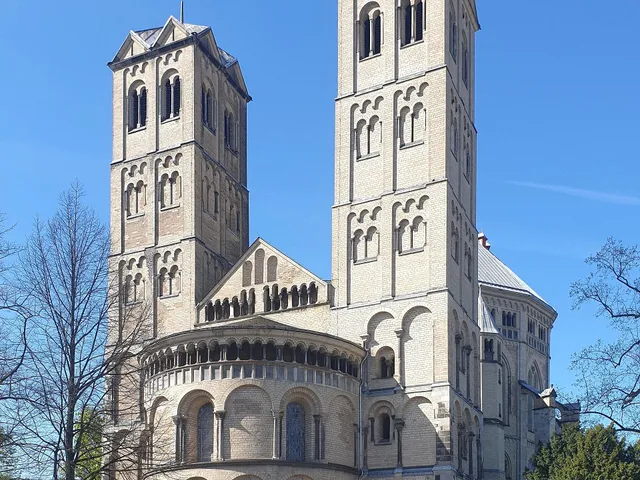
Romanesque church in Cologne with a ten-sided domed rotunda from the Hohenstaufen era — the largest surviving free-vaulted central-plan building of the Middle Ages north of the Alps.
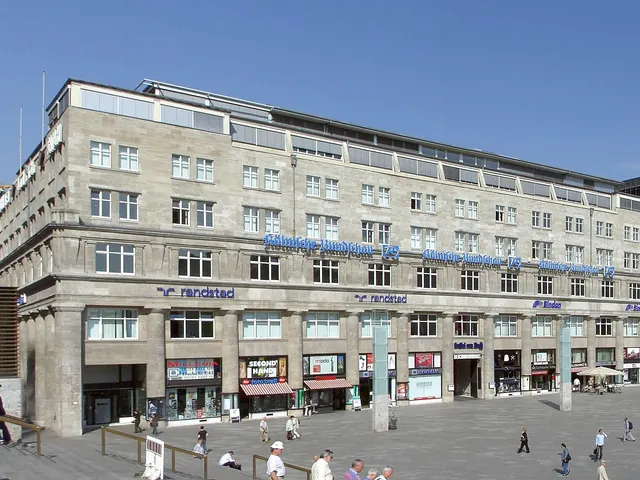
St. Gertrud

4.5(43)· Google

Brutalist church by Gottfried Böhm in the Agnesviertel — a cave-like raw concrete structure that won the Cologne Architecture Prize in 1967.
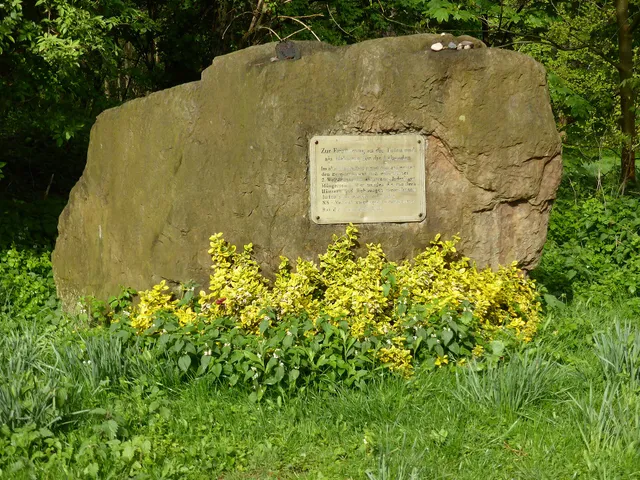
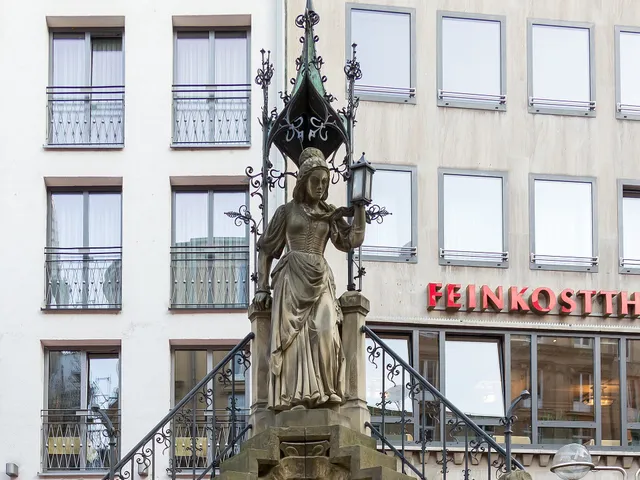
St. Gregorius im Elend

5.0(12)· Google

Baroque church rebuilt after WWII destruction, born from the 'Elendskirchhof' — Cologne's historic burial ground for strangers, outcasts, and the dishonoured.

St. Heribert

4.6(112)· Google

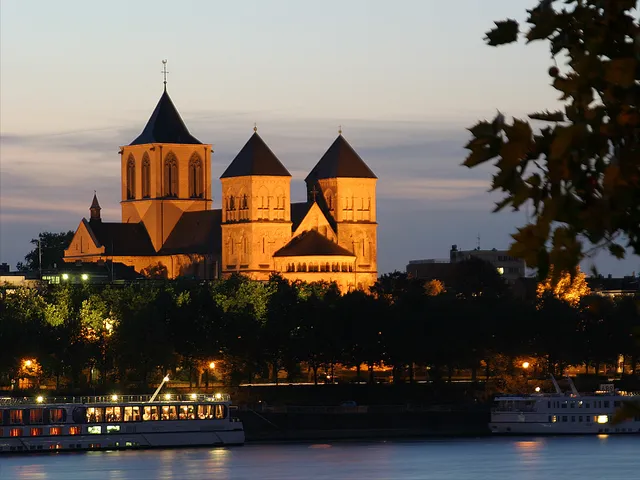
Parish church in Cologne-Deutz, nicknamed the "Düxer Dom" — home to the Heribert Shrine, completed around 1175.

St. Hubertus (Cologne-Brück)

since 1931
3.3(16)· Google

A Roman Catholic hall church from 1930/31 in the modernist style — home to a 15th-century Madonna statue and original stained-glass windows from 1931.

St. Hubertus (Flittard)

since 1896
4.9(8)· Google

Catholic church in Cologne-Flittard featuring a Romanesque tower from the 12th century and a neo-Romanesque nave built in 1897.

St. John's Church (Deutz)

since 1859
4.4(21)· Google

Protestant church from 1861 in Cologne-Deutz with an octagonal tower; gutted by fire in 1942 and gradually restored over the following decades.

St. Kolumba

since 1150
4.8(65)· Google

'Madonna in the Ruins' — a medieval chapel enclosed within the ruins of a Gothic parish church, now embraced by the Kolumba art museum.

St. Kunibert

since 1215
4.7(367)· Google

Youngest of Cologne's twelve Romanesque churches — with original 13th-century windows preserved in wartime storage, rising just north of the Cathedral.

St. Laurentius (Cologne-Ensen)

since 1894
4.7(30)· Google

Neo-Gothic parish church in Ensen with a 56-metre tower and an unusual 'Christ at Rest' figure lacking nail and side wounds.

St. Mariä Himmelfahrt

since 1629
4.7(232)· Google

Baroque former Jesuit church near Cologne Cathedral — for centuries the city's largest after the Cathedral, and one of Cologne's few surviving Baroque landmarks.

St. Maria im Kapitol

since 1100
4.6(542)· Google

Cologne's largest and oldest Romanesque church — built on the foundations of a Roman temple, featuring a trefoil choir and a thousand-year-old carved wooden door.

St. Maria in der Kupfergasse

since 1705
4.6(139)· Google

Baroque pilgrimage church in Cologne's old town that has enclosed a Loreto chapel with its venerated Black Madonna since 1715.

St. Maria in Lyskirchen

4.7(194)· Google

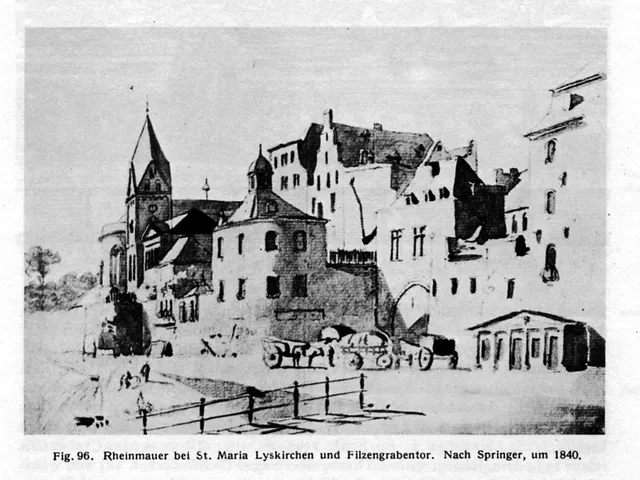
The smallest of Cologne's twelve great Romanesque churches — the only one with largely intact 13th-century vault frescoes.

St. Maria vom Frieden

4.8(40)· Google

Baroque monastery church of the Discalced Carmelites in Cologne's Old Town — associated with Edith Stein, canonized martyr and co-patron of Europe.

St. Maternus

since 1863
4.6(38)· Google

Neo-Gothic brick church in Rodenkirchen housing an American pipe organ from 1869 and hosting an annual Maternus pilgrimage every September.

St. Mauritius

4.4(35)· Google

Romanesque pier basilica in the Altstadt-Süd district, consecrated in 1141 — the first church in Cologne with a fully vaulted nave and side aisles.

St. Nikolaus (Cologne-Dünnwald)

since 1150
4.6(27)· Google

Romanesque basilica from 1117/1118, once a Premonstratensian canonesses' convent — with a twin-tower façade until the 16th century.

St. Nikolaus (Köln-Sülz)

since 1908
4.2(91)· Google

Known as the 'Sülzer Dom', this Neo-Romanesque basilica (1903–1909) features a Pantocrator mosaic, Otto-cast bells, and an organ with a unique 'distant work' swell.

St. Pantaleon

since 1002
4.6(363)· Google

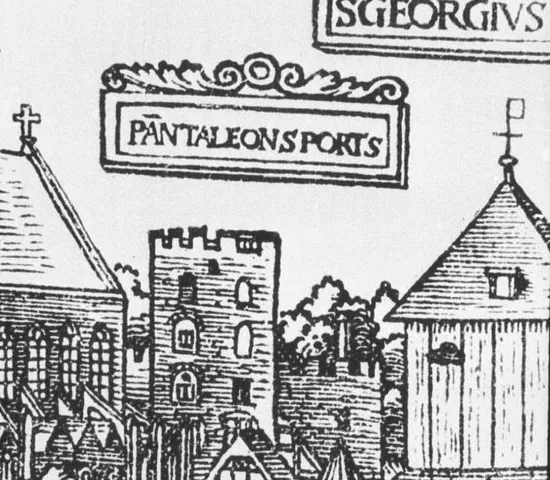
Early Romanesque abbey church with an Ottonian westwork; burial site of Byzantine Empress Theophanu and Archbishop Bruno of Cologne.

St. Paul

4.6(74)· Google

Neo-Gothic parish church consecrated in 1908 in Cologne's Neustadt-Süd, whose construction was championed by chocolate manufacturer Ludwig Stollwerck.

St. Quirinus

4.2(31)· Google

Catholic parish church in Cologne-Mauenheim, built in 1927 as a three-nave early Christian basilica with a detached bell tower.

St. Remigius

4.5(24)· Google

Neoclassical former parish church in Sürth (1825–1830) blending ancient and medieval forms, preserving baroque furnishings rescued from a demolished Cologne church.

St. Severin

4.6(370)· Google

One of Cologne's twelve great Romanesque churches, grown from a late-antique burial chapel — home to the relics of Saint Severin.

St. Severin (Lövenich)

Romanesque pillar basilica in Cologne's Lövenich district, named after Severin of Cologne and rooted in the 12th century — though heavily remodelled in the 1800s.

St. Stephan

A church in Cologne's Lindenthal district: the 1887 Neo-Gothic building was destroyed in the war and replaced in 1961 by a modern glass church that incorporates the old tower.

St. Theodor

A modern circular building of ochre-coloured concrete above a community-use ground floor — defined by the vision of parish priest Franz Meurer.

St. Ursula

since 401
4.6(853)· Google

Romanesque basilica near Cologne Cathedral housing the Golden Chamber — the largest ossuary north of the Alps, with roots in Roman Cologne.

Stapelhaus

4.2(1,316)· Google

Standing on the Rhine bank in front of the choir of Groß St. Martin, the Stapelhaus recalls Cologne's medieval staple right and is today regarded as a symbol of the trading metropolis.

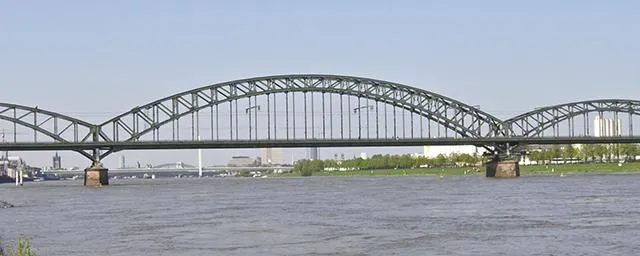
Südbrücke

since 1946
4.5(183)· Google

Steel three-arch railway bridge from 1910 spanning the Rhine, primarily for freight traffic, with pedestrian and cycle paths; listed heritage structure.

Südpark

Crescent-shaped park in Marienburg — one of Cologne's most distinctive green spaces, known for its pine grove and a bronze panther sculpture.

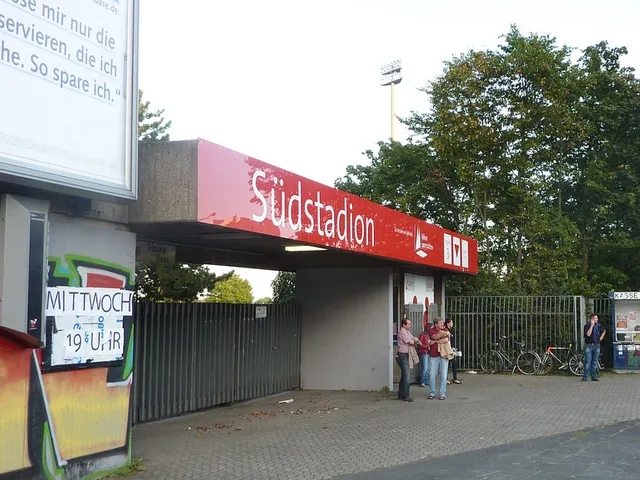
Südstadion

since 1973

Home ground of SC Fortuna Köln in Zollstock — a football stadium with athletics facilities and capacity for around 11,700 spectators.

Swing Bridge in the Rheinauhafen

since 1896
4.5(117)· Google

Cologne's oldest crossing over Rhine water: a listed swing bridge from 1896 that pivots aside using hydraulics powered from the Malakoff Tower.

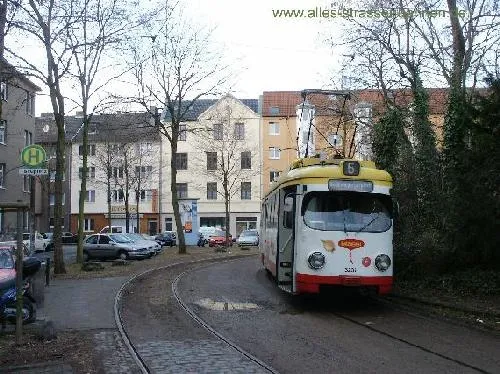
Takuplatz

Triangular square in Neuehrenfeld's "Chinese Quarter" — the centre serves as a pétanque court on a former tram turning loop.

Tanzbrunnen

4.4(9,714)· Google

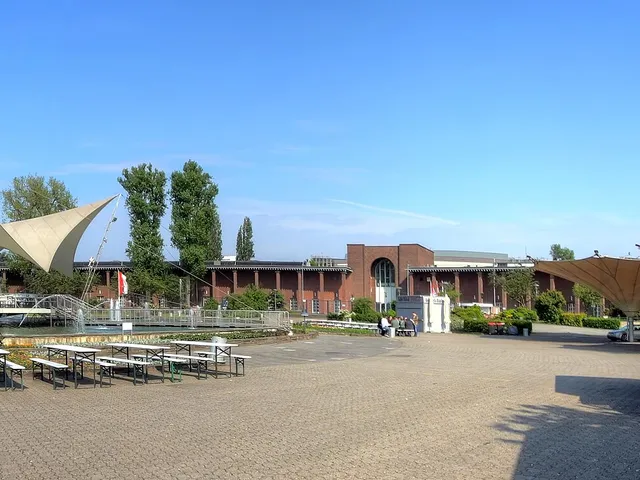
Cologne's open-air venue — home to up to 12,500 concertgoers beneath Frei Otto's iconic star-wave tent, inspired by a dancing fountain from 1950.

Taubenbrunnen

since 1953
4.6(95)· Google

Cologne's first post-war fountain and the city's first abstract fountain: designed in 1953 by Ewald Mataré as a drinking trough for the Cathedral pigeons.

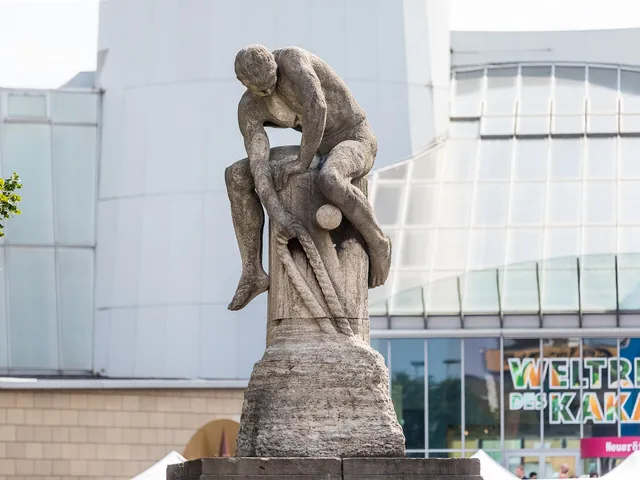
Tauzieher

since 1908

Shell limestone sculpture at the Rheinauhafen — Cologne's first freestanding sculpture in public space, standing around 6½ metres tall.

Tersteegenhaus

Protestant church in Cologne-Sülz, consecrated in 1928 as a community hall — its former event hall now serves as a worship space with chairs arranged in a circle around the altar.

The Golden Bird

since 1989
4.6(21)· Google

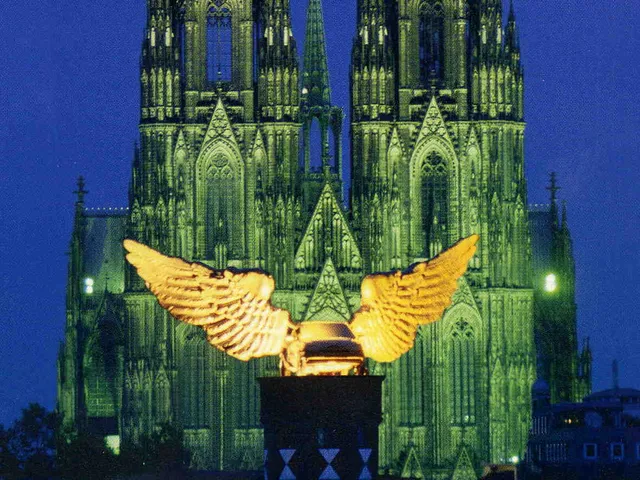
A gilded winged car has crowned the tower of Cologne's Zeughaus since 1991 – an artwork by HA Schult and Elke Koska.

Thielenbruch Tram Museum

since 1997
4.5(519)· Google

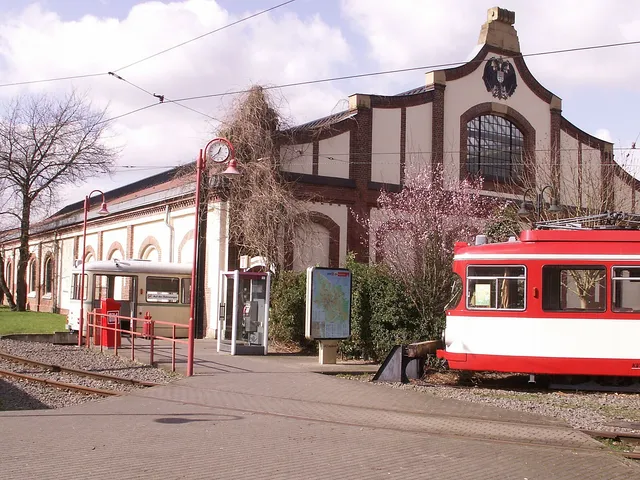
Historic Cologne trams in a 1906 depot hall — including the fully operational 'Finchen', which still runs to Frechen today.

Trinitatiskirche

since 1860
4.8(308)· Google

The oldest newly built Protestant church on Cologne's left bank of the Rhine — a classicist basilica inspired by northern Italian models.

TÜV Rheinland

since 1872

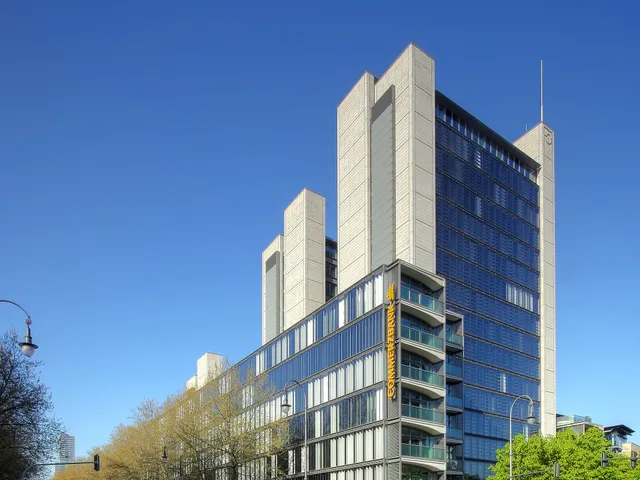
Independent testing and certification giant born from steam boiler inspection in 1872 — headquartered in the 114 m Am Grauen Stein tower in Cologne.

Ulrepforte

since 1230
4.5(739)· Google

Cologne's smallest medieval land gate, dating from the 13th century — scene of a patrician feud in 1268 and today the home base of the Rote Funken carnival society.

Uni-Center

since 1973
4.1(459)· Google

One of Europe's largest residential buildings: the Y-shaped tower in Sülz combines 968 apartments with a 134-metre central core.
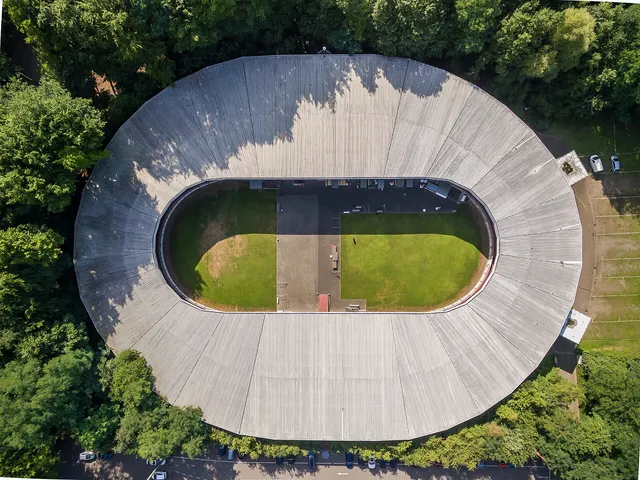
Ursulinenkirche St. Corpus Christi
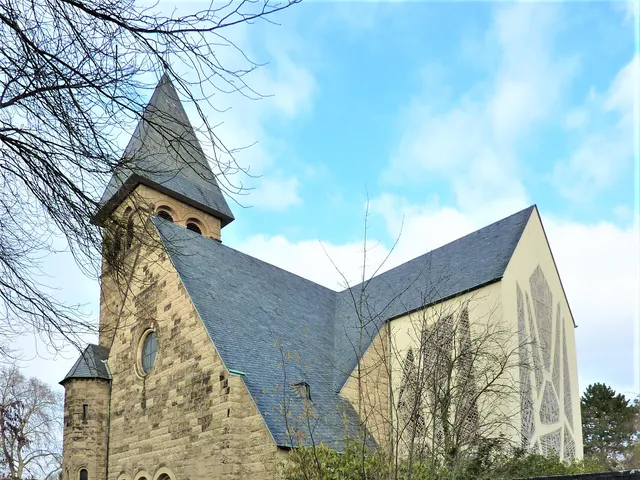
since 1709

Baroque former convent church of the Cologne Ursulines, built in Venetian style by Matteo Alberti — now a school chapel and concert venue.
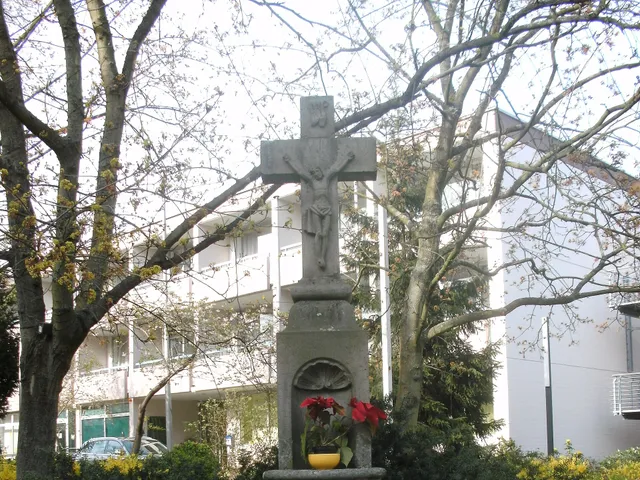
Volkspark Raderthal

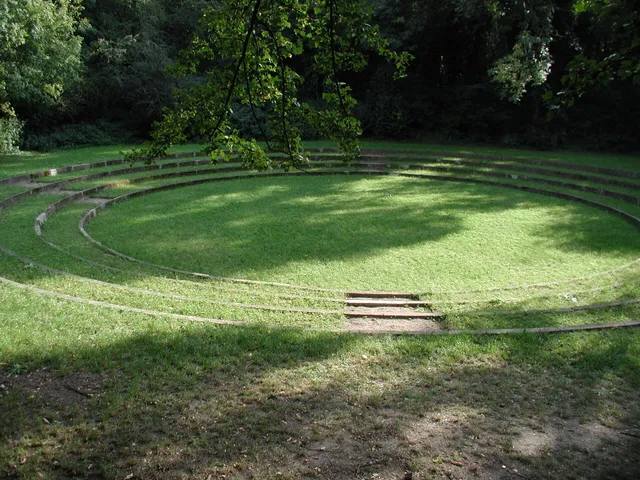
Laid out by Fritz Encke from 1922, this listed park features a natural theatre, reading garden and dance lawn — a landmark of social green space in Cologne's south.
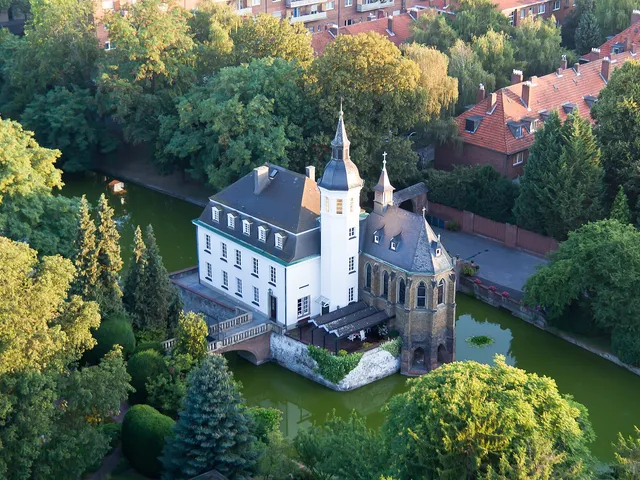
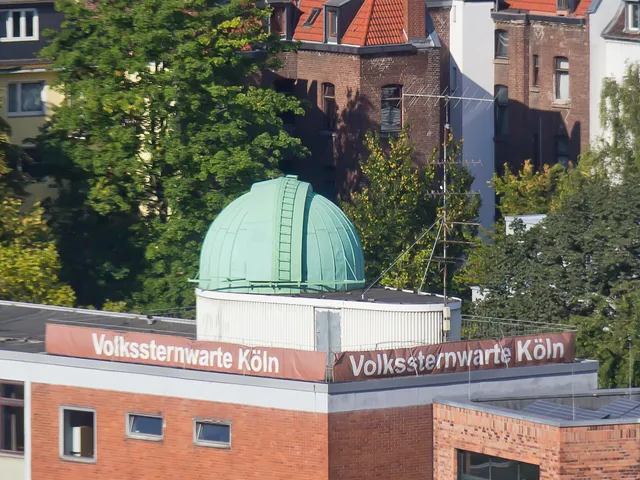
Volkssternwarte Köln

Volunteer-run observatory on the roof of Cologne's Schiller-Gymnasium, equipped with a 60 cm reflector telescope funded entirely by public donations.

Wallraf-Richartz-Museum & Fondation Corboud

4.6(3,444)· Google

Cologne's oldest museum — home to the world's most extensive collection of medieval painting and Germany's largest Impressionist collection.

Wallrafplatz

Historic square in Cologne's Altstadt-Nord between the Hohe Straße and the Cathedral, created around 1830 on the site of the demolished Dompropstei.

Water-Kinetic Sculpture

since 1977
4.1(161)· Google

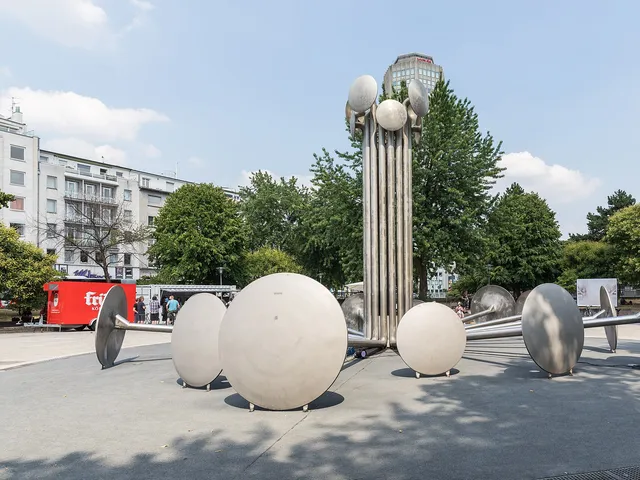
A walk-in stainless steel fountain by Wolfgang Göddertz on Ebertplatz, nine metres tall and known locally as the "Nail Fountain".

Wiener Platz

Central square and transport hub in Cologne's Mülheim district — a pedestrian zone with the district town hall, weekly market, and the 57-metre Bull high-rise.

Zoobrücke

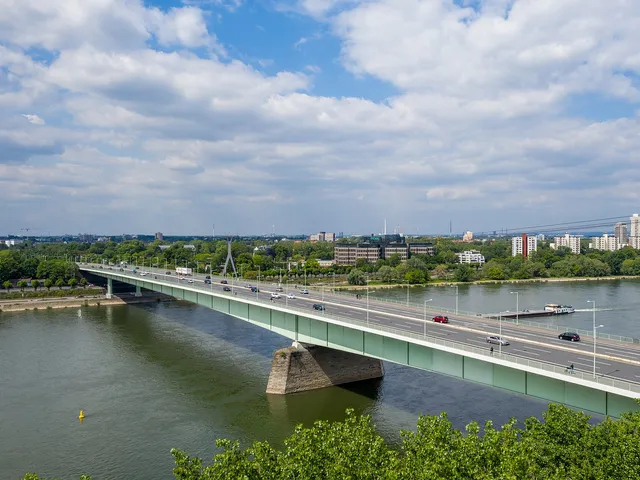
since 1966

Rhine bridge in Cologne: the world's longest-spanning box girder bridge with just one main bearing — and crossed diagonally by the city's cable car.

Zur Heiligen Familie

Deconsecrated orphanage church in Cologne-Sülz by Dominikus and Gottfried Böhm — featuring a 'children's orchestra' of 128 octagonal stained-glass windows.

Alt St. Paul

Romanesque parish church in medieval Cologne, dissolved in 1803 and demolished in 1807 — remnants of its furnishings survive today in St. Andreas.

Amerikanerbrücke

since 1945

A temporary US Army bridge that crossed the Rhine south of the Südbrücke from 1945 to 1946, connecting the districts of Poll and Bayenthal.

No longer existsDeutschordenskirche St. Katharina© Woensam · Public domain

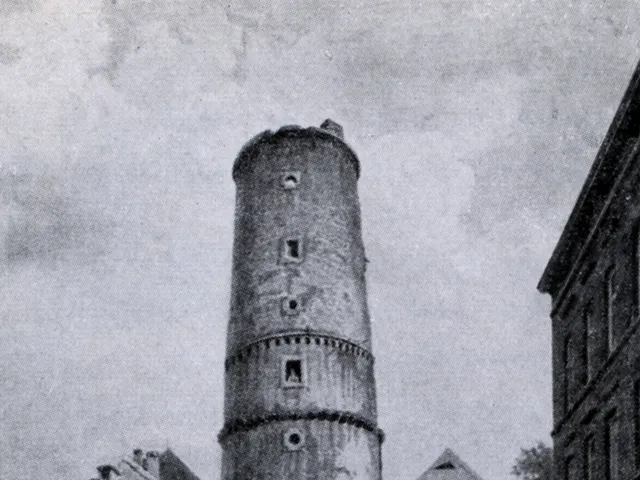
Deutschordenskirche St. Katharina

Long-demolished church of a Teutonic Order commandery in Altstadt-Süd; only the street An Sankt Katharinen preserves its name today.

Deutz-Kalker Bad

since 1913
4.3(180)· Google

A listed Art Nouveau indoor swimming hall from 1913 in Cologne-Deutz. Public bathing ended in 1996; the magnificent pool hall has been preserved.

Deutzer Schiffbrücke (Deutz Pontoon Bridge)

since 1822

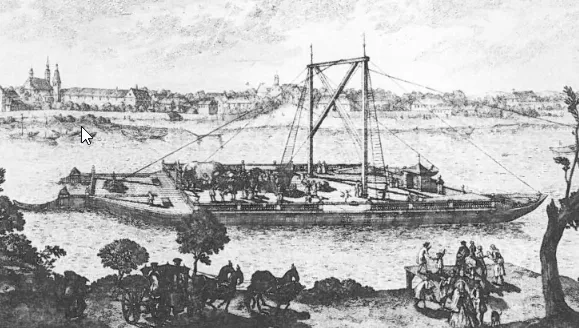
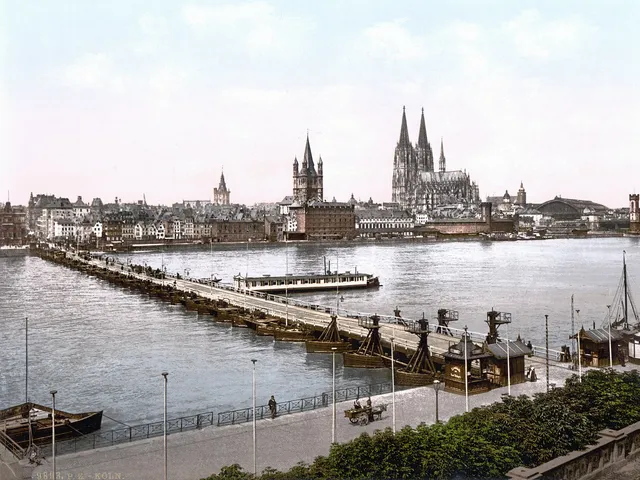
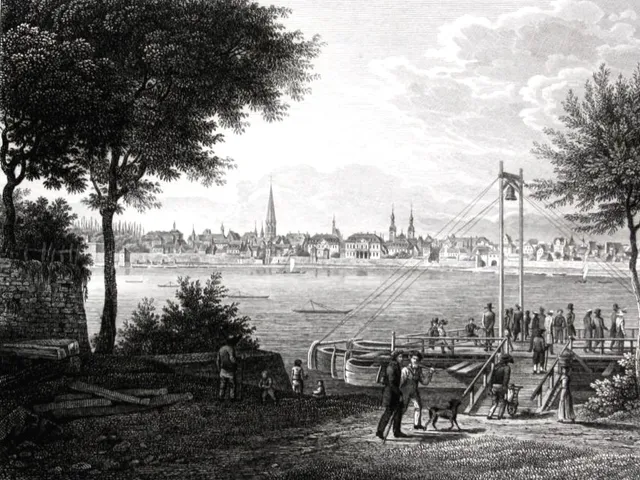
Historic pontoon bridge that linked the Rhine banks between Cologne and Deutz from 1822 to 1915 – no longer standing today.

Dombrücke

since 1859

Cologne's first permanent Rhine crossing since Roman times and direct predecessor of the Hohenzollern Bridge — nicknamed the 'Mousetrap' by locals.

Dominican Monastery Cologne

Where Albertus Magnus taught and was buried: one of Germany's earliest Dominican monasteries, now lost to history.

Fordturm

Former 112 m steel lattice tower in Cologne-Deutz, crowned by a rotating "Ford" globe — built in 1950 and demolished just thirteen years later.

Glockengasse Synagogue

since 1857

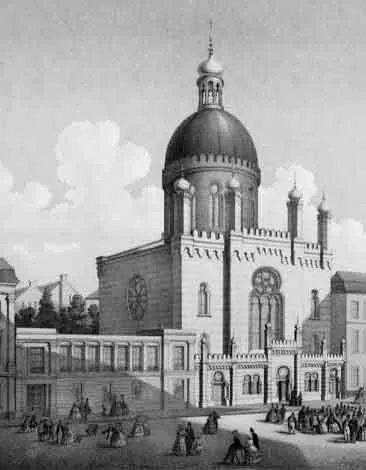
Cologne's destroyed 1861 synagogue — a domed central building on a Greek cross plan with Alhambra-style decor; today a bronze plaque marks the site.

Hacht (Prison)

Archbishop's court and prison on today's Cathedral Square — criminals were locked up here and women tried as witches.

Heiligkreuzkapelle

Small 14th-century Cologne chapel whose south wall rested on the Roman city wall — demolished in 1818.

Permanently closedHelios (Electrical Engineering Company)© Superbass · CC BY-SA 4.0

Helios (Electrical Engineering Company)

since 1882
3.9(563)· Google

Electrical engineering pioneer from Ehrenfeld — its 44 m Heliosturm, a faux lighthouse, still defines the neighbourhood today.

Hildebold Cathedral

4.7(102)· Google

Carolingian predecessor of Cologne Cathedral, which housed the relics of the Three Kings until its demolition in 1248.

Hohenstaufenbad

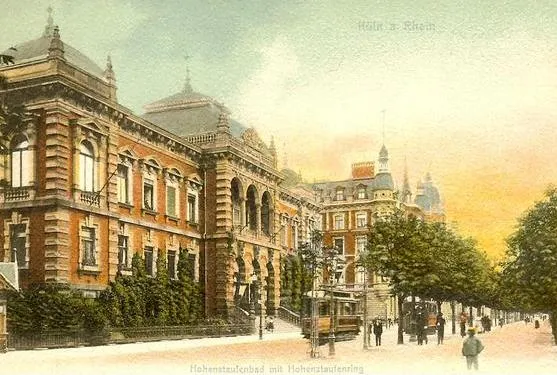
Cologne's largest public swimming bath: a grand building on Hohenstaufenring — not lost to the war, but deliberately demolished in 1958.

Hotel Kölner Hof

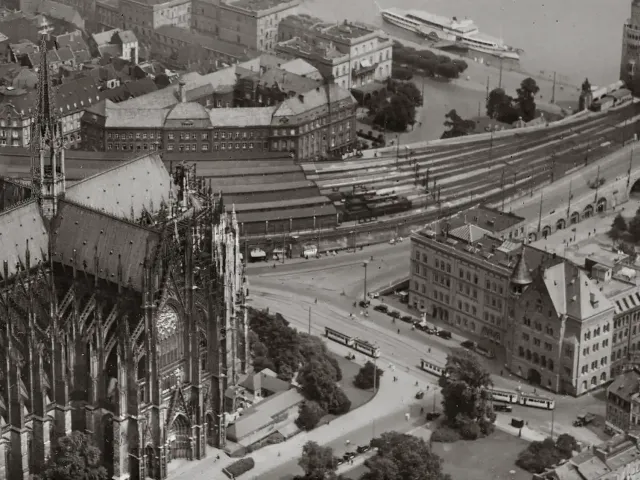
Grand late-19th-century Cologne hotel opposite the main station, demolished in 1973 to make way for the ABC-Haus office building.

McNair-Brücke

since 1945

A temporary bridge built by the US Army in 1945 that connected Cologne's Old Town with Deutz and was dismantled again as early as 1946.

Mülheimer Schiffbrücke

since 1888

Floating timber bridge on some 40 anchored pontoons (1888–1927), with an opening section for river traffic, that replaced the Rhine ferry crossing at Mülheim.

Patton-Brücke

since 1946

A historic temporary bridge over the Rhine that connected Cologne with right-bank Deutz between 1946 and 1951 and no longer exists today.

Presbyterian Church (Kalk)

Neo-Gothic evangelical parish church in Cologne-Kalk, demolished in 1951 to make way for the expansion of the Chemische Fabrik Kalk.

Römerbrücke

since 310

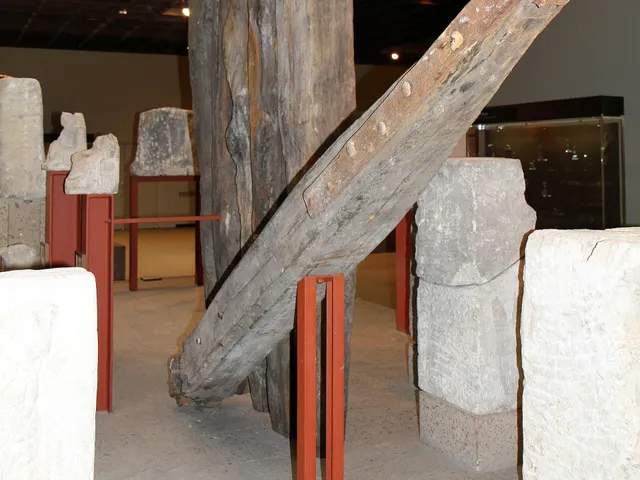
The first permanent bridge across the Rhine near Cologne — built under Emperor Constantine I from 310 AD, at the site of today's Deutzer Brücke.

Permanently closedServitinnenkloster St. Lucia in Cologne© Chris06 · CC BY-SA 4.0

Servitinnenkloster St. Lucia in Cologne

Convent of the Servite Sisters on Filzengraben, dissolved in 1802 and demolished in 1857 — today the site is home to the Protestant Trinity Church.

Sporthalle

since 1958

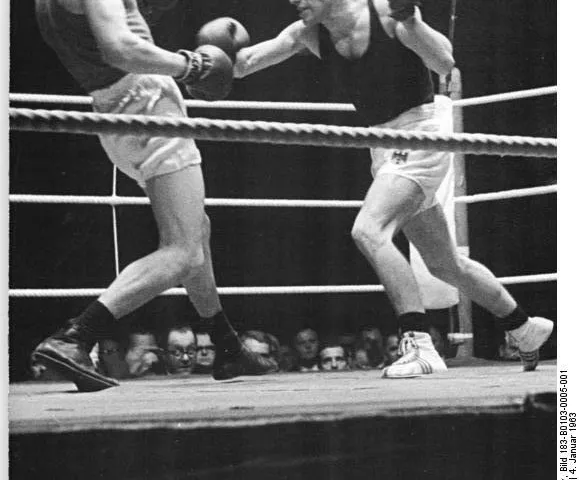
Cologne's main arena for over four decades, with a permanent velodrome — stage for six-day races, boxing, and rock concerts, demolished in 1999.

St. Brigiden

A demolished parish church next to Gross St. Martin — its footprint is now traced in darker cobblestones on the Old Town pavement.

No longer existsSt. Christoph© Chris06 · CC BY-SA 4.0

St. Christoph

Demolished parish church of St. Gereon's collegiate foundation — its name lives on in Christophstraße and the St. Christophhaus community centre.

St. Johann Evangelist

Demolished parish church that once stood south of Cologne Cathedral on the Domhof, serving for a time as the Archbishop's private chapel.

St. John and St. Cordula

Former Knights Hospitaller commandery in Cologne that housed the relics of Saint Cordula — demolished in 1807, its memory preserved in the street name "Jakorden".

St. Laurenz (Cologne Old Town)

since 1188
4.0(59)· Google

Parish church demolished as early as 1818 — its legacy lives on in the street names Laurenzplatz and Laurenzgittergässchen in Cologne's city centre.

St. Lupus

Long-demolished medieval parish church with hospital near today's central station square — cited in Cologne's oldest written record of beer consumption.

St. Maria Ablass

since 1431
4.8(94)· Google

Of the demolished parish church of St. Maria Ablass, only the chapel of grace survives — today the Russian Orthodox Church of Saints Constantine and Helena.

St. Maria ad Gradus

since 1062

Demolished Romanesque collegiate church east of Cologne Cathedral — today only the 'Cathedral Column' at the east choir survives as a reminder.

No longer existsSt. Maria ad Ortum© Chris06 · CC BY-SA 4.0

St. Maria ad Ortum

5.0(1)· Google

Lost late-Romanesque convent church of Cologne's Cistercian nuns — the "Mariengarten" community grew from an earlier settlement in the Riehl district.

No longer existsSt. Maria im Pesch© H. Odenthal · Public domain

St. Maria im Pesch

Long-demolished parish church of Cologne Cathedral's staff — its late-Gothic Entombment group survives today inside the Cathedral.

St. Maria in Jerusalem

The Cologne city council's former chapel on today's Rathausplatz, created from the medieval synagogue after the expulsion of the city's Jewish population in 1424 — destroyed in the Second World War.

No longer existsWeyertor© Horsch, Willy · CC BY 2.5

Weyertor

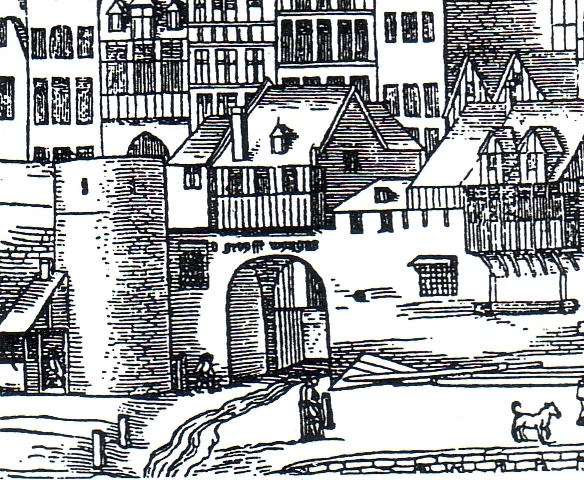
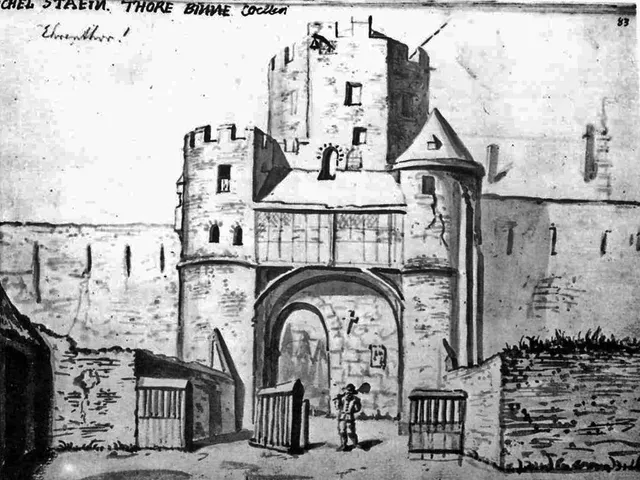
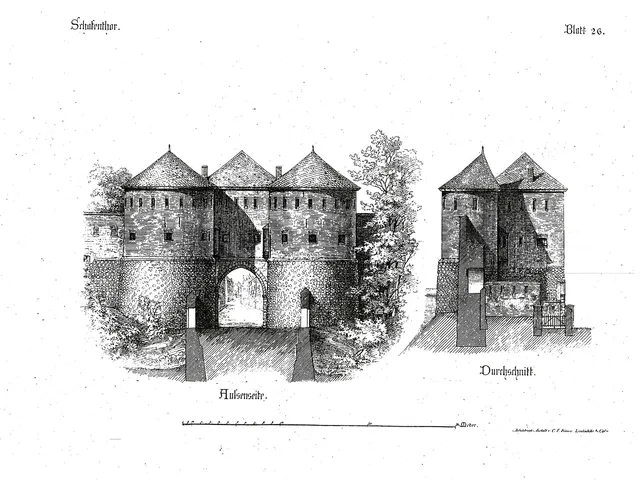
One of medieval Cologne's 14 great land-side city gates, guarding the southwestern approach since the 13th century — demolished in 1889.

On the map

Something missing or wrong?

Help us improve — suggest an edit or a new place.