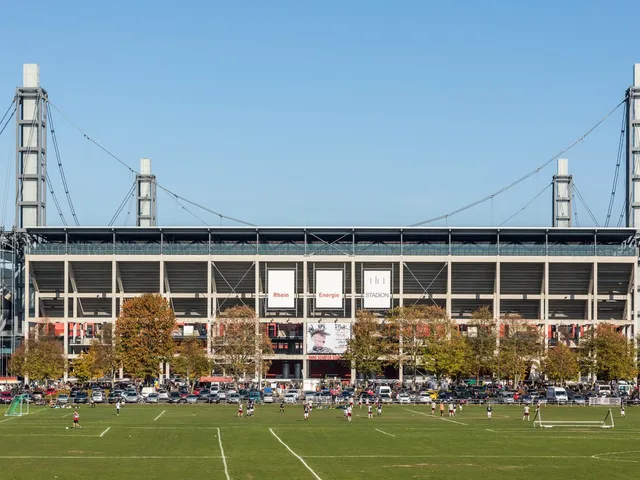
The 'Effzeh' is Cologne's big football club and, for many, a piece of the city's identity. Red and white, with the billy goat Hennes as a living mascot and an anthem sung in the stadium and at carnival alike.
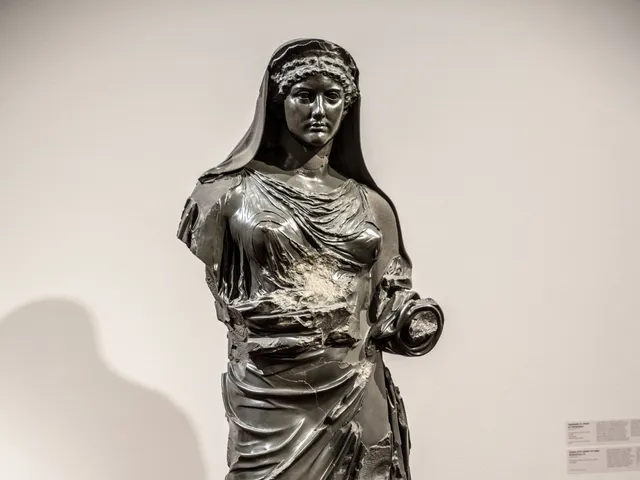
Cologne's namesake: this Roman empress born in Cologne (sister of Caligula, wife of Claudius, mother of Nero) had her birthplace elevated to Colonia Claudia Ara Agrippinensium in AD 50 — the origin of the name "Cologne".
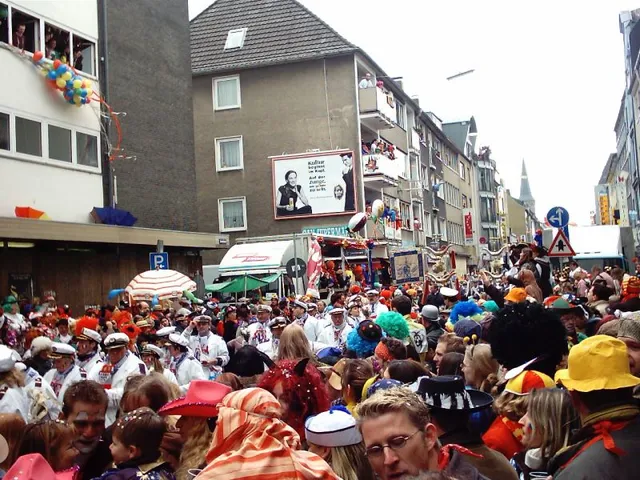
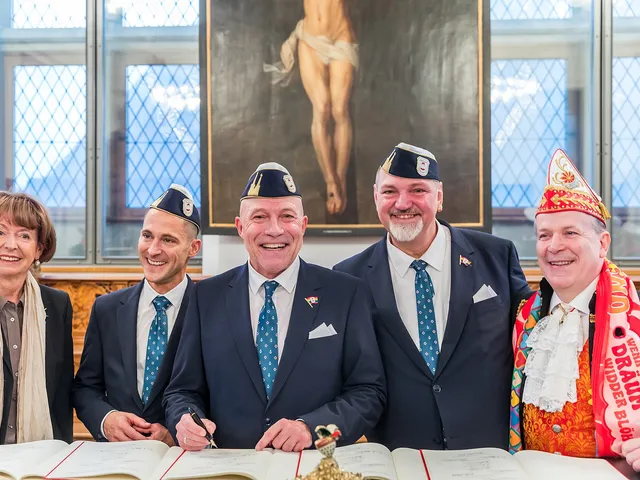
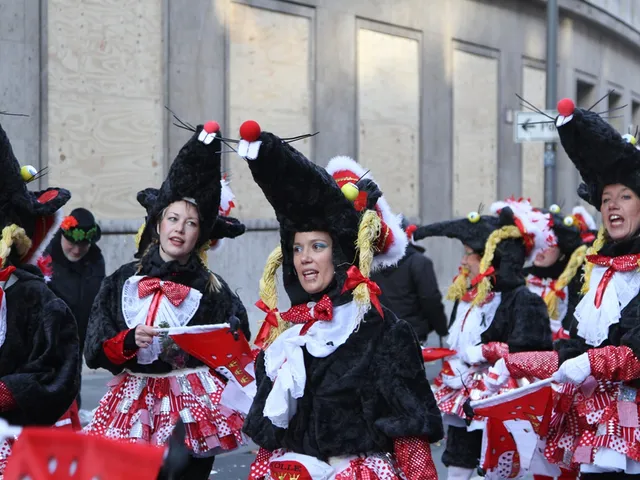
Rhenish word for a closed-lip peck on the cheek — freely and cheerfully exchanged during Cologne Carnival as a lighthearted, no-strings-attached gesture of affection.
Cologne's cultural term for a web of mutual favors — straddling the line between harmless back-scratching and outright cronyism, with roots going back centuries.
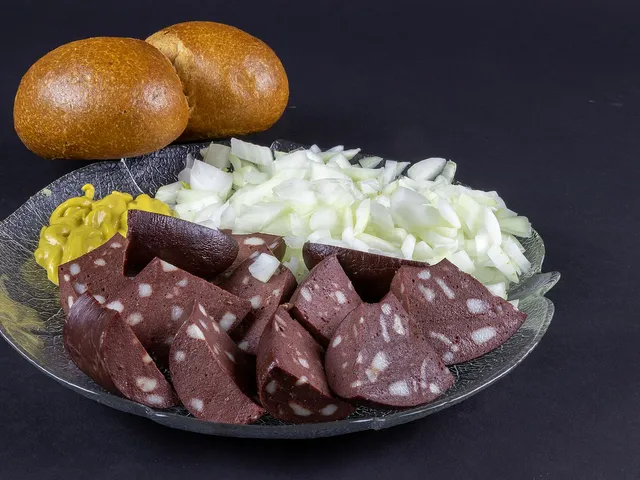
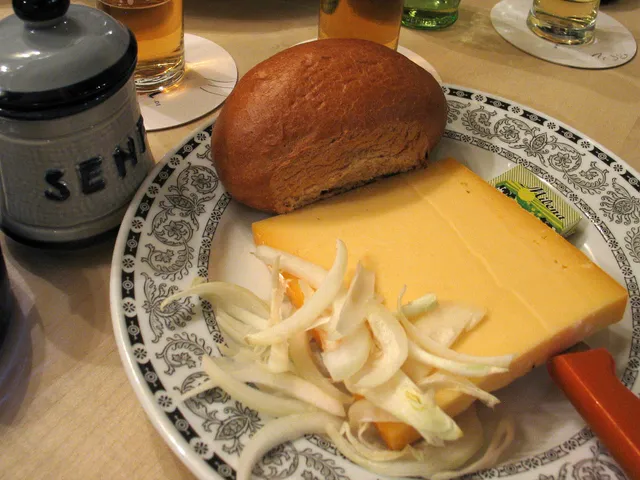
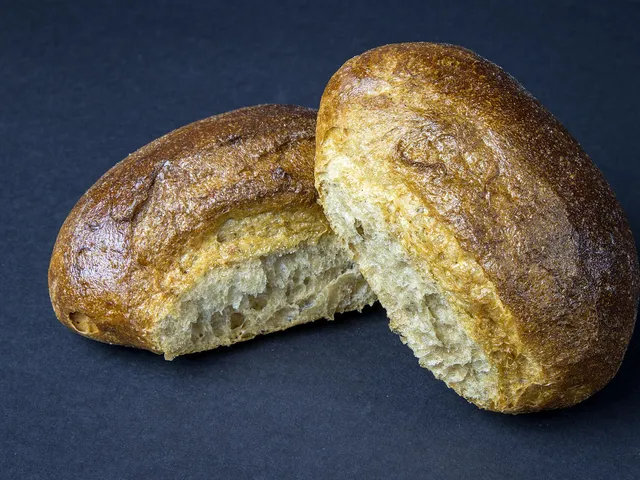
Rhenish double bread roll made from two pieces of rye dough, documented in Cologne since the 15th century and typically served as Halver Hahn in the brewhouse.
Eleven Rhineland life rules in dialect, compiled by Konrad Beikircher in 2001 as the 'Rhineland Grundgesetz' — a playful nod to Germany's own Basic Law.