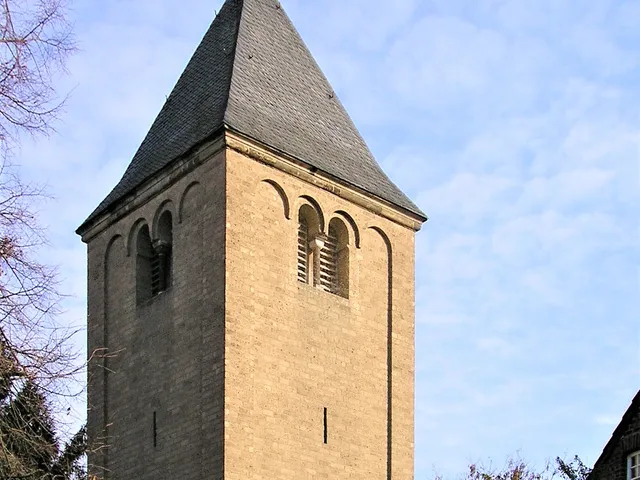
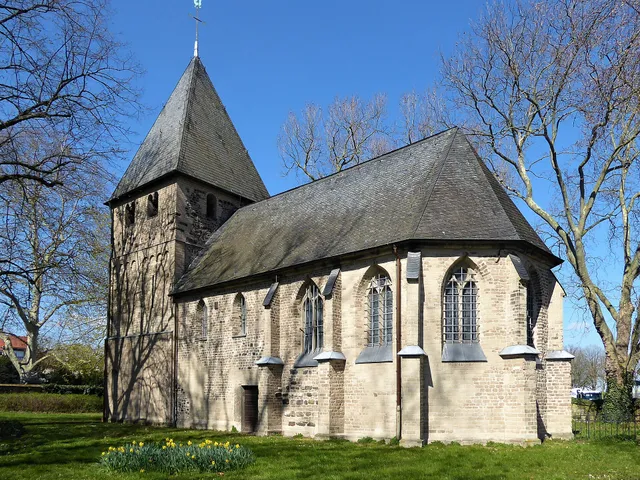
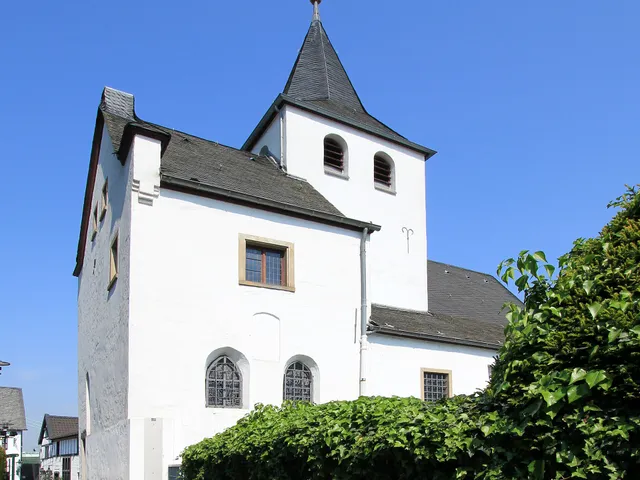
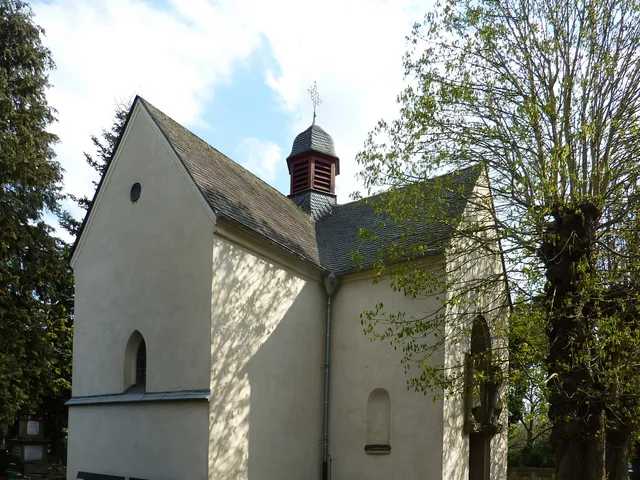
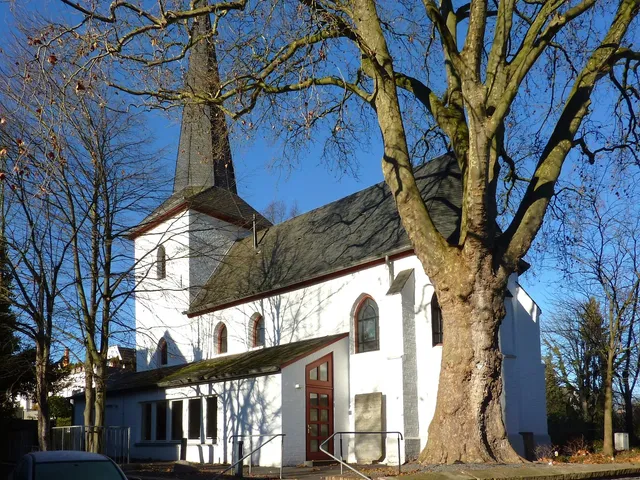
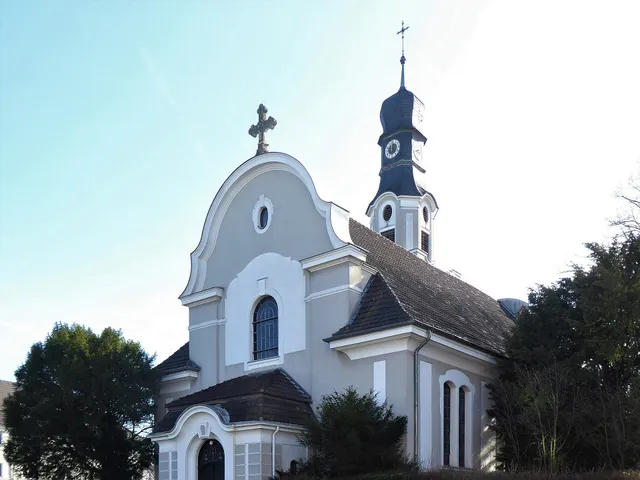
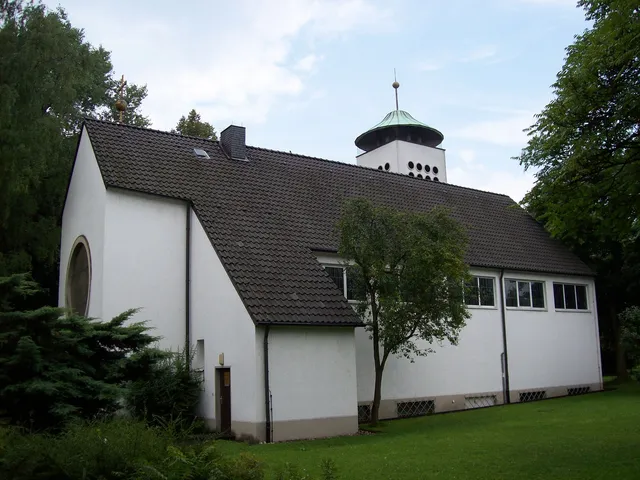
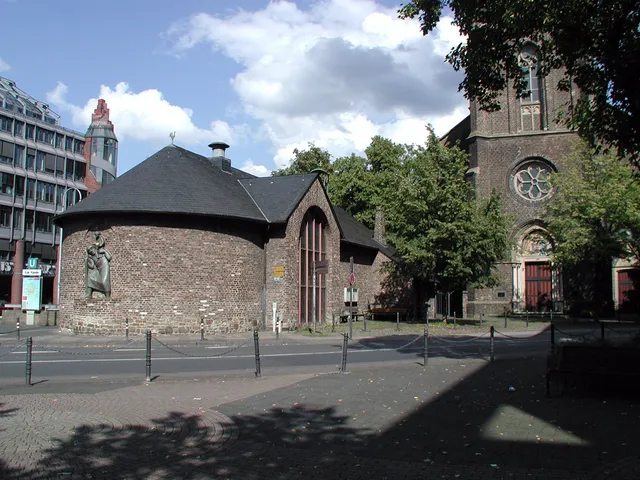
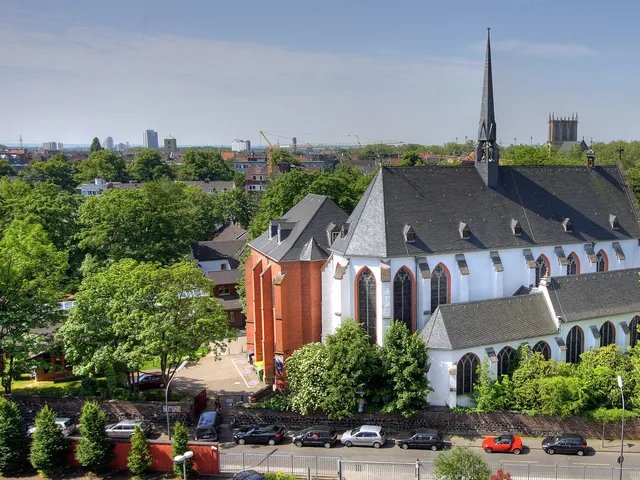
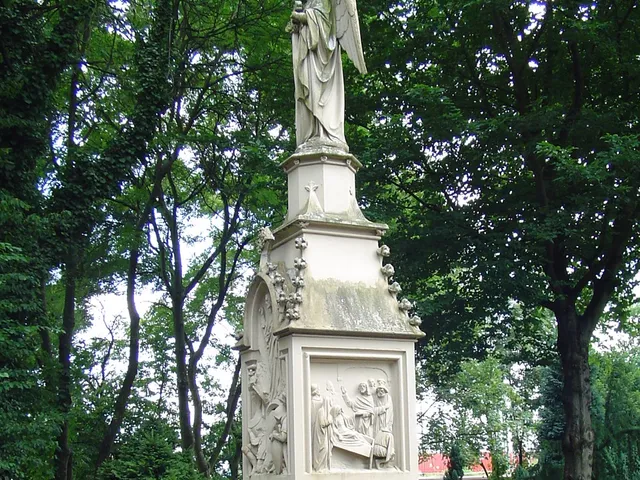
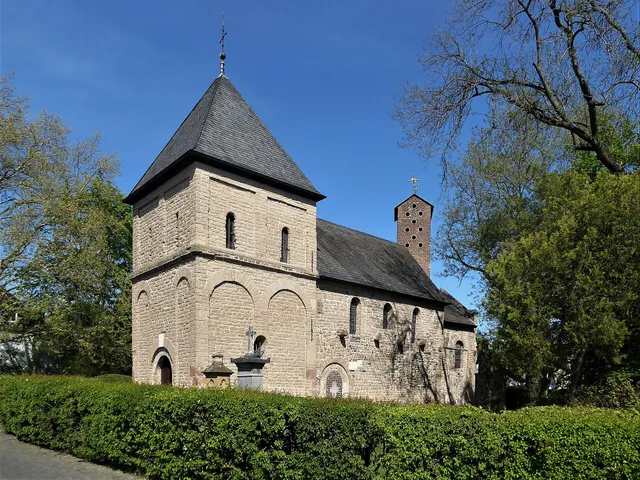
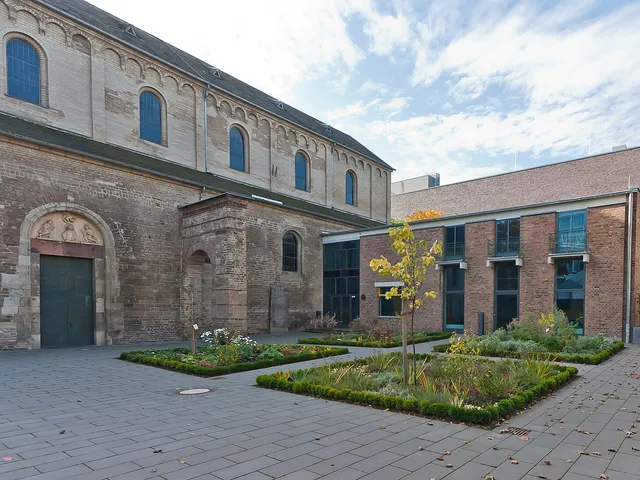
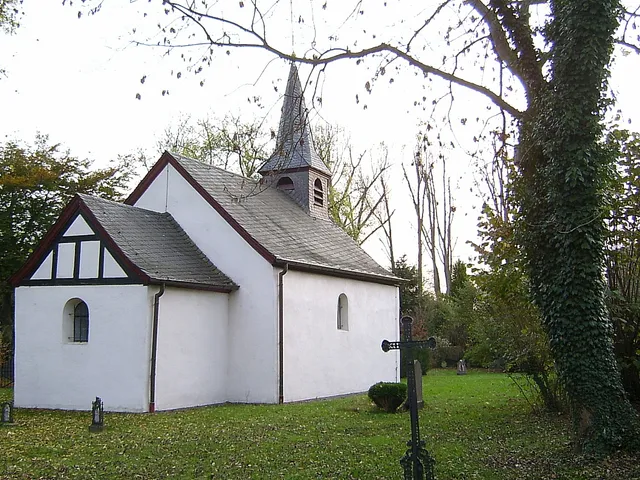
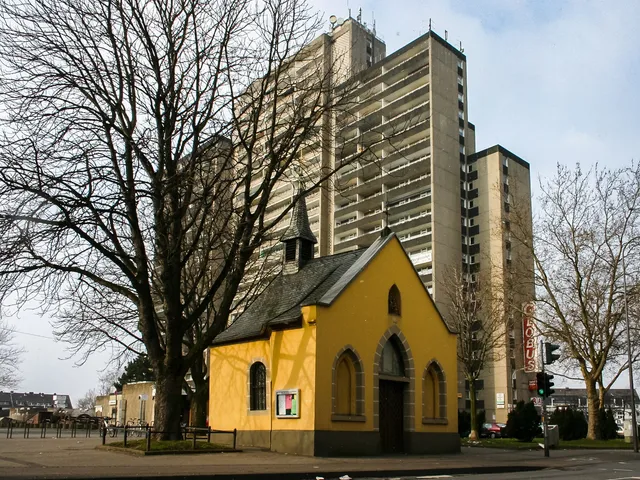
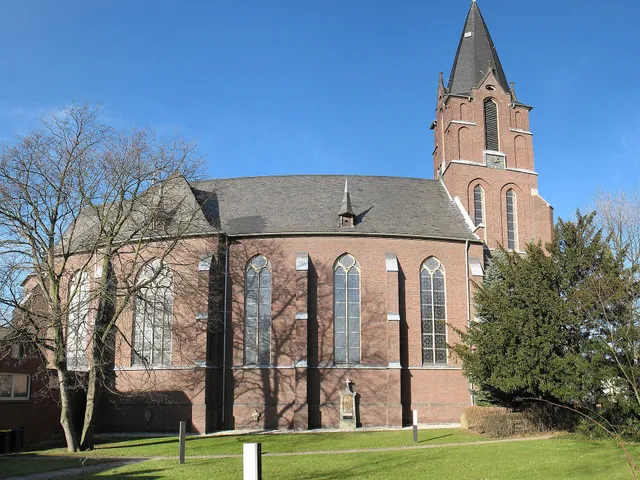
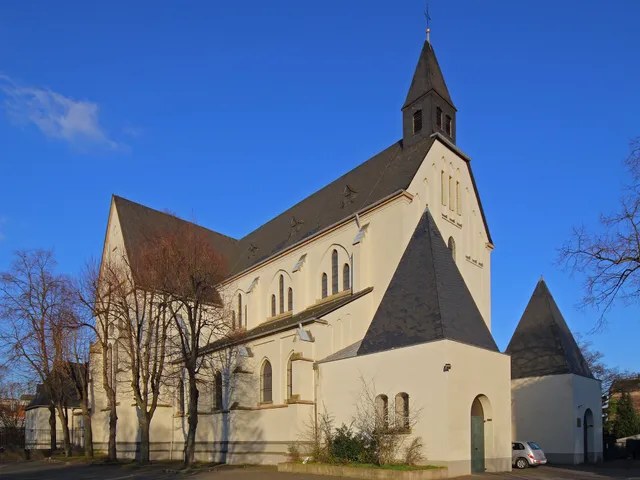
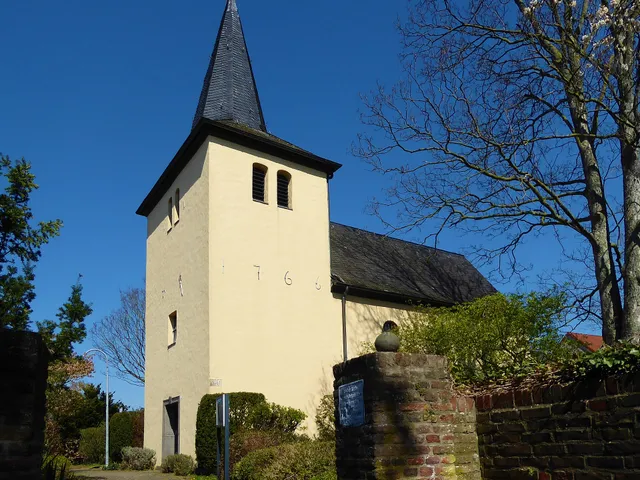
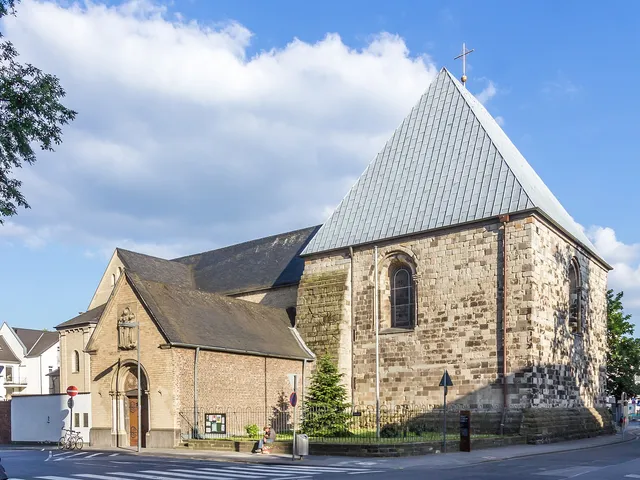
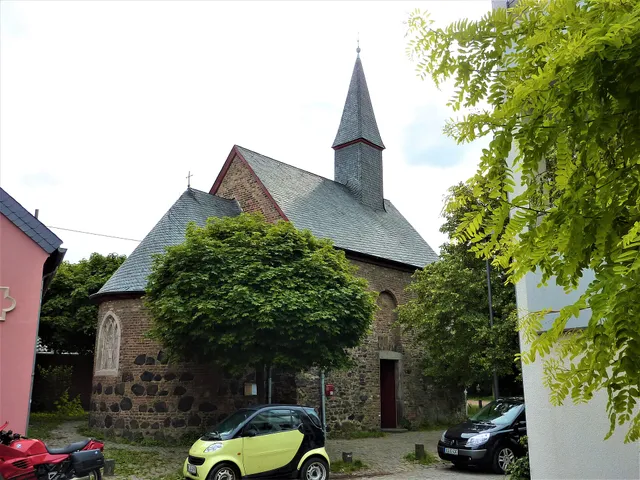
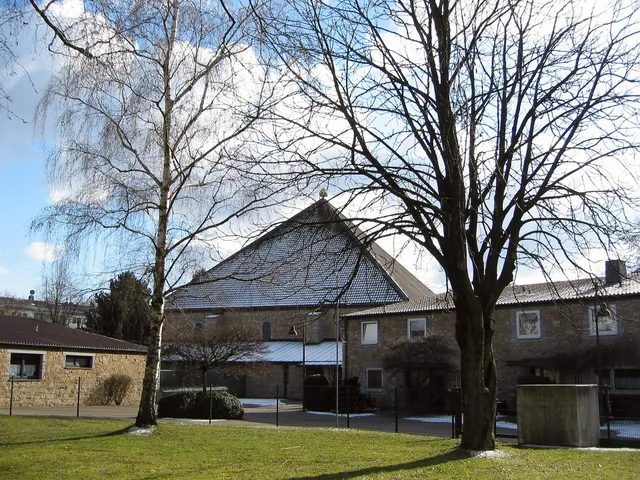
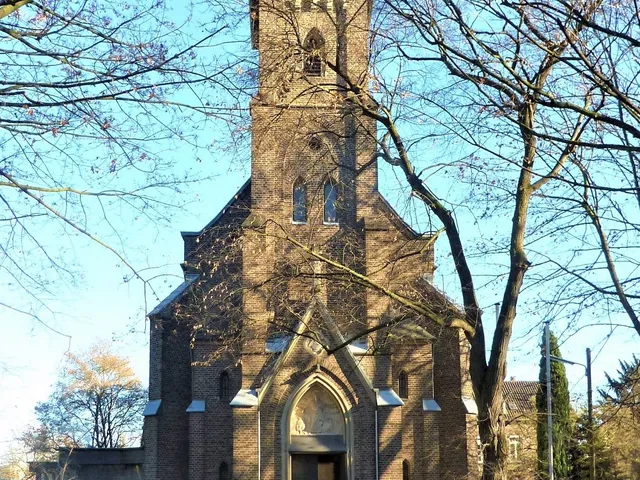
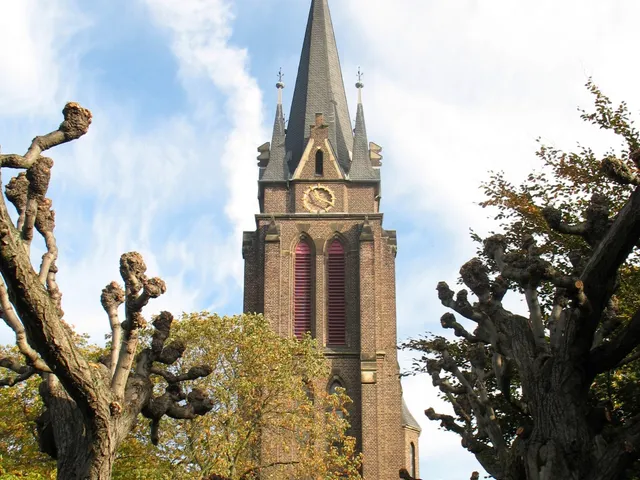
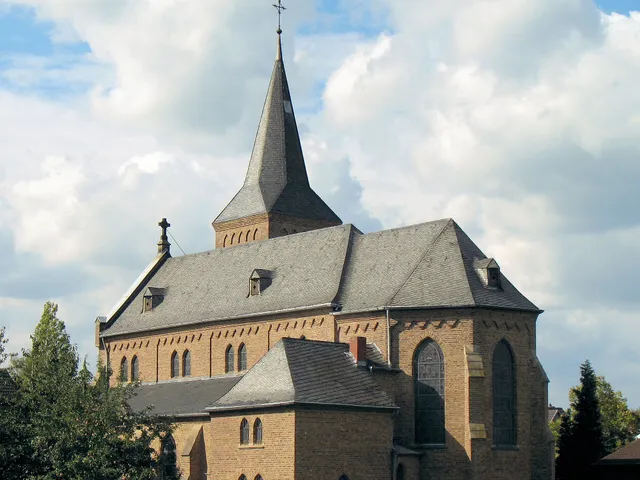
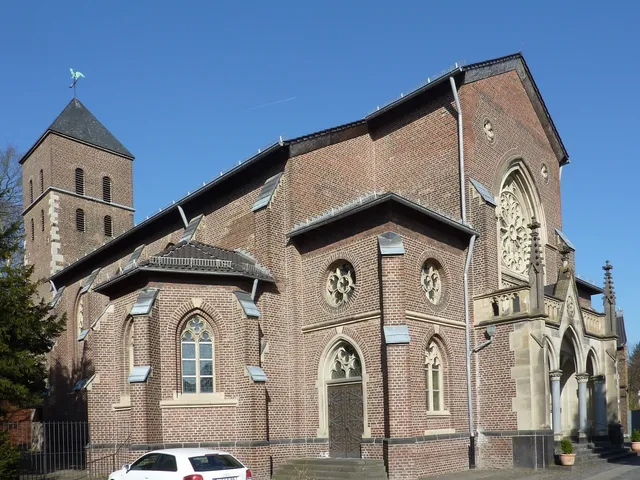
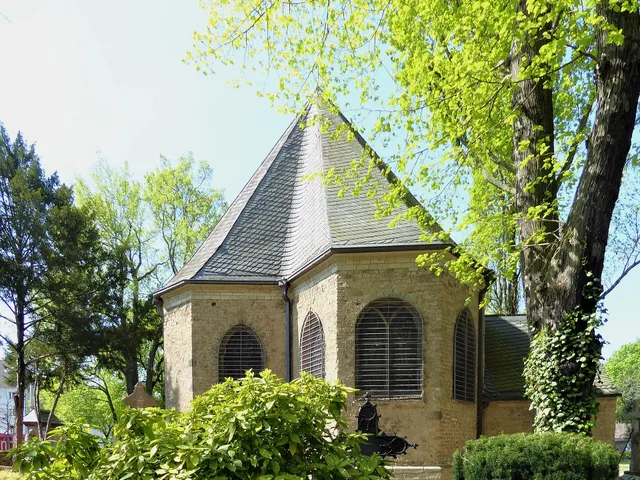
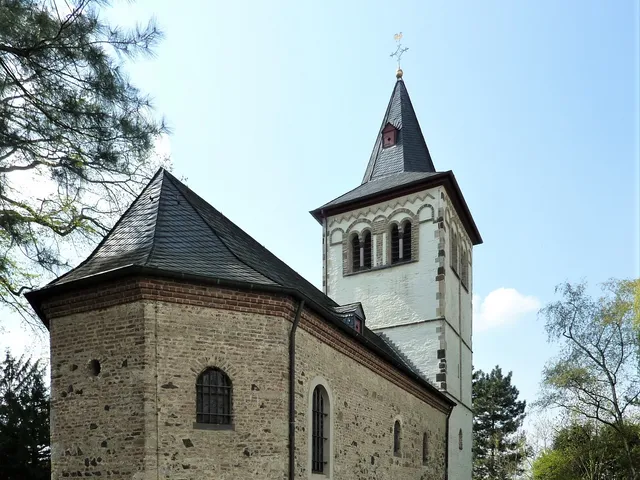
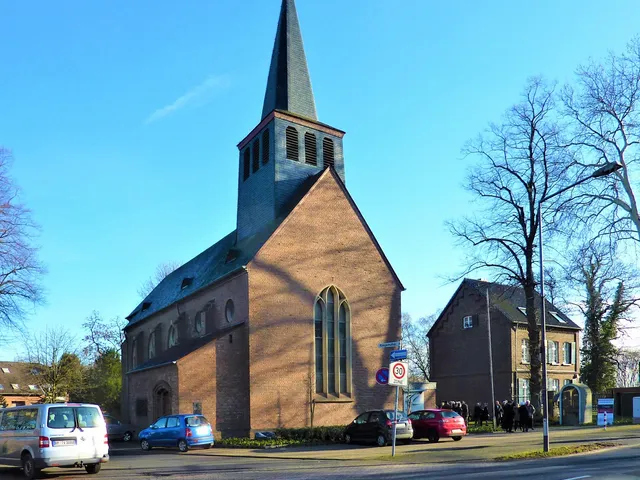
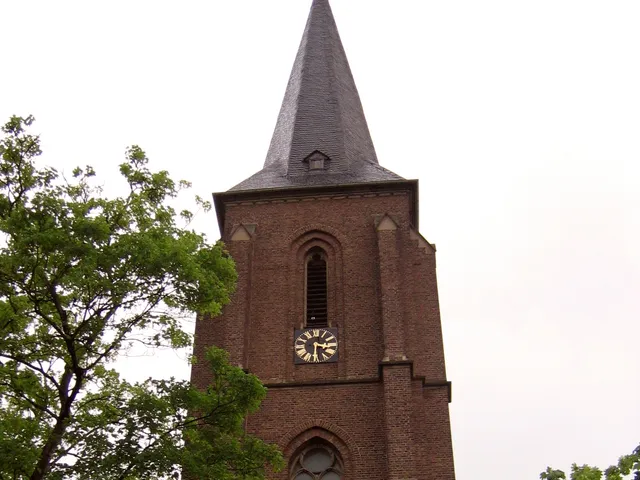
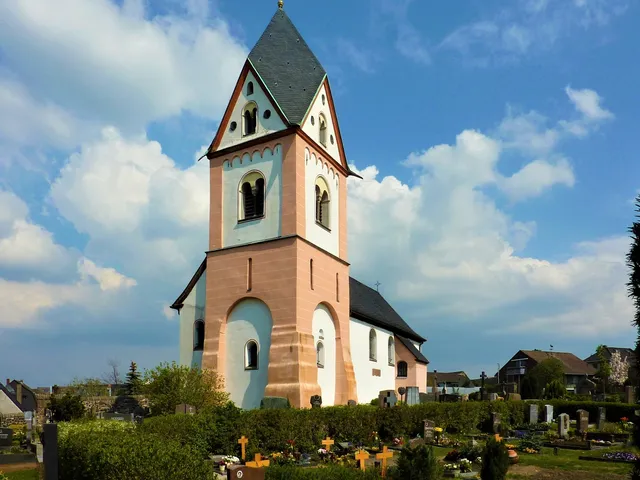
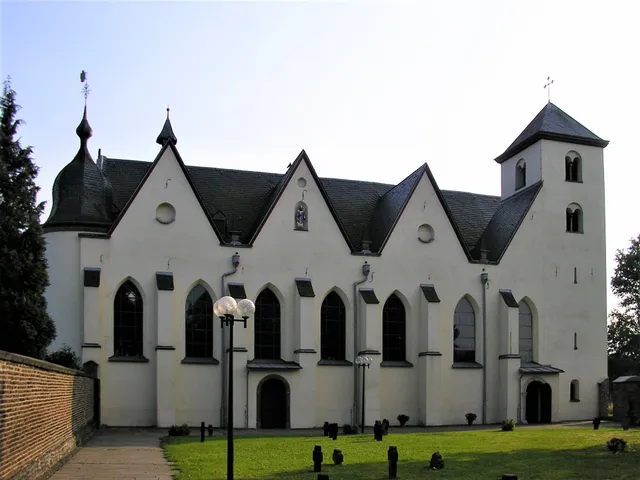
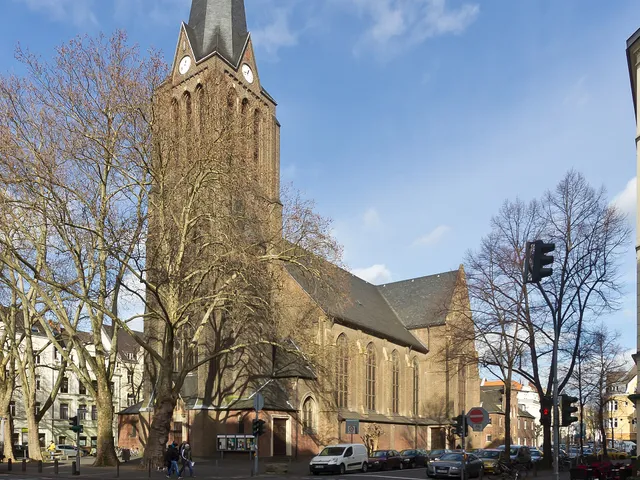
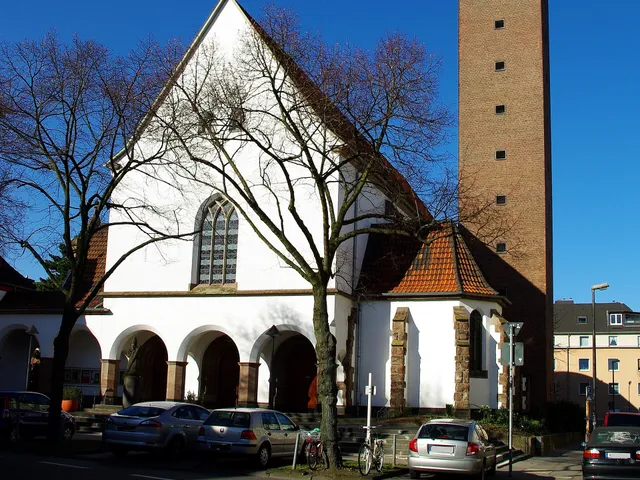
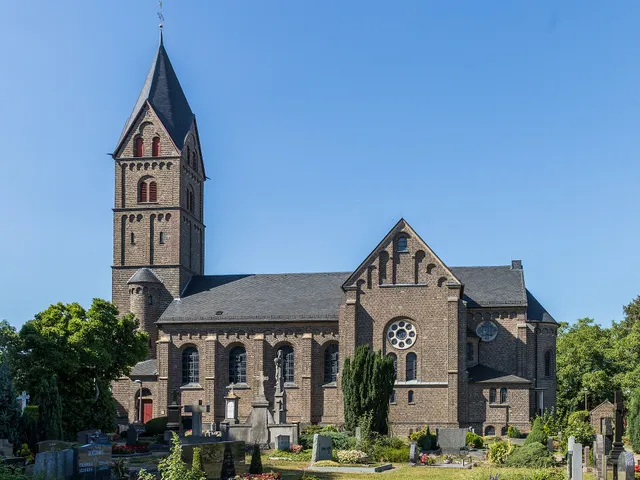
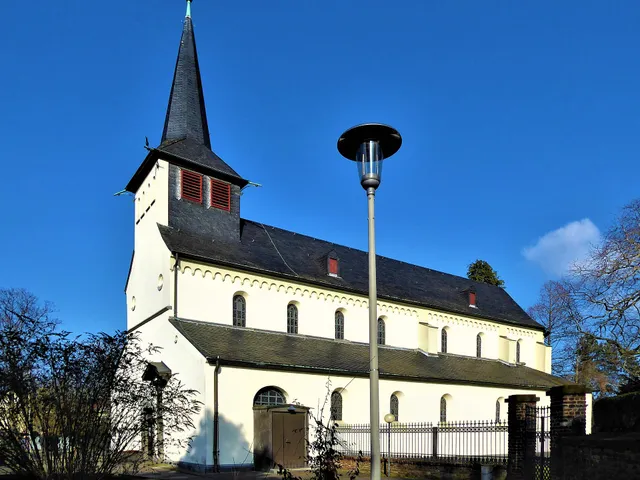
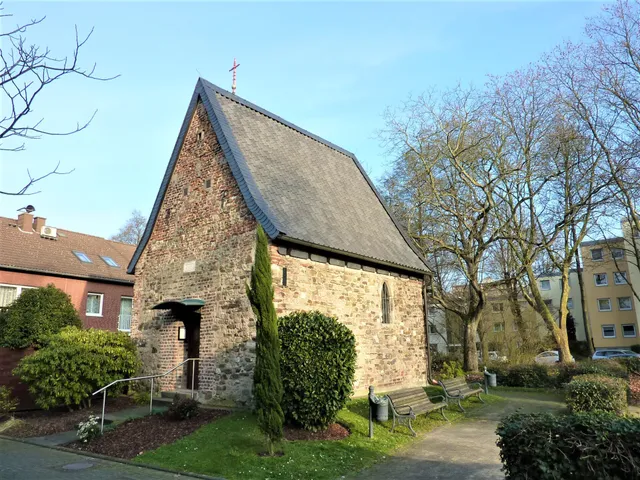
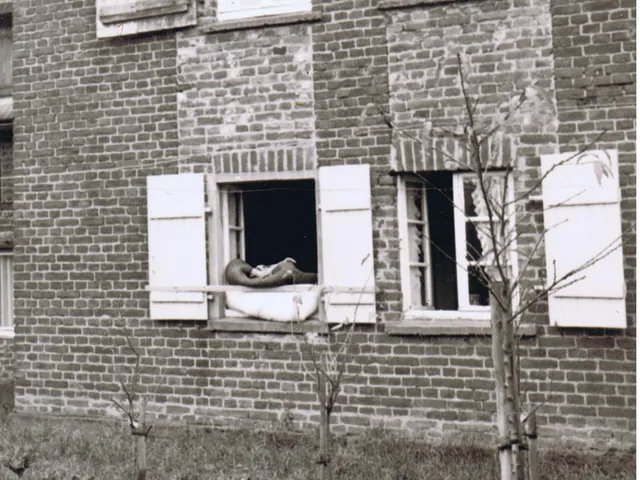
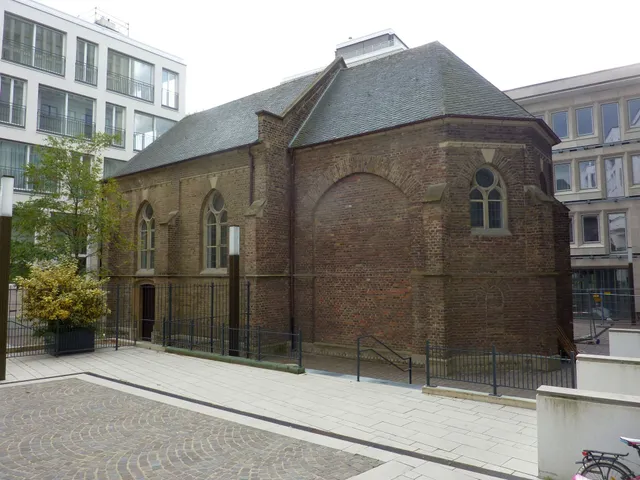
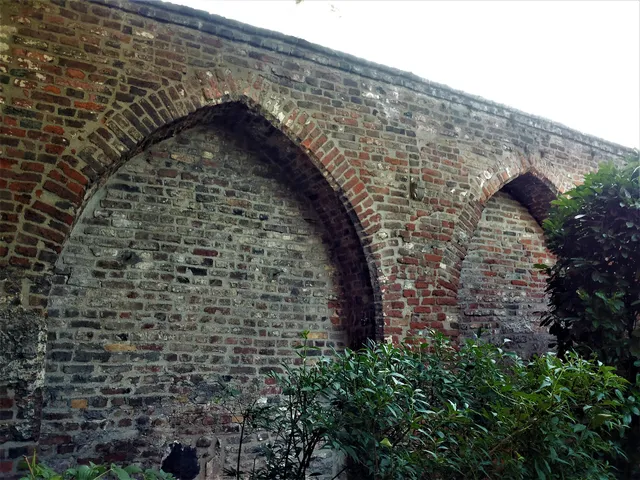
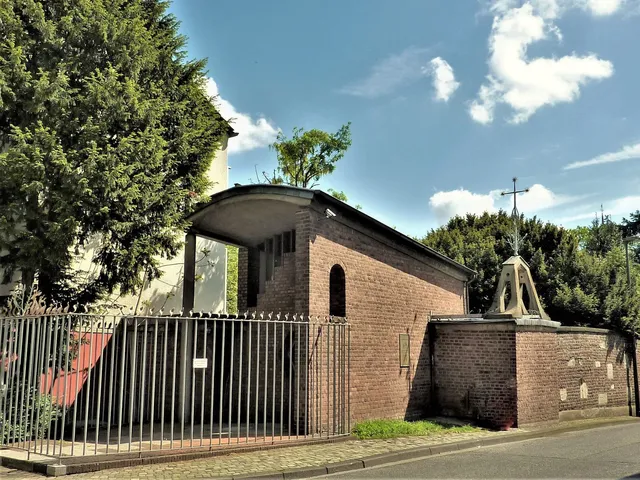
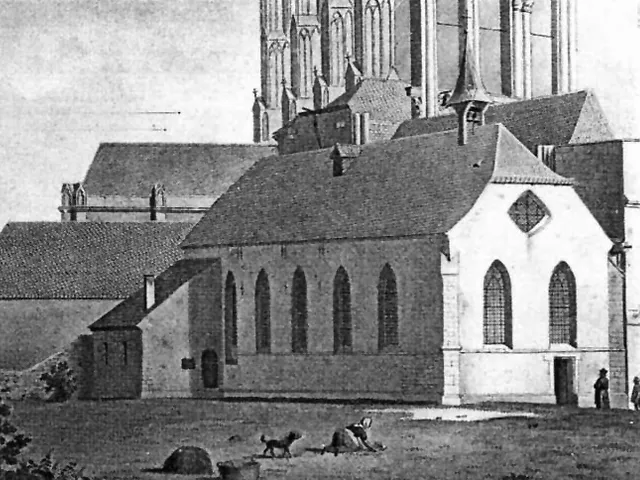
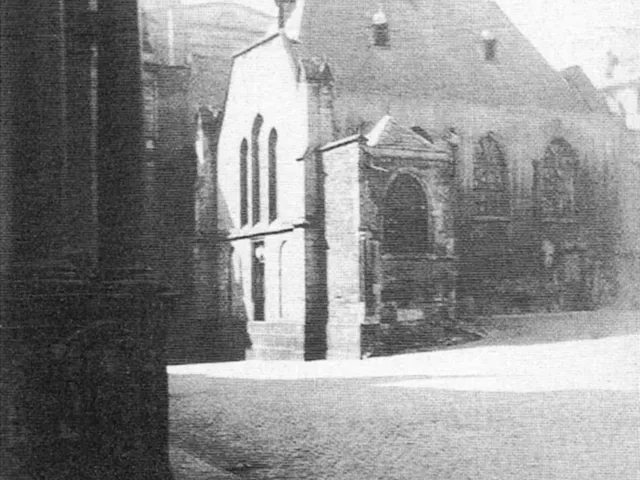
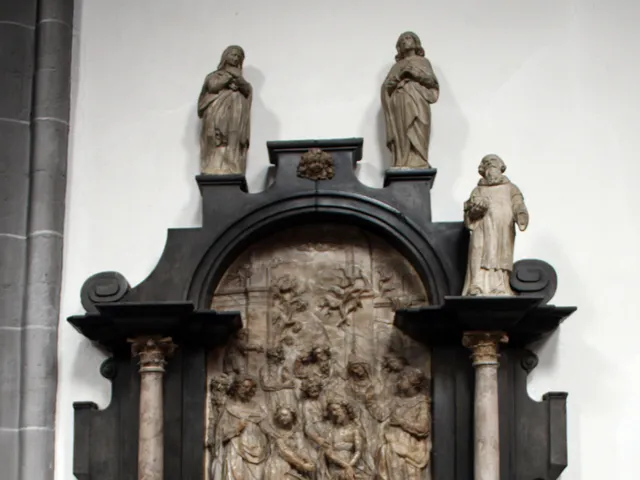
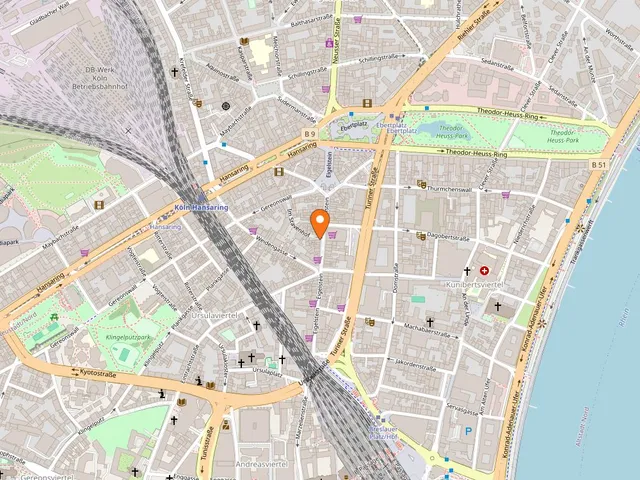
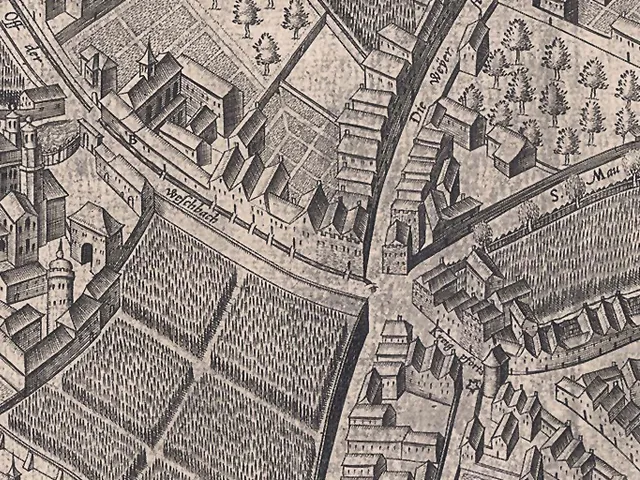
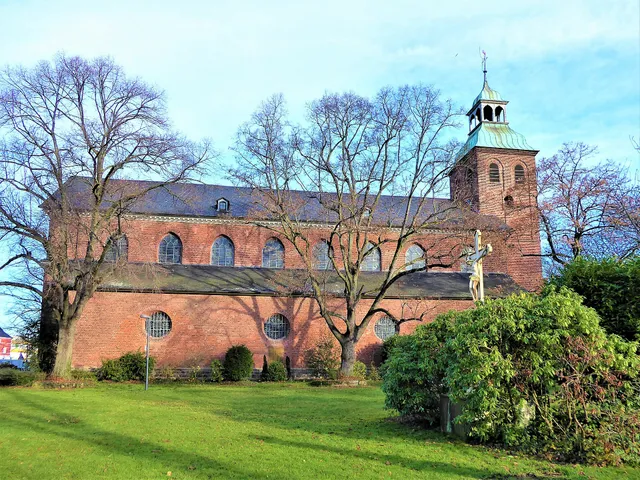
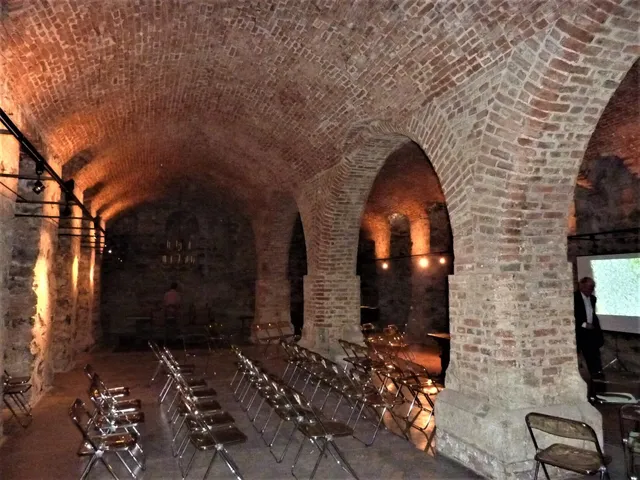
Medieval village church with a Gothic choir — once the parish church of St. Pankratius, now a small chapel after centuries of fire, war, and reinvention.
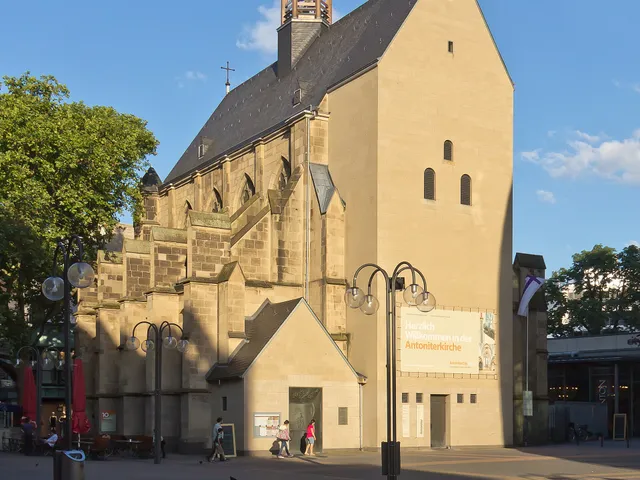
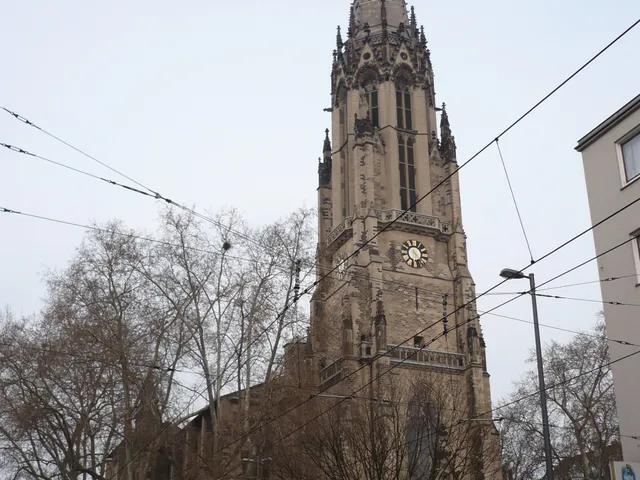
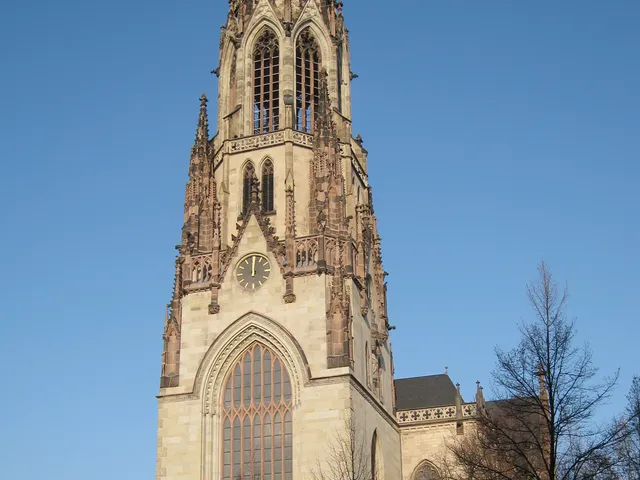
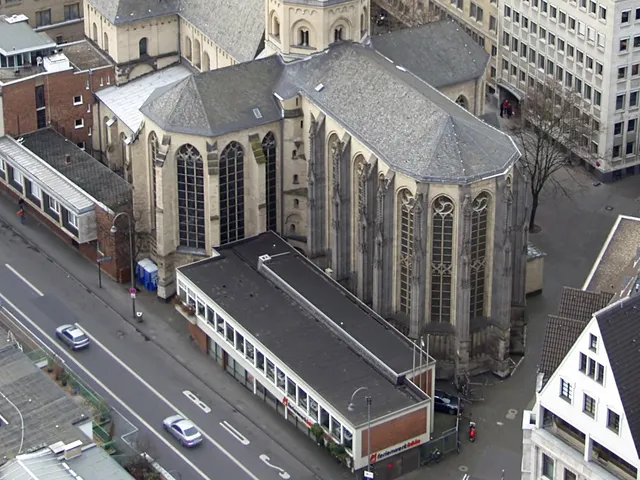
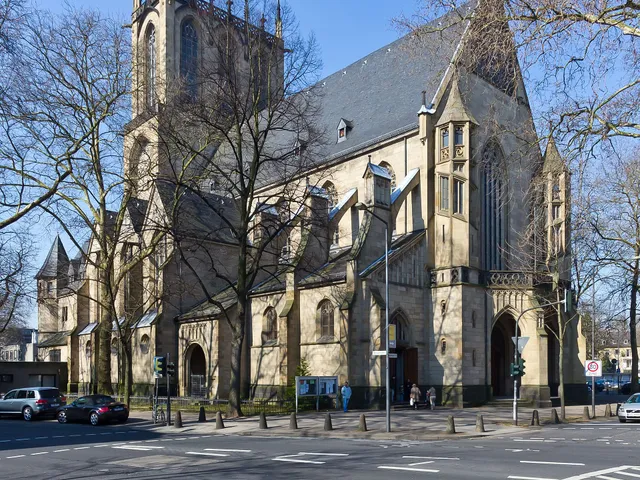
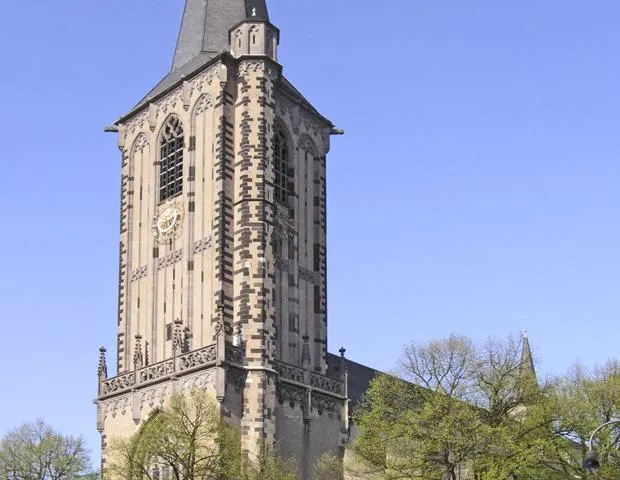
A Gothic Protestant church in the middle of the Schildergasse – Cologne's most visited church after the cathedral, known for Barlach's ‘Hovering Angel'.
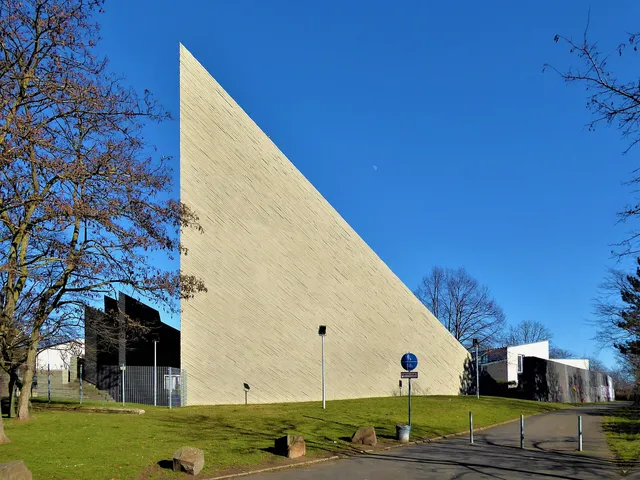
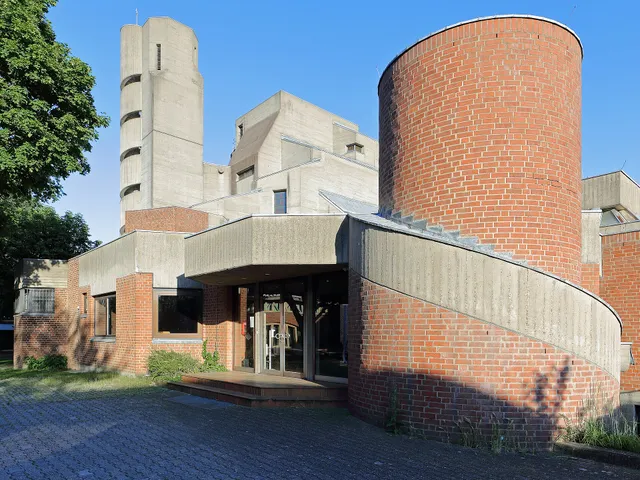
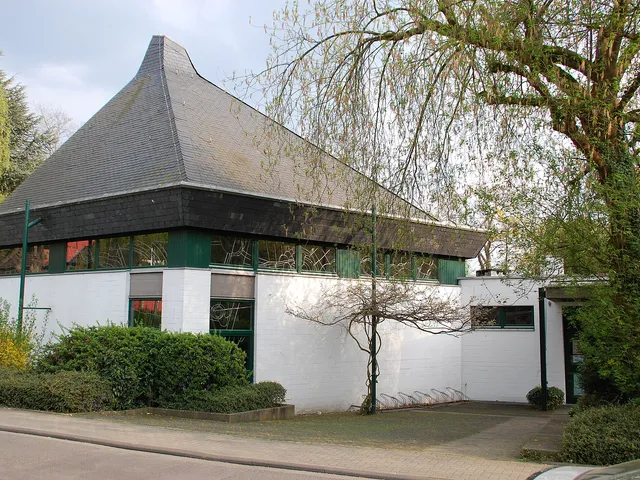
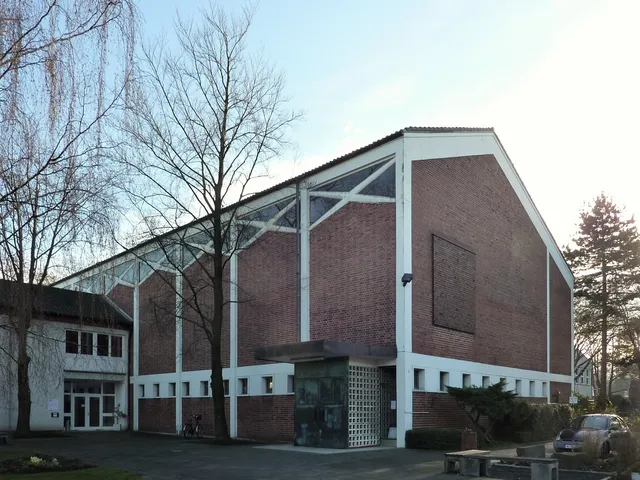
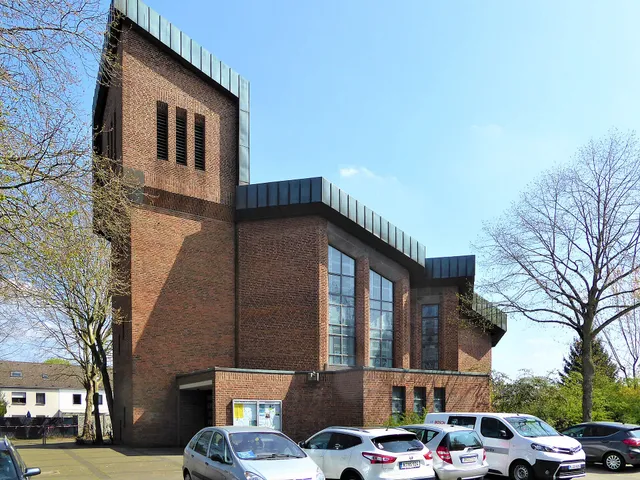
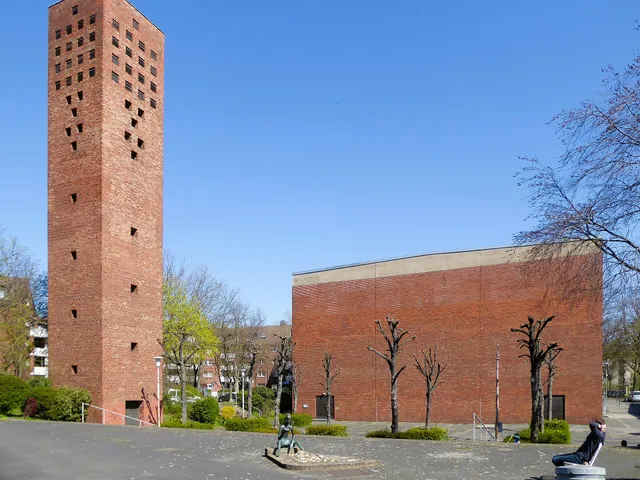
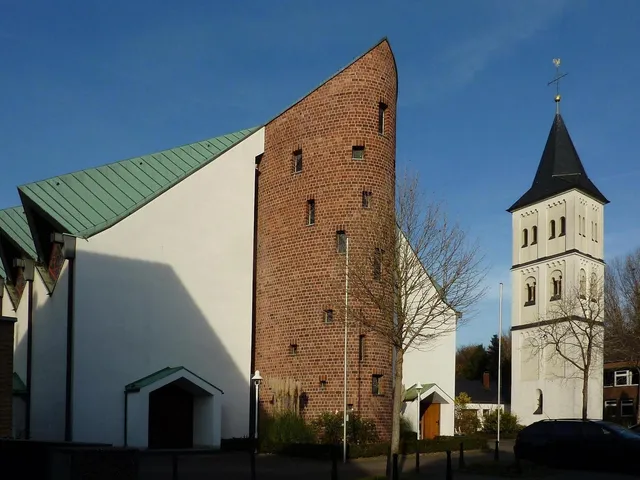
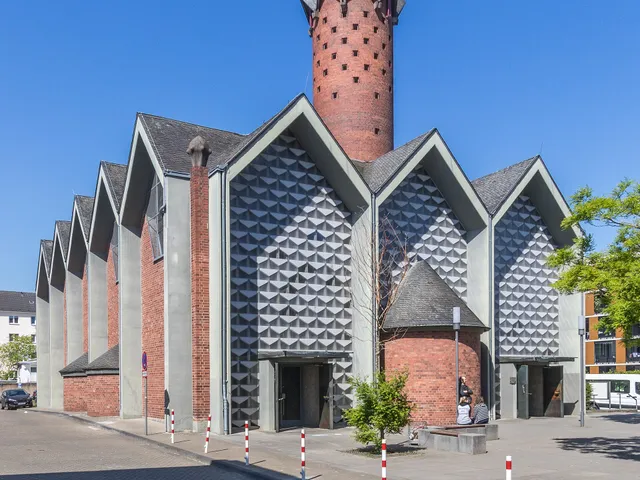
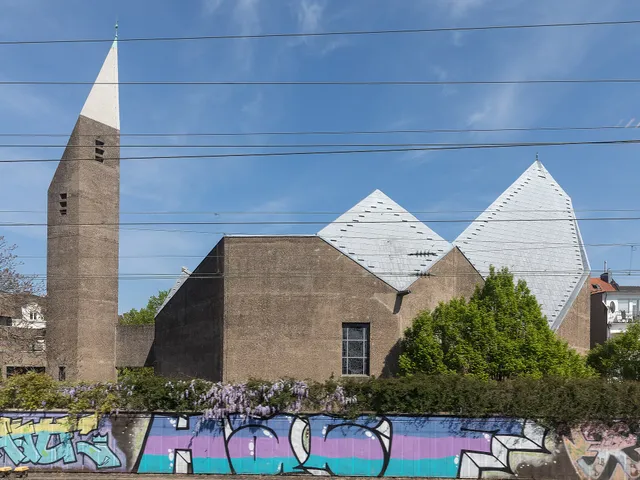
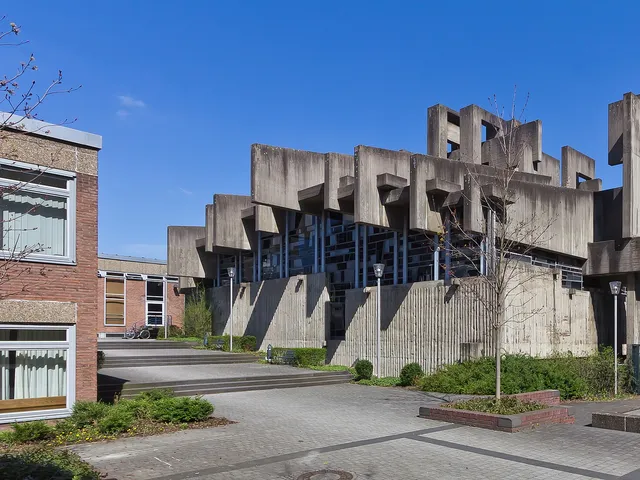
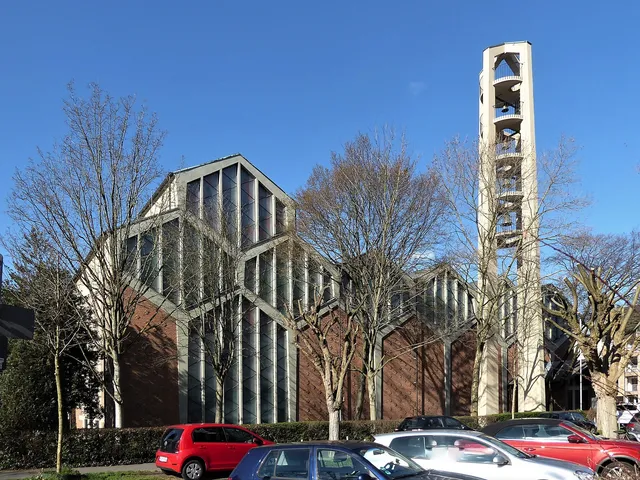
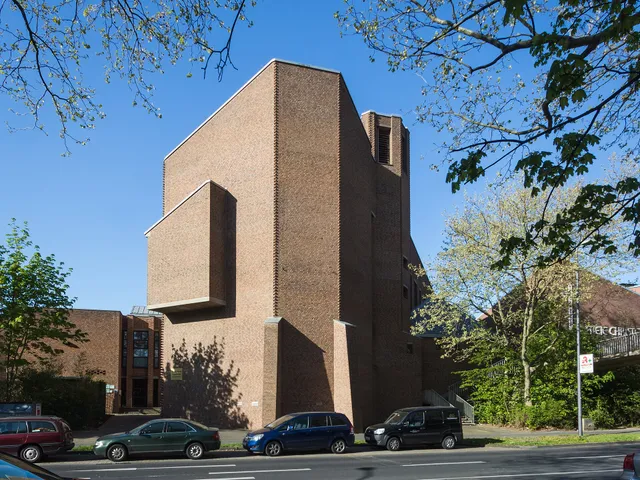
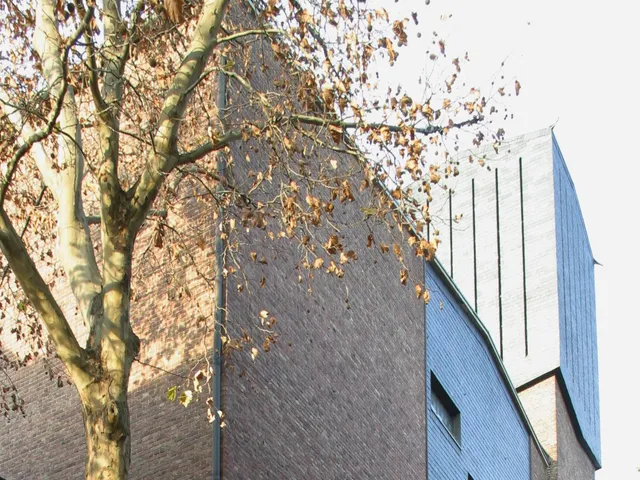
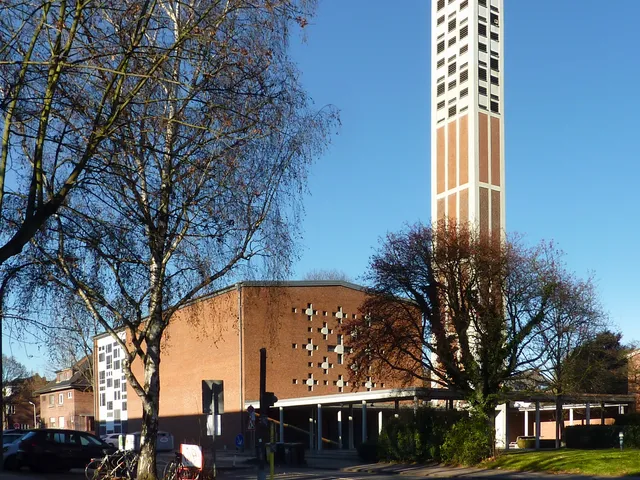
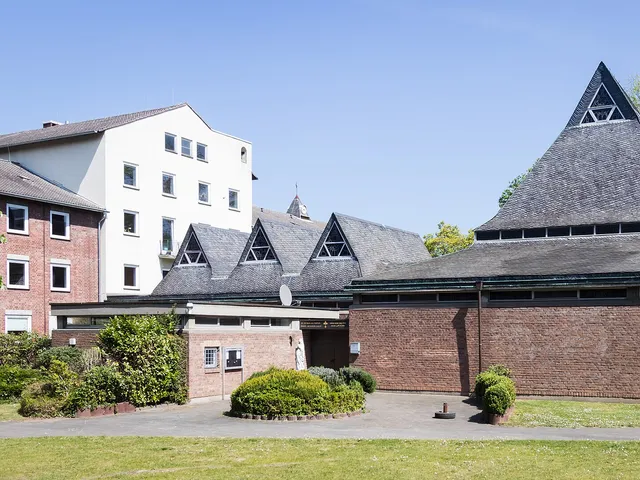
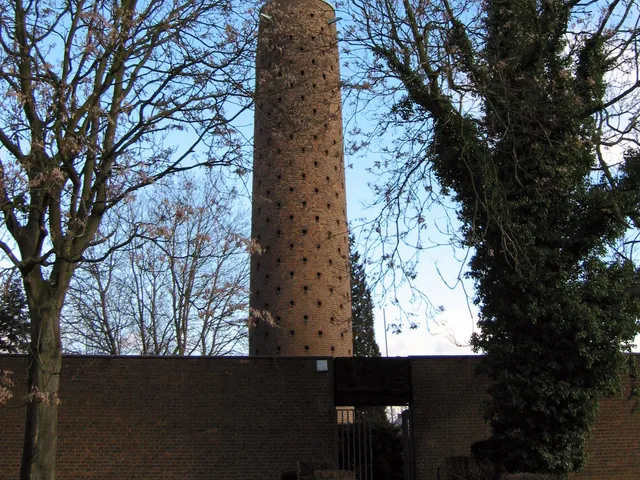
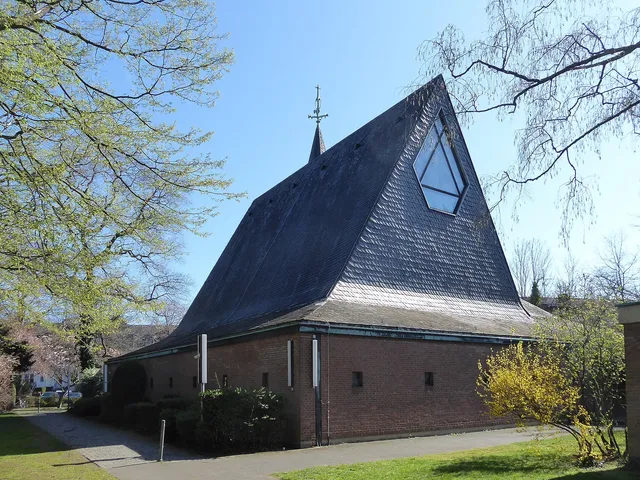
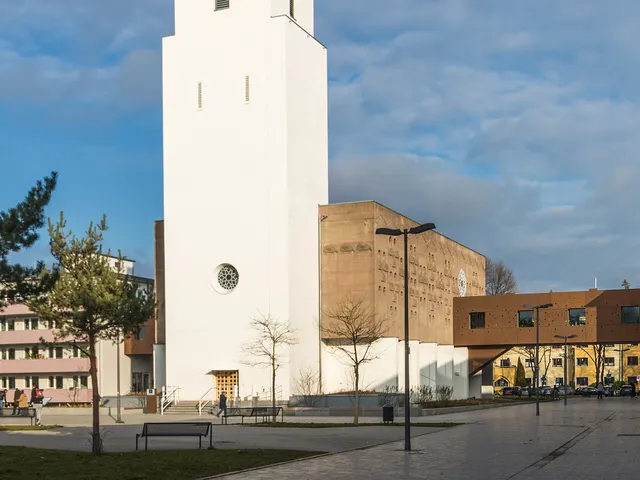
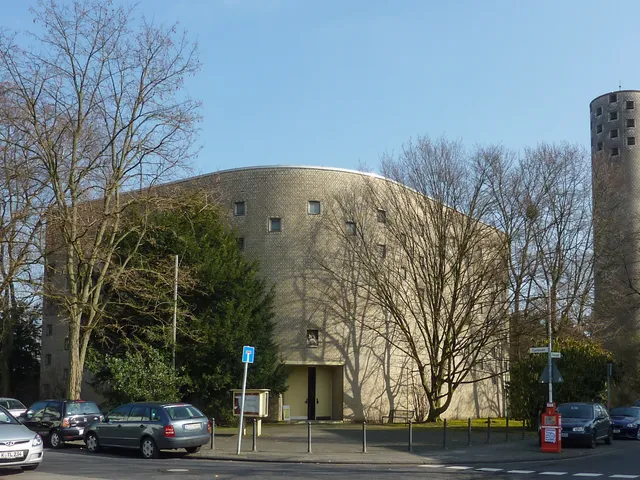
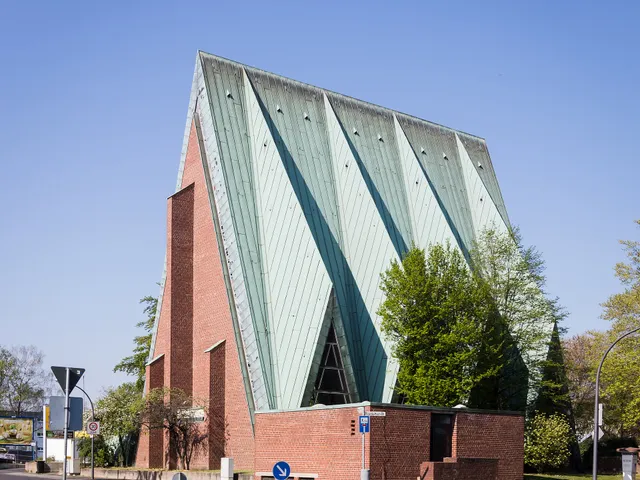
Listed Brutalist church from 1968 with a striking tetrahedral form, now operating as the 'Kulturkirche Ost' cultural venue for readings, music, and cabaret.
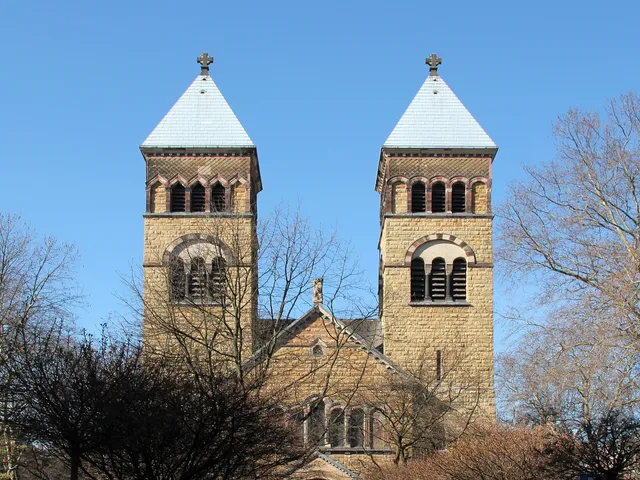
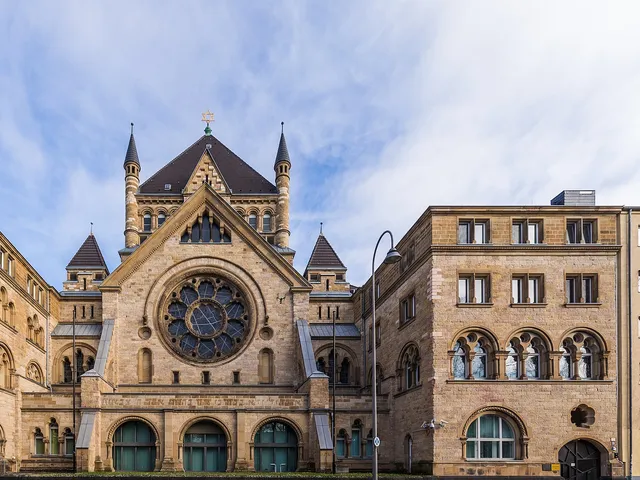
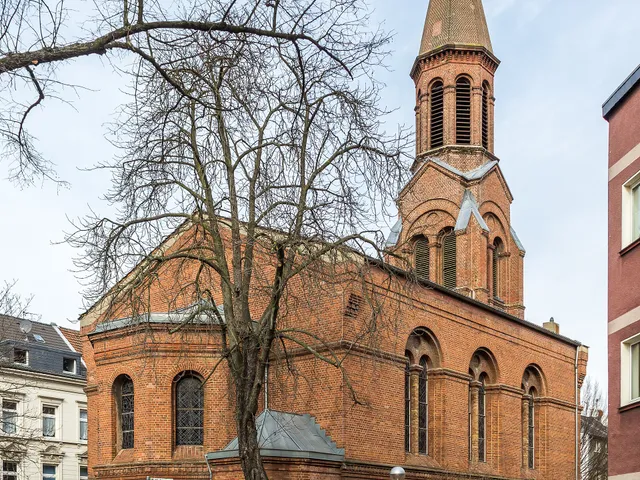
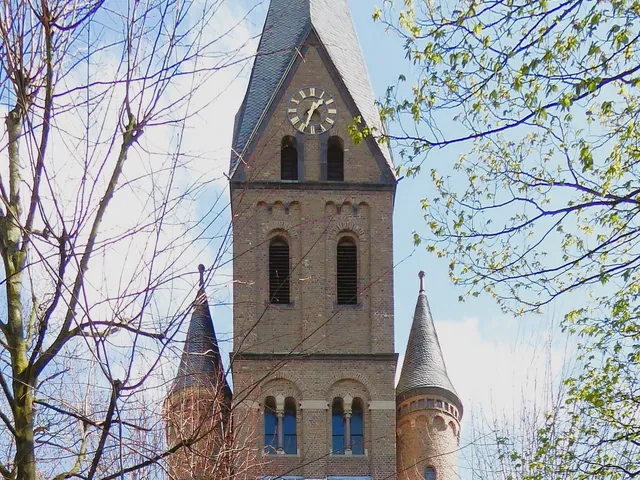
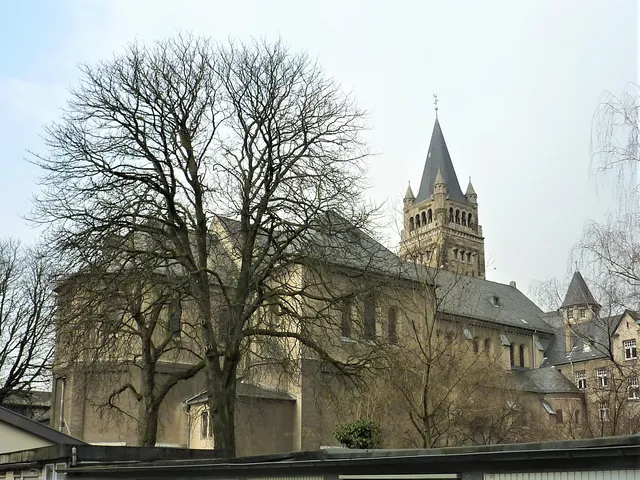
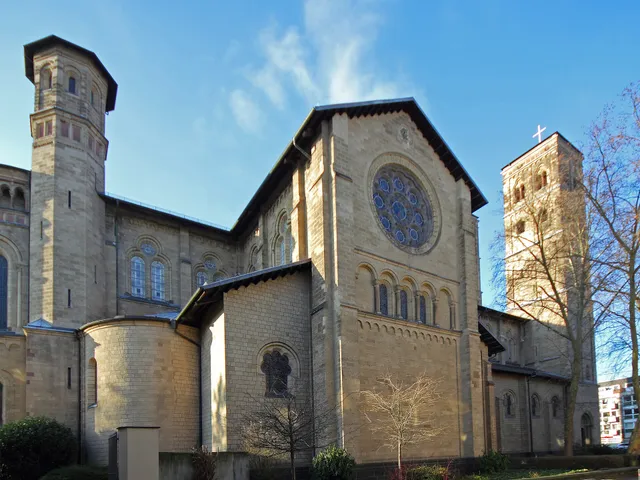
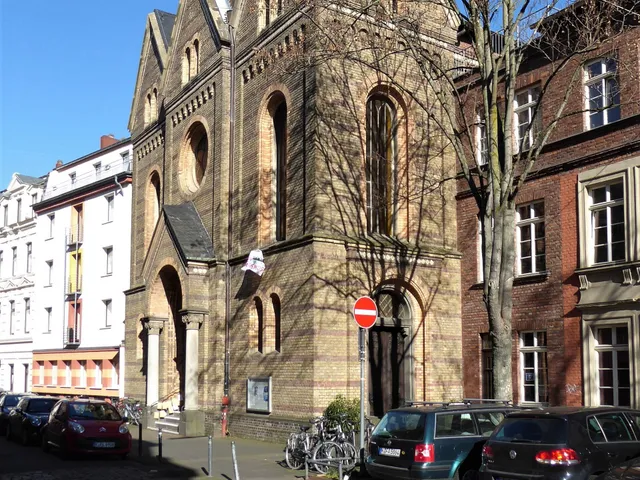
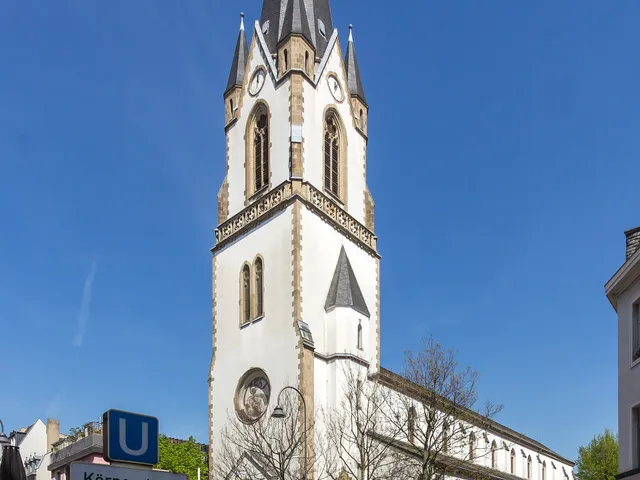
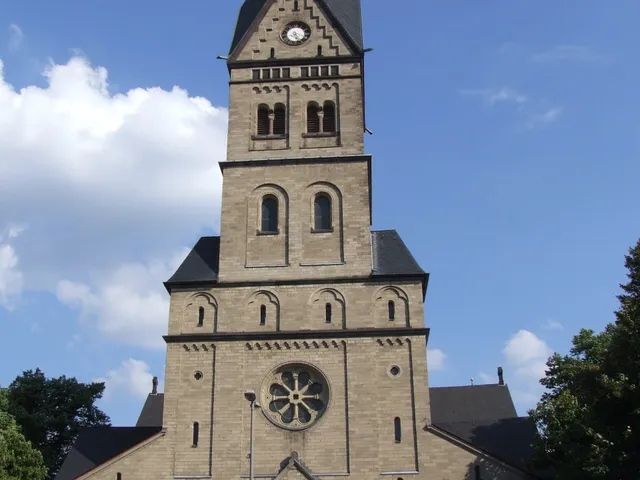
The heart of Cologne's Belgian Quarter, defined by the Neo-Romanesque church of St. Michael — a vibrant social hub and the scene of a long-running noise dispute.
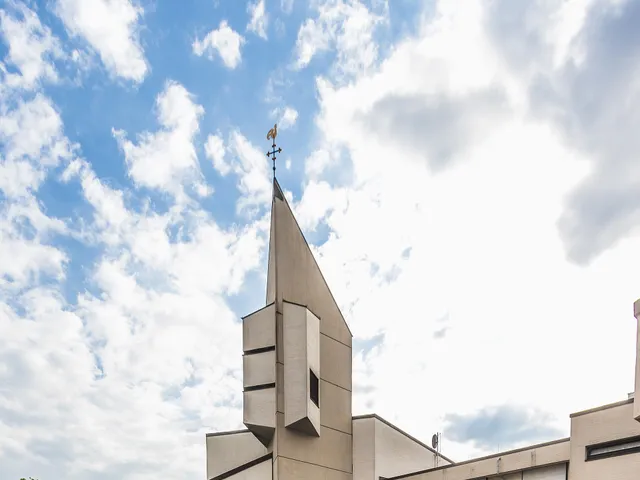
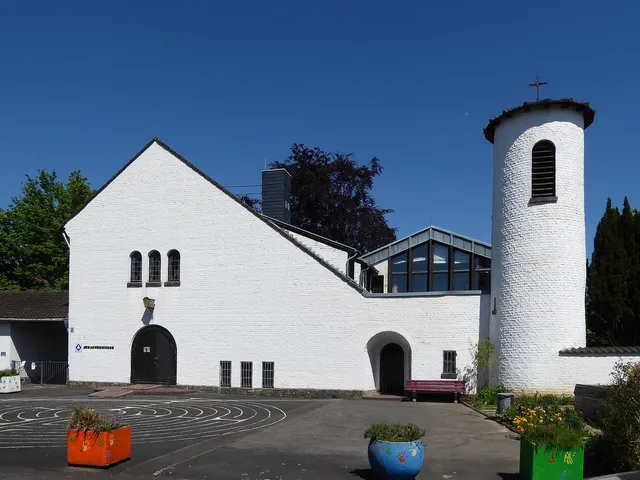
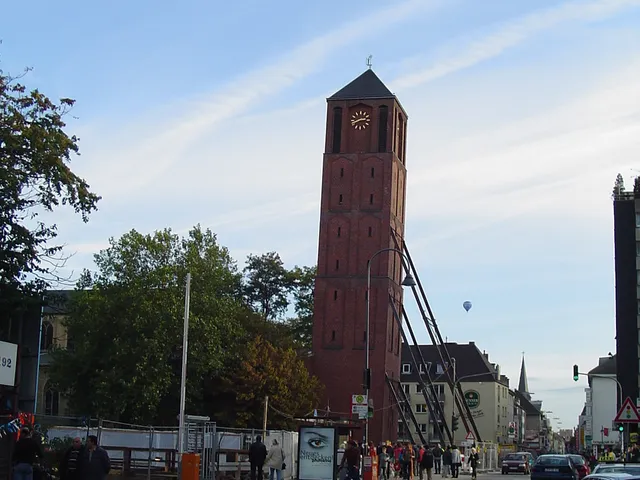
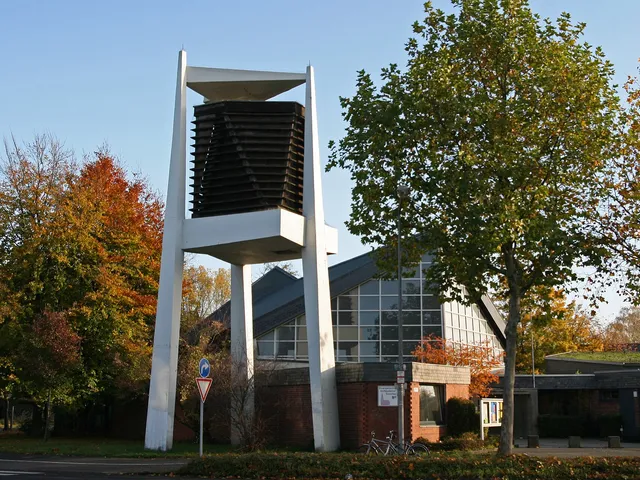
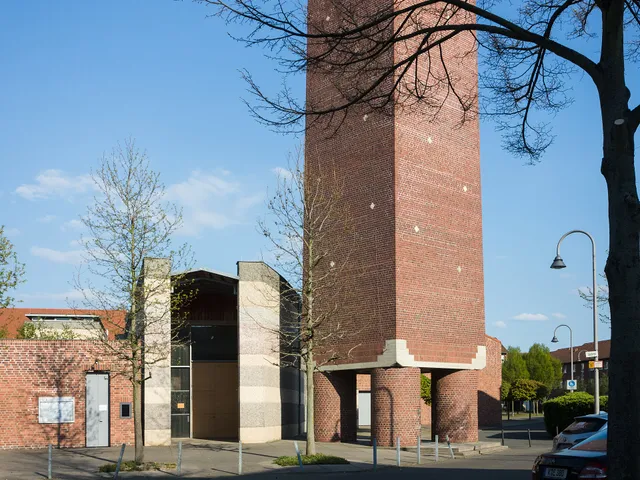
Home of the 'church with the leaning tower' — Catholic youth pastoral centre in Cologne's Südstadt, combining a church, café, and community spaces under one roof.
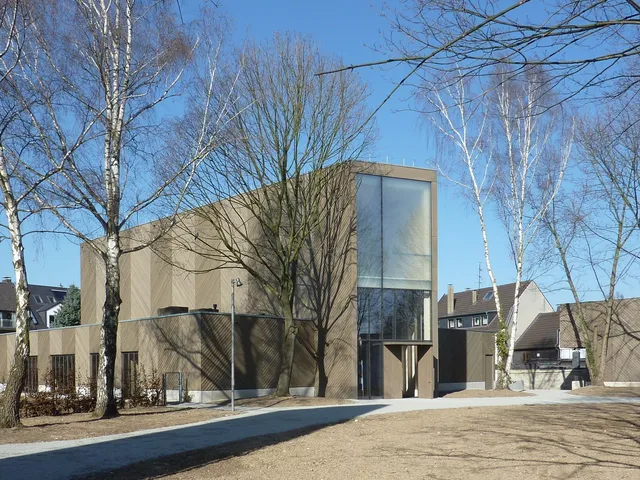
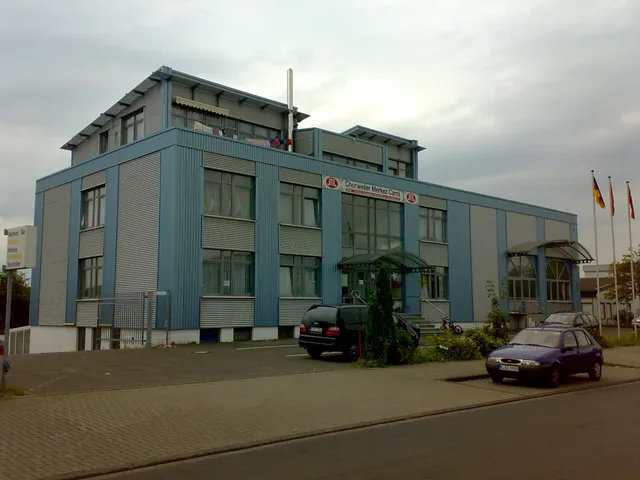
Opened in 2008 in the Feldkassel industrial estate, this DITIB mosque is the first Islamic house of worship in Cologne's Chorweiler district and an active community centre in the city's north.
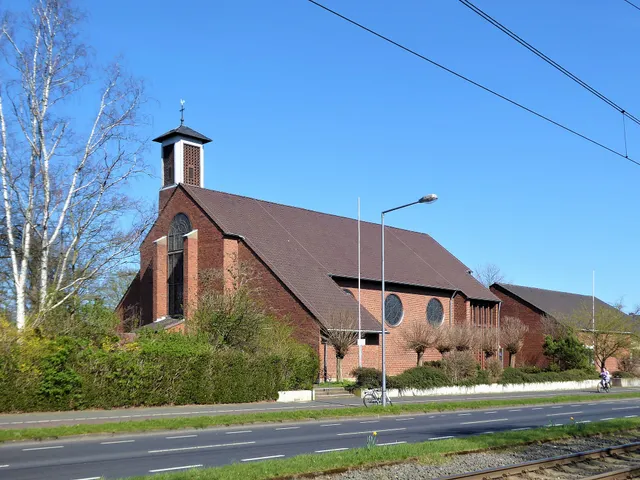
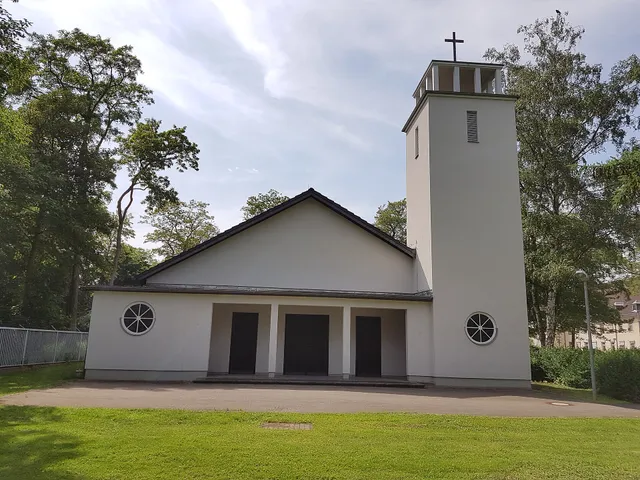
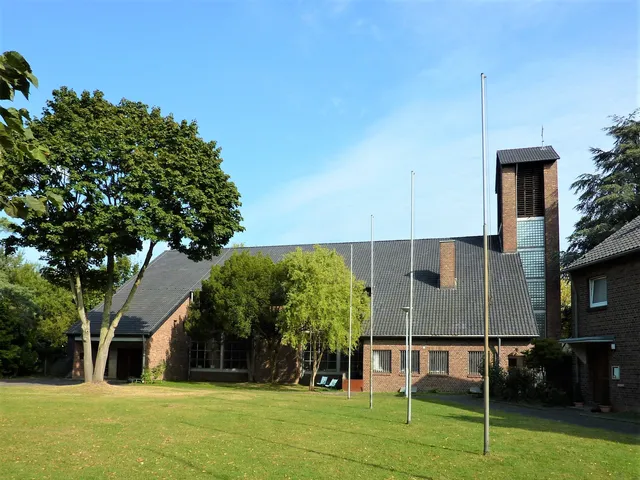
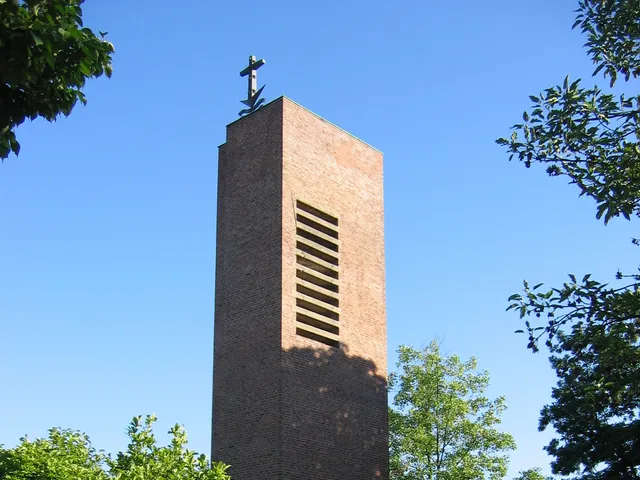
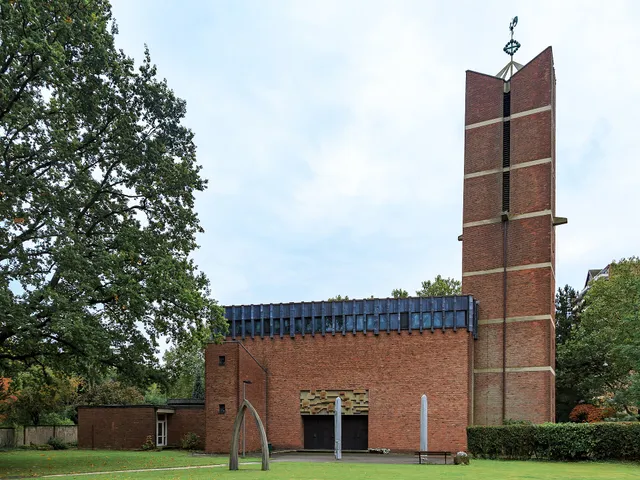
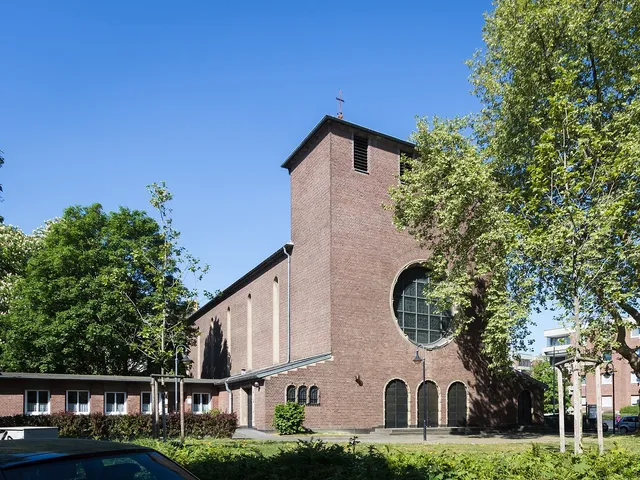
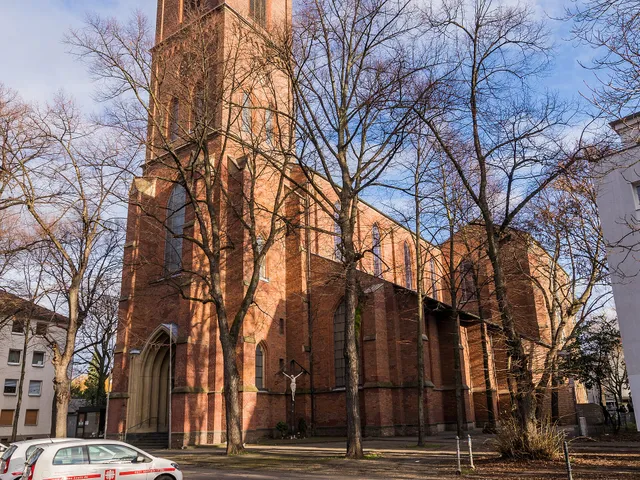
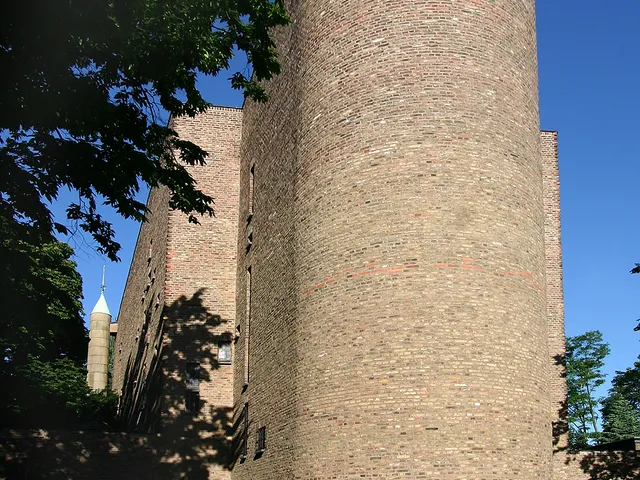
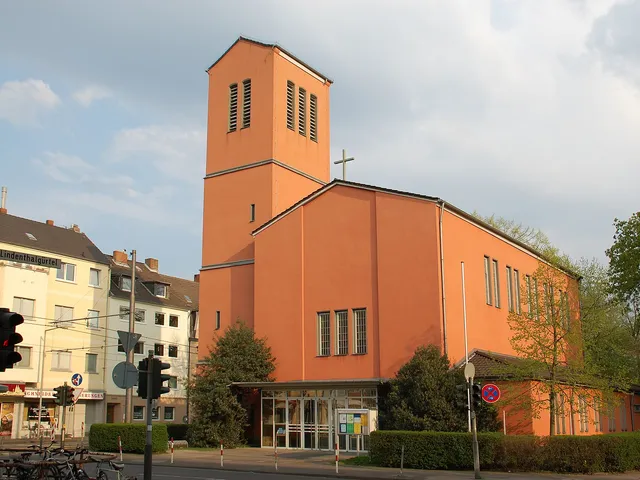
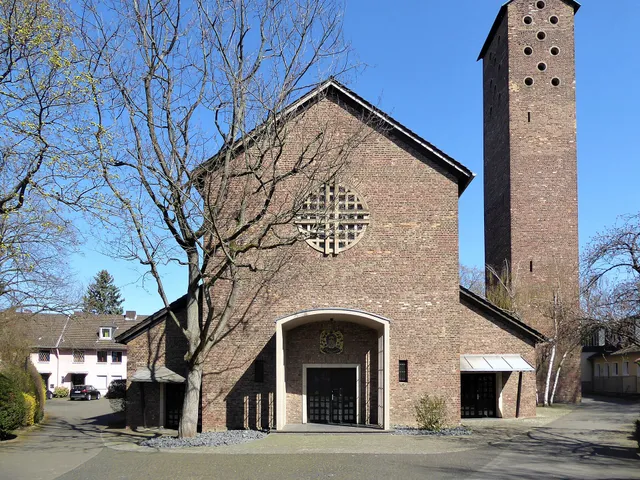
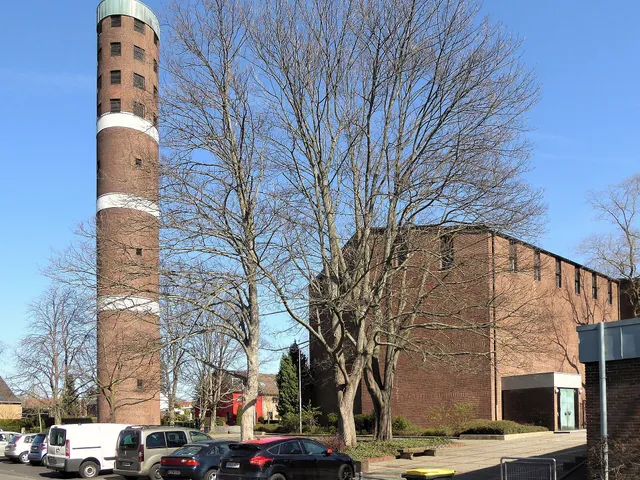
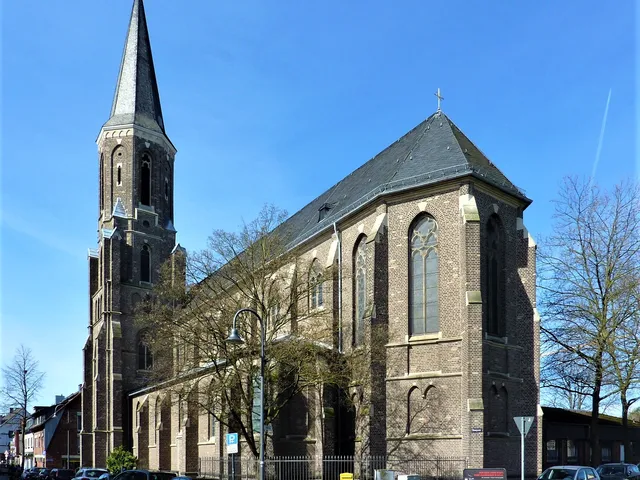
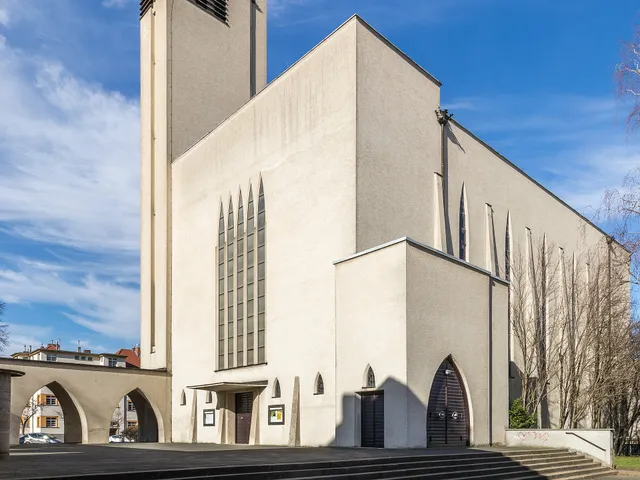
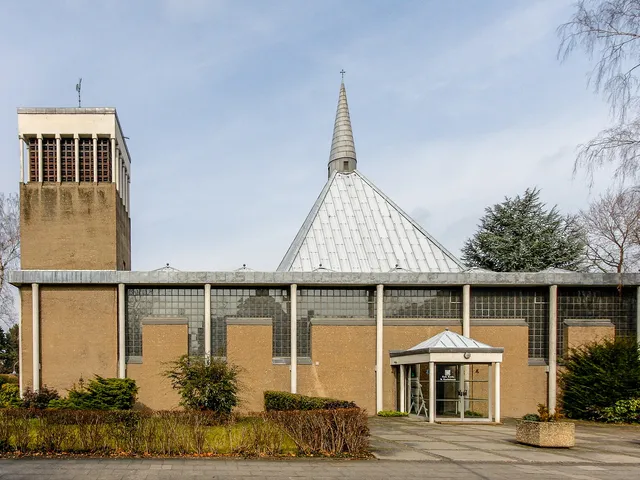
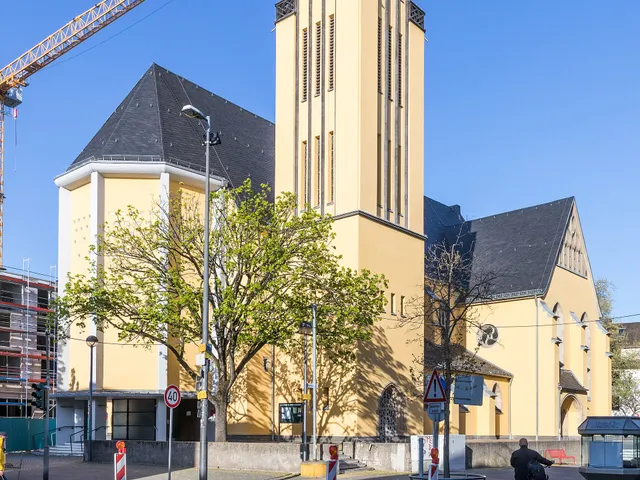
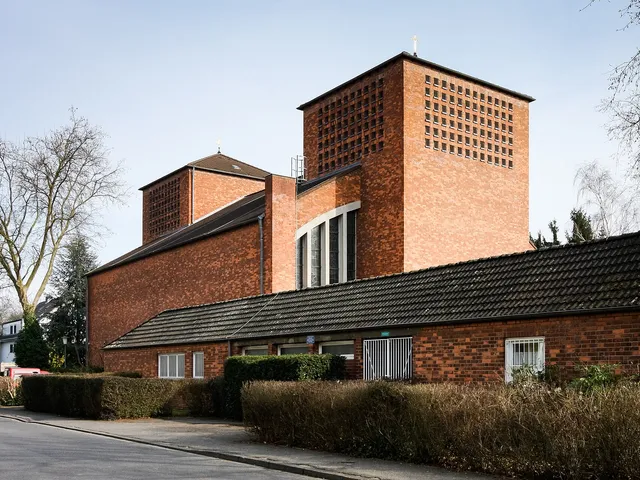
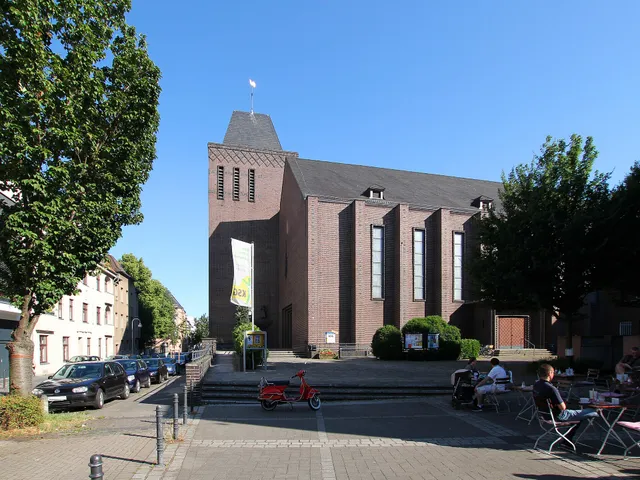
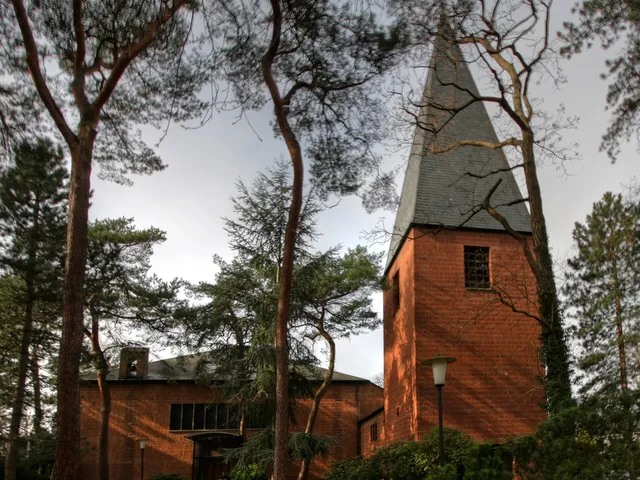
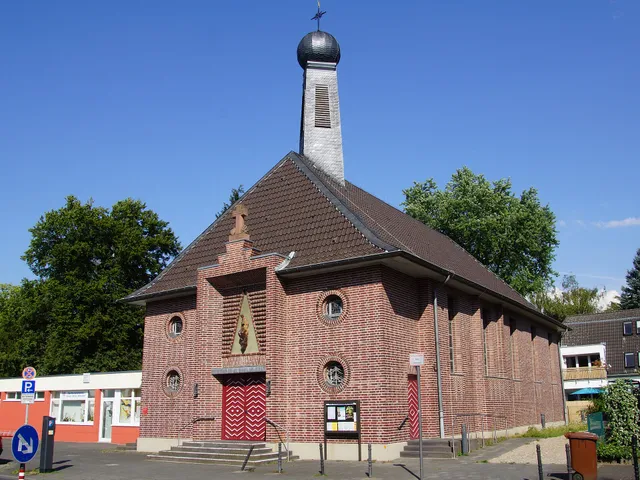
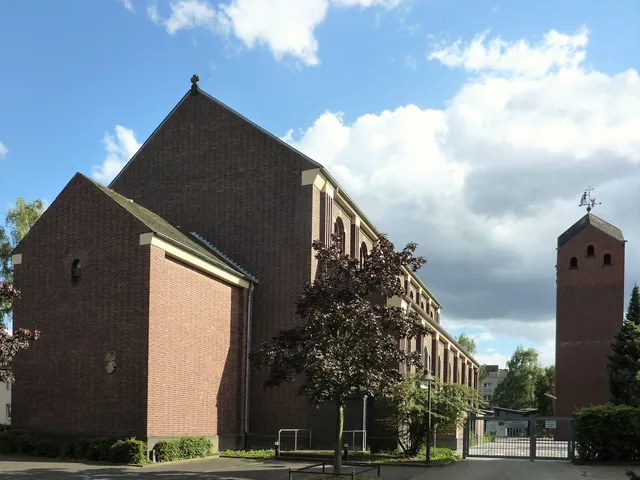
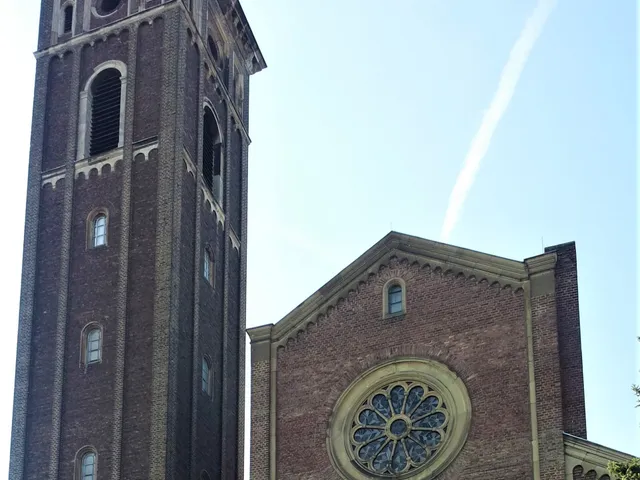
Catholic parish church in Köln-Weidenpesch, built in 1931 to plans by Heinrich Bartmann and consecrated in 1934 – a brick building poised between tradition and modernity, and a listed monument since 1983.
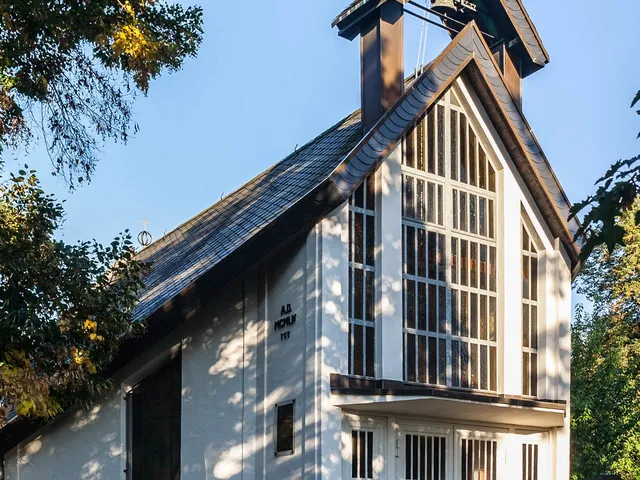
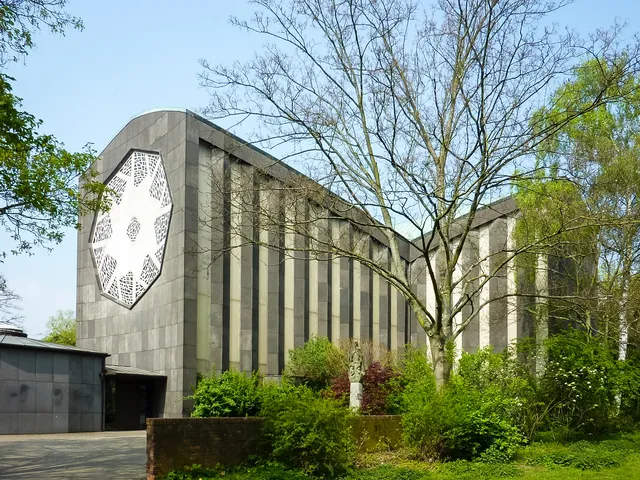
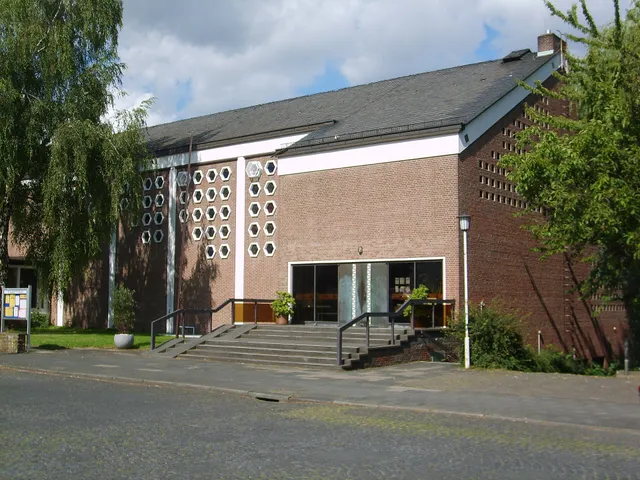
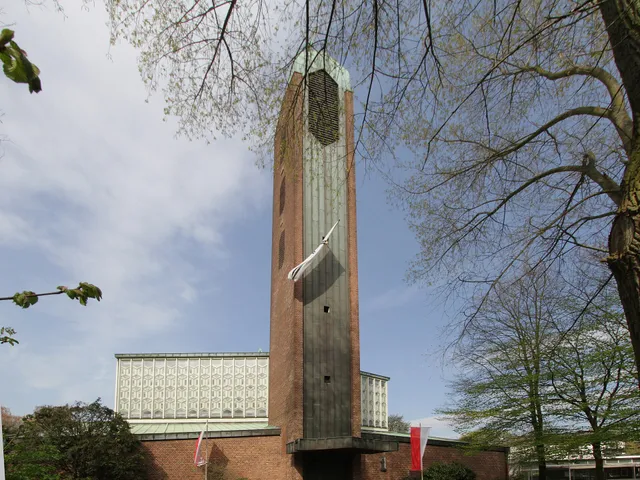
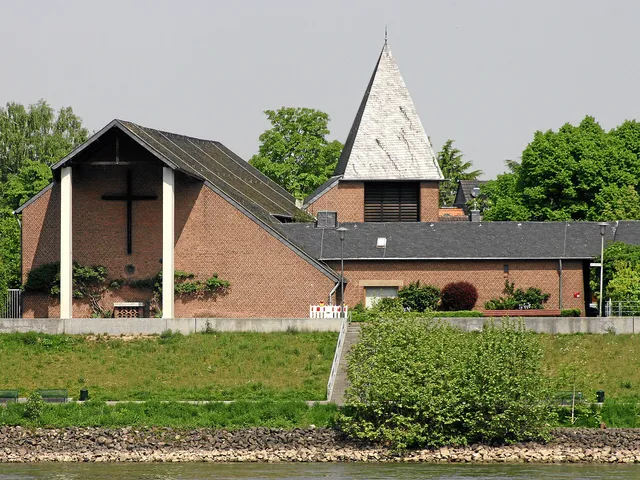
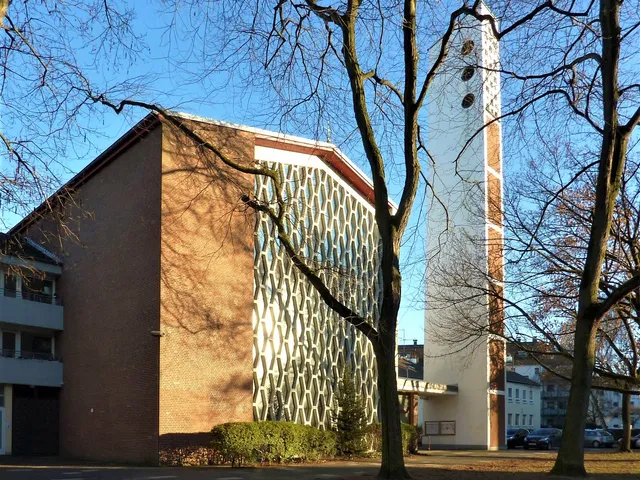
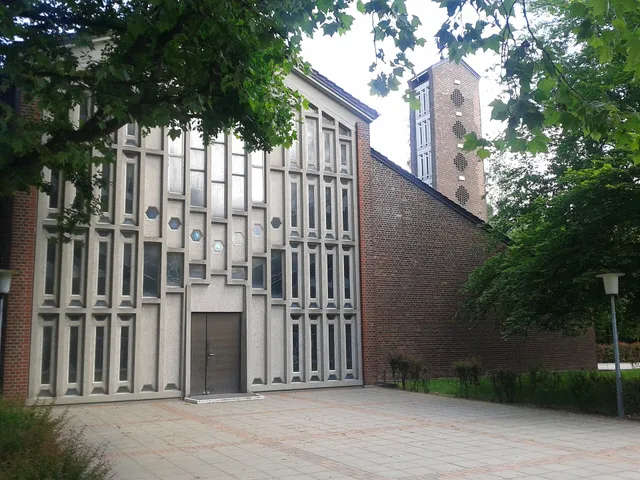
Protestant church in Cologne-Sülz from the early 1960s, featuring colourful hexagonal concrete honeycomb windows and a baptistery separated by glass walls.
A pilgrimage chapel in Cologne's Kalk district, home to a 15th-century Pietà said to have miraculous powers — a destination for annual processions for centuries.
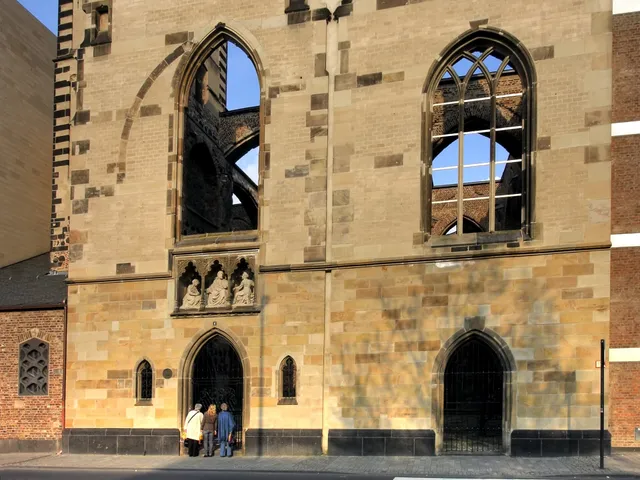
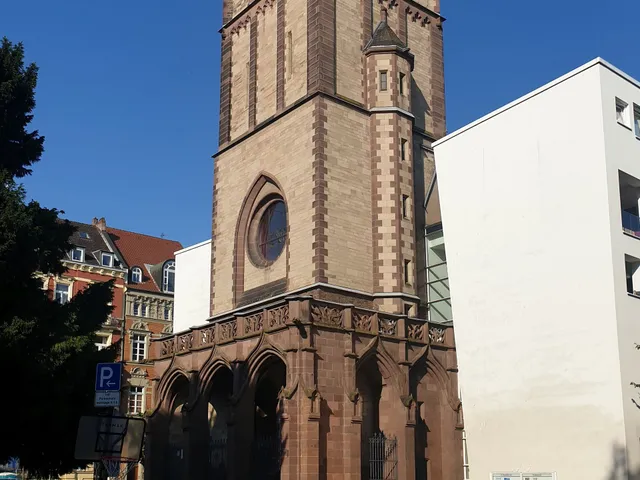
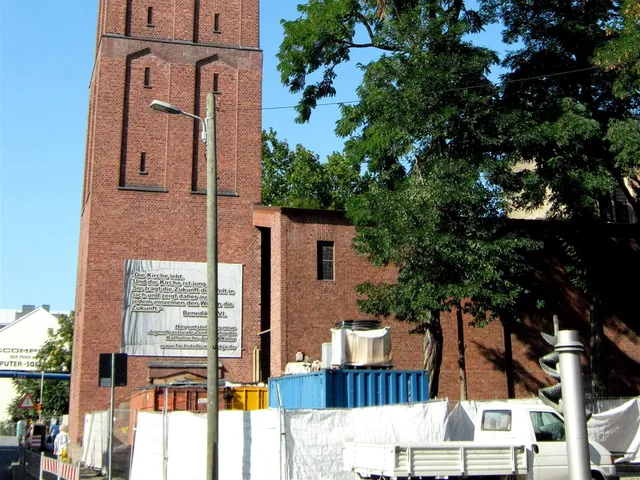
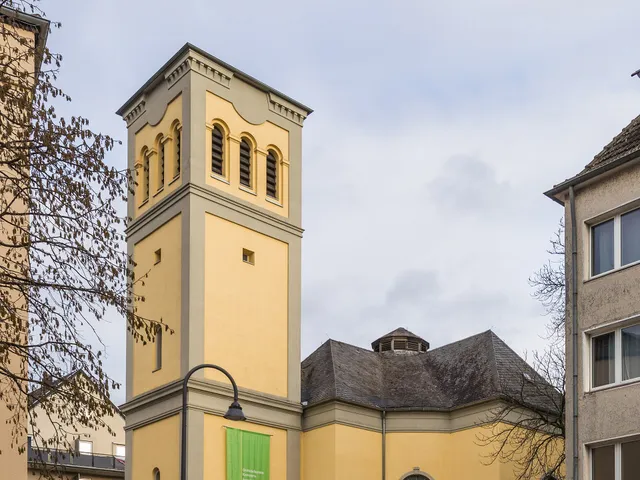
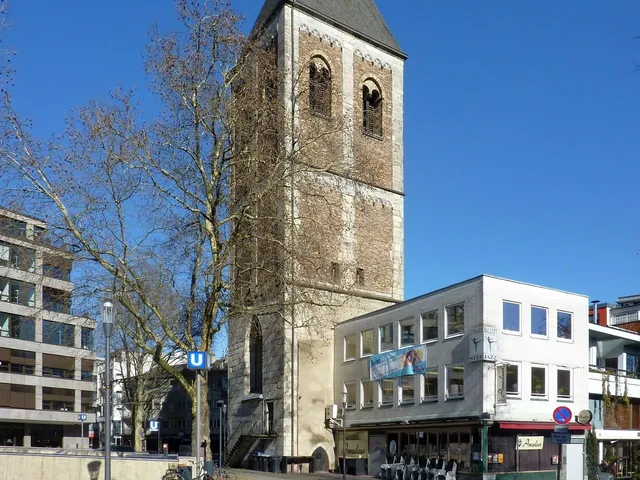
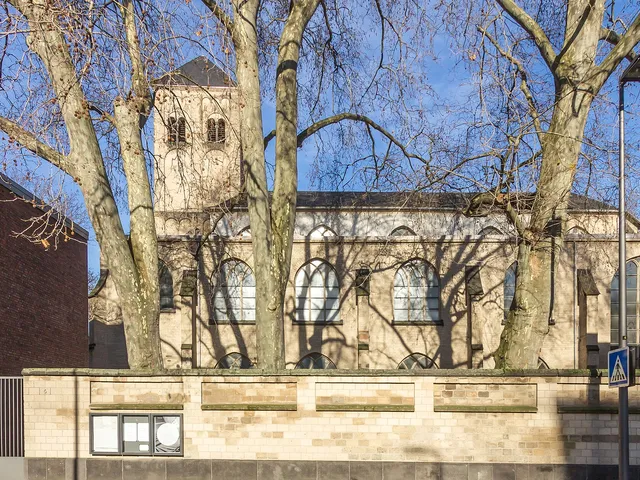
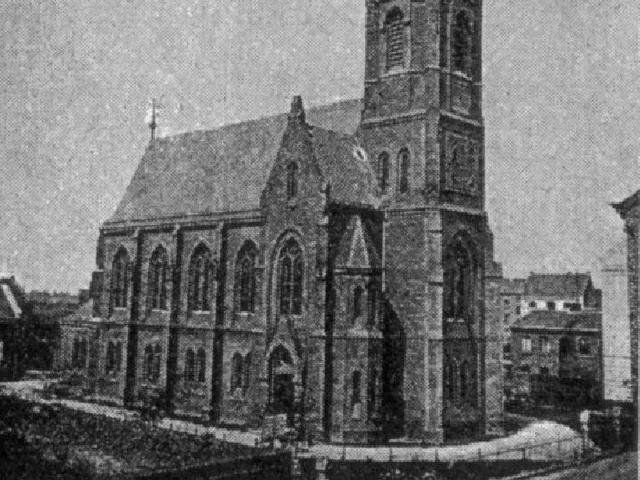
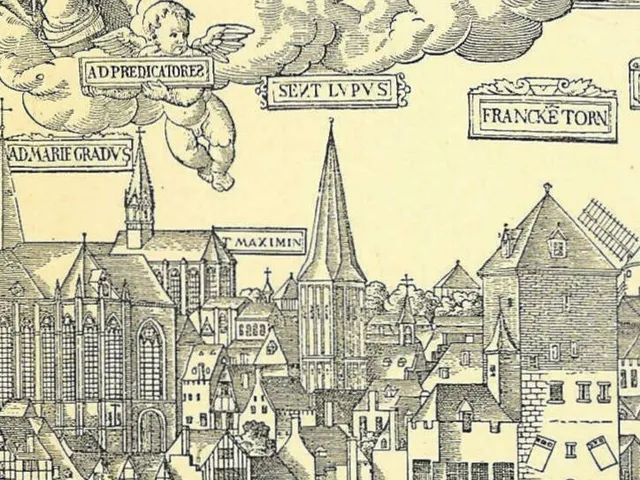
A lone tower surviving from a demolished Cologne parish church — once crowned with a tall Gothic spire visible across the Rhine skyline, today capped by a flat pyramid.
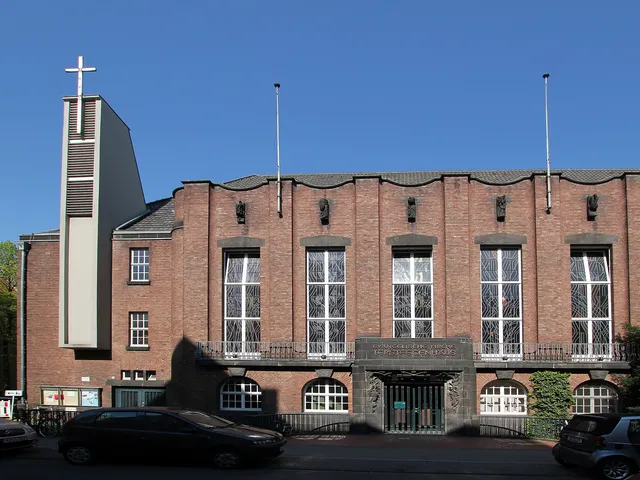
Protestant hall church in Cologne-Porz blending Art Nouveau beginnings (1914) with a striking Expressionist interior completed in 1927; listed heritage building since 1982.
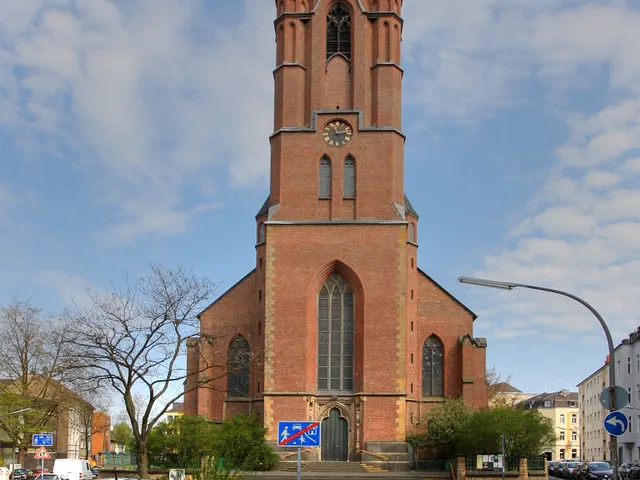
Protestant church in Cologne's Südstadt, its bells inscribed with Luther's chorale – bombed to its tower in 1944, deconsecration planned for autumn 2026.
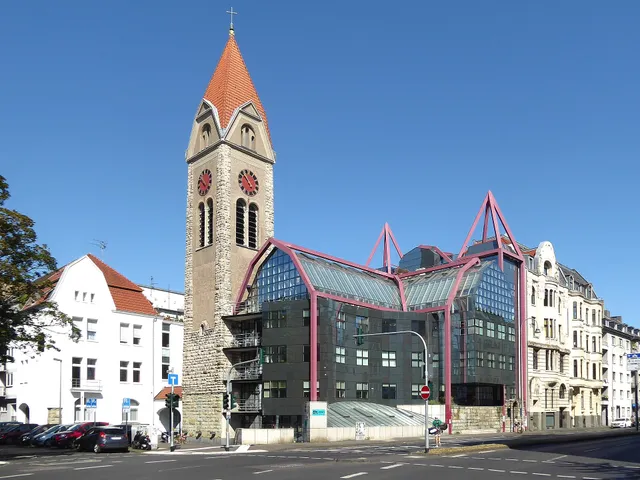
Old Catholic parish church in Cologne's Südstadt — a red steel frame on its 1990s successor traces the silhouette of the wartime predecessor at full scale.
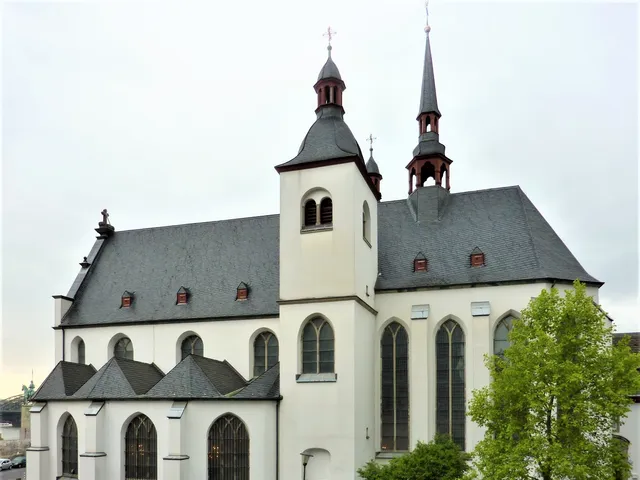
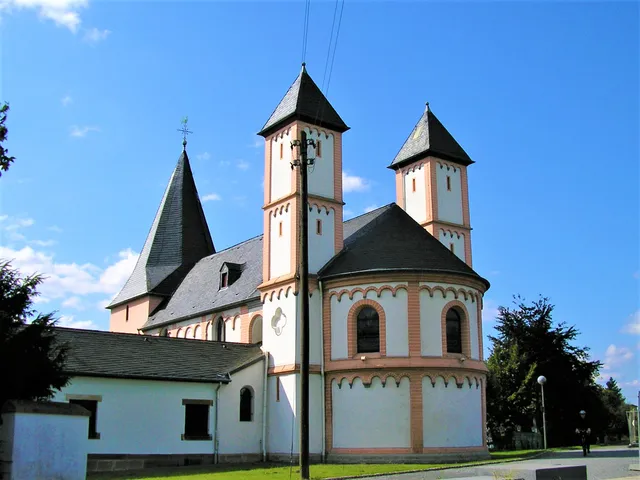
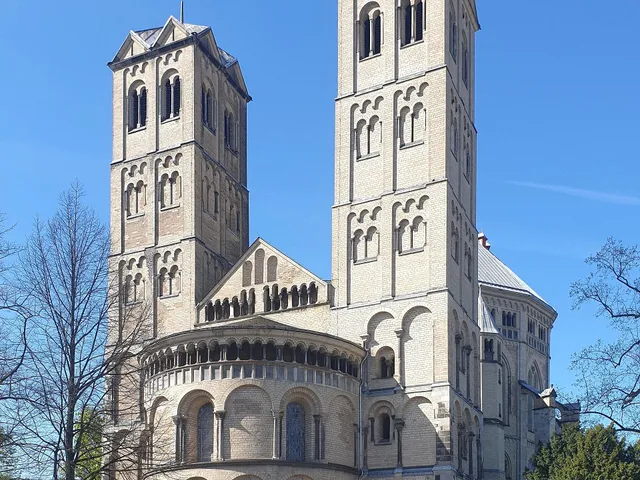
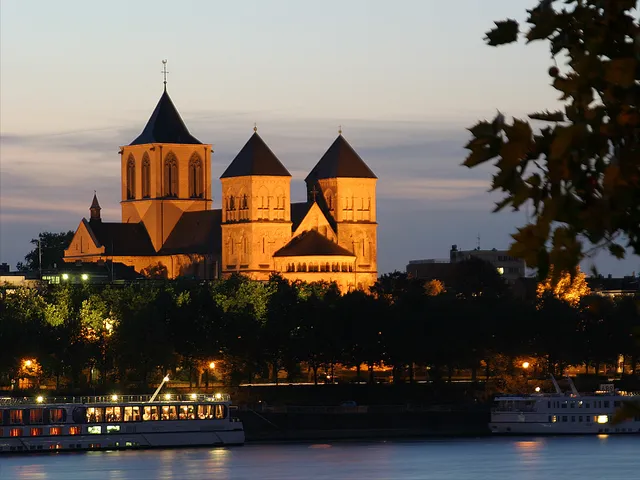
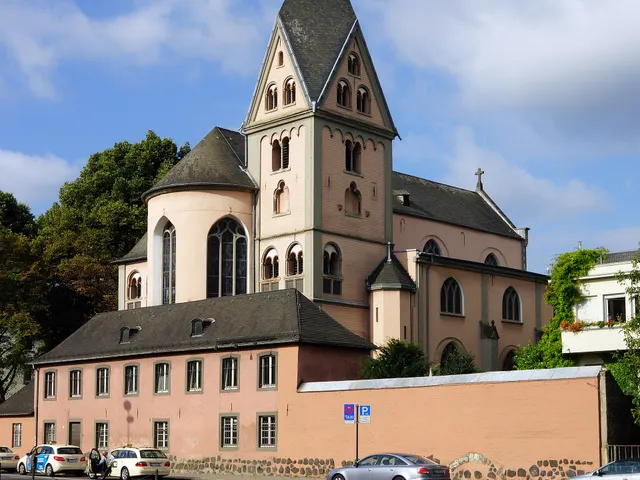
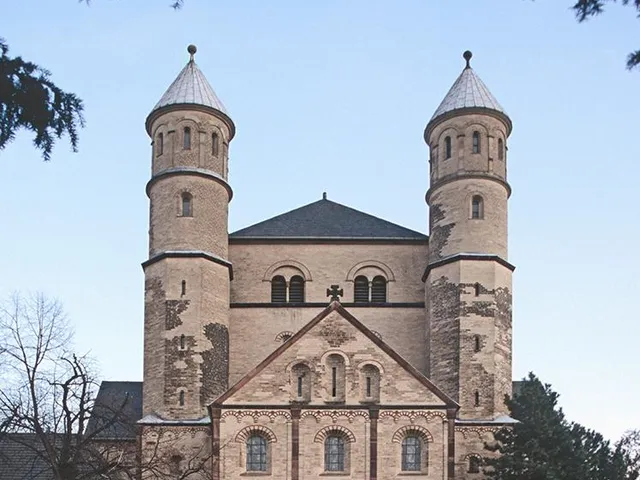
Romanesque church on the Rhine whose twin-towered chancel is a miniature echo of nearby St. Gereon — an extraordinary feature for a rural parish church.
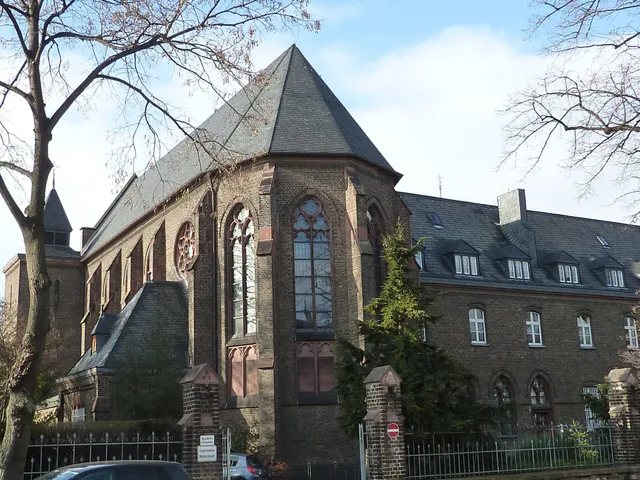
Founded in 1888 as a hospital and care home for the elderly, it served as a hospital until 1979 — today a Cellitinnen senior residence in Cologne-Lindenthal.
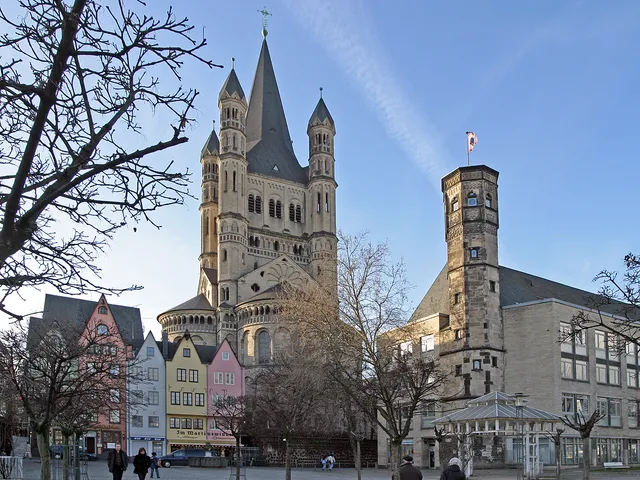
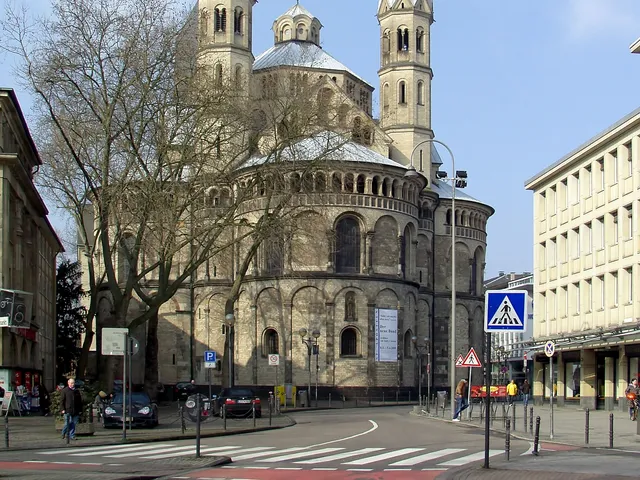
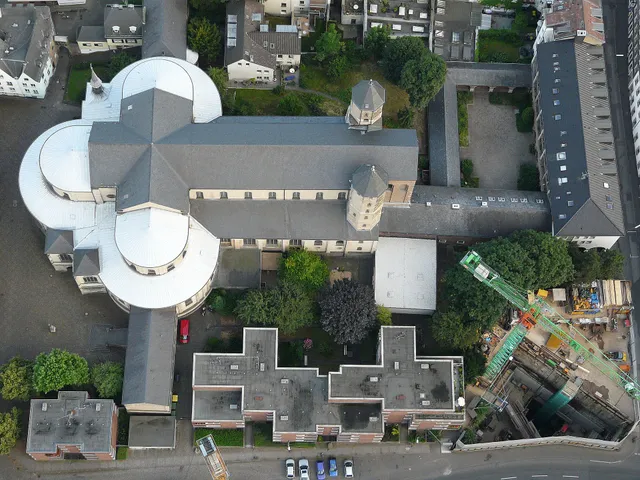
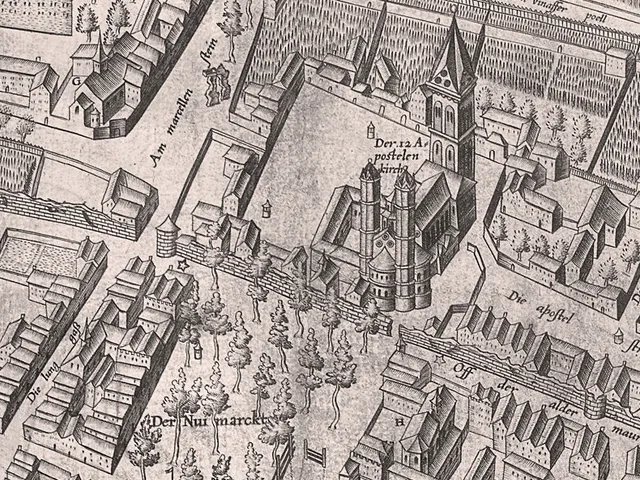
One of Cologne's twelve great Romanesque churches — known for its trefoil-shaped trichoral apse at Neumarkt and celebrated as the city's premier music church.
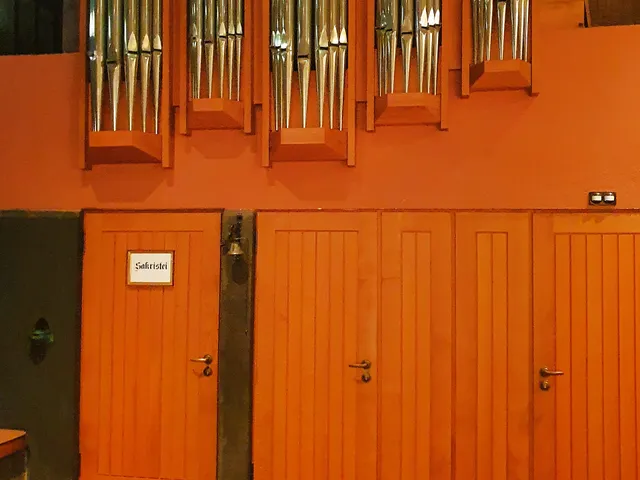
Parish church in Köln-Weiler whose Baroque predecessor from 1766 has been preserved; the 1910 organ was restored to its original specification in 2007.
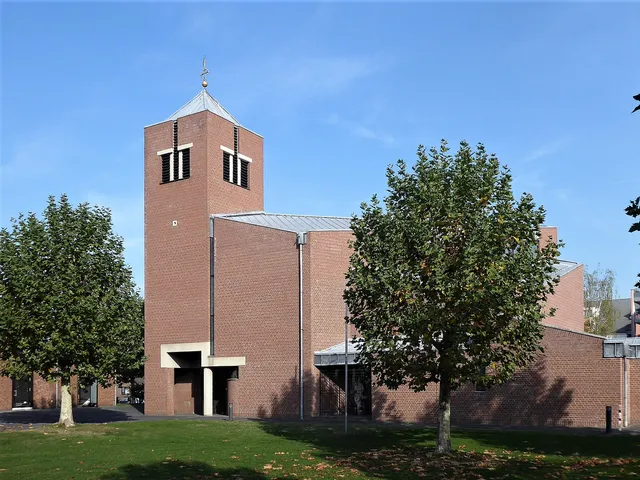
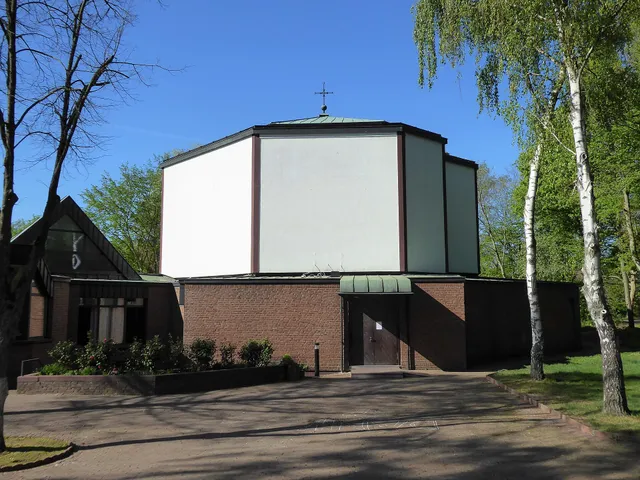
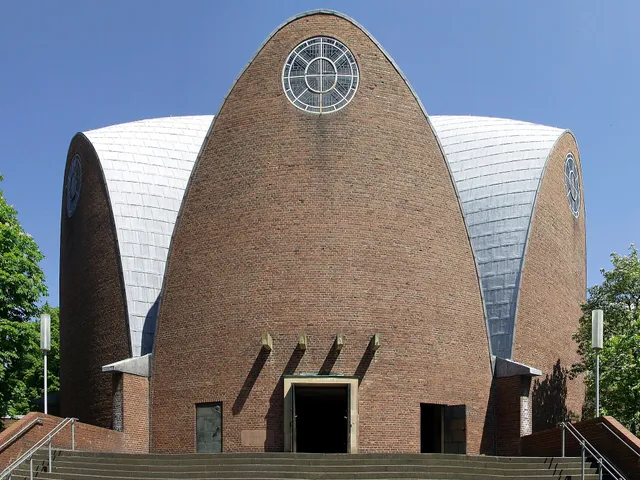
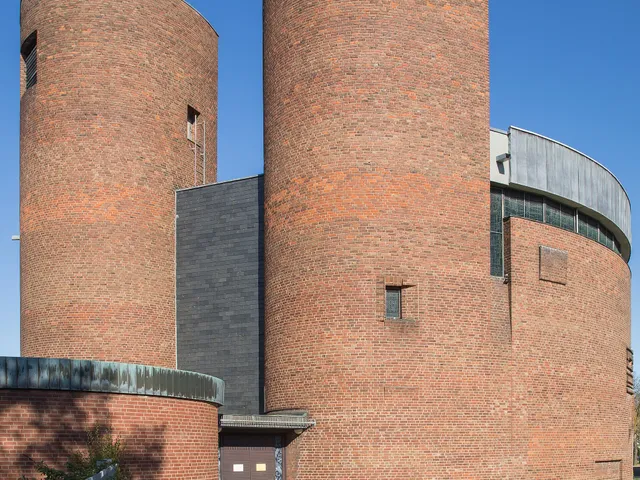
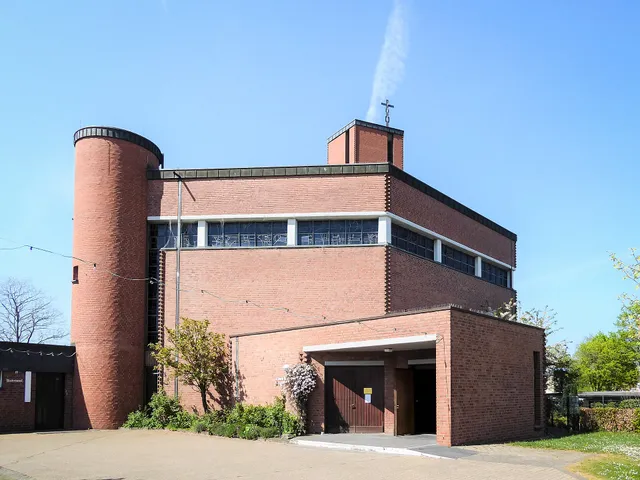
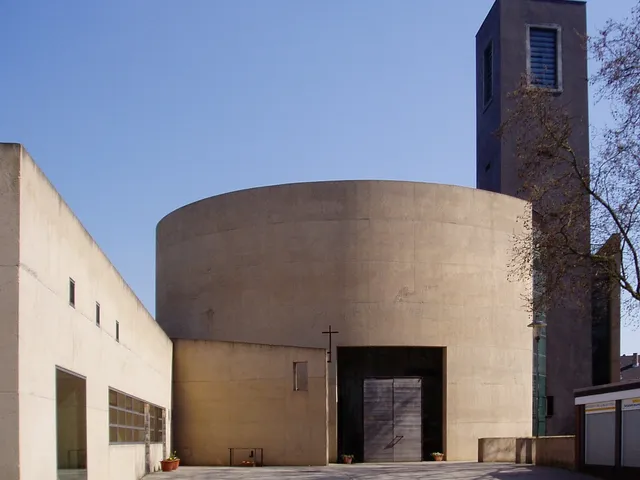
Catholic parish church in Köln-Bilderstöckchen, built by Hans Schilling as a round red-brick structure between 1957 and 1961 and listed as a historic monument since 2003.
Romanesque church in Cologne with a ten-sided domed rotunda from the Hohenstaufen era — the largest surviving free-vaulted central-plan building of the Middle Ages north of the Alps.
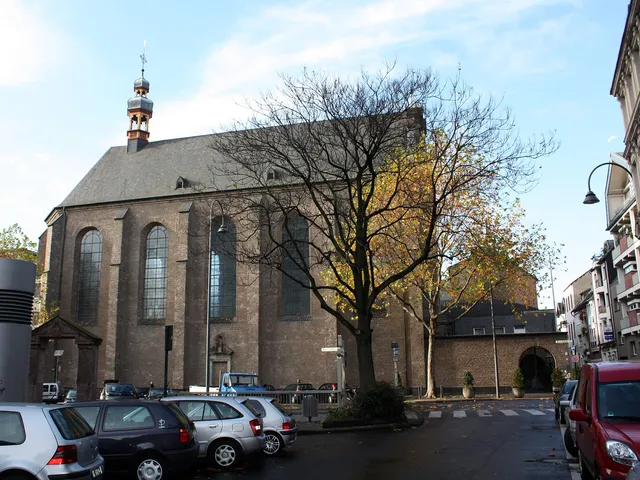
Baroque church rebuilt after WWII destruction, born from the 'Elendskirchhof' — Cologne's historic burial ground for strangers, outcasts, and the dishonoured.
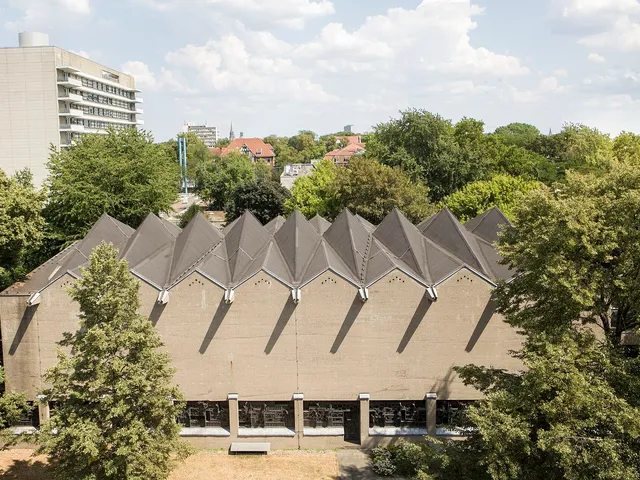
Listed clinic church of the University Hospital Cologne in Lindenthal, built 1962–1965 by Gottfried Böhm from exposed concrete and connected to the hospital buildings via an underground passage.
Roman Catholic post-war church in Köln-Braunsfeld, built between 1952 and 1954 to designs by Rudolf Schwarz and Joseph Bernard, and listed as a protected monument since 1999.
St. Karl Borromäus
★★★★★★★★★★4.1(23)· Google
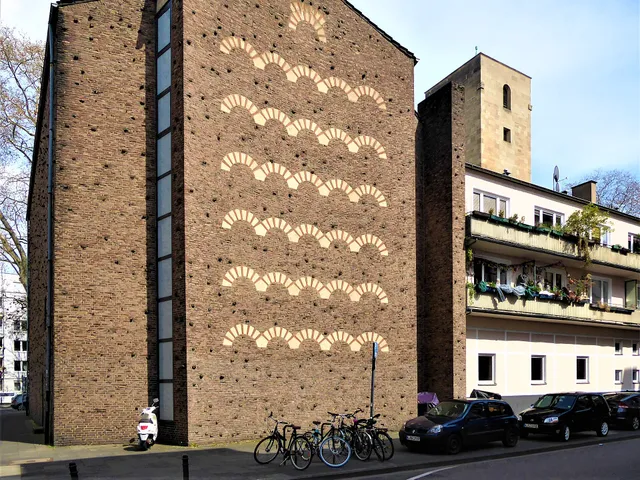
A Catholic parish church in Cologne-Sülz dating from 1930, listed as a protected monument since 1983 – the first Cologne church to be built as part of an enclosed residential block.
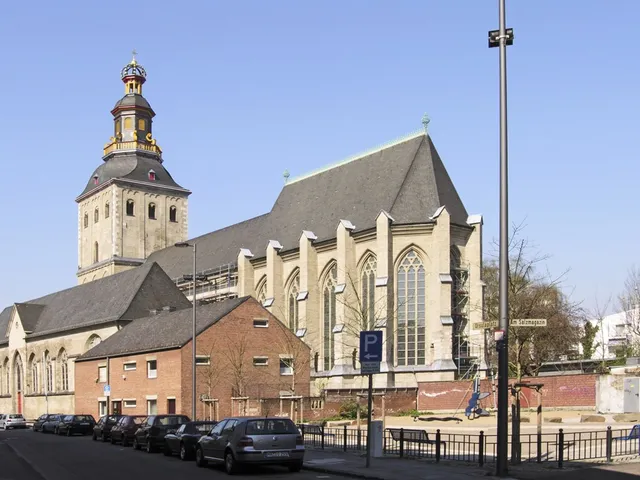
Youngest of Cologne's twelve Romanesque churches — with original 13th-century windows preserved in wartime storage, rising just north of the Cathedral.
Roman Catholic parish and pilgrimage church in Cologne-Stammheim, home to the miraculous image of the Joyful Mother and a medieval core within its Neo-Gothic extension.
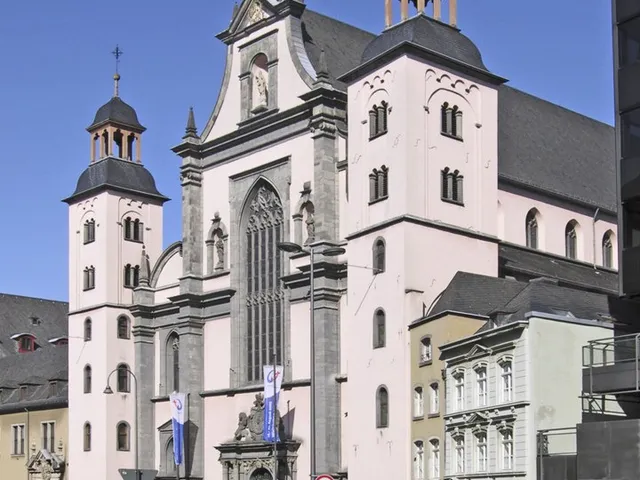
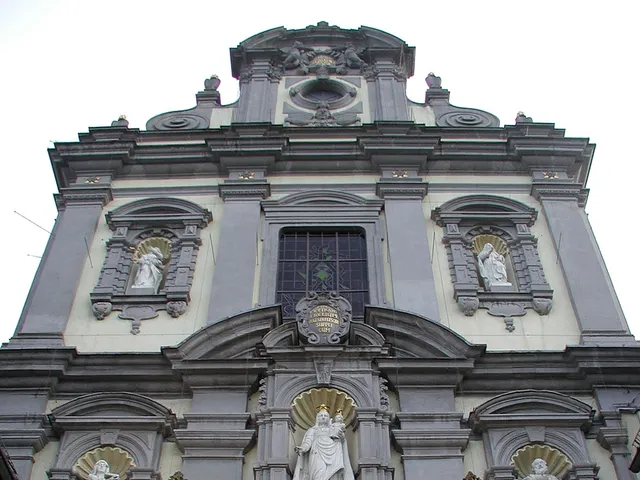
Baroque former Jesuit church near Cologne Cathedral — for centuries the city's largest after the Cathedral, and one of Cologne's few surviving Baroque landmarks.
Cologne's largest and oldest Romanesque church — built on the foundations of a Roman temple, featuring a trefoil choir and a thousand-year-old carved wooden door.
Romanesque church in Cologne's right-bank district of Zündorf, the village's parish church until 1897 and known for its 7th-century Merovingian tendril relief.
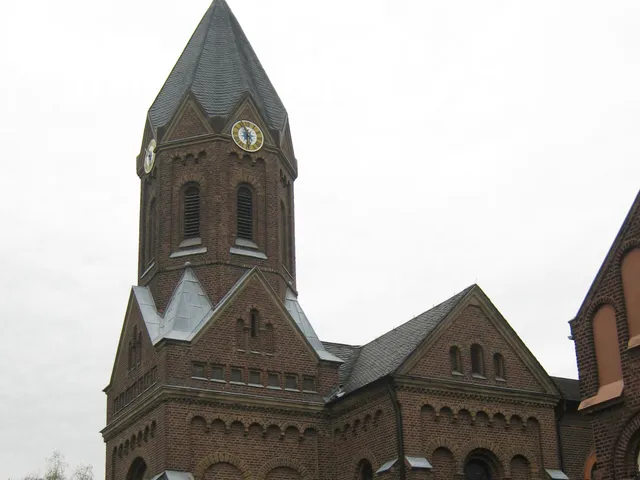
Known as the 'Sülzer Dom', this Neo-Romanesque basilica (1903–1909) features a Pantocrator mosaic, Otto-cast bells, and an organ with a unique 'distant work' swell.
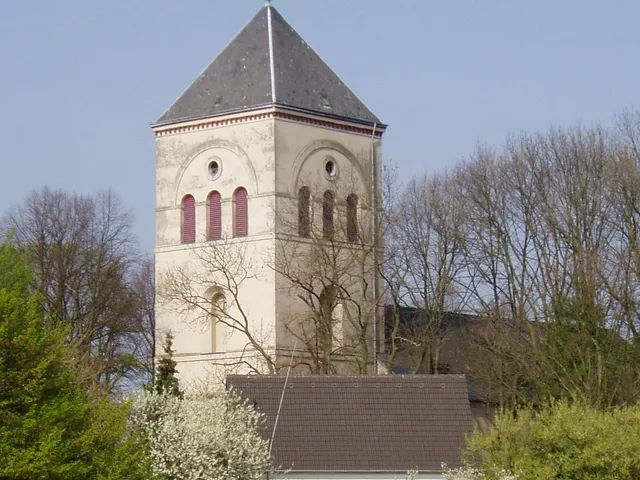
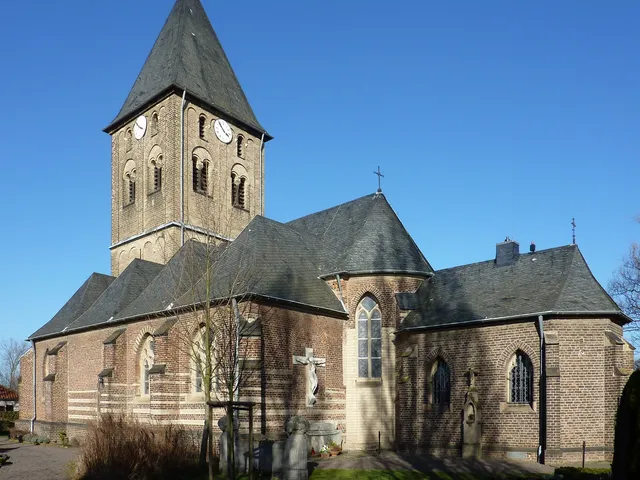
The Catholic parish church of Cologne's Immendorf district, on the "Heidenberg" hill, built 1873/74 on the site of several older predecessor buildings.
Romanesque pillar basilica in Cologne's Lövenich district, named after Severin of Cologne and rooted in the 12th century — though heavily remodelled in the 1800s.
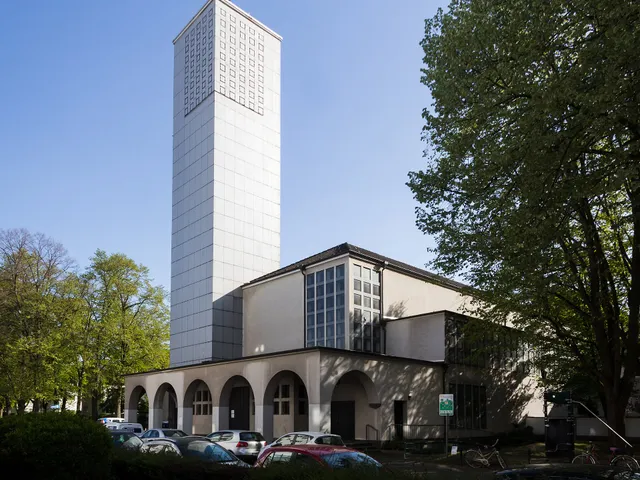
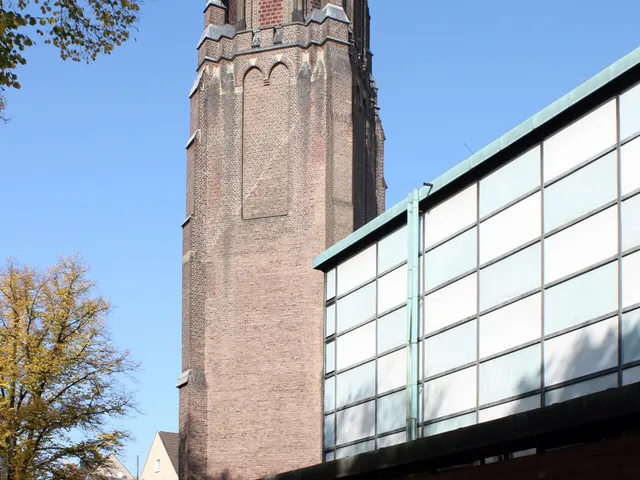
A church in Cologne's Lindenthal district: the 1887 Neo-Gothic building was destroyed in the war and replaced in 1961 by a modern glass church that incorporates the old tower.
Protestant church in Cologne-Sülz, consecrated in 1928 as a community hall — its former event hall now serves as a worship space with chairs arranged in a circle around the altar.
Deconsecrated orphanage church in Cologne-Sülz by Dominikus and Gottfried Böhm — featuring a 'children's orchestra' of 128 octagonal stained-glass windows.
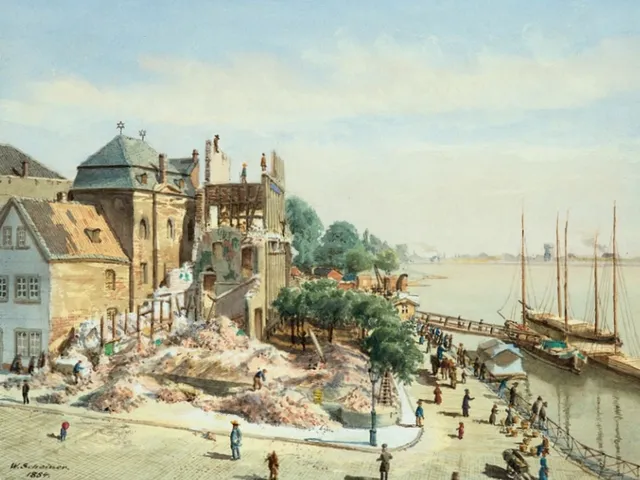
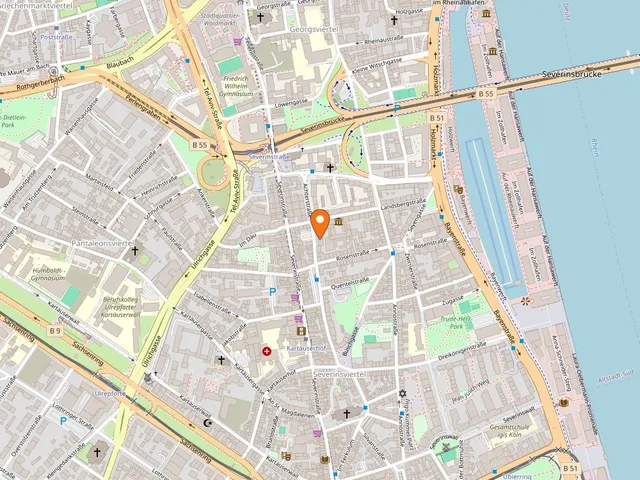
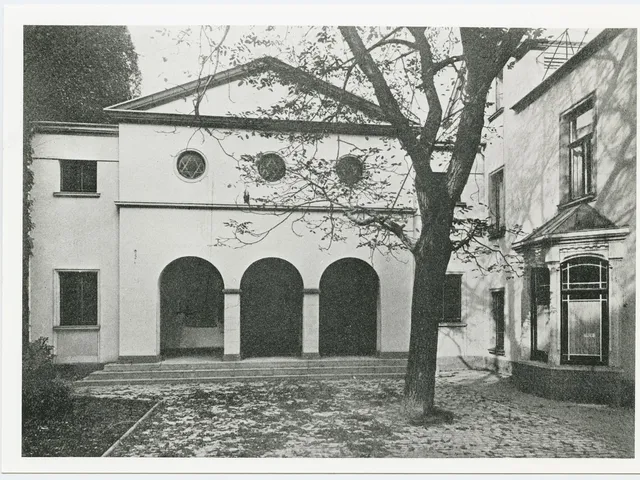
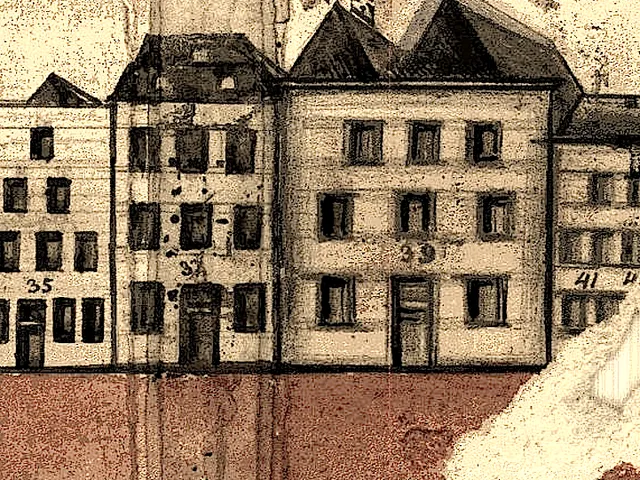
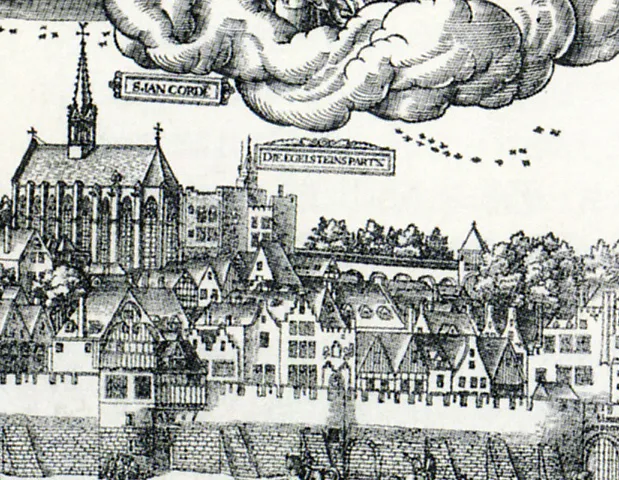
Former Knights Hospitaller commandery in Cologne that housed the relics of Saint Cordula — demolished in 1807, its memory preserved in the street name "Jakorden".
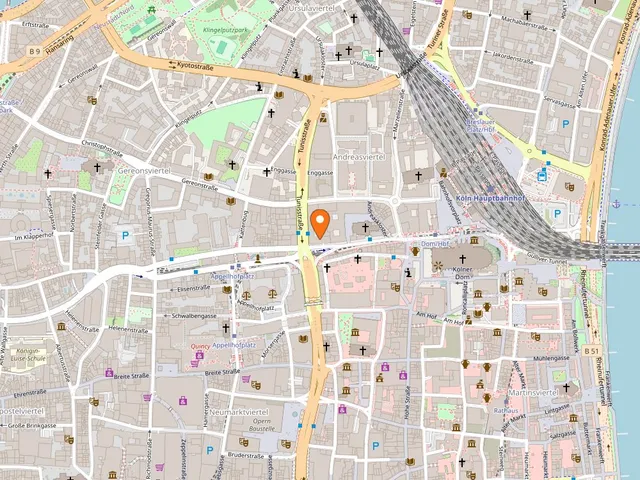
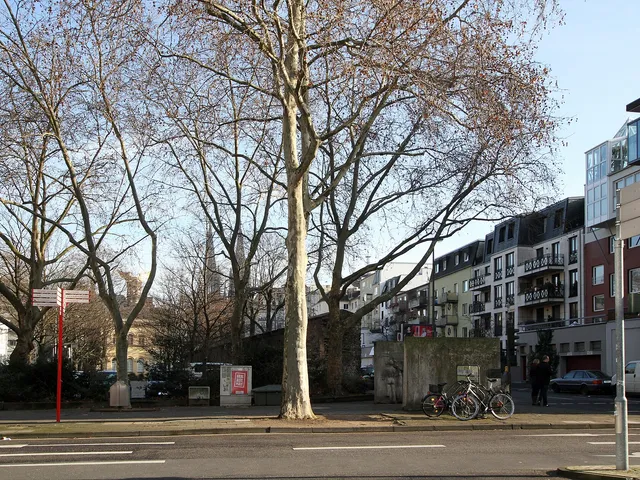
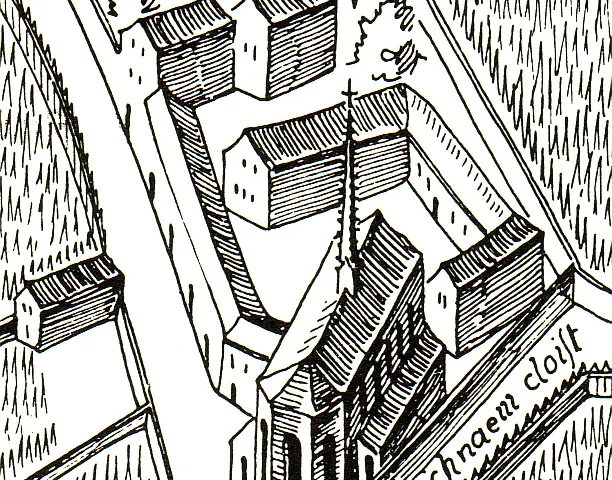
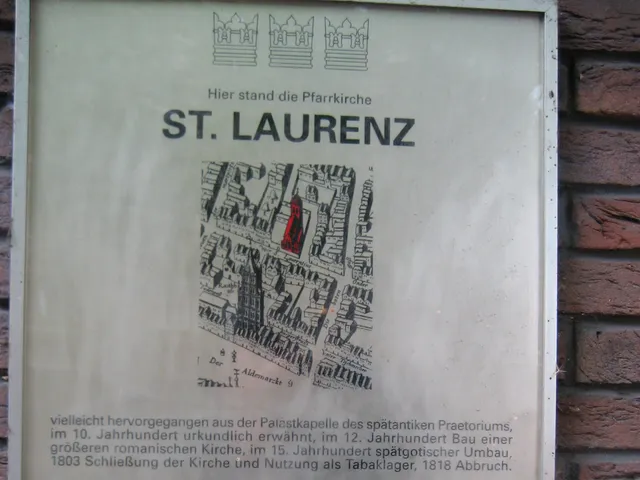
Long-demolished medieval parish church with hospital near today's central station square — cited in Cologne's oldest written record of beer consumption.
Of the demolished parish church of St. Maria Ablass, only the chapel of grace survives — today the Russian Orthodox Church of Saints Constantine and Helena.
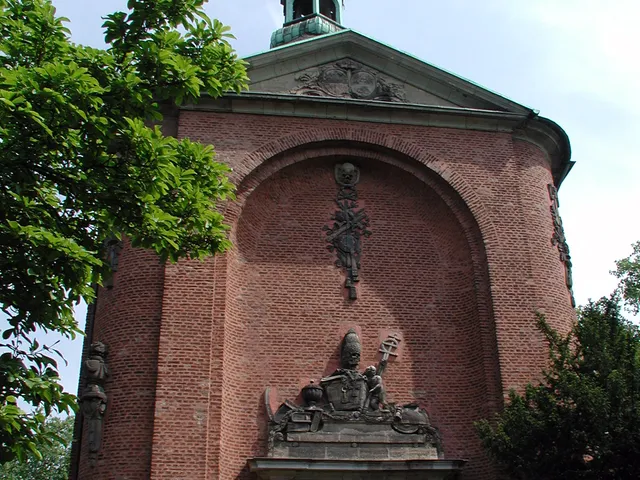
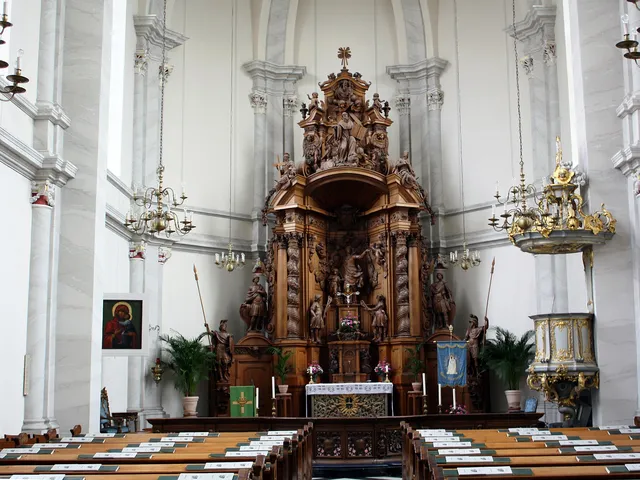
Neoclassical former parish church in Sürth (1825–1830) blending ancient and medieval forms, preserving baroque furnishings rescued from a demolished Cologne church.