Veedel
“Veedel” is what people in Cologne call their neighbourhood. Explore the 9 boroughs and 86 districts with real structural data — inhabitants, age, households and more.
A “Veedel” is, in Cologne dialect, your own neighbourhood — the small, familiar quarter you identify with. The word stands for community spirit, carnival clubs, the corner pub and a piece of home in the middle of the big city. Officially Cologne is divided into 9 boroughs and 86 districts; on top of that there are many informal Veedel such as the Belgian Quarter or the Agnes Quarter.
Source: Wikipedia
Which Veedel suits you?
Pick what matters to you — we rank the districts by real structural and open data.
Select at least one criterion.
The 9 boroughs
- ø age
- 43 (4.)
- Employment
- 60.9% (3.)
- Strongest party
- Grüne 33.9% (3.)
- Green
- 42.2% (5.)
- ø age
- 43 (7.)
- Employment
- 58.8% (6.)
- Strongest party
- SPD 27.5% (3.)
- Green
- 46.6% (4.)
- ø age
- 43 (6.)
- Employment
- 64% (1.)
- Strongest party
- Grüne 40.7% (1.)
- Green
- 14.7% (9.)
- ø age
- 42 (9.)
- Employment
- 56.4% (9.)
- Strongest party
- SPD 26.1% (4.)
- Green
- 51.4% (2.)
- ø age
- 44 (3.)
- Employment
- 62% (2.)
- Strongest party
- Grüne 33.7% (4.)
- Green
- 28.2% (8.)
- ø age
- 44 (2.)
- Employment
- 59.6% (5.)
- Strongest party
- CDU 31.6% (2.)
- Green
- 48.4% (3.)
- ø age
- 44 (1.)
- Employment
- 58.6% (7.)
- Strongest party
- CDU 31.1% (3.)
- Green
- 41.7% (6.)
- ø age
- 42 (8.)
- Employment
- 60.7% (4.)
- Strongest party
- Grüne 38.7% (2.)
- Green
- 30% (7.)
(n.) = rank among the 9 boroughs (1 = highest). ø age computed from the official age groups; supply per 10,000 inhabitants. Source: Cologne neighbourhood monitoring & statistical data catalogue.
All 86 districts
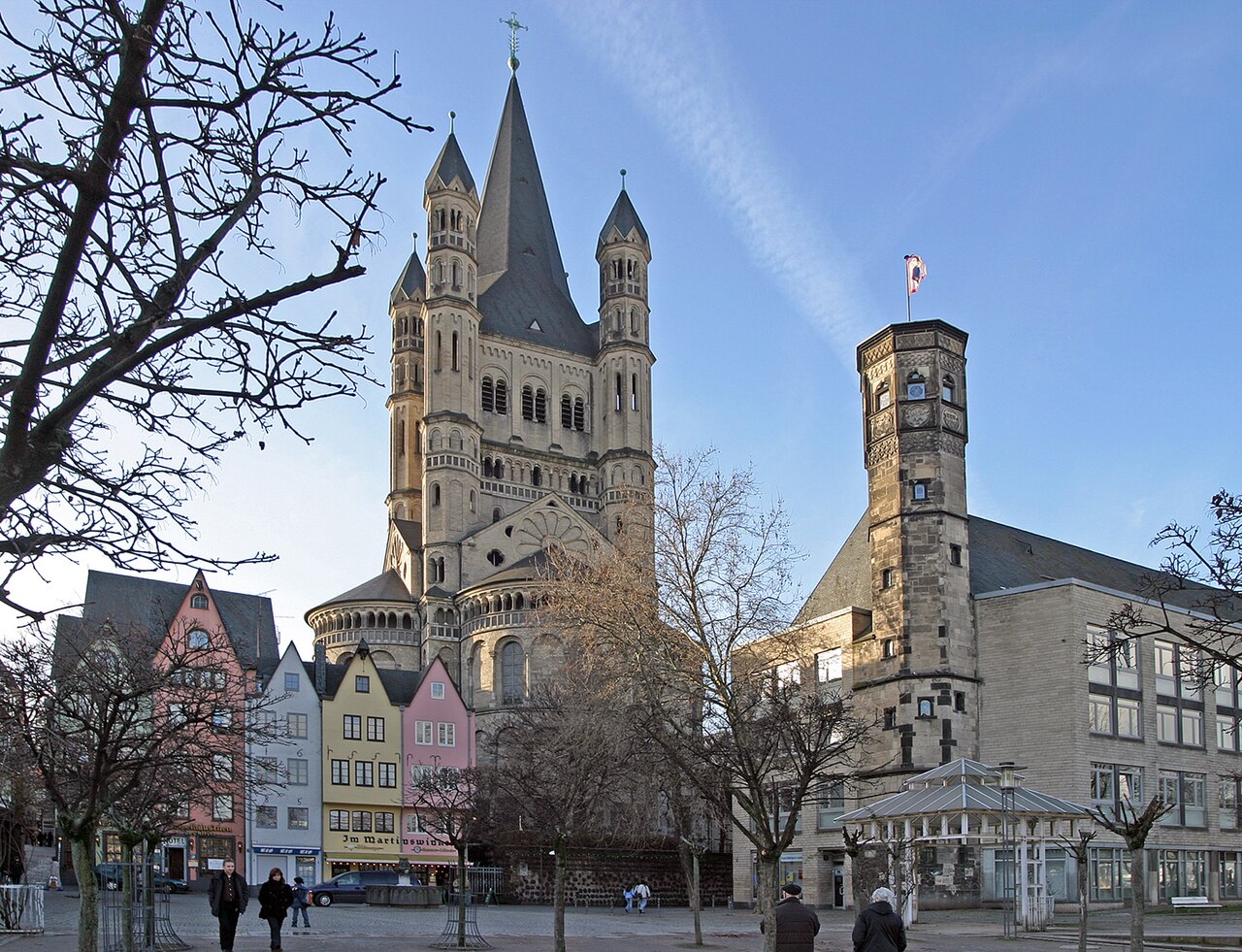
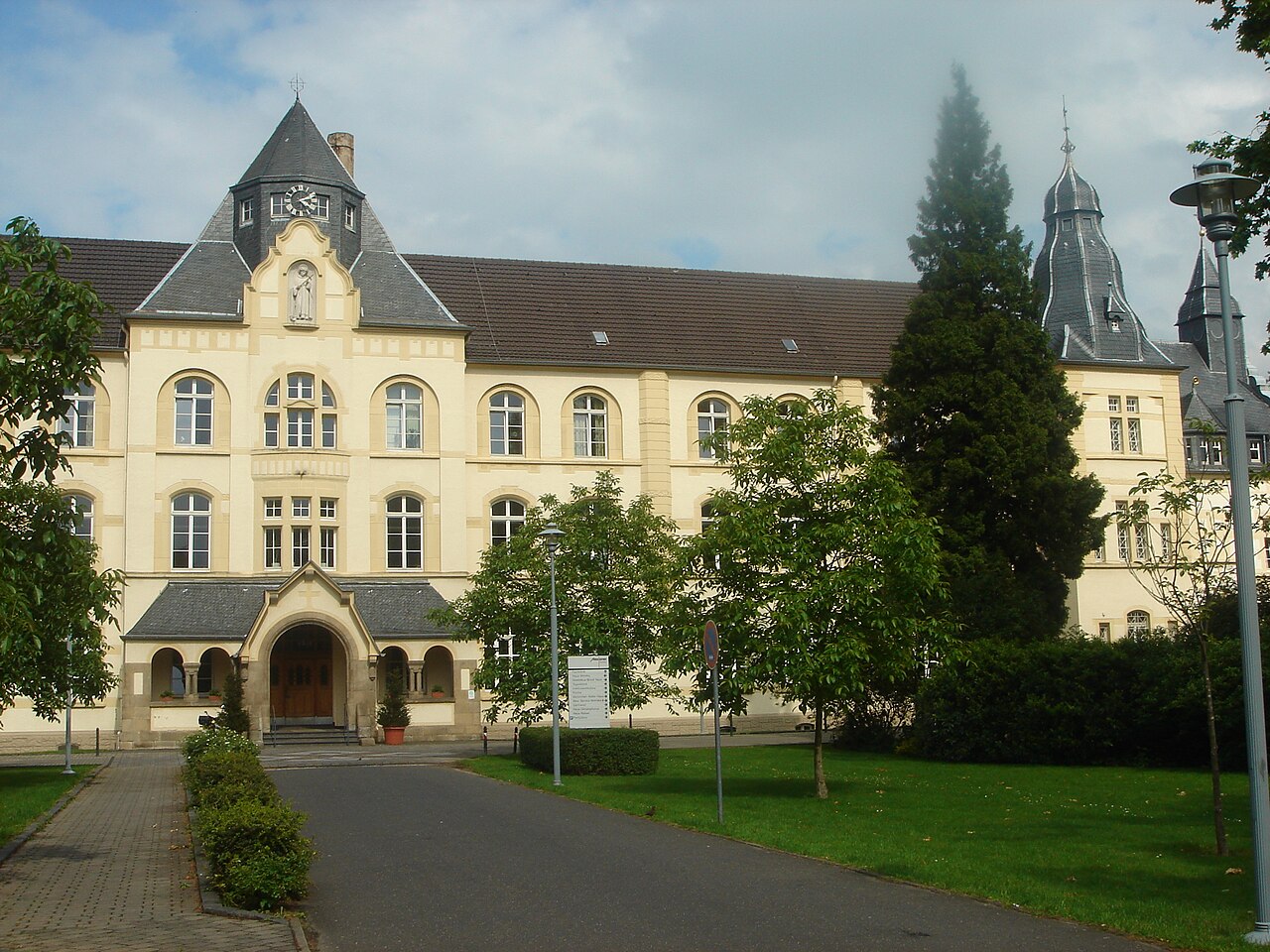
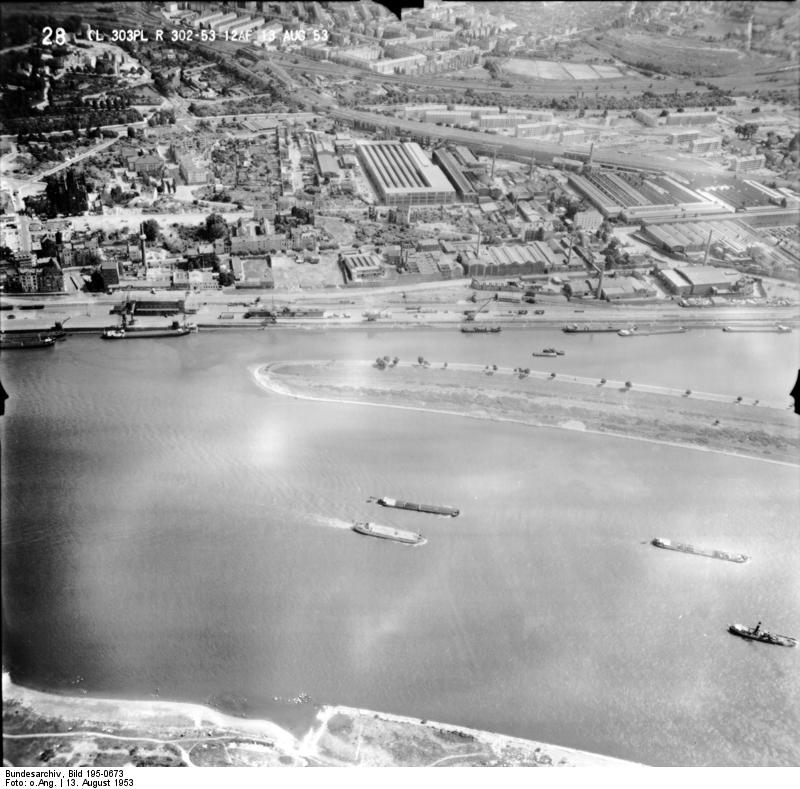
Altstadt-Süd makes up the southern part of Cologne's historic city centre and belongs to the Innenstadt district. Until 1881 the area was enclosed by the medieval city wall, of which the Hahnentor, …
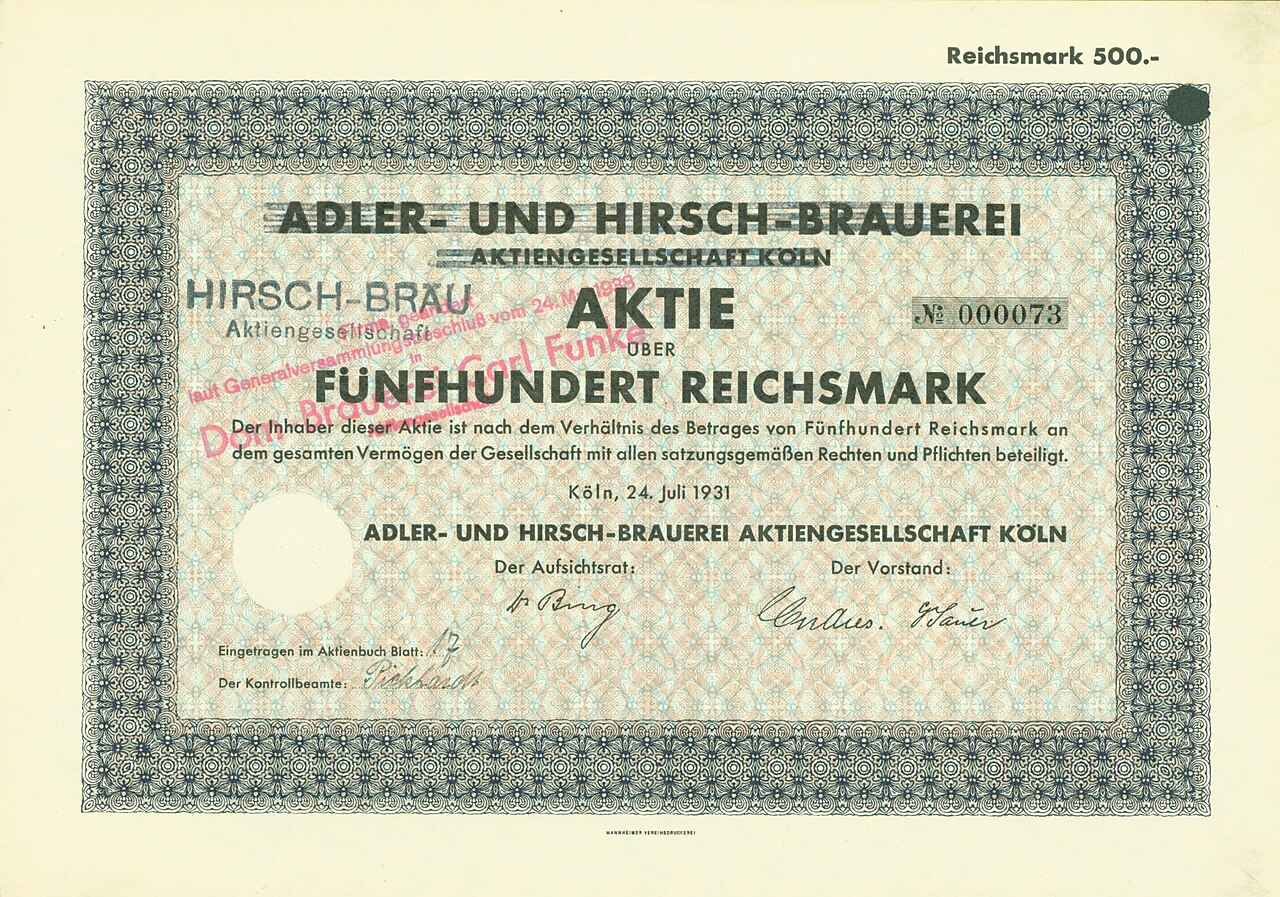
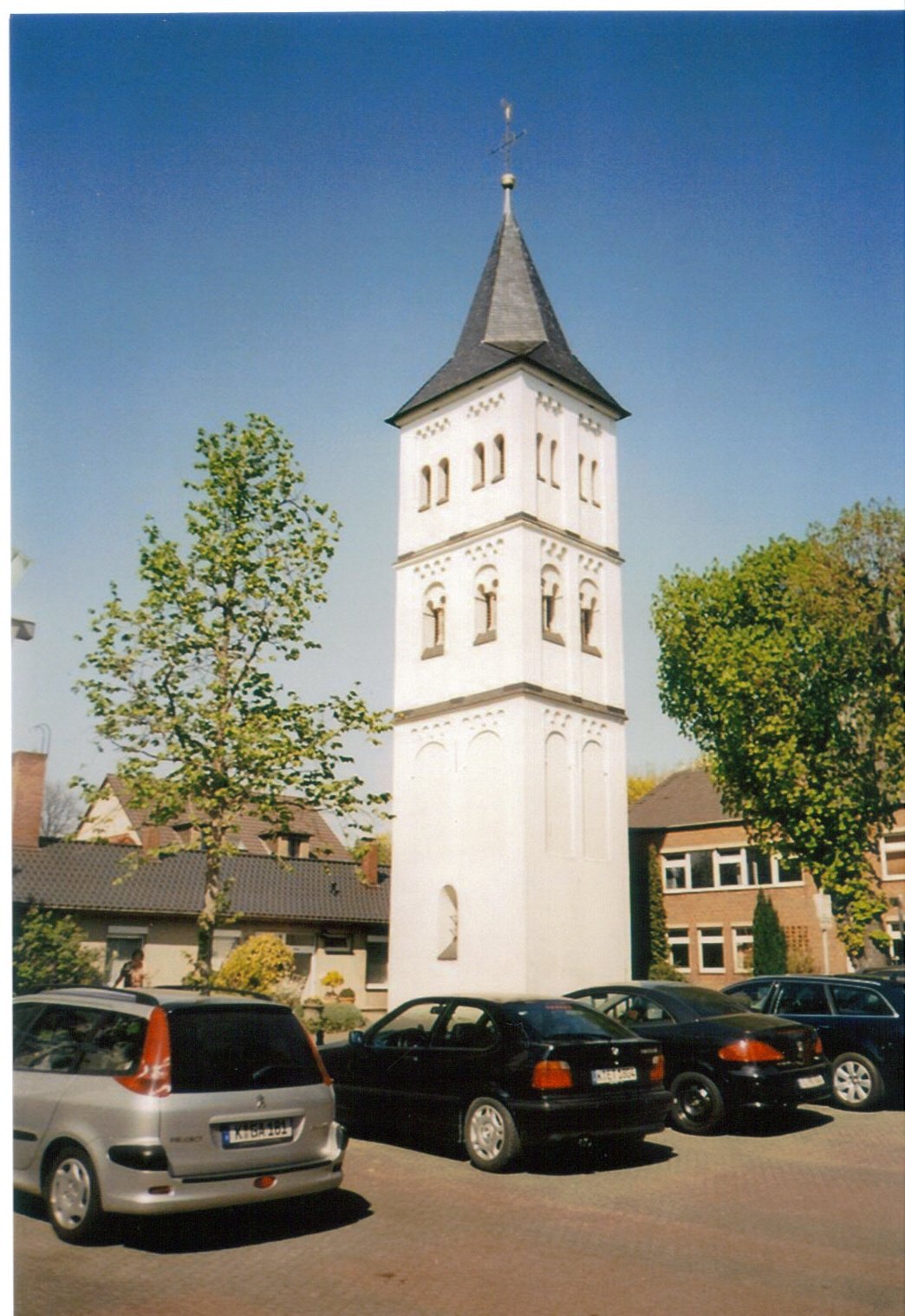
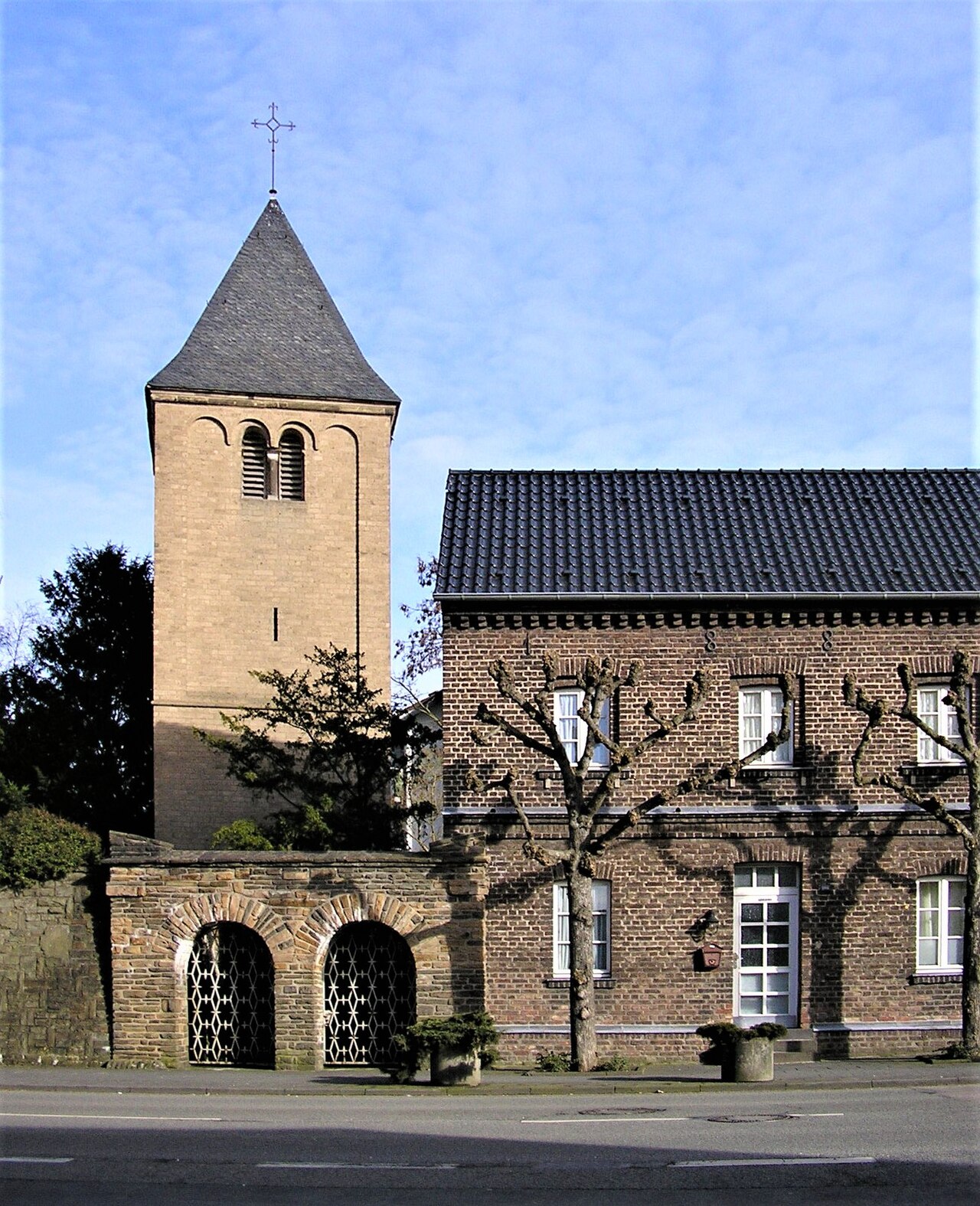
Bayenthal is a district in the south of Cologne and belongs to the Rodenkirchen borough.
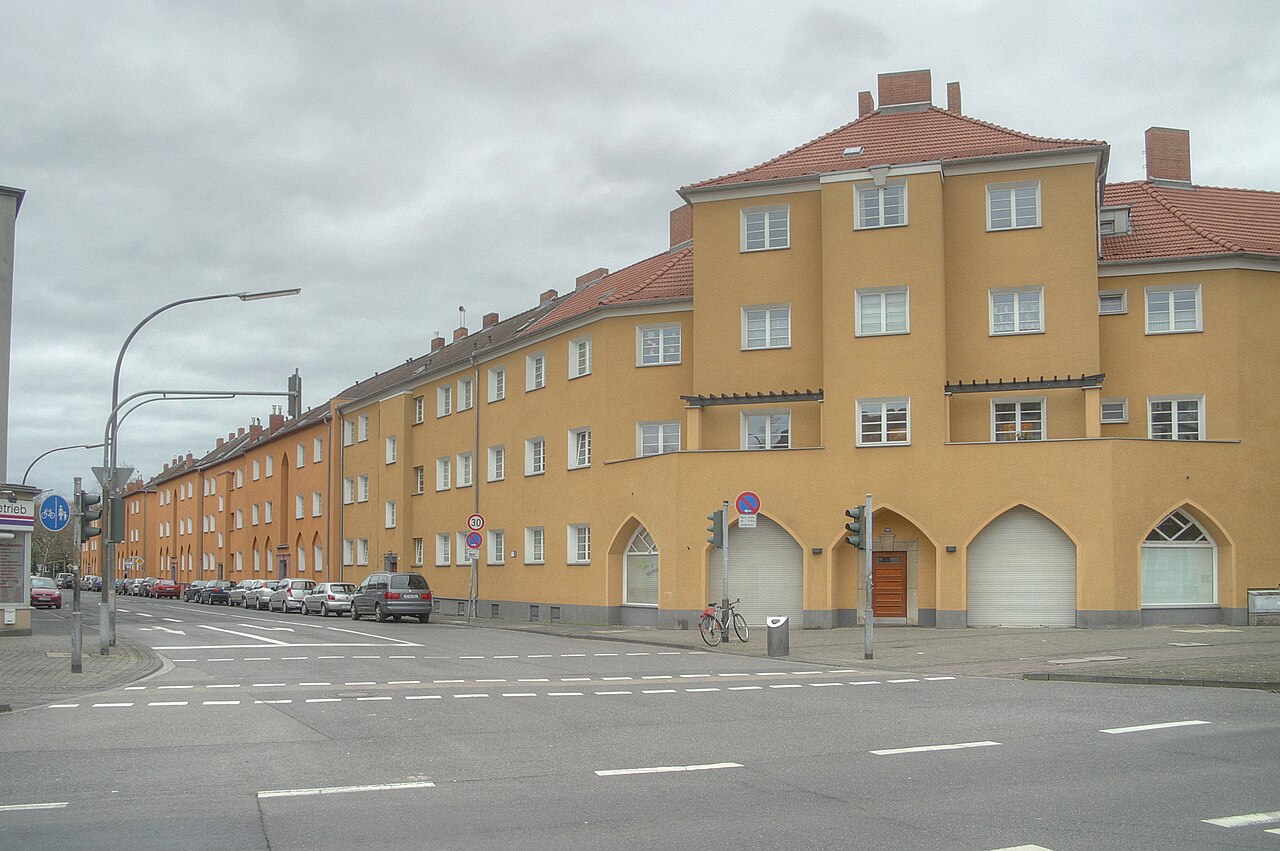
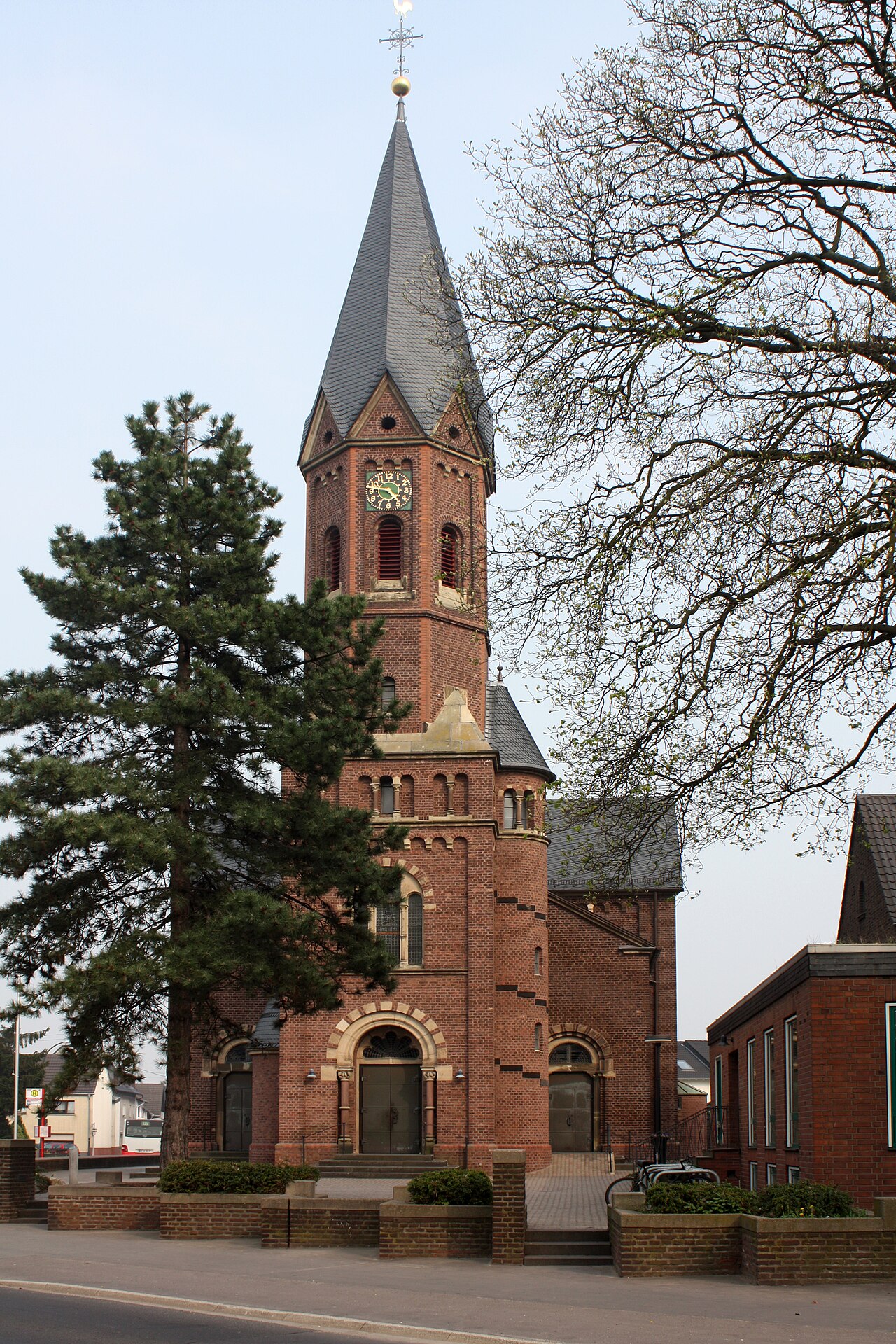
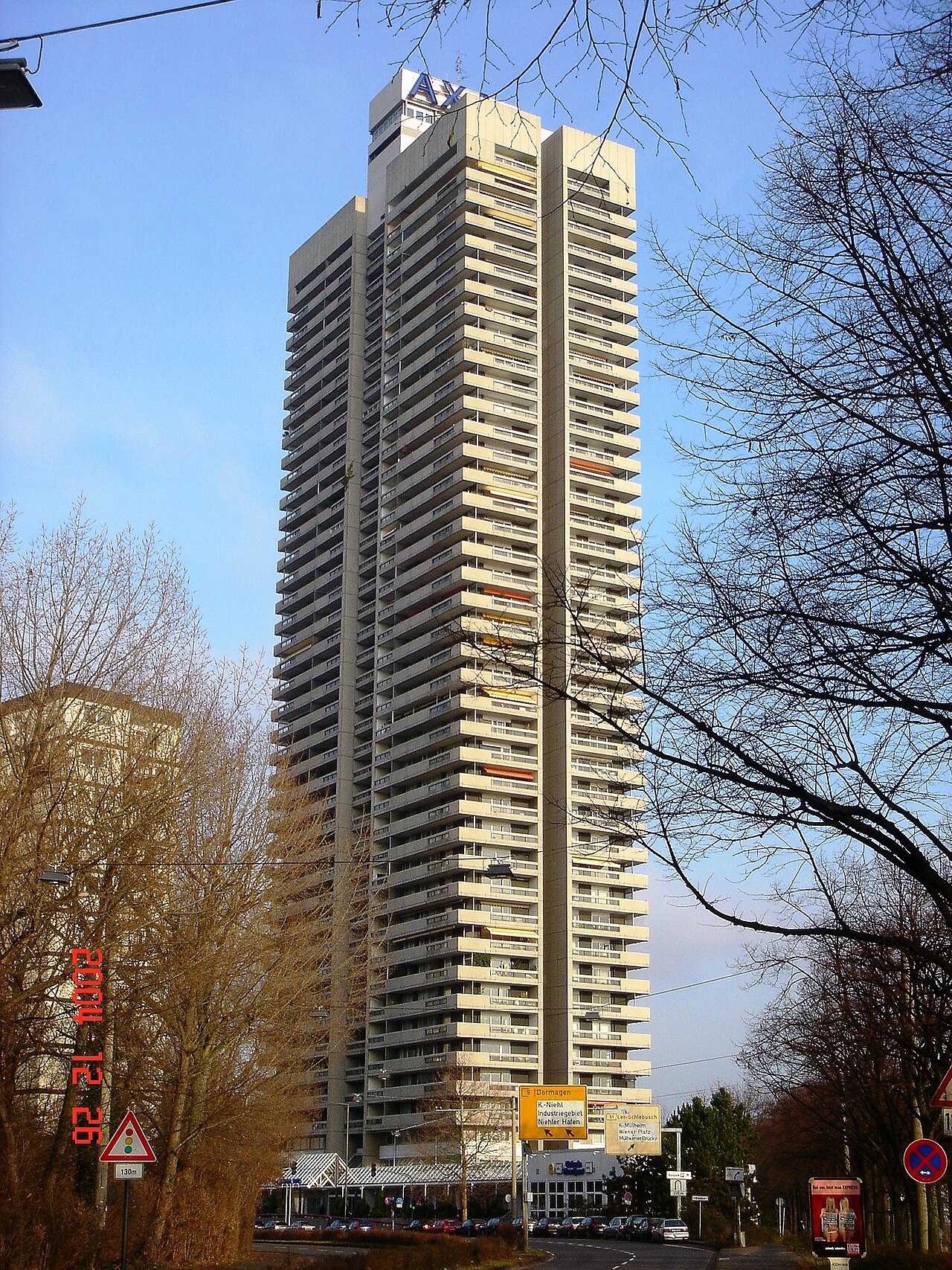
Bickendorf sits in the northwest of Cologne and belongs to the Ehrenfeld borough. Its name probably derives from the Frankish word "beck," which once meant mouth, utterance or a place of justice. The …
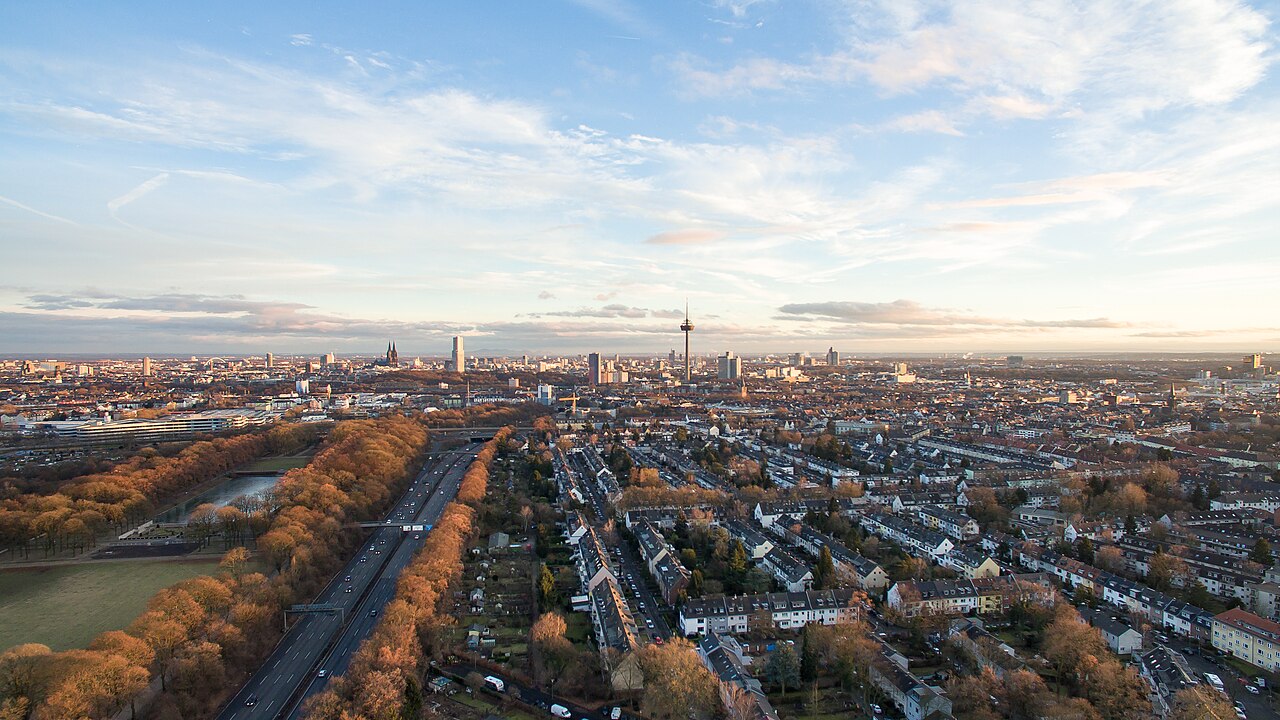
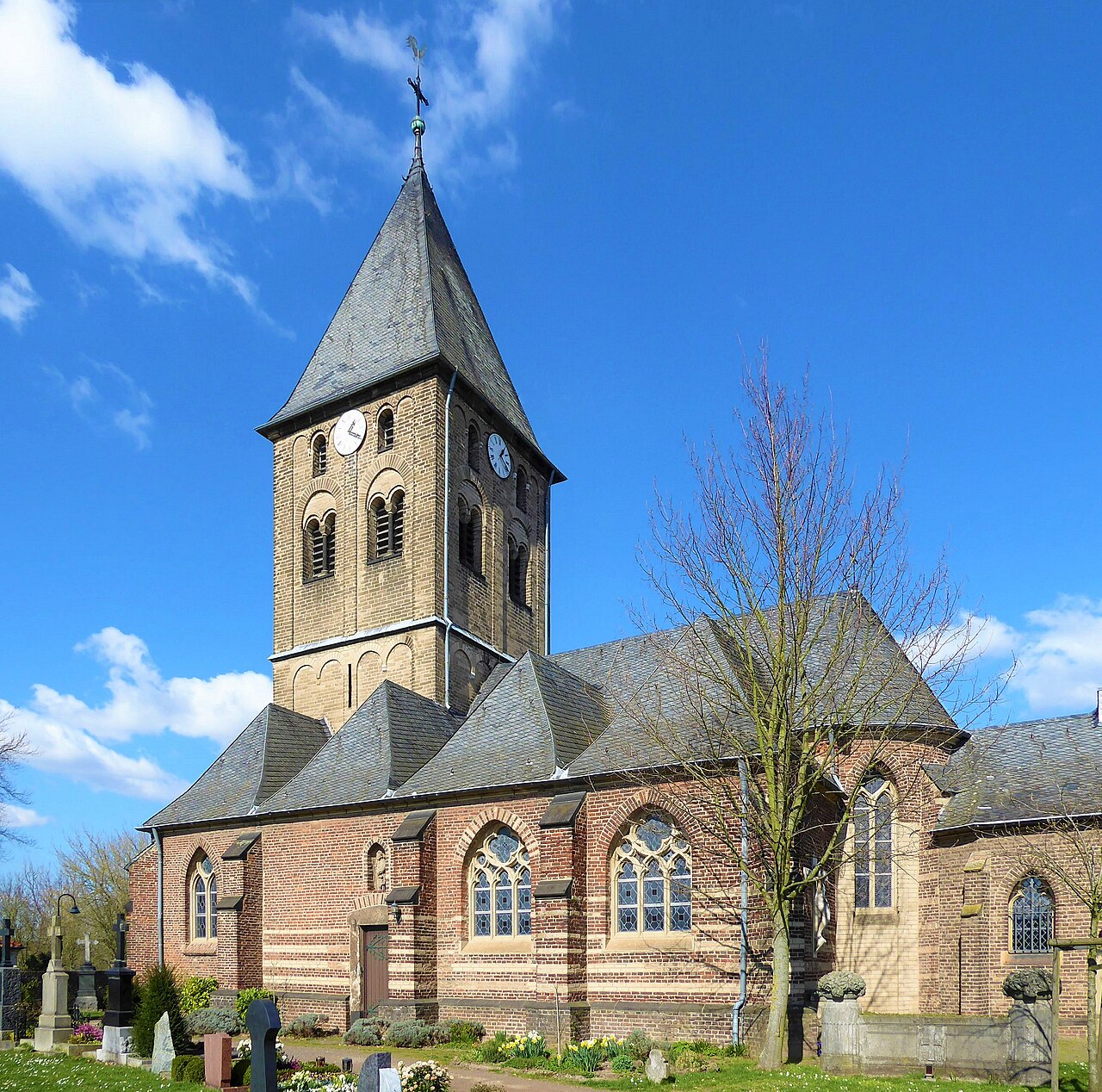
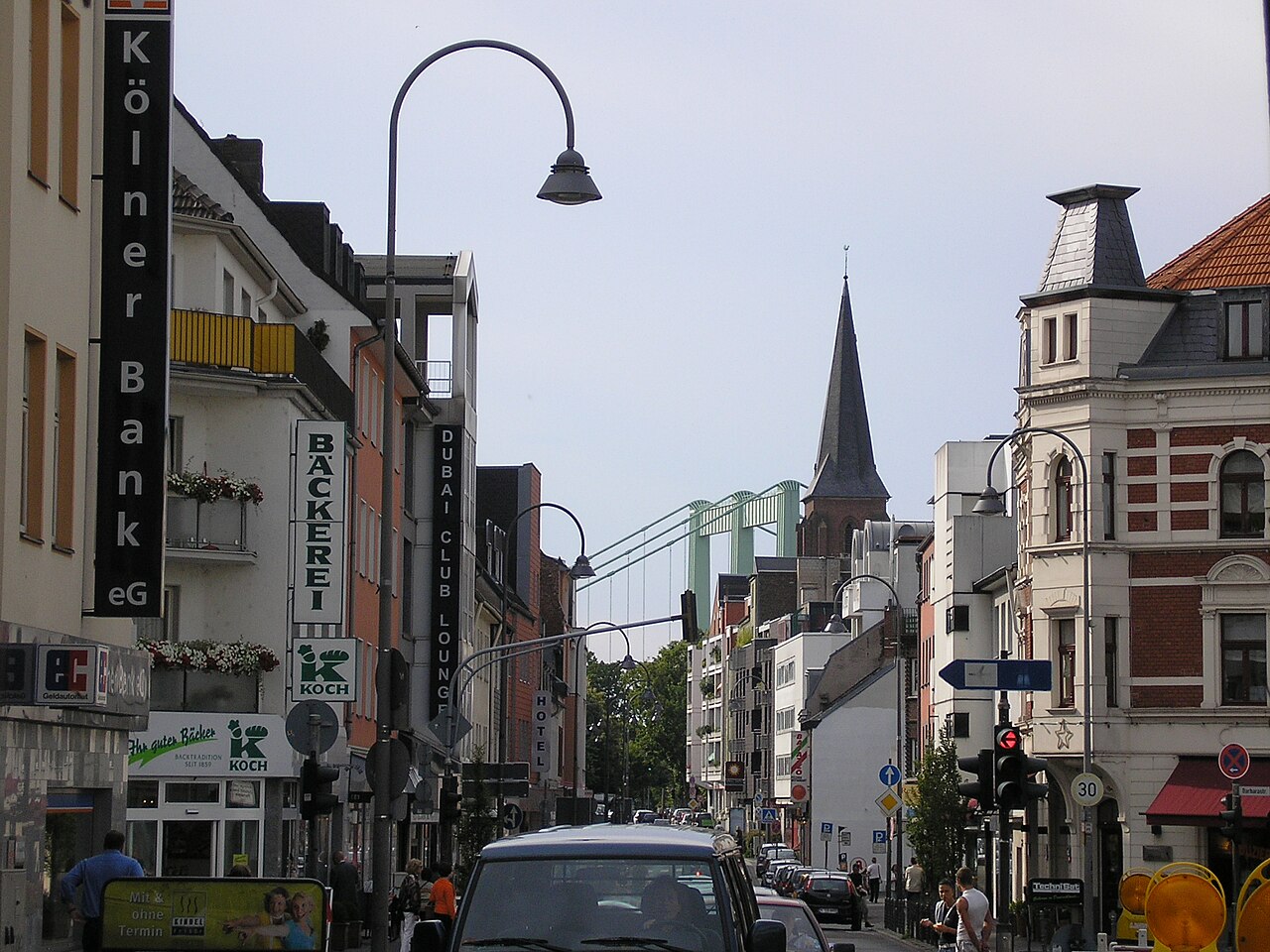
Bilderstöckchen is a district in the north of Cologne. It was created in 1969 by combining parts of the neighbouring districts of Neu-Ehrenfeld, Ossendorf and Nippes.
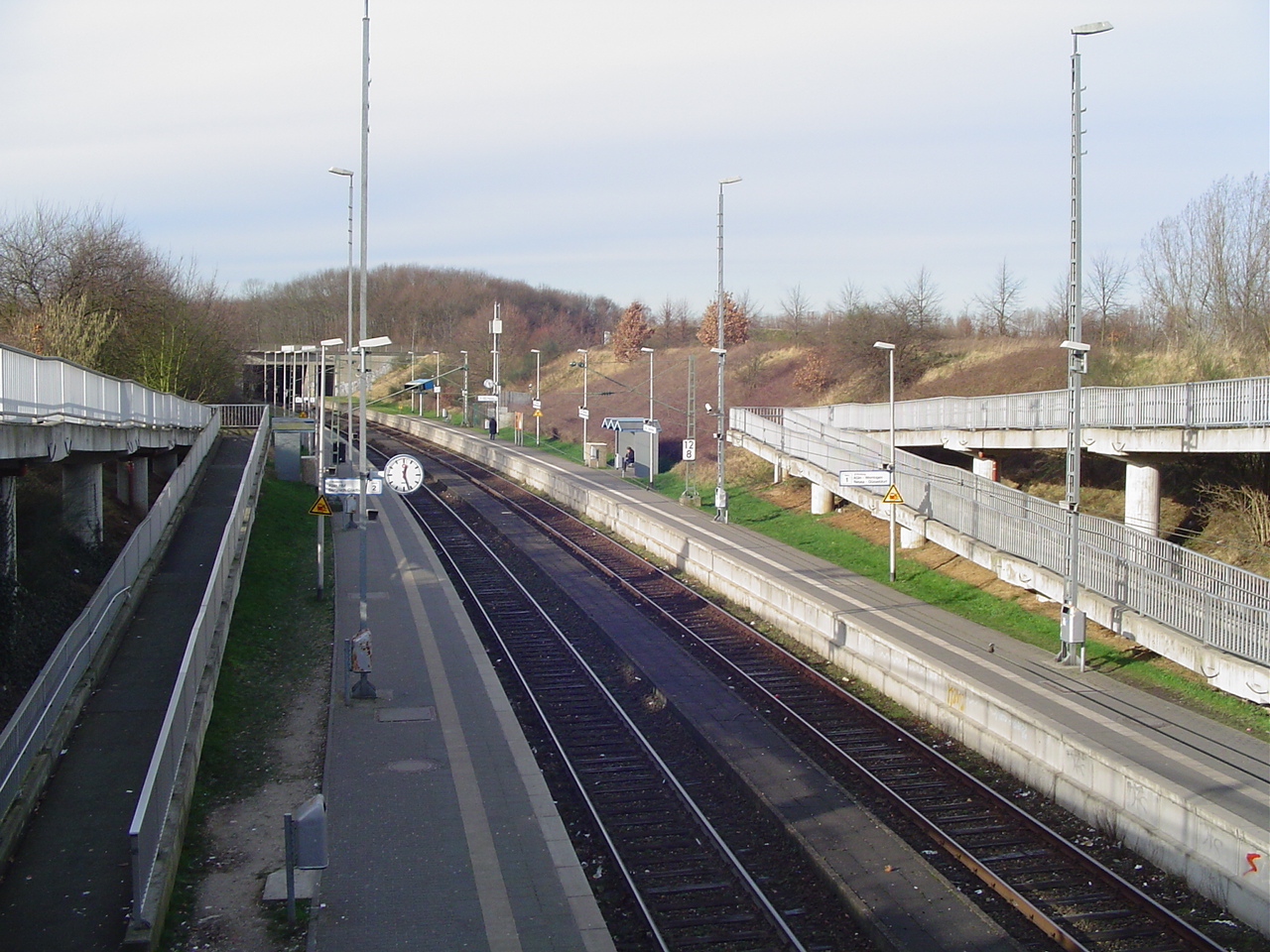
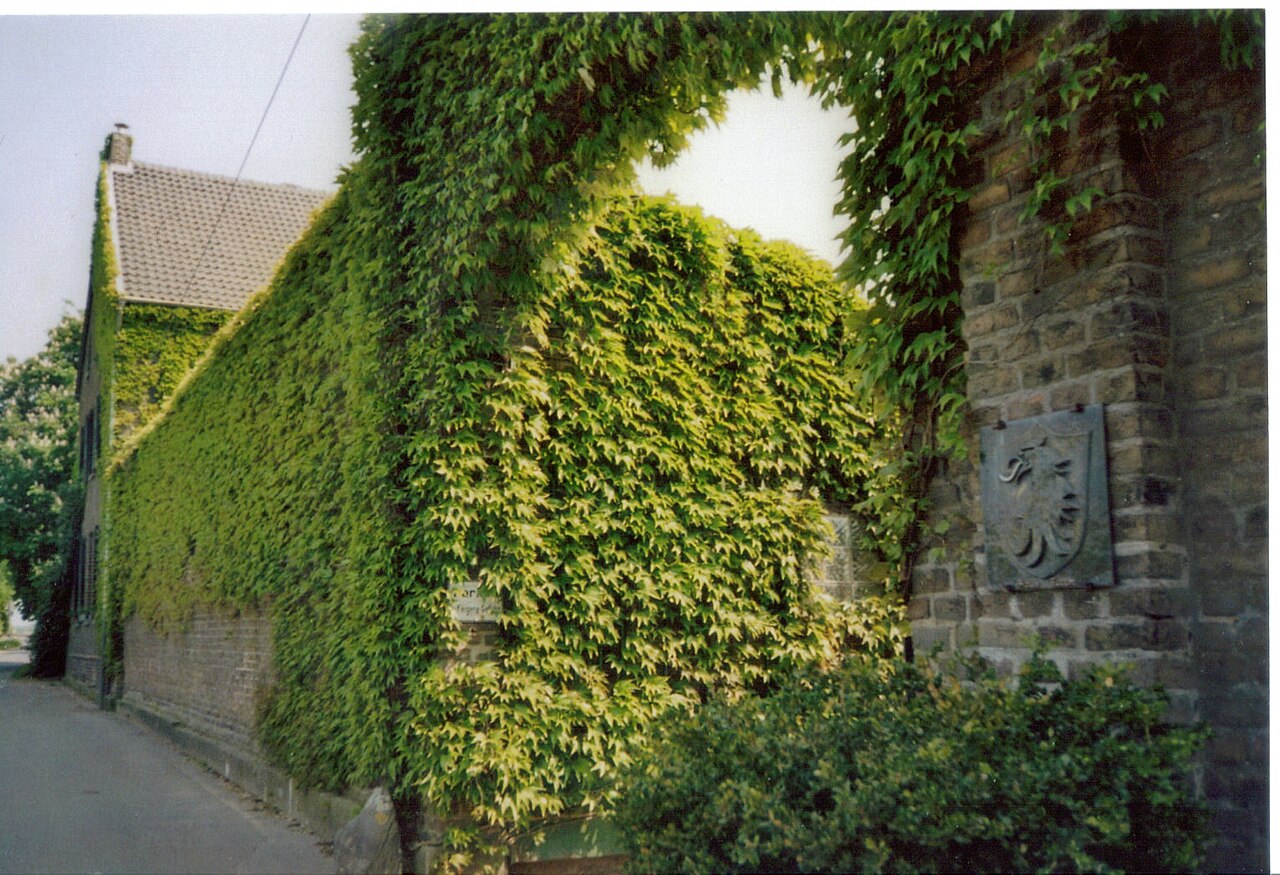
Blumenberg is a district in the northern part of Cologne on the left bank of the Rhine and belongs to the Chorweiler borough.
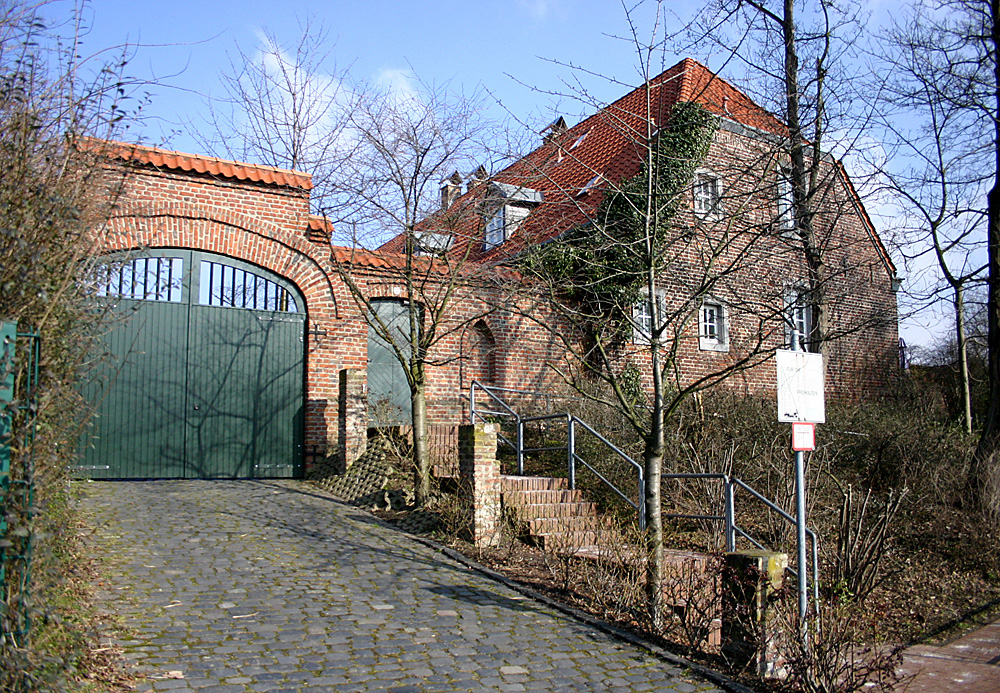
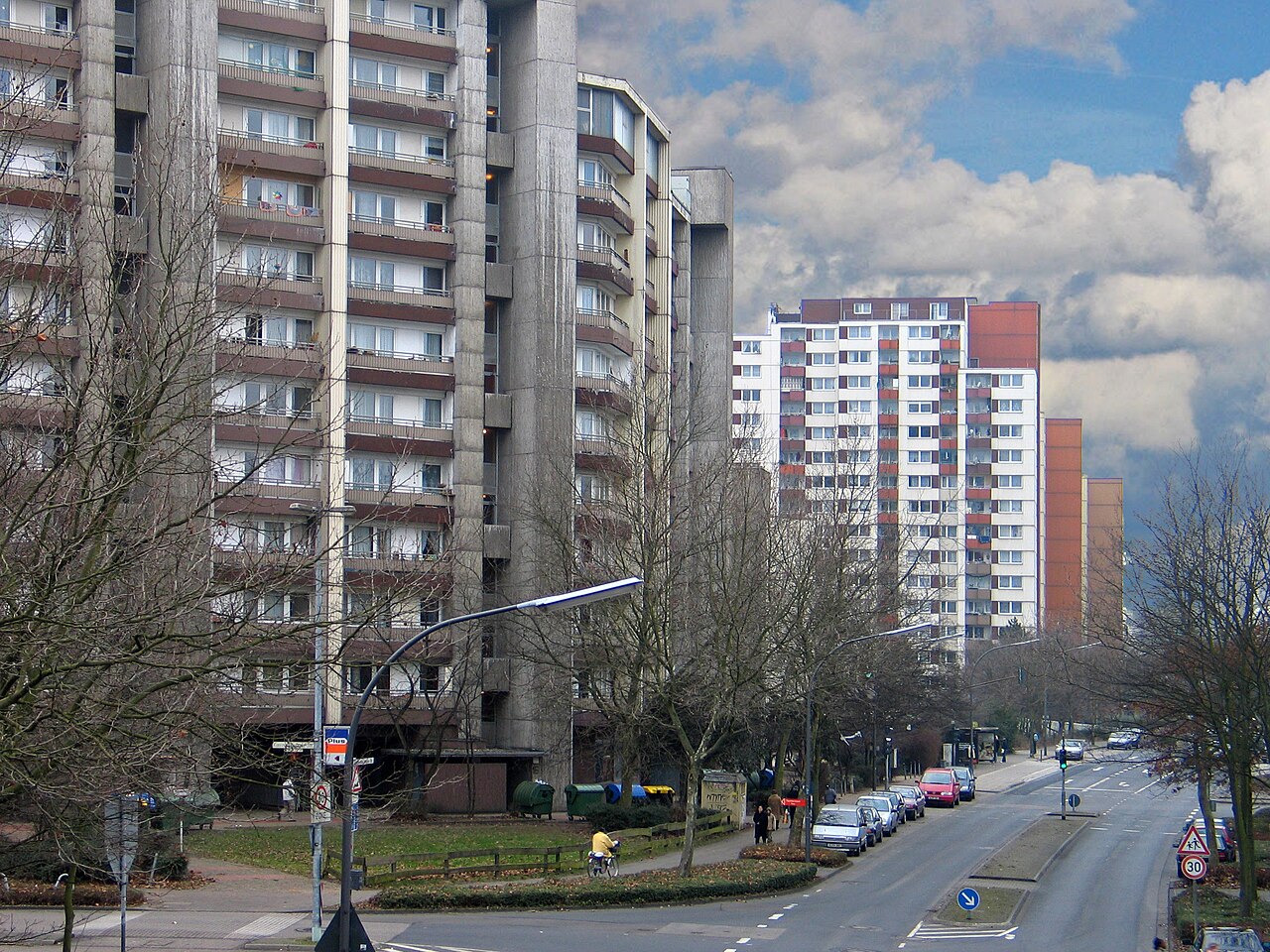
Bocklemünd/Mengenich sits on the north-western edge of Cologne and belongs to the Ehrenfeld borough. The district grew out of the two formerly separate villages of Bocklemünd and Mengenich, which …
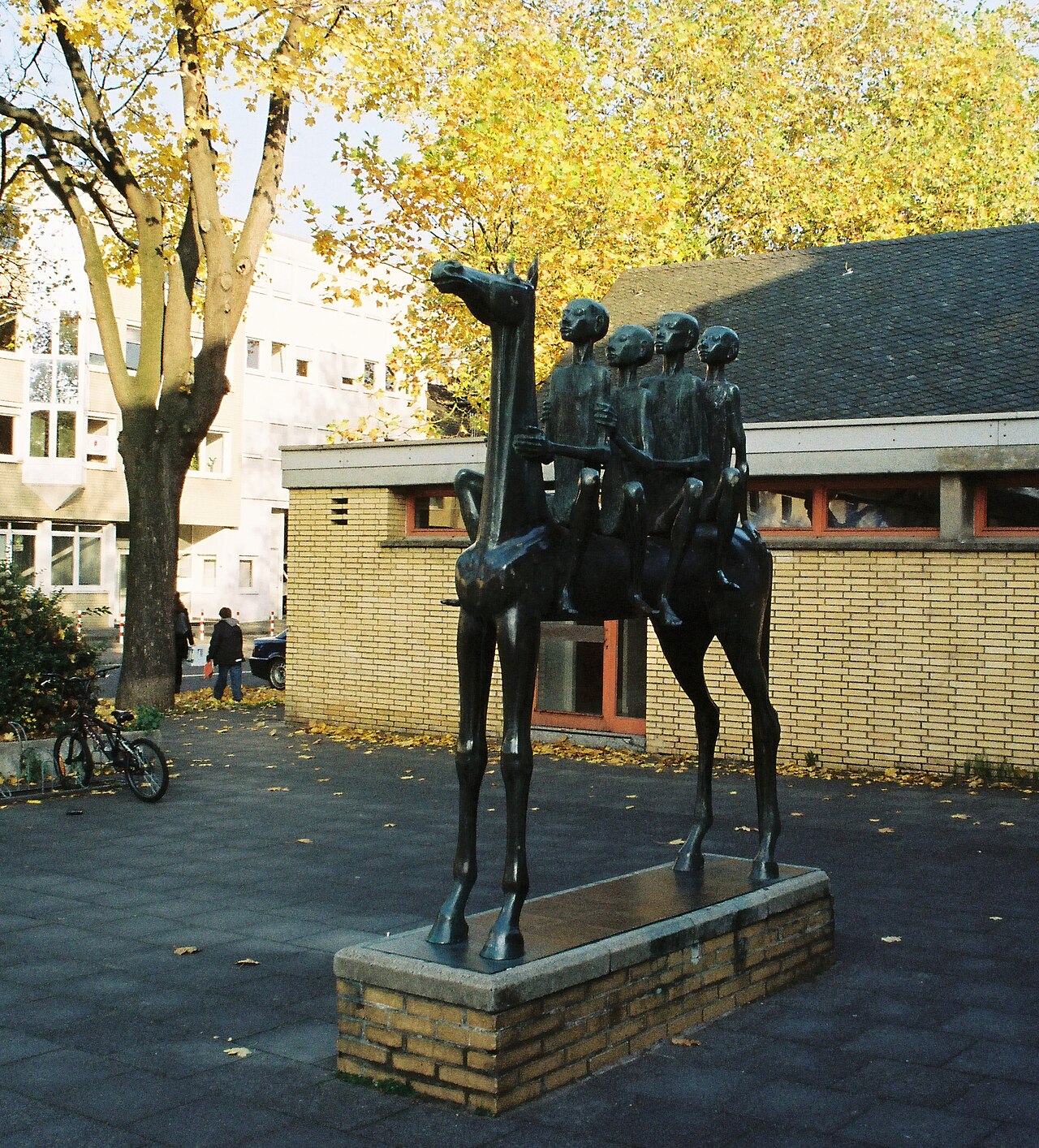
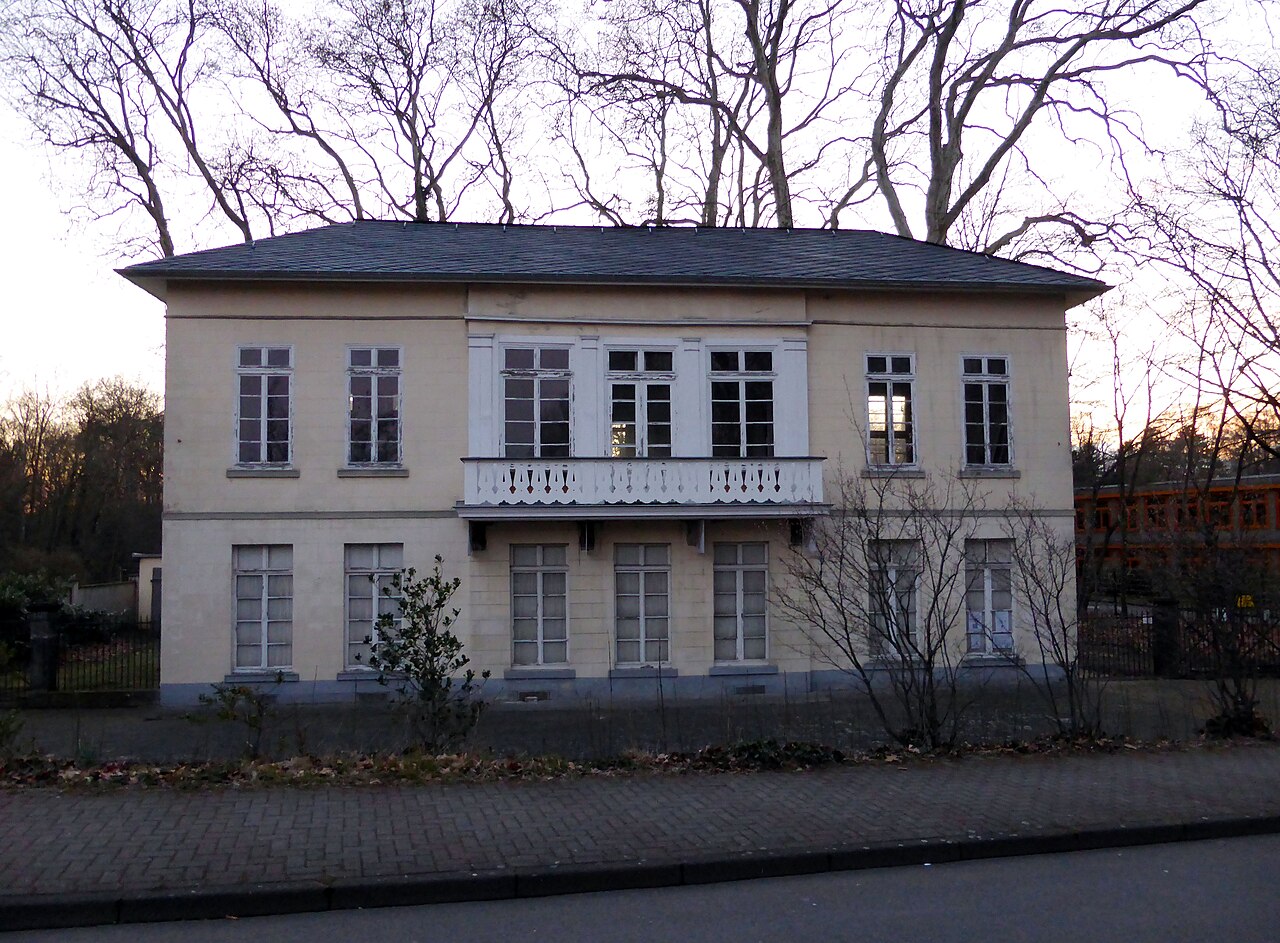
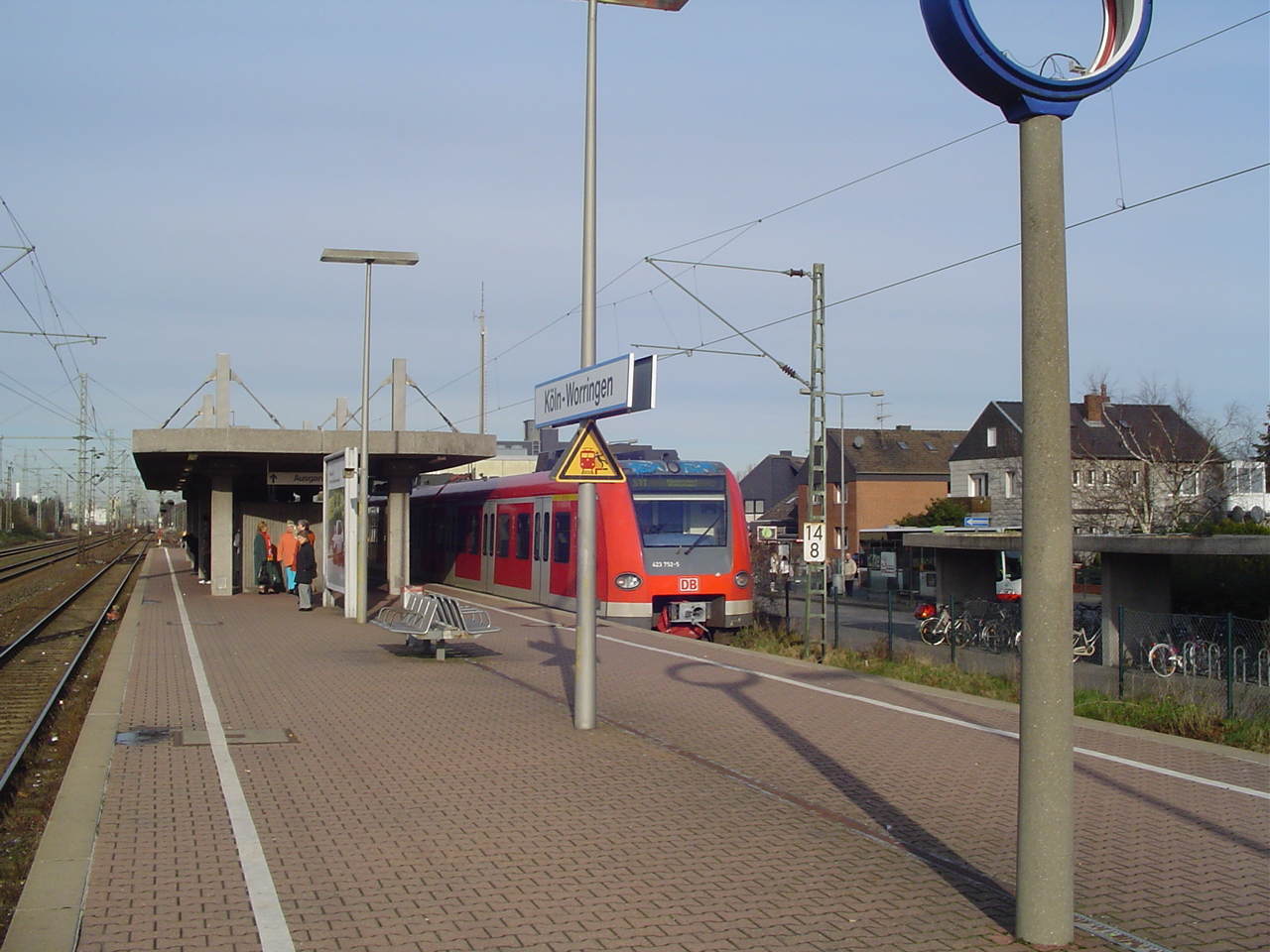
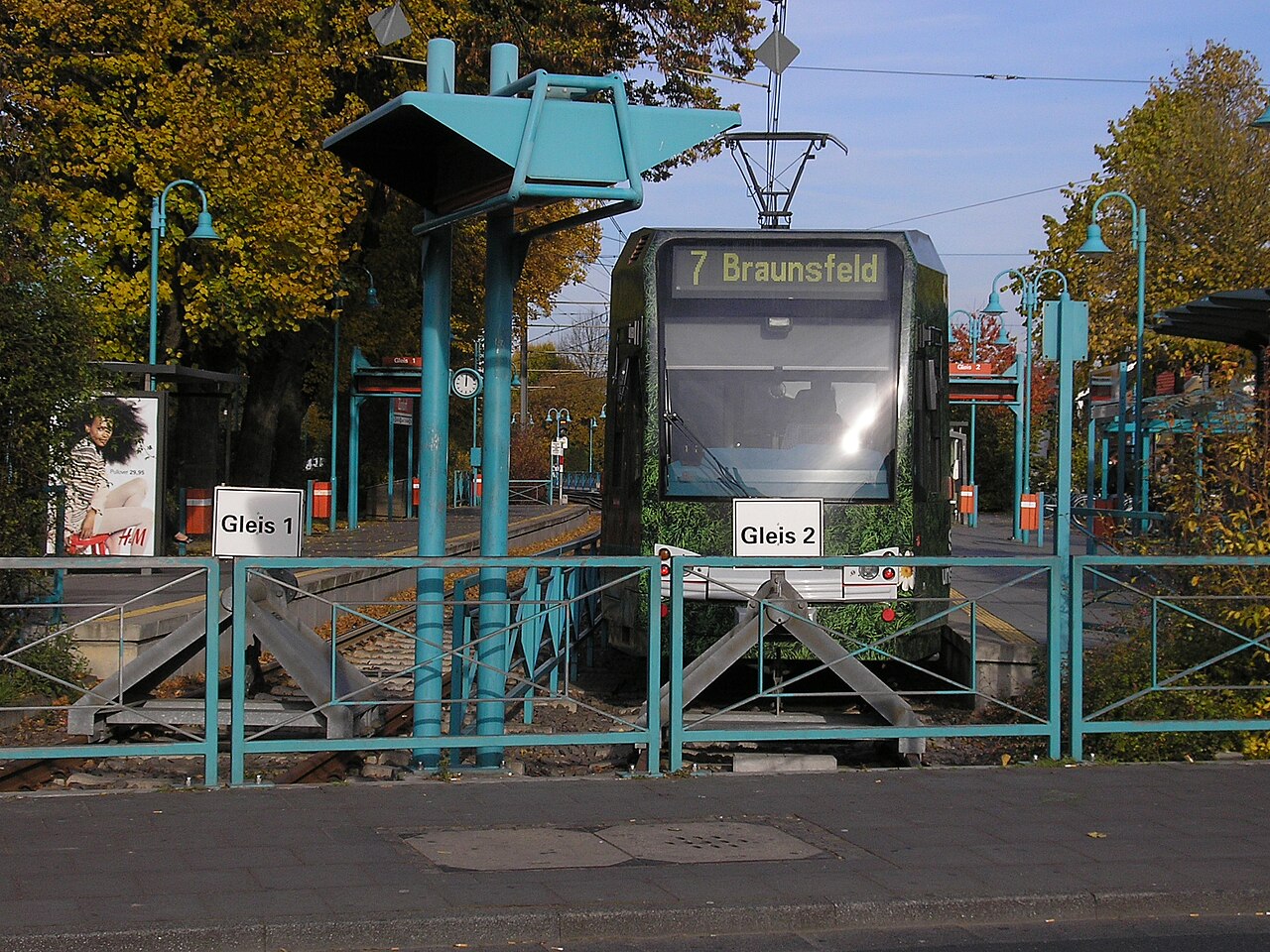
Braunsfeld is a district in the west of Cologne on the left bank of the Rhine and forms part of the Lindenthal borough.
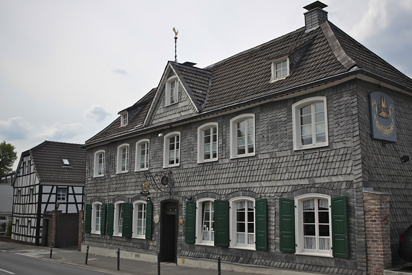
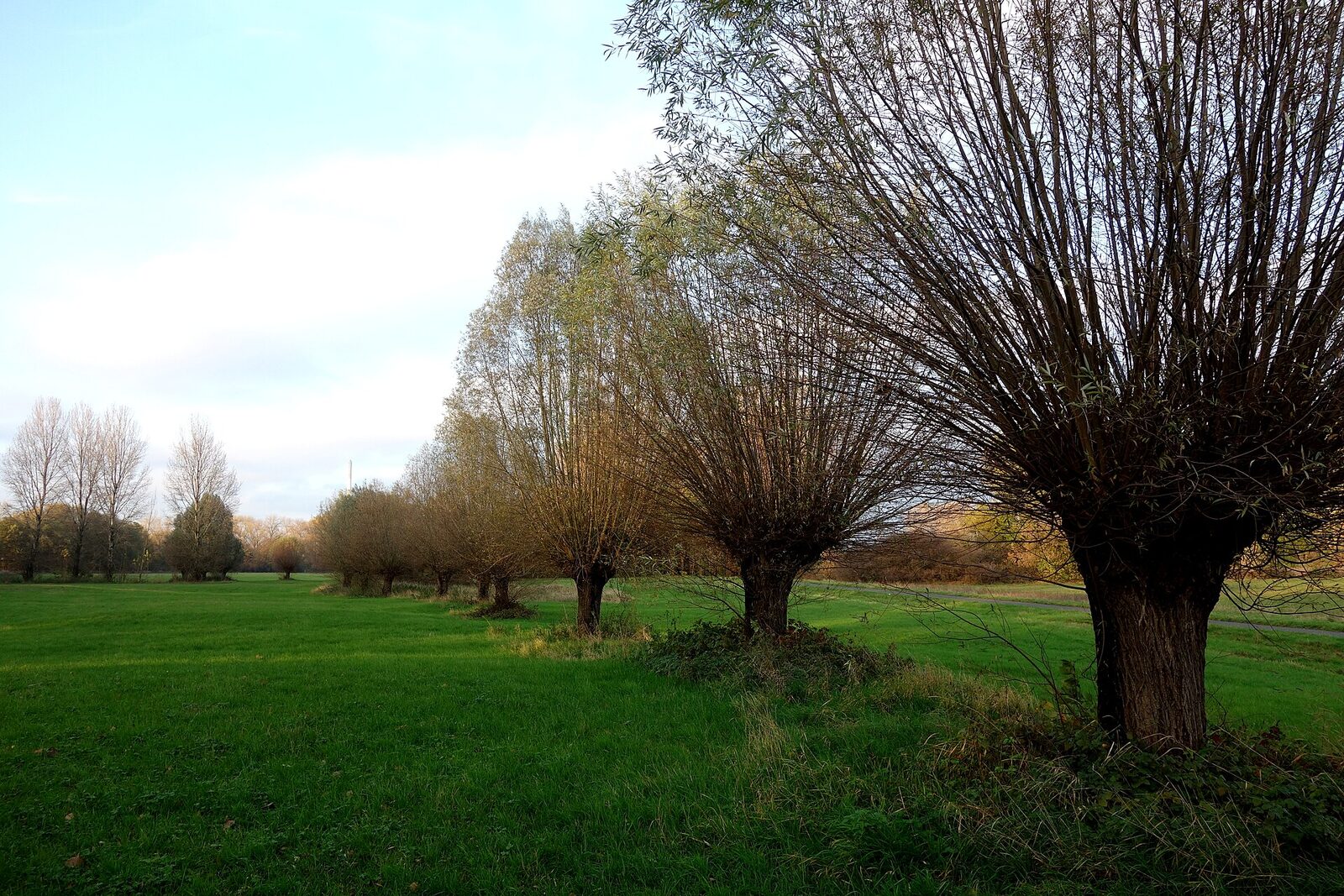
Brück is a district of Cologne on the right bank of the Rhine and belongs to the Kalk borough. In the local Kölsch dialect it is known as Bröck.
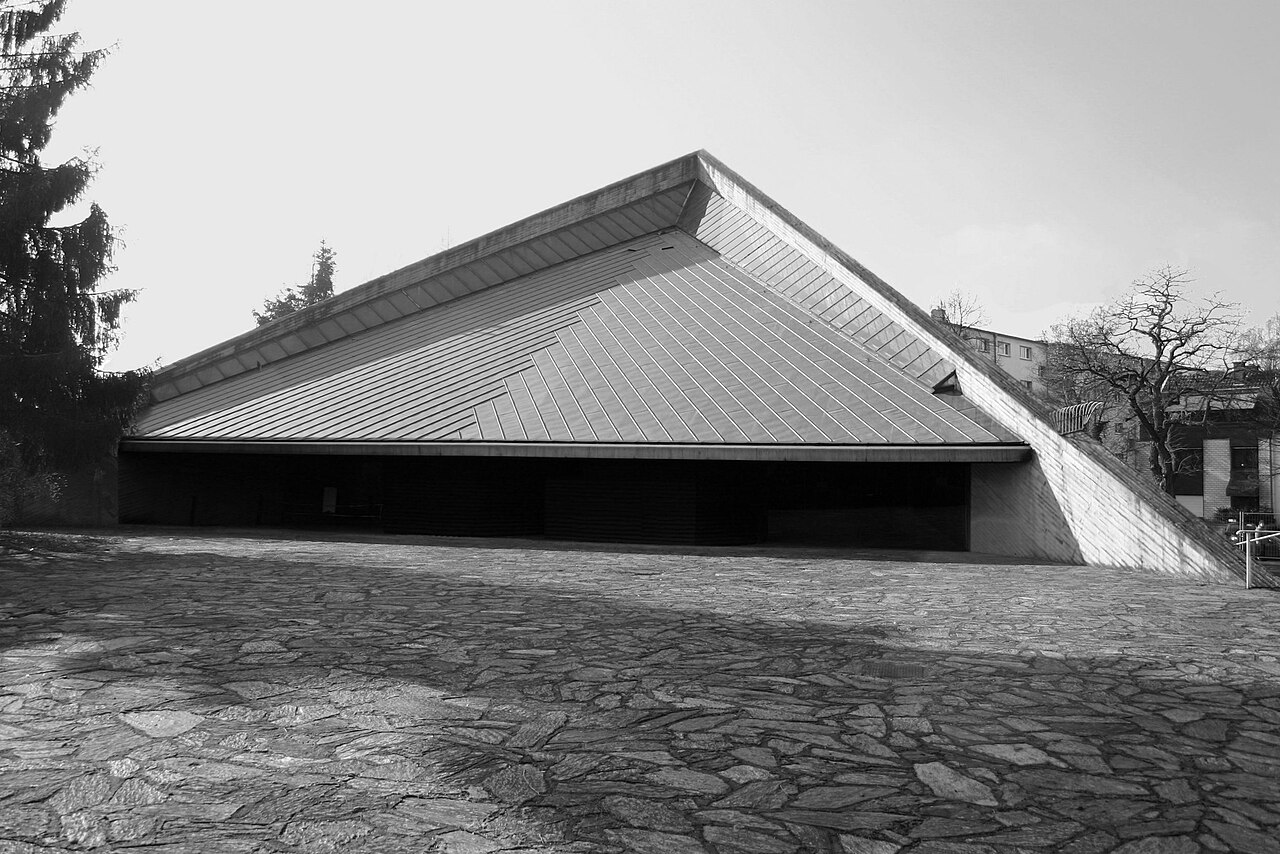
Buchforst is a district of Cologne on the right bank of the Rhine and belongs to the borough of Mülheim.
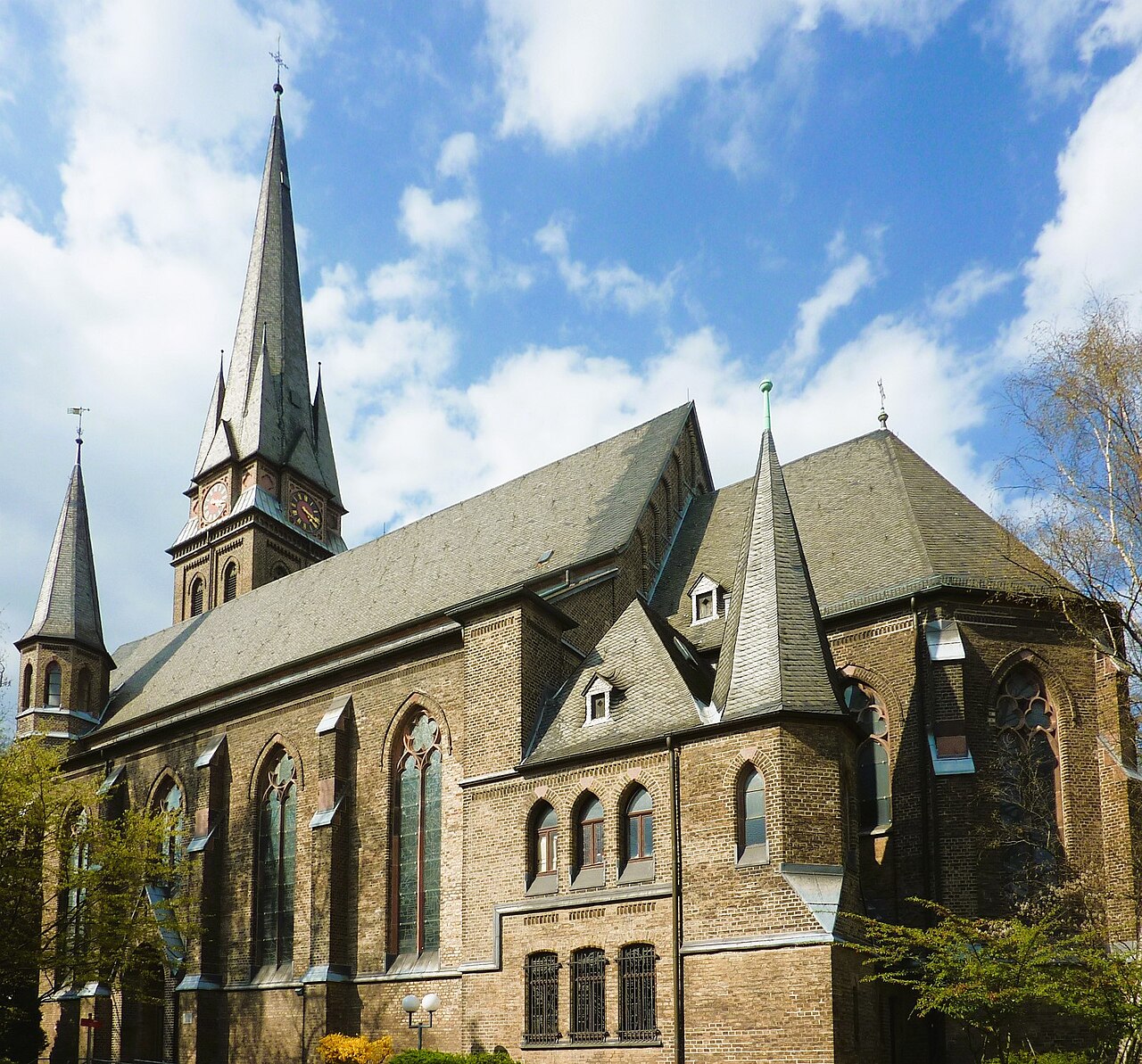
Buchheim is a district of Cologne located on the right bank of the Rhine. It belongs to the borough of Mülheim. In the local Kölsch dialect it is known as Bochem.

Famous quarters
“Veedel” is the Colognian word for quarter — not the official administrative districts, but organically grown neighbourhoods with a character all their own, usually named after a church, a square or a street. Their edges are fuzzy and live mostly in how residents see themselves — from a quarter’s own carnival parade to the songs of local dialect bands. More on Wikipedia.
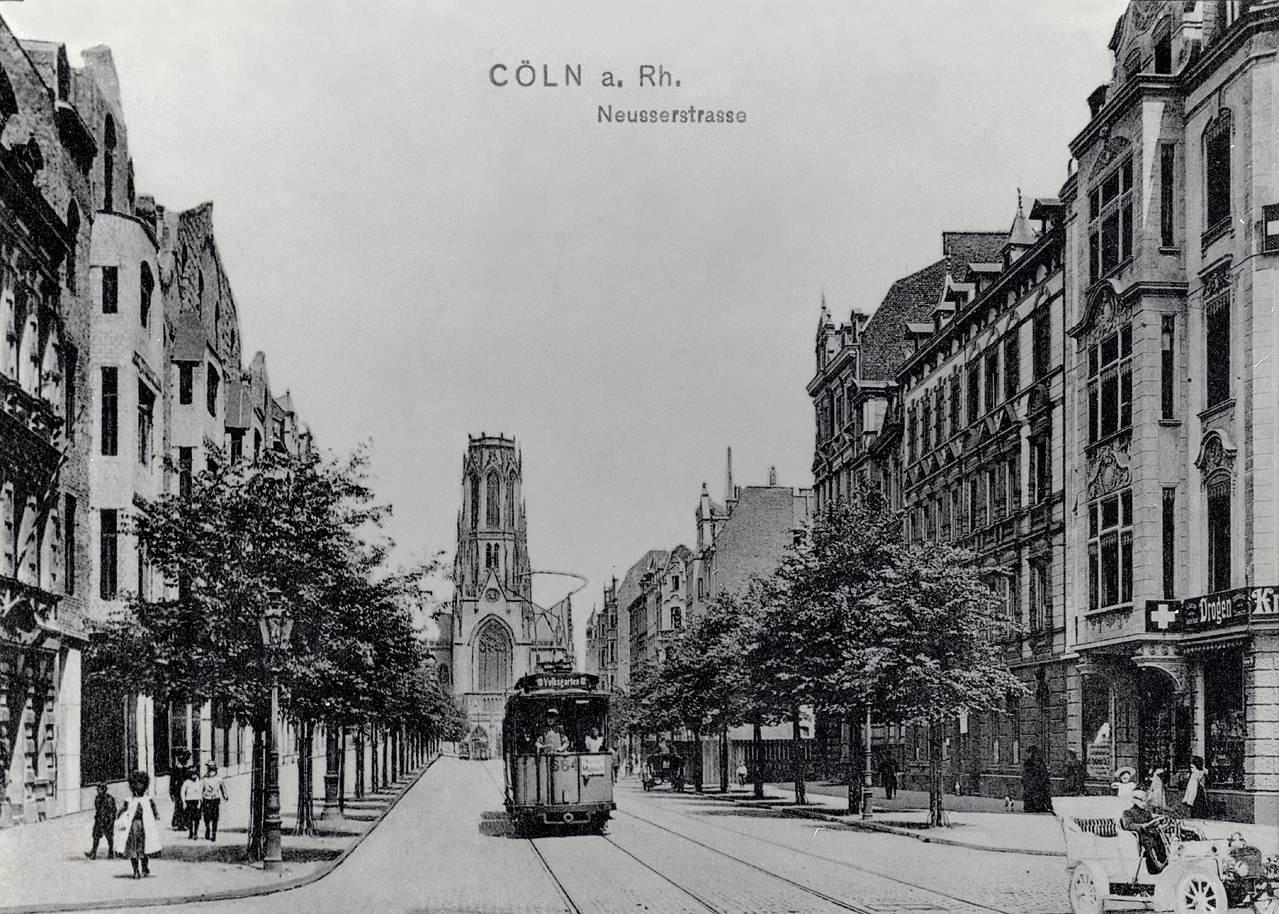
The Agnesviertel forms the northernmost tip of the Neustadt-Nord district and belongs to the Innenstadt borough. It takes its name from the neo-Gothic parish church of St. Agnes, built around 1900 on …
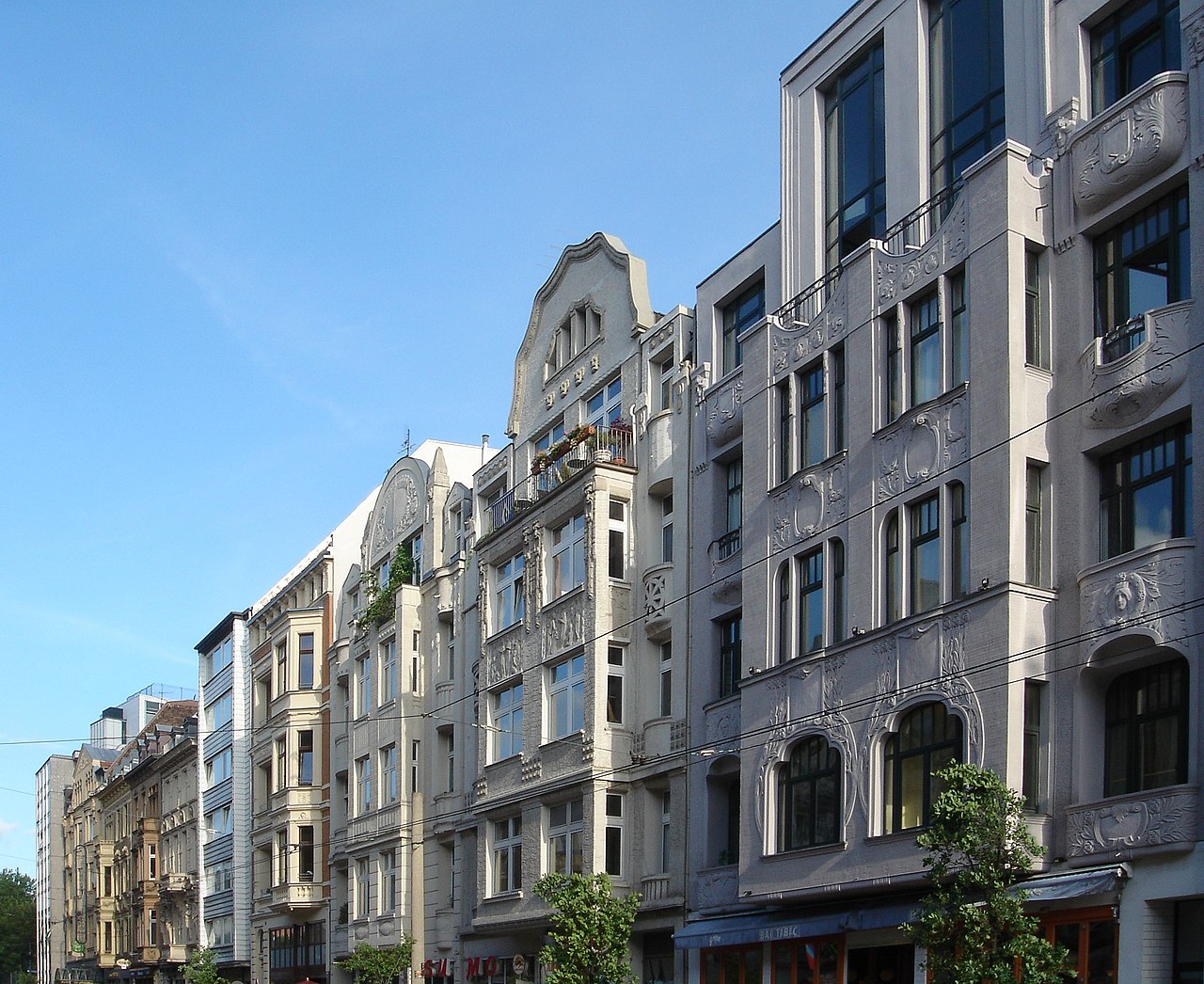
The Belgian Quarter sits in the southern part of Cologne's Neustadt-Nord district and ranks among the city's most sought-after and expensive residential areas. Its name comes from streets honouring …
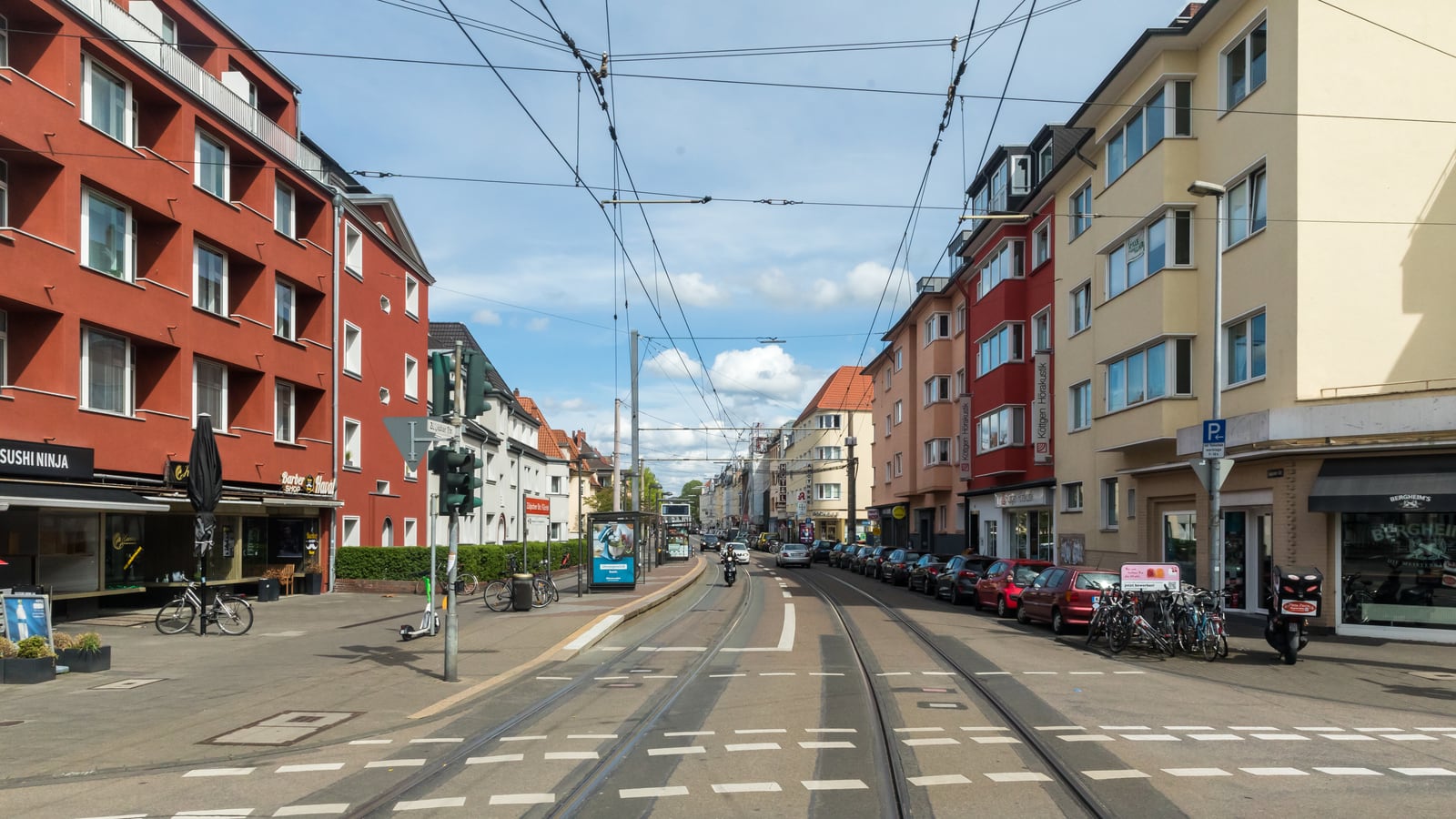
The tongue-in-cheek nickname for the pub heart of the Rathenau Quarter around Zülpicher Platz and Barbarossaplatz. Dive in of an evening and you may lose your way home — hence the comparison with the fabled stretch of sea.
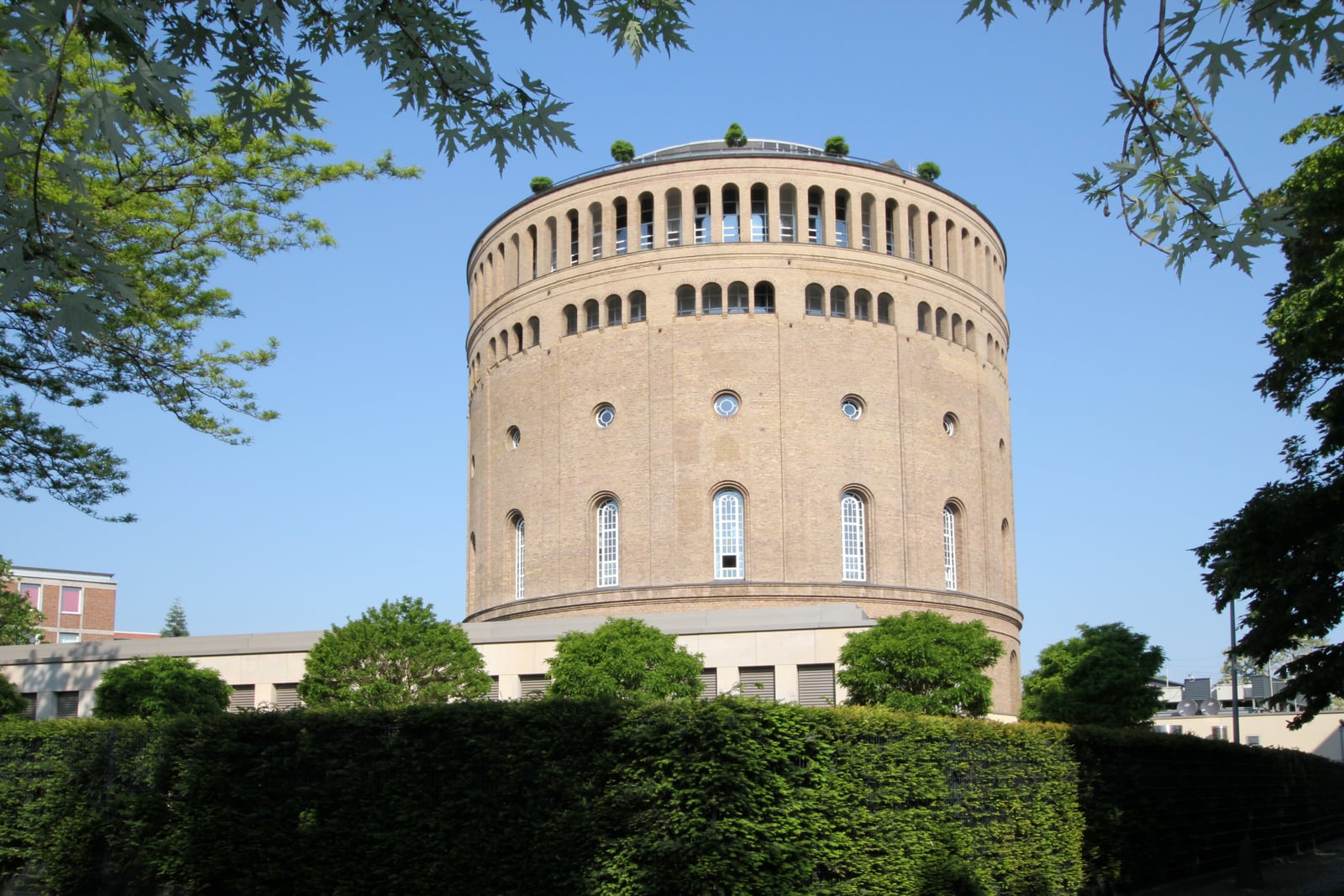
An old artisans' quarter in the south-west of Cologne's old town, named after the Großer and Kleiner Griechenmarkt streets. Where the name really comes from is still disputed — and it was in these very lanes that Jacques Offenbach was born.
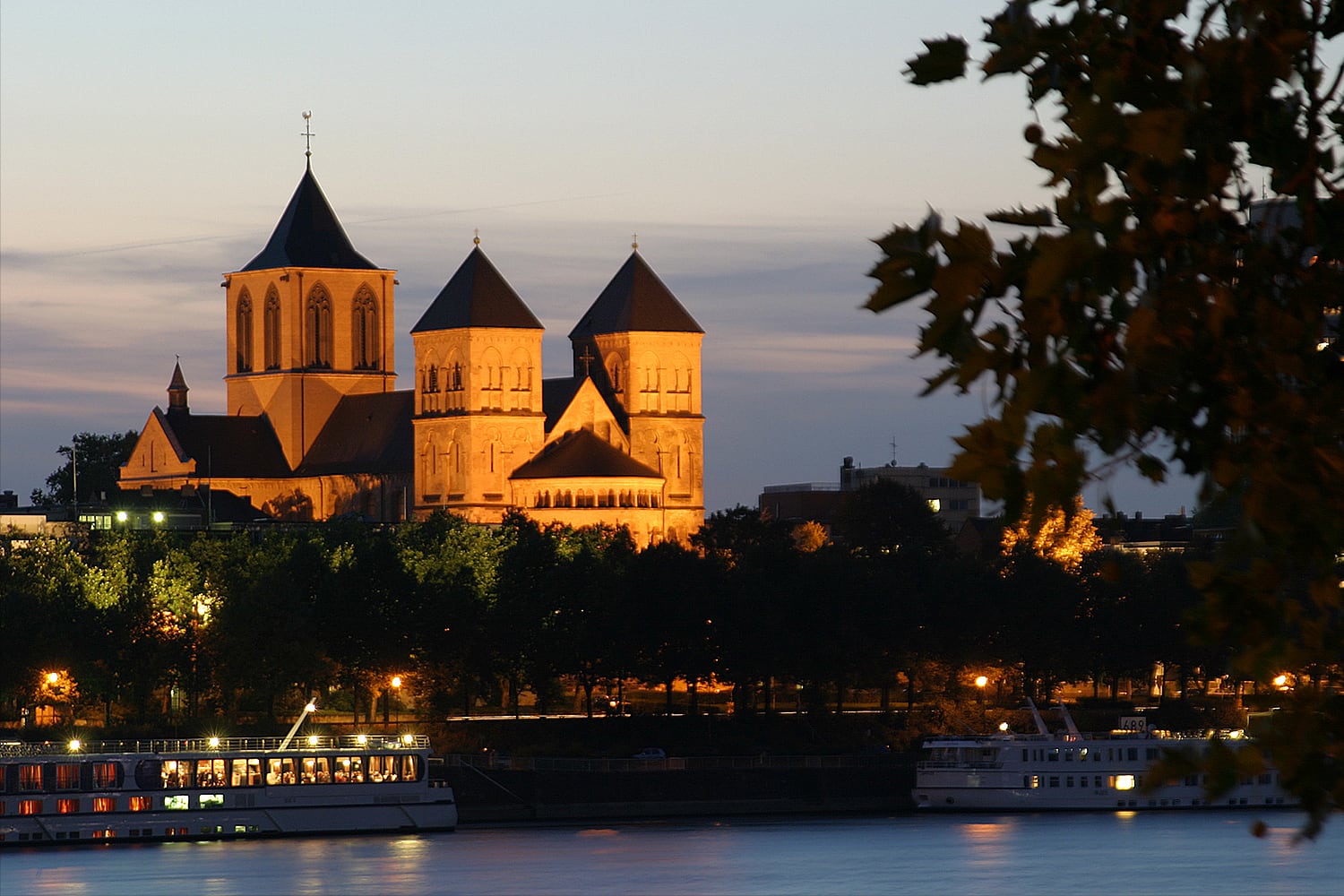
The northernmost stretch of the old town, framed by the Rhine, the main station and the Theodor-Heuss-Ring. It bears the name of the Romanesque basilica of St. Kunibert — and was also the place where the motorisation of the world began.
Cologne's fondly mocking answer to the Parisian Quartier Latin: the student-bohemian name for the Rathenau Quarter around Zülpicher Straße, with a music cellar, an arthouse cinema and a long tradition of shared flats.
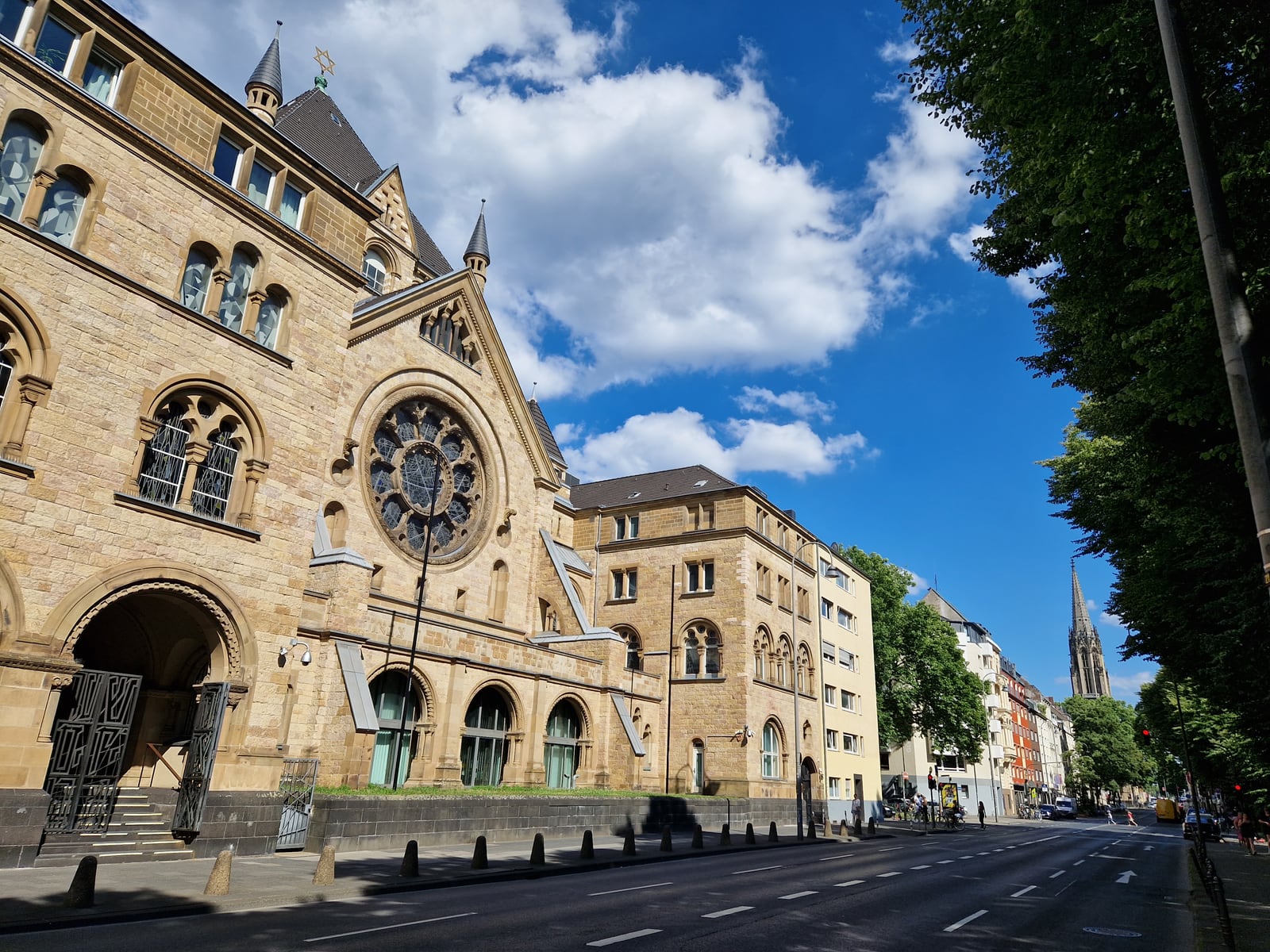
The lively student and scene quarter between the Ring roads and the university. Officially named after Rathenauplatz at its centre — but in everyday speech the same area carries five names: Zülpicher Viertel, Univiertel, Bermuda Triangle, Kwartier Latäng.
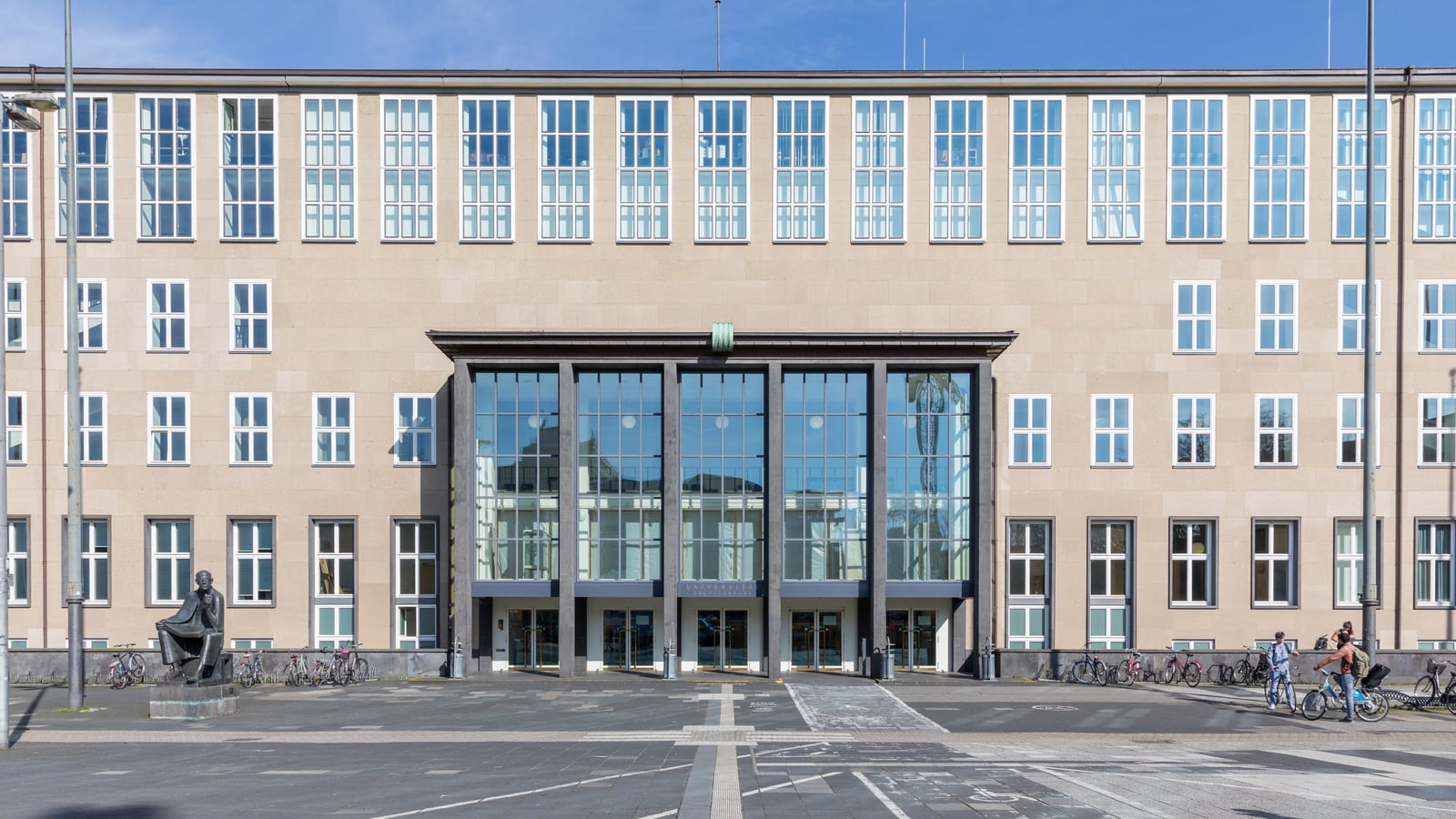
The same area as the Rathenau Quarter — but seen through students' eyes. Among shared flats, cafés and bookshops, a good share of the University of Cologne's 40,000-plus students live here.