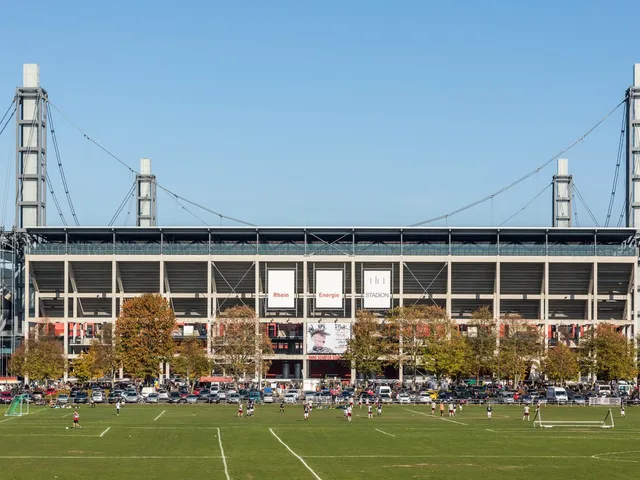
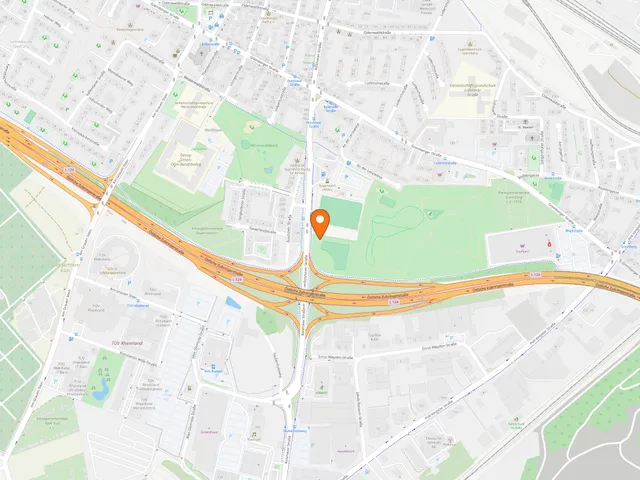
The 'Effzeh' is Cologne's big football club and, for many, a piece of the city's identity. Red and white, with the billy goat Hennes as a living mascot and an anthem sung in the stadium and at carnival alike.
Mini golf under black light with 3D glasses: the Ehrenfeld location is part of GlowingRooms' network of venues in Cologne, Dortmund, Düsseldorf, and Dresden.
Right in the heart of Cologne, near the Ringe: activities ranging from virtual reality and axe throwing to adventure mini golf – paired with a lounge, bar, and food.
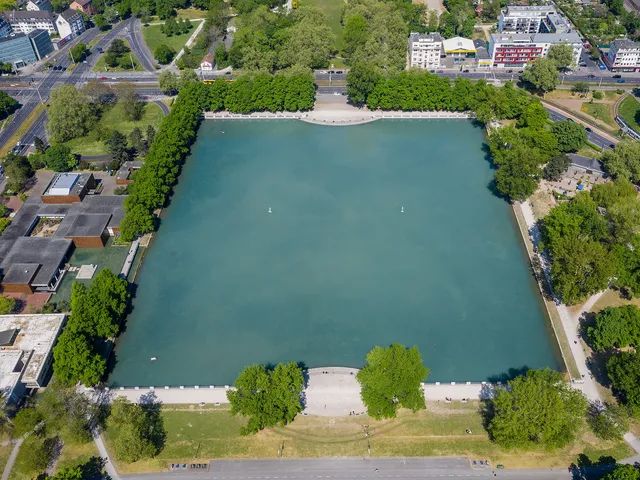
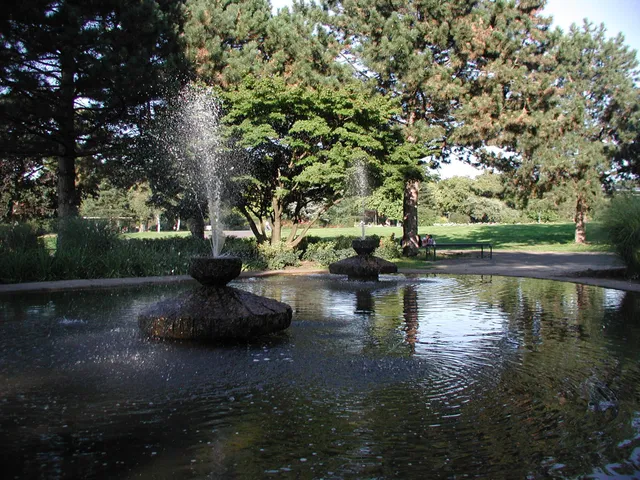
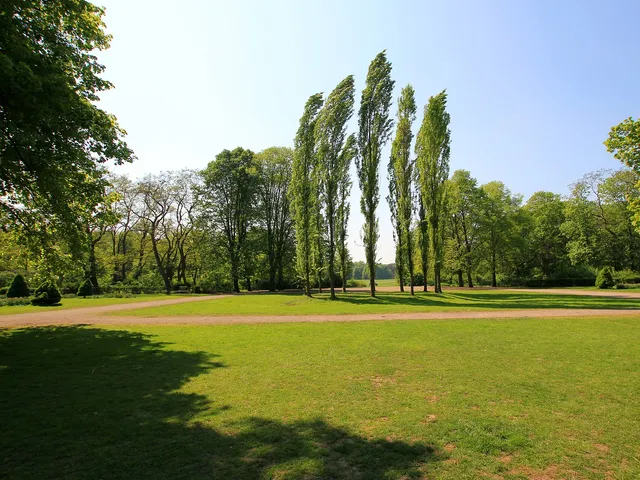
A kidney-shaped fountain pond in the Rheinpark, created in 1957 for the Federal Garden Show – named after rose breeder Konrad Adenauer, with crown fountains and water jets.
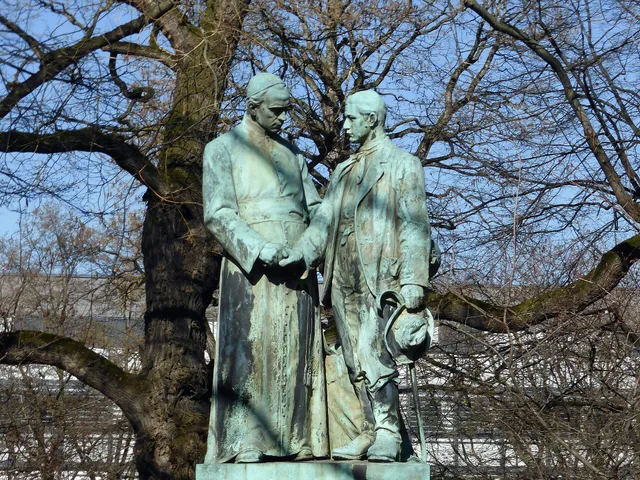
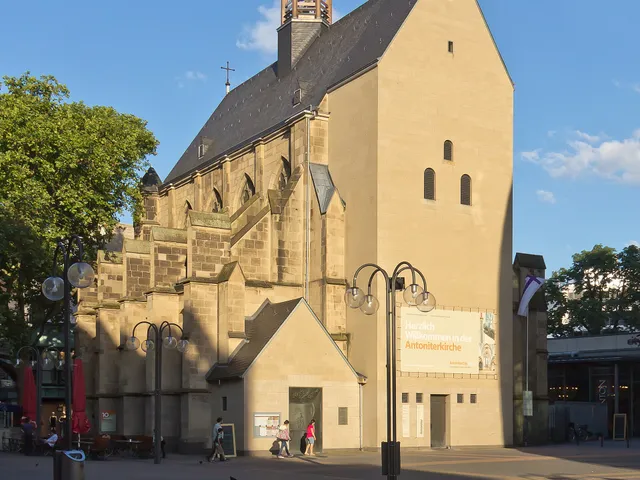
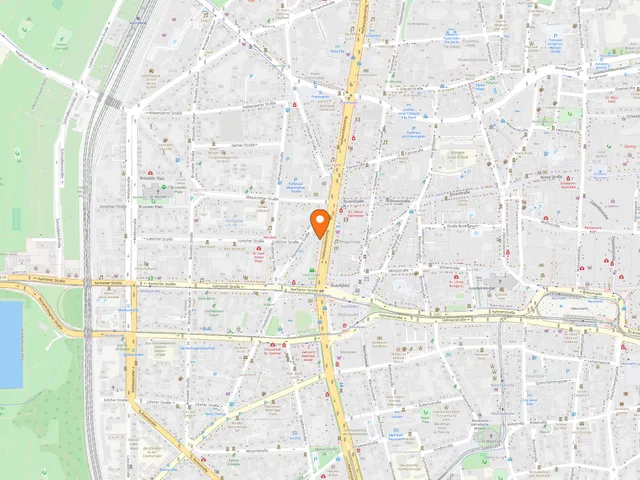
Bronze memorial to Adolph Kolping — the 'Father of Journeymen' and founder of the Catholic journeymen's associations — standing before Cologne's Minorite Church, where he is buried.
Laser tag, Reball and virtual reality spread across 1,000+ m² – Adrenalinpark Cologne brings three action-packed activities under one roof, seven days a week.
One of the world's most significant photo-historical collections — nearly 20,000 cameras and over 12,000 photographs, now housed at Museum Ludwig in Cologne.
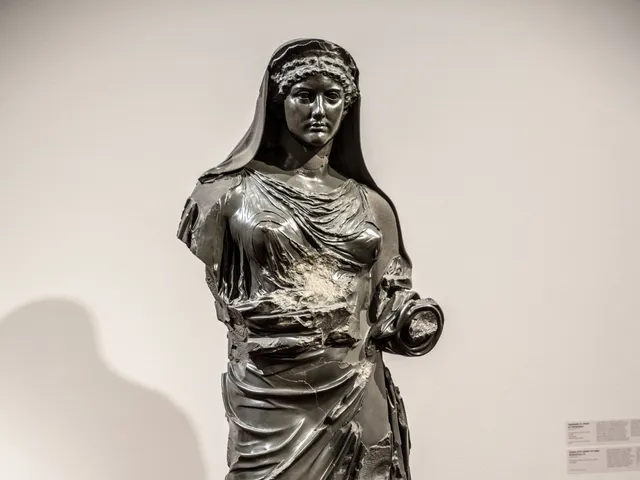
Cologne's namesake: this Roman empress born in Cologne (sister of Caligula, wife of Claudius, mother of Nero) had her birthplace elevated to Colonia Claudia Ara Agrippinensium in AD 50 — the origin of the name "Cologne".
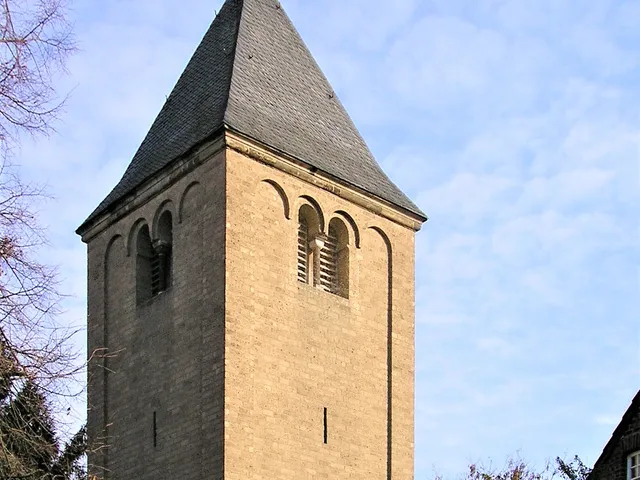
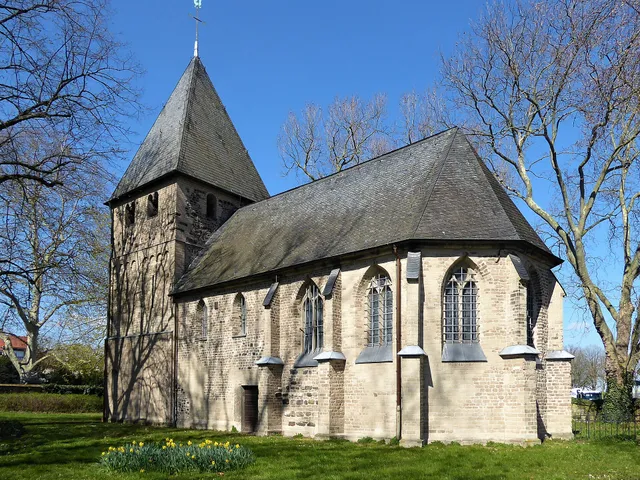
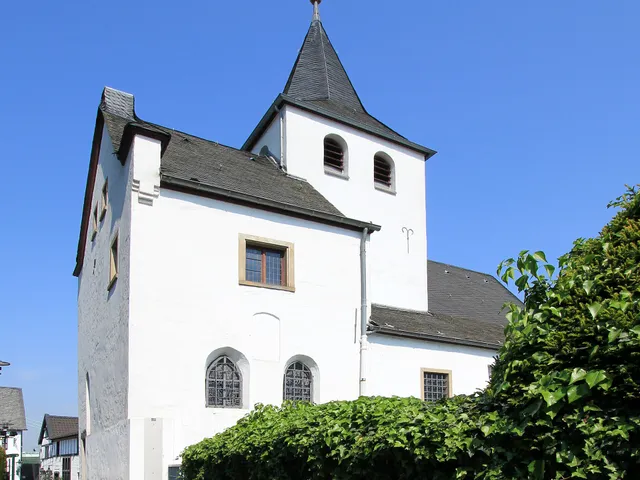
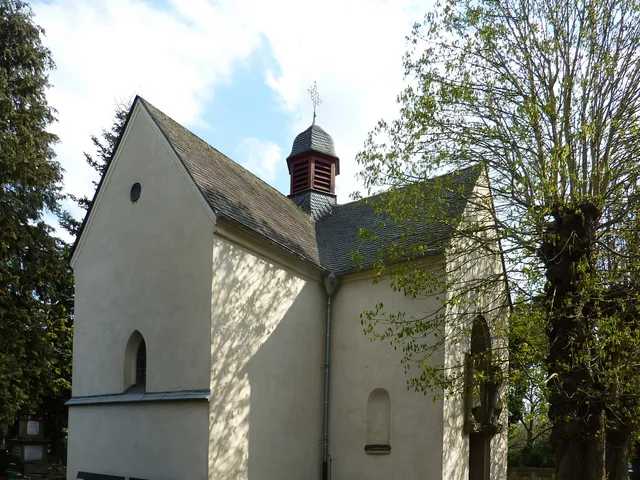
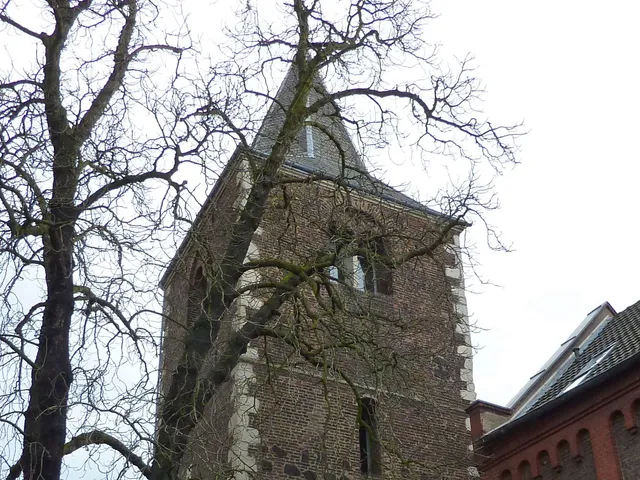
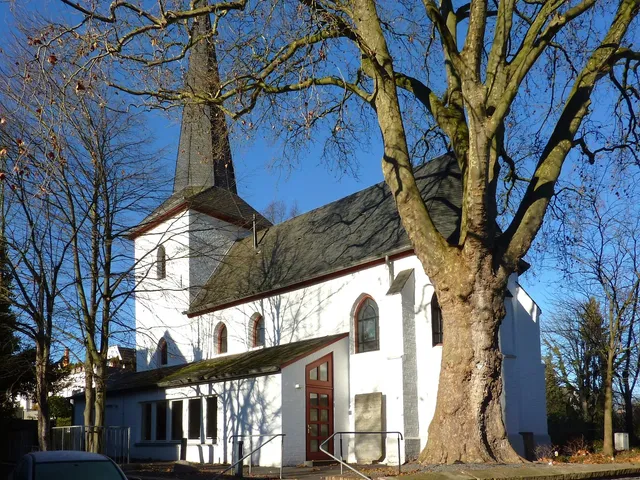
Medieval village church with a Gothic choir — once the parish church of St. Pankratius, now a small chapel after centuries of fire, war, and reinvention.
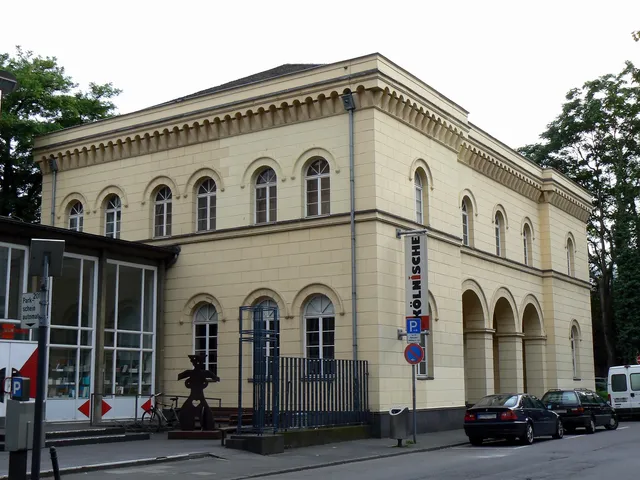
A Prussian guardhouse from 1840/41 in Neoclassical Florentine style, rebuilt after wartime destruction and now used as a temporary exhibition space of the Cologne City Museum.
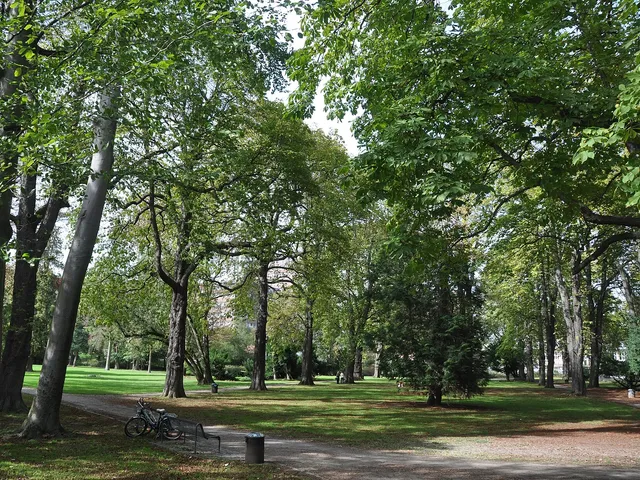
A former municipal cemetery turned listed park in Deutz, home to a sandstone crucifixion group from 1849 and a rare Reform-style enclosure from 1913/14.
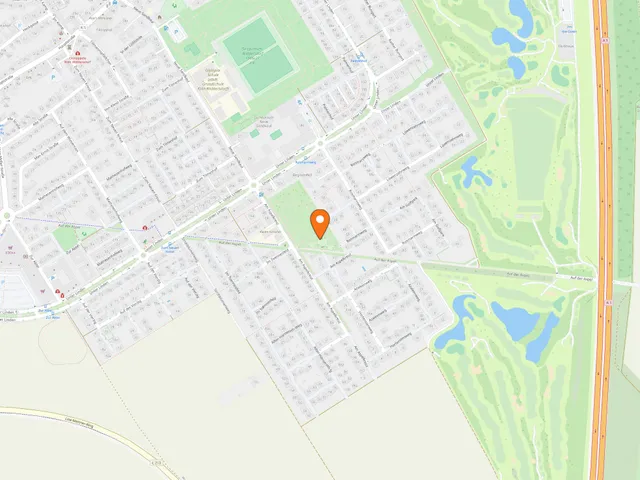
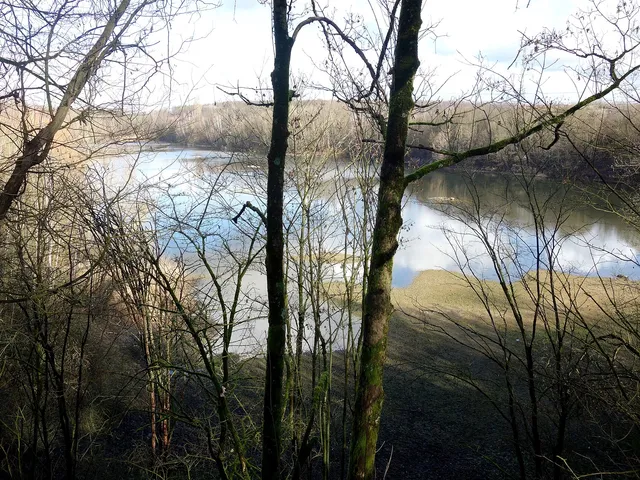
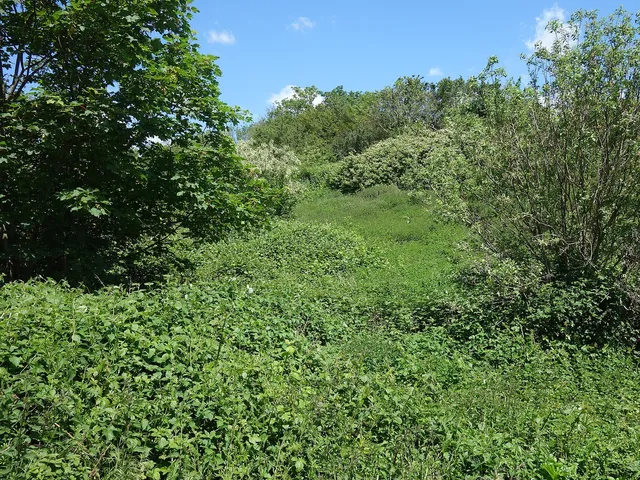
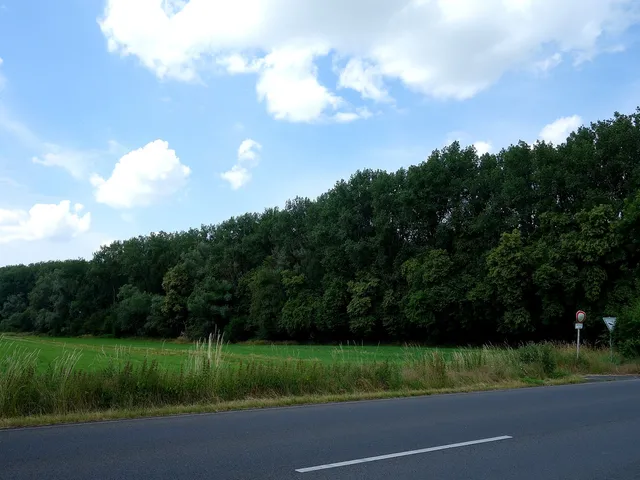
A roughly 21-hectare nature reserve set in a former gravel pit between Weidenpesch, Longerich and Mauenheim — off-limits to protect its wildlife and viewable only from a single lookout point.
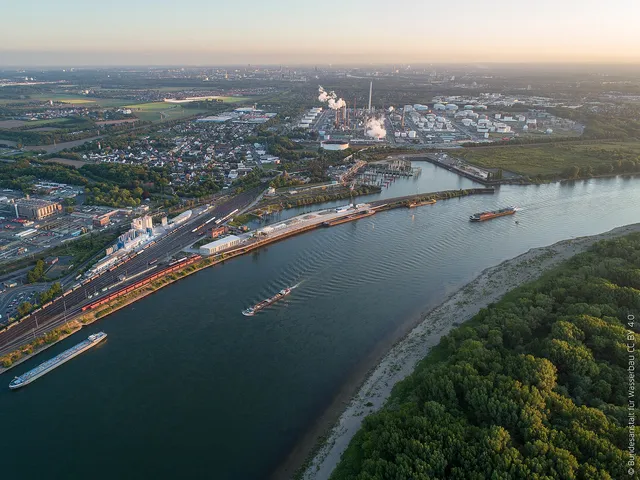
A 23-hectare nature reserve beside the Godorf harbour in southern Cologne — a grassland-and-scrub mosaic that grew out of an old gravel deposit and now shelters rare animals and plants.
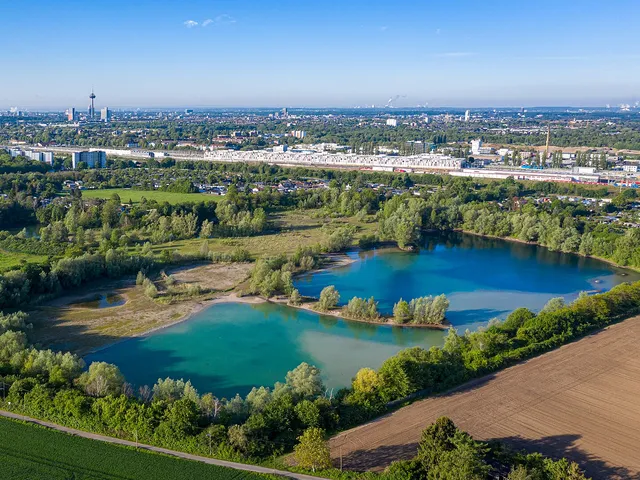
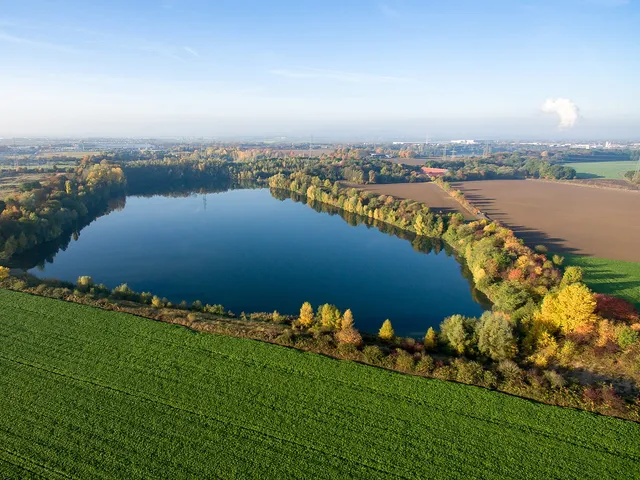
A restored former gravel pit on Cologne's northern edge in Flittard, protected as a nature reserve since 1991 — a species-rich habitat of open water, sandy dry grassland and rare plants and animals.
A Gothic Protestant church in the middle of the Schildergasse – Cologne's most visited church after the cathedral, known for Barlach's ‘Hovering Angel'.
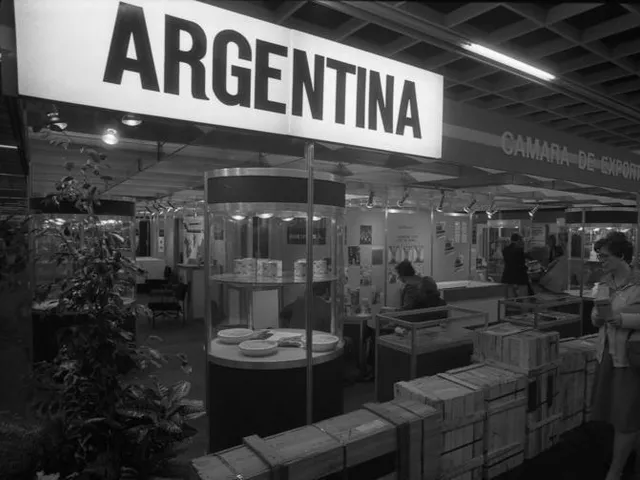
Regarded as the world's largest trade fair for the food industry: held every two years in Cologne, ten trade fairs under one roof, trade visitors only.
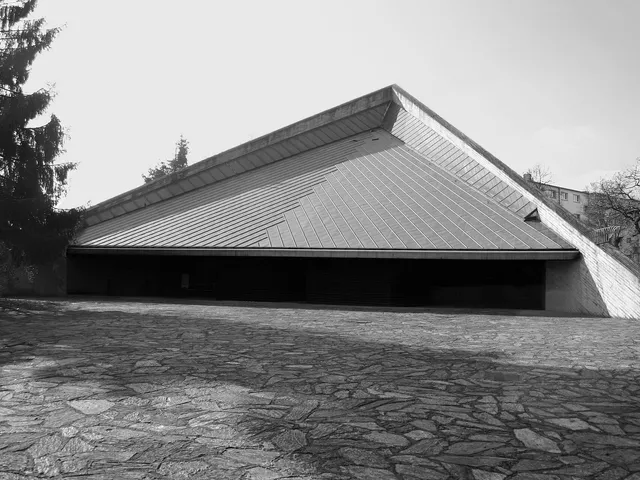
Listed Brutalist church from 1968 with a striking tetrahedral form, now operating as the 'Kulturkirche Ost' cultural venue for readings, music, and cabaret.
Baadenberger Senke, Stöckheimer See and Große Laache
since 2007
★★★★★★★★★★4.4(341)· Google
A sprawling nature reserve of former gravel pits in Cologne's north-west – now a landscape of lakes, woodland and one of the most important amphibian spawning grounds west of the Rhine.
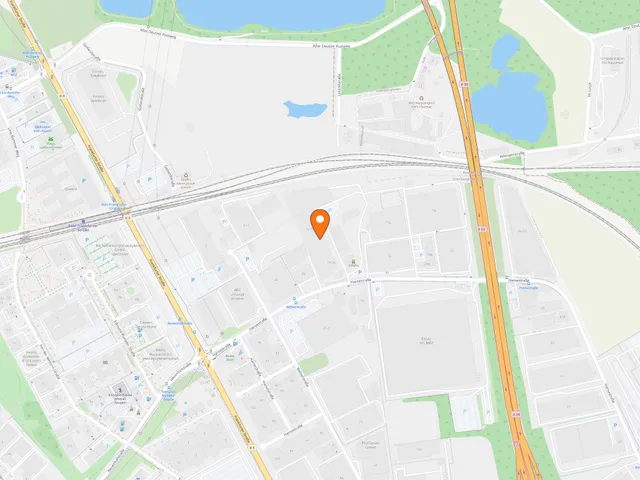
Electric karts meet gaming: at Motorworld Cologne, players fire rockets, dodge oil slicks, and battle it out across six game modes for ultimate victory.
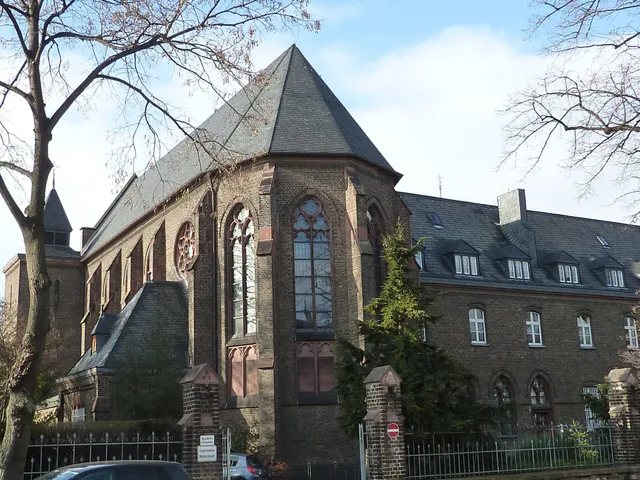
Active convent of the Benedictine Sisters of the Most Holy Sacrament in Cologne-Raderberg, founded in 1890 and still home to a community of nuns today.
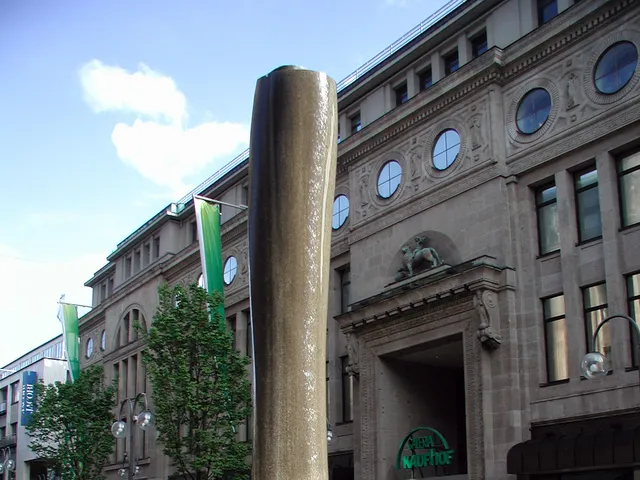
A 1972 fountain on Schildergasse featuring a granite column wrapped in a thin veil of water — named after a brief beer tap that once operated at the site.