An der Ziegelei
A 20-hectare floodplain nature reserve near Cologne where birch and poplar woods reclaim a former brickworks in the Rhine's periodic flood zone.
since 1991
Tucked into the open farmland between the edges of Cologne-Blumenberg and Cologne-Fühlingen and the old Rhine meander of the Worringer Bruch, An der Ziegelei is a small floodplain woodland that grew up on the site of a former brickworks. It has been a protected nature reserve since 1991.
At a Glance
- Location
- Between Cologne-Blumenberg and Cologne-Fühlingen, beside the Worringer Bruch old-Rhine meander
- Protection status
- Nature reserve since 1991
- Size
- 20.1 hectares
- Highlight
- Birch successional woods and low-lying poplar stands on a former brickworks and clay pit
- Landscape type
- Rhine pressure-water floodplain, periodically flooded
- Connectivity
- Closely linked with the wet woodlands of the Worringer Bruch reserve, forming a stepping-stone habitat in the Rhine floodplain network
Area comparison
Area compared with other Cologne parks and green spaces.
Age comparison
Age compared with other places in Cologne.
Location & Landscape
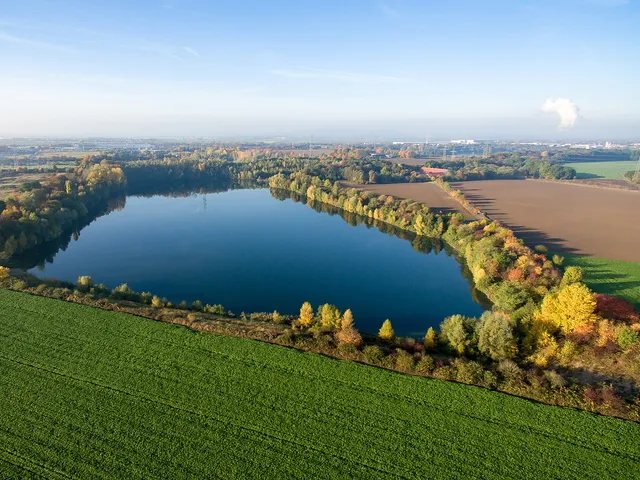
The reserve sits within the field landscape on the fringes of two Cologne suburbs, hard against the Worringer Bruch. As a pressure-water floodplain of the Rhine, the ground is flooded periodically, and this rhythm of water shapes everything that grows here. A smaller area of arable land adjoins the reserve to the east.
From Brickworks to Woodland
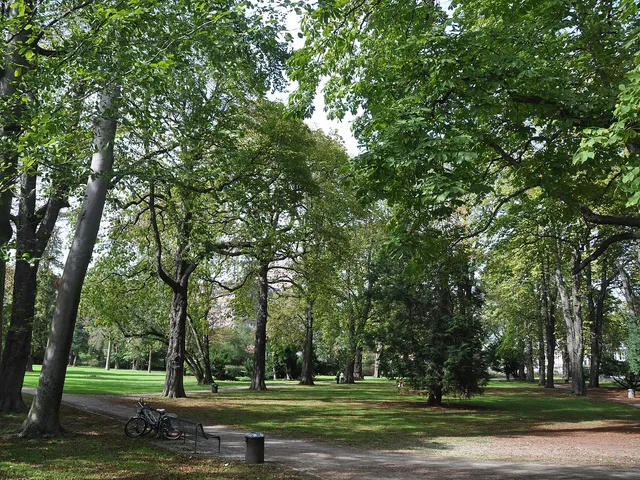
The land was once worked for clay and brick. In the north-east, birch-dominated successional woods have spread across the former brickworks grounds, while the deeper hollow of the old clay pit now holds stands of poplar. Beneath the hybrid poplars, a full structure of trees, shrubs and herbs has developed from species typical of soft- and hardwood floodplains — the kind of layered, species-rich woodland that gives the site much of its value and its potential to keep developing.
Vegetation
The characteristic flora reflects the floodplain setting. Typical species include black alder, white willow, pedunculate oak, small-leaved lime, field maple and common dogwood, alongside ferns such as hart's-tongue. This high share of floodplain-typical plants, together with the varied structure of the woods, is central to what makes the reserve worth protecting.
Conservation Management
The main threats come from drainage and water extraction, a falling groundwater table, and dumped waste. Management aims to preserve and improve floodplain habitats and to gradually convert the poplar-dominated woods into native broadleaf forest suited to the site. Measures include retaining old and dead wood, clearing waste, halting commercial use, and avoiding drainage and nutrient enrichment in favour of near-natural woodland care.
Map
Blue dots: other places nearby — tap to explore.
Address
Am Blutberg 2
50769 Köln
You might also like — related or nearby
Comments
- Loading comments…
Sources & links
Auto-generated, last verified: 2026-08-09
How this page is made
This page draws on open sources — Wikipedia, Wikidata, official websites and the city’s open data. Every statement is checked against the sources linked here, and pages are refreshed regularly.
Spotted a mistake anyway? Tell us below — we read every submission.