Landschaftspark Belvedere
Park in Cologne's west that completes the Outer Green Belt — home to four viewing platforms and Germany's oldest surviving railway station.
Landschaftspark Belvedere fills a gap in Cologne's Outer Green Belt. The park features four viewing platforms and, within its grounds, Belvedere station — Germany's oldest surviving railway station.
At a Glance
- Type
- public landscape park
- Location
- Widdersdorf district (Lindenthal borough), between Müngersdorf and Bocklemünd
- Function
- part of the Outer Green Belt, corridor to Naturpark Rheinland
- Named after
- the former Belvedere railway station
- Highlight
- four viewing platforms, inaugurated in 2014
The park is named after the oldest surviving railway station in Germany – the former Belvedere station, located within the park grounds. The stainless-steel observation platforms were also deliberately topped with spheres to prevent birds of prey from perching on them and displacing endangered bird species.
Things to do here
- Gaze all the way to Cologne Cathedral from the 9-metre 'Domblick' platform
- Climb all four viewing platforms and compare their heights
- Marvel at and photograph Germany's oldest surviving railway station
- Cycle through the park along the dedicated bike road
- Stroll through the green belt and enjoy the views
- Watch for birds of prey and other birds across the open fields
History
The site was originally farmland within the rayon of Cologne's ring of fortifications, where construction was restricted by law. After the fortification ring was decommissioned, the land was secured for the green belt under Mayor Konrad Adenauer. World War II halted full development, and the project was largely forgotten during reconstruction. It was only when plans for an industrial estate emerged that a citizens' initiative formed, gaining support through the Friends and Supporters' Circle for Completing the Outer Green Belt under the patronage of Adenauer's descendants. Funding eventually came through the RegioGrün project of Regionale 2010, with the Friends of Landschaftspark Belvedere, the Max Planck Institute for Plant Breeding Research, and the Rhineland Cultural Landscape Foundation all involved.
Name and Station
The park takes its name from the former Belvedere railway station — Germany's oldest still-standing station. A street bearing the same name runs straight through the grounds.
Viewing Platforms
Four viewing platforms of varying heights were inaugurated in 2014 and define the character of the park: 'Domblick' (9 m), 'Ausblick' (5.6 m), 'Blickfang' (3 m), and 'Feldblick' (80 cm). The stainless steel structures were not designed by an artist, and the three poles serve a purely decorative purpose — each topped with a ball to deter birds of prey from perching and displacing threatened species from their habitat.
In the Park
A dedicated cycle road runs through the grounds. The park also encompasses Belvedere station, the WissenschaftsScheune (Science Barn), Fort IV, and the Freiluga — an outdoor and garden school housed in the former intermediate fortification Va.
Timeline
- 2014Four observation platforms (Domblick, Ausblick, Blickfang, Feldblick) inaugurated
Map
Blue dots: other places nearby — tap to explore.
Address
Bocklemünd Mengenich
50933 Köln
You might also like — related or nearby
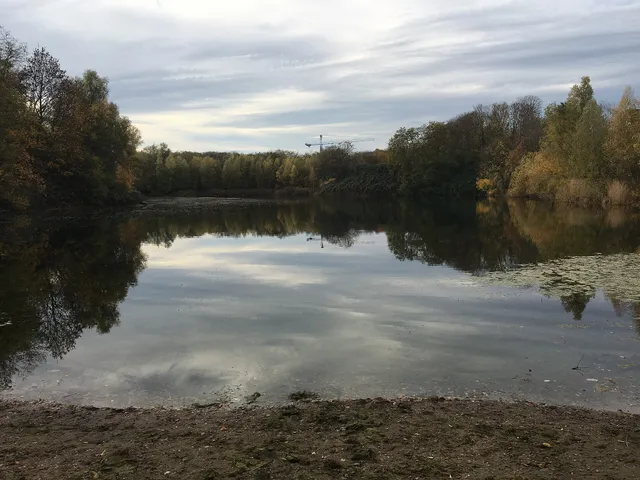
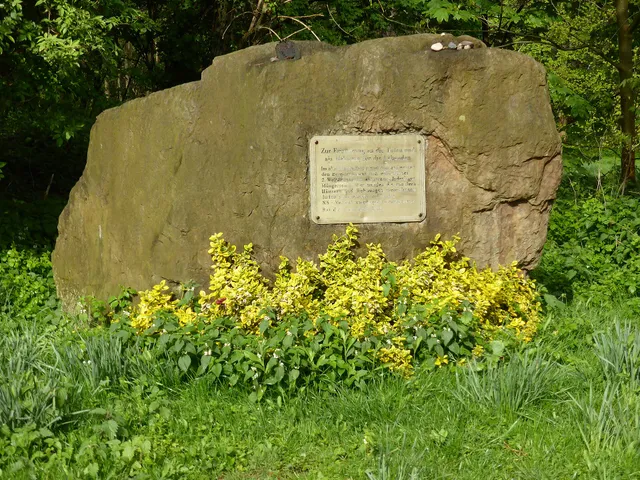
Deportation Camp Cologne-Müngersdorf Memorial
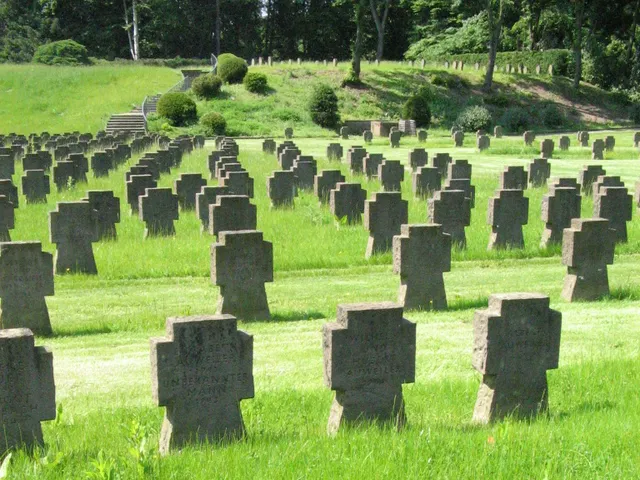
since 2020A freely accessible memorial in Cologne's outer green belt that has commemorated the former Nazi assembly camp since 2020. Around 3,500 Jewish people were deported from here. At its heart is a walkable path and the sculpture "Wall" by Simon Ungers.
Comments
- Loading comments…
Sources & links
Auto-generated, last verified: 2026-06-26
How this page is made
This page draws on open sources — Wikipedia, Wikidata, official websites and the city’s open data. Every statement is checked against the sources linked here, and pages are refreshed regularly.
Spotted a mistake anyway? Tell us below — we read every submission.