Cycling
25 places in Cologne
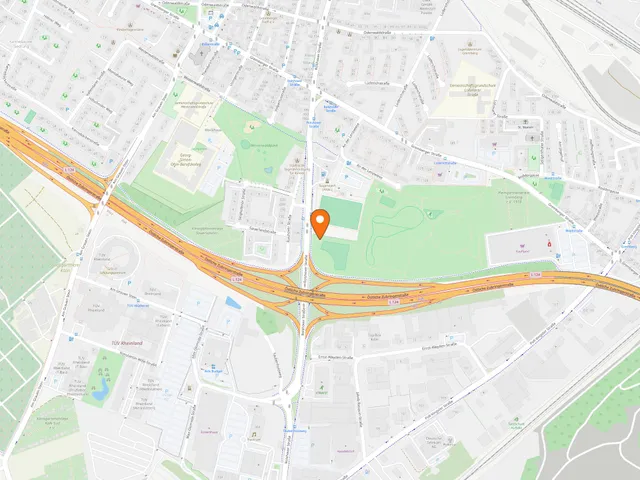
AHK Dirt (BMX & MTB Trails) – Trails 59
BMX and MTB trail facility in Cologne's Humboldt district – with sections for beginners and experienced riders alike, according to visitors.
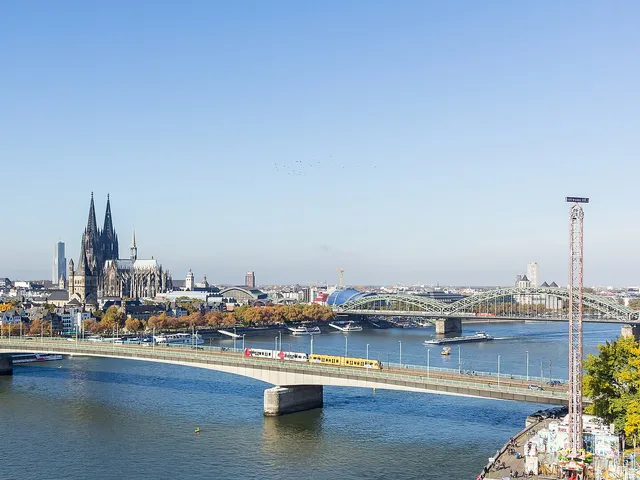
Deutz Bridge
The world's first steel box girder bridge (1947/48) – linking Heumarkt with Deutz; the Roman bridge once stood a few metres further north.
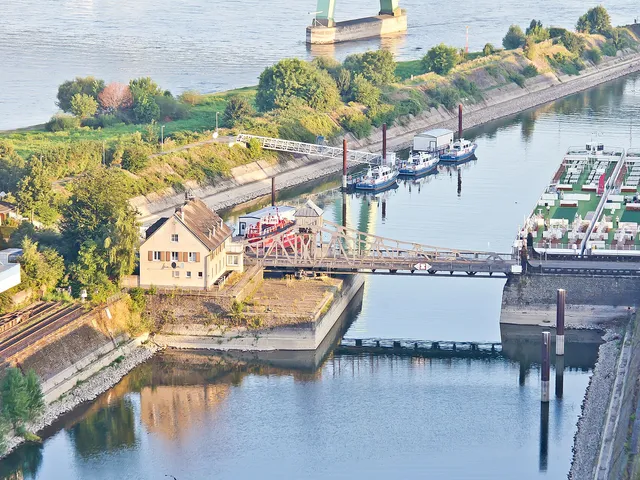
Deutzer Drehbrücke
since 1908Rotating steel bridge from 1908 over Deutz Harbour — one of two Cologne swing bridges, a listed technical monument with its original control house intact.
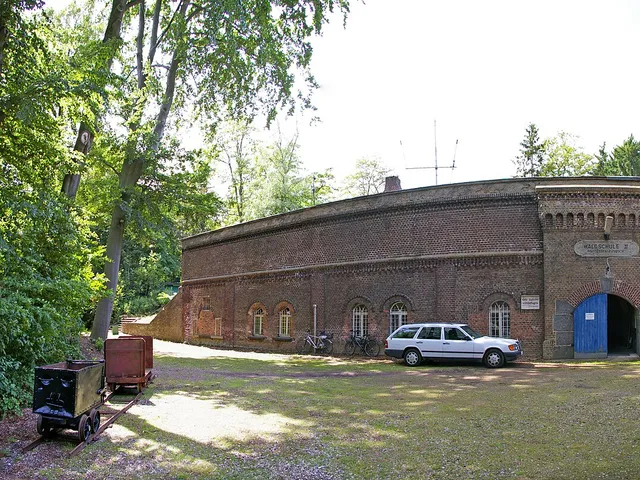
Cologne Fortress Ring
Prussian double ring around Cologne, dismantled after 1919 – its grounds became the basis for Cologne's Green Belt from 1924.
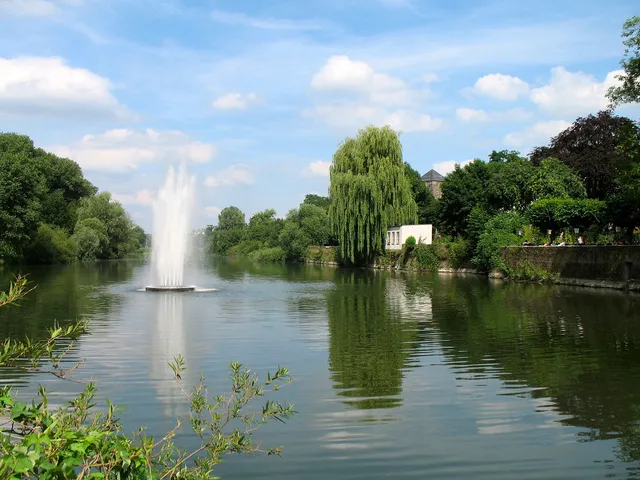
Groov
Former Rhine island in Cologne-Zündorf, transformed between 1974 and 1978 into a leisure area with a marina, swimming facilities, and green spaces along the river.
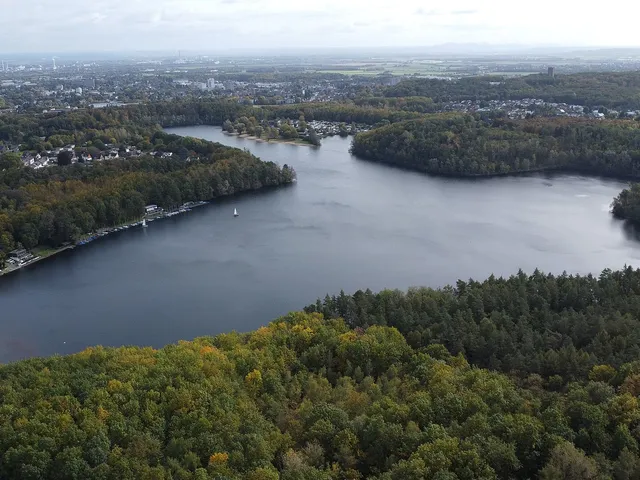
Heider Bergsee
A reclaimed open-cast coal mining pit turned swimming lake near Brühl — 35 hectares of still water in the Rhineland Nature Park, with a beach resort.
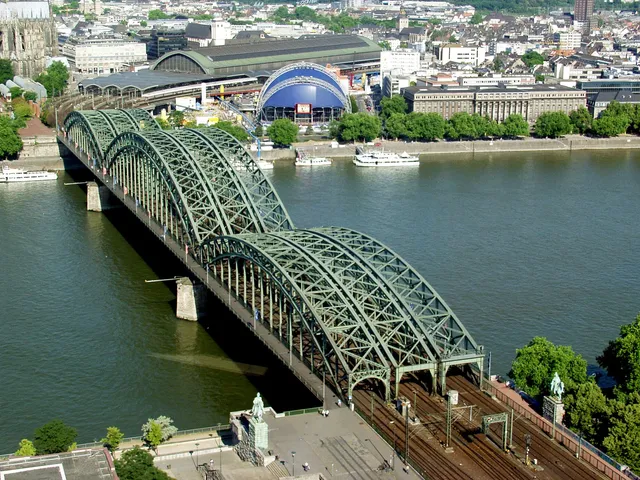
Hohenzollernbrücke
since 1911Germany's busiest railway bridge spanning the Rhine — a defining feature of Cologne's skyline alongside the Cathedral, and famous for thousands of love locks.
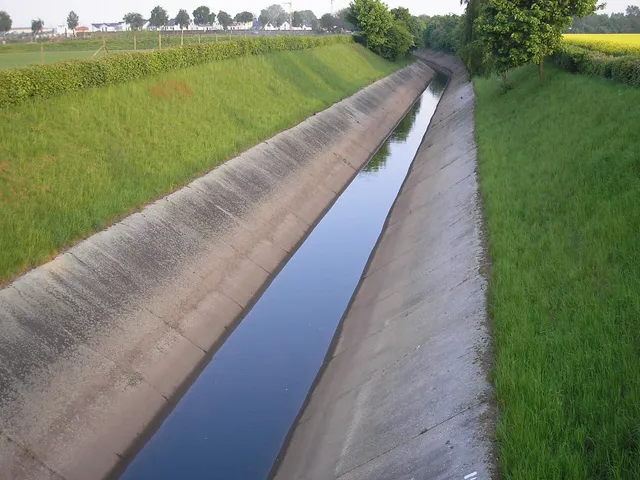
Kölner Randkanal
A nearly 20 km drainage canal on Cologne's city boundary — keeps the open-cast lignite mines dry and doubles as a continuous cycling route with a hydropower screw.
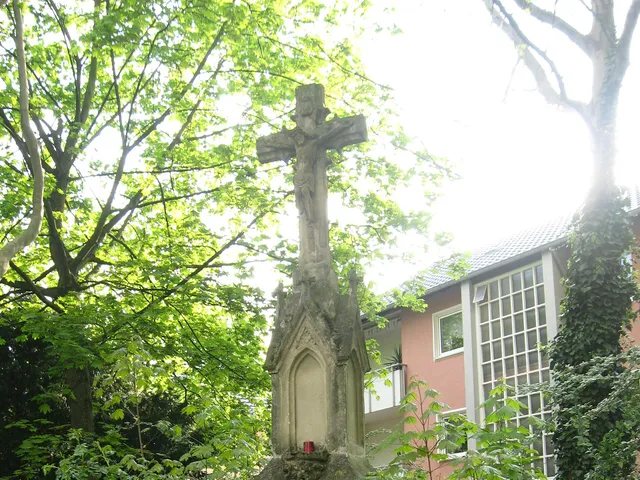
Kulturpfad Porz
A four-part cycling and walking trail through Cologne's Porz district, linking wayside crosses, churches, historic farmsteads and housing estates across four themed routes.
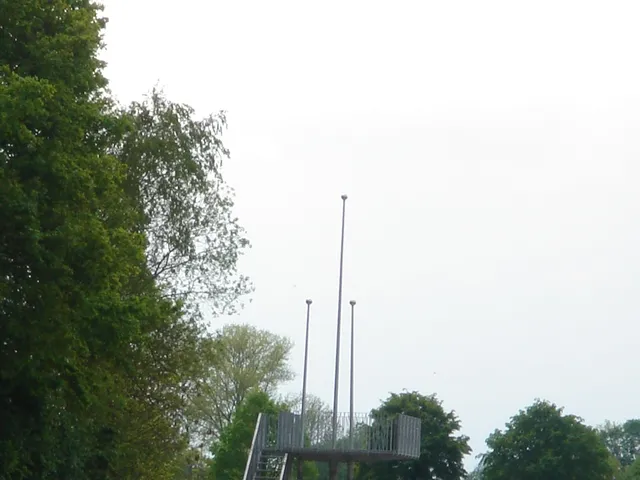
Landschaftspark Belvedere
Park in Cologne's west that completes the Outer Green Belt — home to four viewing platforms and Germany's oldest surviving railway station.
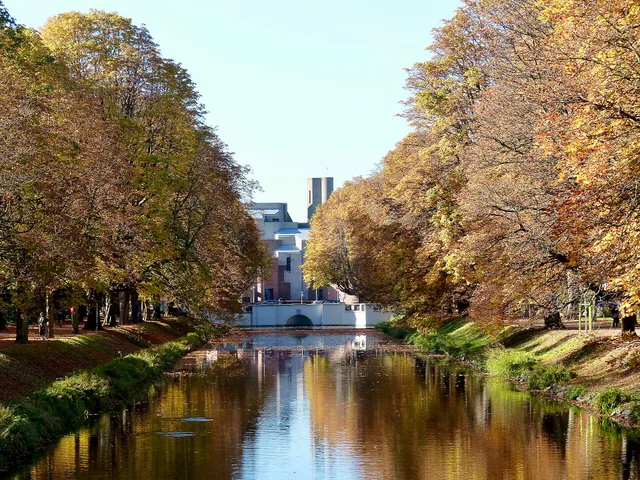
Lindenthaler Kanal
Radial water and green corridor in Lindenthal's green belt, best known for its chestnut avenue, maple-lined canal, and the shell limestone sculptures Centaur and Naiad.
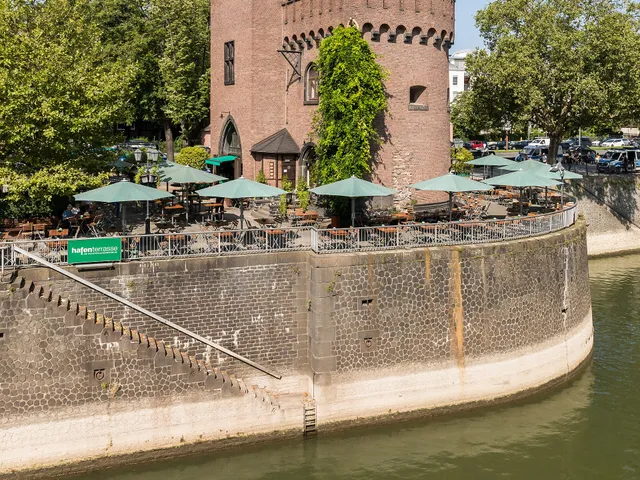
Malakoffturm
since 1855Brick gatehouse of Prussian Rhine fortifications at Rheinauhafen — now linked by a swing bridge to the Chocolate Museum across the water.
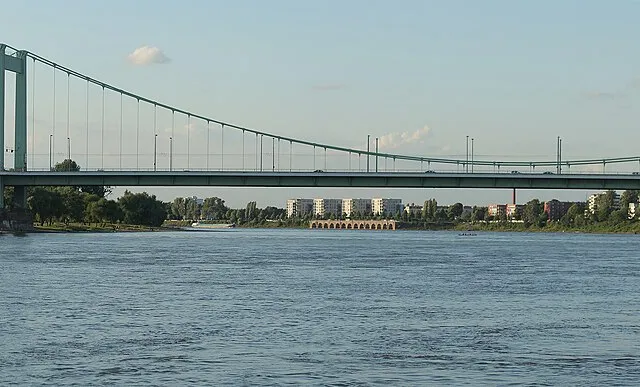
Mülheimer Brücke
since 1951Rhine suspension bridge between Mülheim and Riehl — the origin of Cologne's iconic bridge-green colour and Germany's first bridge with an orthotropic deck.
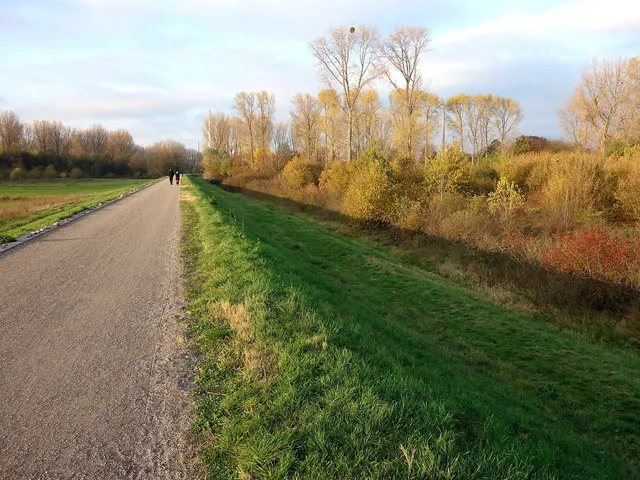
Flittarder Rheinaue
since 1991A four-kilometre stretch of protected Rhine floodplain on Cologne's northern edge, rich in birdlife and criss-crossed by paths for walkers and cyclists.
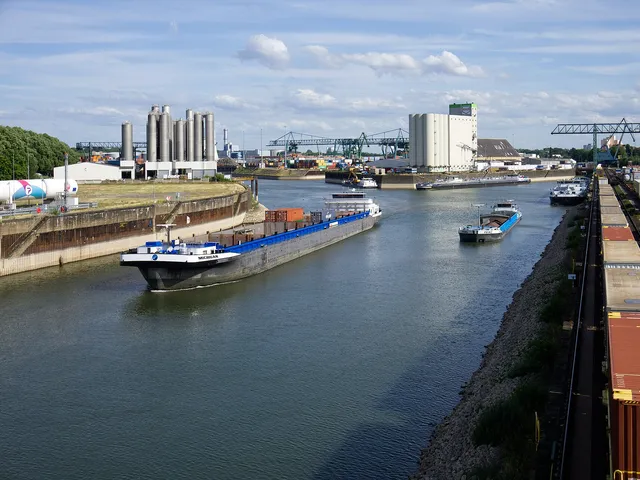
Niehler Hafen
Largest of Cologne's six cargo ports by area – in 1929, a catapult plane carrying overseas mail from the steamer “Bremen” landed here.
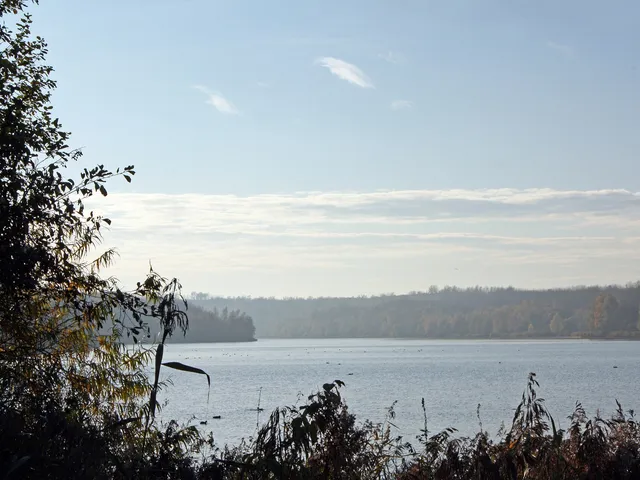
Otto-Maigler-See
Swimming lake formed in a former brown coal pit near Hürth, purpose-built with six side-by-side regatta lanes for international races and water sports.
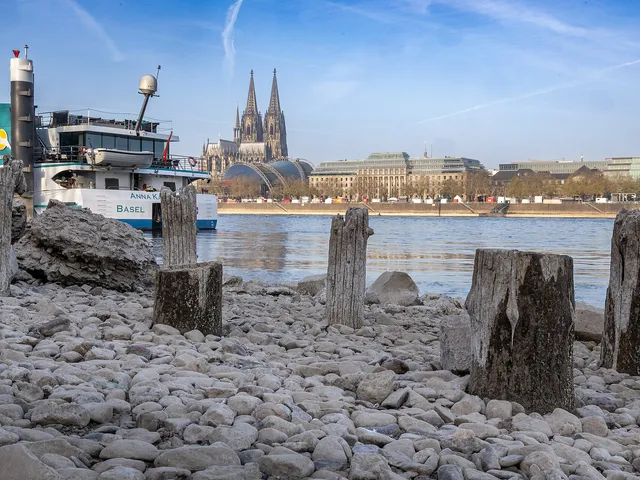
Patton-Brücke
since 1946A historic temporary bridge over the Rhine that connected Cologne with right-bank Deutz between 1946 and 1951 and no longer exists today.
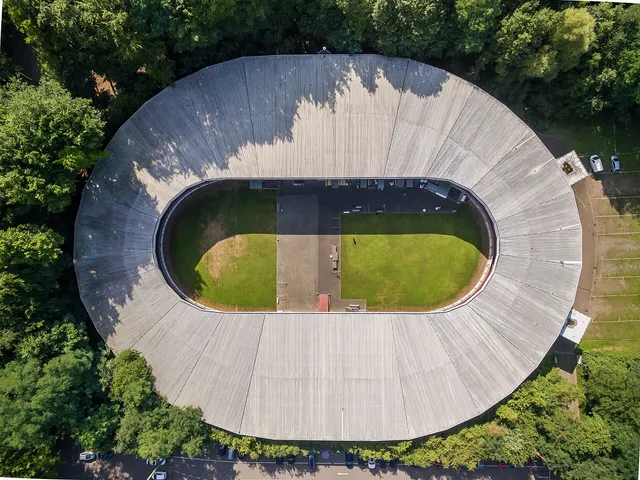
Radstadion Köln
Müngersdorf velodrome opened in 1996 with a track made from rare tropical Afzelia wood; partly demolished since 2022, replaced by the Albert Richter Velodrome from 2027.
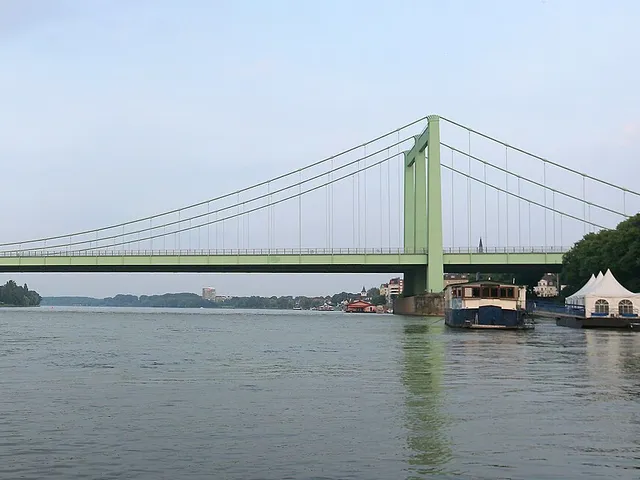
Cologne-Rodenkirchen Rhine Bridge
since 1941Germany's first true suspension bridge: 567 m across the Rhine, opened in 1941 as the 'Adolf Hitler Bridge,' destroyed in WWII and rebuilt in 1954.
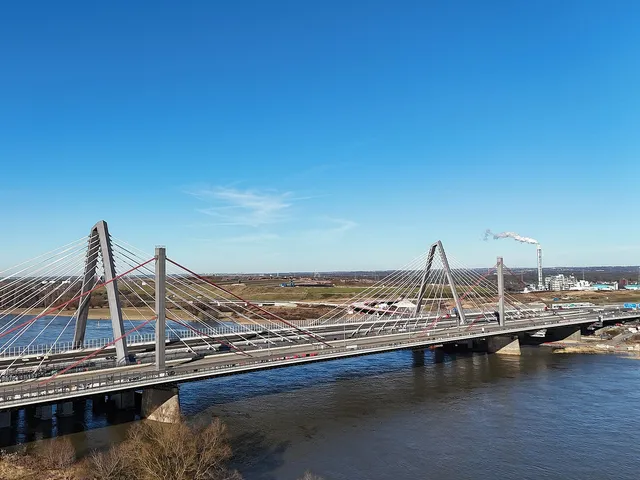
Leverkusen Rhine Bridge
since 1965Cable-stayed bridge carrying the A1 motorway across the Rhine at Leverkusen — replacing the demolished 1965 bridge that could no longer handle modern traffic.
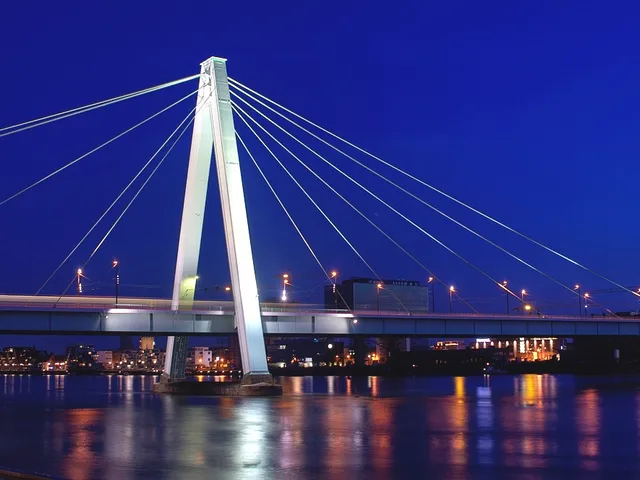
Severinsbrücke
since 1959Cable-stayed bridge with a single A-shaped pylon over the Rhine to Deutz — Cologne's first entirely new bridge built after World War II.
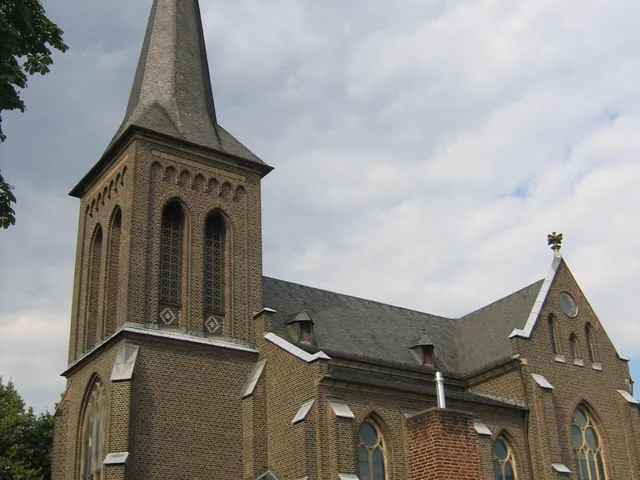
St. Clemens (Cologne-Langel)
Neo-Gothic brick hall church in Cologne-Langel, part of the cycling-route churches network since 2024, open to cyclists and hikers along the Rhine.
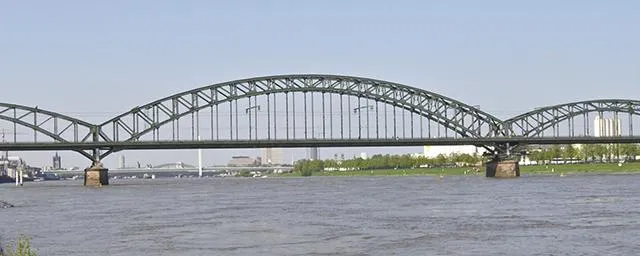
Südbrücke
since 1946Steel three-arch railway bridge from 1910 spanning the Rhine, primarily for freight traffic, with pedestrian and cycle paths; listed heritage structure.
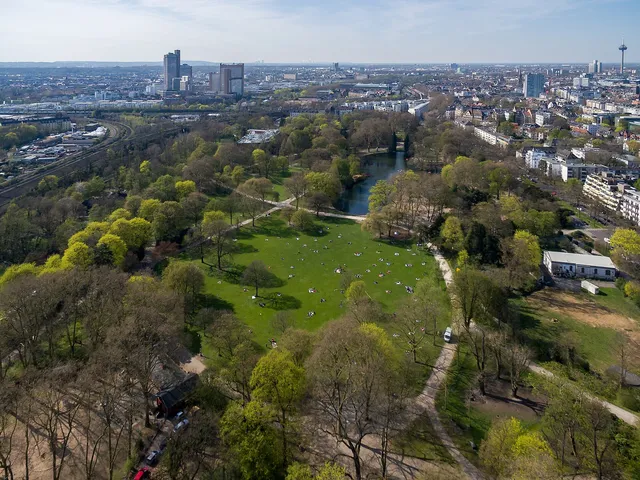
Volksgarten
13.9-hectare park in Cologne's Südstadt, built on a Prussian fort site, with a boating lake and preserved fortifications.