Old town
181 places in Cologne
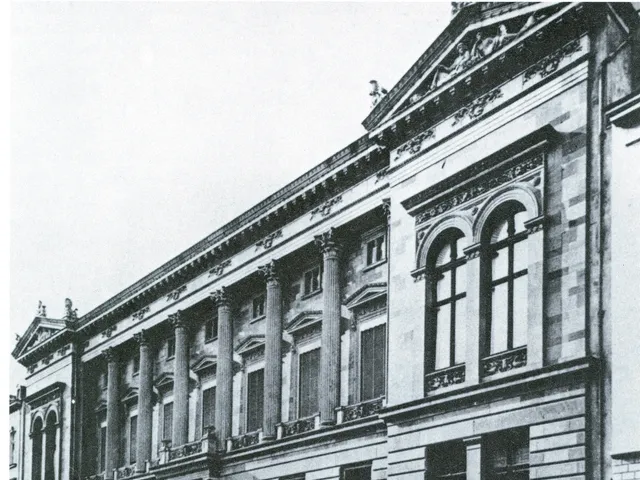
A. Schaaffhausen’sches Bank Palace
Cologne bank palace of 1859–1862 blending Neoclassical form with Italian Renaissance splendor—destroyed in the war.
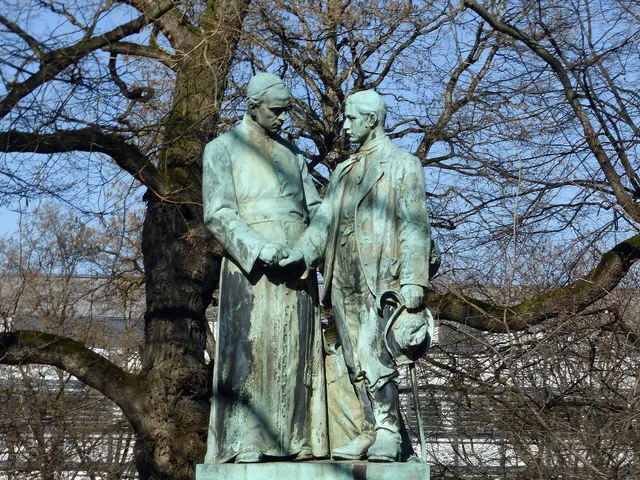
Adolph Kolping Monument
since 1903Bronze memorial to Adolph Kolping — the 'Father of Journeymen' and founder of the Catholic journeymen's associations — standing before Cologne's Minorite Church, where he is buried.
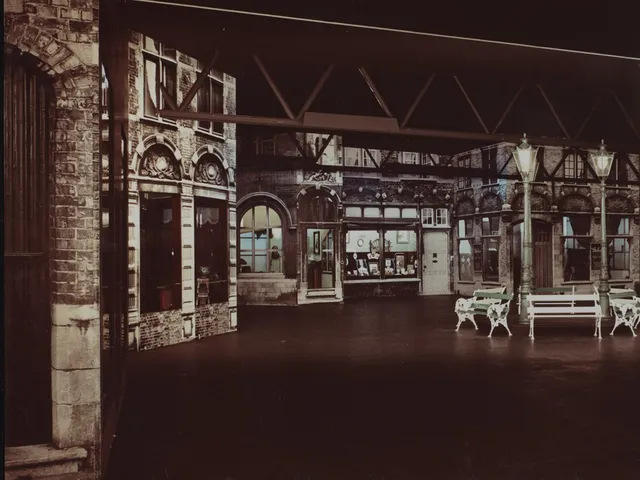
Agfa Foto-Historama
One of the world's most significant photo-historical collections — nearly 20,000 cameras and over 12,000 photographs, now housed at Museum Ludwig in Cologne.
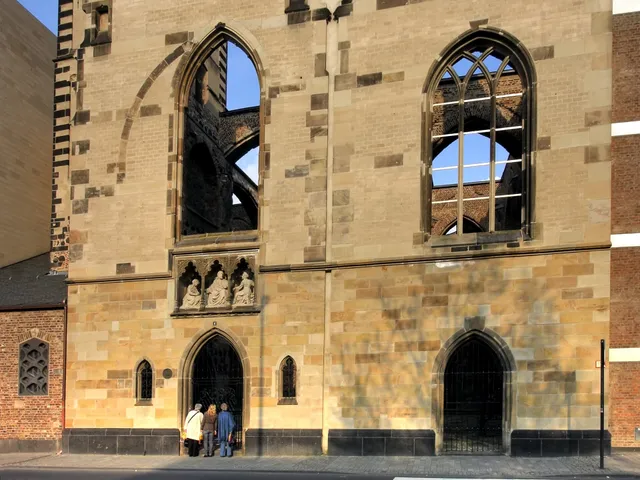
Alt St. Alban – Church Ruin and War Memorial at Quatermarkt
since 1200Preserved Romanesque church ruin at Quatermarkt; left unrestored after WWII bombing and consecrated as a memorial to the war dead in 1959.
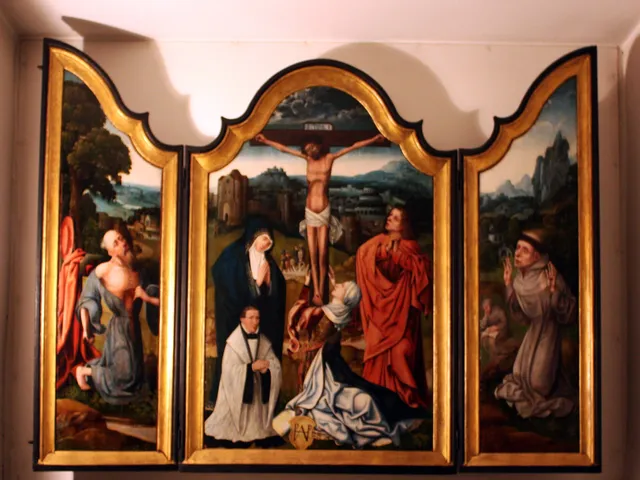
Alt St. Paul
Romanesque parish church in medieval Cologne, dissolved in 1803 and demolished in 1807 — remnants of its furnishings survive today in St. Andreas.
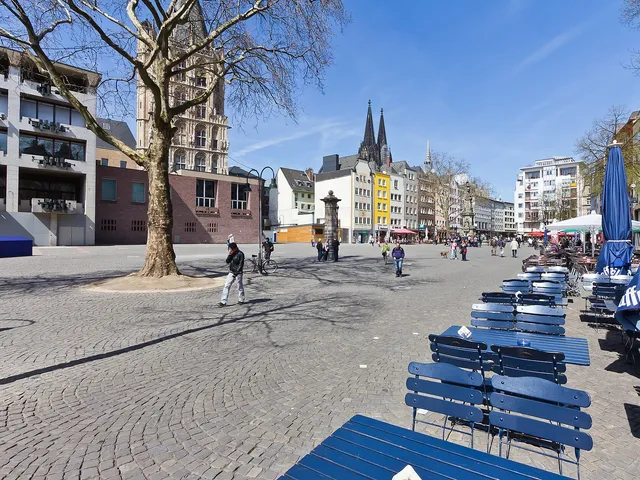
Alter Markt
Historic square in Cologne's Altstadt-Nord with a medieval-looking row of buildings — documented as Cologne's market since 922.
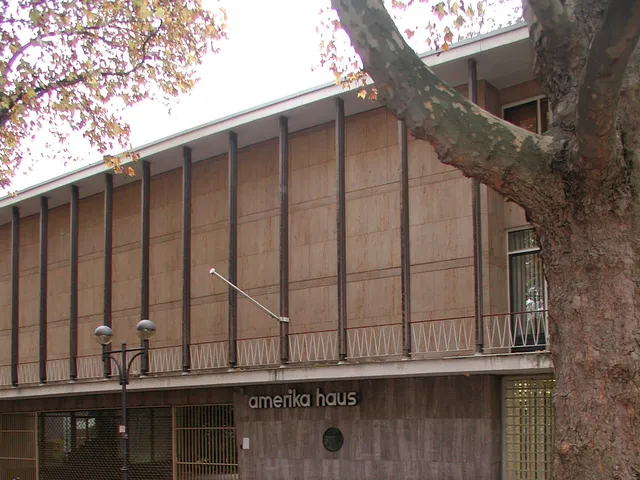
Amerika Haus
From 1955 to 2007 Cologne's hub for US cultural exchange — the last of the once 57 Amerika Houses still operating in Germany.
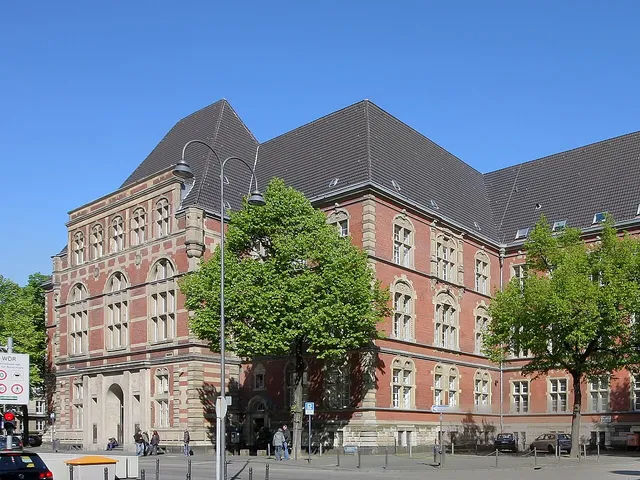
Appellhofplatz
Cologne square named after the Court of Appeal — built on the site of a Roman gate tower and shaped by centuries of landmark court cases.
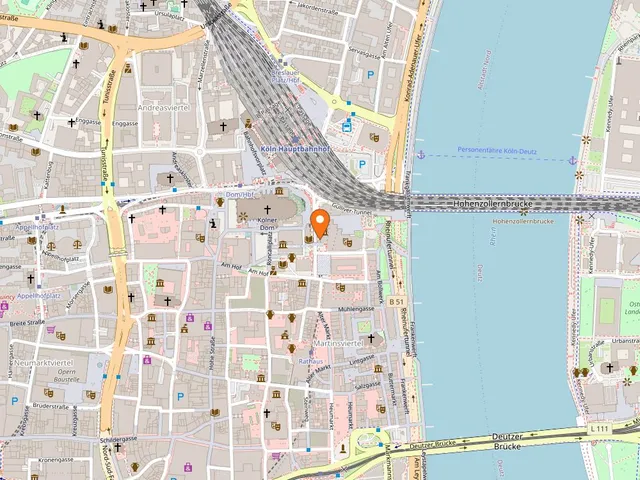
Ara Ubiorum
Where conquered Germanic chiefs swore loyalty to Rome: a lost Roman altar in Cologne, dedicated to the goddess Roma and the emperor, and site of a 'Germanic diet'.
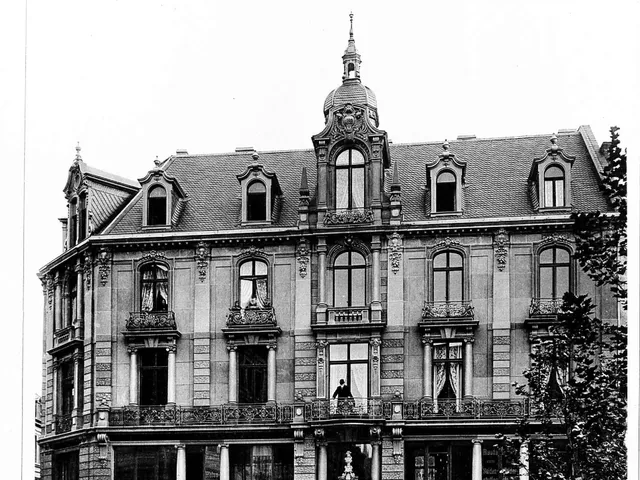
Augustinerplatz 12
On 20 April 1896, Germany's very first film screening took place here — twelve French short films in a rented hall.
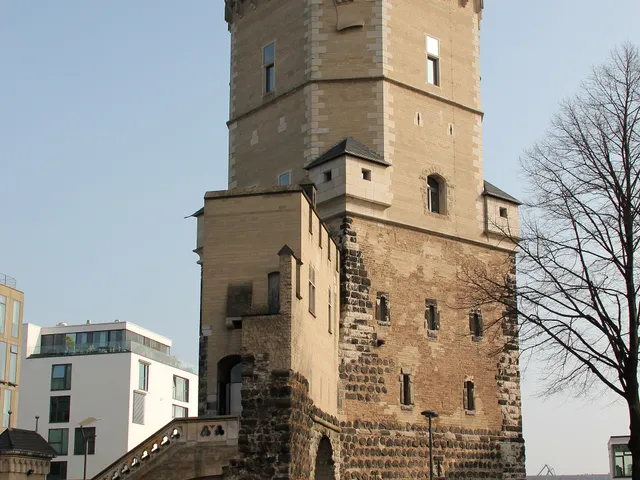
Bayenturm
since 1220One of Cologne's few surviving medieval fortification towers, built c. 1220 on the Rhine — today home to the FrauenMediaTurm foundation.
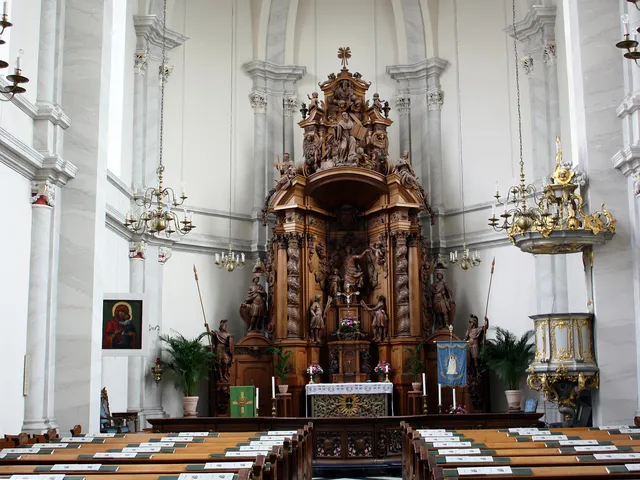
Benedictine Convent of the Holy Maccabees
Medieval convent near the Eigelstein named after Maccabean relics brought to Cologne — its buildings have long since vanished.
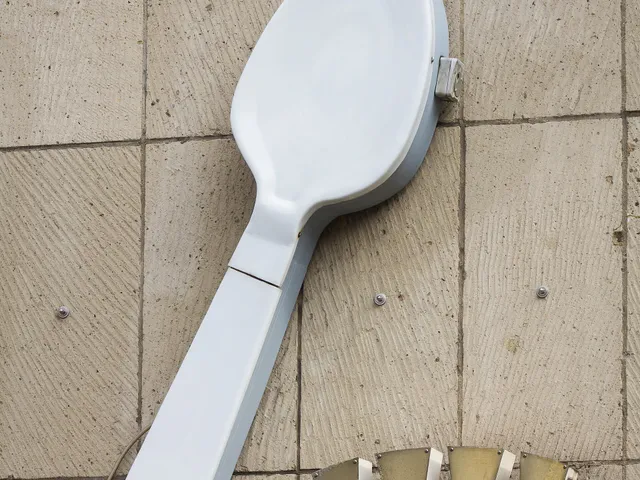
Glaub Cutlery Museum
A Cologne specialty museum (1951–1995) housing what was likely one of the world's most extensive cutlery collections — from Stone Age knives to the present day.
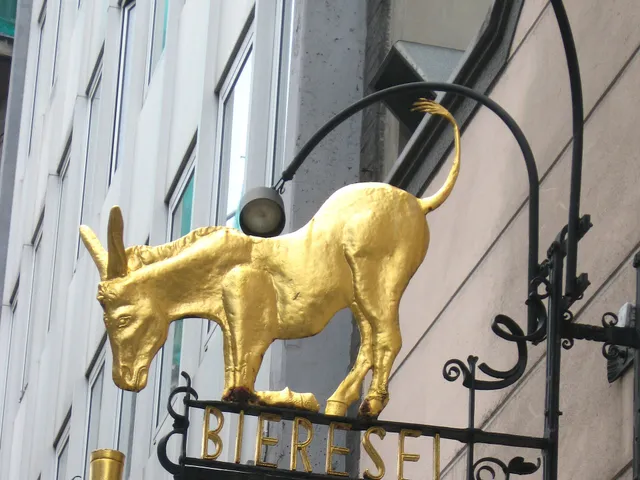
Bier-Esel – Cologne's Oldest Mussel House in the Old Town
A traditional tavern in Cologne's Old Town with over 700 years of inn history, calling itself the city's oldest mussel house.
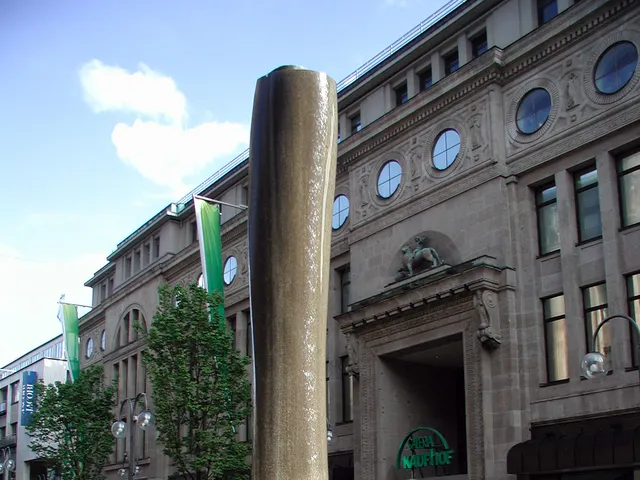
Bierbrunnen
since 1972A 1972 fountain on Schildergasse featuring a granite column wrapped in a thin veil of water — named after a brief beer tap that once operated at the site.
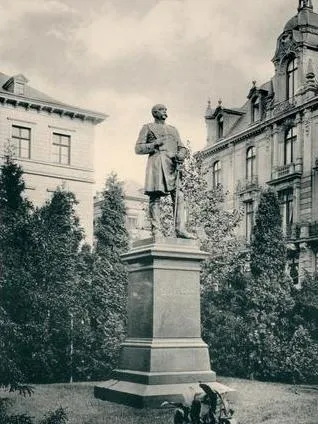
Bismarck Monument (Augustinerplatz)
The second Bismarck statue in the German Empire — unveiled in 1879 in Catholic Cologne as a deliberate provocation, lost to war.
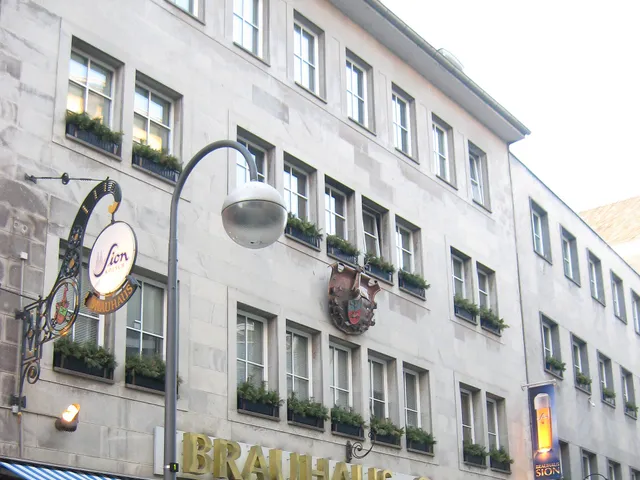
Brauhaus Sion
Historic Cologne brewery tavern with roots going back to 1318 — home of Sion Kölsch and a stop on the Brewery Trail.
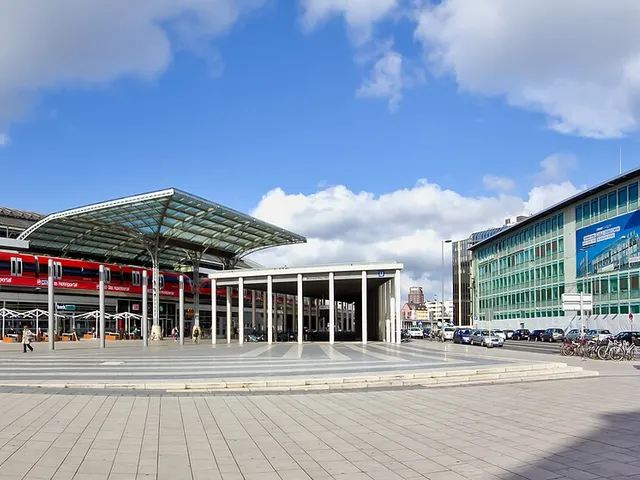
Breslauer Platz
The northern forecourt of Cologne Central Station — home to the city's main bus terminal and the Musical Dome, Cologne's largest theatre.
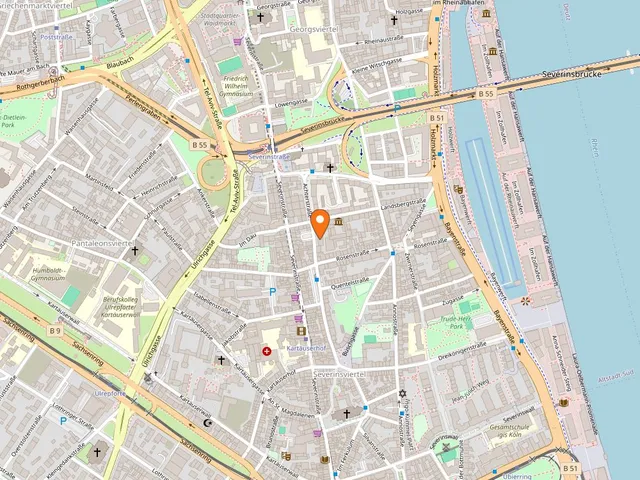
Cellitine Convent of the Holy Trinity
Former Cologne convent of the Cellite Sisters, who nursed the sick — tracing its roots to a beguinage founded in 1365.
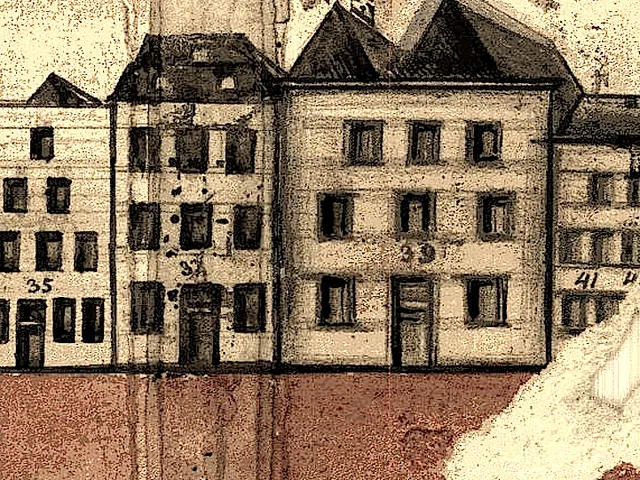
Klein-Nazareth Cellite Convent
Former Cologne convent whose Cellite sisters, unlike the rest of their order, did not permanently work in nursing care.
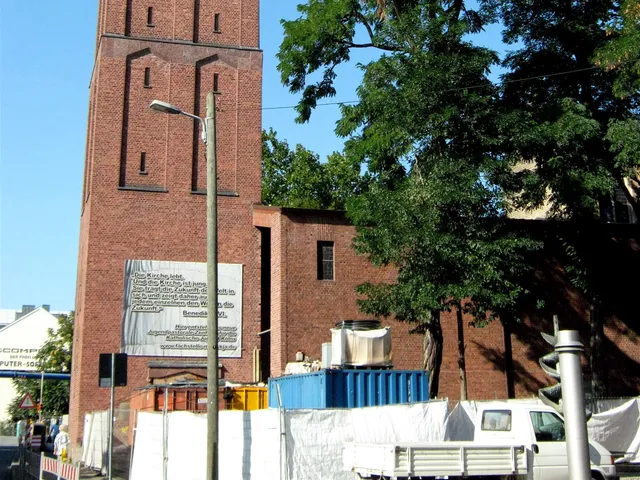
Crux (Youth Pastoral Centre)
Home of the 'church with the leaning tower' — Catholic youth pastoral centre in Cologne's Südstadt, combining a church, café, and community spaces under one roof.
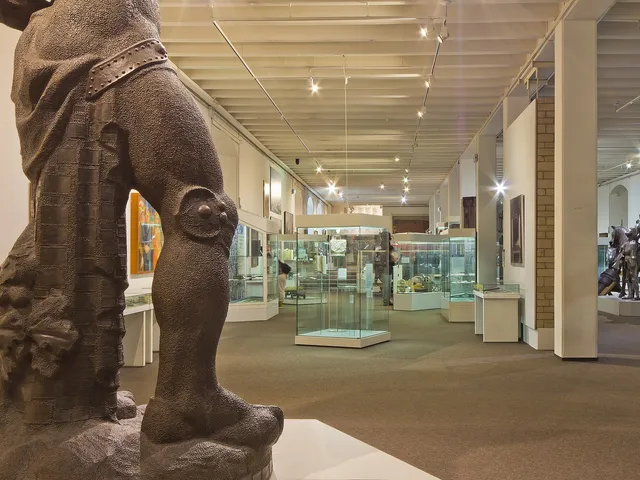
The Kölsche Boor en Iser (The Cologne Farmer in Iron)
Cologne's WWI war memorial – after, or alongside, Berlin's Iron Hindenburg the most widely covered such monument in the national press.
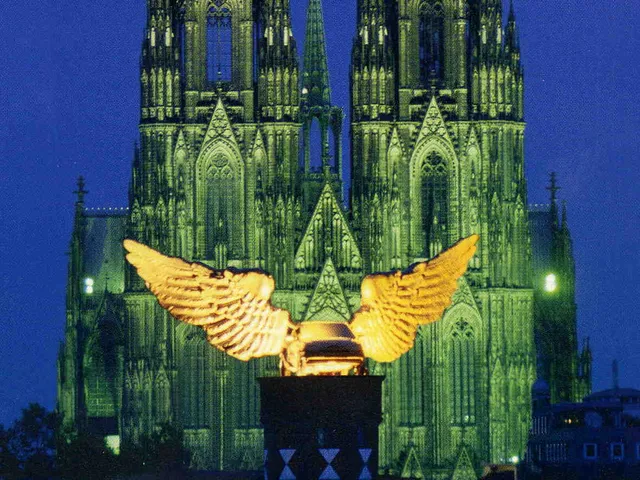
The Golden Bird
since 1989HA Schult's gilded winged car crowned the Zeughaus tower from 1991 on – since August 2026 it has been under restoration and will return to Cologne's cityscape at a new address.
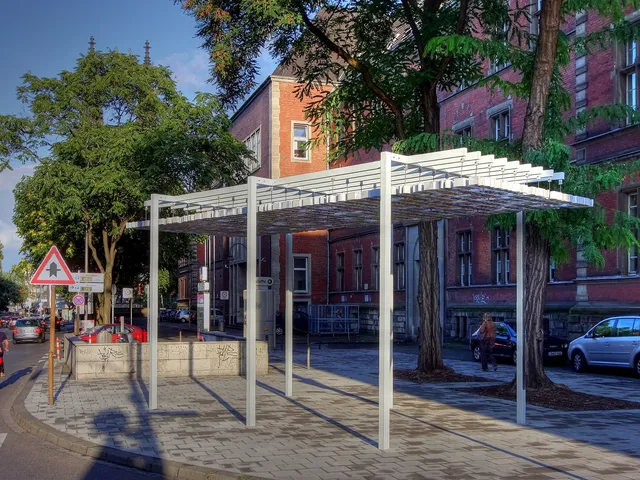
Deserters' Memorial
since 2009A memorial to victims of Nazi military justice at Appellhofplatz — a pergola whose chained tribute inscription seems written in colored letters across the sky.
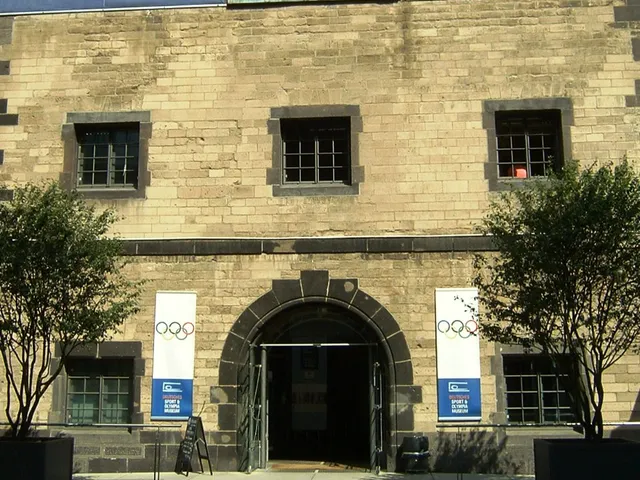
German Sport & Olympic Museum
since 1999Museum in Cologne's Rheinauhafen dedicated to the history of sport from antiquity to the present — with rooms on the Olympics, football, boxing, and more.
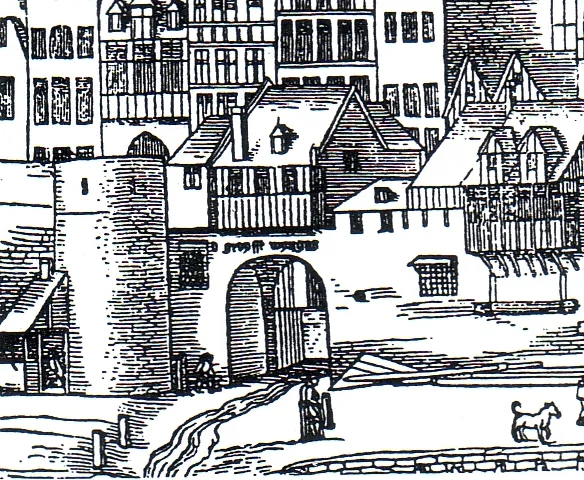
Deutschordenskirche St. Katharina
Long-demolished church of a Teutonic Order commandery in Altstadt-Süd; only the street An Sankt Katharinen preserves its name today.
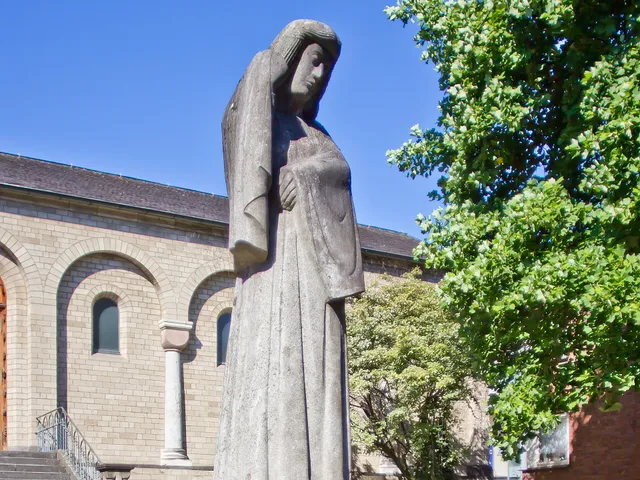
Die Trauernde
since 1949A 1949 sculpture by Gerhard Marcks standing in the churchyard of St. Maria im Kapitol, commemorating the victims of World War II.
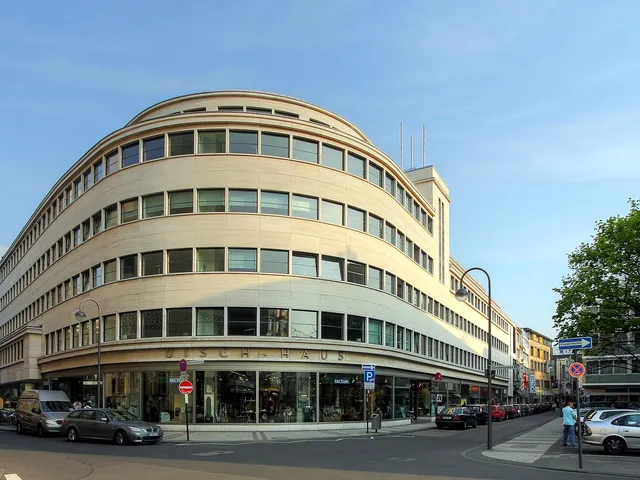
Disch-Haus
Cologne office and commercial building regarded as a major landmark of New Objectivity architecture, built on the site of a former luxury hotel.
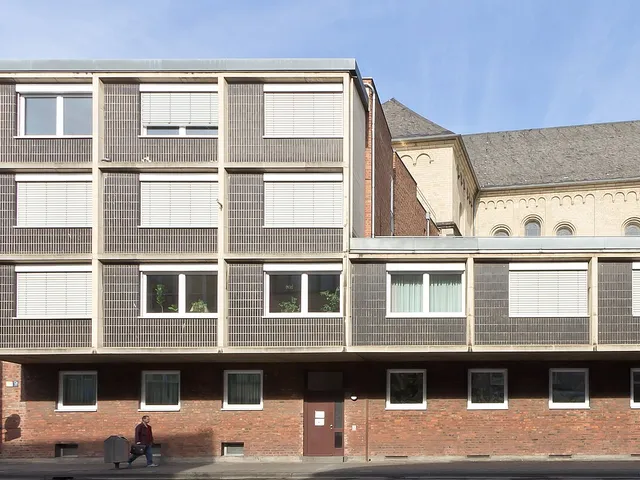
Dominican Monastery Cologne
Where Albertus Magnus taught and was buried: one of Germany's earliest Dominican monasteries, now lost to history.
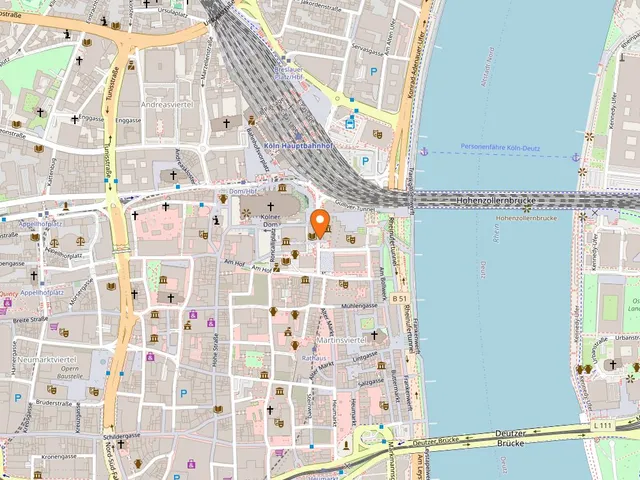
Draped Reclining Figure
Bronze sculpture by Henry Moore at Museum Ludwig – a reclining, drapery-clad woman, cast in 1952/53.
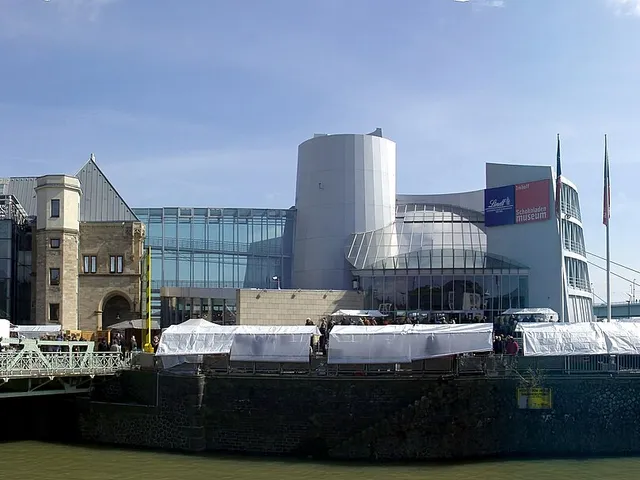
Swing Bridge in the Rheinauhafen
since 1896Cologne's oldest crossing over Rhine water: a listed swing bridge from 1896 that pivots aside using hydraulics powered from the Malakoff Tower.
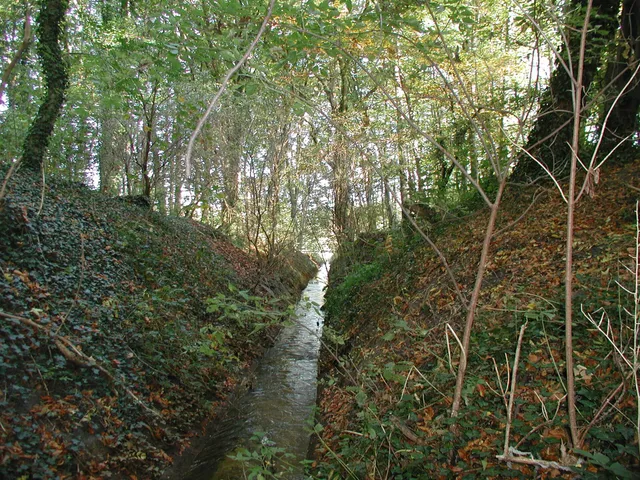
Duffesbach
The only stream in the Cologne Bay to reach the Rhine — artificially channelled since Roman times to serve Cologne's medieval trades.
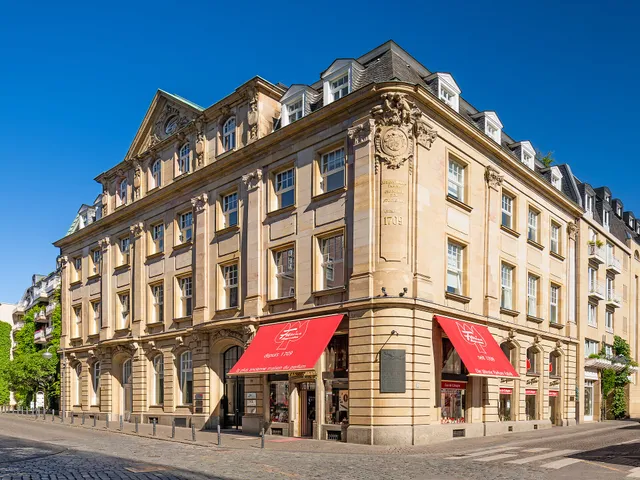
Fragrance Museum in the Farina House
since 1709Birthplace of Eau de Cologne: the Farina House of 1709, the oldest perfume factory in the world still in operation.
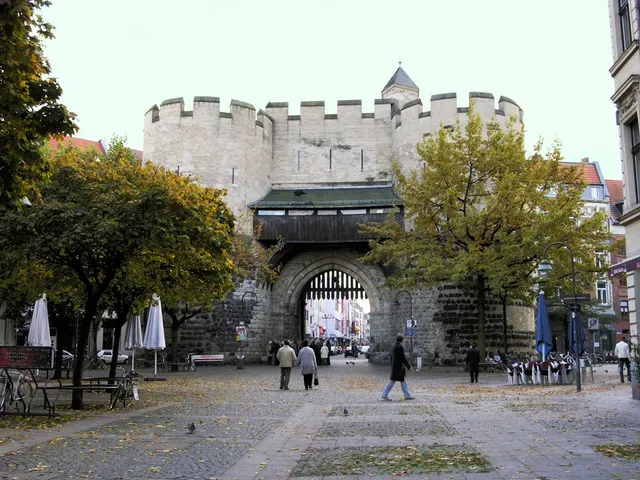
Eigelsteintorburg
since 1228One of four surviving gates of Cologne's medieval city wall — both Maria de' Medici and Napoleon once entered the city through this very gate.
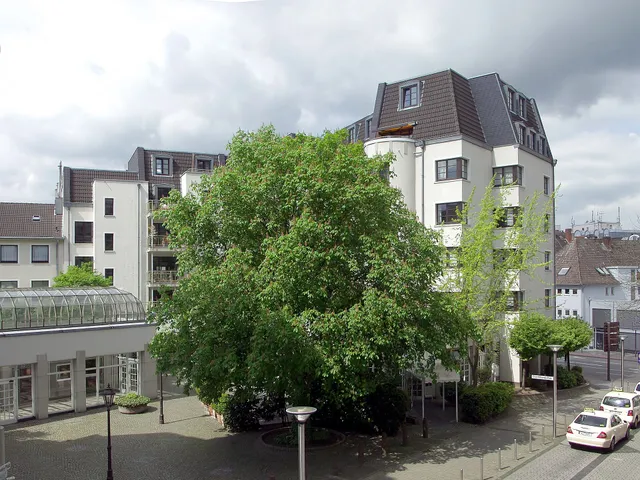
Erich-Klibansky-Platz
A Cologne memorial square whose Lion Fountain bears the names of 1,100 murdered Jewish children — built on the former site of the Adass Jeschurun congregation.
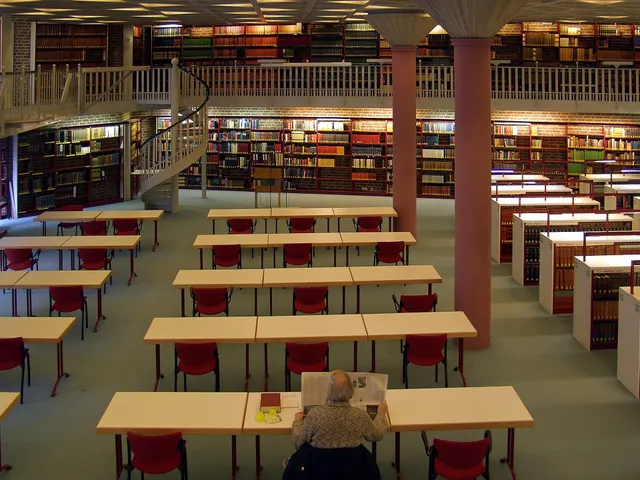
Erzbischöfliche Diözesan- und Dombibliothek Köln
Among surviving cathedral libraries, considered the most significant — the Archdiocese of Cologne's central library, with roots in the 6th/7th century.
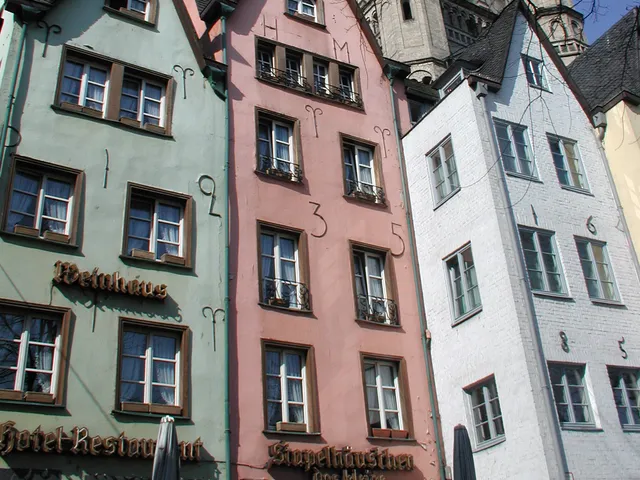
Fischmarkt
Historic square on the Rhine riverfront in Cologne's Altstadt — for centuries the heart of the city's fish trade, first recorded as "forum piscium" in the 12th century.
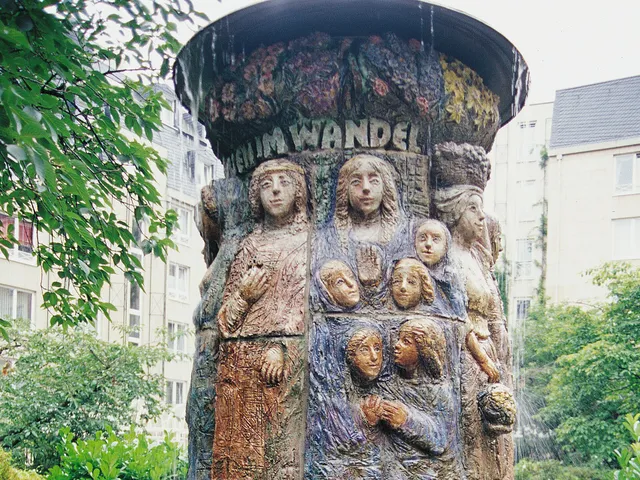
Frauenbrunnen
since 1987A 1987 terracotta fountain in the courtyard of the „An Farina“ complex, showing ten Cologne women from two millennia of city history as representatives of their era.
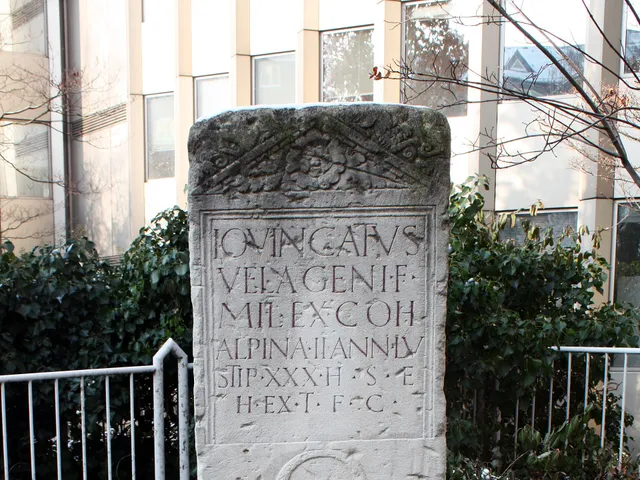
Friesentor
since 1244Cologne's only hexagonal city gate, built around 1244 at what is now Friesenplatz — a uniquely shaped landmark of the medieval fortifications.
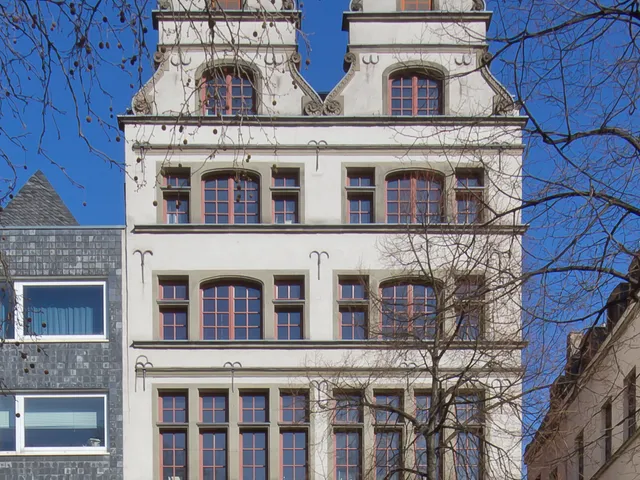
Gaffel Haus
The oldest house on Alter Markt – a Gaffel brewhouse since 1987, today the sports-bar brewhouse "Zum Prinzen".
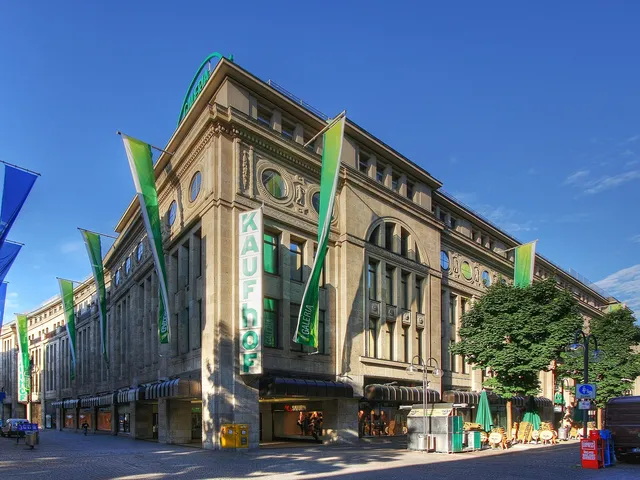
Galeria Cologne Hohe Strasse
1912–1914 department store where Germany's first-ever department store escalator went into operation in 1925.
 © Architecten- und Ingenieur-Verein für Niederrhein und Westfalen Köln · Public domain
Gereonstor
since 1215Medieval twin-tower gate of Cologne's city wall — bricked up for over 400 years, once the city's strictest prison, demolished in 1881.
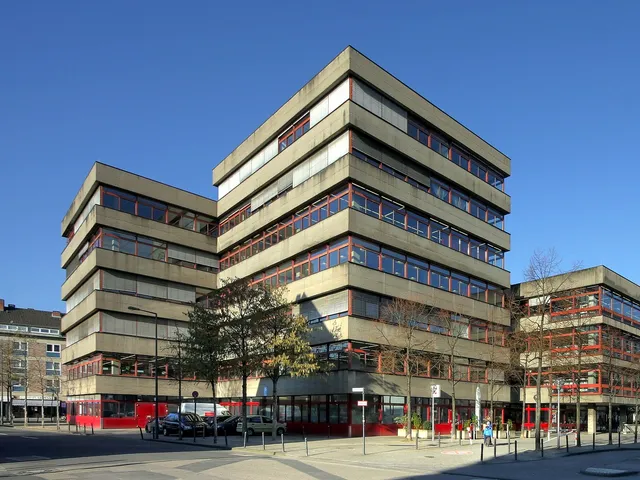
Germania Judaica
since 1959Europe's most extensive specialist library on the history of German-speaking Jewry — founded in Cologne in 1959 with Heinrich Böll among its founders.
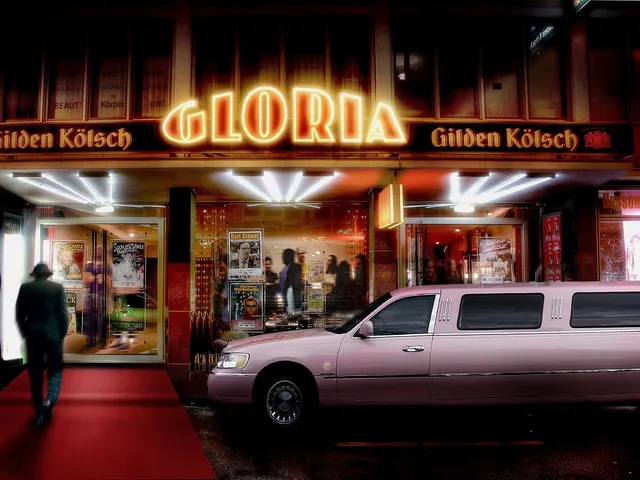
Gloria
Former cinema in Cologne's city centre, now a versatile venue for concerts, comedy, readings, parties, and carnival events.
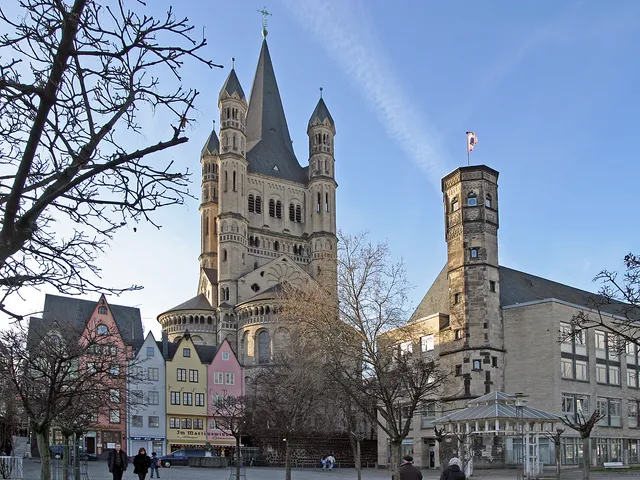
Groß St. Martin
since 1150Romanesque basilica in Cologne's Old Town with a cloverleaf-shaped east choir and striking crossing tower — built over Roman foundations.
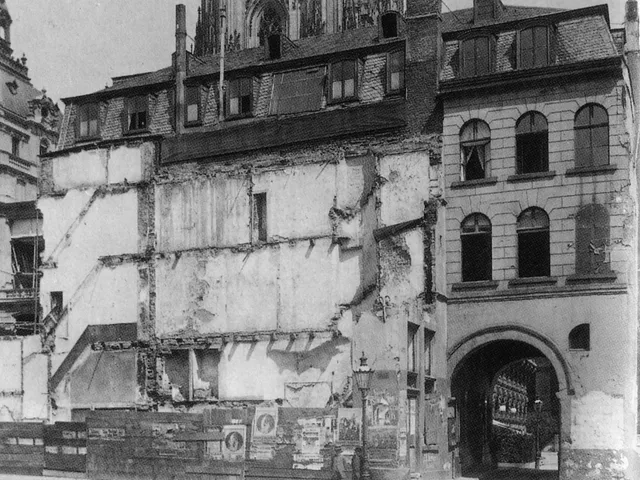
Hacht (Prison)
Archbishop's court and prison on today's Cathedral Square — criminals were locked up here and women tried as witches.
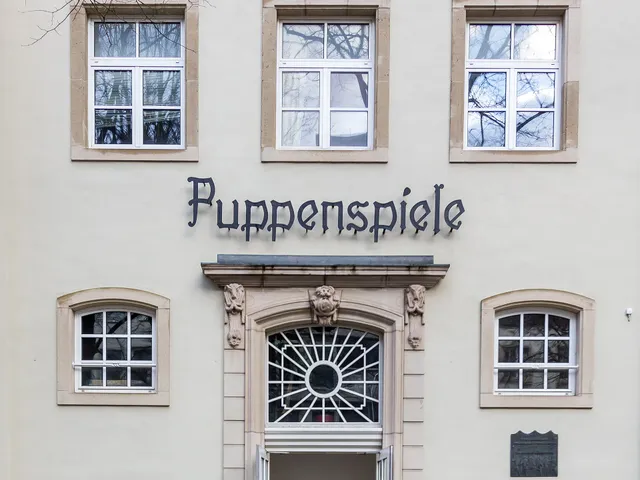
Hänneschen-Theater
Cologne's beloved rod puppet theatre at Eisenmarkt, performing in the local Kölsch dialect since 1802 — home to iconic figures Tünnes and Schäl.
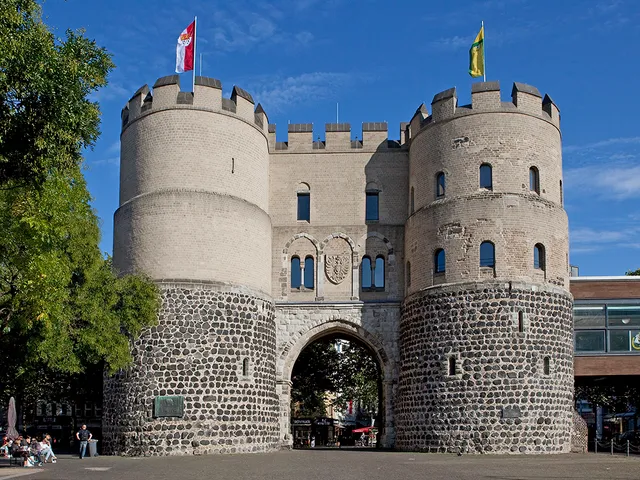
Hahnentorburg
since 1220Medieval twin-tower gate at Rudolfplatz — Cologne's western gateway, through which crowned kings entered the city after their coronation in Aachen.
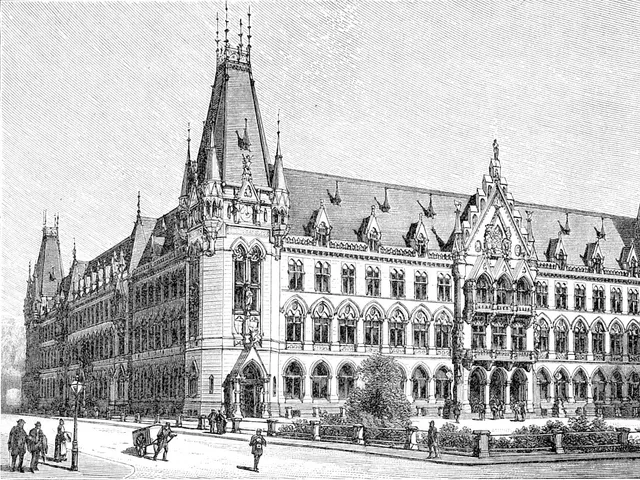
Main Post Office
A grand historicist post office built 1888–1893 on the ruins of Cologne's former Dominican monastery — demolished in the 1990s.
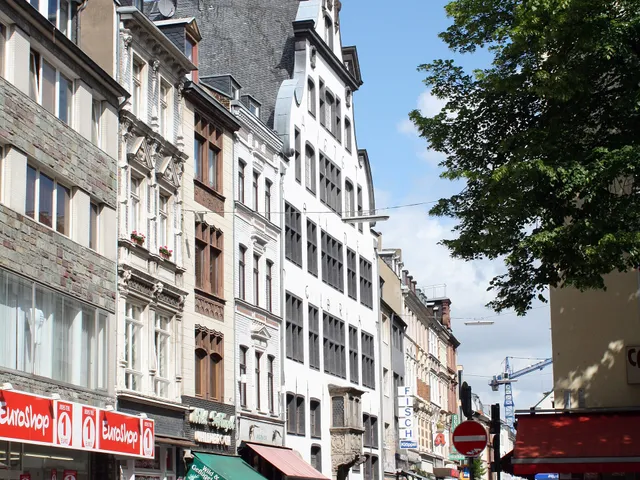
Haus Balchem
The only surviving Baroque house in the Severinsviertel, its statement bay window on Corinthian columns still turns heads on Severinstraße today.

Haus Hindenburg
Neoclassical corner building at Schildergasse and Neumarkt in Cologne, a listed historic monument since 1993.

Haus Neuerburg
Brick building on Gülichplatz disguised as two townhouses, with a stair tower in the courtyard echoing Cologne's old patrician houses.

Haus Saaleck
Medieval Cologne townhouse with late-Gothic corner turrets – today home to the city's Artothek, a lending library for art.
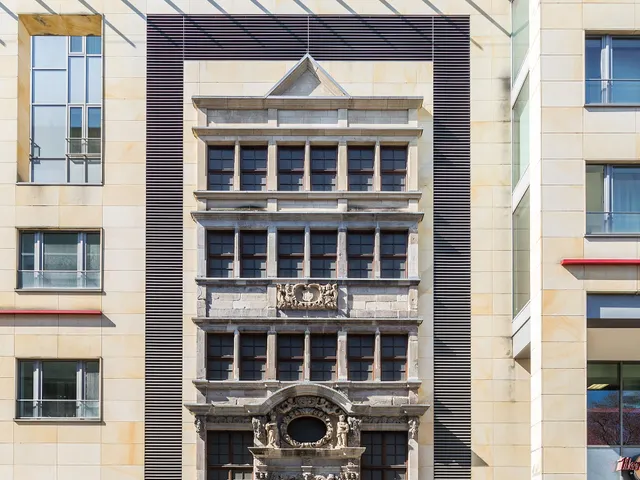
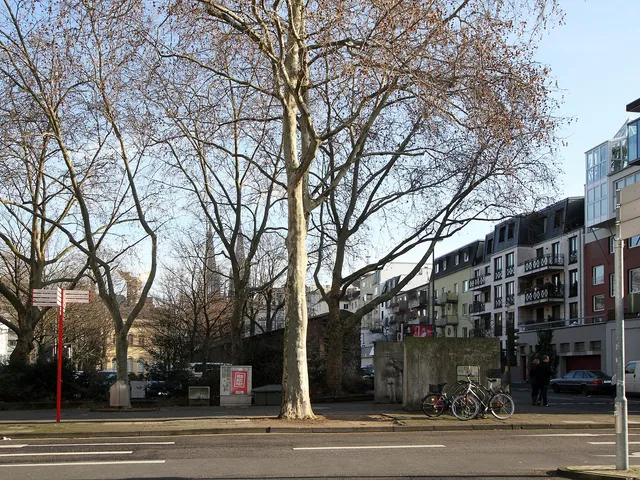
Heiligkreuzkapelle
Small 14th-century Cologne chapel whose south wall rested on the Roman city wall — demolished in 1818.
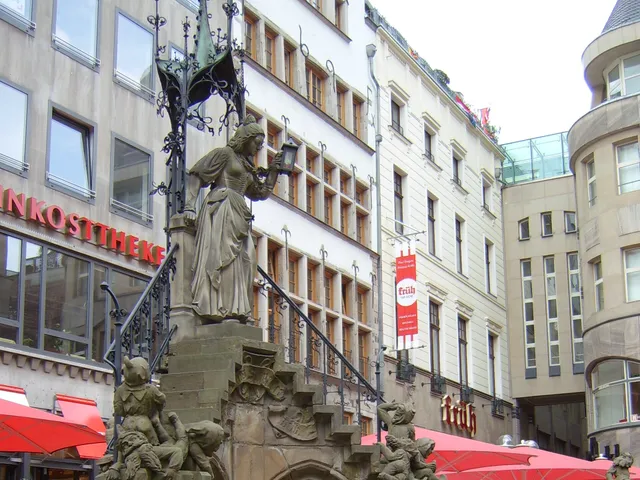
Heinzelmännchen – Cologne's Household Spirits and Their Fountain
since 1900Cologne's legendary household sprites who worked through the night while citizens slept — caught once, gone forever. Their fountain stands near the Cathedral.
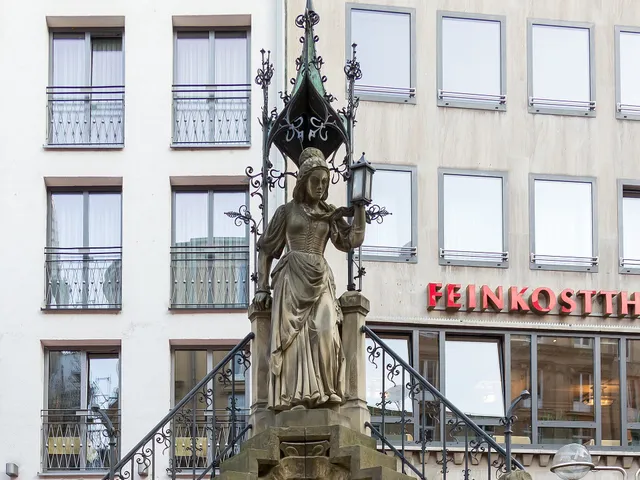
Heinzelmännchen Fountain
since 1900Just a few steps from Cologne Cathedral, the Heinzelmännchen Fountain recalls the city's famous legend of industrious house spirits who did the townsfolk's work while they slept. The richly decorated fountain stands on the street Am Hof, opposite the traditional Früh brewery.
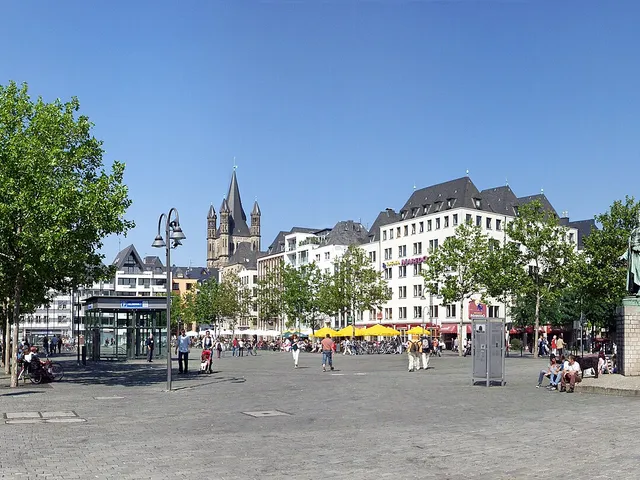
Heumarkt
Cologne's second-largest square and one of its oldest — built on a former Rhine island, hence its historic name 'Inselmarkt' (Island Market).
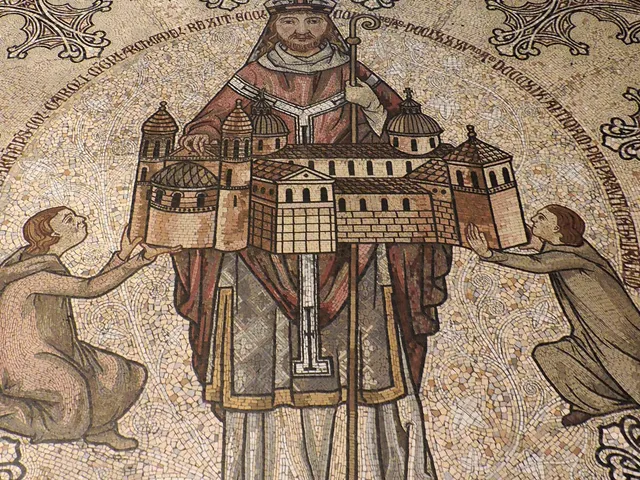
Hildebold Cathedral
Carolingian predecessor of Cologne Cathedral, which housed the relics of the Three Kings until its demolition in 1248.
Hohe Pforte
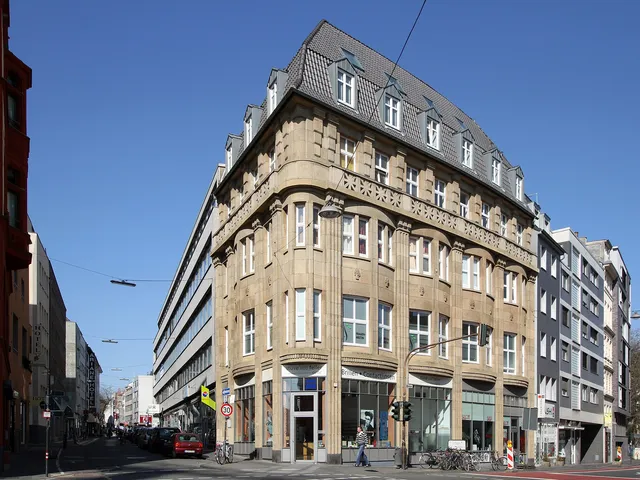
Southern gate of Cologne's Roman city wall on the 'cardo maximus' — the origin of today's Hohe Straße.
Hohenstaufenbad
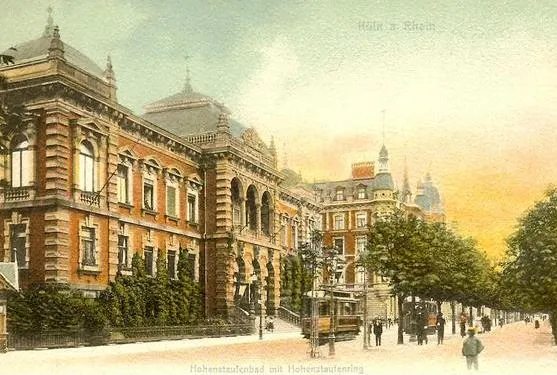
Cologne's largest public swimming bath: a grand building on Hohenstaufenring — not lost to the war, but deliberately demolished in 1958.
Hohenzollernbrücke
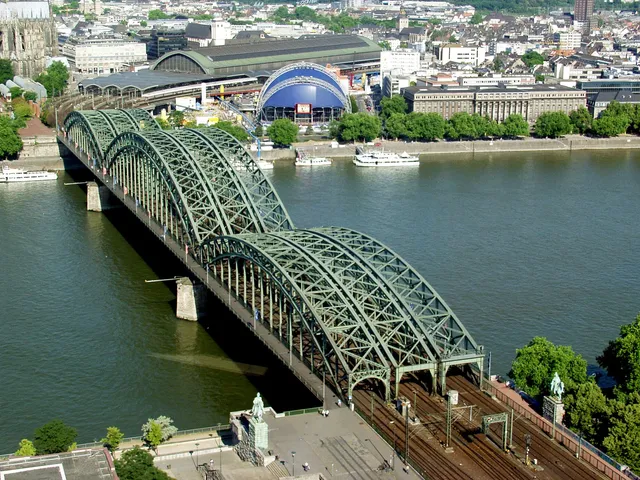
since 1911Germany's busiest railway bridge spanning the Rhine — a defining feature of Cologne's skyline alongside the Cathedral, and famous for thousands of love locks.
Hotel du Nord
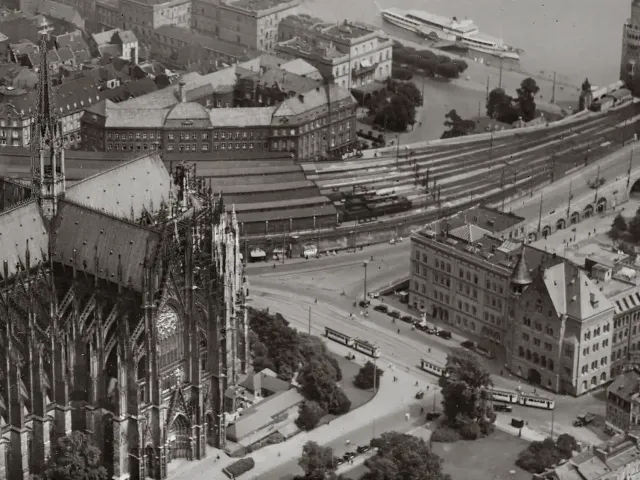
Vanished 19th/20th-century Cologne grand hotel — Museum Ludwig and Heinrich-Böll-Platz now occupy its former site.
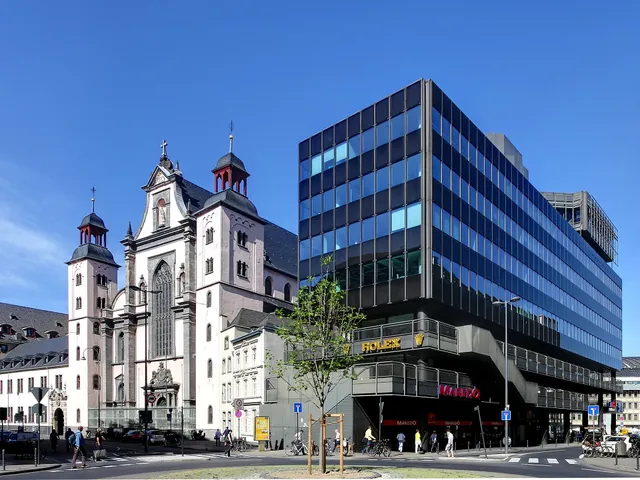
Hotel Kölner Hof
Grand late-19th-century Cologne hotel opposite the main station, demolished in 1973 to make way for the ABC-Haus office building.
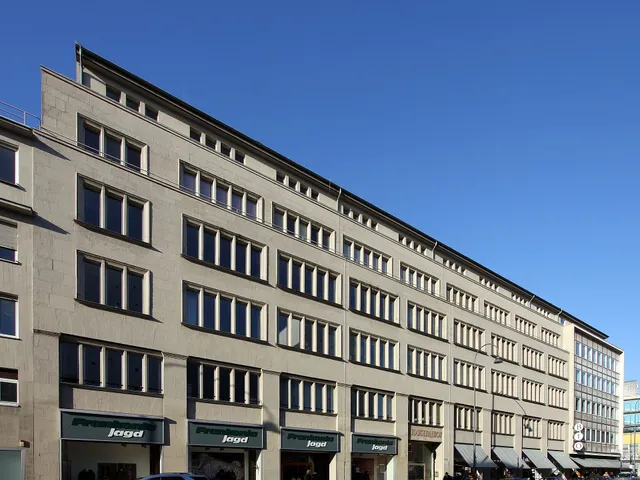
Industriehof
Landmarked 1923 office and commercial building in Cologne, built by architect Jacob Koerfer on his own initiative.
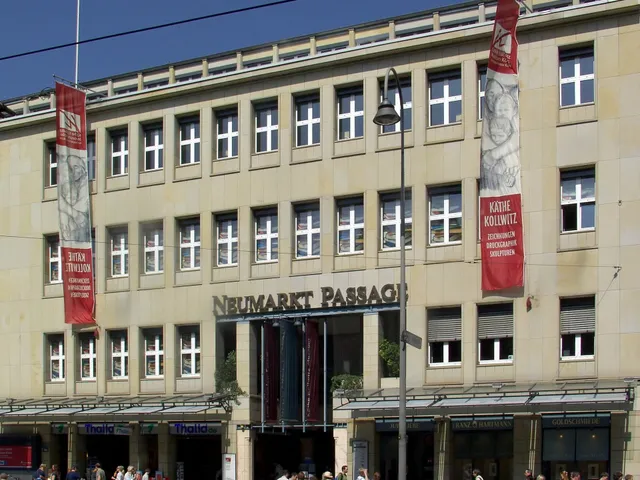
Käthe Kollwitz Museum
since 1985Home to the world's largest Käthe Kollwitz collection, this Cologne museum brings together her drawings, prints, and all 15 known bronze sculptures.
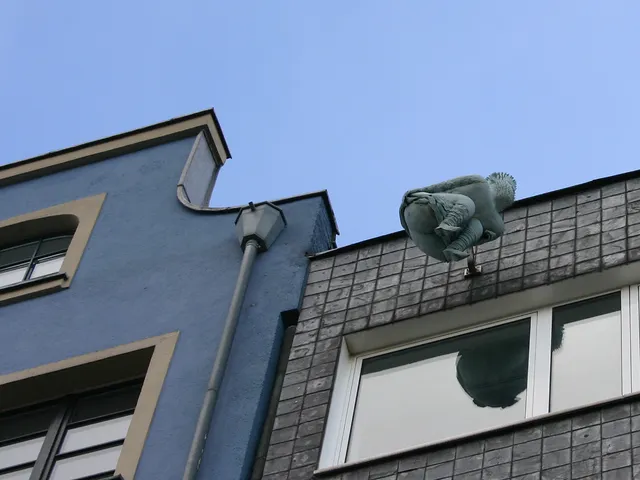
Kallendresser
Copper figure at Alter Markt that bares its backside to onlookers — a Cologne satirical motif with roots in the Middle Ages.
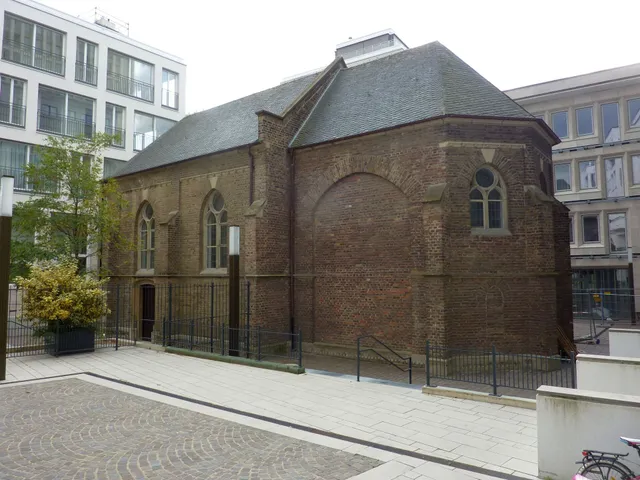
Karmel St. Joseph Cologne
Former Carmelite convent whose neo-Gothic chapel survives only as a truncated core embedded within a modern office complex.
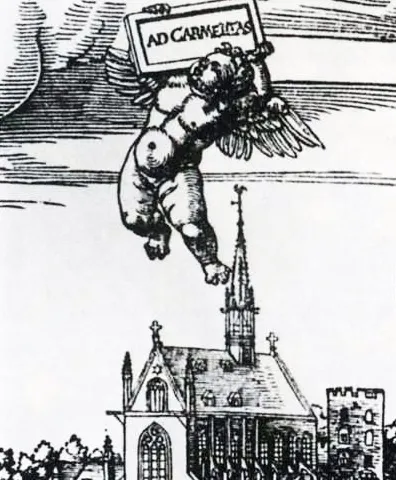
Karmelite Monastery Cologne
Former Carmelite monastery south of Cologne's Waidmarkt, founded in 1256 and secularized in 1802 – the female Carmelite branch still exists in Cologne today.
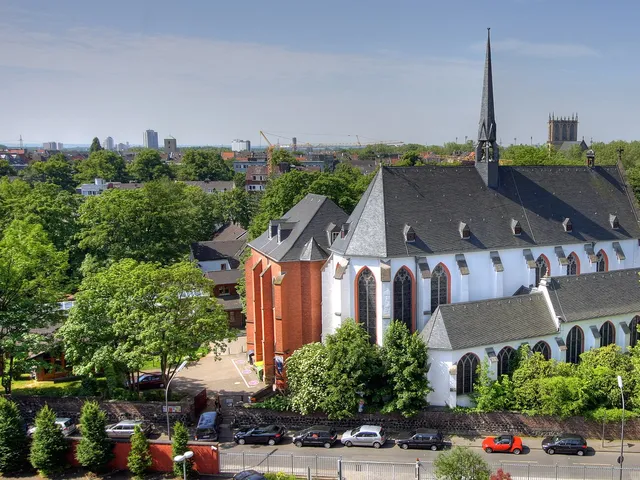
Kartäuserkirche
since 1350Gothic church of the 1334 Cologne Charterhouse — now an Evangelical parish church with stained-glass windows by Charles Crodel.
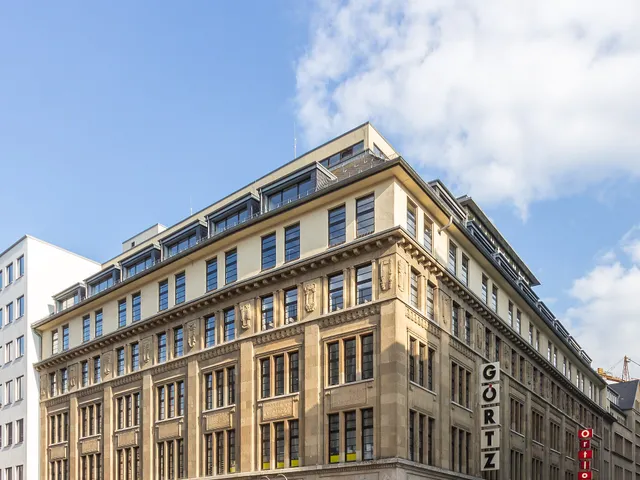
Kaufhaus Isay
Listed early-20th-century office and commercial building in Cologne, built 1911–1913 by Helbig & Klöckner for textile wholesaler Gebrüder Isay.
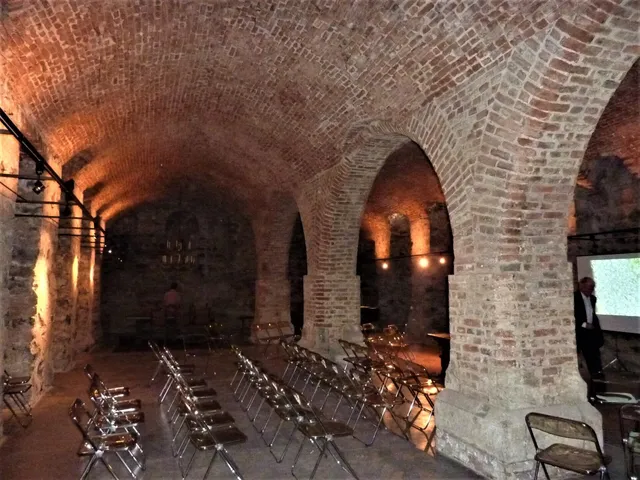
The Poor Clares' Convent of St. Clare in Cologne
A convent of Poor Clares by today's Roman Tower, documented from 1306 until its dissolution in the 1802 secularization.
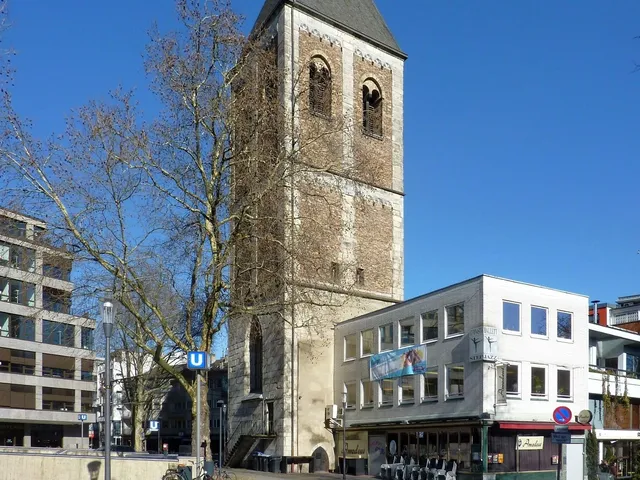
Klein St. Martin
since 1460A lone tower surviving from a demolished Cologne parish church — once crowned with a tall Gothic spire visible across the Rhine skyline, today capped by a flat pyramid.
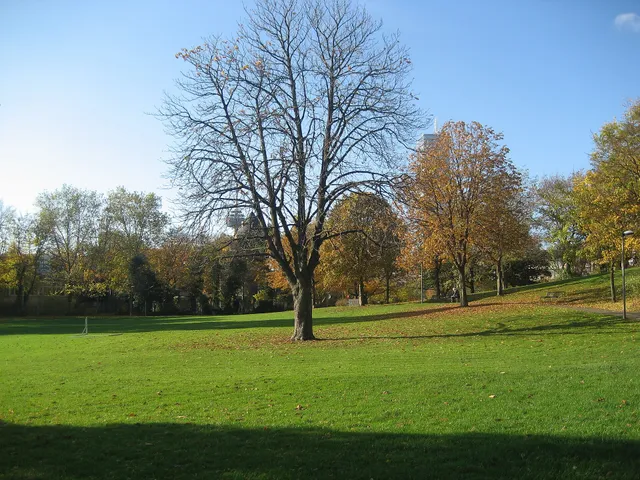
Klingelpützpark
Park on the site of the demolished Klingelpütz prison — with a memorial stone honouring more than 1,000 victims of Nazi-era justice.
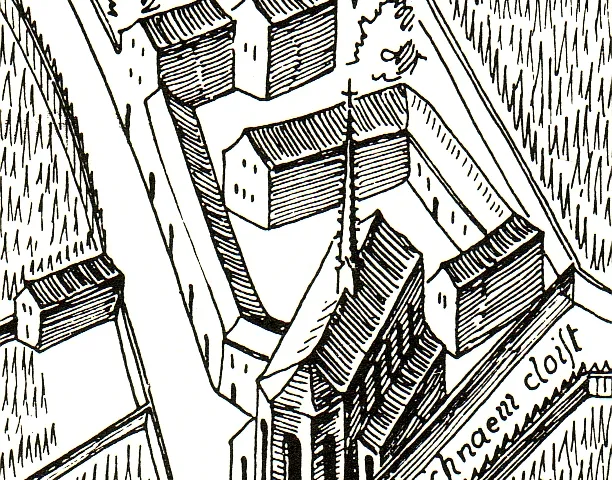
Kloster Herrenleichnam
An Augustinian canon monastery on Klingelpütz in Cologne's Altstadt-Nord, founded around a chapel commemorating a Eucharistic miracle.
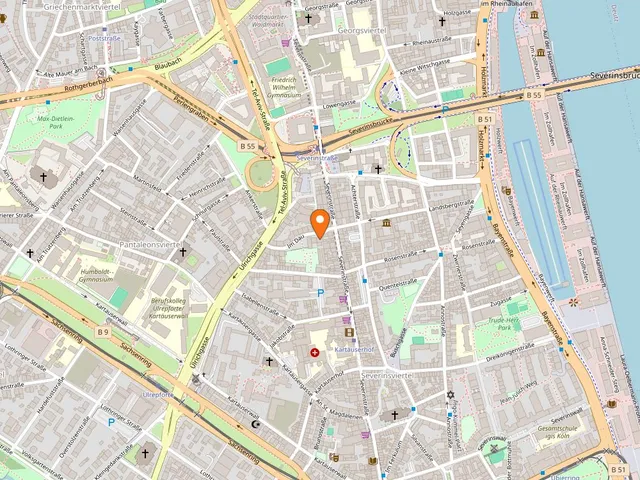
Discalced Carmelite Monastery im Dau, Cologne
Founded in 1614 as the first Discalced Carmelite house in what is now Germany — today only the street „Im Dau" recalls it.
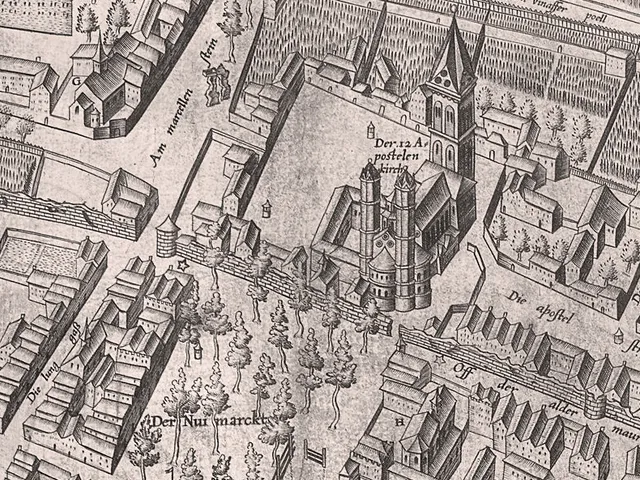
St. Gertrude's Convent (Old Cologne)
Former Dominican nuns' convent at the northwest corner of Neumarkt, founded before 1257 and dissolved in 1802.
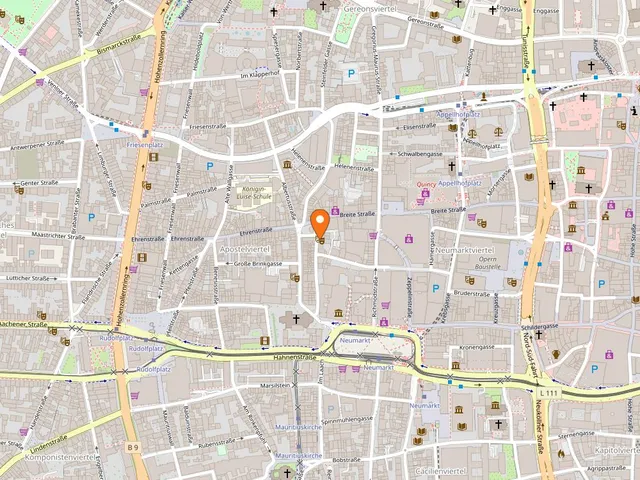
Klüngelpütz Kabarett-Theater
Cologne's only cellar cabaret theater from the 1960s still performing in its original space — a home for political-literary satire.
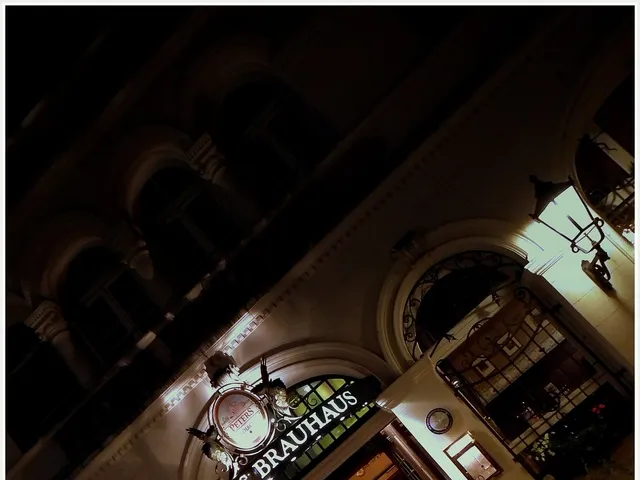
Cologne Brewhouse Trail
A signposted circular walk through the old town linking ten historic brewhouses — past the cathedral, the town hall and the Rhine. Walk, take in the sights and enjoy a freshly poured Kölsch along the way.
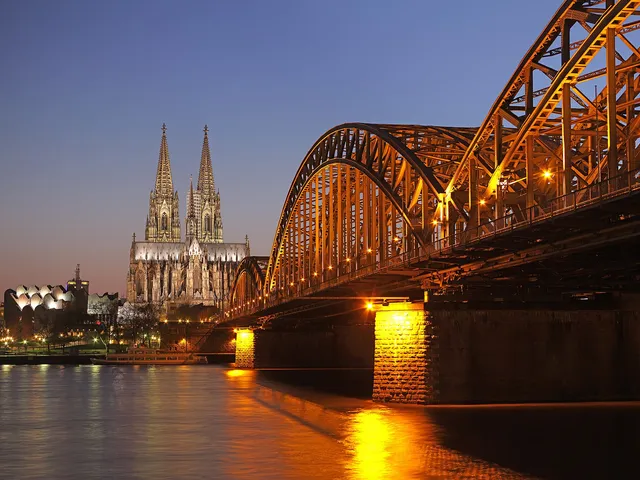
Cologne Cathedral
since 1248Gothic cathedral and shrine of the Three Kings — at around 157 metres one of the tallest churches in the world and a UNESCO World Heritage Site.
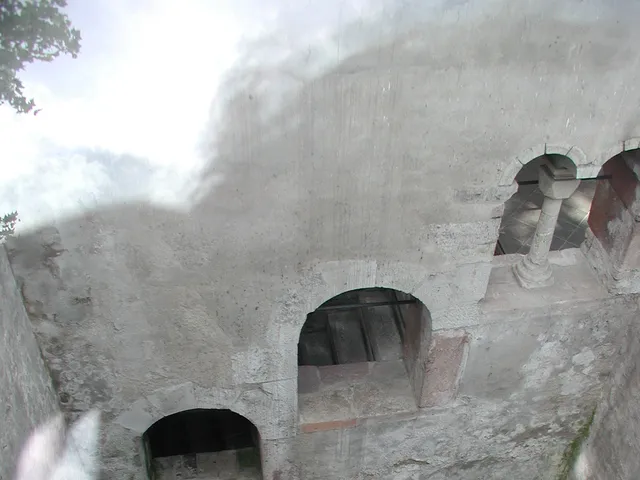
Cologne Mikveh
Medieval Jewish ritual bath beneath the Rathausplatz: the staircase descends inside the nearly 16-metre-deep shaft all the way to the water level.
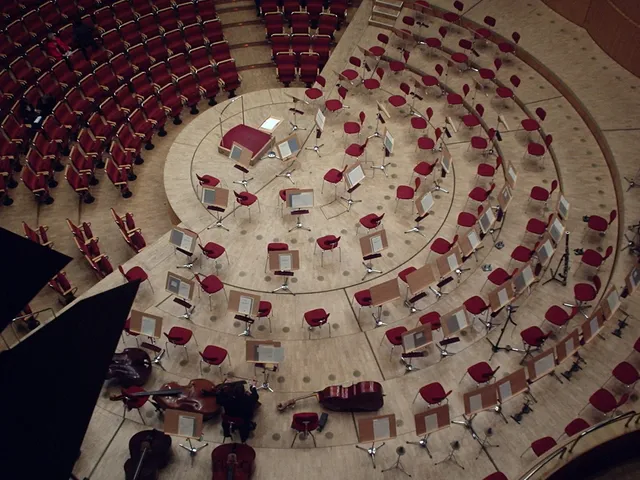
Kölner Philharmonie
since 1986Amphitheatre-style concert hall beneath Heinrich-Böll-Platz — a column-free auditorium for 2,000 with a celebrated Klais organ.
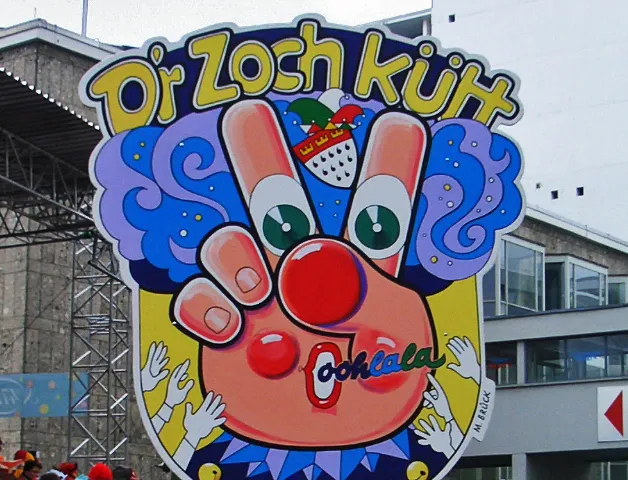
Cologne Rose Monday Parade
since 1823 approx. 1 M visitorsGermany's largest and oldest Rose Monday parade — the "Zoch" has wound its way through Cologne for eight kilometres since 1823.
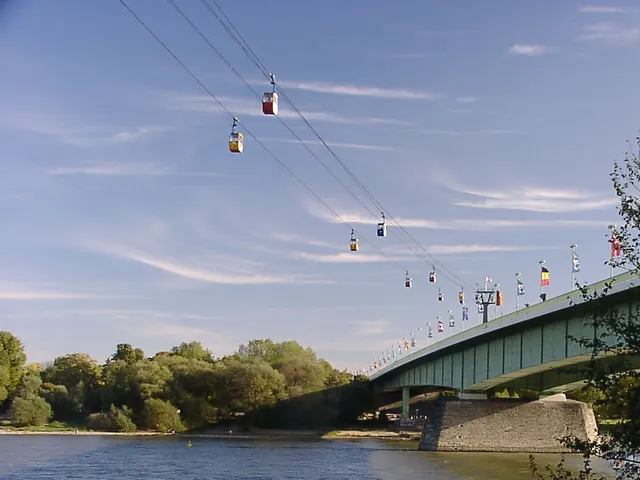
Kölner Seilbahn
since 1957Gliding over the Rhine: since 1957, this six-minute cable car ride has offered sweeping views of Cologne, the Old Town, and the Cathedral.
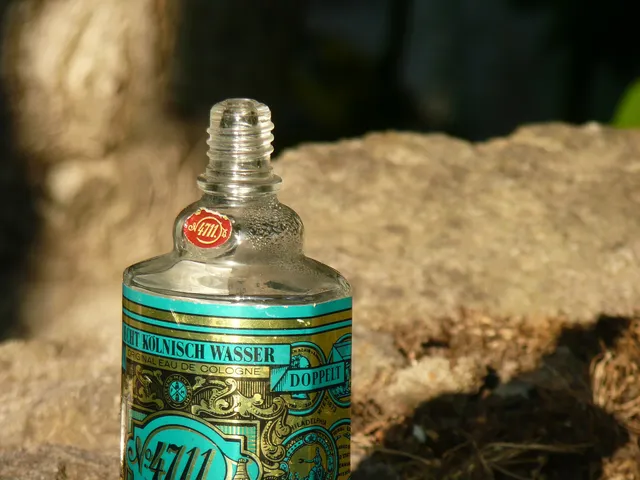
Kölnisch Wasser
Cologne's iconic fragrance water, created by Farina in 1709 as Eau de Cologne — home to the legendary brands 'Farina gegenüber' and 4711.
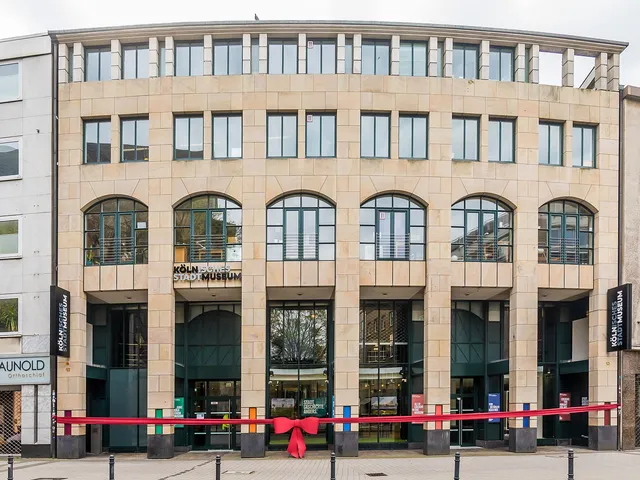
Cologne City Museum
since 1888Cologne's urban history museum, open for over 130 years — since 2024 it organises its collection around emotions rather than chronology; currently in temporary premises.
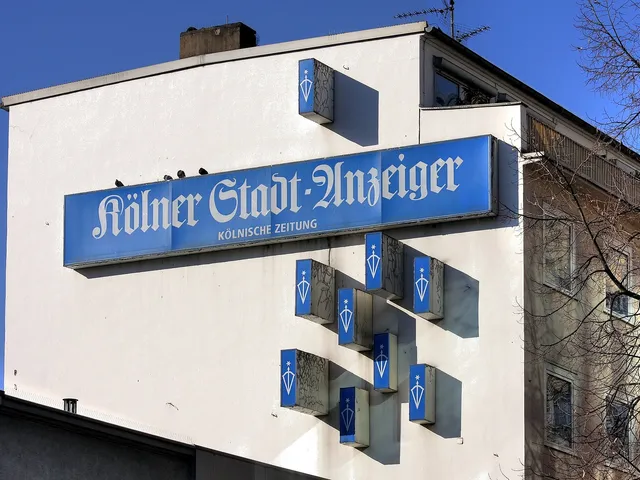
Kölner Klüngel
Cologne's cultural term for a web of mutual favors — straddling the line between harmless back-scratching and outright cronyism, with roots going back centuries.
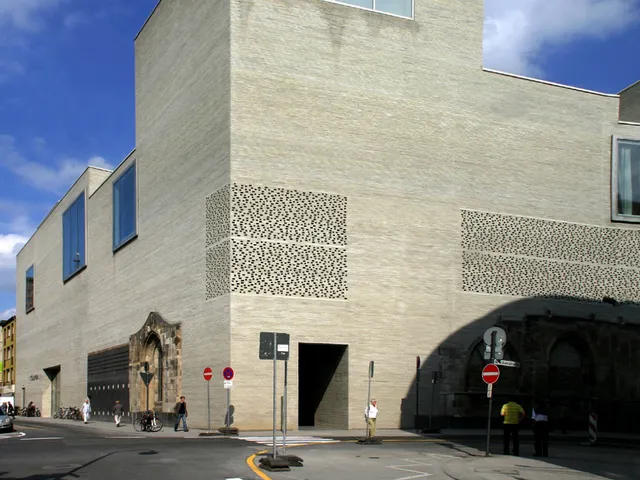
Kolumba
since 1853Peter Zumthor's landmark brick building for the Archdiocese of Cologne's art museum, built over the ruins of the war-destroyed church of St. Columba.
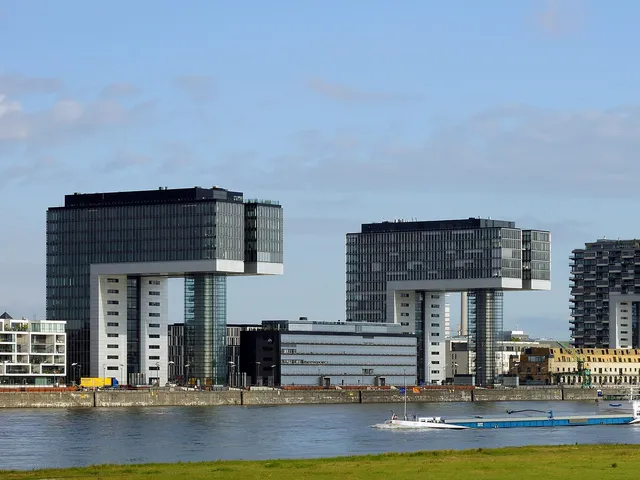
Kranhäuser
Three striking high-rises in Cologne's Rheinauhafen whose inverted-L silhouette mimics harbour cranes extending their jibs toward the Rhine.
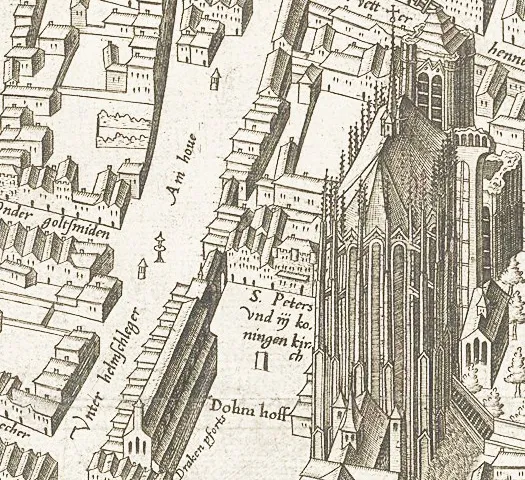
Linneper Hof (Reifferscheider Hof), Cologne
Former noble courtyard on Cologne Cathedral's precinct, originally the archbishops' residence — demolished in the 1740s, now part of the Roman-Germanic Museum grounds.
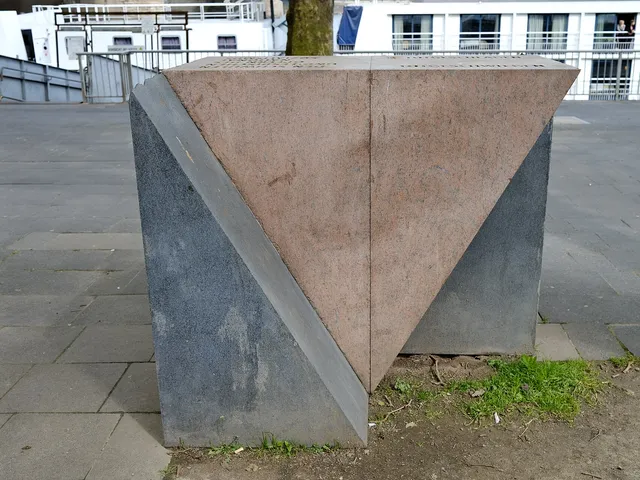
Memorial for the Gay and Lesbian Victims of National Socialism in Cologne
since 1995First memorial of its kind erected by a trade union — a 1995 riverside stone for gay and lesbian Nazi victims, inscribed 'Totgeschlagen – Totgeschwiegen'.
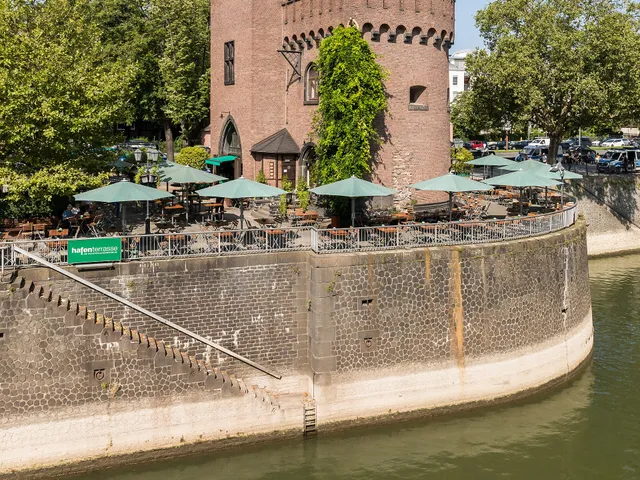
Malakoffturm
since 1855Brick gatehouse of Prussian Rhine fortifications at Rheinauhafen — now linked by a swing bridge to the Chocolate Museum across the water.
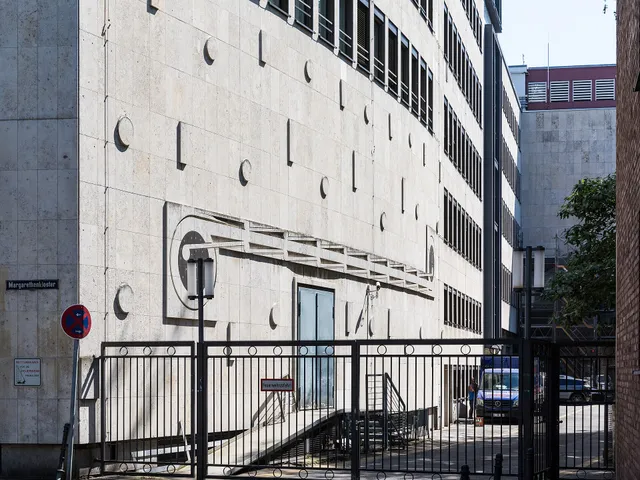
Margarethenkloster
Despite its name, this was no monastery but a hospital of Cologne Cathedral's chapter, founded in the 7th century by Bishop Kunibert – now recalled only by a street name.
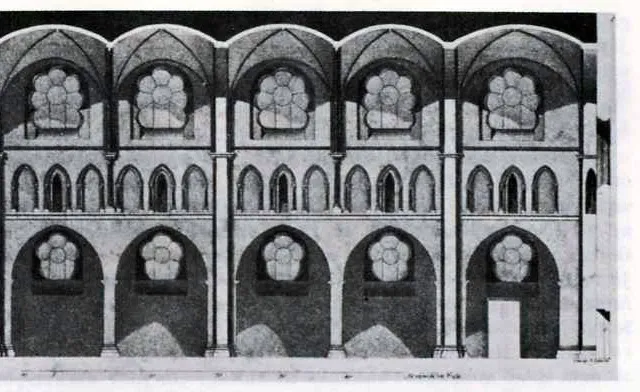
Maria im Spiegel (Sion Convent), Cologne
Former Cologne Cistercian convent, popularly known as Sion Convent, founded in 1246 on the site of an earlier Franciscan settlement.
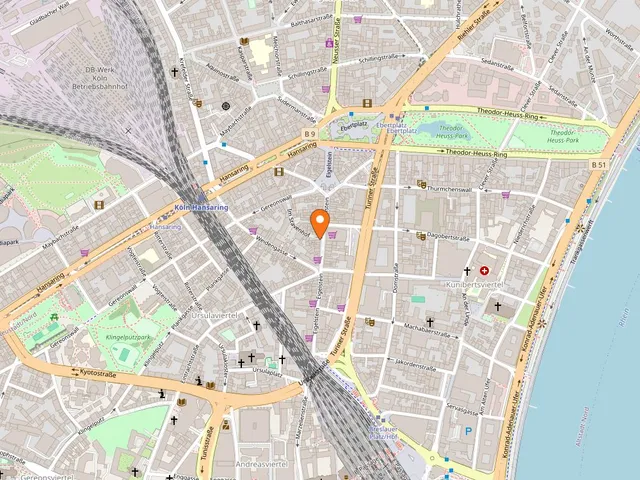
St. Maria Magdalena zur Busse (Bethlehem Convent), Cologne
A former beguine community on the Eigelstein that became an Augustinian convent in 1475, surviving until secularization in 1802.
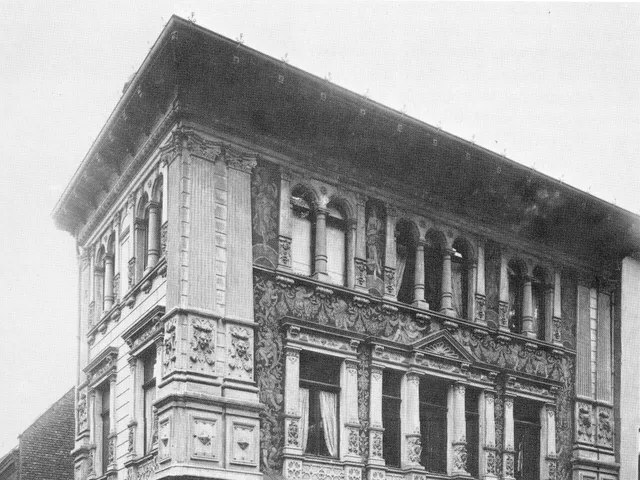
Markmannsgasse 2a
Cologne commercial building 'Zu den Vier Jahreszeiten', demolished in 1912 for the Deutz Bridge ramp, blending three Renaissance traditions.
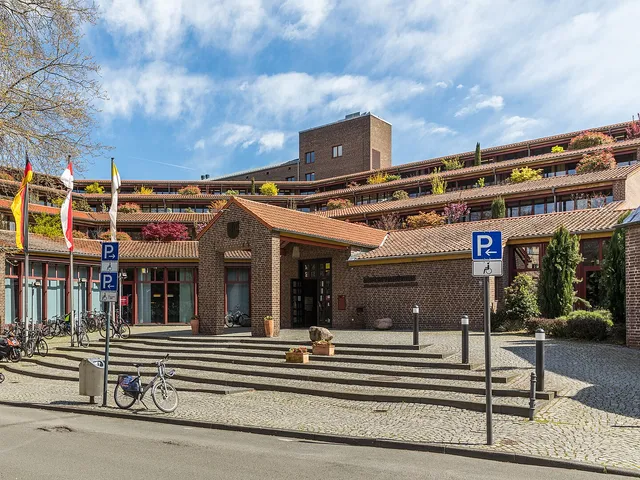
Maternushaus
Conference centre of the Archdiocese of Cologne in the old town, built from 1978 to 1983 to a design by Hans Schilling and Peter Kulka.
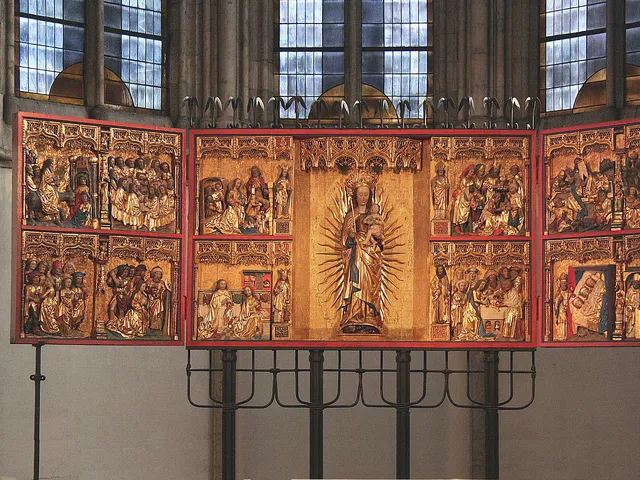
Minoritenkirche
Burial church of Adolph Kolping and Johannes Duns Scotus — a 13th-century Gothic mendicant church and place of pilgrimage.
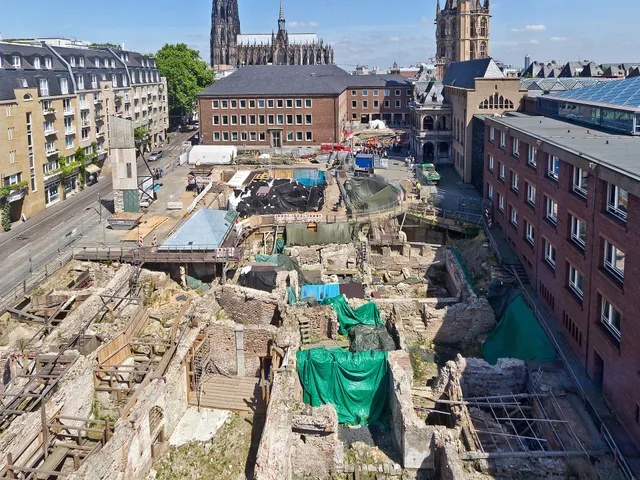
Medieval Synagogue of Cologne
Beneath the Archaeological Zone near City Hall: remains of a Jewish synagogue that stood from the 11th century until the expulsion of 1424.
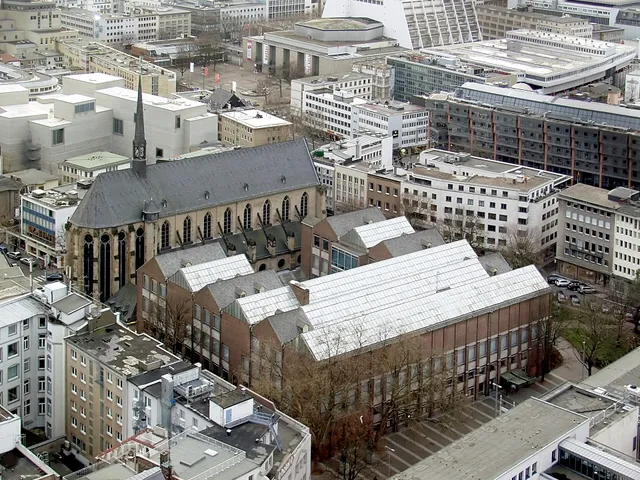
Museum of Applied Arts (MAKK)
since 1888Cologne museum of applied arts and design in the Schwarz-Bernard building — once dismissed as sterile, later celebrated as a 'third way' in postwar architecture.
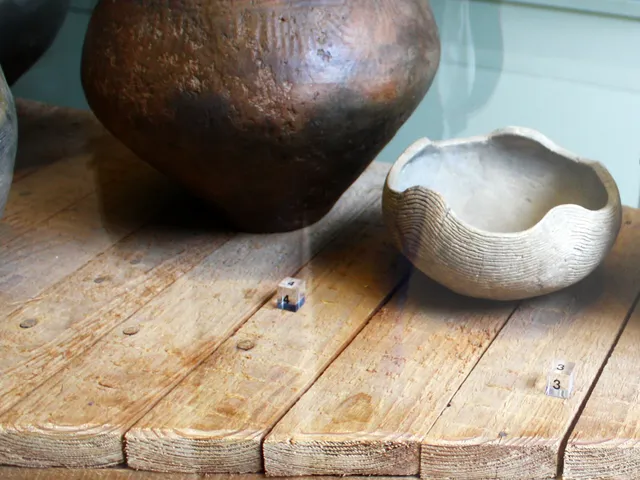
Museum für Vor- und Frühgeschichte
since 1907City museum founded in 1907 in the Bayenturm, covering regional prehistory – destroyed in 1943, its remnants became the founding stock of the Romano-Germanic Museum.
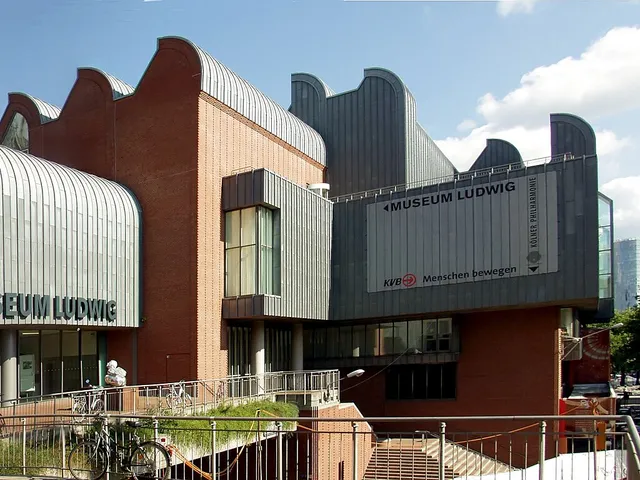
Museum Ludwig
since 197620th- and 21st-century art on Cologne's Cathedral Plateau — home to Europe's largest Pop Art collection and the world's third-largest Picasso collection.
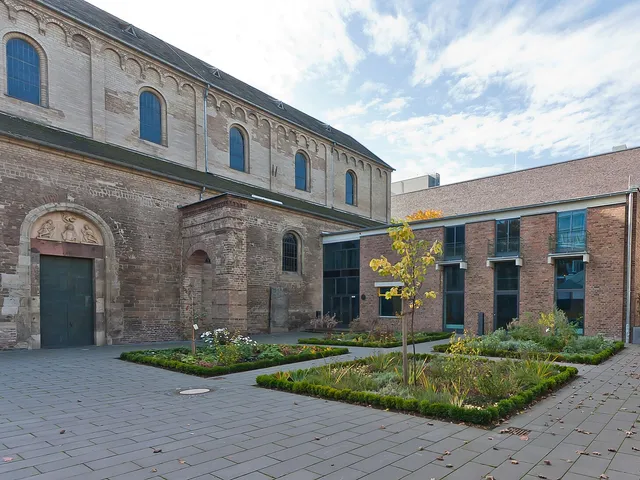
Museum Schnütgen
since 1910One of Europe's richest medieval collections, housed in the Romanesque basilica of St. Cecilia in Cologne's historic city centre.
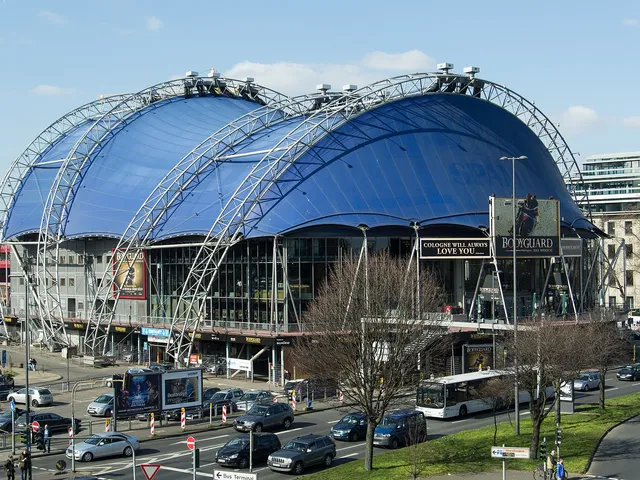
Musical Dome
Musical venue under a blue dome roof by the Rhine near Cologne's main station — home to long-running hits like 'We Will Rock You'.
Neumarkt
Cologne's largest square at over 27,000 m² — once a livestock market, execution ground, and legendary witches' sabbath site, with Roman remains beneath.
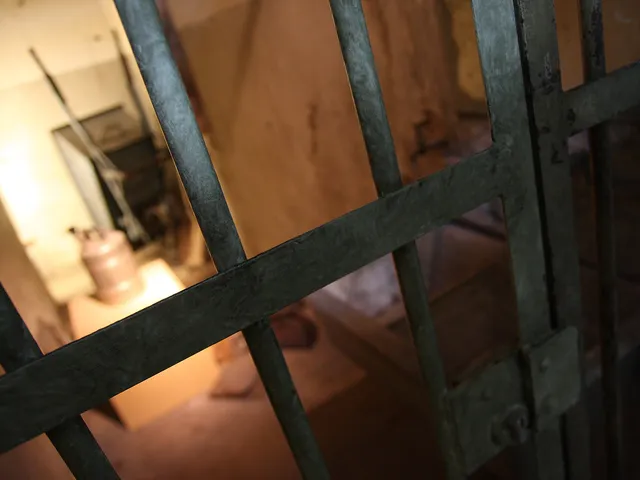
NS-Dokumentationszentrum (EL-DE-Haus)
since 1979Memorial and museum in Cologne's former Gestapo headquarters — with preserved prison cells and prisoners' wall inscriptions surviving in the basement.
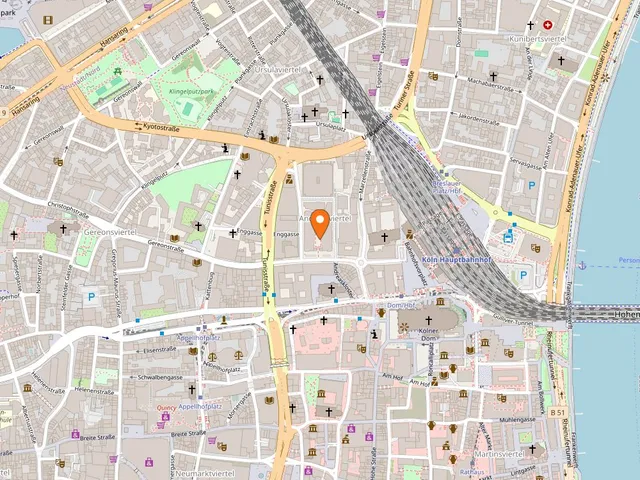
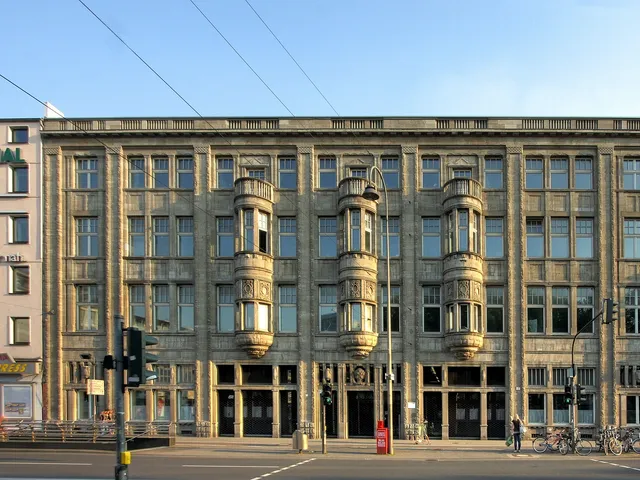
Oberpostdirektion Köln
Regional postal authority for the Cologne area from 1850 to 1993, headquartered in the Altstadt-Nord district.
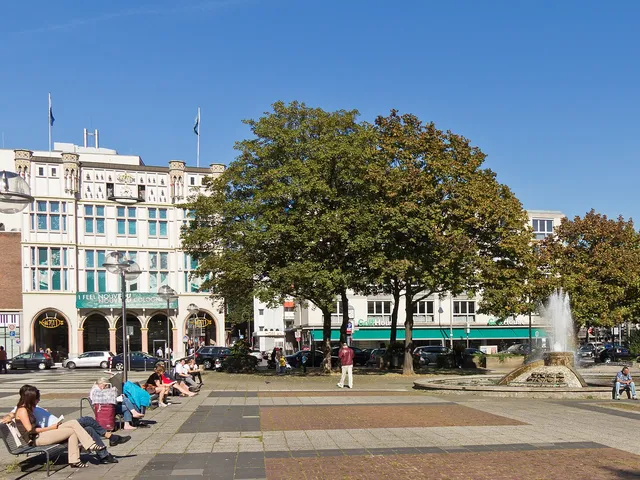
Offenbachplatz
The theatre square in Cologne's Altstadt-Nord, fronting the Opera House and Schauspielhaus, centred on the long-neglected Opernbrunnen by Jürgen Hans Grümmer.
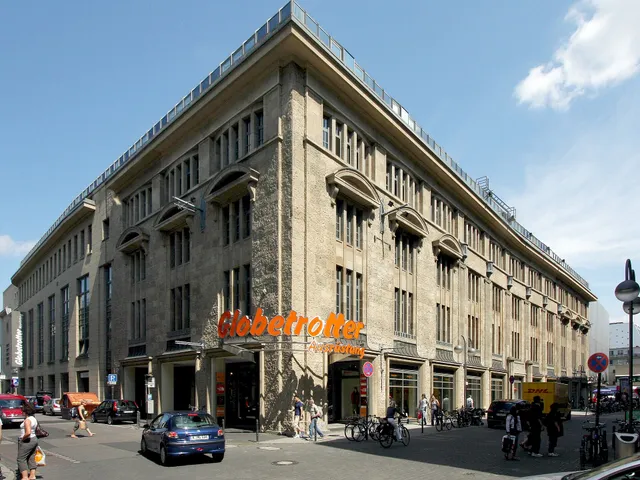
Olivandenhof
Commercial building in Cologne's Altstadt-Nord with a climbing wall, rain and cold chamber, and diving pool – Europe's largest outdoor specialty store.
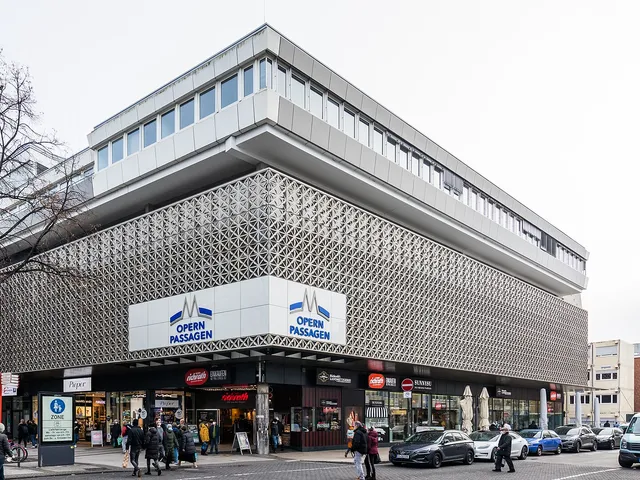
Opern Passagen
Opened in 1964 as Germany's first shopping arcade — today a shopping passage with the integrated Theater am Dom.
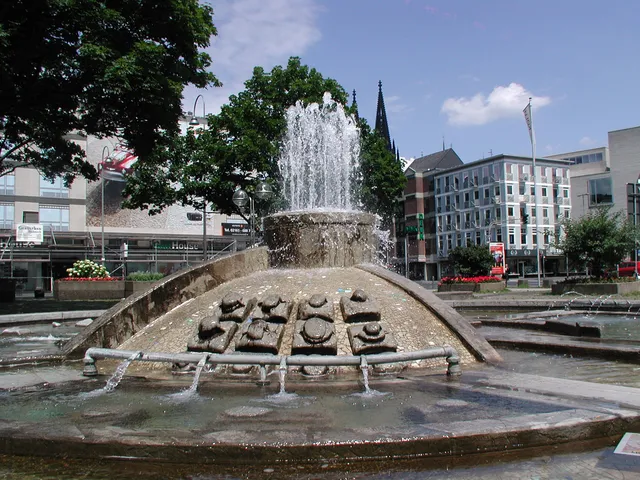
Opernbrunnen
since 1966Mosaic fountain in front of Cologne's Opera House, incorporating tiles from Aristotle Onassis's yacht and the bombed-out Kaiser Wilhelm Memorial Church in Berlin.
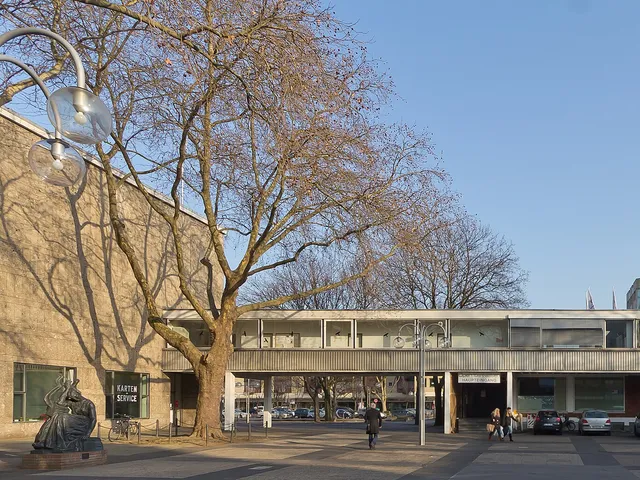
Opernterrassen
A 1957 dining pavilion by Wilhelm Riphahn — a rare surviving witness to Cologne's 1950s architecture at Offenbachplatz.
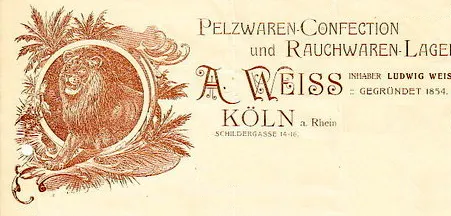
Pelzhaus A. Weiss
Former Cologne fur shop on Schildergasse, remembered today for its striking Klotz & Fieth commercial building, still standing.
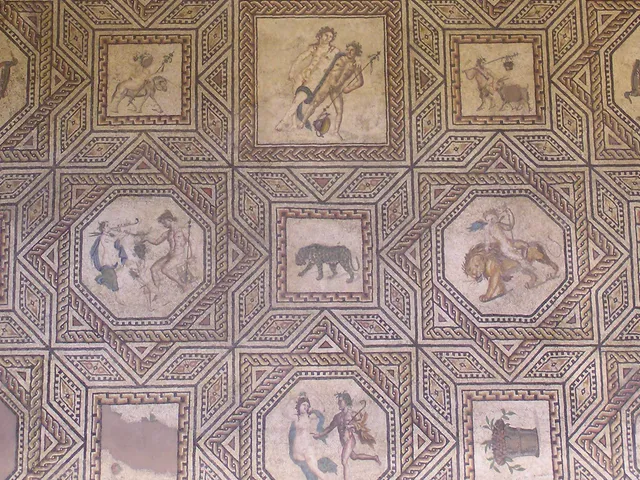
Peristyle House with the Dionysus Mosaic
Roman townhouse by Cologne Cathedral, its dining room floor paved with a 1.5-million-tile mosaic of the wine god Dionysus.
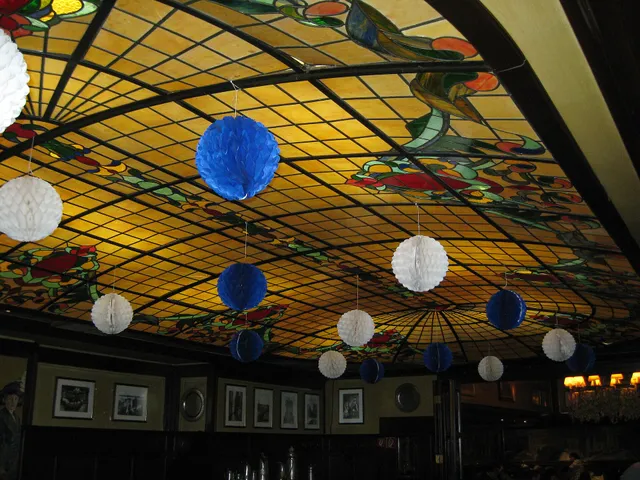
Peters Brauhaus
since 1994A brewpub in the old town since 1994 – Peters Kölsch and traditional cuisine, now with a second house by the Hahnentor.
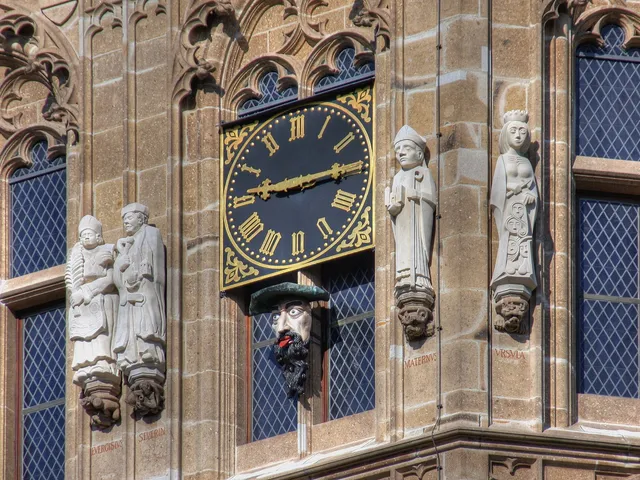
Platzjabbeck
Late-medieval wooden figure on Cologne's town hall tower that, since 1913, opens its mouth and sticks out its red tongue on every full hour.
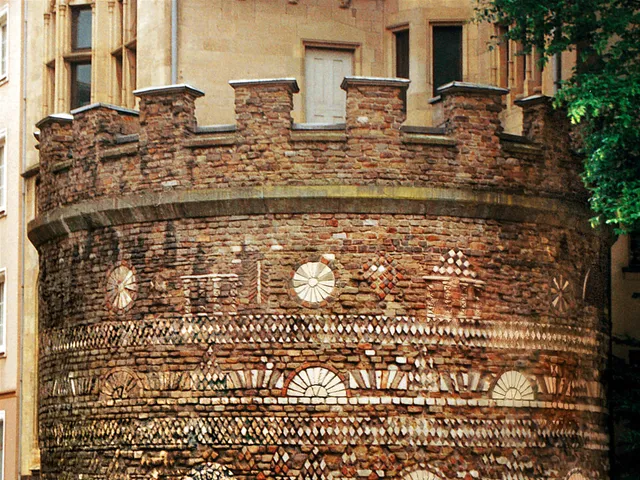
Roman Cologne – Colonia Claudia Ara Agrippinensium
The birthplace of Cologne: the Roman CCAA, capital of Lower Germania — and today part of a UNESCO World Heritage Site.
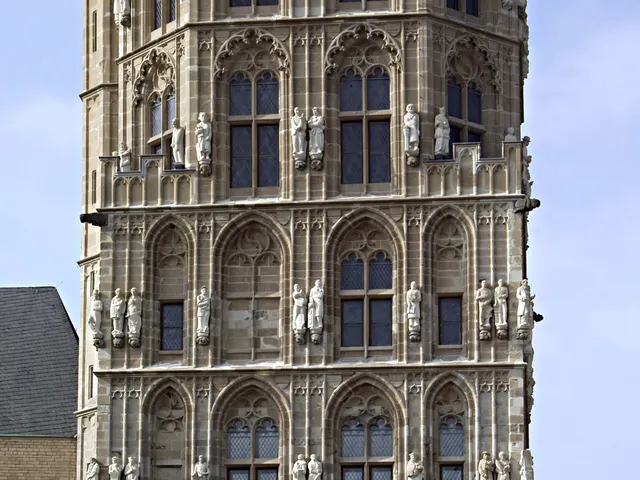
Historic City Hall
Germany's oldest city hall – with a Gothic council tower, a Renaissance loggia, and over 800 years of documented building history in Cologne's Old Town.
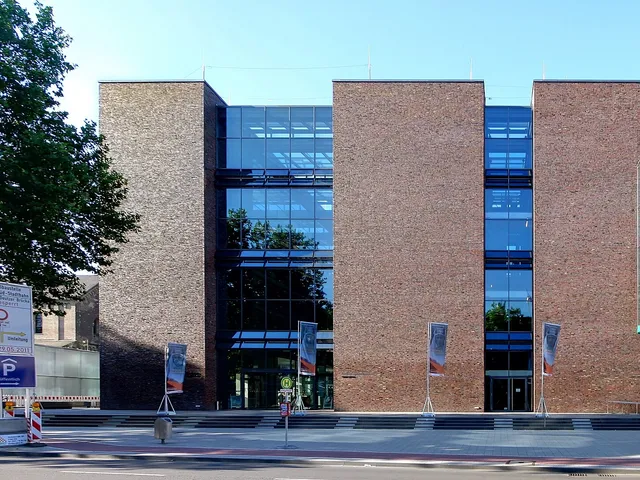
Rautenstrauch-Joest-Museum
since 1901Cologne's ethnological museum with over 65,000 objects from around the world, exploring human cultures under the theme "The Human Being in Their Worlds."
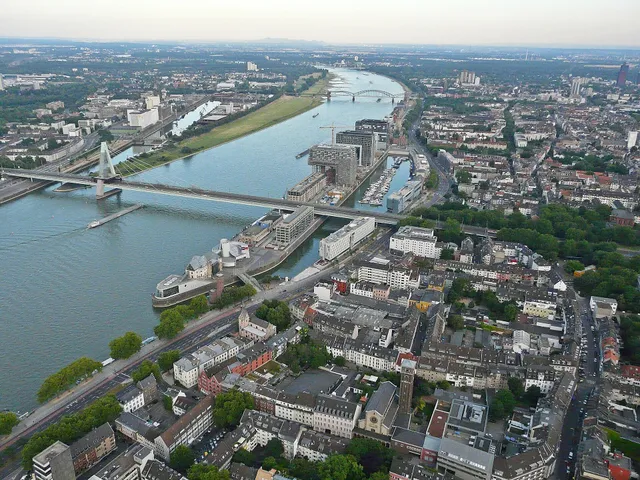
Rheinauhafen
Former Cologne harbour with the iconic Crane Houses – today a residential and commercial quarter on the 'Werthchen' peninsula in Altstadt-Süd.

Richmodis-Haus
Cologne landmark with two stone horse heads in its octagonal tower — rooted in the haunting legend of Richmodis von Aducht from the Black Death era.
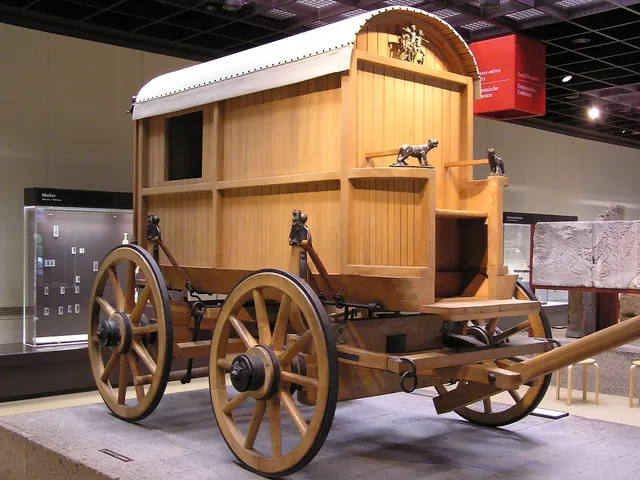
Romano-Germanic Museum (RGM)
since 1946Cologne's archaeological museum — world's largest collection of Roman glass and the Dionysus Mosaic near the cathedral (currently at the Belgian House).
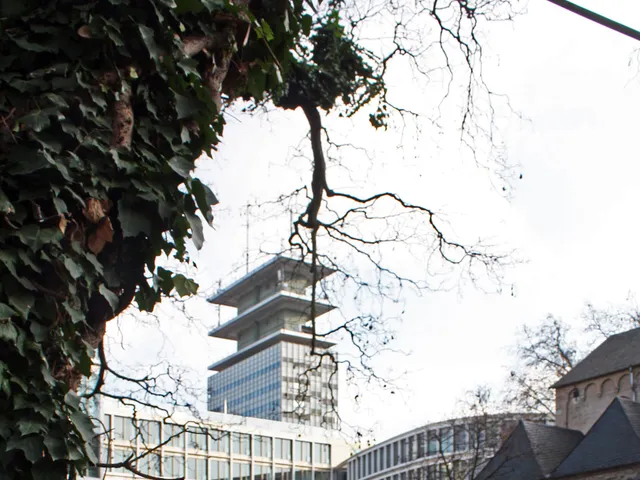
Roman Baths and Medieval Bathhouses in Cologne
Foundations of a 2nd/3rd-century Roman bath complex unearthed in 2007 beneath Cologne's Altstadt-Süd — including an 18-metre-wide rotunda.
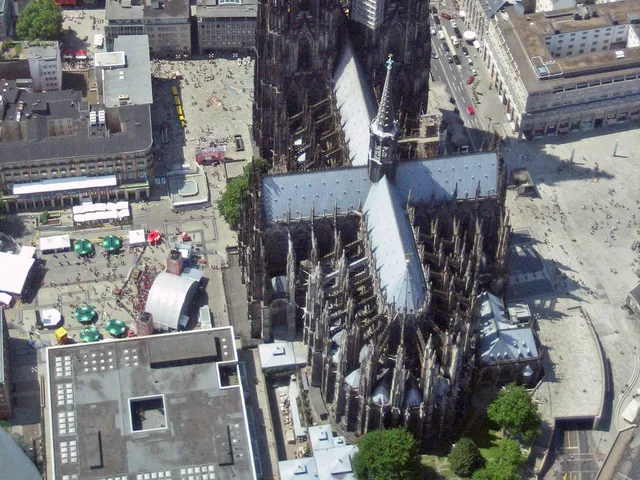
Roncalliplatz
The square around Cologne Cathedral traces a dramatic transformation from a densely built medieval neighbourhood to an open national monument.
Schauburg
Cologne cinema opened in 1922 that was, with 1,868 seats, the largest in Germany at the time.
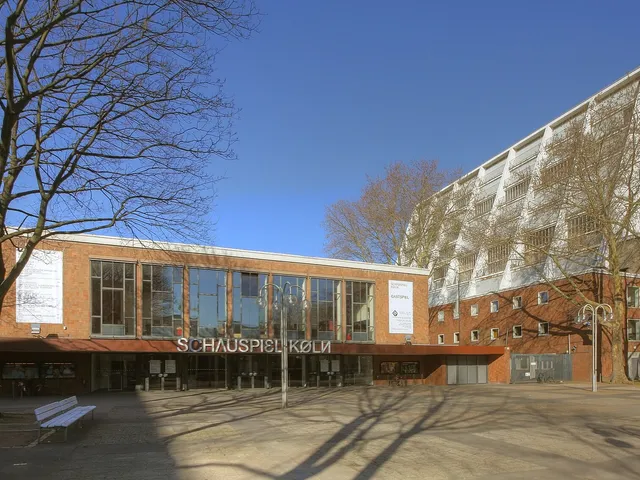
Schauspiel Köln
since 1898Cologne's storied spoken-theatre company, performing at the Mülheim Depot while its landmark home at Offenbachplatz undergoes renovation.
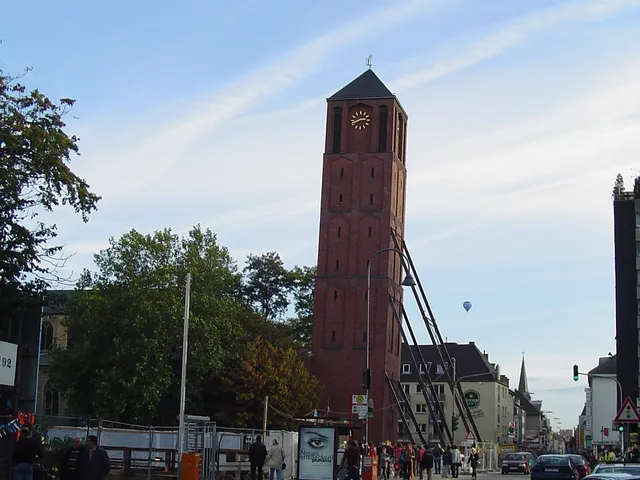
Leaning Tower of Cologne (St. Johann Baptist)
In 2004, its 44 m tower tilted 77 cm westward — earning the church the nickname 'Leaning Tower of Cologne' and making international headlines.
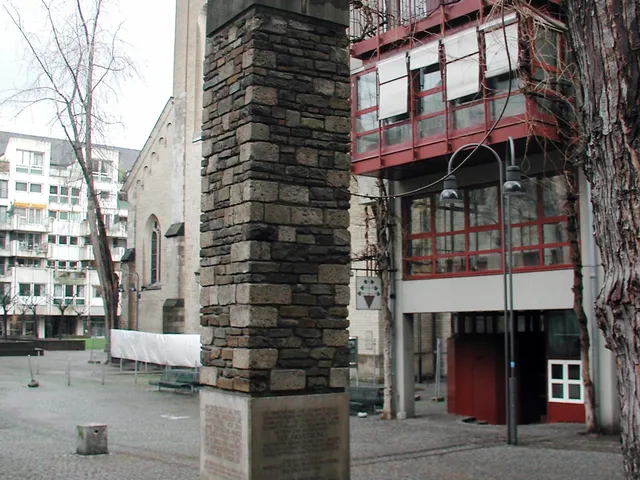
Schmitz Column
A sculpture in Cologne's Old Town in front of Great St. Martin Church that marks the city's 50-metre elevation point and playfully commemorates the Schmitz family and the Moon landing.
Chocolate Museum Cologne
since 1993Built on a peninsula in the Rheinauhafen harbour, this museum tells the story of chocolate — complete with a glass-fronted factory and a three-metre chocolate fountain.
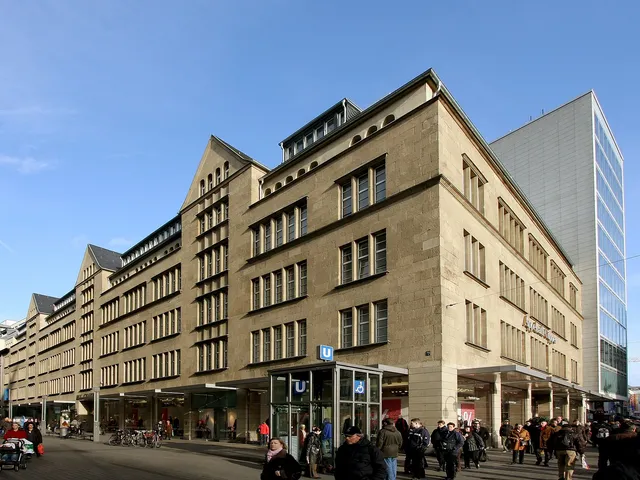
Schwerthof
Office and commercial building from 1921/22 where, in 1947, Cologne's first postwar inner-city cinema opened.
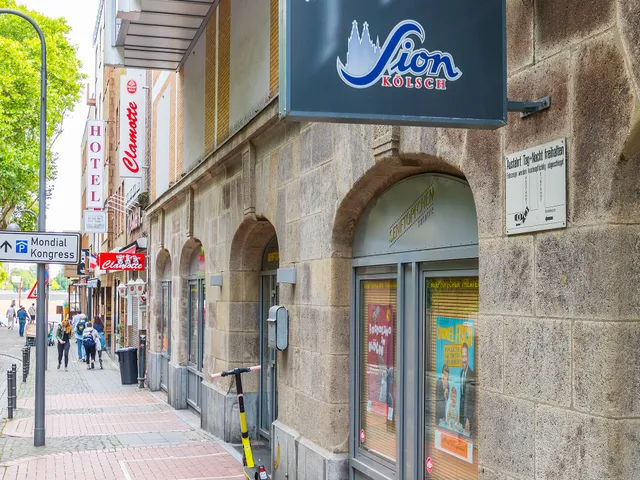
Senftöpfchen
Cologne's beloved cabaret and variety theatre — a launchpad for comedy talent since the 1970s with a reputation that reaches far beyond Germany.
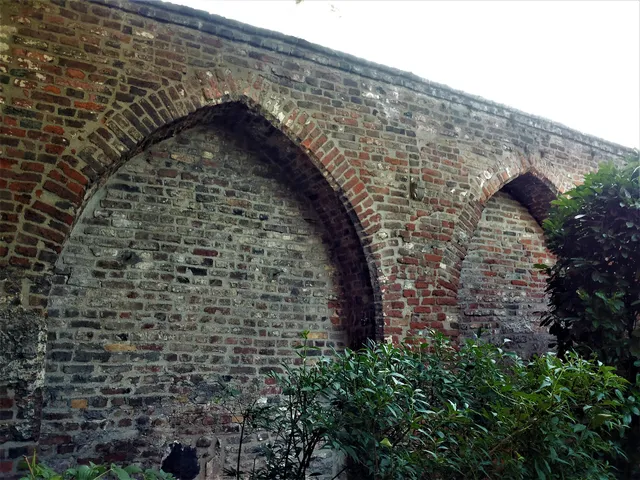
Servitinnenkloster St. Lucia in Cologne
Convent of the Servite Sisters on Filzengraben, dissolved in 1802 and demolished in 1857 — today the site is home to the Protestant Trinity Church.
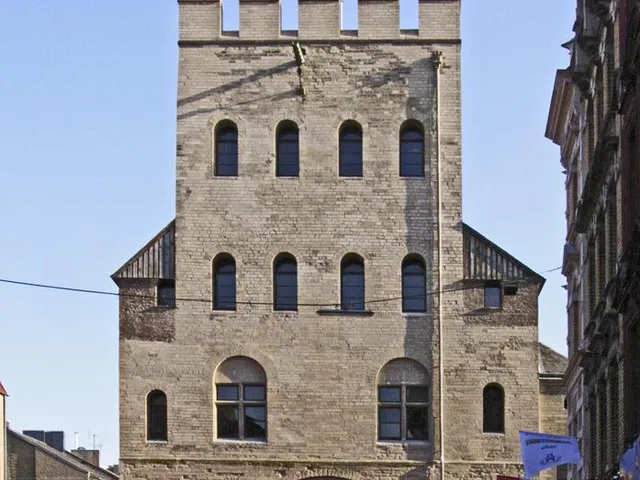
Severinstorburg
since 1230One of only four surviving medieval city gate towers in Cologne — a landmark of the Severinsviertel and today a vibrant community venue at Chlodwigplatz.
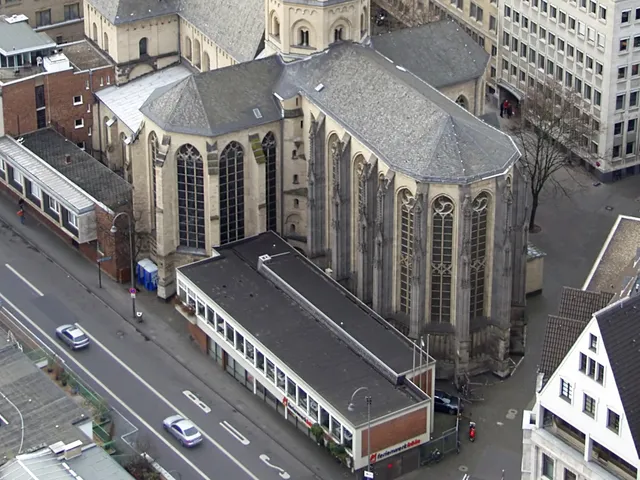
St. Andreas
since 974One of Cologne's twelve great Romanesque churches — home to the tomb of Albertus Magnus in its crypt and stained-glass art by Markus Lüpertz.
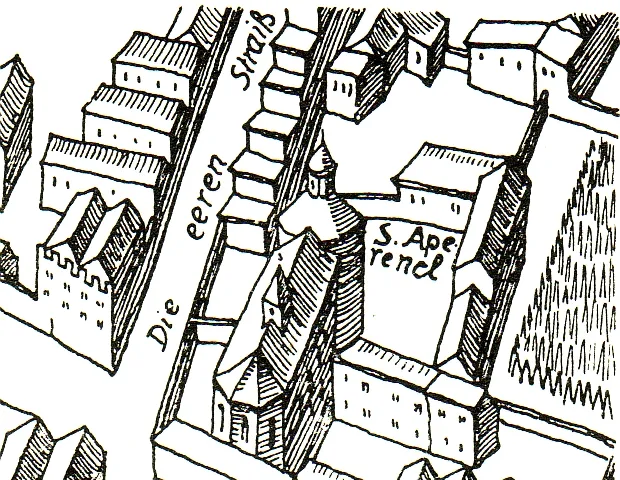
St. Apern Monastery
Former Cistercian convent in Cologne's Altstadt-Nord, named after St. Aper of Toul and dissolved in 1802.
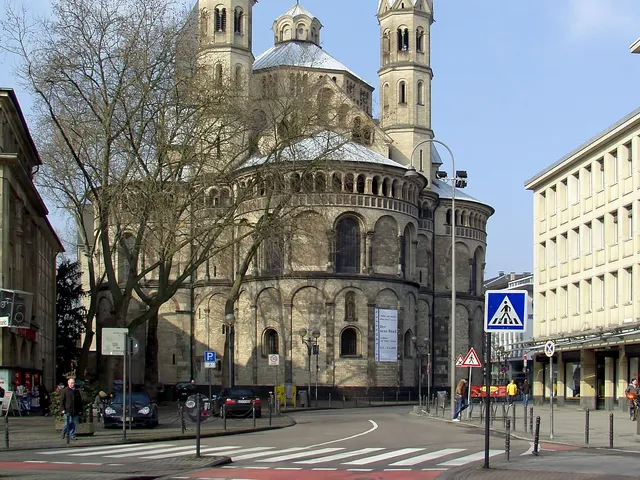
St. Aposteln
since 1020One of Cologne's twelve great Romanesque churches — known for its trefoil-shaped trichoral apse at Neumarkt and celebrated as the city's premier music church.
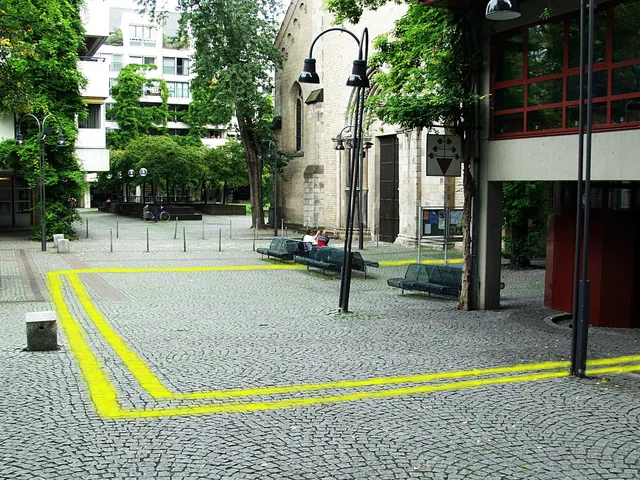
St. Brigiden
A demolished parish church next to Gross St. Martin — its footprint is now traced in darker cobblestones on the Old Town pavement.
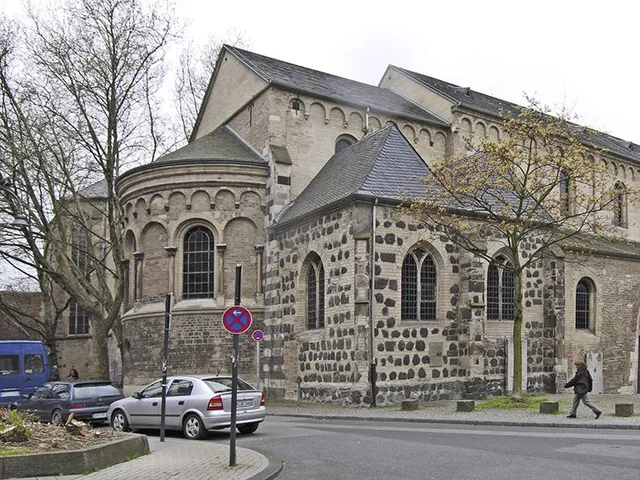
St. Cäcilien – Museum Schnütgen
since 801One of Cologne's twelve great Romanesque churches — home to the Museum Schnütgen for medieval art since 1956.
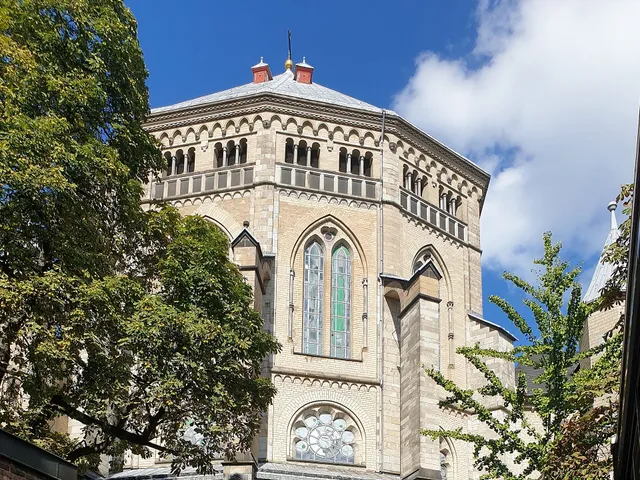
St. Christoph
Demolished parish church of St. Gereon's collegiate foundation — its name lives on in Christophstraße and the St. Christophhaus community centre.
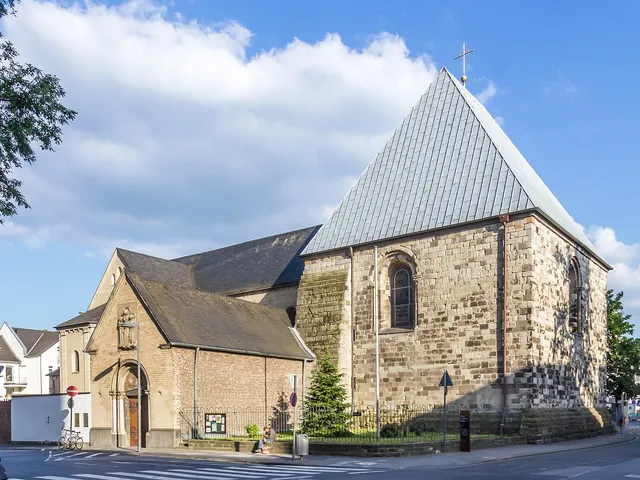
St. Georg
since 105911th-century Romanesque collegiate church rising above a columned crypt with Roman spolia — one of Cologne's twelve great Romanesque basilicas.
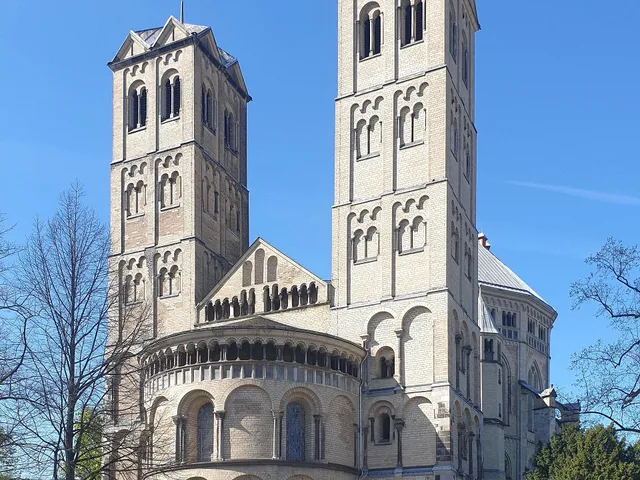
St. Gereon
since 1201Romanesque church in Cologne with a ten-sided domed rotunda from the Hohenstaufen era — the largest surviving free-vaulted central-plan building of the Middle Ages north of the Alps.
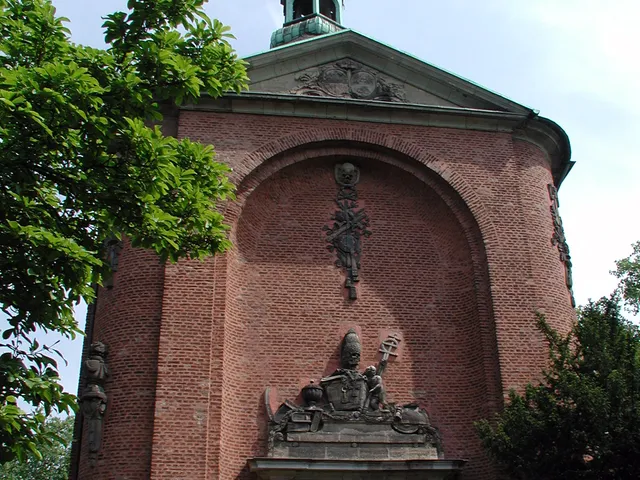
St. Gregorius im Elend
Baroque church rebuilt after WWII destruction, born from the 'Elendskirchhof' — Cologne's historic burial ground for strangers, outcasts, and the dishonoured.
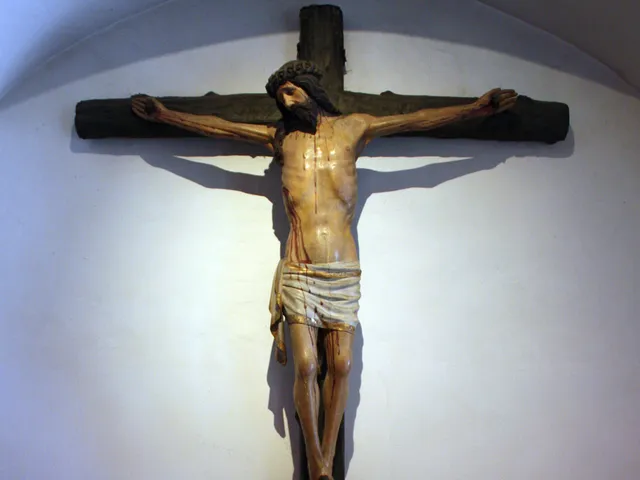
St. Jakob
A lost Cologne parish church at the Waidmarkt, built in the 11th century under Archbishop Anno and standing until 1825.
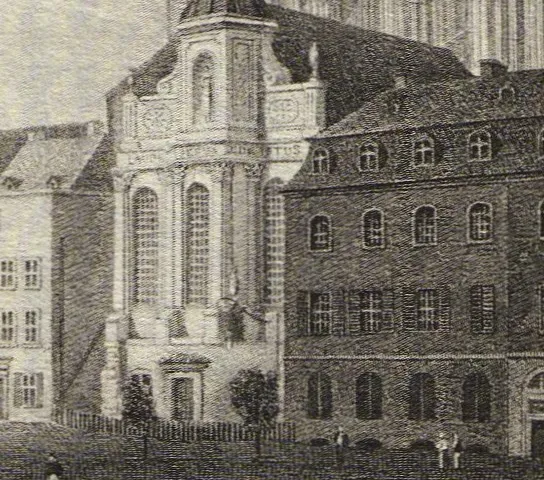
St. Johann Evangelist
Demolished parish church that once stood south of Cologne Cathedral on the Domhof, serving for a time as the Archbishop's private chapel.
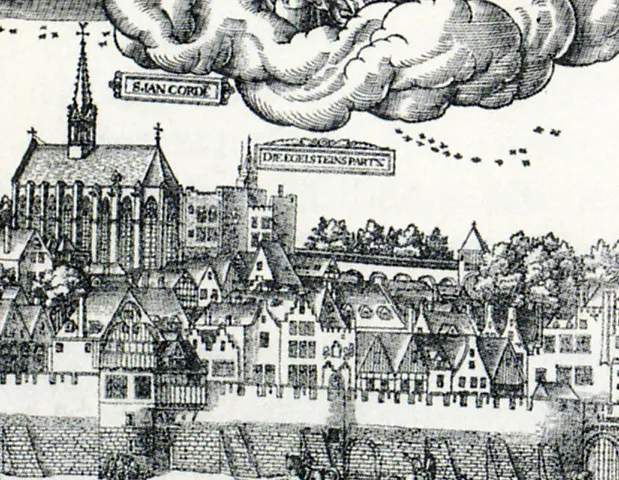
St. John and St. Cordula
Former Knights Hospitaller commandery in Cologne that housed the relics of Saint Cordula — demolished in 1807, its memory preserved in the street name "Jakorden".
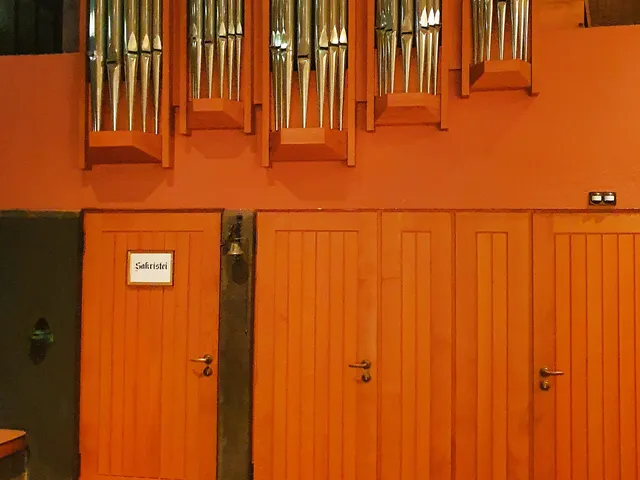
St. Kolumba
since 1150'Madonna in the Ruins' — a medieval chapel enclosed within the ruins of a Gothic parish church, now embraced by the Kolumba art museum.
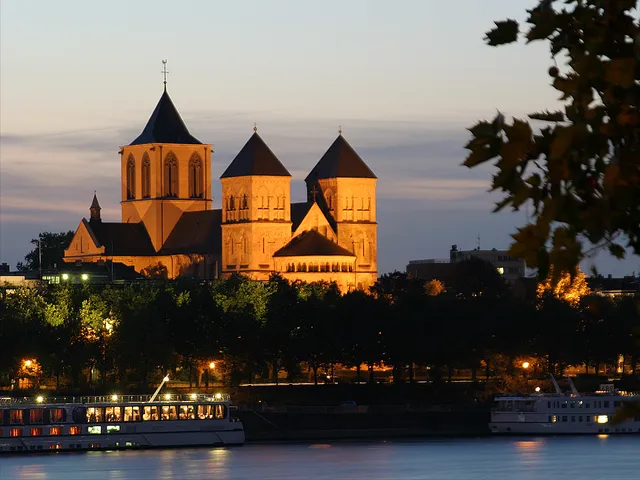
St. Kunibert
since 1215Youngest of Cologne's twelve Romanesque churches — with original 13th-century windows preserved in wartime storage, rising just north of the Cathedral.
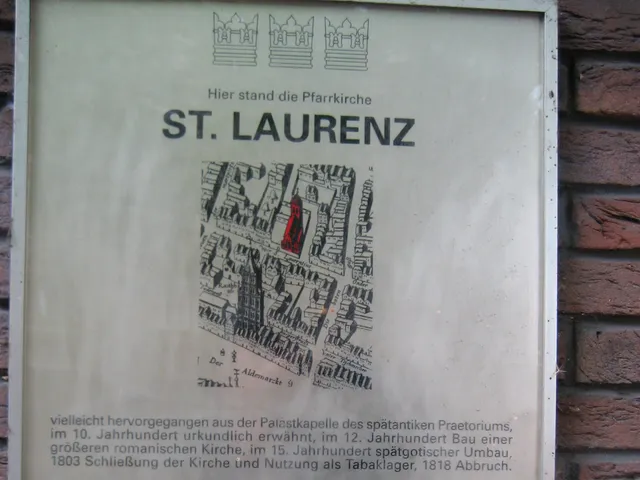
St. Laurenz (Cologne Old Town)
since 1188Parish church demolished as early as 1818 — its legacy lives on in the street names Laurenzplatz and Laurenzgittergässchen in Cologne's city centre.
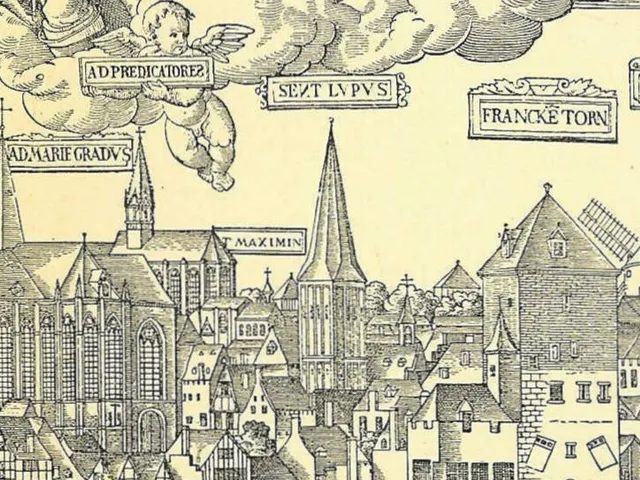
St. Lupus
Long-demolished medieval parish church with hospital near today's central station square — cited in Cologne's oldest written record of beer consumption.
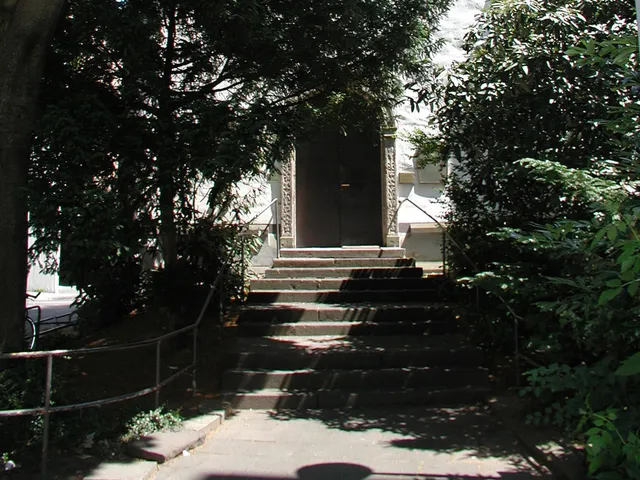
St. Maria Ablass
since 1431Of the demolished parish church of St. Maria Ablass, only the chapel of grace survives — today the Russian Orthodox Church of Saints Constantine and Helena.
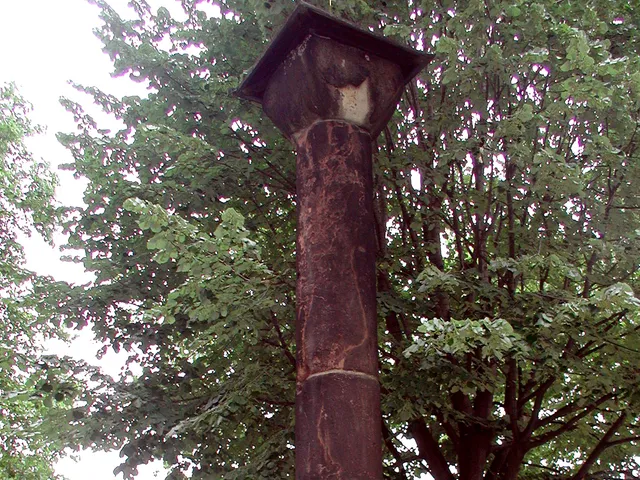
St. Maria ad Gradus
since 1062Demolished Romanesque collegiate church east of Cologne Cathedral — today only the 'Cathedral Column' at the east choir survives as a reminder.
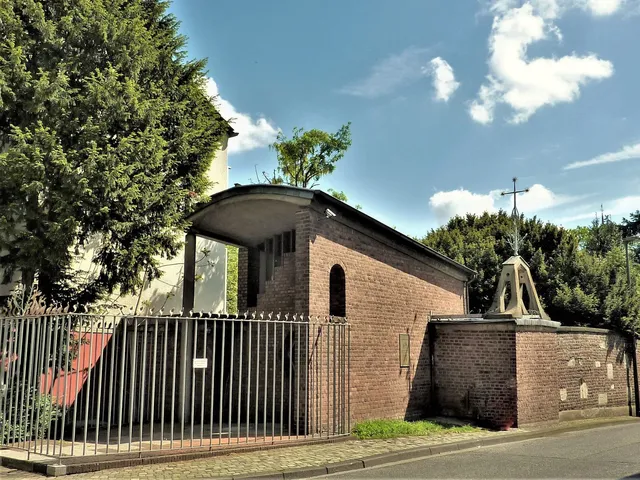
St. Maria ad Ortum
Lost late-Romanesque convent church of Cologne's Cistercian nuns — the "Mariengarten" community grew from an earlier settlement in the Riehl district.
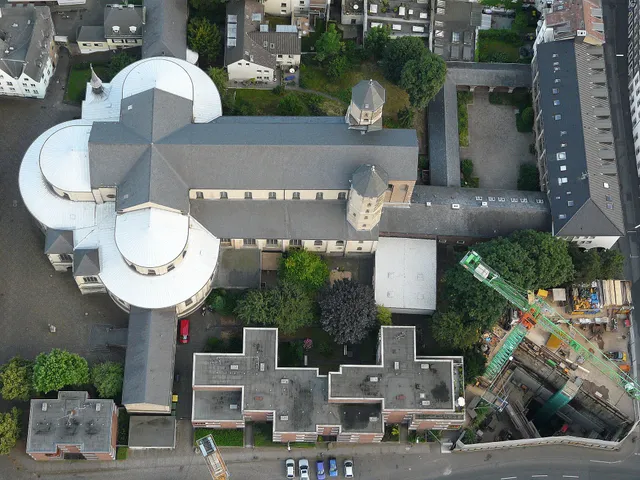
St. Maria im Kapitol
since 1100Cologne's largest and oldest Romanesque church — built on the foundations of a Roman temple, featuring a trefoil choir and a thousand-year-old carved wooden door.
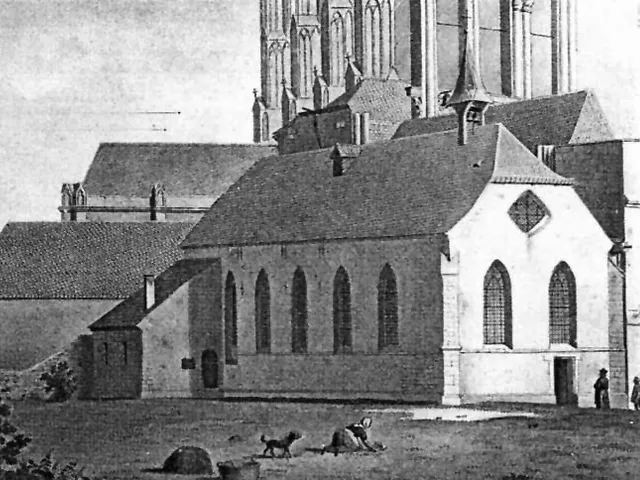
St. Maria im Pesch
Long-demolished parish church of Cologne Cathedral's staff — its late-Gothic Entombment group survives today inside the Cathedral.
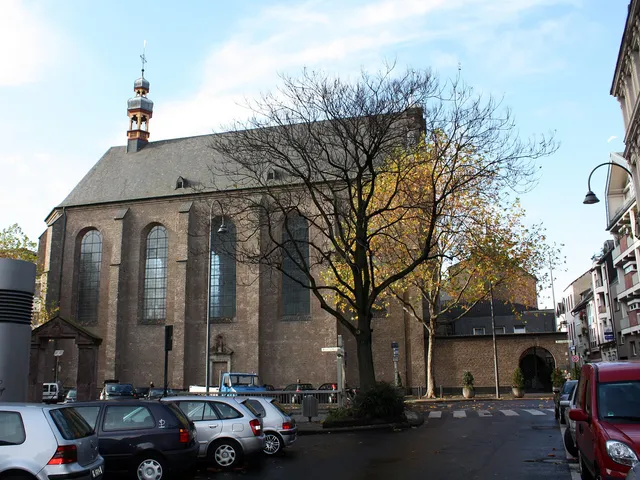
St. Maria in der Kupfergasse
since 1705Baroque pilgrimage church in Cologne's old town that has enclosed a Loreto chapel with its venerated Black Madonna since 1715.
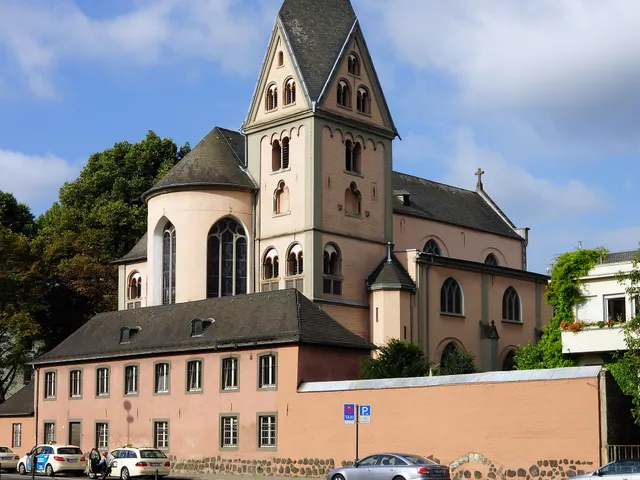
St. Maria in Lyskirchen
The smallest of Cologne's twelve great Romanesque churches — the only one with largely intact 13th-century vault frescoes.
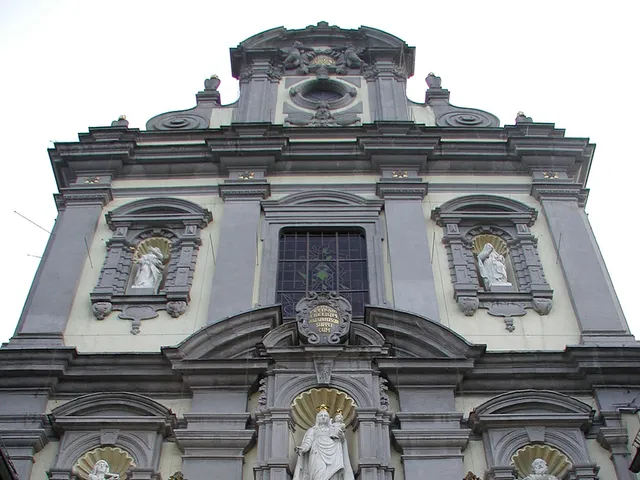
St. Maria vom Frieden
Baroque monastery church of the Discalced Carmelites in Cologne's Old Town — associated with Edith Stein, canonized martyr and co-patron of Europe.
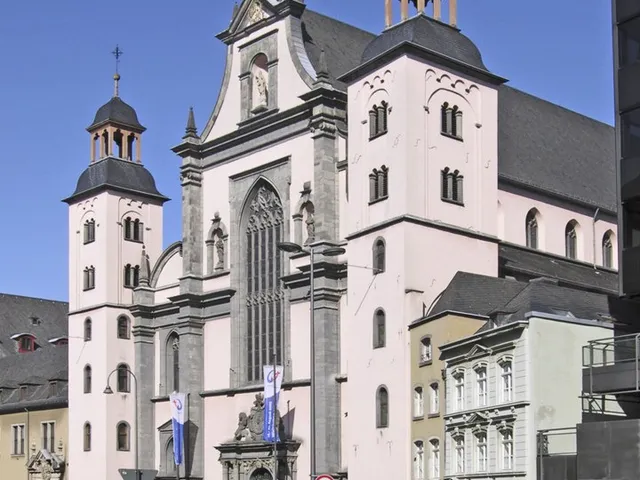
St. Mariä Himmelfahrt
since 1629Baroque former Jesuit church near Cologne Cathedral — for centuries the city's largest after the Cathedral, and one of Cologne's few surviving Baroque landmarks.
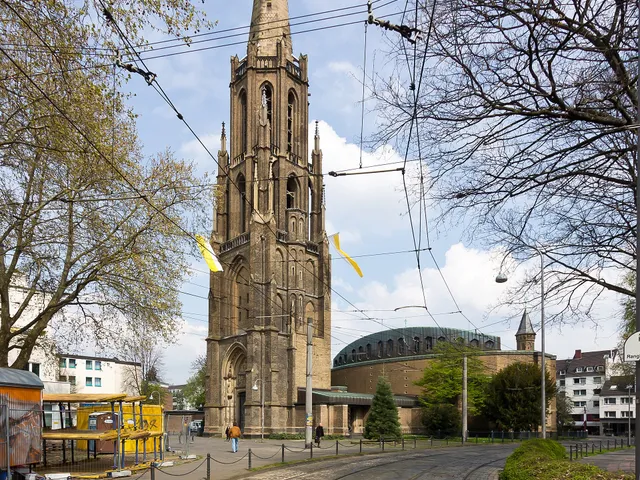
St. Mauritius
Romanesque pier basilica in the Altstadt-Süd district, consecrated in 1141 — the first church in Cologne with a fully vaulted nave and side aisles.
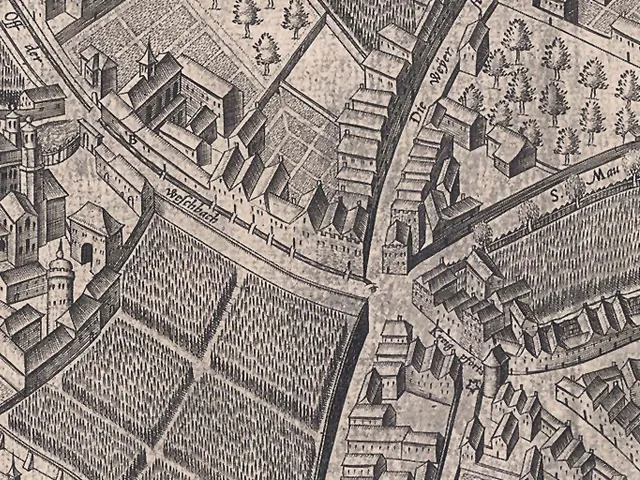
St. Michael am Weidenbach
Cologne's second house of the Brothers of the Common Life, famed for its book production; its church fell to barracks expansion in 1827.
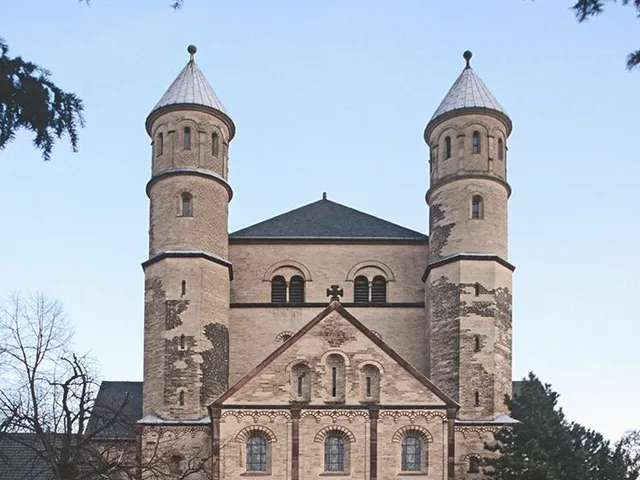
St. Pantaleon
since 1002Early Romanesque abbey church with an Ottonian westwork; burial site of Byzantine Empress Theophanu and Archbishop Bruno of Cologne.
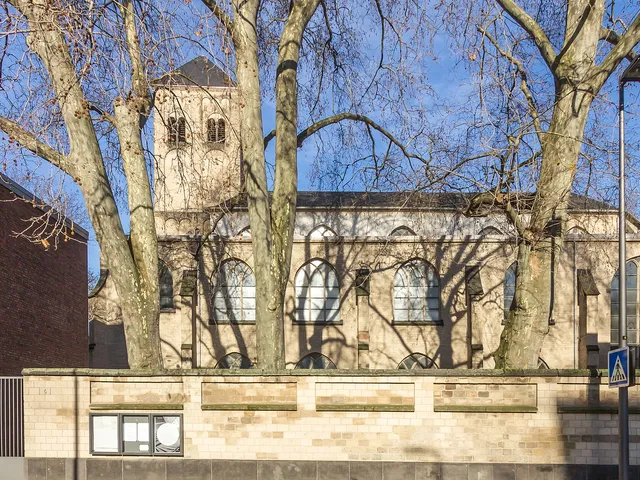
St. Peter – Kunst-Station
since 1515Cologne's latest surviving Gothic church — and since 1987 a venue for contemporary art and new music, run by Jesuits.
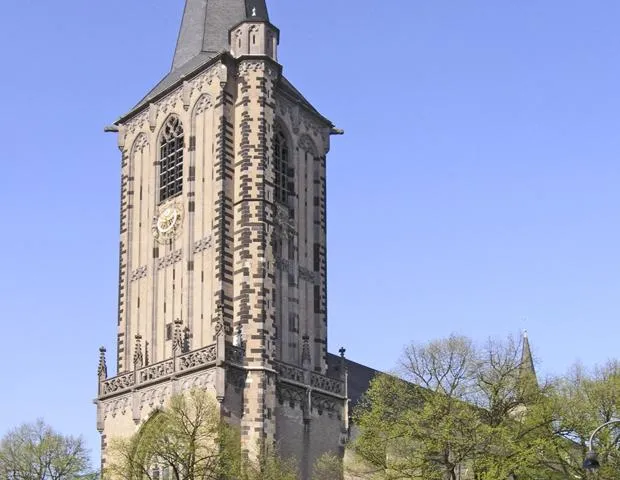
St. Severin
One of Cologne's twelve great Romanesque churches, grown from a late-antique burial chapel — home to the relics of Saint Severin.
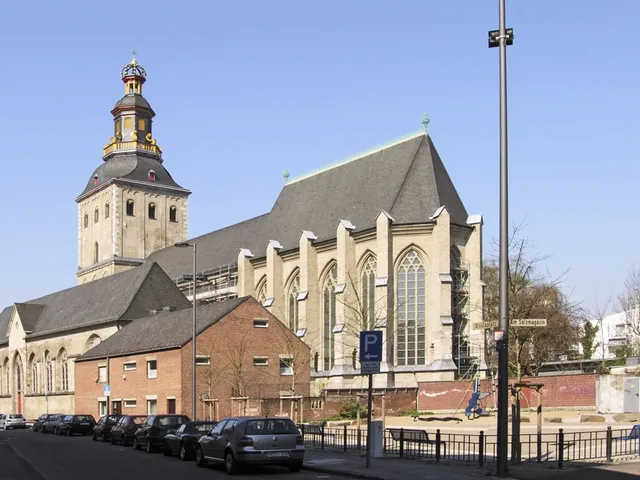
St. Ursula
since 401Romanesque basilica near Cologne Cathedral housing the Golden Chamber — the largest ossuary north of the Alps, with roots in Roman Cologne.
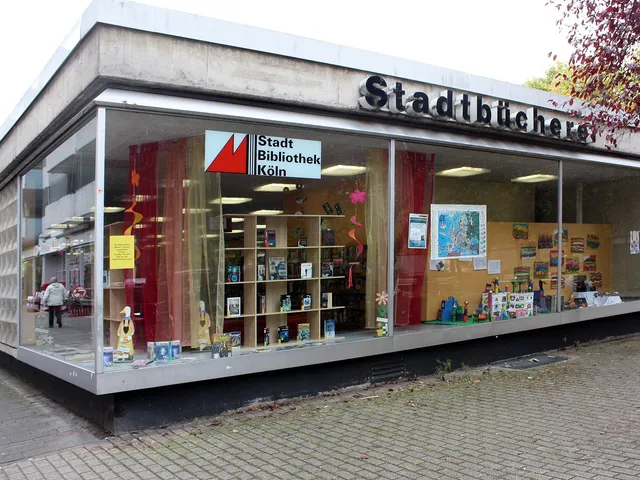
Stadtbibliothek Köln
since 1890One of Germany's largest public libraries with around 850,000 items — currently operating from a temporary location on Hohe Straße during major renovations.
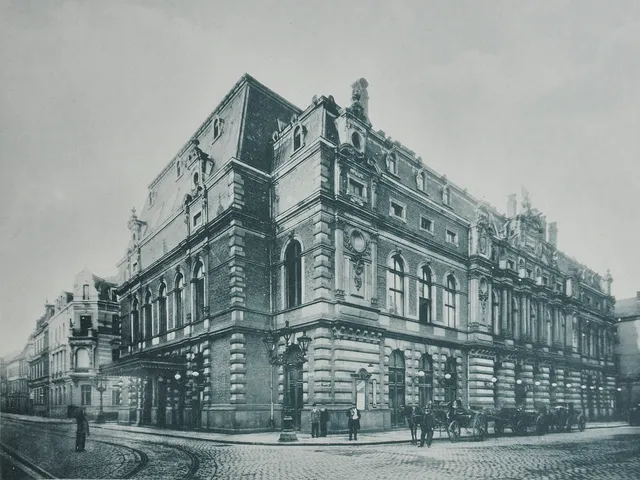
Stadttheater in der Glockengasse
Cologne's grand Neo-Renaissance theatre of 1872 for drama and operetta, lost to bombing in 1943.
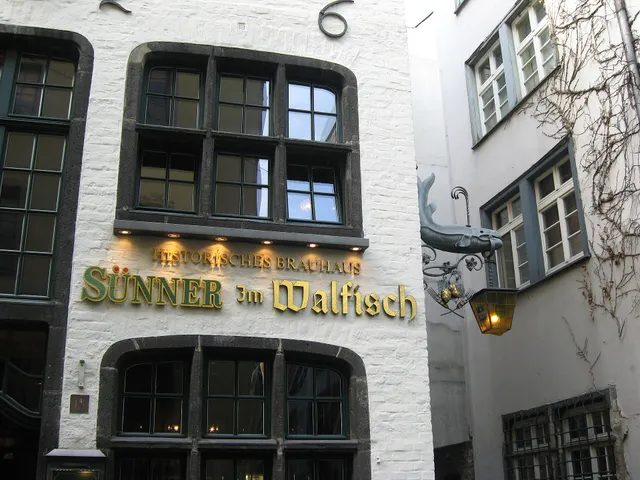
Sünner im Walfisch
A Kölsch brewery-tavern in Cologne's Old Town whose brewing site can be traced back to the year 1476.
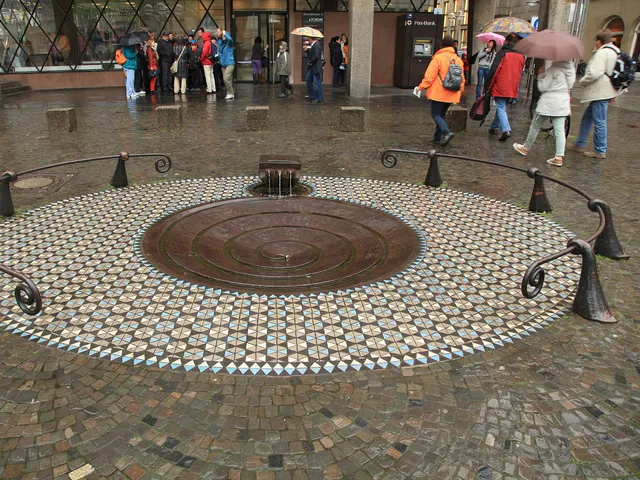
Taubenbrunnen
since 1953Cologne's first post-war fountain and the city's first abstract fountain: designed in 1953 by Ewald Mataré as a drinking trough for the Cathedral pigeons.
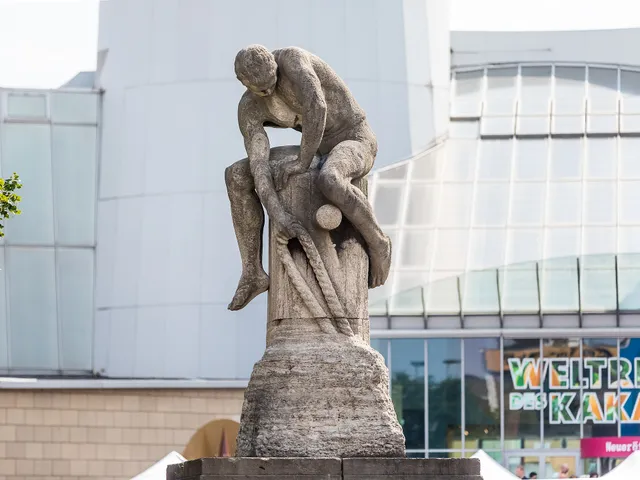
Tauzieher
since 1908Shell limestone sculpture at the Rheinauhafen — Cologne's first freestanding sculpture in public space, standing around 6½ metres tall.
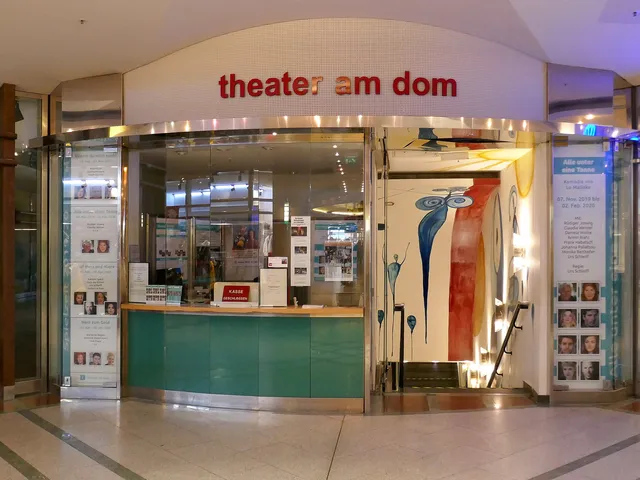
Theater am Dom
since 1952Cologne's premier boulevard theatre for comedy, tucked inside the Opernpassagen — its name recalls a former home with a view of the cathedral.
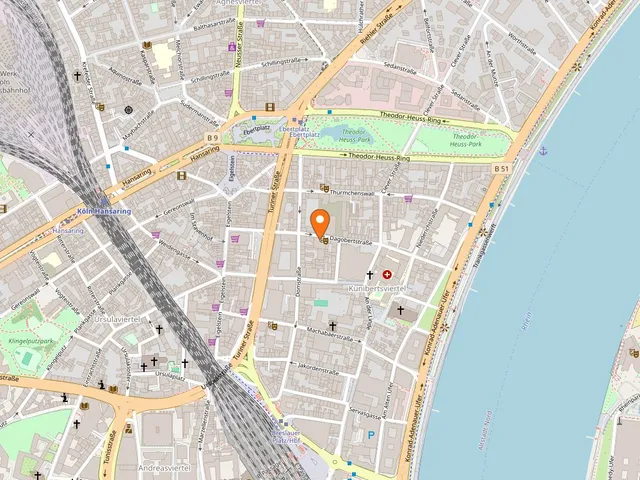
Theater Tiefrot
Private chamber theatre in Cologne's Altstadt-Nord with up to 80 seats — an off-theatre stage balancing literary classics and political drama.
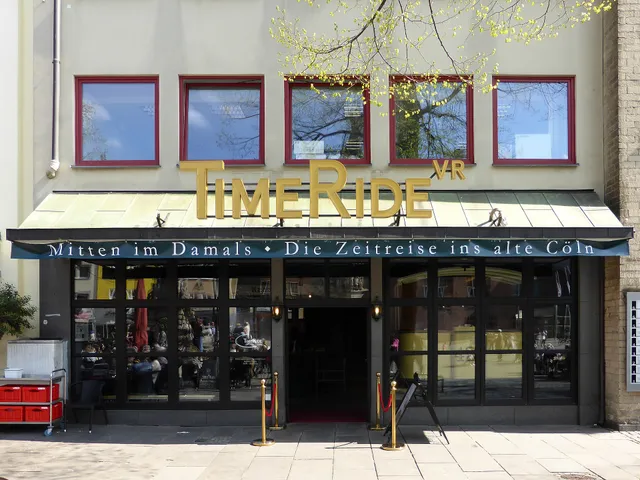
TimeRide Cologne
VR time travel in Cologne's Old Town: a virtual tram ride through 1926 Cologne, experienced through a VR headset.
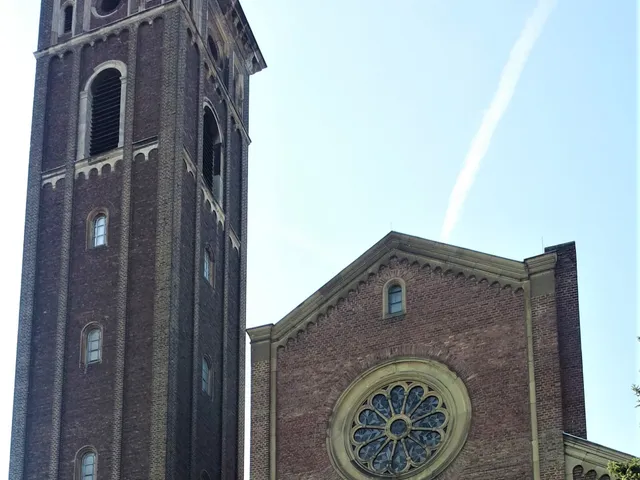
Trinitatiskirche
since 1860The oldest newly built Protestant church on Cologne's left bank of the Rhine — a classicist basilica inspired by northern Italian models.
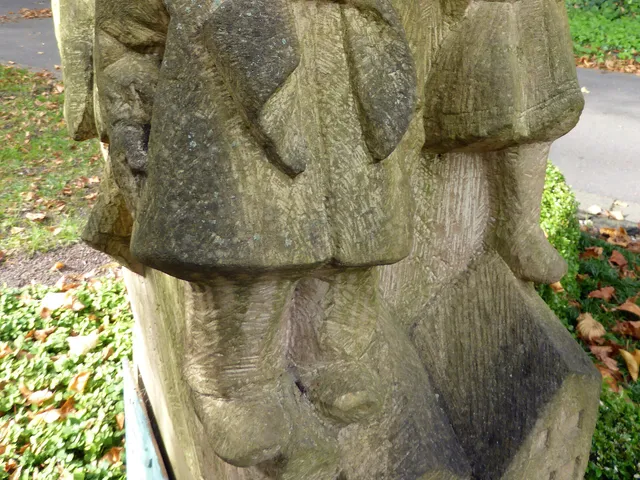
Tünnes und Schäl
Traditional Cologne brewhouse at Alter Markt, named after the beloved puppet duo from the Hänneschen Theatre — hearty local food and Kölsch on tap.
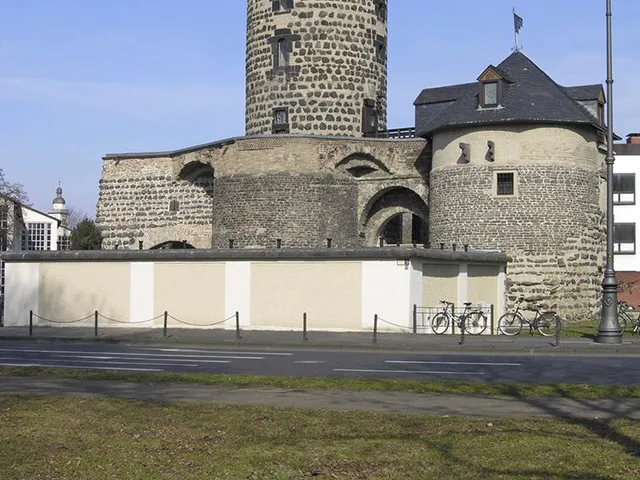
Ulrepforte
since 1230Cologne's smallest medieval land gate, dating from the 13th century — scene of a patrician feud in 1268 and today the home base of the Rote Funken carnival society.
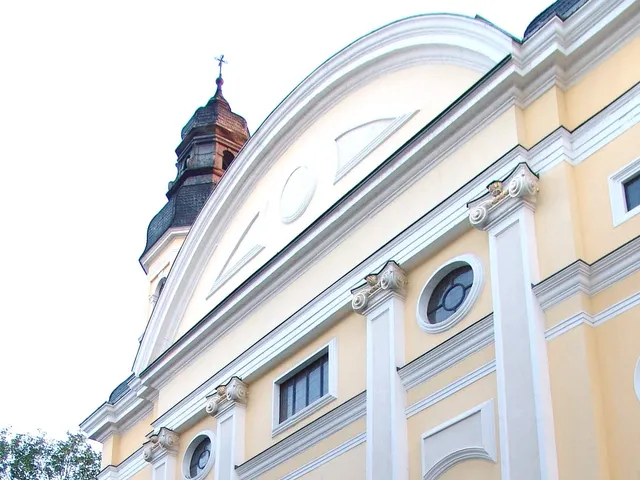
Ursulinenkirche St. Corpus Christi
since 1709Baroque former convent church of the Cologne Ursulines, built in Venetian style by Matteo Alberti — now a school chapel and concert venue.
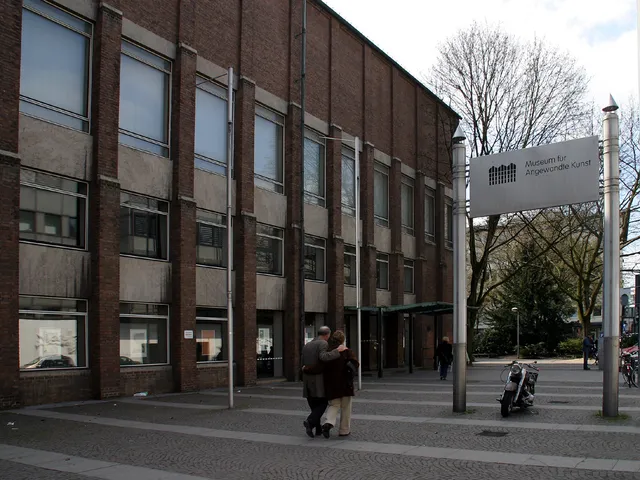
Wallraf-Richartz-Museum & Fondation Corboud
Cologne's oldest museum — home to the world's most extensive collection of medieval painting and Germany's largest Impressionist collection.
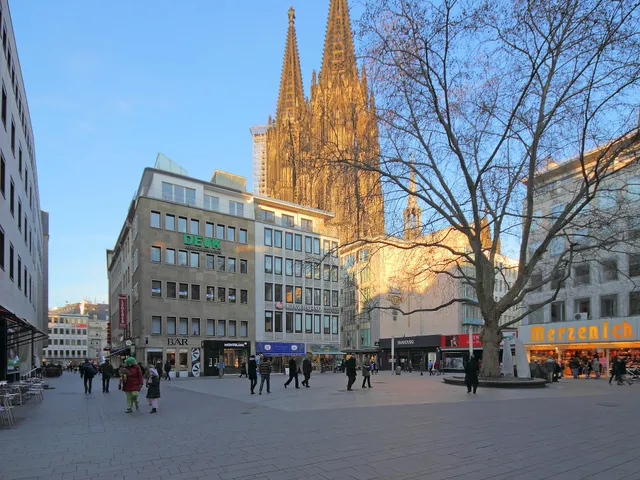
Wallrafplatz
Historic square in Cologne's Altstadt-Nord between the Hohe Straße and the Cathedral, created around 1830 on the site of the demolished Dompropstei.
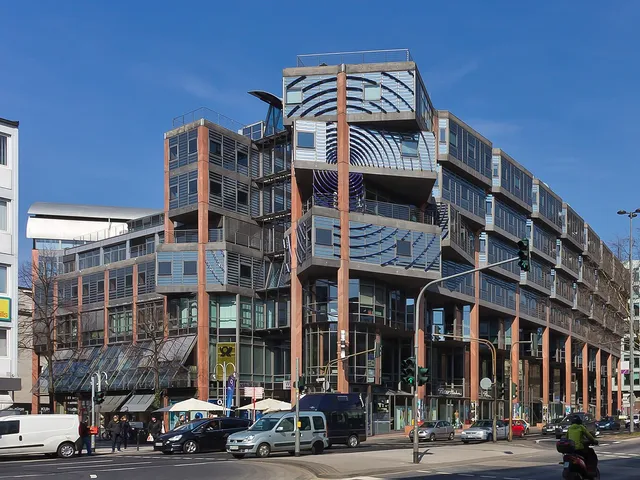
WDR Arkaden
WDR building with an arcade-like façade by Gottfried Böhm — famous for live broadcasts of Cologne's Weiberfastnacht carnival kickoff.
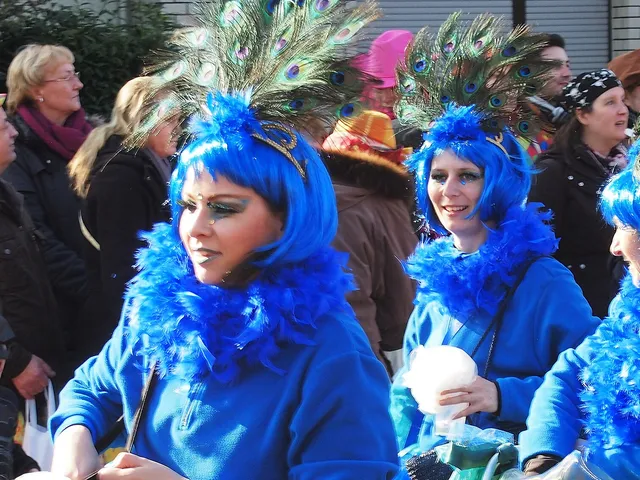
Weiberfastnacht
On the Thursday before Ash Wednesday, women seize power for a day — the Rhineland's exuberant unofficial kickoff to street carnival season.