St. Apern Monastery
Former Cistercian convent in Cologne's Altstadt-Nord, named after St. Aper of Toul and dissolved in 1802.
The convent's name traces back to a chapel dedicated to St. Aper of Toul, which once stood on what is now St.-Apern-Straße.
Source: Wikipedia
At a Glance
- Type
- Former Cistercian convent
- Location
- Cologne, Altstadt-Nord district, Innenstadt borough
- Namesake
- Aper of Toul
- Origin
- Chapel built before 1169
- Convent church patronage
- St. Bartholomew
- End
- Dissolved in 1802 during secularization
The nuns of St. Apern Convent were not the first occupants of the site in 1477: it had already housed a hospital and a Franciscan nuns' hermitage before the Cistercian nuns, expelled from St. Mechtern, moved in.
Beginnings
Before 1169, a chapel honoring St. Aper of Toul was built on the site. A hospital and a hermitage of Franciscan nuns were later added.
From St. Mechtern to St. Apern
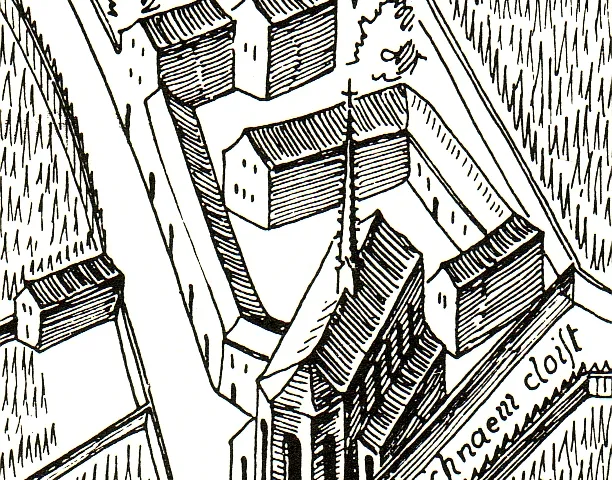
In 1477, Cistercian nuns from the St. Mechtern convent moved to St. Apern after having to abandon their convent outside the city walls. Between 1477 and 1487 they built a new convent church dedicated to St. Bartholomew, and this church was rebuilt again from 1621 to 1625. Its official name was monasterium s. Bartholomaei Coloniae.
Ties to Altenberg
The convent was subject to the Cistercian Abbey of Altenberg, which represented it before the city and the courts. Monks from Altenberg served at the convent church as confessors and chaplains.
The End
The convent was dissolved in 1802 as part of secularization, and its church was subsequently demolished.
Timeline
- vor 1169Construction of a chapel dedicated to Saint Aper of Toul
- 1477Cistercian nuns from St. Mechtern settle at St. Apern
- 1477–1487Construction of a new monastery church dedicated to Saint Bartholomew
- 1621–1625Replacement of the monastery church with a new building
- 1802Dissolution of the monastery during secularization and demolition of the church
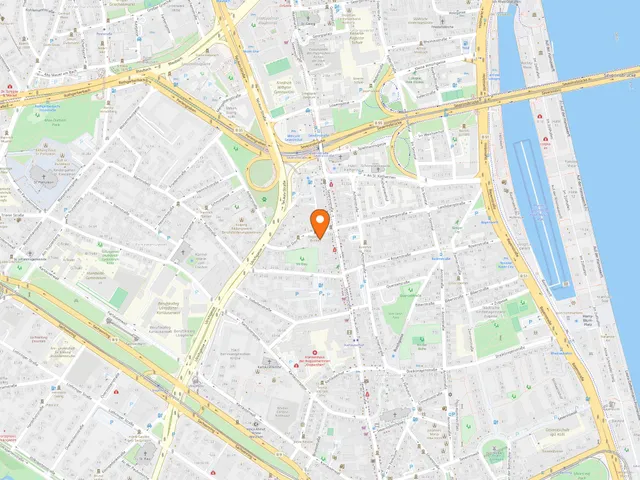
Map
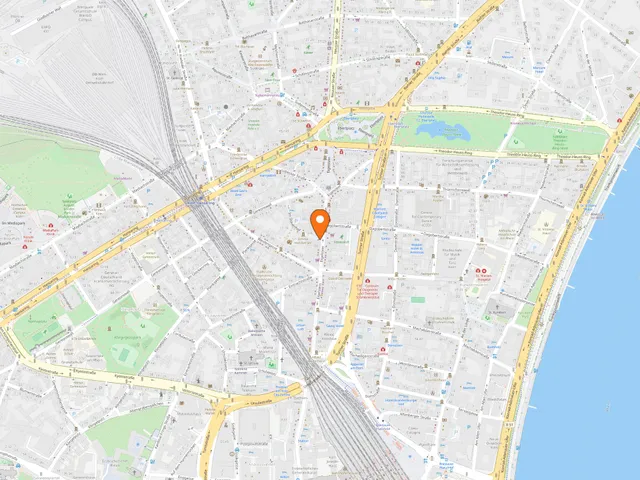
Blue dots: other places nearby — tap to explore.
You might also like — related or nearby
Comments
- Loading comments…
Sources & links
Auto-generated, last verified: 2026-09-05
How this page is made
This page draws on open sources — Wikipedia, Wikidata, official websites and the city’s open data. Every statement is checked against the sources linked here, and pages are refreshed regularly.
Spotted a mistake anyway? Tell us below — we read every submission.