Kölner Schull- un Veedelszöch
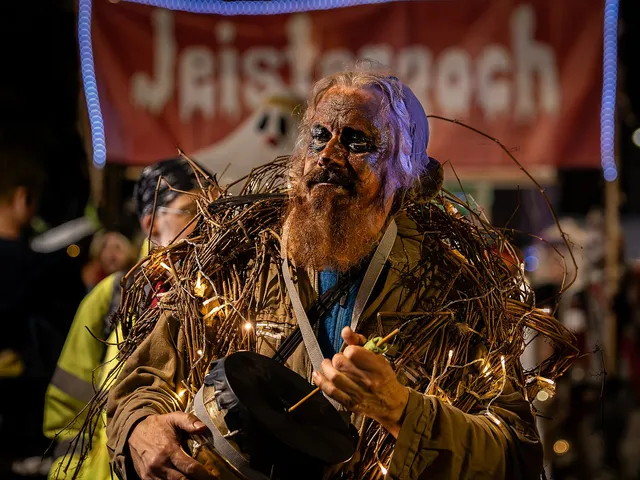
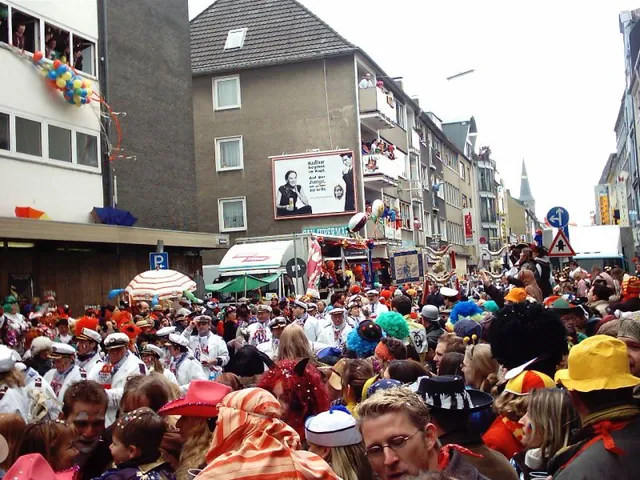
Sunday carnival parade where schools, local clubs, and neighborhood groups march through Cologne's city center and the Vringsveedel.
Held the Sunday before Rosenmontag, this parade holds a special place in Cologne's carnival calendar and, like the famous Rosenmontag procession, is broadcast live to the region.
Source: Wikipedia
At a Glance
- Type
- Carnival parade
- Date
- Carnival Sunday (Karnevalssonntag)
- Route
- Cologne city center and Vringsveedel
- First held
- 1933
- Participants
- up to 50 schools plus over 40 clubs and groups
- Merged parade
- joint procession since 1952
- Broadcast
- live on WDR television and Radio Köln 107.1
There is a waiting list of about 25 groups wanting to join the Schull- un Veedelszöch parades who cannot participate because the total length and duration of the procession are strictly limited.
History
A year before the first parade in 1933, a citizens' committee developed the idea, aiming to preserve and renew the popular, grassroots spirit of carnival. Joseph Klersch, then chairman of the Heimatverein Alt-Köln and a committee member, championed the goal of turning ordinary people from mere spectators back into active participants, opening fresh, wholesome sources for the festivities. Since 1952, the school parade and the neighborhood parade have run together as one procession.
Structure and Participants
The event actually combines two parades: the Schullzöch, featuring schools, and the Veedelszöch, featuring regulars' clubs (Stammtische), neighborhood associations, and carnival-loving "extended families," who follow the schools in that order. Demand to take part is high—around 25 groups sit on a waiting list, since the length and duration of the procession are limited. This Sunday parade through the city center should not be confused with the separate neighborhood carnival parades held in individual Veedel from Saturday through Tuesday.
Awards
A jury of roughly 40 members awards prizes for the best float and the best walking group. The director of the Rosenmontag parade may additionally bestow the "Golden Lappenclown" award for originality. These three winning groups earn the right to join the Rosenmontag parade itself, with their throwing candy and gifts sponsored by the Verein der Freunde und Förderer des Kölnischen Brauchtums. This association—alongside city officials such as the mayor and media representatives—supplies about two-thirds of the jury, rotating in different members each year. Schools themselves are never judged, sparing them any public pressure to perform.
Cancellations
In 2020 the parade was called off at short notice due to storm Yulia. It was also cancelled in 2021 and 2022 to help curb the spread of the COVID-19 pandemic.
Timeline
- 1932Citizens' committee initiates the idea of Veedelszöch
- 1933First Veedelszog on Carnival Sunday
- 1952School and neighborhood parades begin running together
- 2020Cancelled due to storm Yulia
- 2021Cancelled due to COVID-19 pandemic
- 2022Cancelled again due to COVID-19 pandemic
Gallery
Map
Blue dots: other places nearby — tap to explore.
You might also like — related or nearby

Comments
- Loading comments…
Sources & links
Auto-generated, last verified: 2026-09-23
How this page is made
This page draws on open sources — Wikipedia, Wikidata, official websites and the city’s open data. Every statement is checked against the sources linked here, and pages are refreshed regularly.
Spotted a mistake anyway? Tell us below — we read every submission.