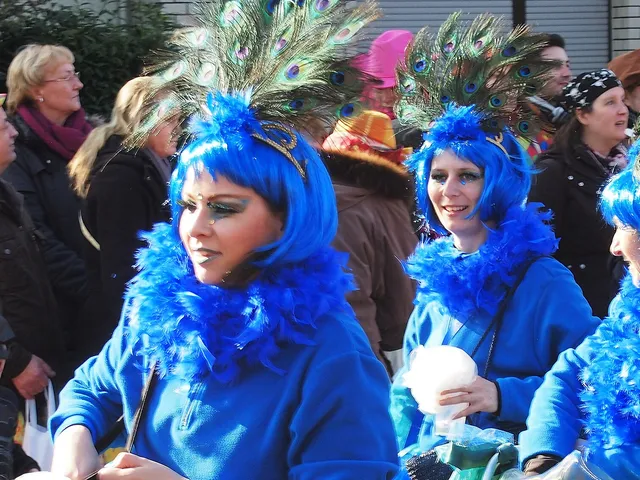
Cologne carnival
21 places in Cologne
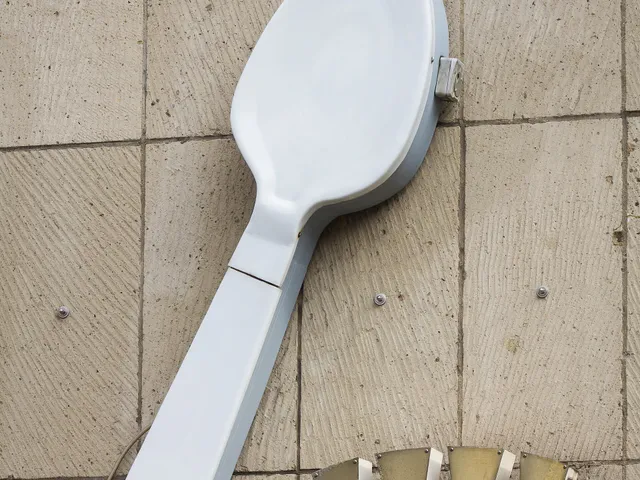
Glaub Cutlery Museum
A Cologne specialty museum (1951–1995) housing what was likely one of the world's most extensive cutlery collections — from Stone Age knives to the present day.
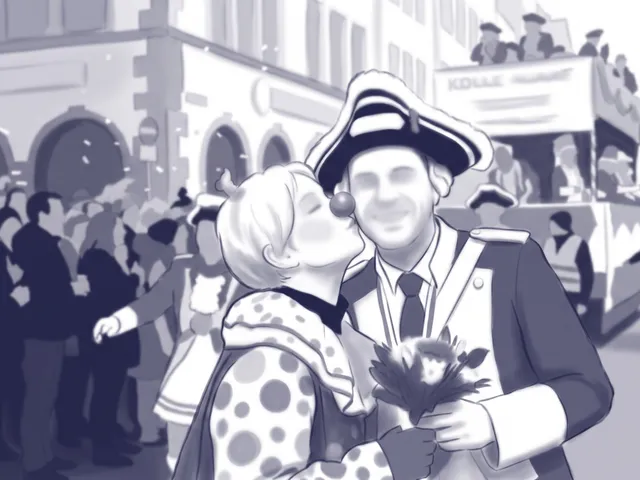 © KI-generiert · Google Gemini
Bützchen
Rhenish word for a closed-lip peck on the cheek — freely and cheerfully exchanged during Cologne Carnival as a lighthearted, no-strings-attached gesture of affection.
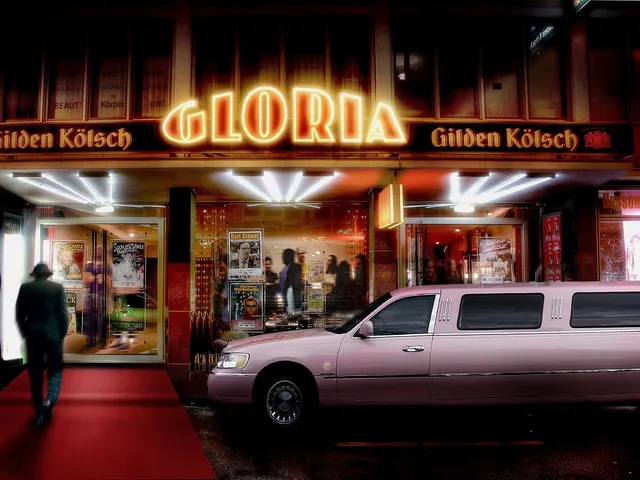
Gloria
Former cinema in Cologne's city centre, now a versatile venue for concerts, comedy, readings, parties, and carnival events.
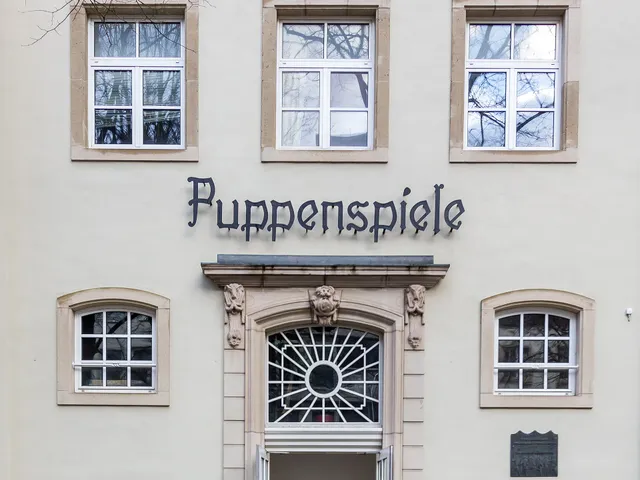
Hänneschen-Theater
Cologne's beloved rod puppet theatre at Eisenmarkt, performing in the local Kölsch dialect since 1802 — home to iconic figures Tünnes and Schäl.
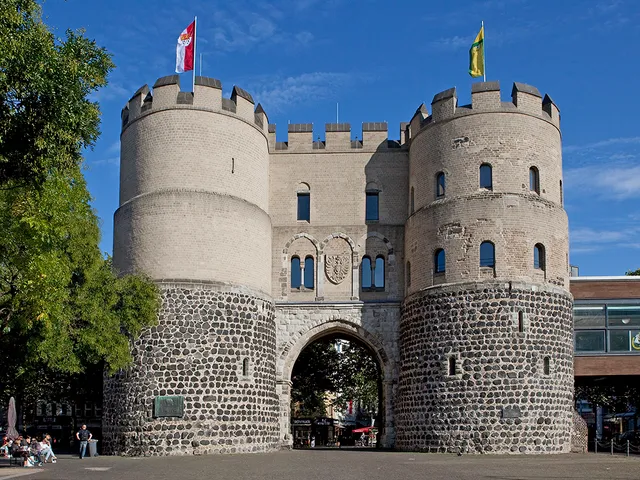
Hahnentorburg
since 1220Medieval twin-tower gate at Rudolfplatz — Cologne's western gateway, through which crowned kings entered the city after their coronation in Aachen.
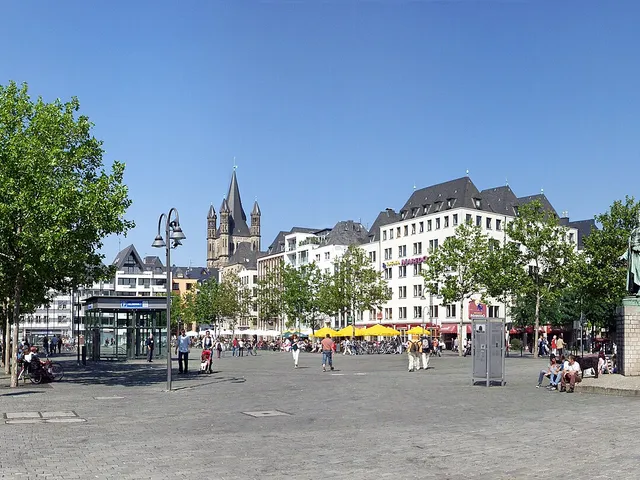
Heumarkt
Cologne's second-largest square and one of its oldest — built on a former Rhine island, hence its historic name 'Inselmarkt' (Island Market).
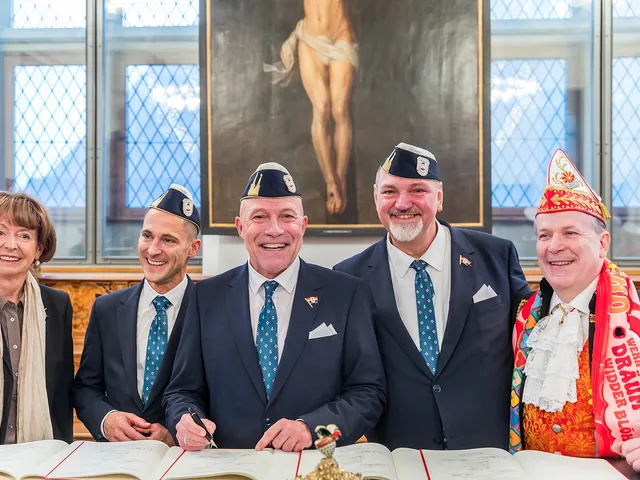
Kölner Dreigestirn
Trio of Prince, Peasant, and Virgin that leads Cologne Carnival — appointed fresh each year by the Festival Committee.
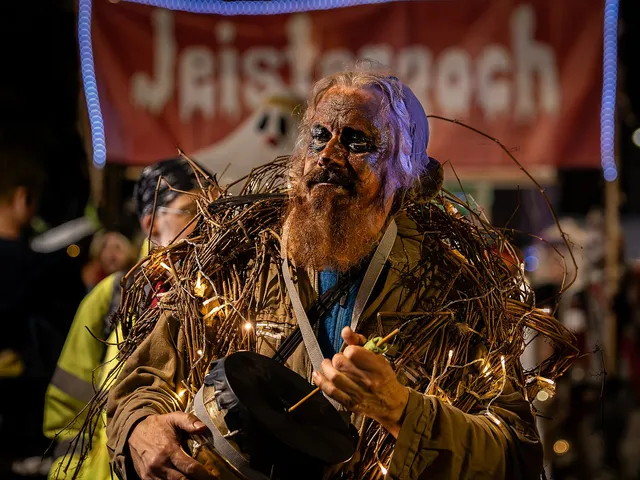
Cologne Ghost Parade
since 1991Alternative carnival procession and political demonstration: since 1991, it winds through changing Cologne neighborhoods without a formal permit.
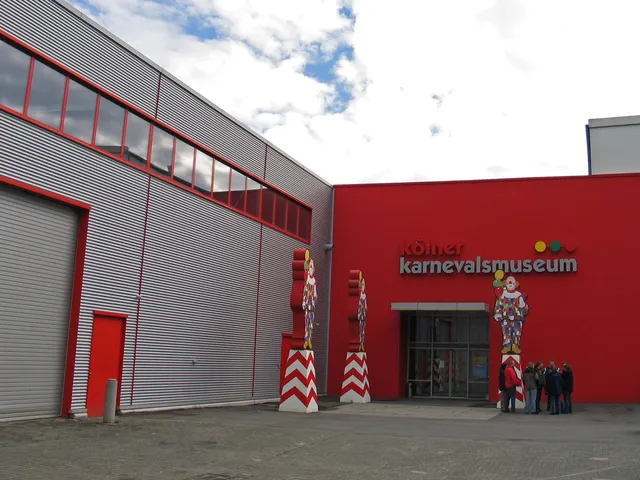
Kölner Karnevalsmuseum
Germany's largest carnival museum in Cologne-Ehrenfeld – tracing carnival history from antiquity to the present (currently closed).
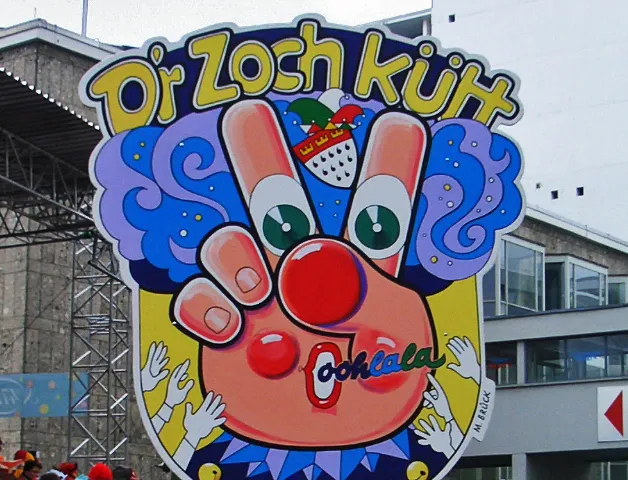
Cologne Rose Monday Parade
since 1823 approx. 1 M visitorsGermany's largest and oldest Rose Monday parade — the "Zoch" has wound its way through Cologne for eight kilometres since 1823.
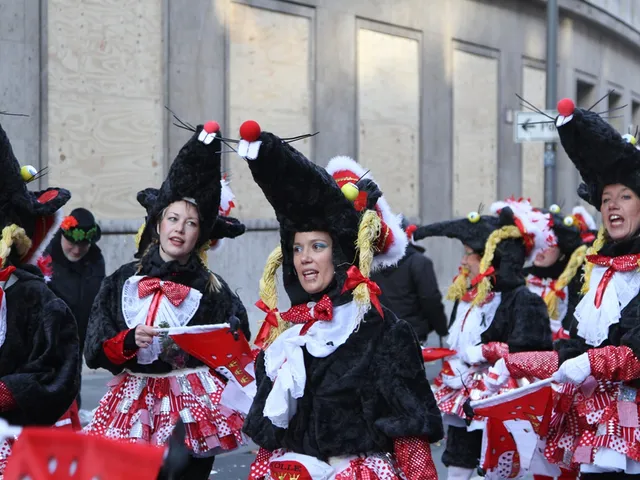
Kölner Schull- un Veedelszöch
Sunday carnival parade where schools, local clubs, and neighborhood groups march through Cologne's city center and the Vringsveedel.
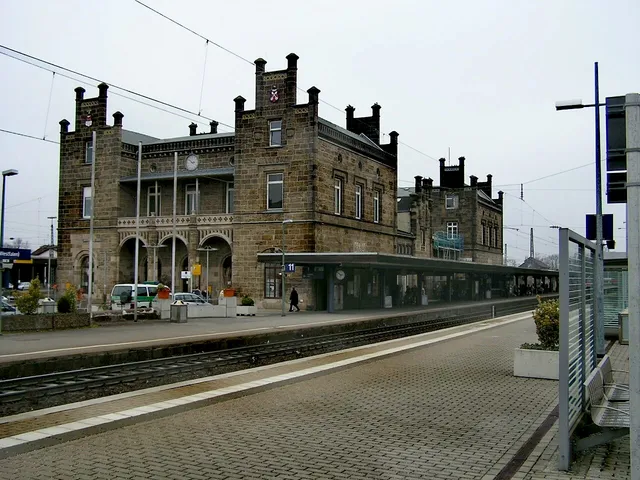
Cologne Coat of Arms
Three golden crowns for the Three Holy Kings and eleven black flames for St. Ursula — a coat of arms shaped by more than 700 years of change.
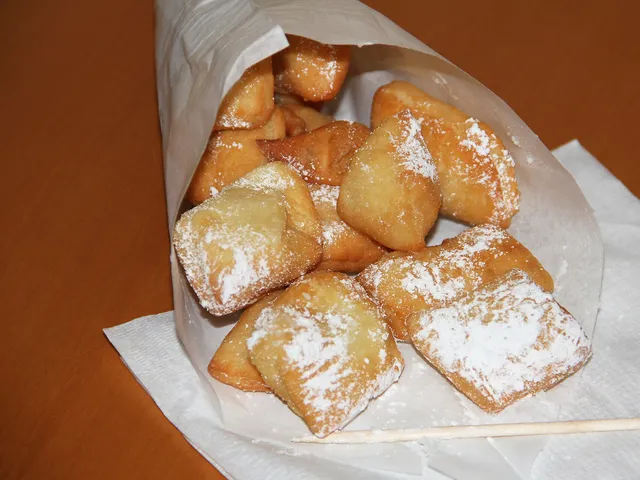
Mutzen
Rhenish deep-fried pastry for Carnival and New Year's Eve — diamond-shaped dough fried golden in hot oil and dusted with powdered sugar.
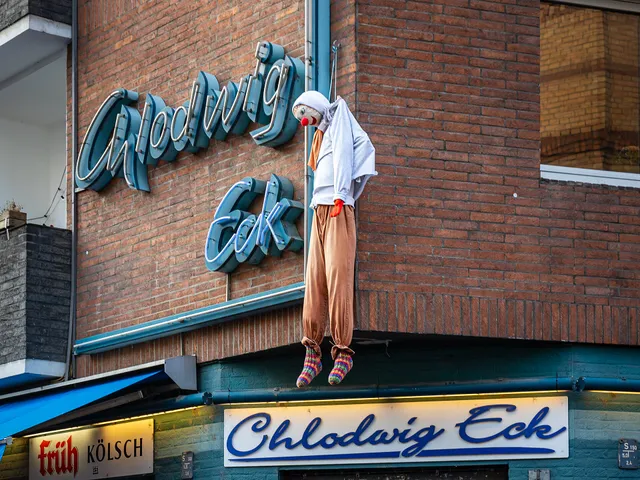
Nubbel
A life-size straw effigy that serves as the scapegoat of Rhineland carnival, burned in the night before Ash Wednesday.
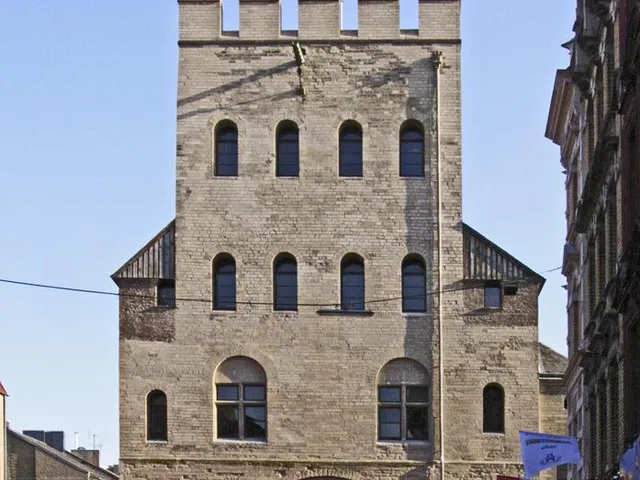
Severinstorburg
since 1230One of only four surviving medieval city gate towers in Cologne — a landmark of the Severinsviertel and today a vibrant community venue at Chlodwigplatz.
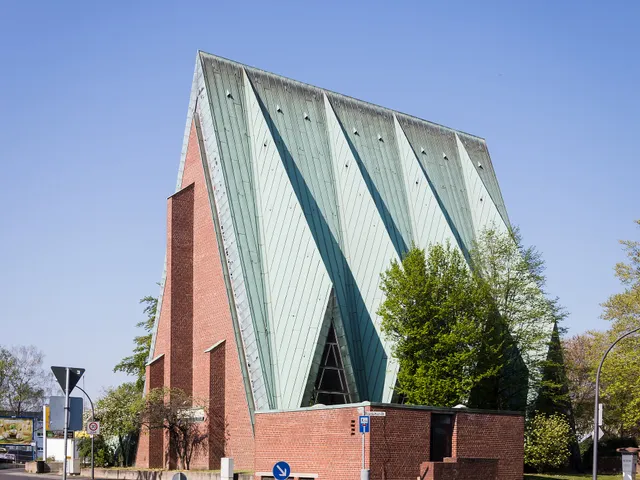
St. John the Evangelist (Cologne-Stammheim)
Catholic church in Cologne-Stammheim built as a literal "tent of God," its copper roof sweeping all the way to the ground — demolished in 2025.
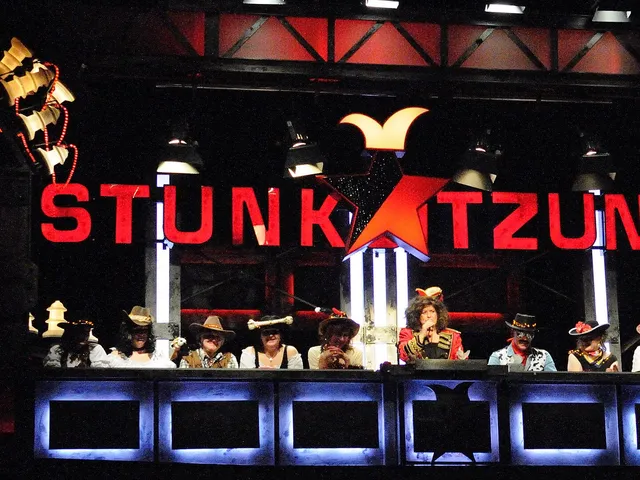
Stunksitzung
Alternative cabaret carnival session in Cologne that deliberately breaks with formal traditions and provokes with political satire.
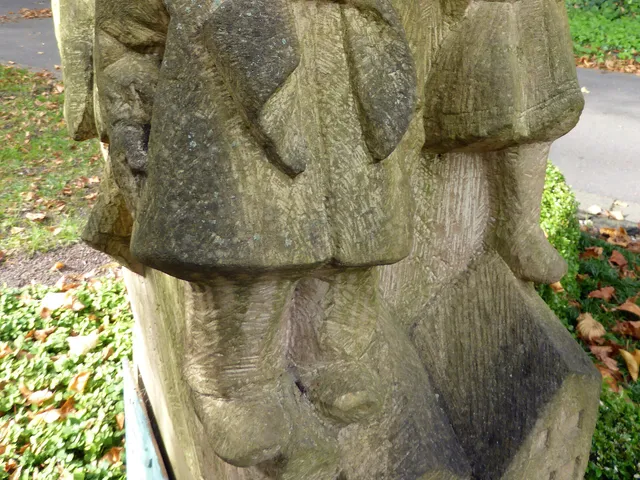
Tünnes und Schäl
Traditional Cologne brewhouse at Alter Markt, named after the beloved puppet duo from the Hänneschen Theatre — hearty local food and Kölsch on tap.
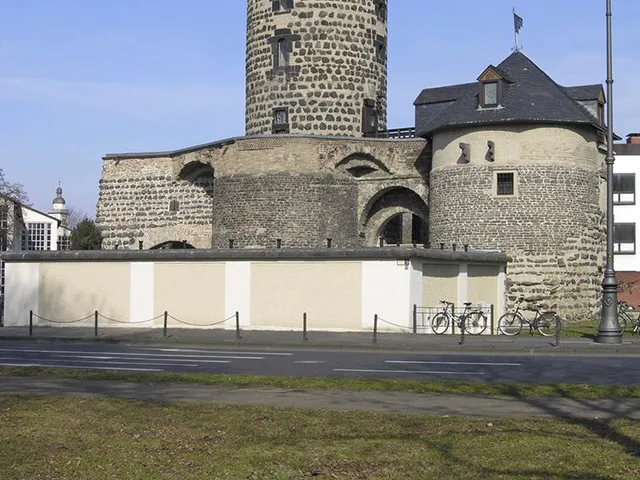
Ulrepforte
since 1230Cologne's smallest medieval land gate, dating from the 13th century — scene of a patrician feud in 1268 and today the home base of the Rote Funken carnival society.
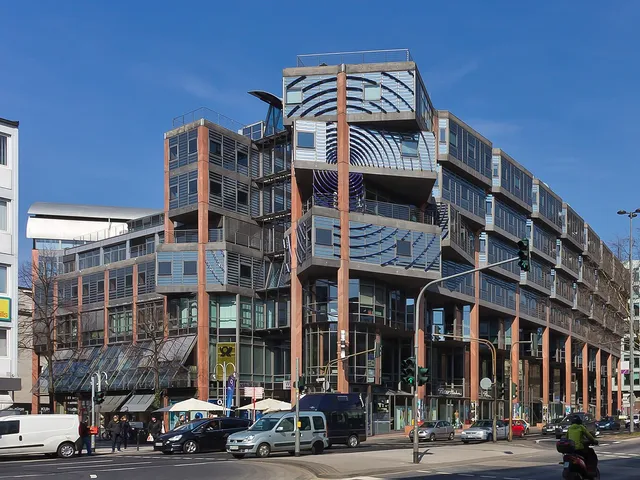
WDR Arkaden
WDR building with an arcade-like façade by Gottfried Böhm — famous for live broadcasts of Cologne's Weiberfastnacht carnival kickoff.