Kölner Karnevalsmuseum
Germany's largest carnival museum in Cologne-Ehrenfeld – tracing carnival history from antiquity to the present (currently closed).
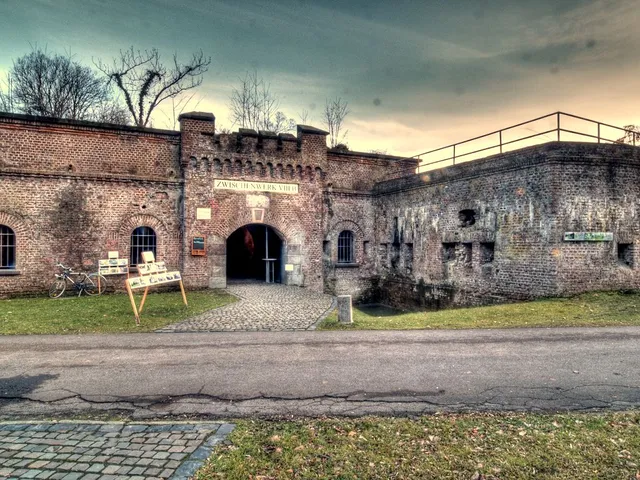
The Kölner Karnevalsmuseum in the Ehrenfeld district documents Cologne's carnival tradition on a scholarly basis. According to sources, it is the largest carnival museum in Germany.
At a Glance
- Type
- Museum dedicated to the history of carnival
- Location
- Cologne-Ehrenfeld
- Size
- over 1,400 m²
- Opened
- 19 June 2005
- Layout
- historical exhibition and interactive experience area
- Time span
- from carnival in antiquity to the present day
- Status
- currently closed
The most precious item in the collection is the 'Protocol Book of the Organizing Committee' from 1827, dating back to when structured Cologne Carnival was still in its infancy.
Things to do here
- Explore the history of carnival from antiquity to today in the exhibition
- Marvel at historic writings and documents
- Experience films, images and audio-video stations
- Join a guided tour through the museum
- Immerse yourself in the experience area of the museum hall
History
Over the decades, several attempts were made in Cologne to establish a museum showcasing the diversity of the festival. A small museum had previously existed in the former premises of the Festkomitee des Kölner Karnevals von 1823 e. V. on Antwerpener Straße in the city centre. For the new museum, exhibits were gathered from carnival clubs where they had been stored in scattered locations, supplemented by rare artefacts.
The Exhibition
The museum is divided into two sections: a historical carnival exhibition and an interactive experience area. The historical exhibition traces the development of carnival primarily through films and images, covering periods including antiquity, the Middle Ages, the Weimar Republic, and the era of National Socialism. Historical documents are on display; among the most valuable is the Protokollbuch des Festordnenden Comitees (minutes of the festival organising committee) from 1827. Modern audio and video units complement the exhibits, and guided tours have been offered since the museum's opening.
Cologne Carnival
The museum is rooted in a historically significant festival of national renown. The Festkomitee Kölner Karneval unites more than 100 societies, with celebrations taking place in around 60 further clubs, music groups, and neighbourhood communities. The Cologne Rose Monday parade (Rosenmontagszug), with at least 10,000 participants, is Germany's largest procession, drawing around 1.3 million spectators each year. The museum is supported by, among others, the Heimatmuseum Köln e. V. (Großer Senat), the Landschaftsverband Rheinland, Sparkasse KölnBonn, Kreissparkasse Köln, and private donors.
Today
The museum previously opened once a month. It first closed due to the COVID-19 pandemic; since August 2022 it has also been inaccessible due to fire safety renovation works, with no reopening date announced.
Timeline
- 1827Protocol book of the organising committee – oldest exhibit
- 2005-06-19Opening of the Cologne Carnival Museum (1,400 m²)
- 2020Closure due to COVID-19 pandemic
- 2022-08Closed again for renovation works (fire protection)
Map
Blue dots: other places nearby — tap to explore.
Address
Maarweg 134/136
50825 Köln
You might also like — related or nearby
Comments
- Loading comments…
Sources & links
- Official website
- Wikidata (retrieved 2026-06-23)
- Wikipedia (retrieved 2026-06-23, rev 264196389)
- Official website (retrieved 2026-06-24)
Auto-generated, last verified: 2026-06-26
How this page is made
This page draws on open sources — Wikipedia, Wikidata, official websites and the city’s open data. Every statement is checked against the sources linked here, and pages are refreshed regularly.
Spotted a mistake anyway? Tell us below — we read every submission.