Hänneschen-Theater
Cologne's beloved rod puppet theatre at Eisenmarkt, performing in the local Kölsch dialect since 1802 — home to iconic figures Tünnes and Schäl.
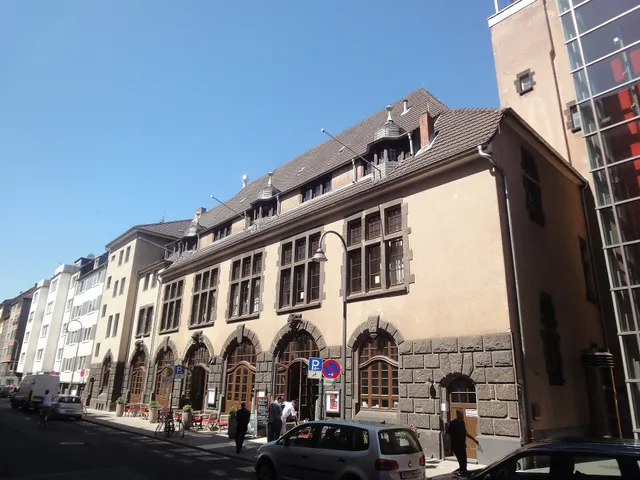
The Hänneschen-Theater — officially the "Puppenspiele der Stadt Köln" (City of Cologne Puppet Theatre) — is a rod puppet theatre located at the Eisenmarkt in the Altstadt-Nord district. Founded in 1802, it performs all of its productions in Kölsch, the traditional dialect of Cologne.
At a Glance
- Type
- Rod puppet theatre (municipal institution)
- Location
- Eisenmarkt, southern Martinsviertel, Altstadt-Nord
- Founded
- 1802 by tailor Johann Christoph Winters
- Operator
- City of Cologne
- Staff
- Around 25 full-time employees, including 14 puppeteers
- Language
- All productions written and performed in Kölsch
- Listed
- Protected monument in North Rhine-Westphalia
- Audience
- Productions for both adults and children
When the theater reopened in 1926, it moved into the so-called Rubens House on Sternengasse 10 – the very house where painter Peter Paul Rubens had spent his childhood and where the former French queen Marie de' Medici had died in 1642.
Things to do here
- Enjoy a show with the rod puppets
- Meet Tünnes, Schäl and Hänneschen on stage
- Immerse yourself in the local dialect and listen to Kölsch
- Catch an afternoon performance for children
- Admire the historic listed theatre on the Eisenmarkt
- Experience a puppet carnival session during Carnival
History
Tailor Johann Christoph Winters, born in Bonn, founded the theatre in 1802 in the Mauthgasse, initially staging simple nativity plays for children during Advent. After his death in 1862, the theatre passed to Peter Josef Klotz, who had married one of his granddaughters, before closing in 1919. At the initiative of Konrad Adenauer and Carl Niessen, a revival commission was formed in 1925, and the theatre reopened on 9 October 1926 under municipal ownership at the Rubenshaus on Sternengasse. Since 29 July 1938 — with interruptions during and after the war — the Hänneschen-Theater has been based at its current home on the Eisenmarkt.
Characters and Stories
The productions are set in Knollendorf, a fictional village just outside Cologne's city gates. The characters embody recognisable Cologne archetypes: most famously Tünnes and Schäl, alongside the title character Hänneschen and his companion Bärbelchen. In afternoon performances, Hänneschen serves as the central hero and chief identification figure for younger audiences.
Carnival Puppet Sessions
A fixture of the Cologne Carnival, the annual Puppensitzung (puppet session) is a satirical take on the traditional carnival format, featuring puppet versions of current Cologne carnival celebrities alongside the regular cast. The Hänneschen-Theater took part in Cologne's very first carnival procession in 1823 and has been present ever since.
Good to Know
With around 25 full-time staff, it is the largest puppet theatre by headcount in Germany, and self-finances roughly 60 percent of its budget. In June 2016, it was awarded the Rheinlandtaler by the Landschaftsverband Rheinland in recognition of its contribution to the cultural life of the Rhineland.
Timeline
- 1802Founded by Johann Christoph Winters in the Mauthgasse
- 1823First participation in Cologne's inaugural carnival procession
- 1847Franz Andreas Millewitsch opens a competing puppet theatre
- 1862Winters dies; Peter Josef Klotz takes over the theatre
- 1919Closed after death of the last family member
- 1926Reopened on 9 October in the Rubenshaus, Sternengasse 10
- 1938Moved to Eisenmarkt on 29 July (current location)
- 2022Mareike Marx becomes new director on 8 November
Gallery
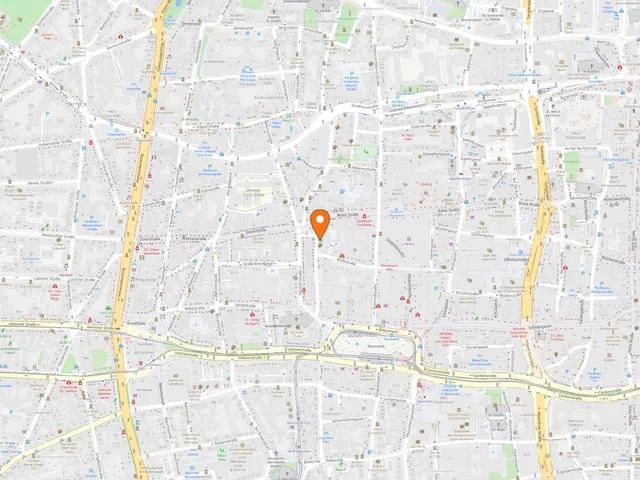
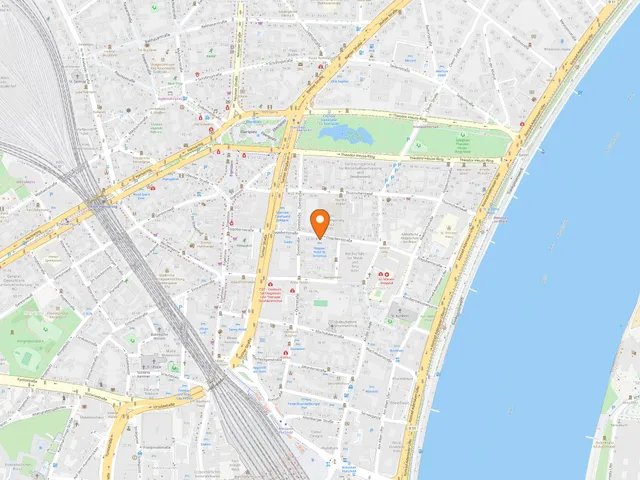
Map
Blue dots: other places nearby — tap to explore.
Address
Eisenmarkt 2 – 4
50667 Köln
You might also like — related or nearby
Comments
- Loading comments…
Sources & links
- Official website
- Official Instagram (@haenneschentheater)
- Wikidata (retrieved 2026-06-23)
- Wikipedia (retrieved 2026-06-23, rev 264169198)
Auto-generated, last verified: 2026-06-26
How this page is made
This page draws on open sources — Wikipedia, Wikidata, official websites and the city’s open data. Every statement is checked against the sources linked here, and pages are refreshed regularly.
Spotted a mistake anyway? Tell us below — we read every submission.