Millowitsch-Theater / Volksbühne am Rudolfplatz
In 1953 this stage hosted Germany's first live TV broadcast of a theatre play — the Millowitsch family's dialect theatre, now the Volksbühne am Rudolfplatz.
The Volksbühne am Rudolfplatz on Aachener Straße was originally the Millowitsch-Theater — a private dialect theatre that gained national fame through television. For seven generations it was carried by the Millowitsch family, one of Cologne's most beloved acting dynasties.
At a Glance
- Type
- Private dialect theatre; now offering comedy, cabaret, and music and literary events
- Location
- Aachener Straße 5, Cologne-Neustadt/Süd
- District
- City Centre
- Known for
- Germany's first live television broadcast of a stage play in 1953
- Significance
- One of Cologne's largest privately run theatres from 1936 to 2014
The first ever live broadcast of a stage play on German television – on October 27, 1953 – was never planned: the NWDR only aired it as a last-minute substitute for a cancelled sports broadcast, and that coincidence made the Millowitsch-Theater instantly famous across all of Germany.
Things to do here
- Catch a comedy, cabaret or music show
- Attend a concert or literary event
- Soak up the theatre history of seven generations of the Millowitsch family
- Admire the storied stage near Rudolfplatz
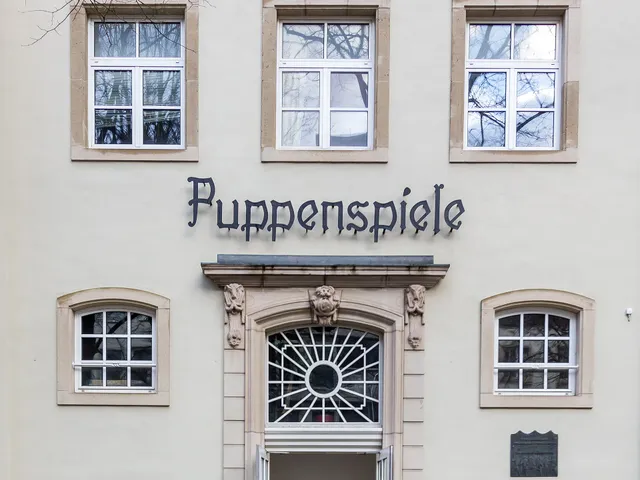
- Snap a photo in front of the famous house on Aachener Straße
From Puppet Stage to Theatre
The Millowitsch name first appeared in Cologne in 1792, when puppeteer Michael Millowitsch began performing here. For generations the family worked with rod puppets, staging beloved local characters such as Hänneschen, Tünnes and Schäl. A small theatre opened on Weyerstraße in 1849, and on 1 May 1895 the family made their debut at the Neumarkt with live actors as the "Cologne Low German People's Stage".
The House on Aachener Straße
In 1936 the theatre settled near Rudolfplatz, opening on 16 October with the play Mädchen für alles. The building had previously housed the Coloniasäle, used for dance events and military inspections during World War I. Willy Millowitsch took over as director in 1940, and during World War II the family toured as a front-line entertainment troupe through occupied Belgium and France. At the request of then-Mayor Konrad Adenauer, performances resumed on 19 October 1945.
Television and Farce
On 27 October 1953, the NWDR broadcast Der Etappenhase by Karl Bunje — the first live television transmission of a stage play in German history, filling in for a cancelled sports broadcast. The performance made the theatre famous nationwide. Broad comic farce dominated the programme thereafter, with over a hundred productions, including Tante Jutta aus Kalkutta, which drew a viewer rating of 88 percent.
Today: Volksbühne am Rudolfplatz
New operators took over in 2015 and renamed the venue Volksbühne am Rudolfplatz. Peter Millowitsch and his ensemble continued to perform there for part of the year alongside guest shows and concerts. On 25 March 2018, after seven generations, Millowitsch dissolved the ensemble for financial and personal reasons; since then, the management has programmed the venue year-round.
Timeline
- 1792Michael Millowitsch (puppeteer) first mentioned in Cologne
- 1. Mai 1895First performance as 'Cologne Low German People's Stage' at Neumarkt
- 16. Oktober 1936Move to Aachener Straße; premiere of 'Mädchen für alles'
- 1940Willy Millowitsch takes over as theatre director
- 19. Oktober 1945Resumption of performances after World War II
- 27. Oktober 1953First live TV broadcast of a stage play on German television (NWDR)
- 2015Renamed to Volksbühne am Rudolfplatz under new management
- 25. März 2018Millowitsch dissolves his ensemble after seven generations
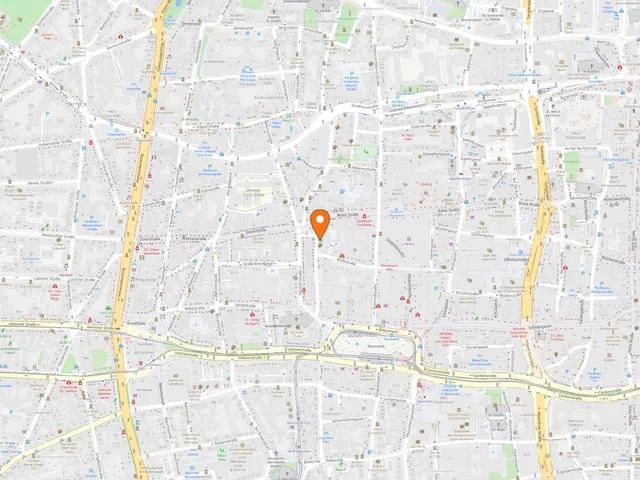
Map
Blue dots: other places nearby — tap to explore.
Address
Aachener Str. 5
50674 Köln
Hours
Mo: 18:00–19:30
Di: 18:00–19:30
Mi: 18:00–19:30
Do: 18:00–19:30
Fr: 18:00–19:30
Sa: 18:00–19:30
So: 18:00–19:30
You might also like — related or nearby
Comments
- Loading comments…
Sources & links
- Official website
- Wikidata (retrieved 2026-06-23)
- Wikipedia (retrieved 2026-06-23, rev 267911282)
- Official website (retrieved 2026-06-24)
Auto-generated, last verified: 2026-06-26
How this page is made
This page draws on open sources — Wikipedia, Wikidata, official websites and the city’s open data. Every statement is checked against the sources linked here, and pages are refreshed regularly.
Spotted a mistake anyway? Tell us below — we read every submission.