Concerts
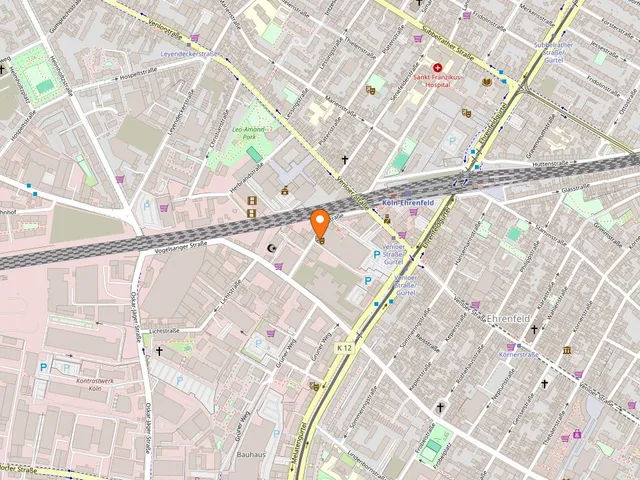
36 places in Cologne
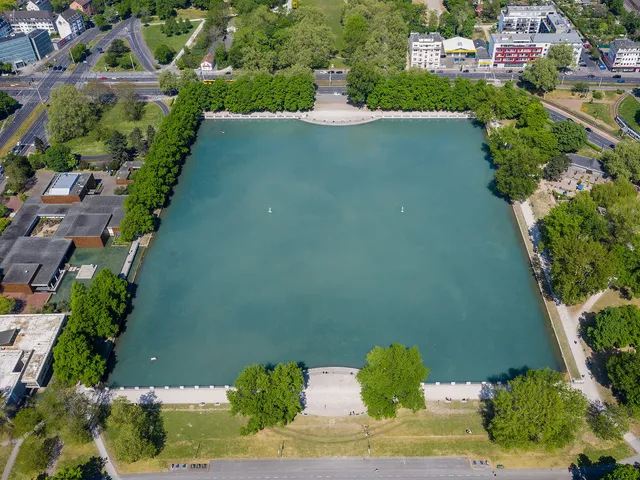
Aachener Weiher
A 1920s artificial lake in Cologne's Inner Green Belt, framed by a beer garden, East Asian art, and the Hiroshima-Nagasaki Park.
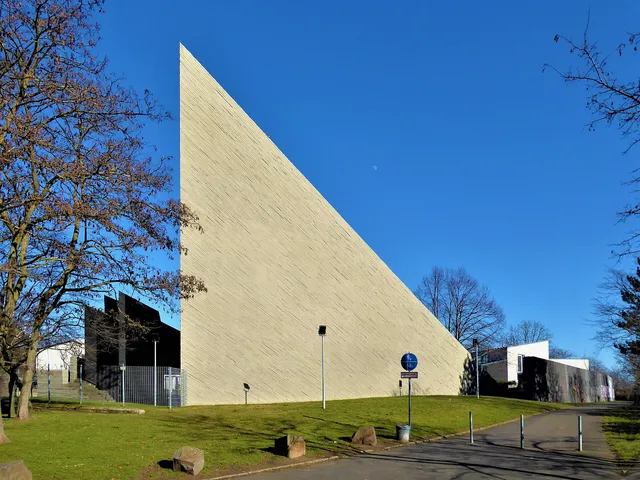
Auferstehungskirche (Cologne-Buchforst)
since 1965Listed Brutalist church from 1968 with a striking tetrahedral form, now operating as the 'Kulturkirche Ost' cultural venue for readings, music, and cabaret.
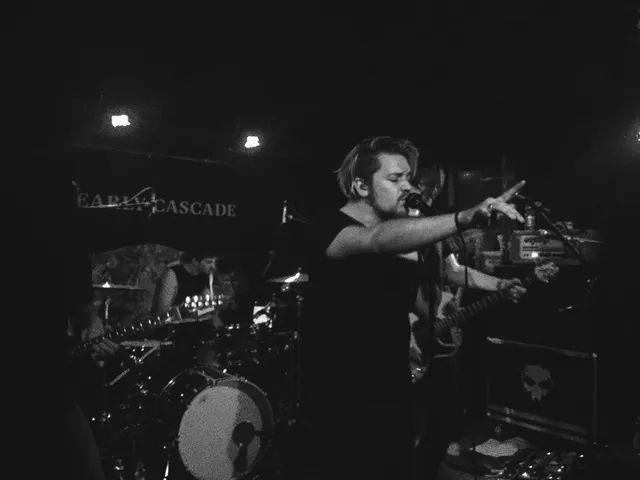
Blue Shell
since 1979A music and culture club in Cologne's Neustadt-Süd offering concerts, parties and cultural events – a fixture of the local subculture since 1979.
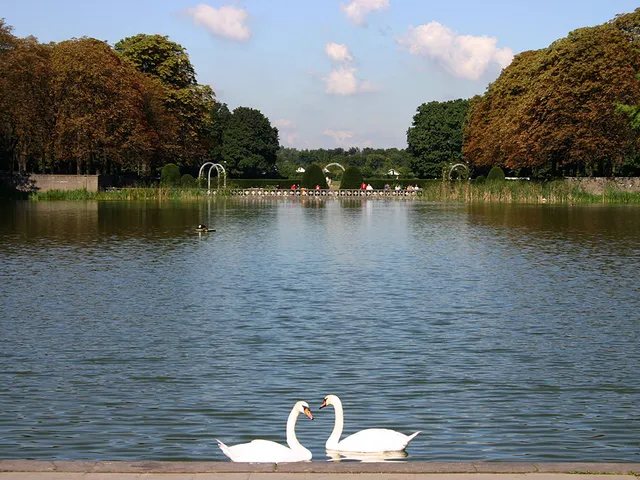
Blücherpark
Strictly geometric people's park from 1911–1913 with a rectangular pond, rowing boats, and a boathouse terrace.
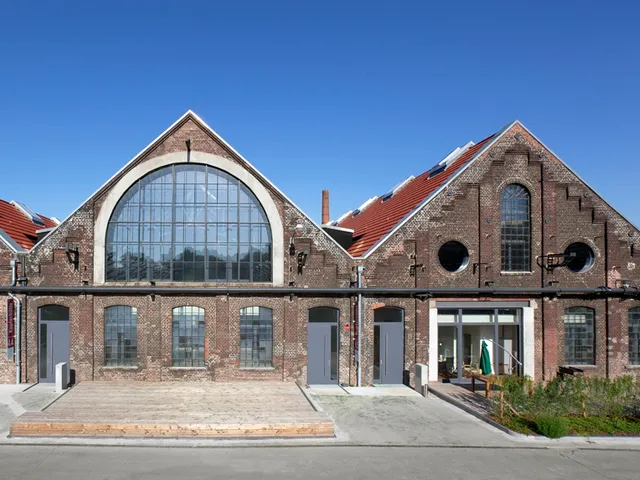
Carlswerk, Cologne
Former cable factory in Cologne-Mülheim where the first transatlantic telephone cable was made in 1904 – now a business campus and cultural venue.
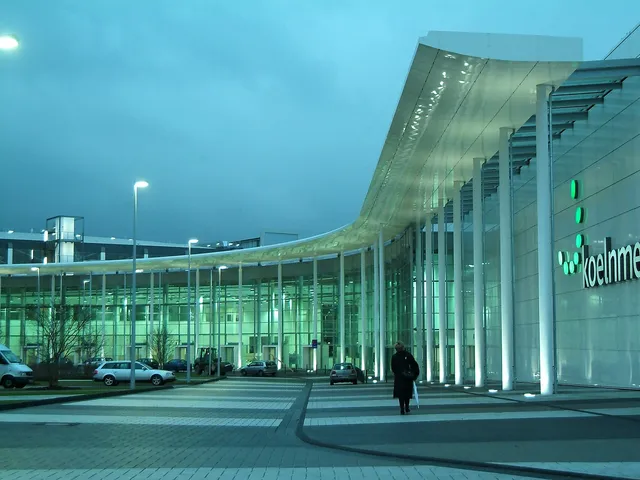
Congress-Centrum Koelnmesse
A sprawling convention and events complex at the Koelnmesse with more than 19,500 seats and around 40 flexible rooms.
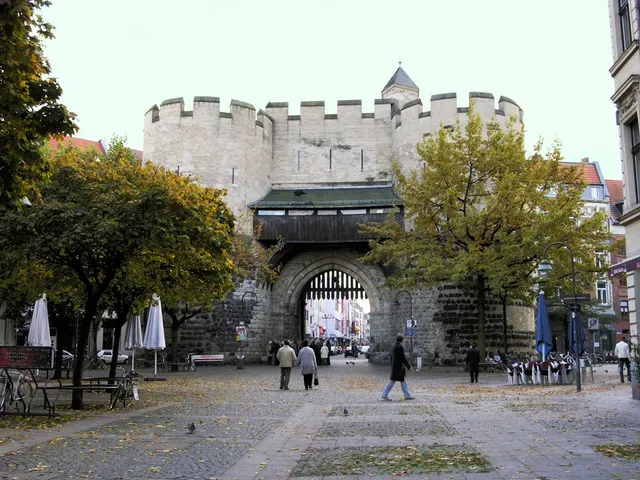
Eigelsteintorburg
since 1228One of four surviving gates of Cologne's medieval city wall — both Maria de' Medici and Napoleon once entered the city through this very gate.
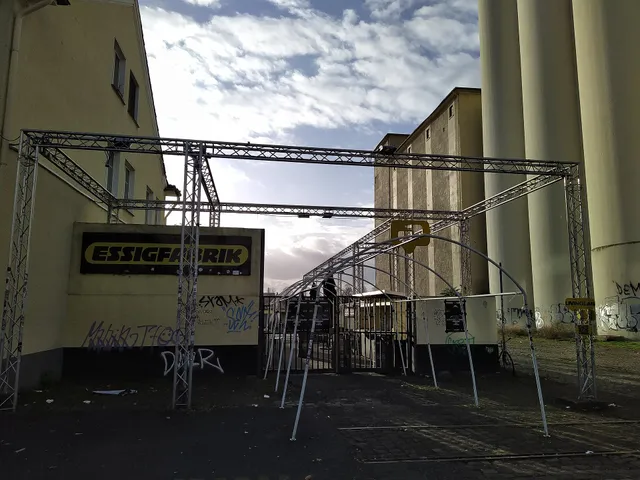
Essigfabrik
Concert and event halls in a former vinegar works at the Deutz harbour, today a stage for live music, celebrations and corporate events.
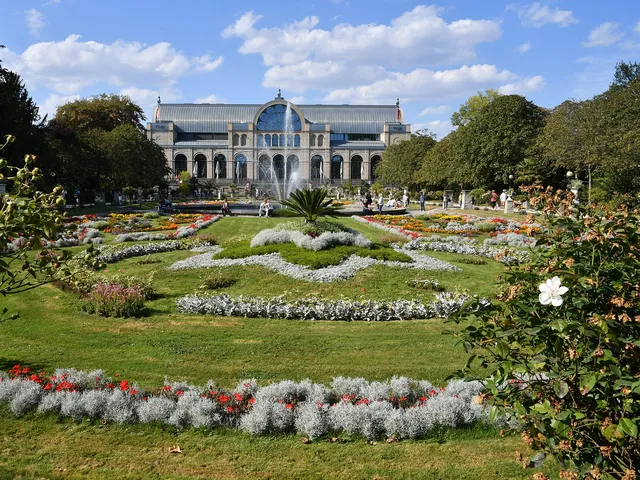
Flora
since 1864Cologne's botanical garden centred on the 1864 glass festival hall 'Flora' — a Lenné-designed park with over 10,000 plant species across more than 11 hectares.
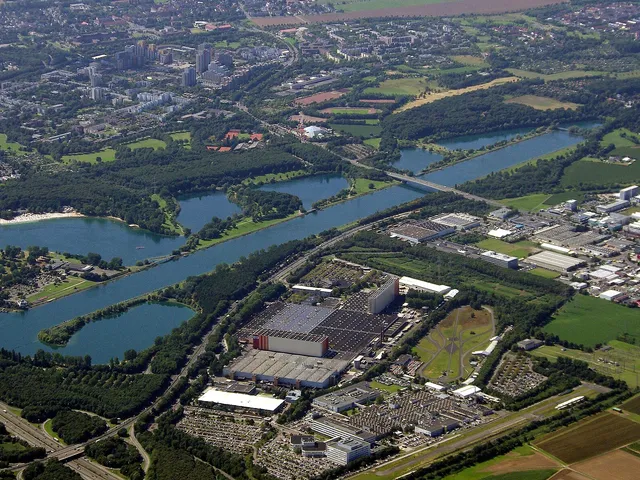
Fühlinger See
Former gravel pits turned into a 100-hectare lake in northern Cologne, home to a 2,300 m regatta course that hosted the 1998 Rowing World Championships.
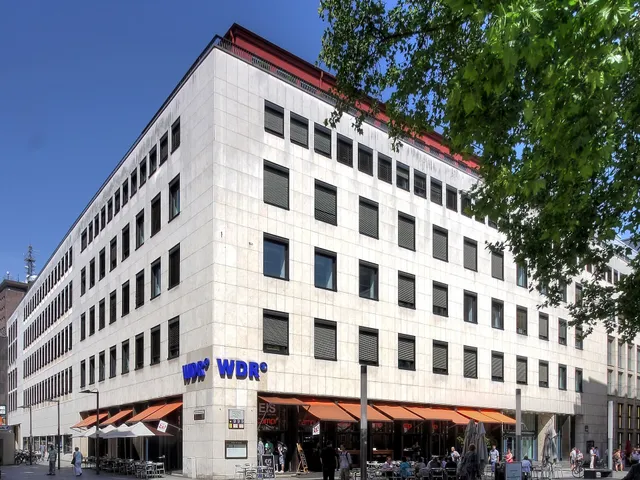
Funkhaus Wallrafplatz
The oldest WDR building in Cologne, housing two public concert halls right beside the cathedral with more than 200 concerts a year.
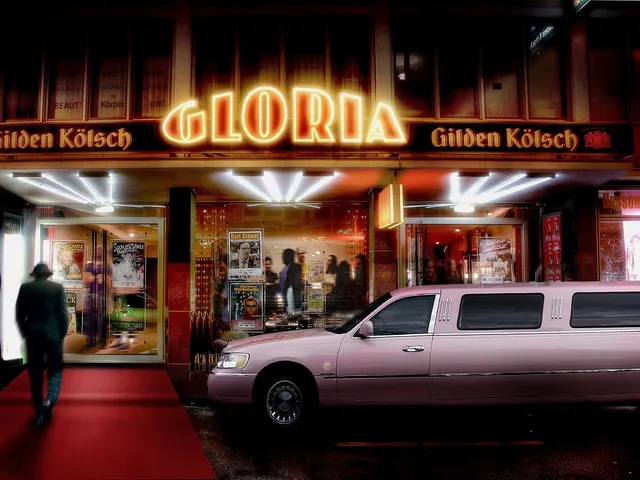
Gloria
Former cinema in Cologne's city centre, now a versatile venue for concerts, comedy, readings, parties, and carnival events.
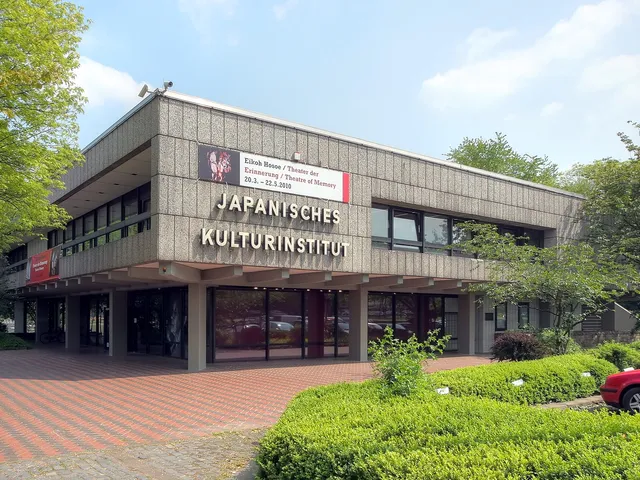
Japanese Cultural Institute
since 1969One of only three Japanese cultural institutes in Europe — Cologne's gateway to Japanese culture for the entire German-speaking world.
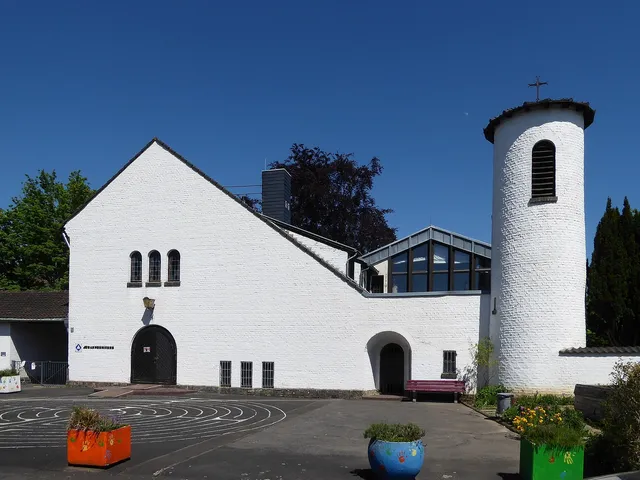
Johanneskirche Köln-Brück
1937 built Protestant greywacke church in Köln-Brück, prized for its acoustics and free-standing round tower, now a popular concert venue.
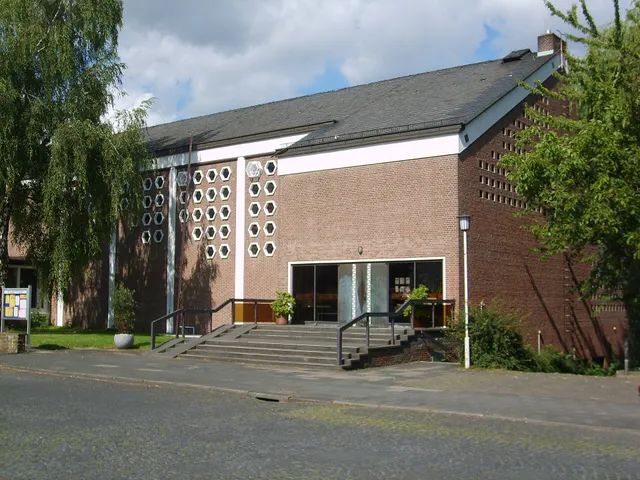
Johanneskirche (Cologne-Sülz)
Protestant church in Cologne-Sülz from the early 1960s, featuring colourful hexagonal concrete honeycomb windows and a baptistery separated by glass walls.
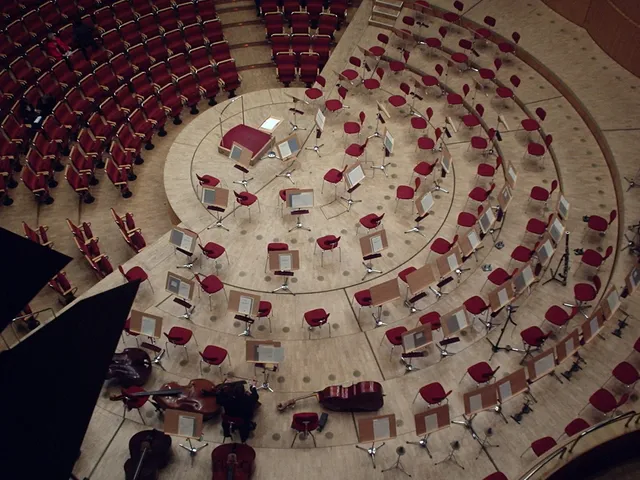
Kölner Philharmonie
since 1986Amphitheatre-style concert hall beneath Heinrich-Böll-Platz — a column-free auditorium for 2,000 with a celebrated Klais organ.
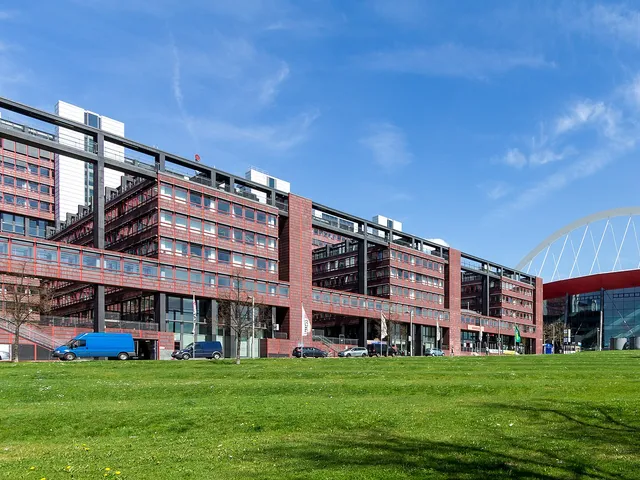
Lanxess Arena
since 1998Germany's largest arena and one of the biggest worldwide — in 2025, over 2.6 million visitors attended 208 events in Cologne-Deutz.
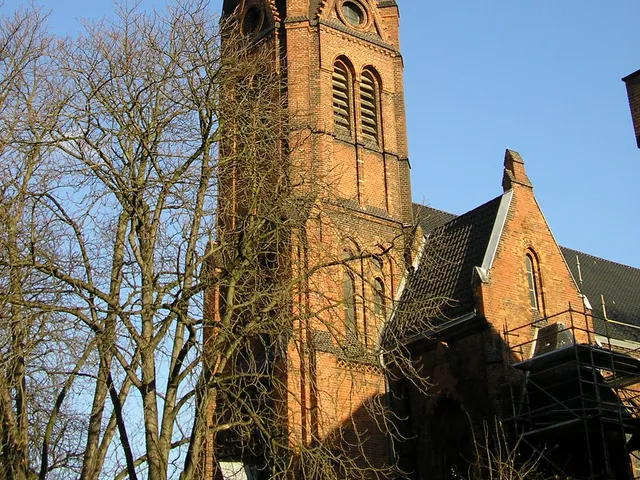
Lutherkirche (Cologne-Nippes)
since 1886Neo-Gothic Protestant church in the Sechzigviertel that has hosted concerts, readings and cabaret as Cologne's Kulturkirche since 2002.
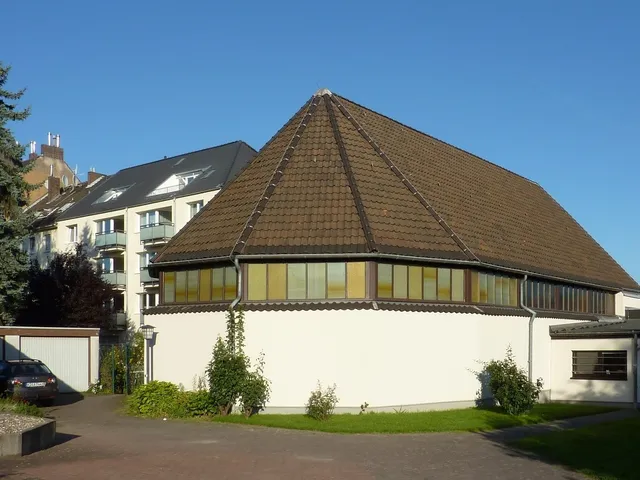
Luthernotkirche
Emergency church built from the rubble of the destroyed Lutherkirche, designed by Otto Bartning — the only one of its surviving kind fully preserved.
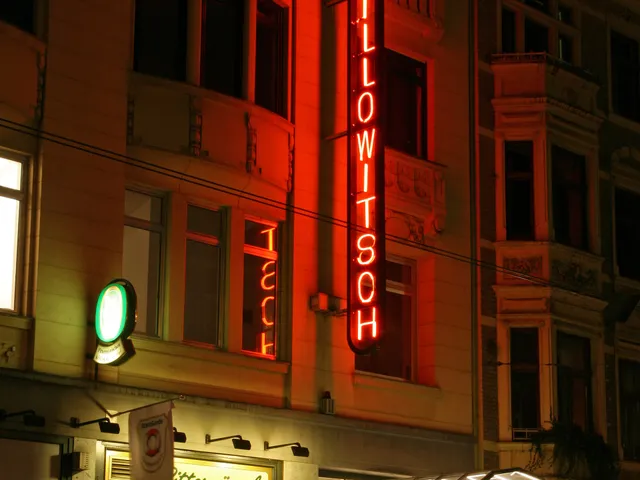
Millowitsch-Theater / Volksbühne am Rudolfplatz
In 1953 this stage hosted Germany's first live TV broadcast of a theatre play — the Millowitsch family's dialect theatre, now the Volksbühne am Rudolfplatz.
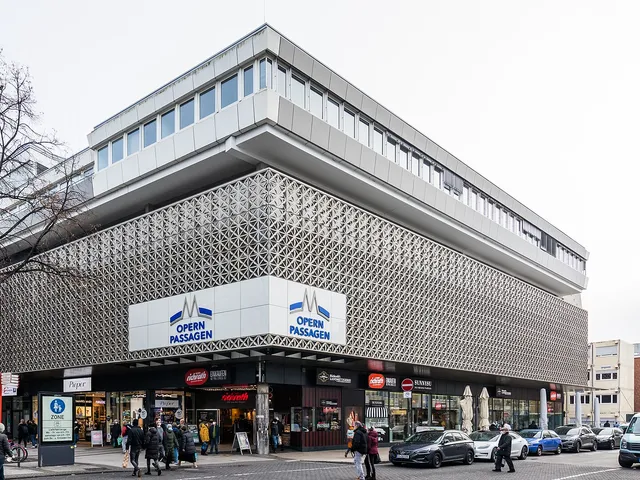
Opern Passagen
Opened in 1964 as Germany's first shopping arcade — today a shopping passage with the integrated Theater am Dom.
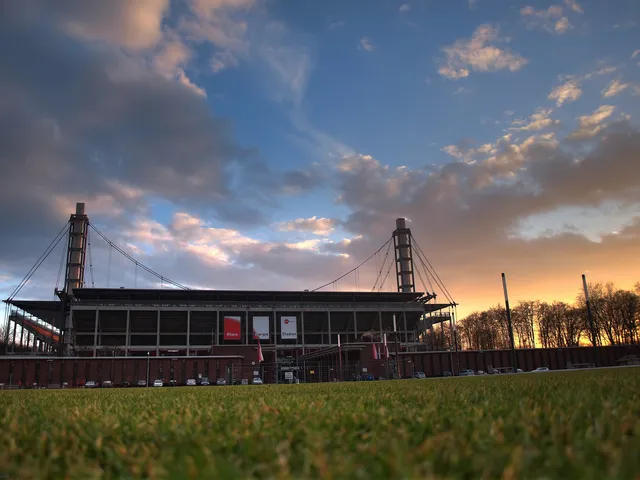
RheinEnergieStadion
since 1921Home ground of 1. FC Köln in Müngersdorf — rebuilt in 2004 as a dedicated football stadium and one of twelve 2006 FIFA World Cup venues.
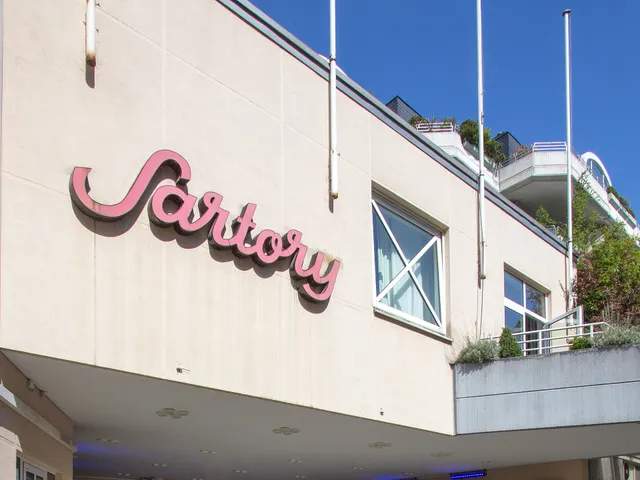
Sartory-Säle
Historic Cologne event halls near Friesenplatz, a stage for carnival, concerts and boxing since 1948.
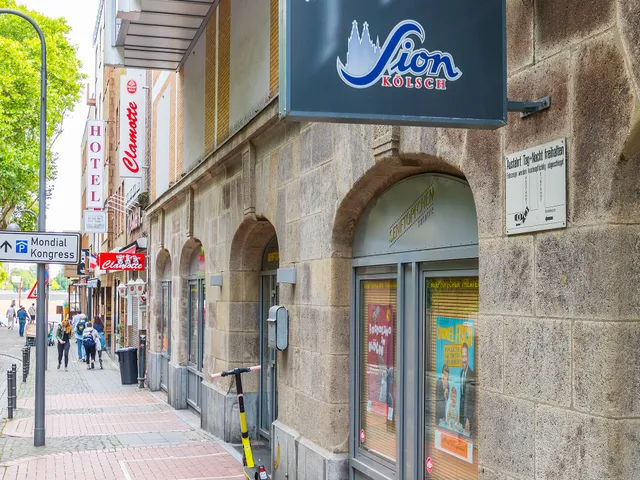
Senftöpfchen
Cologne's beloved cabaret and variety theatre — a launchpad for comedy talent since the 1970s with a reputation that reaches far beyond Germany.
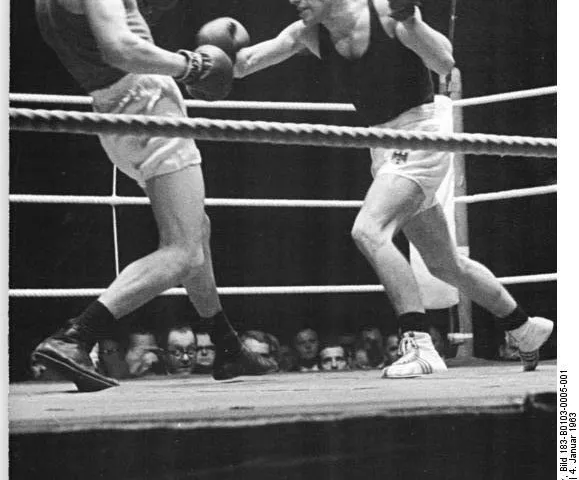
Sporthalle
since 1958Cologne's main arena for over four decades, with a permanent velodrome — stage for six-day races, boxing, and rock concerts, demolished in 1999.
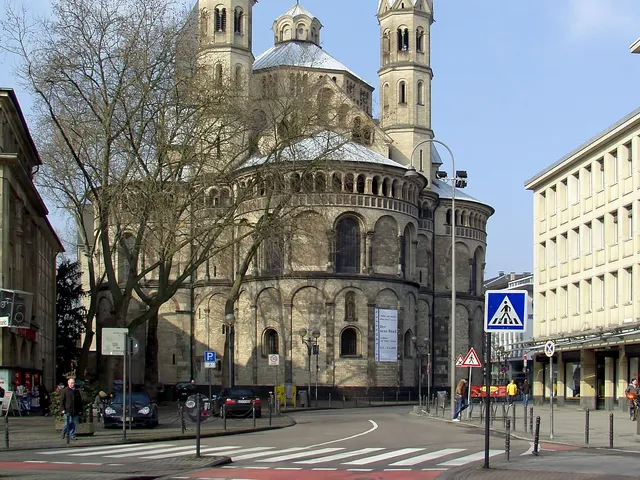
St. Aposteln
since 1020One of Cologne's twelve great Romanesque churches — known for its trefoil-shaped trichoral apse at Neumarkt and celebrated as the city's premier music church.
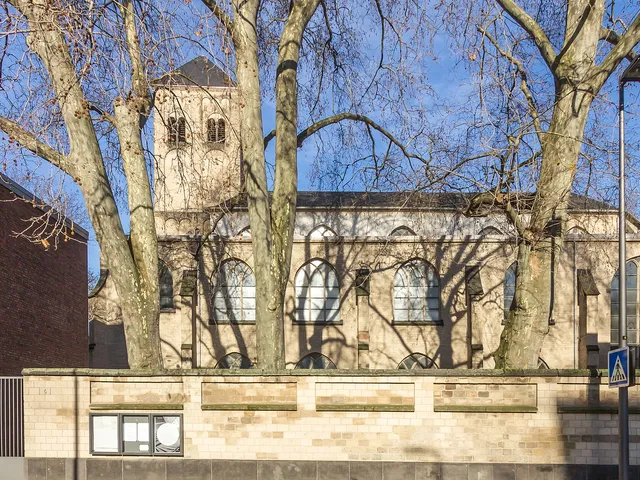
St. Peter – Kunst-Station
since 1515Cologne's latest surviving Gothic church — and since 1987 a venue for contemporary art and new music, run by Jesuits.
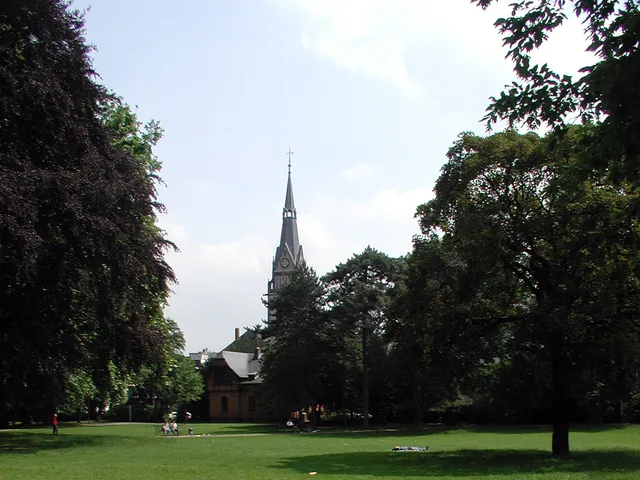
Stadtgarten
Cologne's first modern public park — and home to a renowned concert venue with a focus on jazz and over 400 events a year.
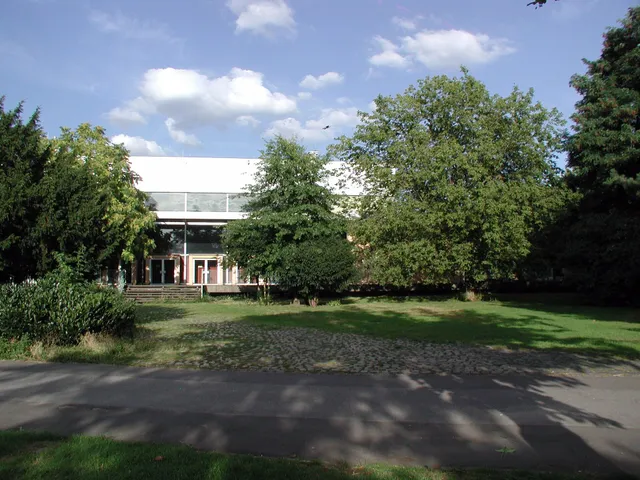
Stadthalle Köln
Built in 1963 in the Mülheim district, the Stadthalle Köln is a versatile venue for concerts, Carnival sessions and trade fairs, holding around 1,450 standing and 1,053 seated visitors.
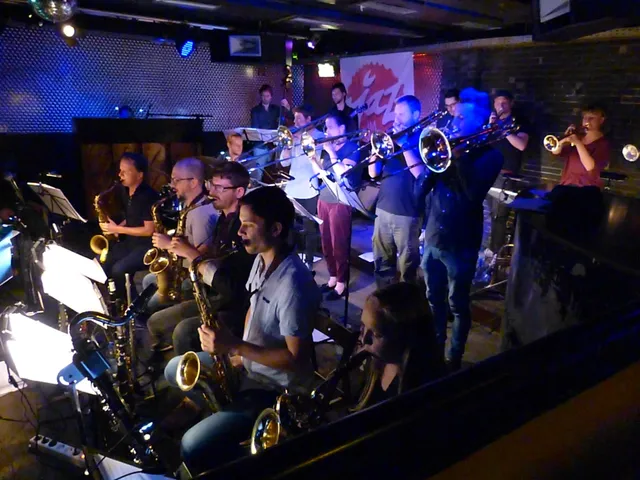
Subway
Small music club in Cologne's Belgian Quarter that made history as a jazz cellar from 1970 and today blends jazz, hip-hop and electronic music.
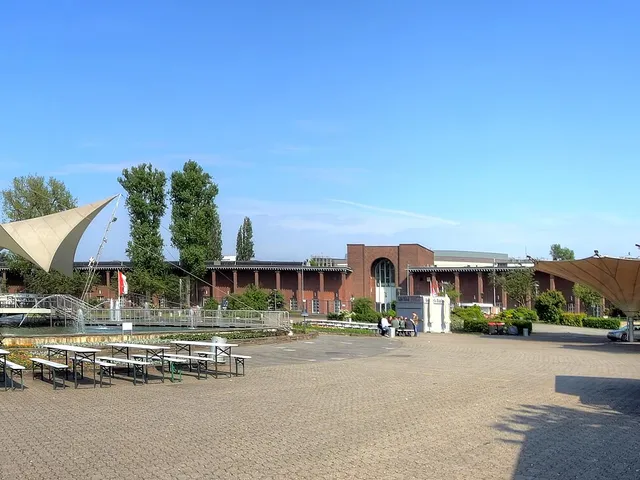
Tanzbrunnen
Cologne's open-air venue — home to up to 12,500 concertgoers beneath Frei Otto's iconic star-wave tent, inspired by a dancing fountain from 1950.
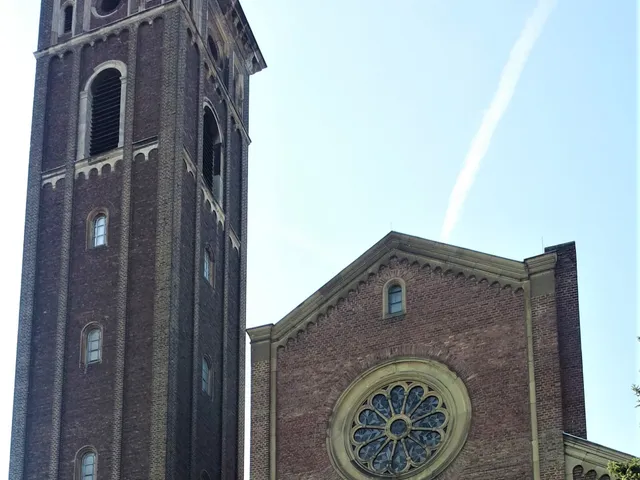
Trinitatiskirche
since 1860The oldest newly built Protestant church on Cologne's left bank of the Rhine — a classicist basilica inspired by northern Italian models.
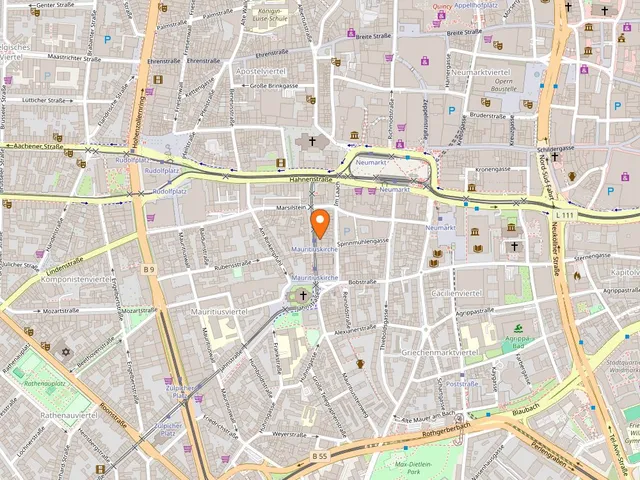
TURISTARAMA
Cinema, concert and cultural venue on Mauritiussteinweg in Cologne, also rentable as an event hall.
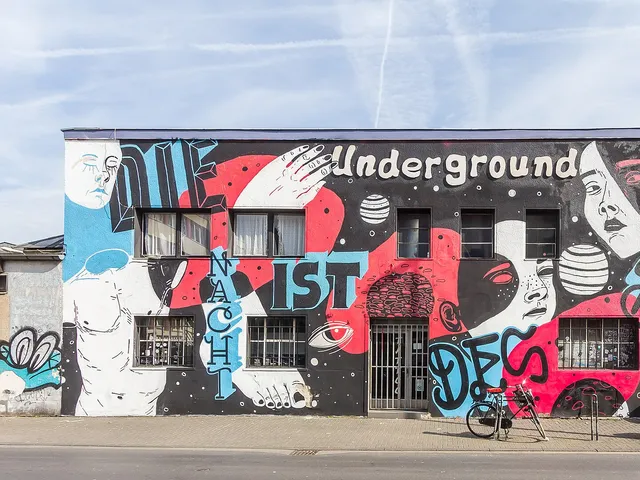
Underground (Club)
since 1988From 1988 to 2017 the Underground in Cologne-Ehrenfeld was a fixture for heavy metal, rock and punk – today a school stands on the site.
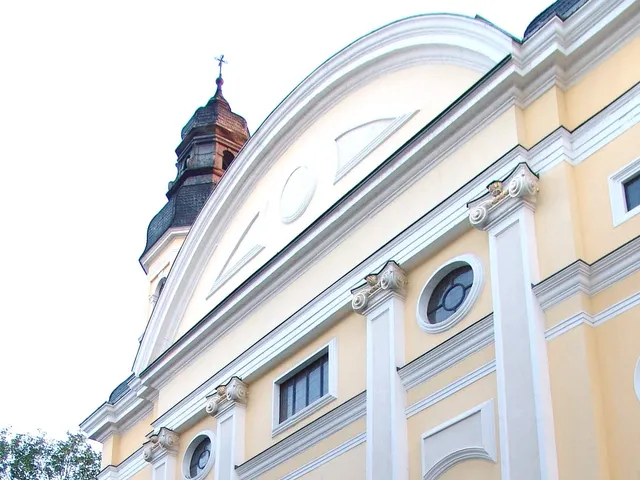
Ursulinenkirche St. Corpus Christi
since 1709Baroque former convent church of the Cologne Ursulines, built in Venetian style by Matteo Alberti — now a school chapel and concert venue.