Events
72 places in Cologne
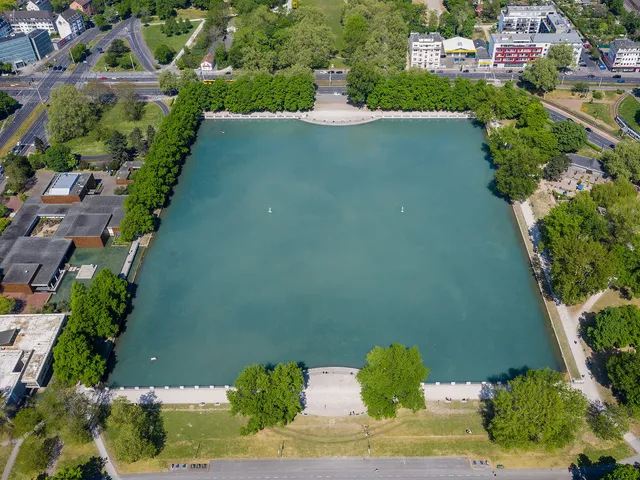
Aachener Weiher
A 1920s artificial lake in Cologne's Inner Green Belt, framed by a beer garden, East Asian art, and the Hiroshima-Nagasaki Park.
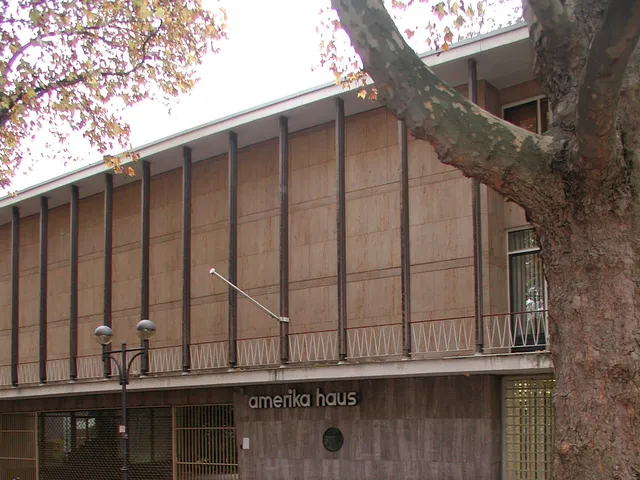
Amerika Haus
From 1955 to 2007 Cologne's hub for US cultural exchange — the last of the once 57 Amerika Houses still operating in Germany.
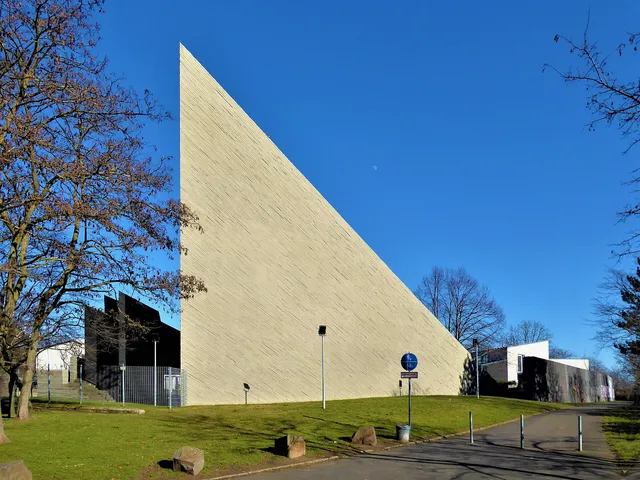
Auferstehungskirche (Cologne-Buchforst)
since 1965Listed Brutalist church from 1968 with a striking tetrahedral form, now operating as the 'Kulturkirche Ost' cultural venue for readings, music, and cabaret.
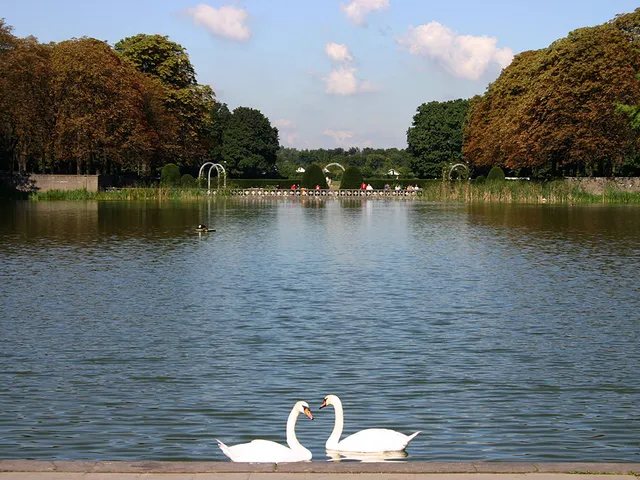
Blücherpark
Strictly geometric people's park from 1911–1913 with a rectangular pond, rowing boats, and a boathouse terrace.
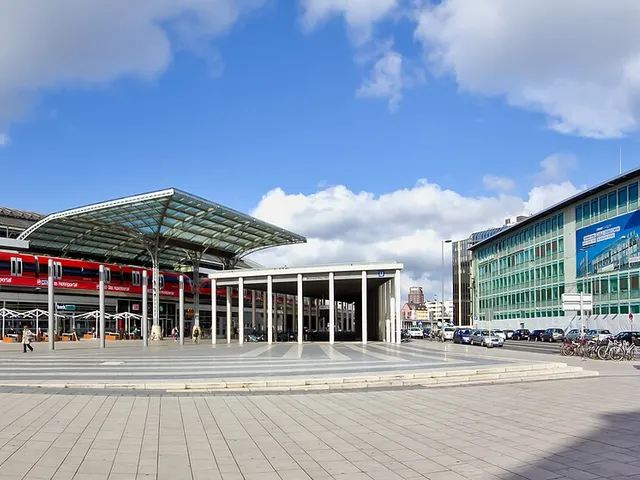
Breslauer Platz
The northern forecourt of Cologne Central Station — home to the city's main bus terminal and the Musical Dome, Cologne's largest theatre.
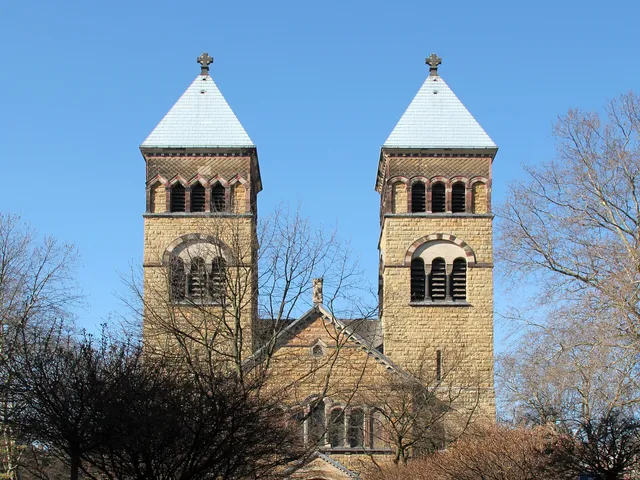
Brüsseler Platz
The heart of Cologne's Belgian Quarter, defined by the Neo-Romanesque church of St. Michael — a vibrant social hub and the scene of a long-running noise dispute.
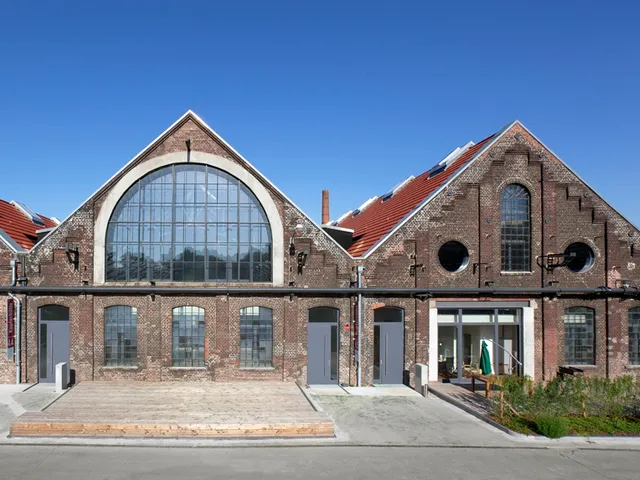
Carlswerk, Cologne
Former cable factory in Cologne-Mülheim where the first transatlantic telephone cable was made in 1904 – now a business campus and cultural venue.
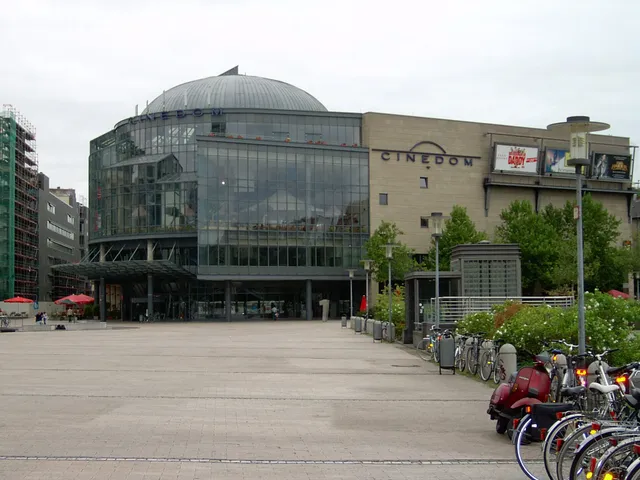
Cinedom
Multiplex cinema in Cologne's Mediapark — beneath the dome of its glazed rotunda, 3,200 diodes once traced the northern night sky.
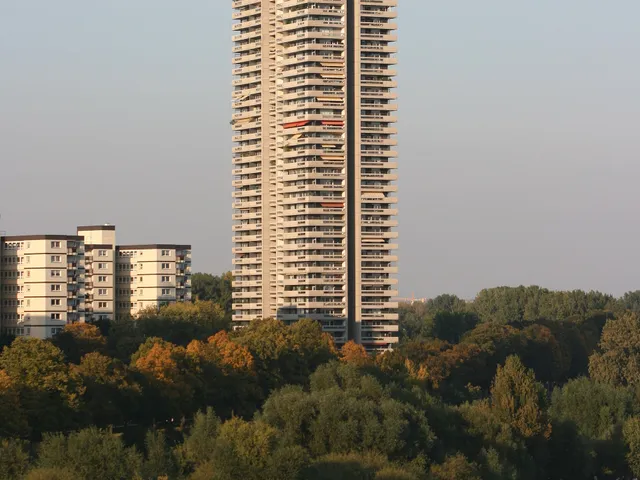
Colonia-Haus
since 1973Germany's second-tallest residential skyscraper, right on the Rhine in Riehl — at 155 m with antenna, almost as tall as Cologne Cathedral (157 m).
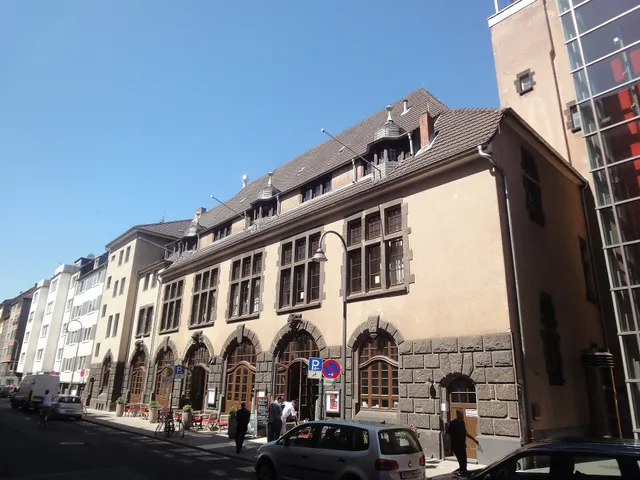
Comedia Theater
Independent children's and youth theatre in a former Cologne fire station — with its own evening programme of cabaret, music and theatre for adults.
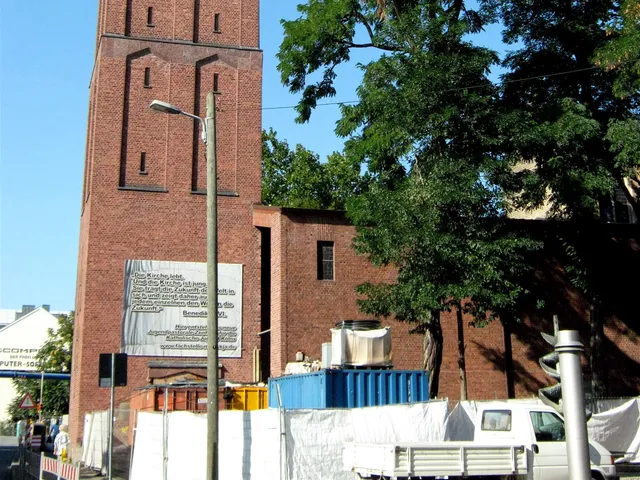
Crux (Youth Pastoral Centre)
Home of the 'church with the leaning tower' — Catholic youth pastoral centre in Cologne's Südstadt, combining a church, café, and community spaces under one roof.
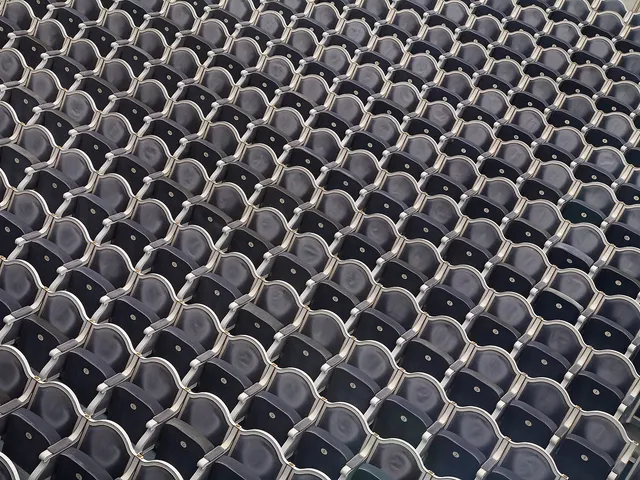
D.a.S. Theater
since 1990Independent Cologne theatre now staging a single show: 'You Are My Mother' about dementia — one performer plays both mother and son.
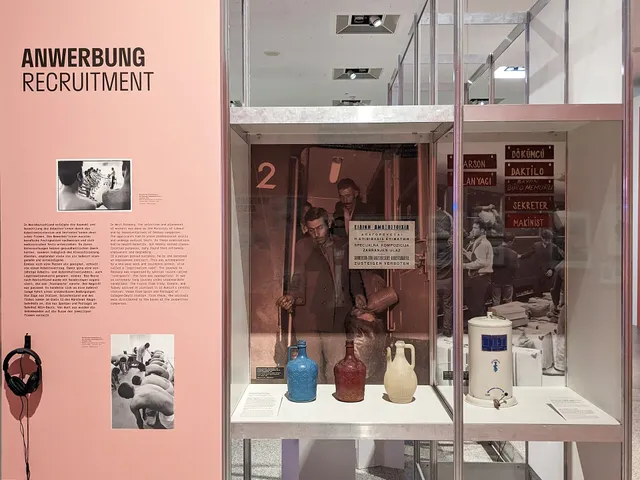
DOMiD – Documentation Centre and Museum on Migration in Germany
Civil-society archive of German migration history since 1945, founded in 1990 by migrants and home to over 150,000 objects, documents, and photographs.
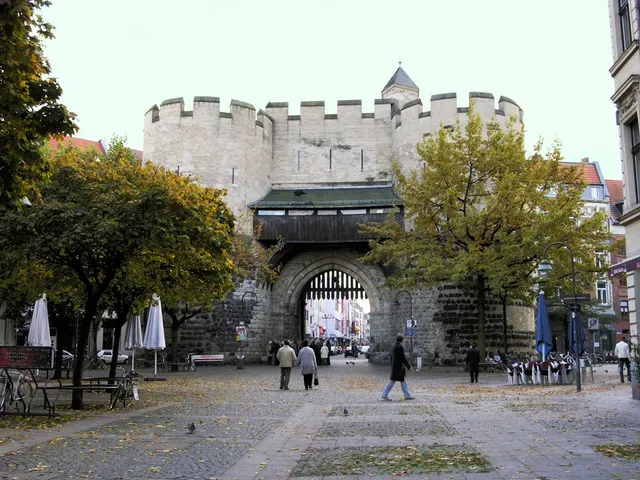
Eigelsteintorburg
since 1228One of four surviving gates of Cologne's medieval city wall — both Maria de' Medici and Napoleon once entered the city through this very gate.
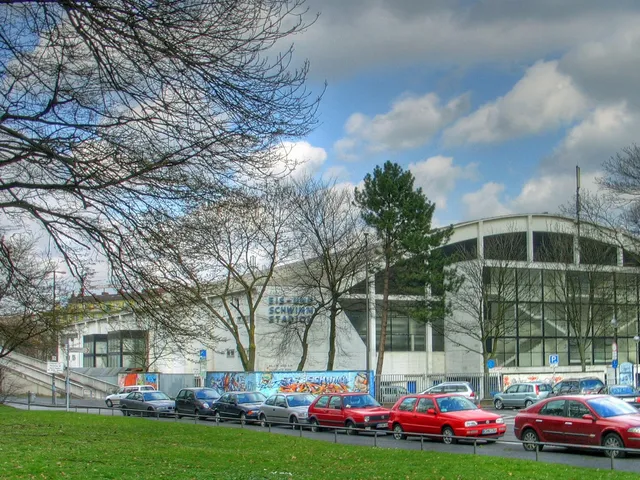
Eis- und Schwimmstadion Köln
since 1930Home of seven Kölner Haie championship titles (1972–1998) on Lentstraße in the Grüngürtel — replaced by the Lentpark in 2011.
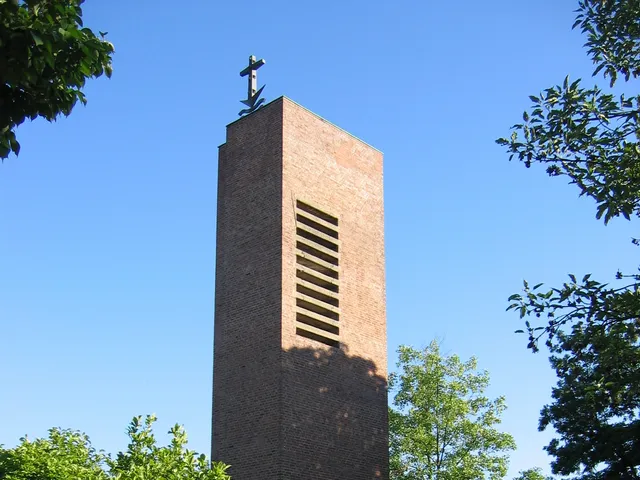
Church of the Redeemer (Rodenkirchen)
Protestant L-shaped church in Rodenkirchen with a 20-metre campanile; its three bells together carry the Christmas angels' greeting.
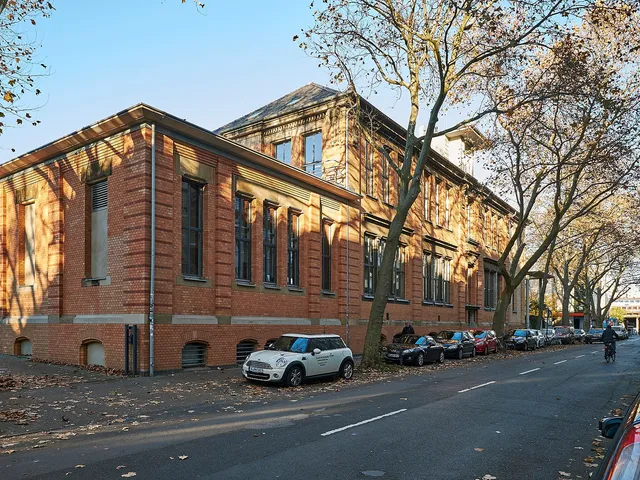
Filmhaus Köln
since 2021Hub for film culture combining a deliberately non-commercial cinema, film education, and professional training — housed in a former freight depot building from 1891.
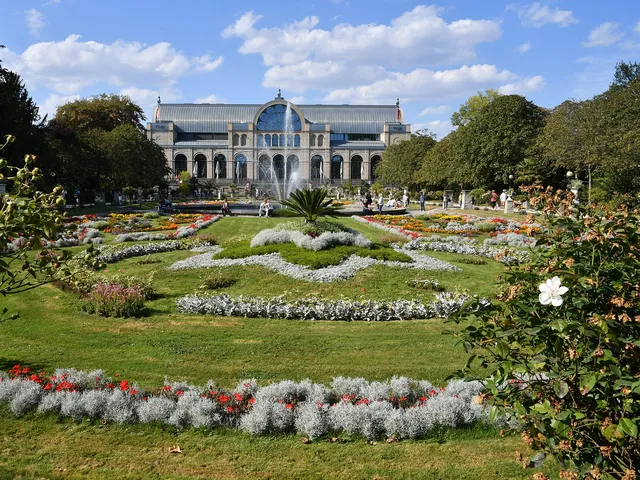
Flora
since 1864Cologne's botanical garden centred on the 1864 glass festival hall 'Flora' — a Lenné-designed park with over 10,000 plant species across more than 11 hectares.
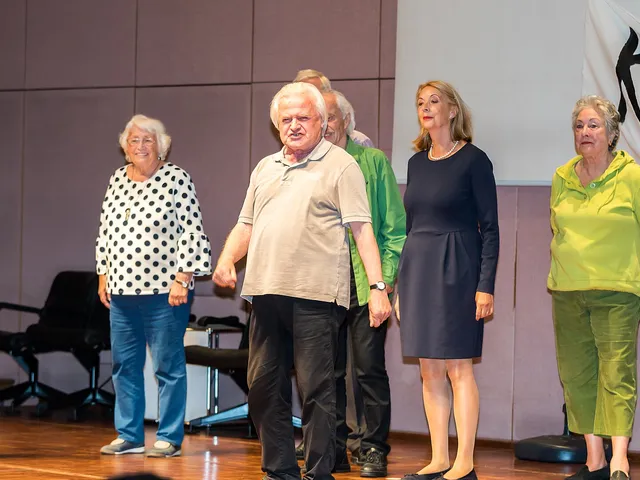
Freies Werkstatt Theater Cologne
Contemporary theatre house in Cologne's Südstadt, born from a 1970s artist-and-pupils experiment, with a strong focus on children's and youth theatre.
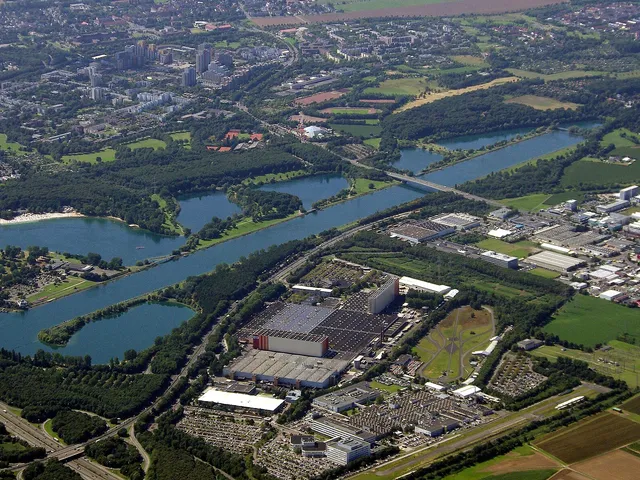
Fühlinger See
Former gravel pits turned into a 100-hectare lake in northern Cologne, home to a 2,300 m regatta course that hosted the 1998 Rowing World Championships.
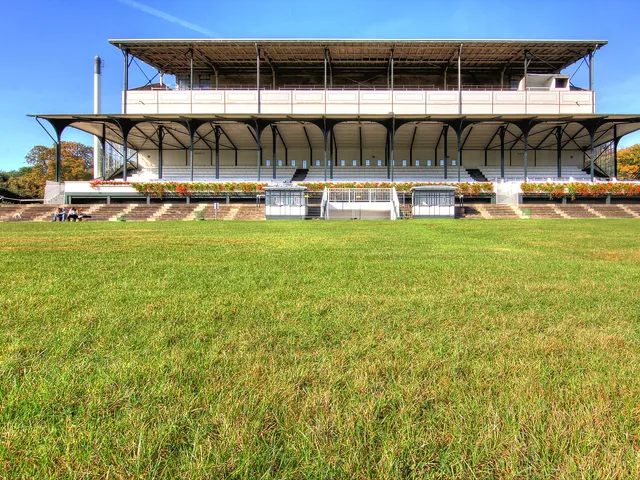
Galopprennbahn Weidenpesch
Cologne's oldest sports venue: a gallop racecourse open since 1898, hosting internationally significant races and a landmark-listed historic football stand.
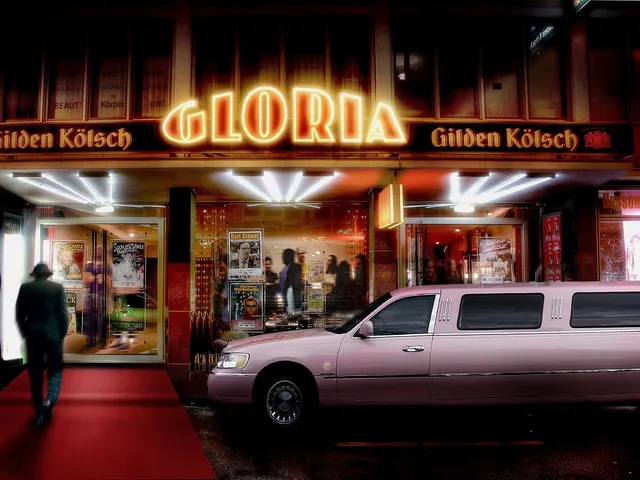
Gloria
Former cinema in Cologne's city centre, now a versatile venue for concerts, comedy, readings, parties, and carnival events.
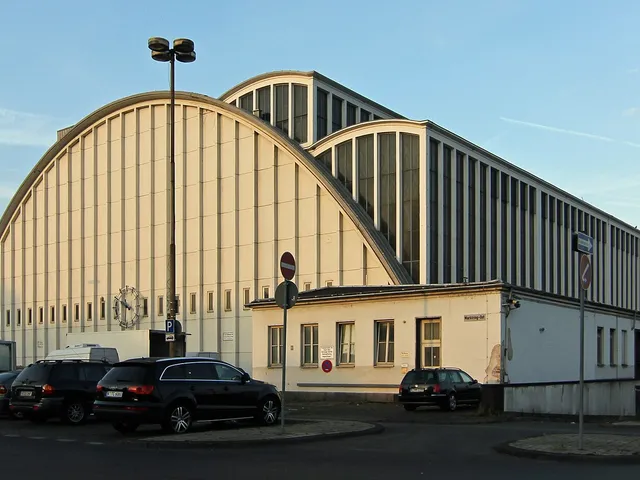
Cologne Wholesale Market
Former wholesale market in Cologne-Raderberg with a 132-metre parabolic vaulted hall — until its closure in late 2025, one of Germany's largest.
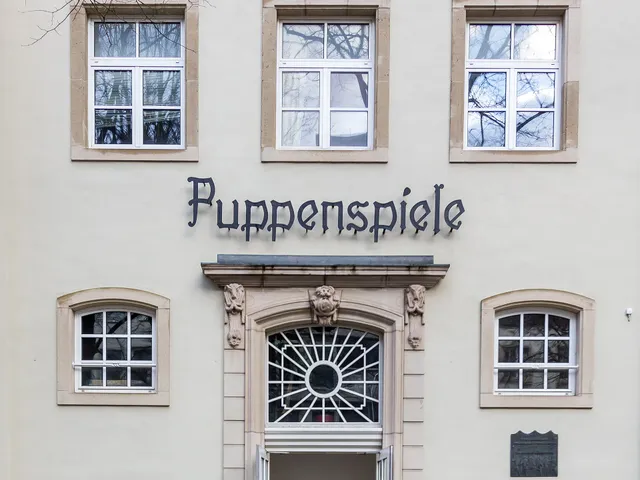
Hänneschen-Theater
Cologne's beloved rod puppet theatre at Eisenmarkt, performing in the local Kölsch dialect since 1802 — home to iconic figures Tünnes and Schäl.
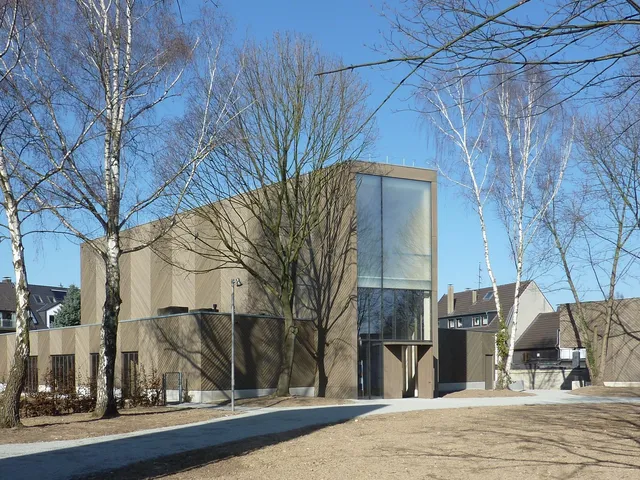
Immanuel Church (Cologne-Stammheim)
Multiple award-winning timber church of the evangelical Brückenschlag congregation in Cologne-Stammheim, consecrated in 2013.
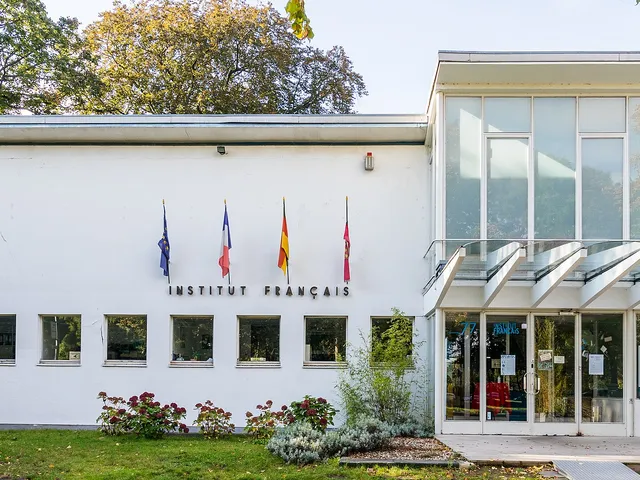
Institut français Köln
since 1952French cultural institute in Cologne's Südstadt — one of the first and now one of the last of its kind in western Germany; housed in Riphahn's 1952 building.
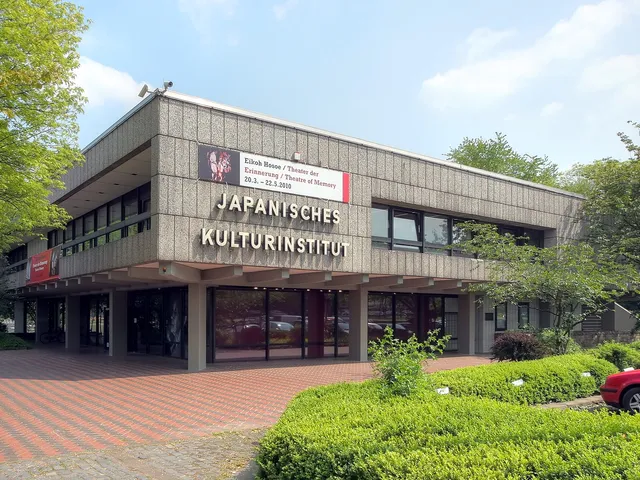
Japanese Cultural Institute
since 1969One of only three Japanese cultural institutes in Europe — Cologne's gateway to Japanese culture for the entire German-speaking world.
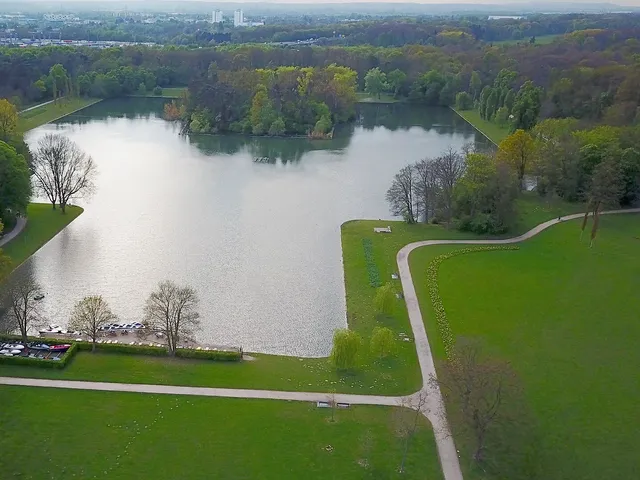
Kalscheurer Weiher
A man-made rectangular lake in Cologne's Outer Green Belt — with its own island, beer garden, and boat hire on the western shore.
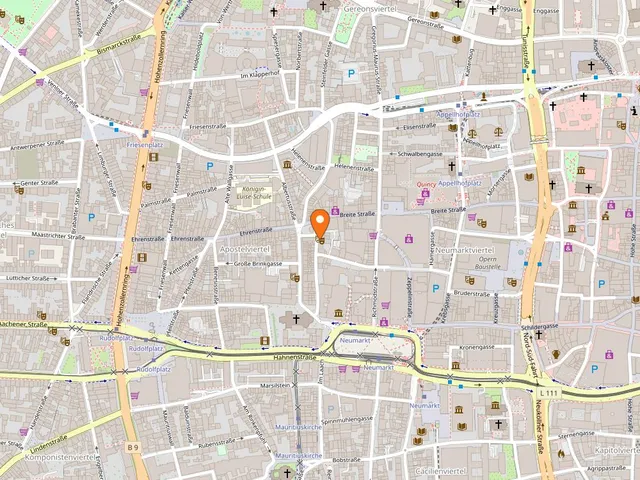
Klüngelpütz Kabarett-Theater
Cologne's only cellar cabaret theater from the 1960s still performing in its original space — a home for political-literary satire.
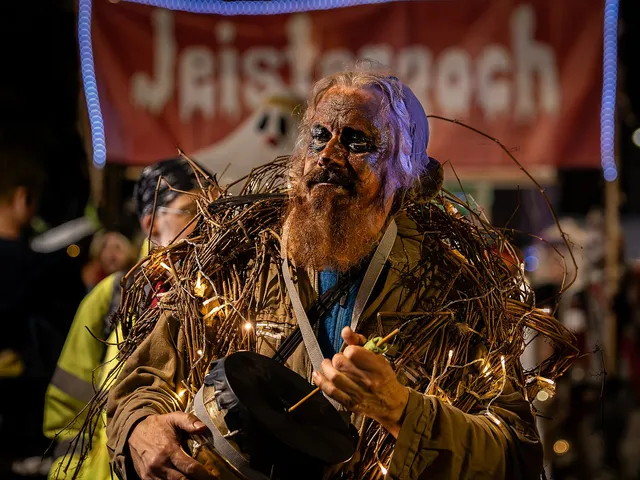
Cologne Ghost Parade
since 1991Alternative carnival procession and political demonstration: since 1991, it winds through changing Cologne neighborhoods without a formal permit.
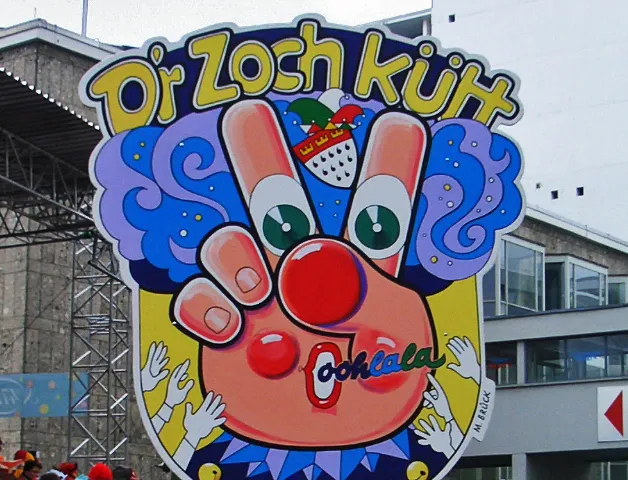
Cologne Rose Monday Parade
since 1823 approx. 1 M visitorsGermany's largest and oldest Rose Monday parade — the "Zoch" has wound its way through Cologne for eight kilometres since 1823.
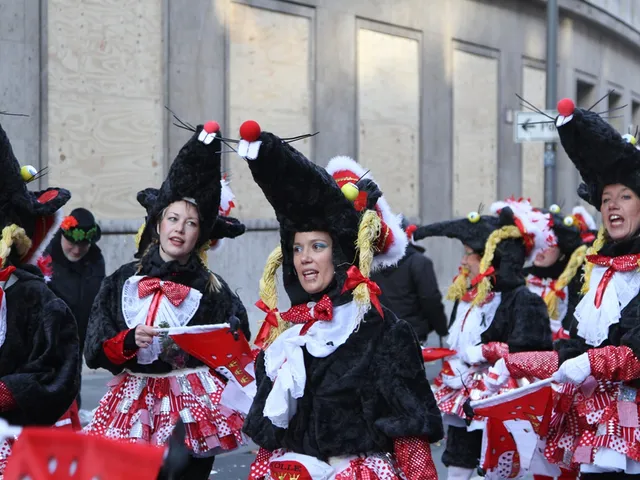
Kölner Schull- un Veedelszöch
Sunday carnival parade where schools, local clubs, and neighborhood groups march through Cologne's city center and the Vringsveedel.
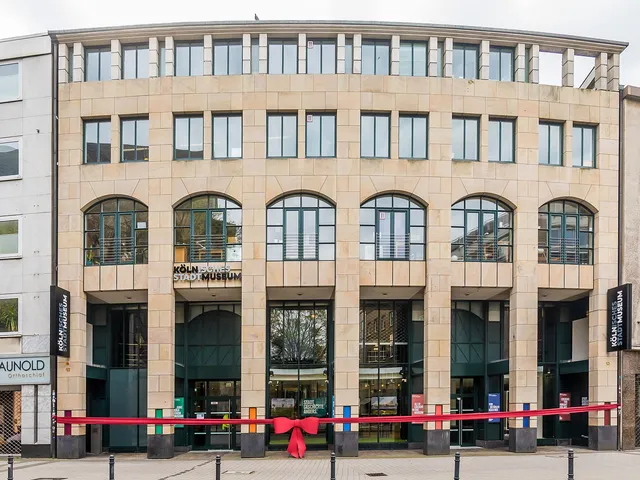
Cologne City Museum
since 1888Cologne's urban history museum, open for over 130 years — since 2024 it organises its collection around emotions rather than chronology; currently in temporary premises.
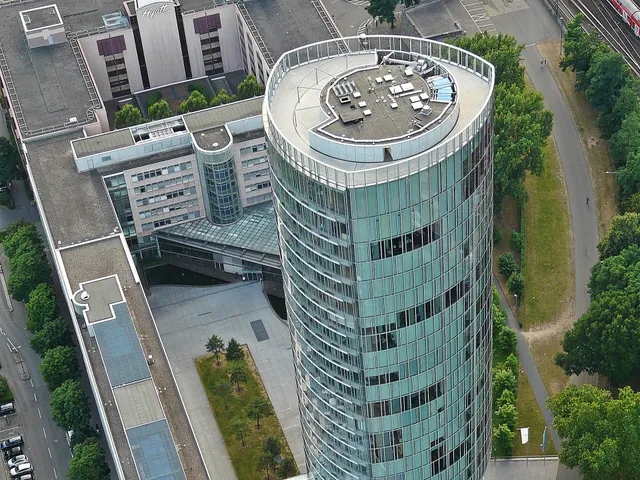
KölnTriangle
Triangular skyscraper in Cologne-Deutz with a fully glazed observation deck "Cologne View" at just over 100 metres, offering panoramic views across the city.
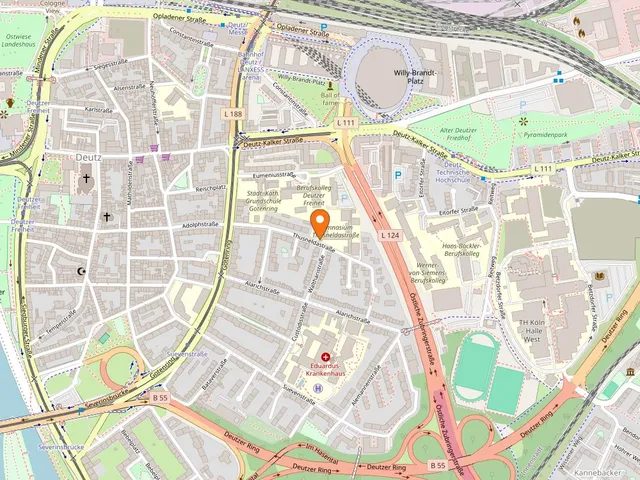
Kumede
Cologne theatre troupe performing exclusively in the Kölsch dialect since 1947 — today at the Volksbühne am Rudolfplatz.
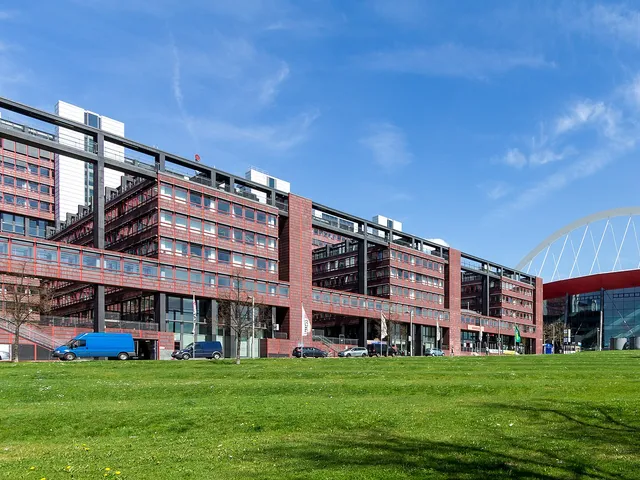
Lanxess Arena
since 1998Germany's largest arena and one of the biggest worldwide — in 2025, over 2.6 million visitors attended 208 events in Cologne-Deutz.
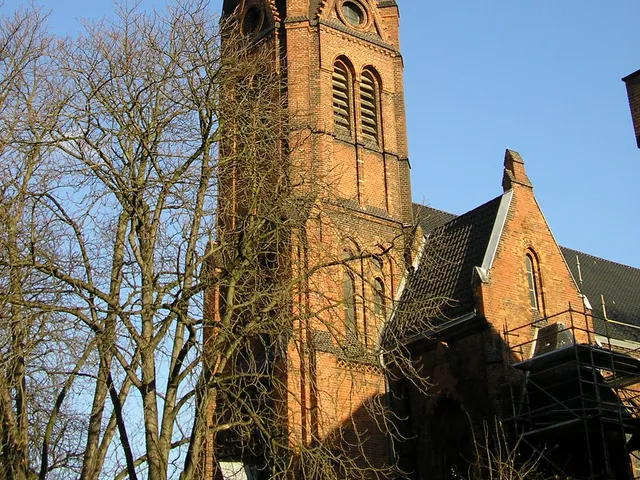
Lutherkirche (Cologne-Nippes)
since 1886Neo-Gothic Protestant church in the Sechzigviertel that has hosted concerts, readings and cabaret as Cologne's Kulturkirche since 2002.
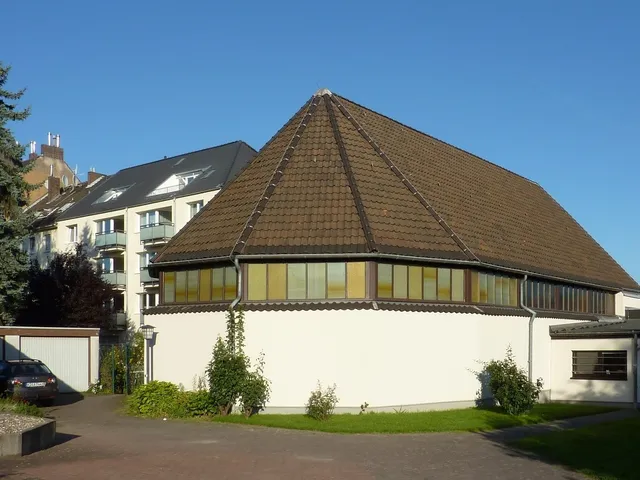
Luthernotkirche
Emergency church built from the rubble of the destroyed Lutherkirche, designed by Otto Bartning — the only one of its surviving kind fully preserved.
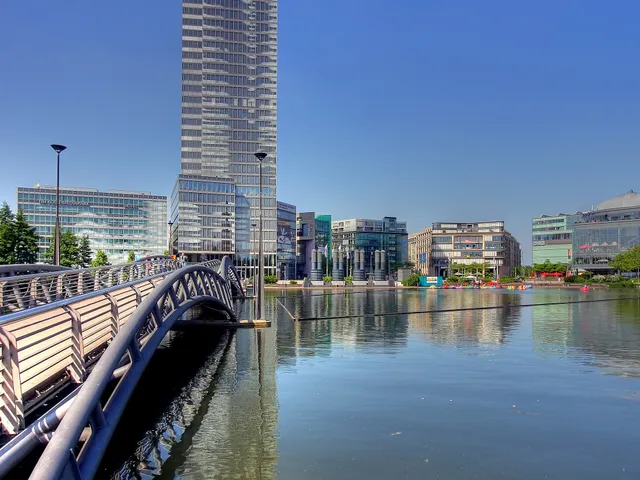
MediaPark
Car-free media business park on a former freight yard — built around a central square with an artificial lake, crowned by the soaring Kölnturm.
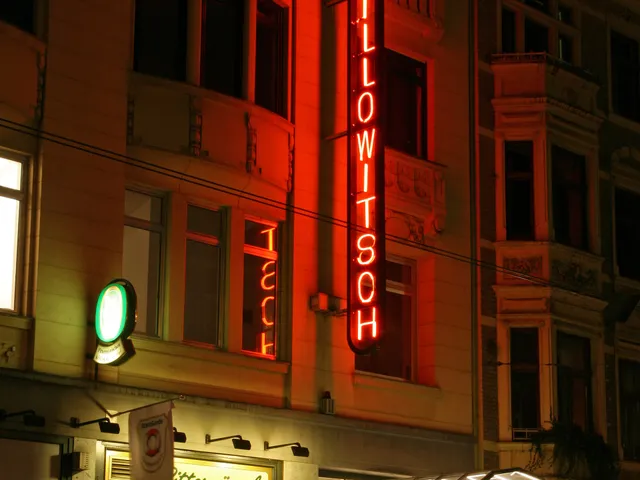
Millowitsch-Theater / Volksbühne am Rudolfplatz
In 1953 this stage hosted Germany's first live TV broadcast of a theatre play — the Millowitsch family's dialect theatre, now the Volksbühne am Rudolfplatz.
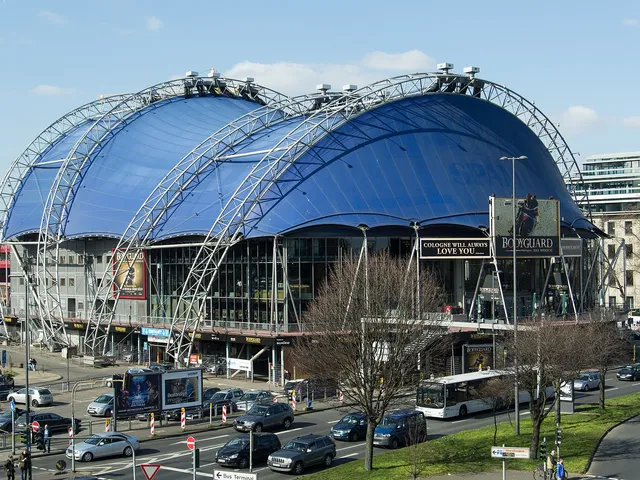
Musical Dome
Musical venue under a blue dome roof by the Rhine near Cologne's main station — home to long-running hits like 'We Will Rock You'.
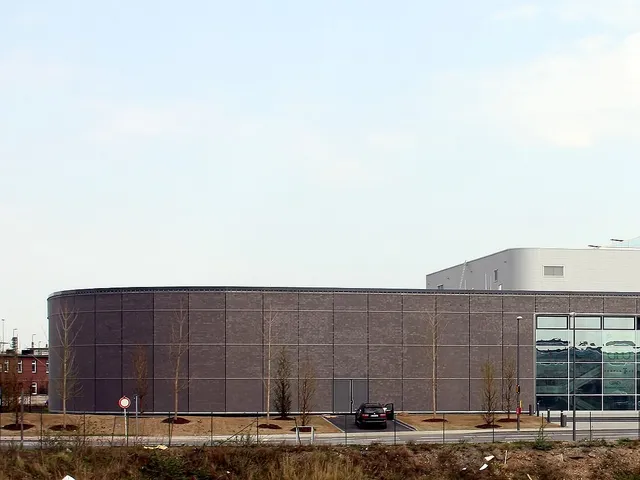
Odysseum
Interactive science adventure museum in Cologne-Kalk — opened in 2009, it ran for 16 years across 5,500 m² before closing in 2025.
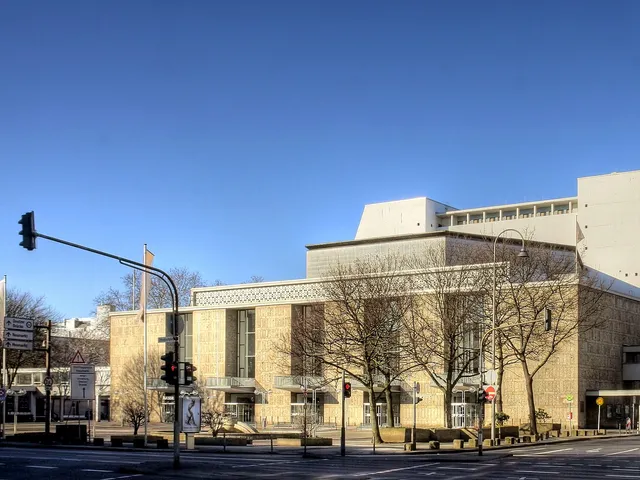
Oper Köln
Cologne's opera house at Offenbachplatz — a 1957 Riphahn landmark under major renovation since 2012, now performing at the Staatenhaus in Deutz.
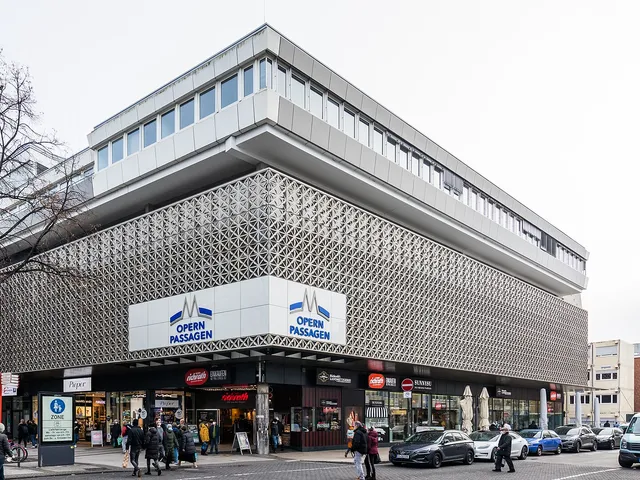
Opern Passagen
Opened in 1964 as Germany's first shopping arcade — today a shopping passage with the integrated Theater am Dom.
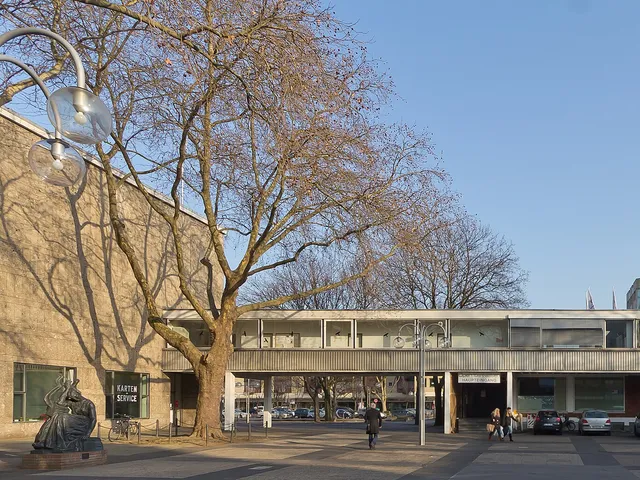
Opernterrassen
A 1957 dining pavilion by Wilhelm Riphahn — a rare surviving witness to Cologne's 1950s architecture at Offenbachplatz.
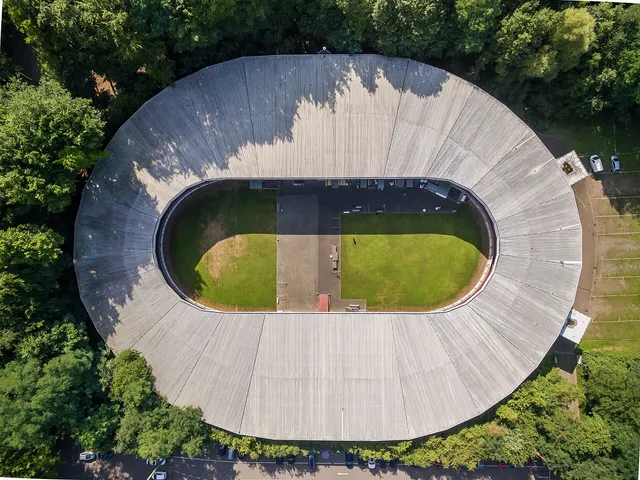
Radstadion Köln
Müngersdorf velodrome opened in 1996 with a track made from rare tropical Afzelia wood; partly demolished since 2022, replaced by the Albert Richter Velodrome from 2027.
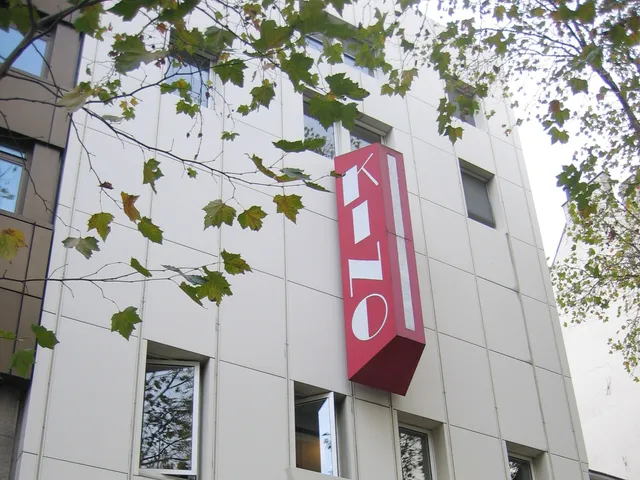
Rex am Ring
One of Germany's oldest cinemas, open since 1928 on Hohenzollernring — seven screens showing new releases and arthouse films.
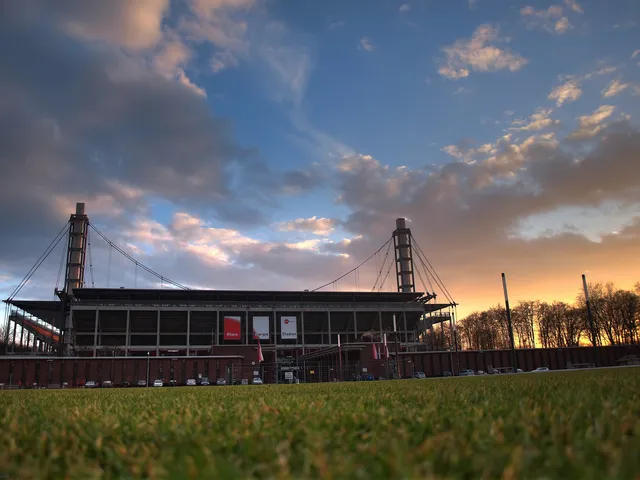
RheinEnergieStadion
since 1921Home ground of 1. FC Köln in Müngersdorf — rebuilt in 2004 as a dedicated football stadium and one of twelve 2006 FIFA World Cup venues.
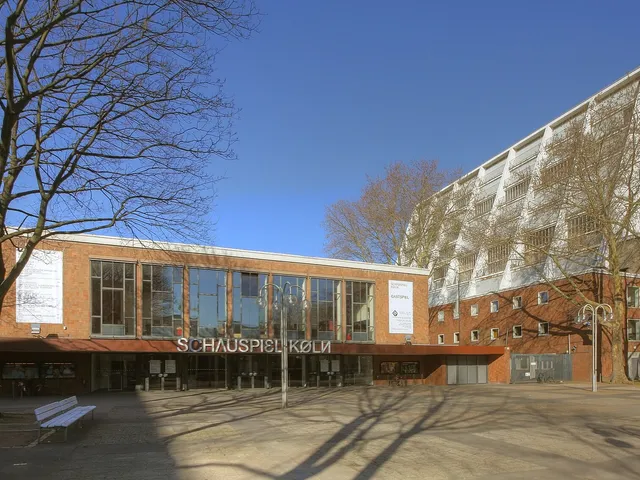
Schauspiel Köln
since 1898Cologne's storied spoken-theatre company, performing at the Mülheim Depot while its landmark home at Offenbachplatz undergoes renovation.
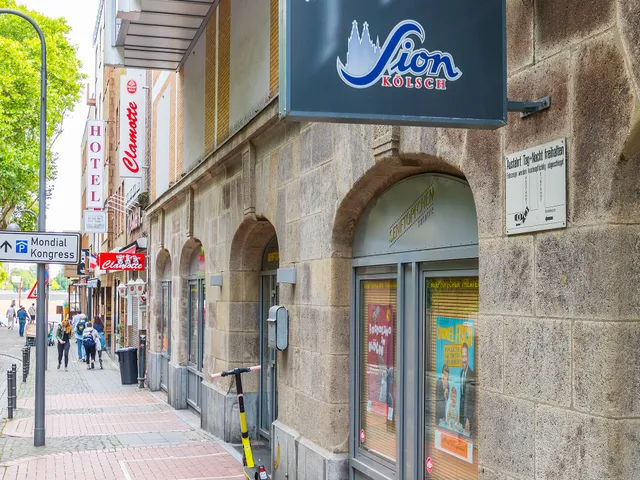
Senftöpfchen
Cologne's beloved cabaret and variety theatre — a launchpad for comedy talent since the 1970s with a reputation that reaches far beyond Germany.
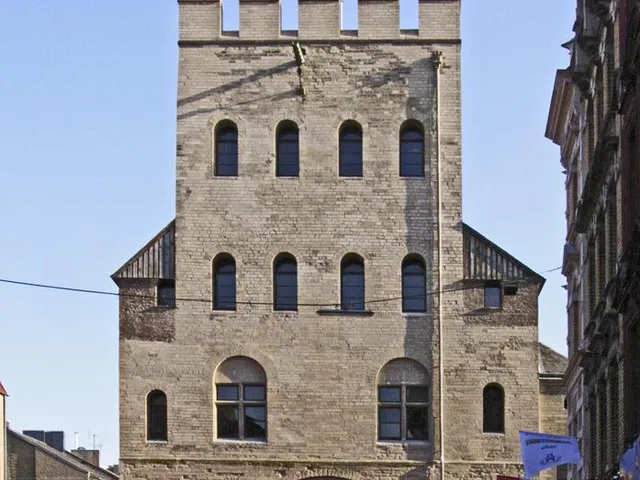
Severinstorburg
since 1230One of only four surviving medieval city gate towers in Cologne — a landmark of the Severinsviertel and today a vibrant community venue at Chlodwigplatz.
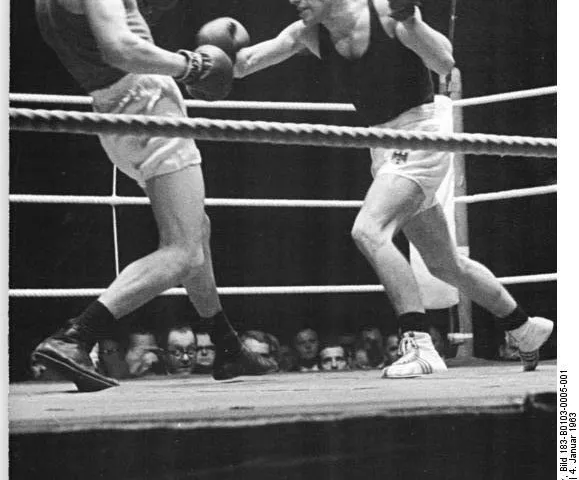
Sporthalle
since 1958Cologne's main arena for over four decades, with a permanent velodrome — stage for six-day races, boxing, and rock concerts, demolished in 1999.
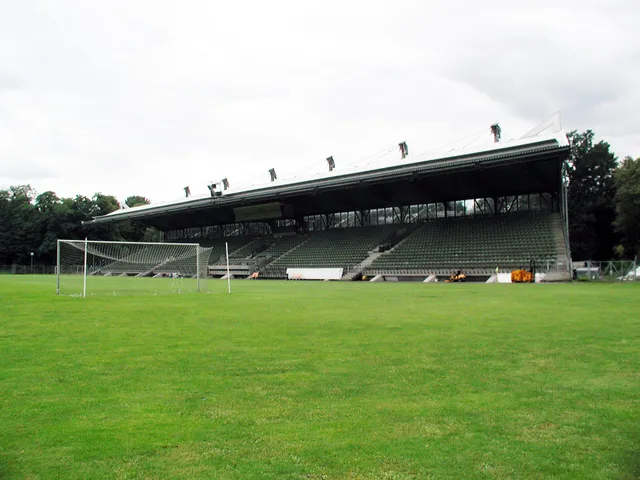
Sportpark Höhenberg
since 1931Home ground of Viktoria Köln on the right bank of the Rhine — opened in 1921, today a dedicated football stadium with 8,343 seats.
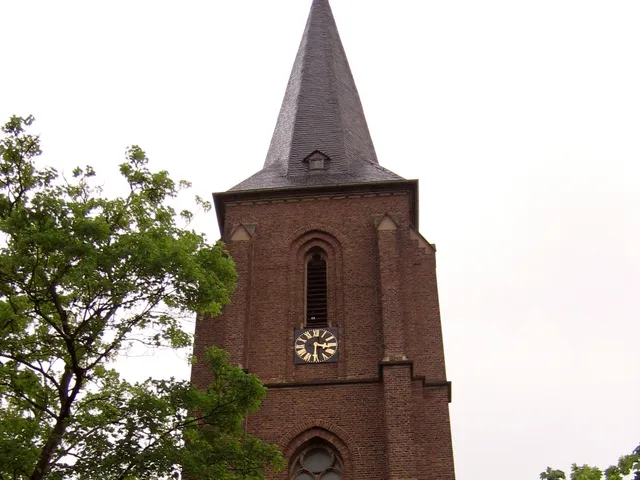
St. Maternus
since 1863Neo-Gothic brick church in Rodenkirchen housing an American pipe organ from 1869 and hosting an annual Maternus pilgrimage every September.
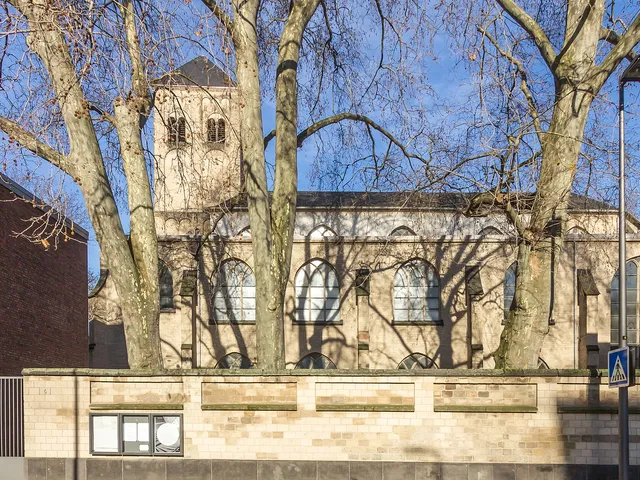
St. Peter – Kunst-Station
since 1515Cologne's latest surviving Gothic church — and since 1987 a venue for contemporary art and new music, run by Jesuits.
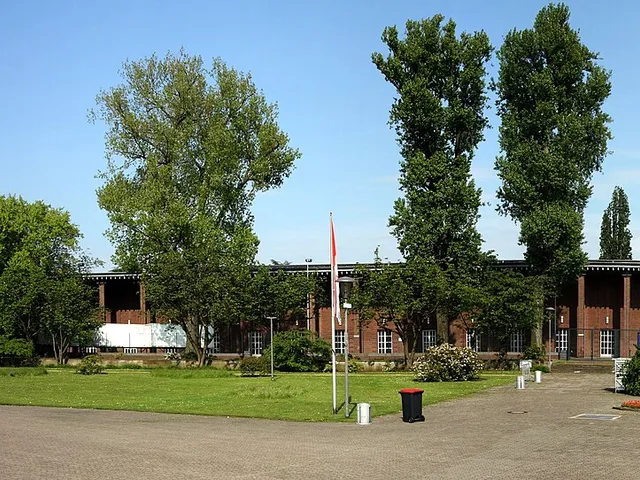
Staatenhaus am Rheinpark
Listed 1920s event hall in Cologne-Deutz – currently the temporary home of the Cologne Opera and a future musical theatre.
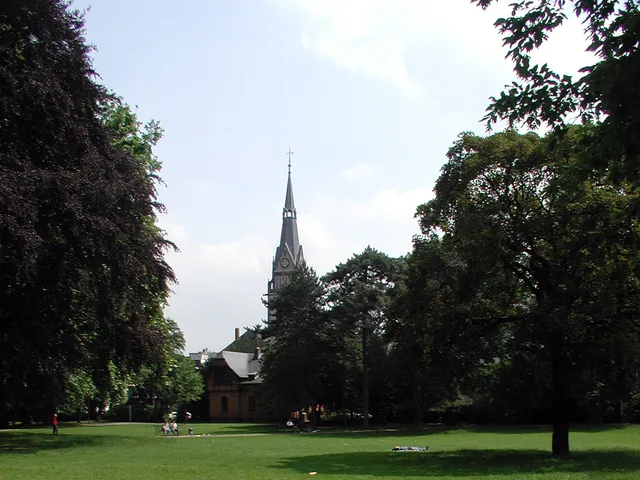
Stadtgarten
Cologne's first modern public park — and home to a renowned concert venue with a focus on jazz and over 400 events a year.
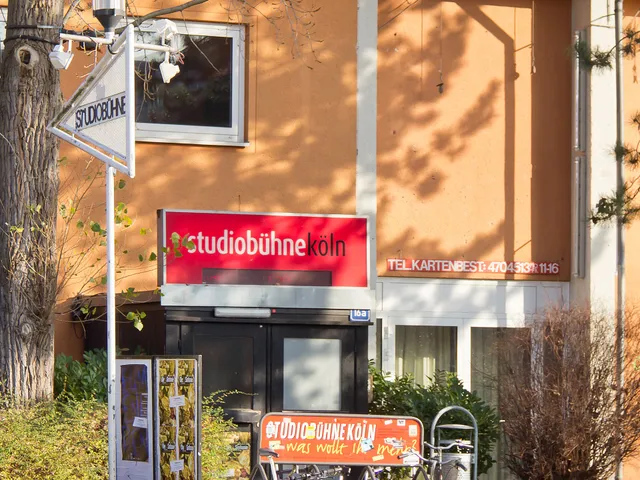
Studiobühne Köln
Germany's oldest university theatre since 1920 — an independent, experimental performance space with a film workshop at the University of Cologne.
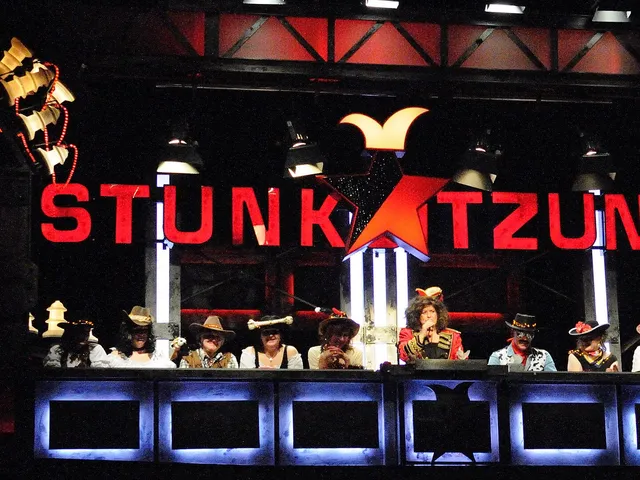
Stunksitzung
Alternative cabaret carnival session in Cologne that deliberately breaks with formal traditions and provokes with political satire.
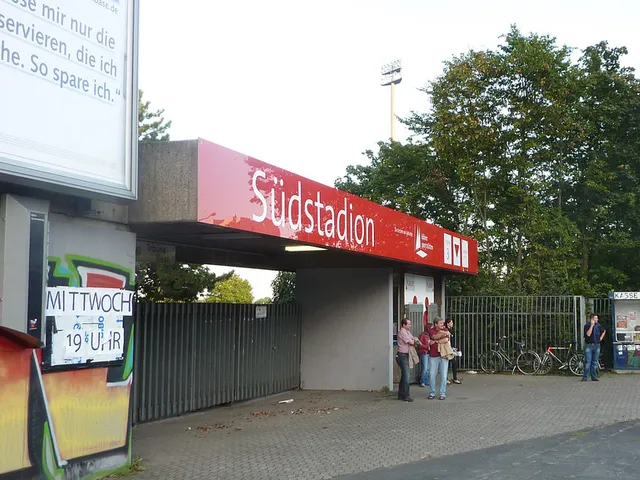
Südstadion
since 1973Home ground of SC Fortuna Köln in Zollstock — a football stadium with athletics facilities and capacity for around 11,700 spectators.
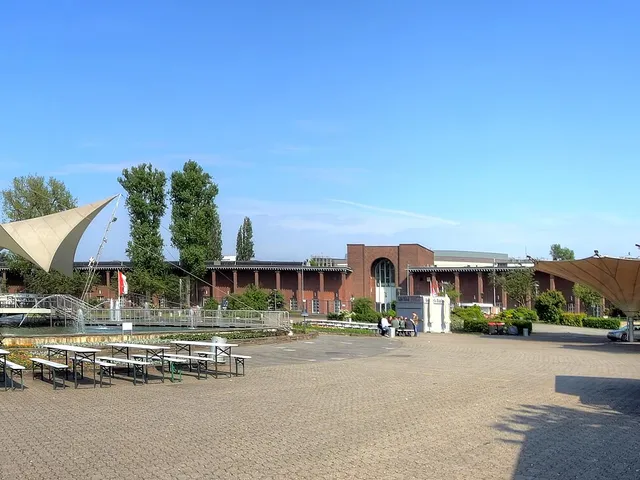
Tanzbrunnen
Cologne's open-air venue — home to up to 12,500 concertgoers beneath Frei Otto's iconic star-wave tent, inspired by a dancing fountain from 1950.
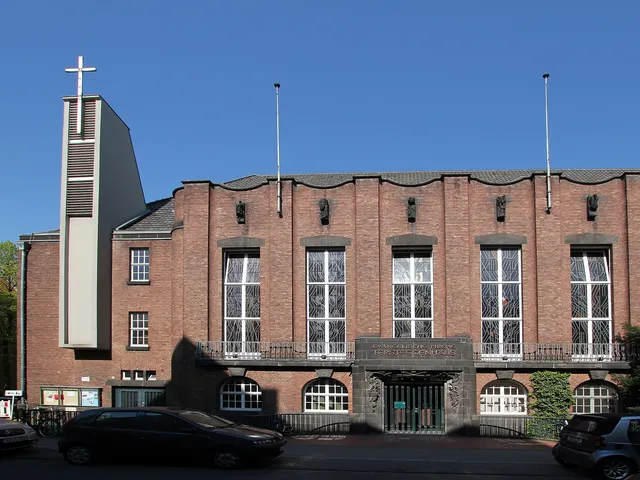
Tersteegenhaus
Protestant church in Cologne-Sülz, consecrated in 1928 as a community hall — its former event hall now serves as a worship space with chairs arranged in a circle around the altar.
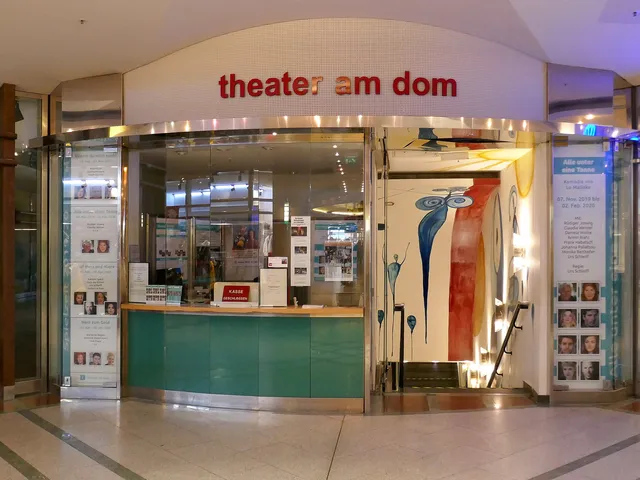
Theater am Dom
since 1952Cologne's premier boulevard theatre for comedy, tucked inside the Opernpassagen — its name recalls a former home with a view of the cathedral.
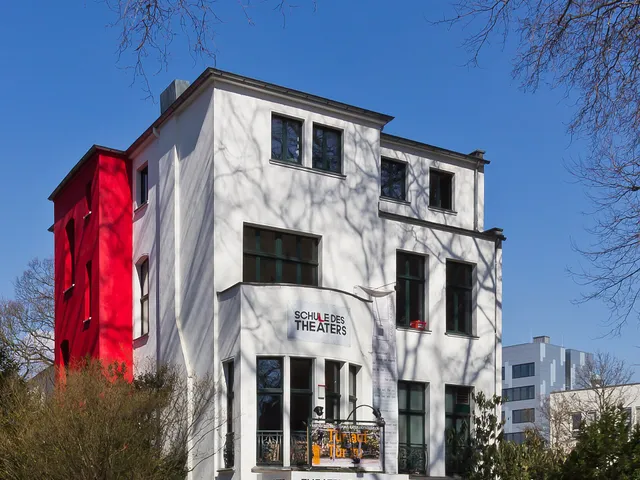
Theater der Keller
Cologne's oldest private theatre, founded in 1955 — contemporary programme with many world premieres and its own acting school.
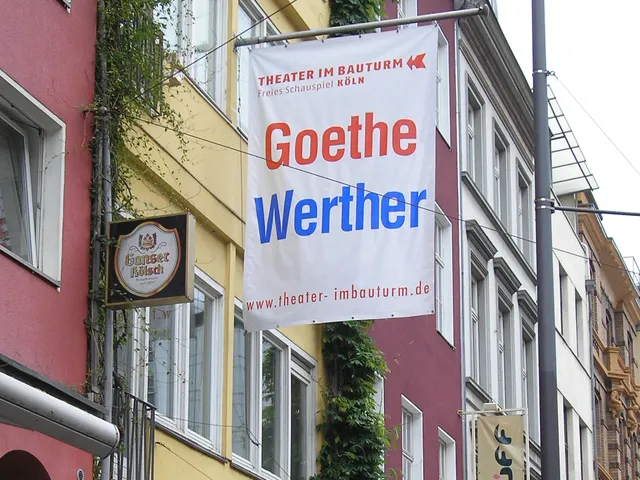
Theater im Bauturm
Independent backyard theatre in the Belgisches Viertel: freshly told classics and original productions with a Cologne twist and social commentary.
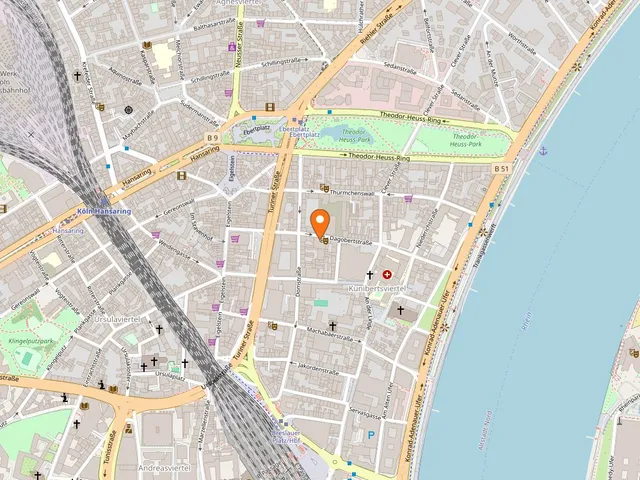
Theater Tiefrot
Private chamber theatre in Cologne's Altstadt-Nord with up to 80 seats — an off-theatre stage balancing literary classics and political drama.
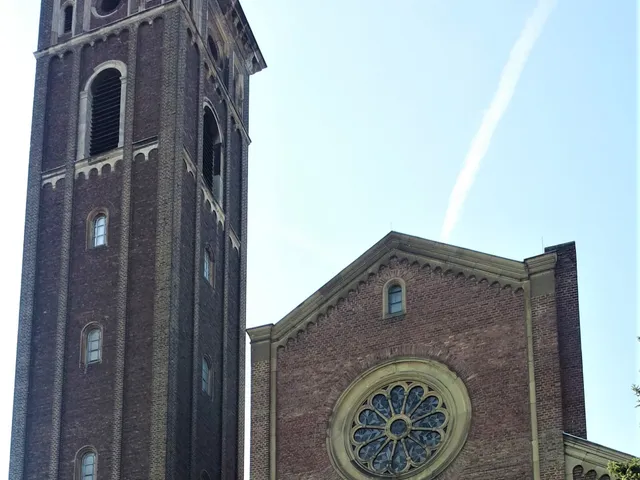
Trinitatiskirche
since 1860The oldest newly built Protestant church on Cologne's left bank of the Rhine — a classicist basilica inspired by northern Italian models.
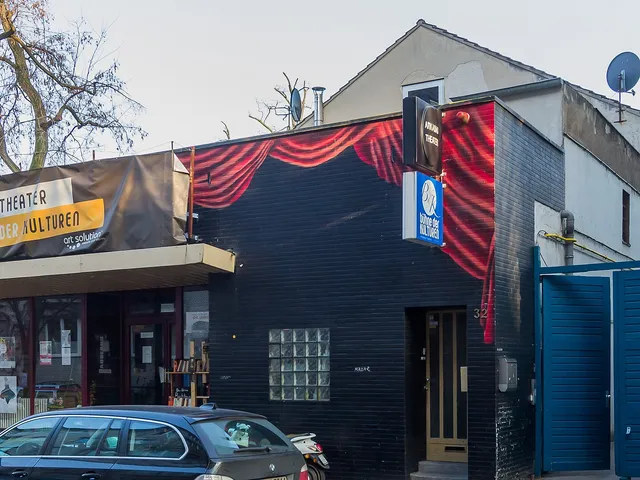
Urania Theater
Cologne's first neighborhood theater in Ehrenfeld, now reborn as Theater&Ehrenfeld after decades of shifting names and uses.
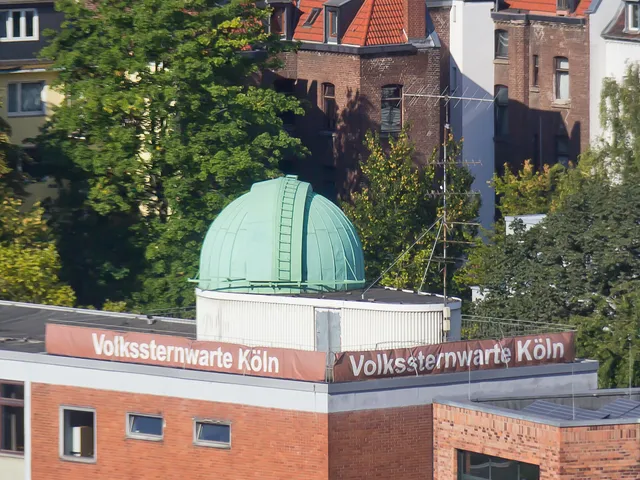
Volkssternwarte Köln
Volunteer-run observatory on the roof of Cologne's Schiller-Gymnasium, equipped with a 60 cm reflector telescope funded entirely by public donations.
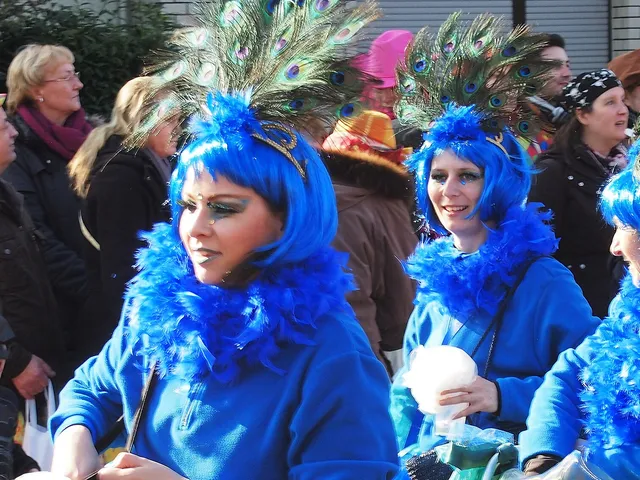
Weiberfastnacht
On the Thursday before Ash Wednesday, women seize power for a day — the Rhineland's exuberant unofficial kickoff to street carnival season.
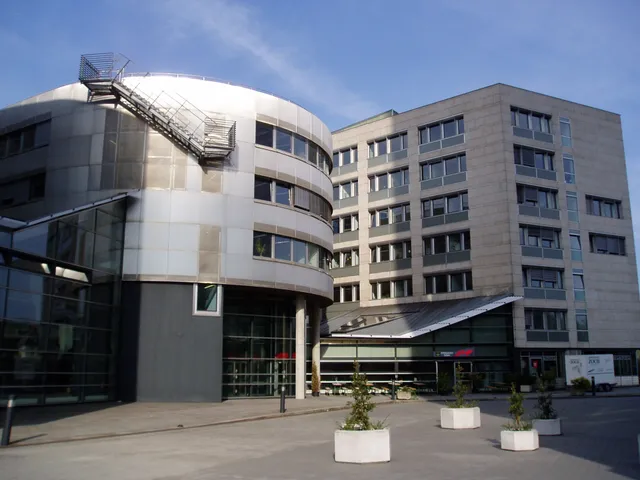
Wiener Platz
Central square and transport hub in Cologne's Mülheim district — a pedestrian zone with the district town hall, weekly market, and the 57-metre Bull high-rise.