Freies Werkstatt Theater Cologne
Contemporary theatre house in Cologne's Südstadt, born from a 1970s artist-and-pupils experiment, with a strong focus on children's and youth theatre.
Working at the intersection of theatre, performance and media art, the FWT develops its own productions while collaborating closely with independent artists and groups.
Source: Wikipedia
At a Glance
- Type
- Theatre house for contemporary theatre, performance and media art
- Location
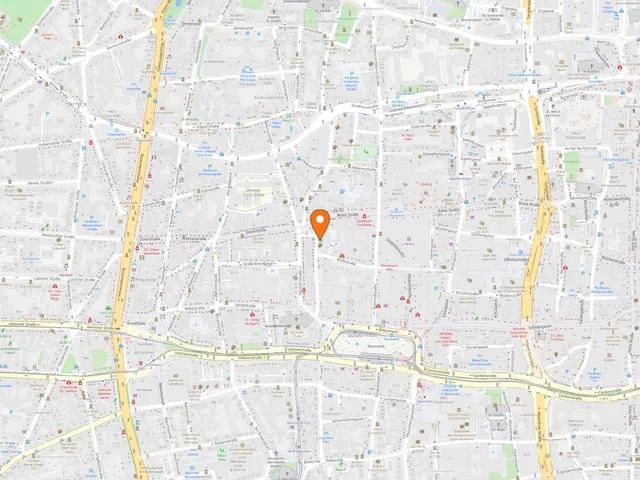
- Cologne Südstadt, Innenstadt district
- Programme
- own productions, repertoire, guest performances and readings
- Focus
- dedicated emphasis on children's and youth theatre
- Artistic direction since autumn 2023
- Dandan Liu, Guido Rademachers and Jascha Sommer
In 1999, the FWT hosted the first World Senior Citizens' Theatre Festival at Cologne's Gürzenich.
Programme and Use
The FWT stages contemporary theatre through a mix of original productions, an ongoing repertoire, guest performances, talks and readings. Children's and youth theatre form a particular focus of the house. Alongside its own productions and play developments, the FWT regularly co-produces with independent theatre groups such as pulk fiktion, which specialises in work for young audiences.
History
The theatre's roots lie in the model project "Künstler und Schüler" ("Artists and Pupils"), launched in 1977 across more than 20 cities of what was then West Germany. Cologne's project ensemble around Dieter Scholz drew on international models to shape the concept of a "Werkstatt Theater" (workshop theatre), continuing it independently from autumn 1980 once the model project ended. The early years were marked by project work with pupils, migrants and unemployed young people. Dieter Scholz and Ingrid Berzau led the house until 2012, and their theatre work with older people continued without interruption until the end of 2022.
The Building
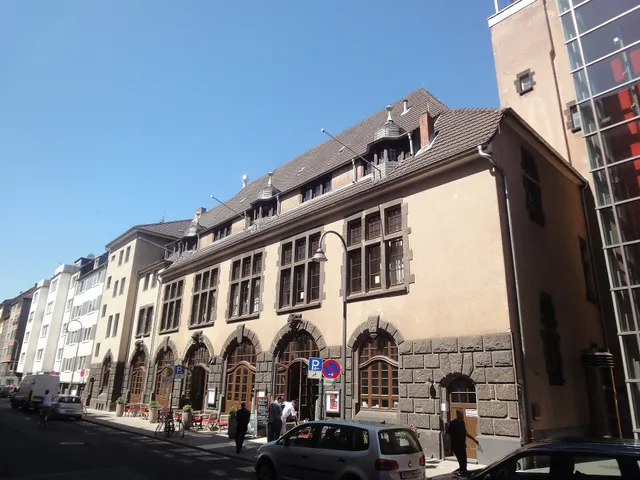
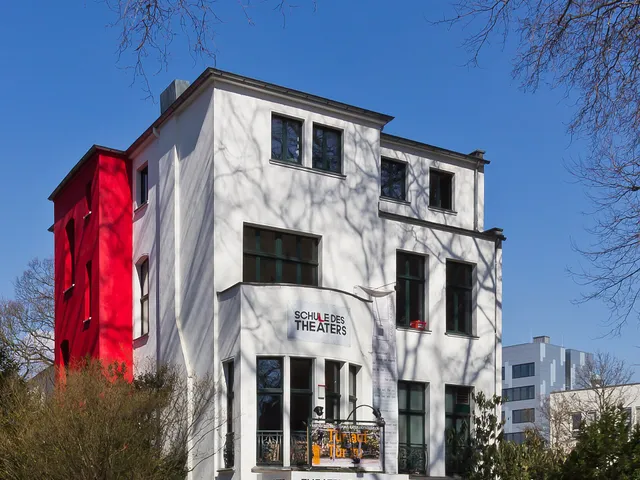
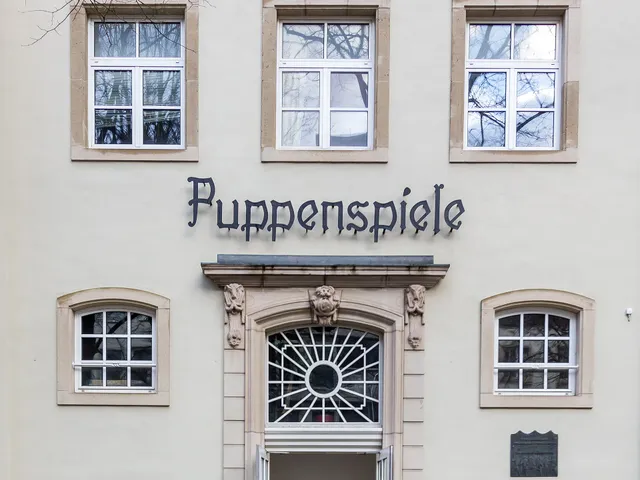
The FWT has been based in its Südstadt theatre building since the late 1970s. A 1994/1995 renovation transformed the listed building into a fully equipped venue spanning five floors, with two stages, a foyer, offices and rehearsal spaces.
Networks and Festivals
As part of the nationwide flukks+ network (formerly flausen+), the FWT connects with international groups and collectives from the German-speaking world through co-productions and guest performances. The house has hosted several flausen+ national congresses and regularly partners with the Sommerblut cultural festival and Festival Impulse. In 1999 it staged the first World Senior Theatre Festival at Cologne's Gürzenich hall.
Awards and Nominations
In 2008 the FWT received the Cologne Theatre Prize for its stage adaptation "Das Wüten der ganzen Welt". The Cologne Performer Prize went to Fiona Metscher (2018, "Für immer schön"), Brit Purwin (2022, "Annette, ein Heldinnenepos") and Daniel Breitfelder (2024, "Queere Revolution"). The Cologne Children's and Youth Theatre Prize honoured the pulk fiktion co-productions "Hieronymus" (2020) and "Robin und die Hoods" (2022). In 2021, "Let's sing another Song! – Protest!" (directed by Eva-Maria Baumeister) and Thomas Melle's "Die Lage" (directed by Kay Link) were nominated for the Kurt Hackenberg Prize for political theatre.
Timeline
- 1977Model project 'Artists and Students' launched nationwide in over 20 cities
- 1980Cologne ensemble continues the 'Workshop Theatre' concept after the pilot project ends
- Ende der 1970erFWT moves into its theatre building in Cologne's Südstadt
- 1994/1995Renovation of the listed theatre building
- 1999Host of the First World Senior Citizens' Theatre Festival at Cologne's Gürzenich
- bis 2012Led by Dieter Scholz and Ingrid Berzau
- bis Ende 2022Ongoing theatre work with elderly people under Berzau/Scholz
- seit Herbst 2023Led by Dandan Liu, Guido Rademachers and Jascha Sommer
Gallery
Map
Blue dots: other places nearby — tap to explore.
Address
Zugweg 10
50677 Köln
You might also like — related or nearby
Comments
- Loading comments…
Sources & links
Auto-generated, last verified: 2026-09-02
How this page is made
This page draws on open sources — Wikipedia, Wikidata, official websites and the city’s open data. Every statement is checked against the sources linked here, and pages are refreshed regularly.
Spotted a mistake anyway? Tell us below — we read every submission.