Halve Hahn
Rhenish rye roll with Gouda – despite the name, no chicken involved whatsoever.
Several stories claim to explain the curious name, but they all agree on one thing: no poultry is involved.
Source: Wikipedia
At a Glance
- Type
- Rhenish dish made from a rye bread roll with cheese
- Base
- Half a rye roll ("Röggelchen")
- Cheese
- One to two thick slices of medium-aged Gouda
- Found
- Rhenish pubs and taverns
- Naming legend
- Cologne, birthday party 1877
- Historic site
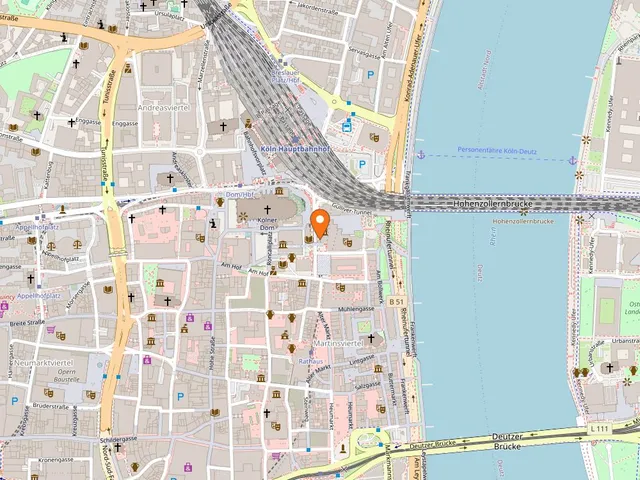
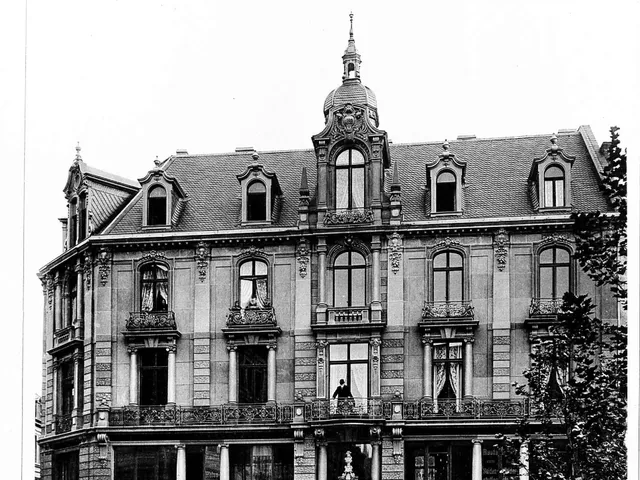
- Gasthaus Wilhelm Lölgen, Hohe Pforte 8 (Altstadt-Nord, Innenstadt district)
According to a 1913 reader's letter, the Halve Hahn was supposedly invented as a prank in 1877: a Cologne innkeeper was asked to order 14 'half chickens' for a birthday party but deliberately served 14 cheese rolls instead — the joke was so well received that the name stuck.
What It Is
Half a rye roll is topped with butter and one to two thick slices of medium-aged Gouda. It's served with pickled gherkin and mustard, called "Mostert" in the local dialect. Some versions add rings of onion and a pinch of paprika powder. In the Cologne dialect, the cheese is called "Kies" and the onions "Öllich."
Origin of the Name
The oldest known source is a newspaper article from 13 July 1913 containing a letter from 72-year-old Wilhelm Vierkötter. He recounted how, as a young man from Wahlscheid newly arrived in Cologne, he invented the dish at his birthday party on 18 April 1877 at the Gasthaus Wilhelm Lölgen on Hohe Pforte 8. He arranged with the waiter to serve 14 "Röggelche met Kies" instead of the 14 ordered half chickens, at 15 pfennigs apiece. The joke got a big laugh, and the name stuck. Adam Wrede's "Kölnischer Sprachschatz" offers a similar account, though without naming Vierkötter.
A Second Theory
Another theory traces the name back to Handkäse, a humble dish once made from skimmed, soured milk. In Cologne, "half a rye roll with Handkäse" was shortened colloquially to Halve Hahn, and the name stuck even after Gouda replaced the Handkäse. In Düsseldorf, the Halve Hahn is still served with Handkäse and a double roll.
Mix-Up Potential
Because the name suggests half a roast chicken, there are countless anecdotes of guests expecting poultry and receiving a cheese roll instead. The contract-law classification of this kind of misunderstanding even serves as a training case in legal education.
Timeline
- 1877Wilhelm Vierkötter invents the Halve Hahn at his birthday party at the Wilhelm Lölgen inn, Cologne
- 1913Newspaper article with Vierkötter's letter first documents the origin story
You might also like — related or nearby

Comments
- Loading comments…
Sources & links
Auto-generated, last verified: 2026-09-23
How this page is made
This page draws on open sources — Wikipedia, Wikidata, official websites and the city’s open data. Every statement is checked against the sources linked here, and pages are refreshed regularly.
Spotted a mistake anyway? Tell us below — we read every submission.