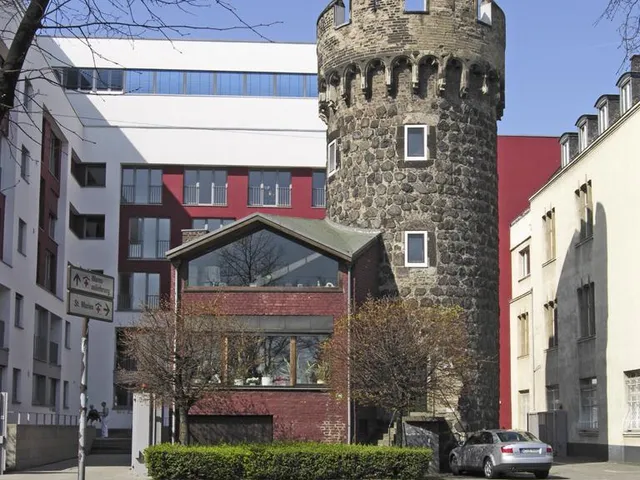
Legend
18 places in Cologne
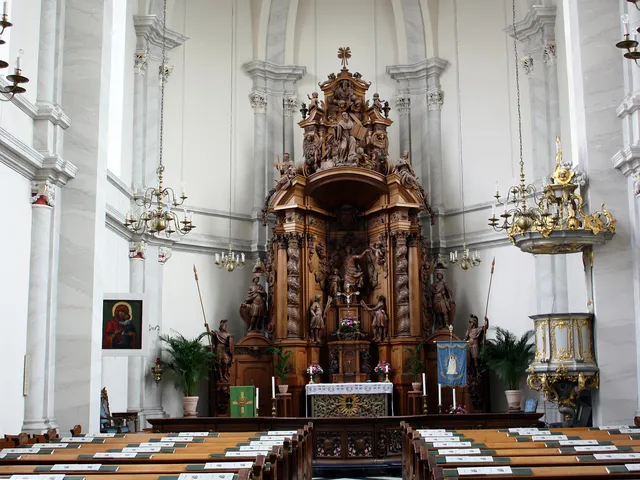
Benedictine Convent of the Holy Maccabees
Medieval convent near the Eigelstein named after Maccabean relics brought to Cologne — its buildings have long since vanished.
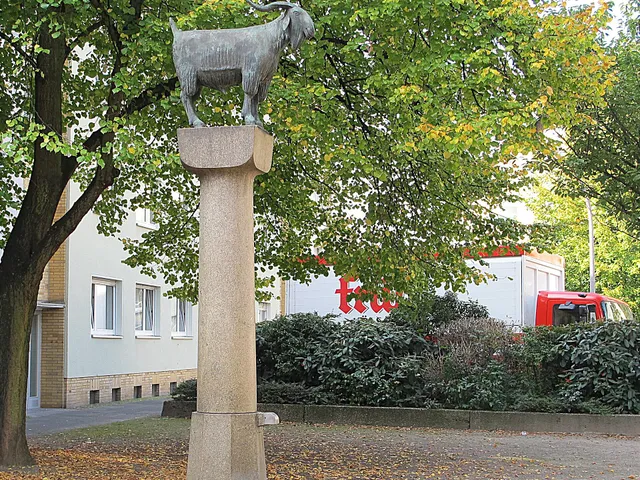
Düxer Bock
The unofficial heraldic animal of Deutz: this fountain monument commemorates an old Cologne legend about a tailor and a tax collector.
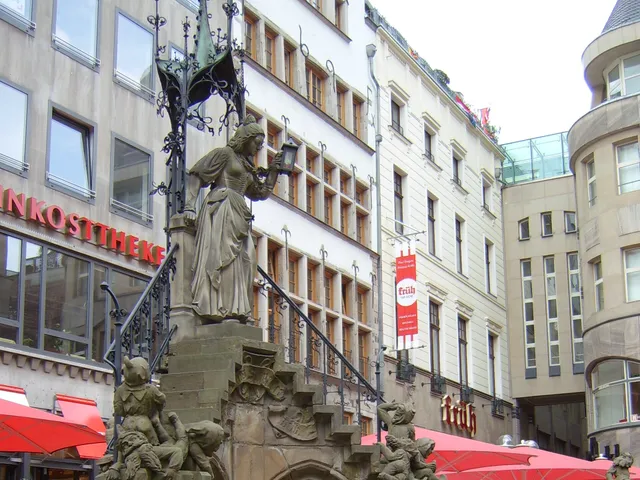
Heinzelmännchen – Cologne's Household Spirits and Their Fountain
since 1900Cologne's legendary household sprites who worked through the night while citizens slept — caught once, gone forever. Their fountain stands near the Cathedral.
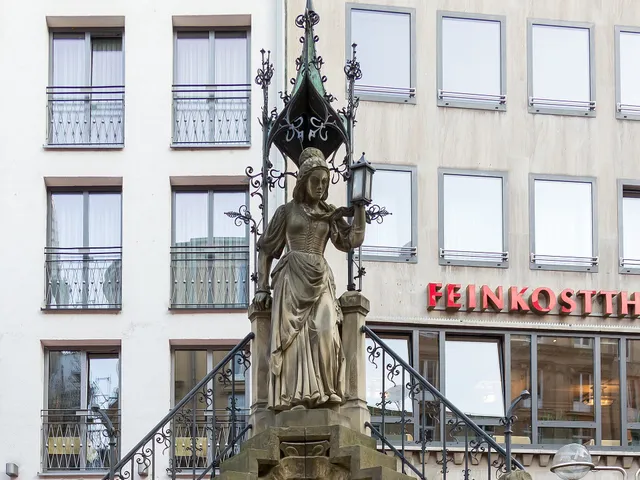
Heinzelmännchen Fountain
since 1900Just a few steps from Cologne Cathedral, the Heinzelmännchen Fountain recalls the city's famous legend of industrious house spirits who did the townsfolk's work while they slept. The richly decorated fountain stands on the street Am Hof, opposite the traditional Früh brewery.
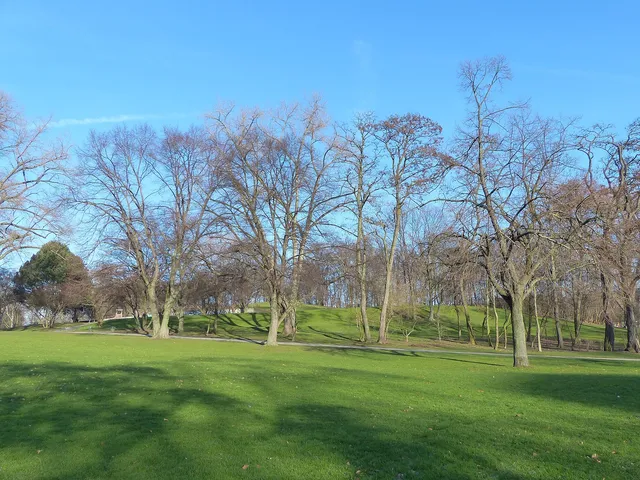
Hiroshima-Nagasaki-Park
since 2004Memorial park in Cologne's Inner Green Belt commemorating the victims of the atomic bombings of Hiroshima and Nagasaki, with a monument featuring an origami crane.
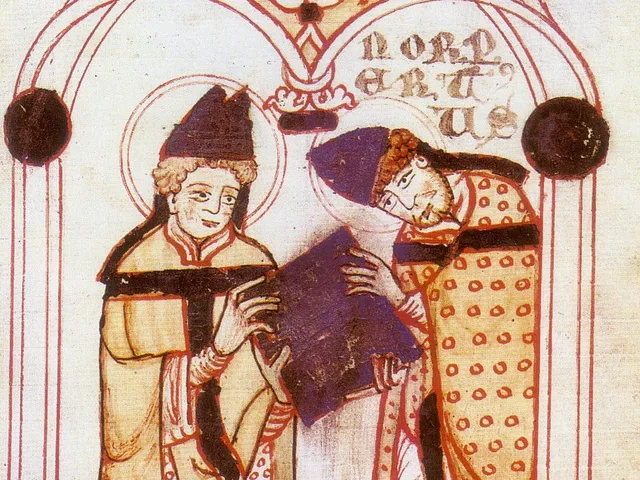
Kloster Weiher
Augustinerinnenkloster nahe Köln, benannt nach einem Weiher im Vorland, gegründet um 1198 und 1474 im Neusser Krieg geschleift.
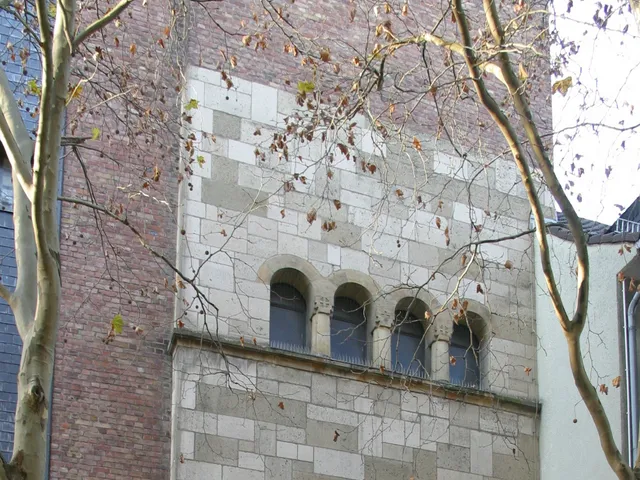
Mechtern
Medieval Cologne settlement named after the church "ad martyres" – site of the Reformation-era "Mechtern Sermons".
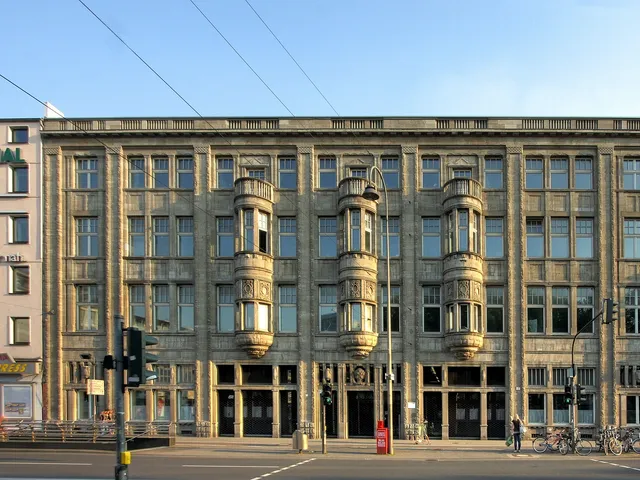
Neumarkt
Cologne's largest square at over 27,000 m² — once a livestock market, execution ground, and legendary witches' sabbath site, with Roman remains beneath.

Richmodis-Haus
Cologne landmark with two stone horse heads in its octagonal tower — rooted in the haunting legend of Richmodis von Aducht from the Black Death era.
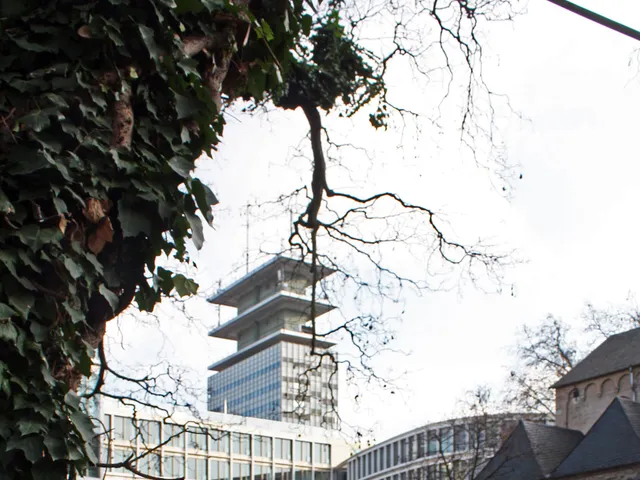
Roman Baths and Medieval Bathhouses in Cologne
Foundations of a 2nd/3rd-century Roman bath complex unearthed in 2007 beneath Cologne's Altstadt-Süd — including an 18-metre-wide rotunda.
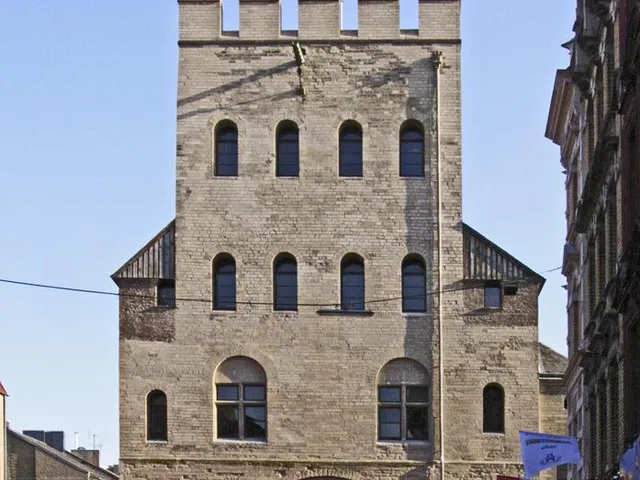
Severinstorburg
since 1230One of only four surviving medieval city gate towers in Cologne — a landmark of the Severinsviertel and today a vibrant community venue at Chlodwigplatz.
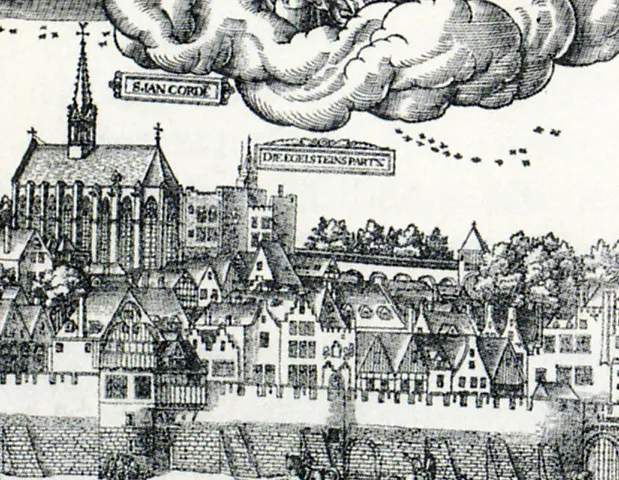
St. John and St. Cordula
Former Knights Hospitaller commandery in Cologne that housed the relics of Saint Cordula — demolished in 1807, its memory preserved in the street name "Jakorden".
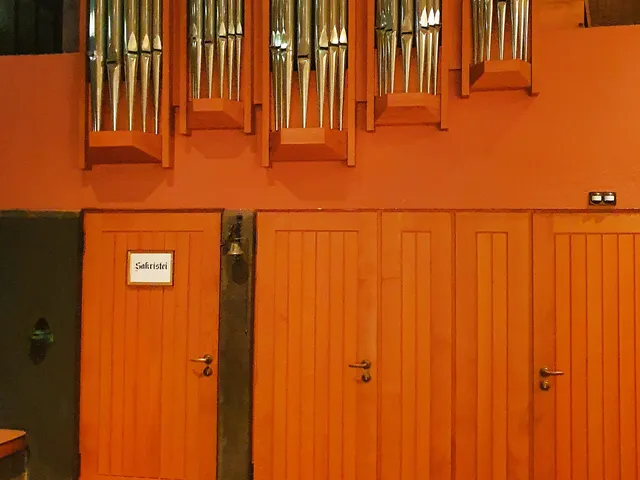
St. Kolumba
since 1150'Madonna in the Ruins' — a medieval chapel enclosed within the ruins of a Gothic parish church, now embraced by the Kolumba art museum.
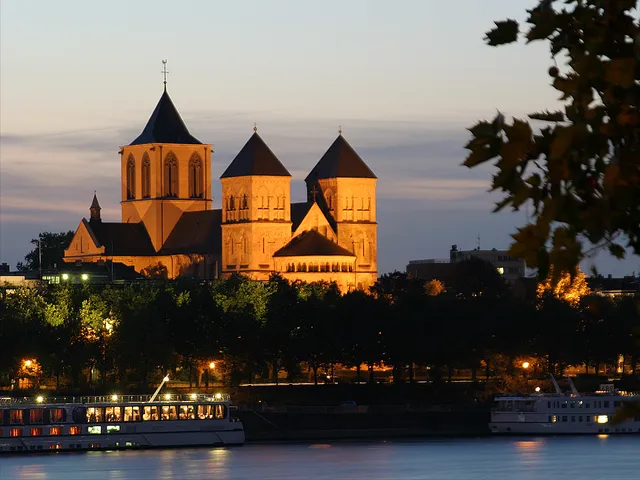
St. Kunibert
since 1215Youngest of Cologne's twelve Romanesque churches — with original 13th-century windows preserved in wartime storage, rising just north of the Cathedral.
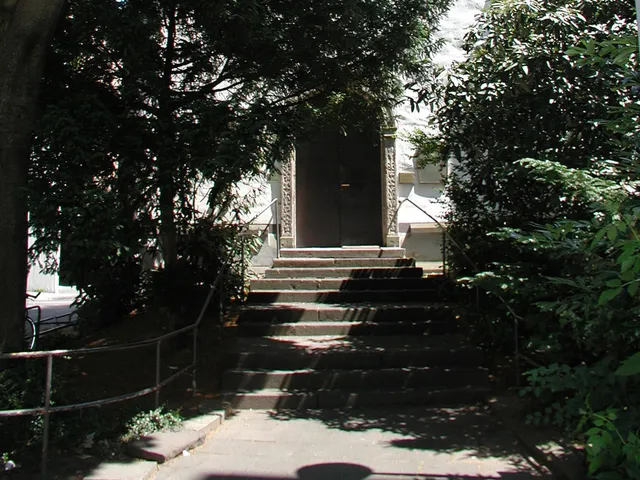
St. Maria Ablass
since 1431Of the demolished parish church of St. Maria Ablass, only the chapel of grace survives — today the Russian Orthodox Church of Saints Constantine and Helena.
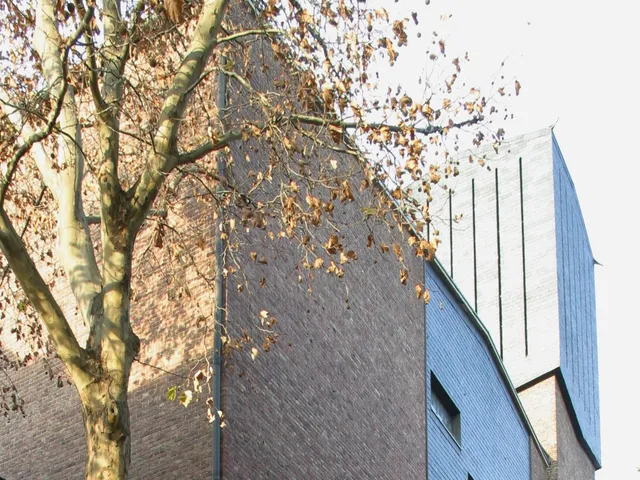
St. Mechtern
Catholic parish church in Cologne-Ehrenfeld, built in 1954 by Rudolf Schwarz, continuing the tradition of Cologne's martyr church Mechtern.
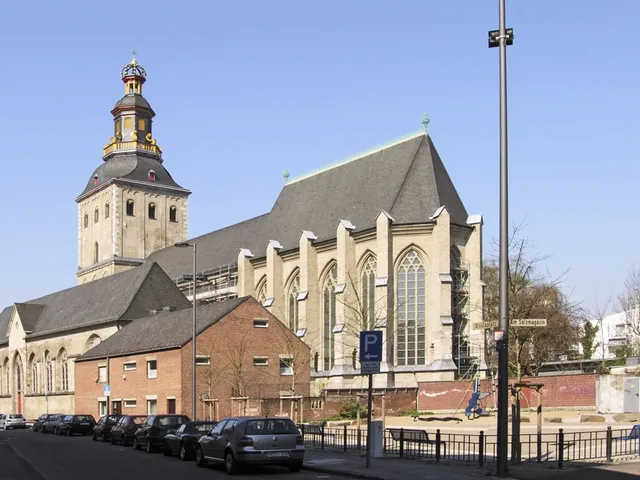
St. Ursula
since 401Romanesque basilica near Cologne Cathedral housing the Golden Chamber — the largest ossuary north of the Alps, with roots in Roman Cologne.