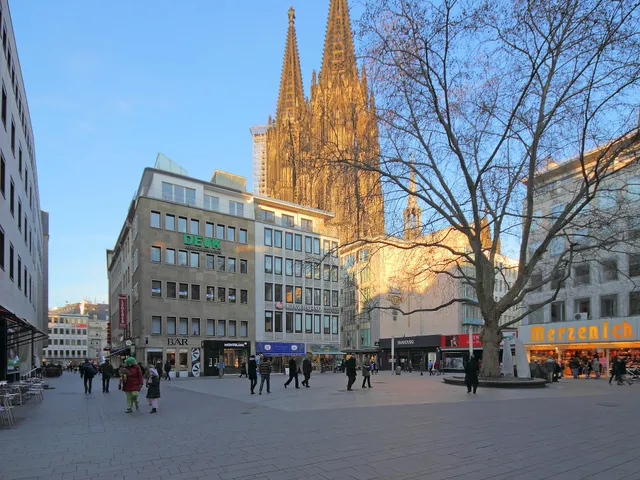
By the cathedral
35 places in Cologne
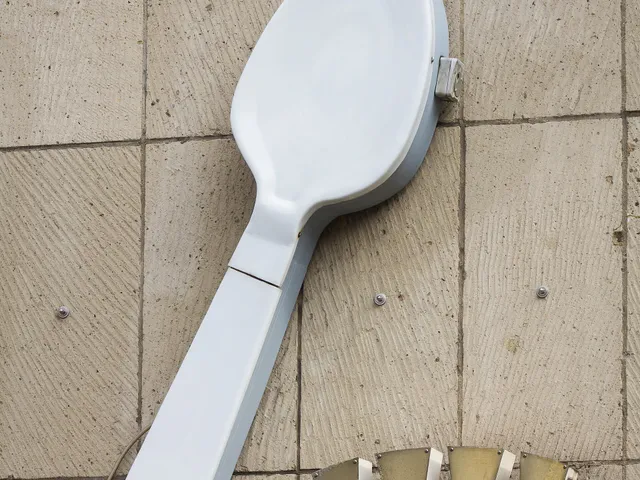
Glaub Cutlery Museum
A Cologne specialty museum (1951–1995) housing what was likely one of the world's most extensive cutlery collections — from Stone Age knives to the present day.
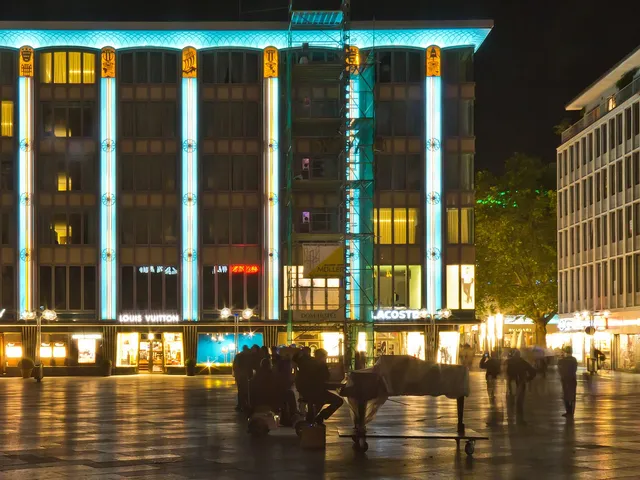
Blau-Gold-Haus
Right next to Cologne Cathedral stands the Blau-Gold-Haus, a turquoise-and-gold office and commercial building from 1952 that is a listed monument and a notable example of German post-war modernism, today home to hotel suites and luxury boutiques.
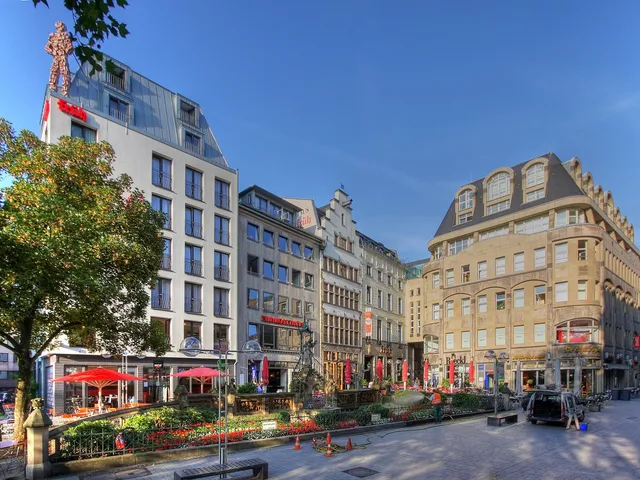
Brauhaus Früh am Dom
since 1904A traditional brewpub right opposite the cathedral – Cologne hospitality since 1904, a medieval vaulted cellar and a lounge with cathedral views.
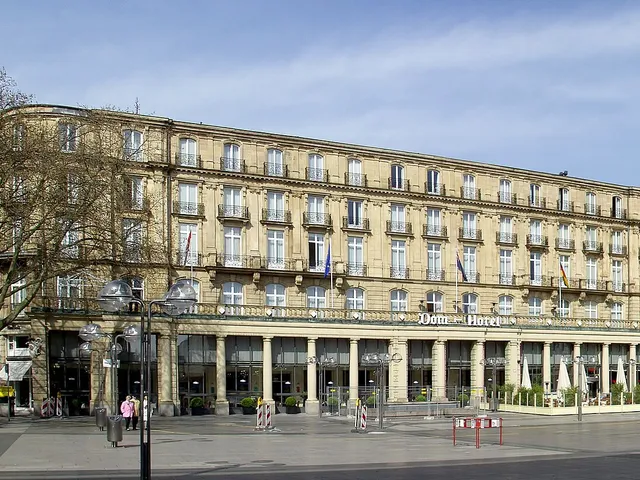
Dom-Hotel Cologne – a Grand Hotel by the Cathedral in Transition
since 1857Right beside Cologne Cathedral stands the Dom-Hotel, described as one of Europe's oldest grand hotels. It is currently closed and being rebuilt entirely behind its preserved façade, with reopening as the Althoff Dom Hotel Köln planned for 2027.
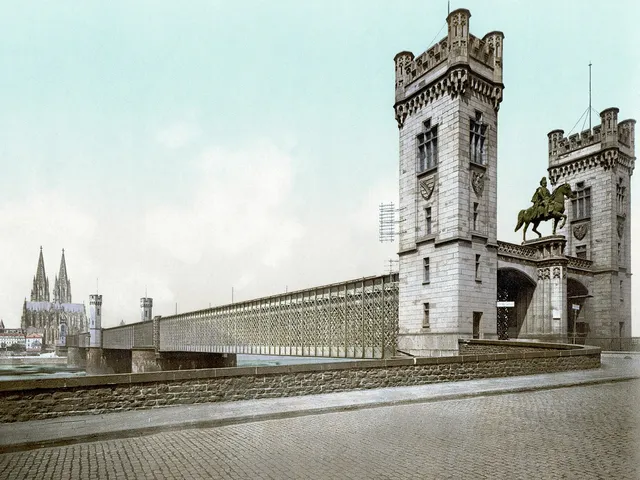
Dombrücke
since 1859Cologne's first permanent Rhine crossing since Roman times and direct predecessor of the Hohenzollern Bridge — nicknamed the 'Mousetrap' by locals.
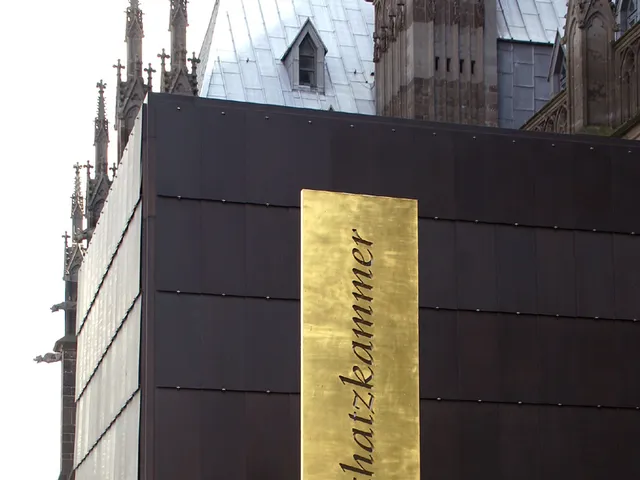
Cologne Cathedral Treasury
Set in medieval vaults beneath the north side of Cologne Cathedral, the treasury displays Christian art from the 4th to the 20th century.
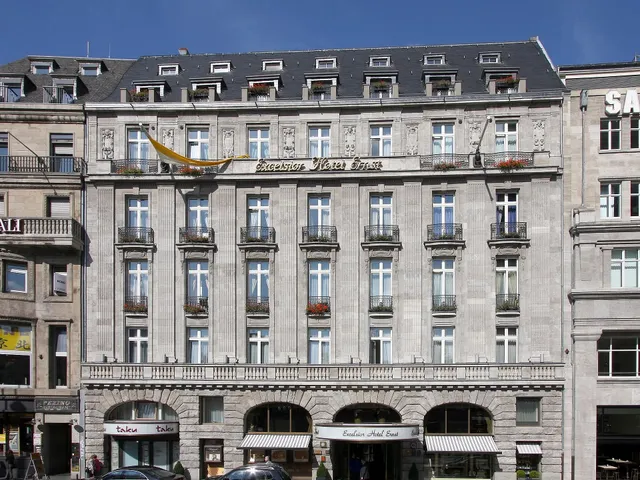
Excelsior Hotel Ernst
since 1863Storied five-star grand hotel dating from 1863, standing right beside Cologne Cathedral and family-owned for six generations.
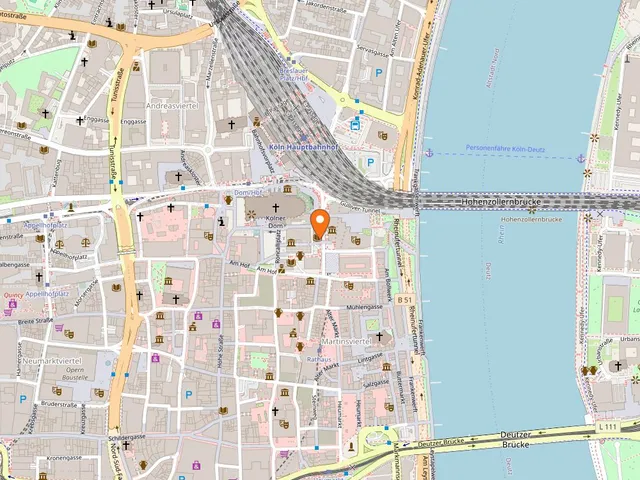
Filmforum NRW
Repertory and community cinema in the Museum Ludwig by Cologne Cathedral.
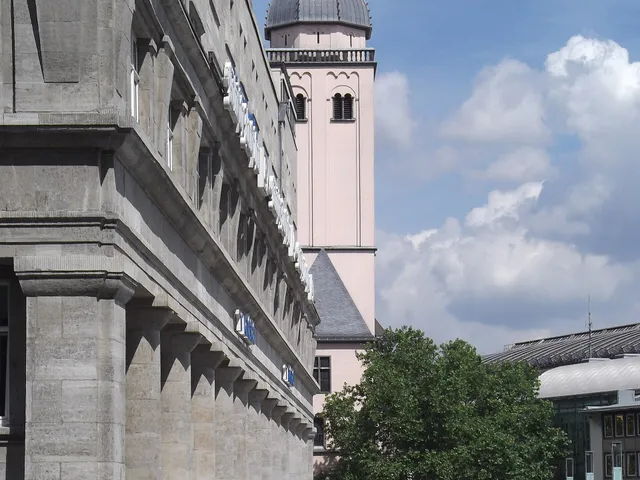
Gaffel am Dom
since 2008A large brewpub on the station square opposite the cathedral – Gaffel Kölsch, Cologne cuisine and a legendary Friday singalong concert.
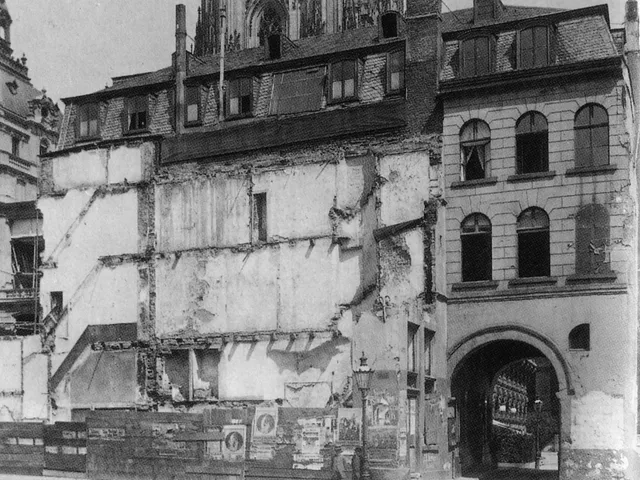
Hacht (Prison)
Archbishop's court and prison on today's Cathedral Square — criminals were locked up here and women tried as witches.
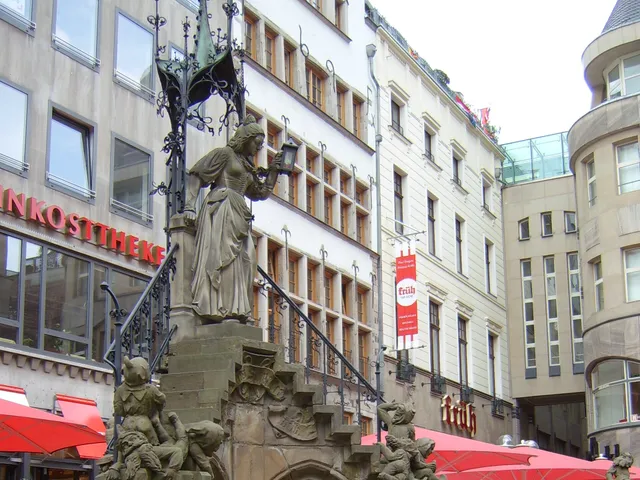
Heinzelmännchen – Cologne's Household Spirits and Their Fountain
since 1900Cologne's legendary household sprites who worked through the night while citizens slept — caught once, gone forever. Their fountain stands near the Cathedral.
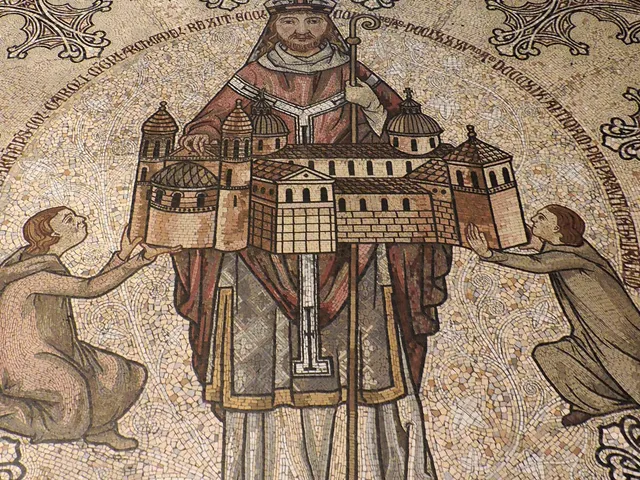
Hildebold Cathedral
Carolingian predecessor of Cologne Cathedral, which housed the relics of the Three Kings until its demolition in 1248.
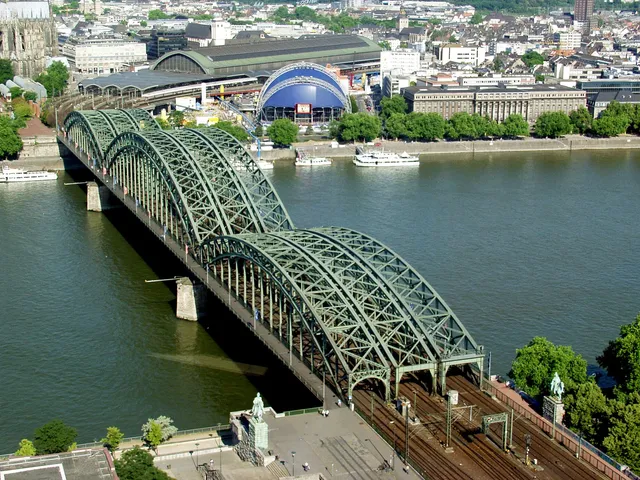
Hohenzollernbrücke
since 1911Germany's busiest railway bridge spanning the Rhine — a defining feature of Cologne's skyline alongside the Cathedral, and famous for thousands of love locks.
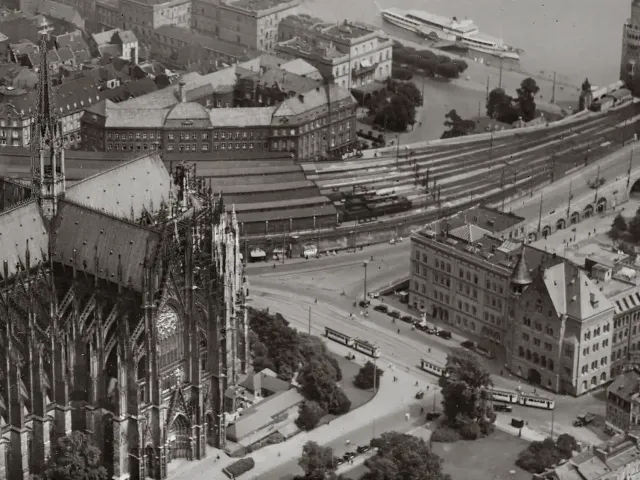
Hotel du Nord
Vanished 19th/20th-century Cologne grand hotel — Museum Ludwig and Heinrich-Böll-Platz now occupy its former site.
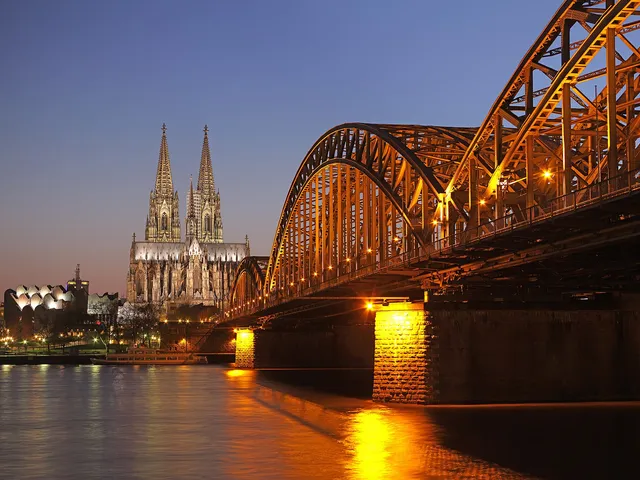
Cologne Cathedral
since 1248Gothic cathedral and shrine of the Three Kings — at around 157 metres one of the tallest churches in the world and a UNESCO World Heritage Site.
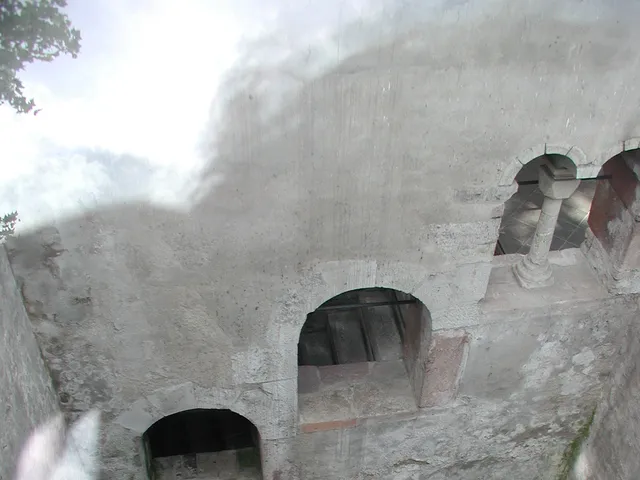
Cologne Mikveh
Medieval Jewish ritual bath beneath the Rathausplatz: the staircase descends inside the nearly 16-metre-deep shaft all the way to the water level.
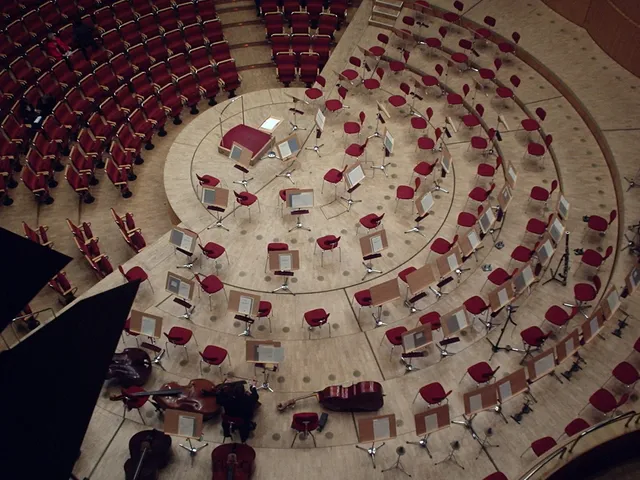
Kölner Philharmonie
since 1986Amphitheatre-style concert hall beneath Heinrich-Böll-Platz — a column-free auditorium for 2,000 with a celebrated Klais organ.
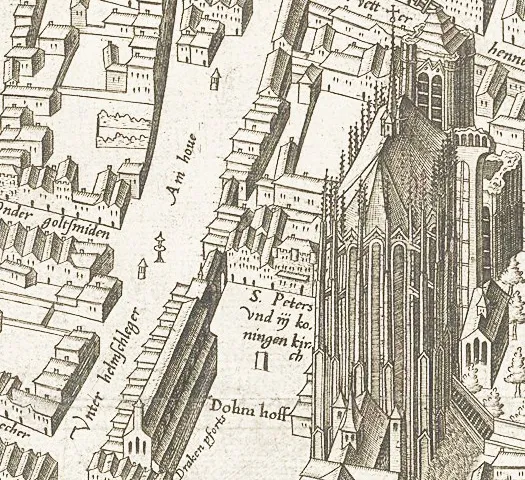
Linneper Hof (Reifferscheider Hof), Cologne
Former noble courtyard on Cologne Cathedral's precinct, originally the archbishops' residence — demolished in the 1740s, now part of the Roman-Germanic Museum grounds.
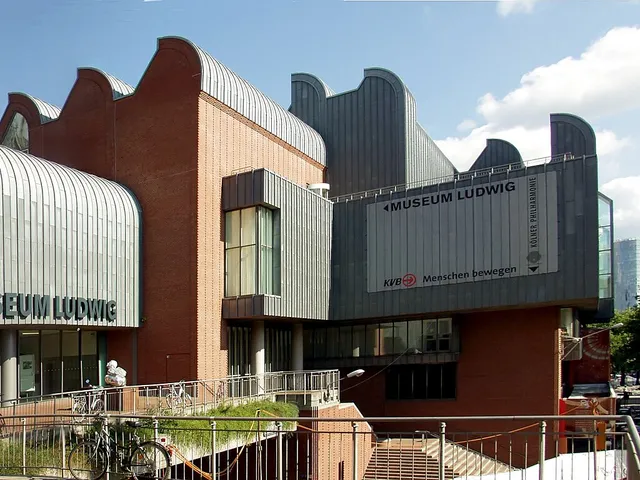
Museum Ludwig
since 197620th- and 21st-century art on Cologne's Cathedral Plateau — home to Europe's largest Pop Art collection and the world's third-largest Picasso collection.
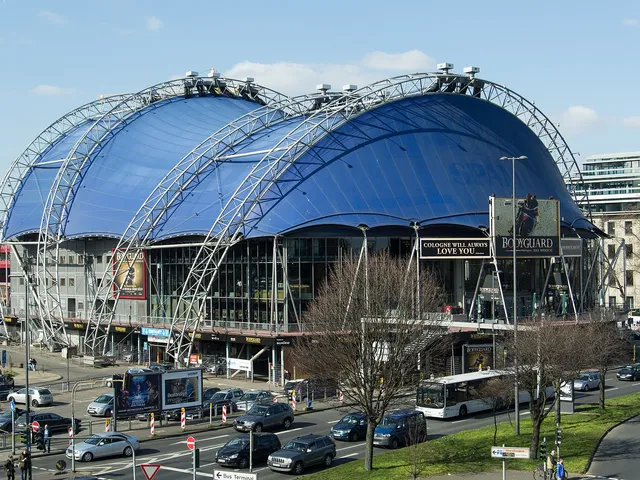
Musical Dome
Musical venue under a blue dome roof by the Rhine near Cologne's main station — home to long-running hits like 'We Will Rock You'.
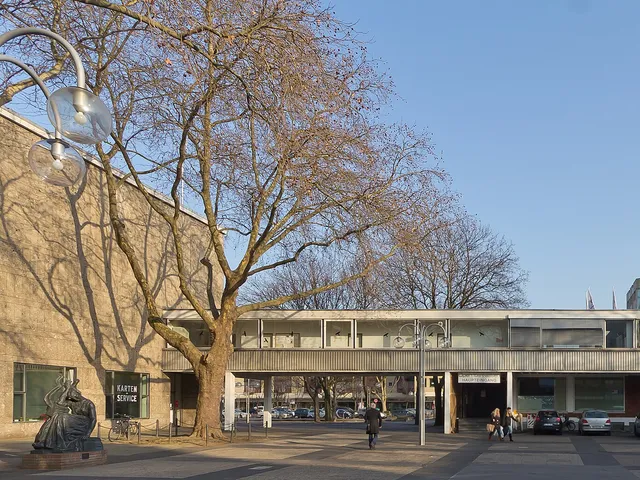
Opernterrassen
A 1957 dining pavilion by Wilhelm Riphahn — a rare surviving witness to Cologne's 1950s architecture at Offenbachplatz.
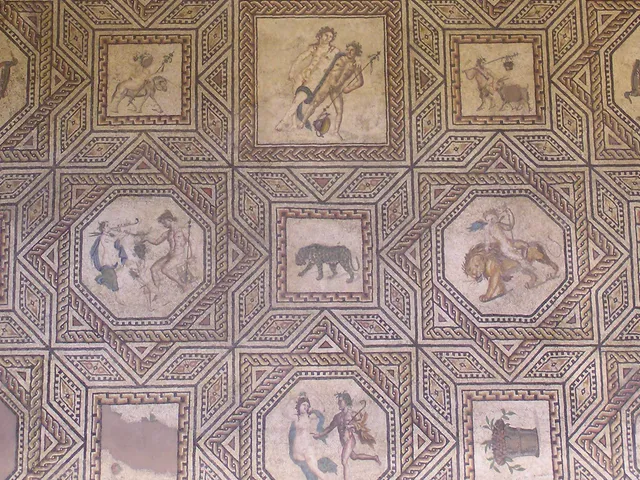
Peristyle House with the Dionysus Mosaic
Roman townhouse by Cologne Cathedral, its dining room floor paved with a 1.5-million-tile mosaic of the wine god Dionysus.
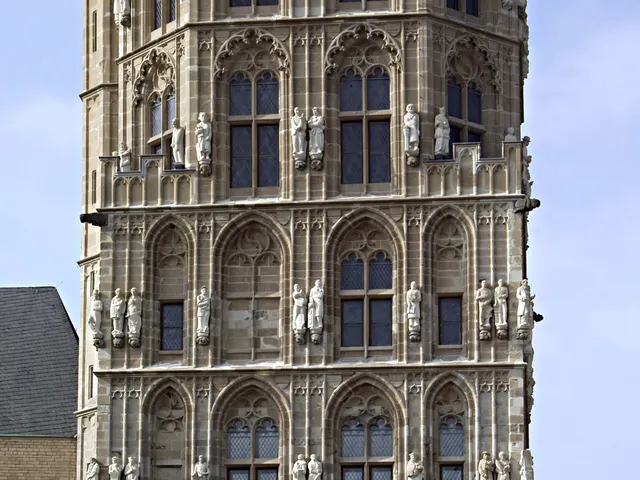
Historic City Hall
Germany's oldest city hall – with a Gothic council tower, a Renaissance loggia, and over 800 years of documented building history in Cologne's Old Town.
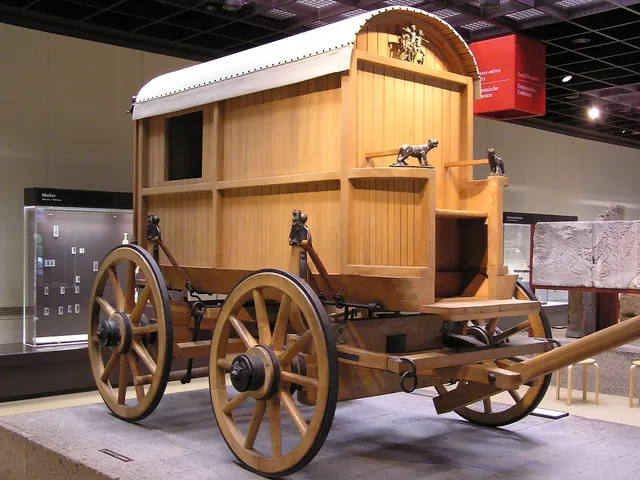
Romano-Germanic Museum (RGM)
since 1946Cologne's archaeological museum — world's largest collection of Roman glass and the Dionysus Mosaic near the cathedral (currently at the Belgian House).
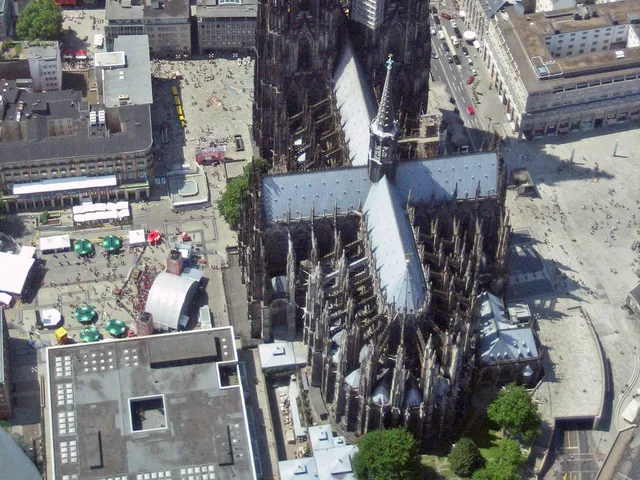
Roncalliplatz
The square around Cologne Cathedral traces a dramatic transformation from a densely built medieval neighbourhood to an open national monument.
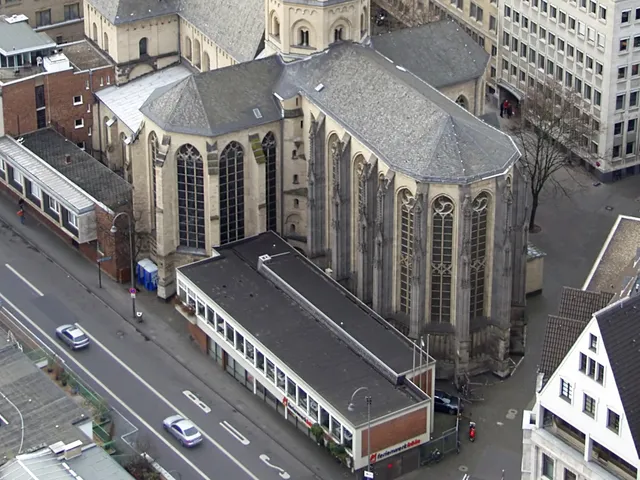
St. Andreas
since 974One of Cologne's twelve great Romanesque churches — home to the tomb of Albertus Magnus in its crypt and stained-glass art by Markus Lüpertz.
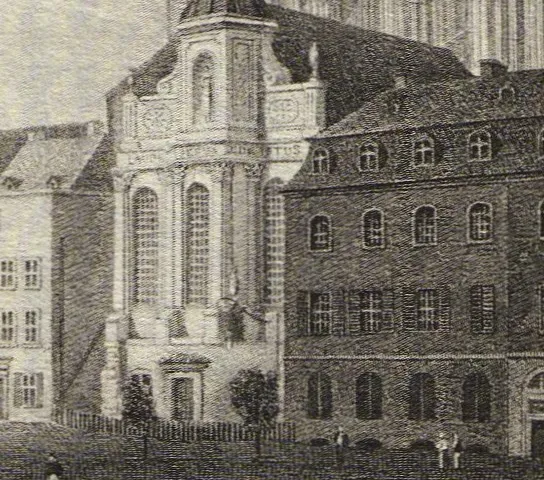
St. Johann Evangelist
Demolished parish church that once stood south of Cologne Cathedral on the Domhof, serving for a time as the Archbishop's private chapel.
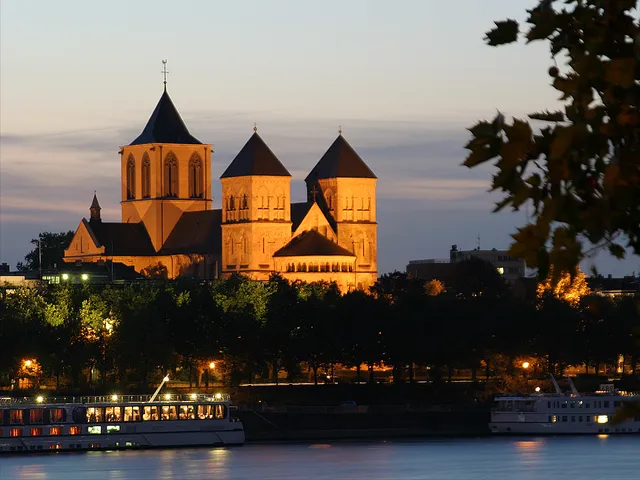
St. Kunibert
since 1215Youngest of Cologne's twelve Romanesque churches — with original 13th-century windows preserved in wartime storage, rising just north of the Cathedral.
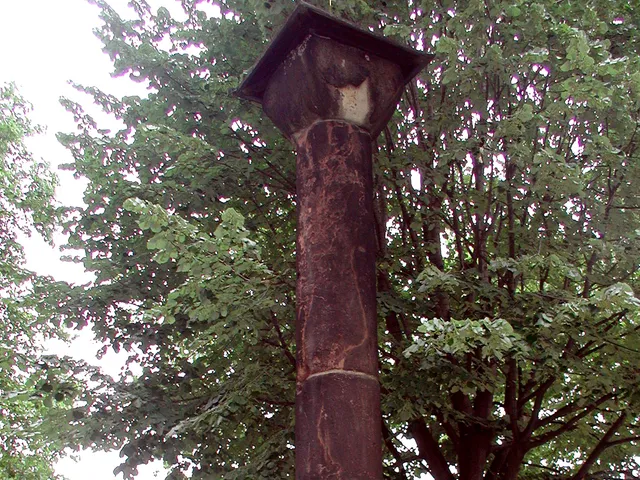
St. Maria ad Gradus
since 1062Demolished Romanesque collegiate church east of Cologne Cathedral — today only the 'Cathedral Column' at the east choir survives as a reminder.
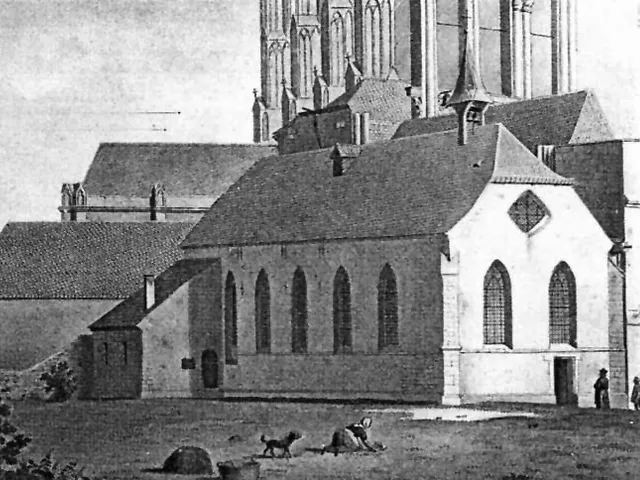
St. Maria im Pesch
Long-demolished parish church of Cologne Cathedral's staff — its late-Gothic Entombment group survives today inside the Cathedral.
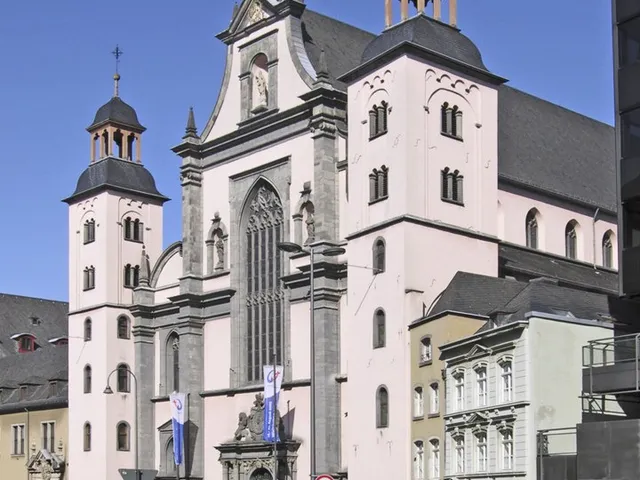
St. Mariä Himmelfahrt
since 1629Baroque former Jesuit church near Cologne Cathedral — for centuries the city's largest after the Cathedral, and one of Cologne's few surviving Baroque landmarks.
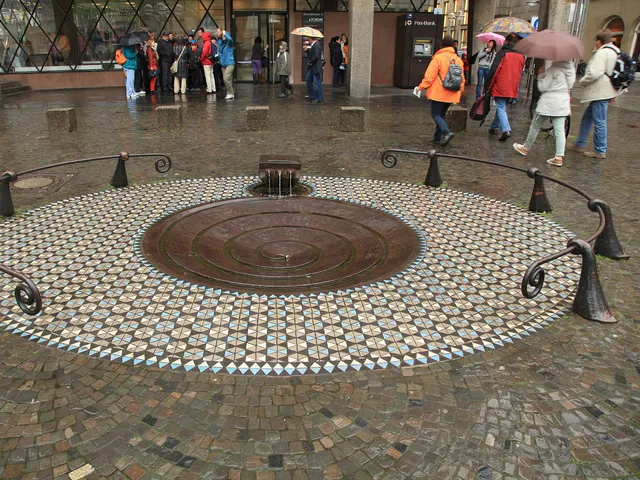
Taubenbrunnen
since 1953Cologne's first post-war fountain and the city's first abstract fountain: designed in 1953 by Ewald Mataré as a drinking trough for the Cathedral pigeons.
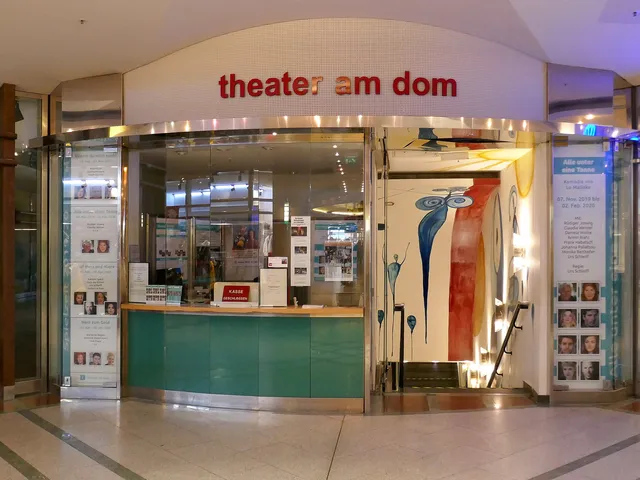
Theater am Dom
since 1952Cologne's premier boulevard theatre for comedy, tucked inside the Opernpassagen — its name recalls a former home with a view of the cathedral.
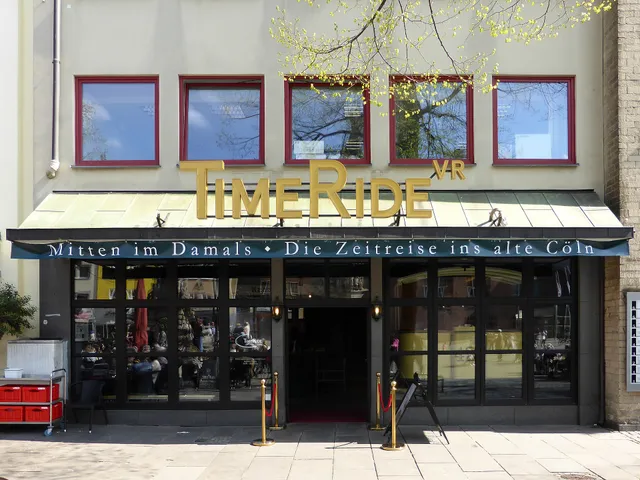
TimeRide Cologne
VR time travel in Cologne's Old Town: a virtual tram ride through 1926 Cologne, experienced through a VR headset.