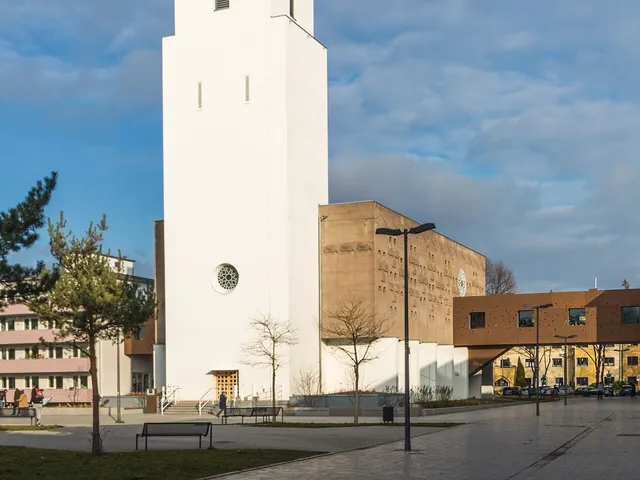
Art
126 places in Cologne
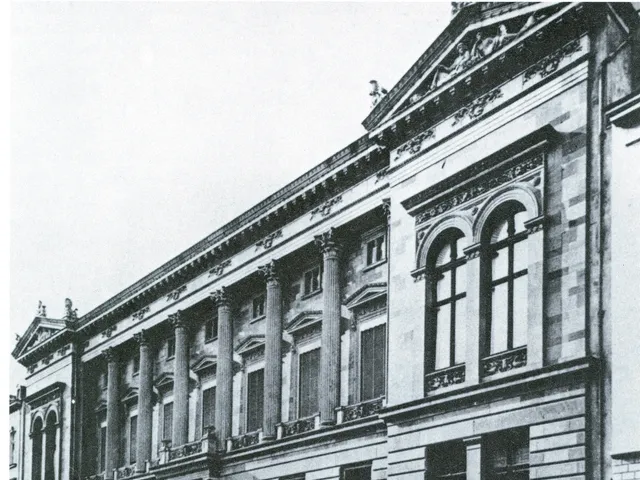
A. Schaaffhausen’sches Bank Palace
Cologne bank palace of 1859–1862 blending Neoclassical form with Italian Renaissance splendor—destroyed in the war.
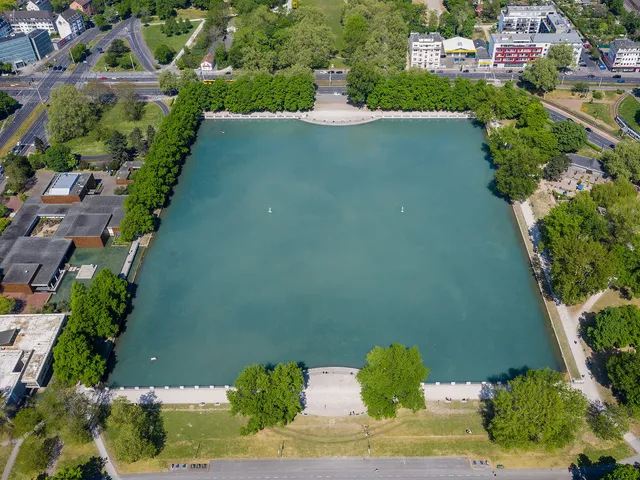
Aachener Weiher
A 1920s artificial lake in Cologne's Inner Green Belt, framed by a beer garden, East Asian art, and the Hiroshima-Nagasaki Park.
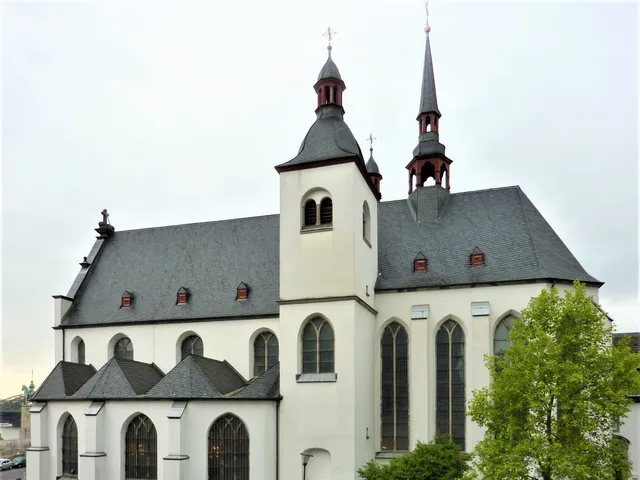
Deutz Abbey
since 1001Cologne's Deutz Abbey, founded in 1002, is the original home of the golden Heribert Shrine and today serves as a Greek Orthodox church.
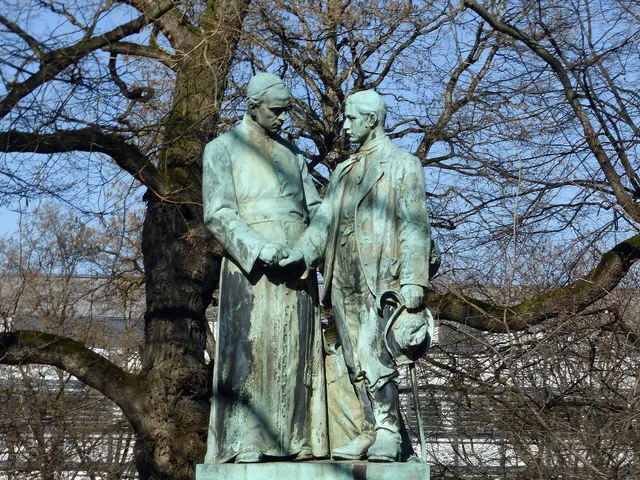
Adolph Kolping Monument
since 1903Bronze memorial to Adolph Kolping — the 'Father of Journeymen' and founder of the Catholic journeymen's associations — standing before Cologne's Minorite Church, where he is buried.
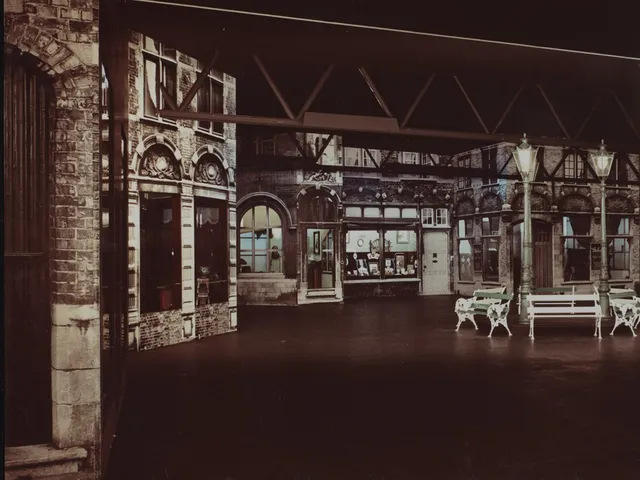
Agfa Foto-Historama
One of the world's most significant photo-historical collections — nearly 20,000 cameras and over 12,000 photographs, now housed at Museum Ludwig in Cologne.
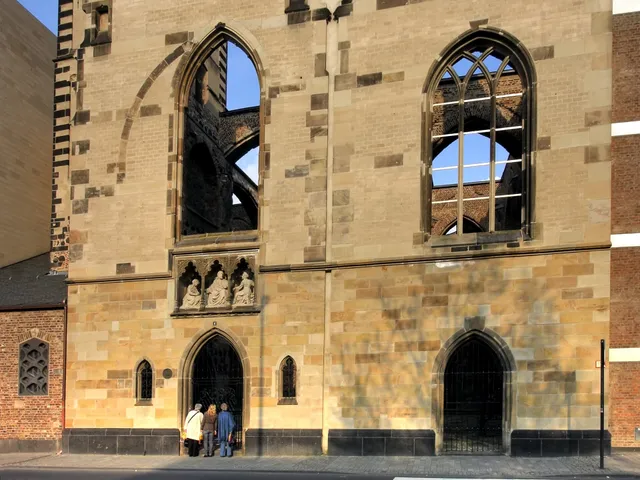
Alt St. Alban – Church Ruin and War Memorial at Quatermarkt
since 1200Preserved Romanesque church ruin at Quatermarkt; left unrestored after WWII bombing and consecrated as a memorial to the war dead in 1959.
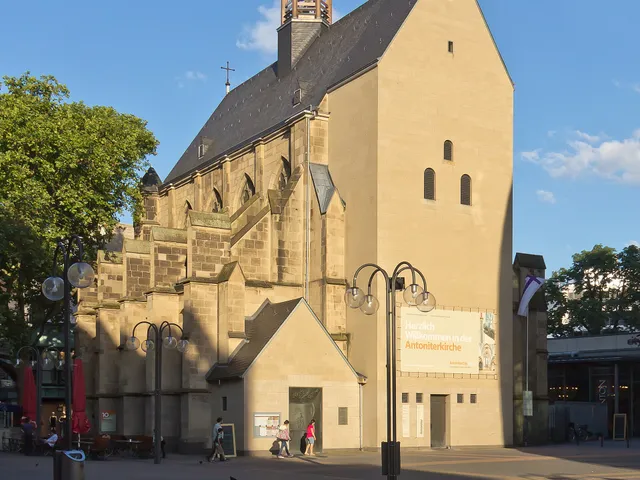
Antoniterkirche
since 1350A Gothic Protestant church in the middle of the Schildergasse – Cologne's most visited church after the cathedral, known for Barlach's ‘Hovering Angel'.
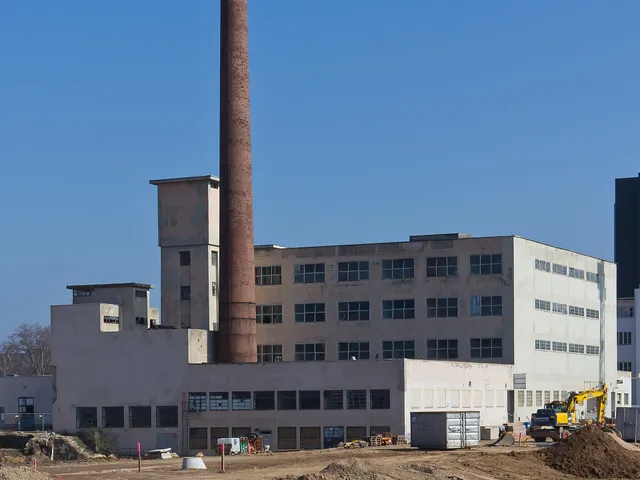
Autoren Galerie Kostka
A Cologne water tower transformed into a walk-in sculpture, hosting immersive image, sound, and light installations for nearly a decade.
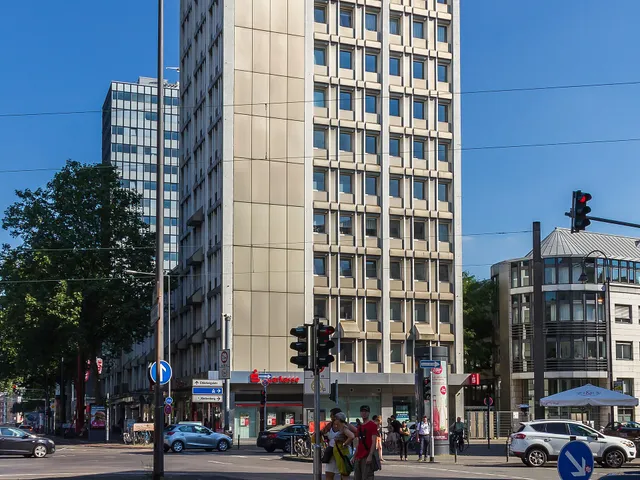
Barbarossaplatz
Traffic hub on Cologne's Kölner Ringe ring road, named after Frederick Barbarossa in 1883, with a tram stop encircled by multi-lane carriageways.
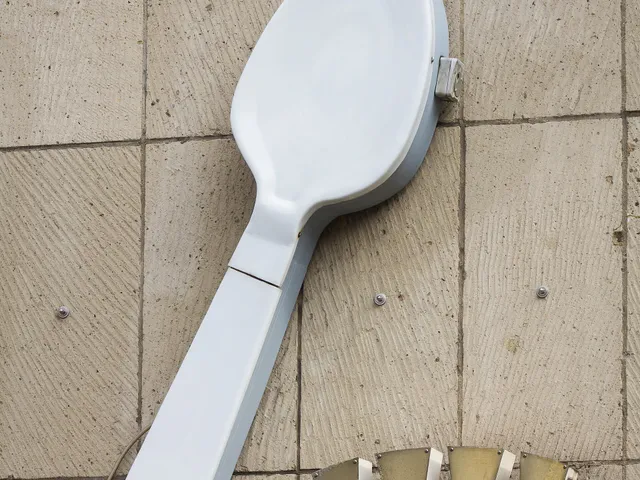
Glaub Cutlery Museum
A Cologne specialty museum (1951–1995) housing what was likely one of the world's most extensive cutlery collections — from Stone Age knives to the present day.
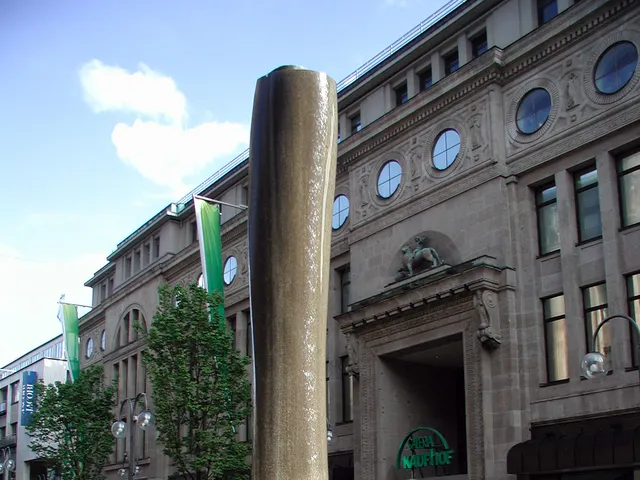
Bierbrunnen
since 1972A 1972 fountain on Schildergasse featuring a granite column wrapped in a thin veil of water — named after a brief beer tap that once operated at the site.
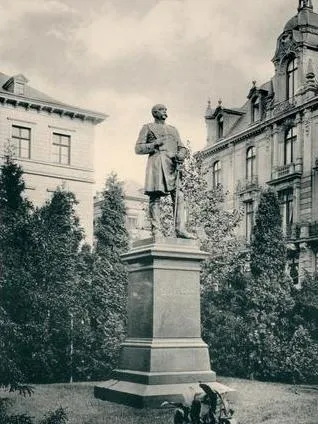
Bismarck Monument (Augustinerplatz)
The second Bismarck statue in the German Empire — unveiled in 1879 in Catholic Cologne as a deliberate provocation, lost to war.
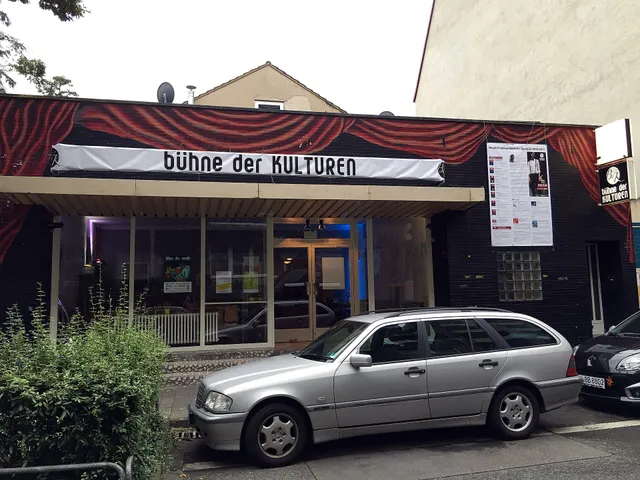
Bühne der Kulturen
since 1983Intercultural theatre in Cologne's Ehrenfeld district, founded in 1983 as the Turkish Arkadaş Theater — closed its doors on 31 July 2017.
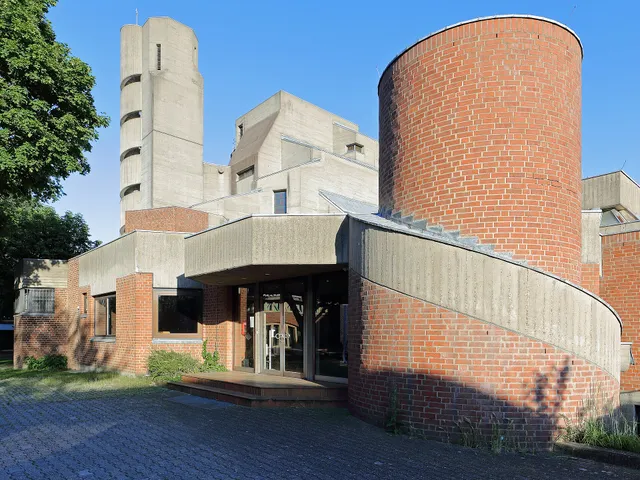
Christi Auferstehung (Lindenthal)
since 1968Sculptural concrete church by Gottfried Böhm at the head of the Lindenthal Canal – with a cave-like interior of branching pillars.
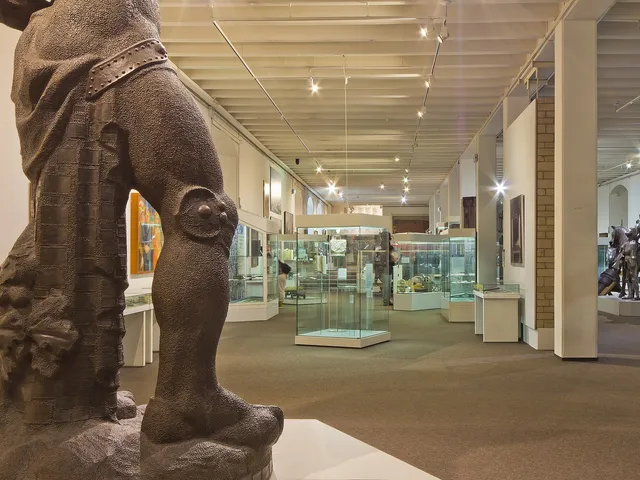
The Kölsche Boor en Iser (The Cologne Farmer in Iron)
Cologne's WWI war memorial – after, or alongside, Berlin's Iron Hindenburg the most widely covered such monument in the national press.
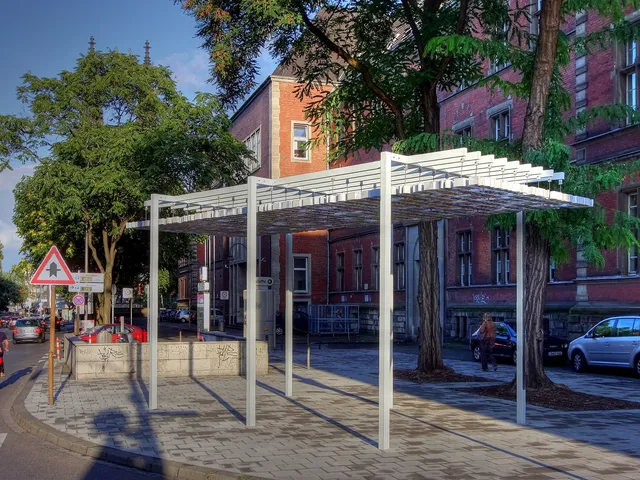
Deserters' Memorial
since 2009A memorial to victims of Nazi military justice at Appellhofplatz — a pergola whose chained tribute inscription seems written in colored letters across the sky.
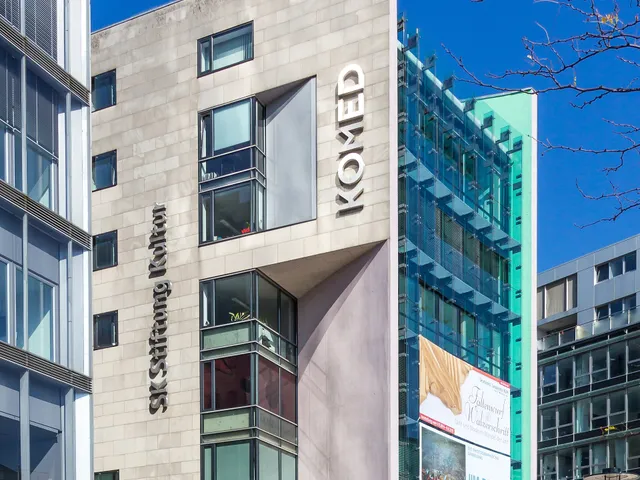
German Dance Archive & Dance Museum
since 1985Research and documentation centre for dance in the Mediapark – combining an archive, library, video collection and museum tracing the history of stage dance.
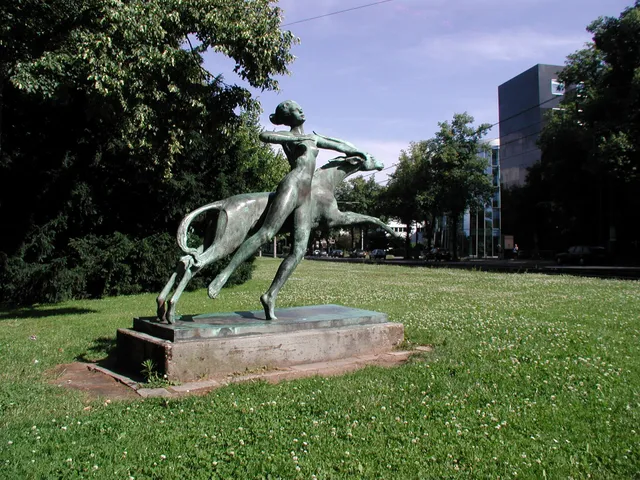
Diana with Leaping Antelope
since 1916On the central median of Cologne's Sachsenring stands the bronze sculpture "Diana with Leaping Antelope," created in 1916 by Fritz Behn as a study of movement showing the huntress goddess in unison with a leaping antelope.
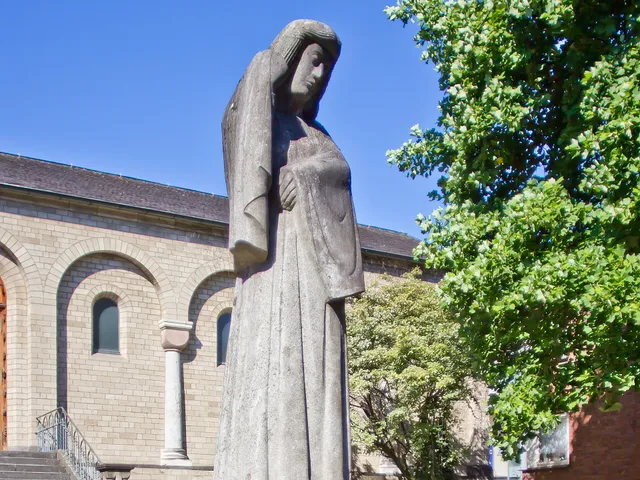
Die Trauernde
since 1949A 1949 sculpture by Gerhard Marcks standing in the churchyard of St. Maria im Kapitol, commemorating the victims of World War II.
Draped Reclining Figure
Bronze sculpture by Henry Moore at Museum Ludwig – a reclining, drapery-clad woman, cast in 1952/53.
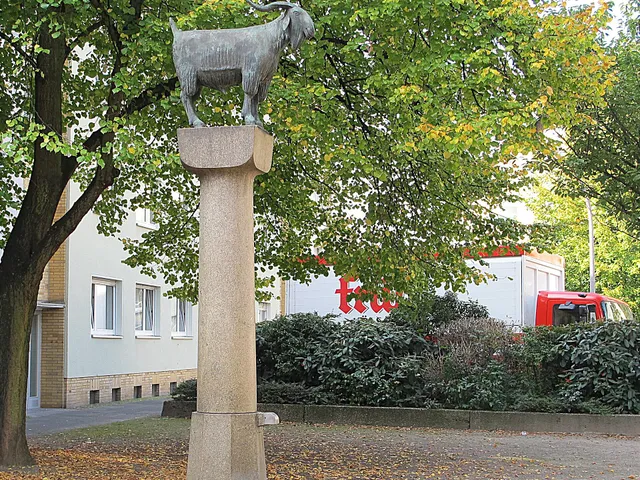
Düxer Bock
The unofficial heraldic animal of Deutz: this fountain monument commemorates an old Cologne legend about a tailor and a tax collector.
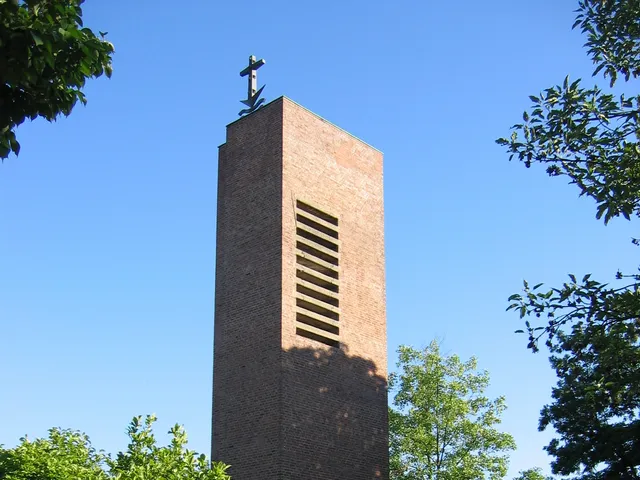
Church of the Redeemer (Rodenkirchen)
Protestant L-shaped church in Rodenkirchen with a 20-metre campanile; its three bells together carry the Christmas angels' greeting.
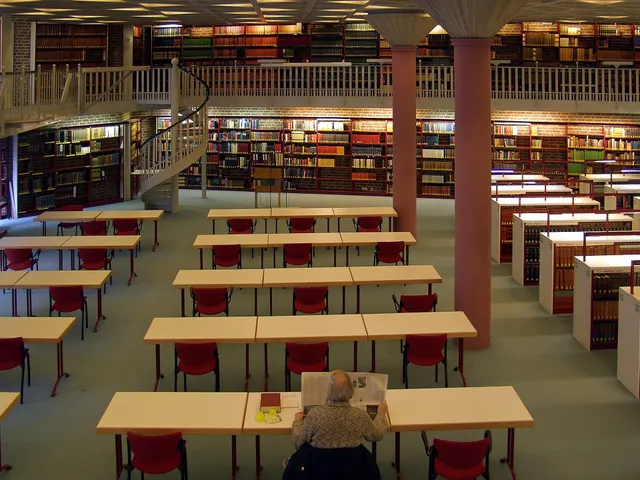
Erzbischöfliche Diözesan- und Dombibliothek Köln
Among surviving cathedral libraries, considered the most significant — the Archdiocese of Cologne's central library, with roots in the 6th/7th century.
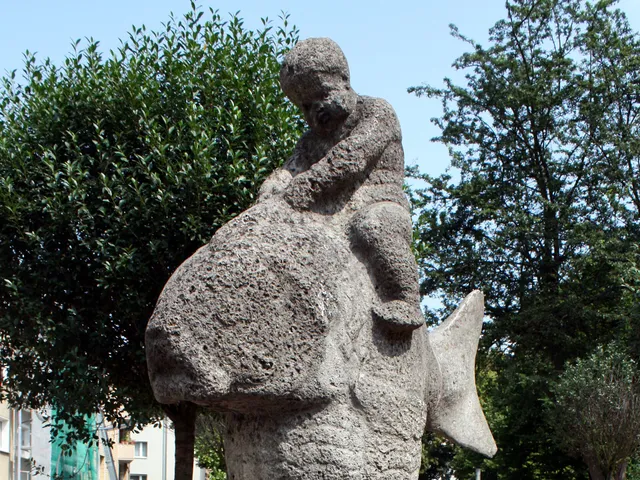
Fischreiterbrunnen
Sandstone fountain from 1913: a boy riding a fish — a listed landmark at Theophanoplatz in Zollstock.
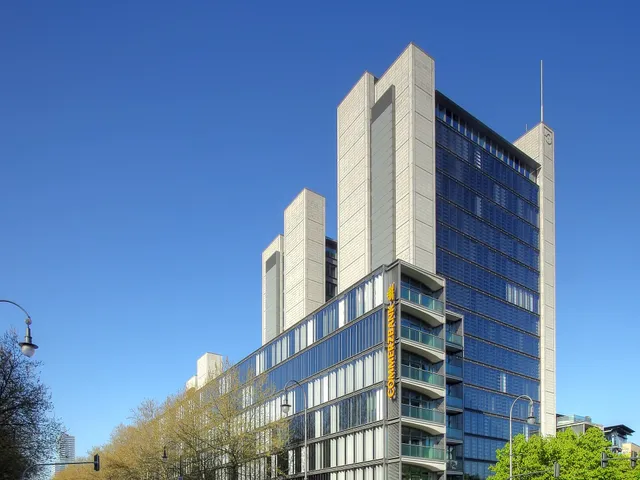
Friesenplatz
Square on Cologne's ring boulevards at the start of Venloer Straße — gateway to the Belgian Quarter and once the haunt of Cologne's underworld.
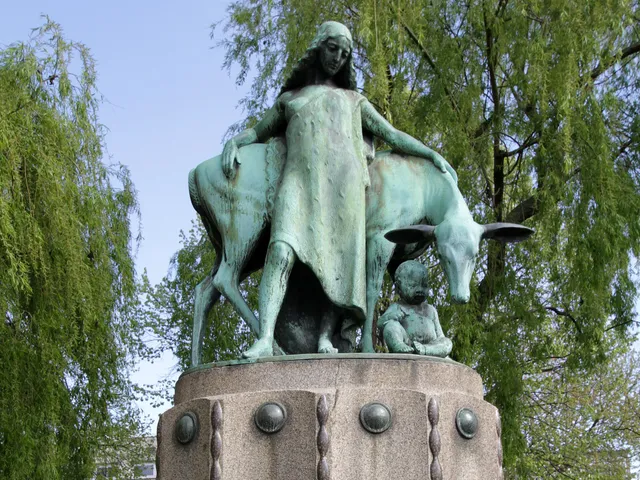
Genoveva Fountain
since 1914A fountain in a Mülheim green space crowned by a life-size sculpture of Saint Genevieve with a child and a stag — the namesake of a street, a grammar school and a swimming pool.

Haus Saaleck
Medieval Cologne townhouse with late-Gothic corner turrets – today home to the city's Artothek, a lending library for art.
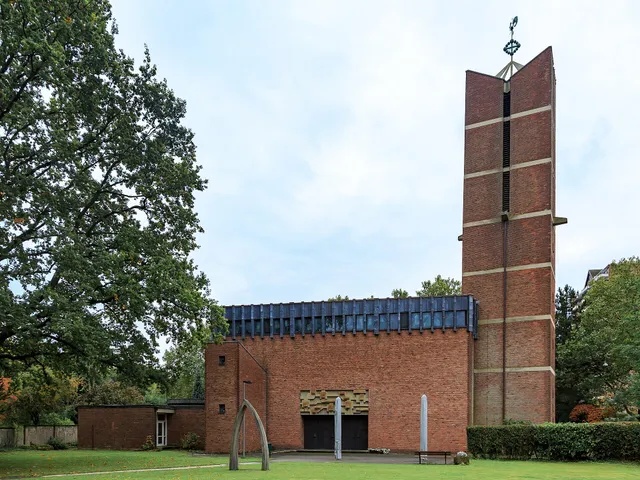
Heilig Geist (Köln-Weiden)
A closed brick church from the 1960s in Weiden, its ribbon window wrapping the whole building and converging into a point above the altar.
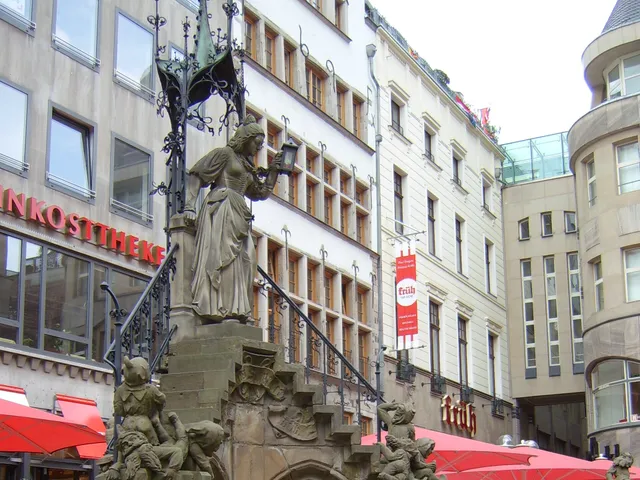
Heinzelmännchen – Cologne's Household Spirits and Their Fountain
since 1900Cologne's legendary household sprites who worked through the night while citizens slept — caught once, gone forever. Their fountain stands near the Cathedral.
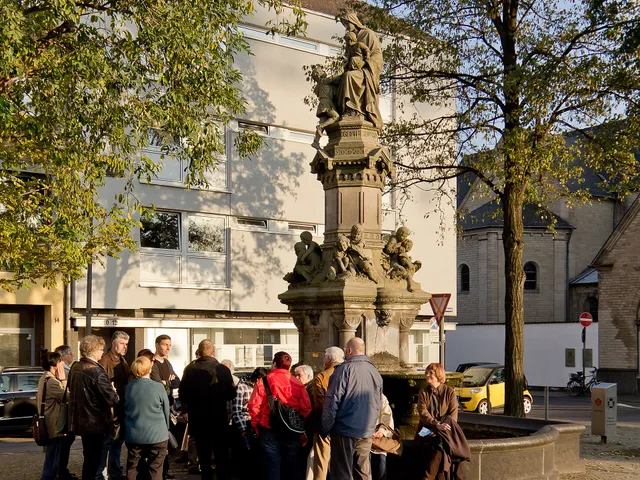
Hermann Joseph Fountain
since 1894A richly figured 1894 fountain on Waidmarkt telling the legend of the "apple saint" Hermann Joseph — considered the high point of sculptor Wilhelm Albermann's work.
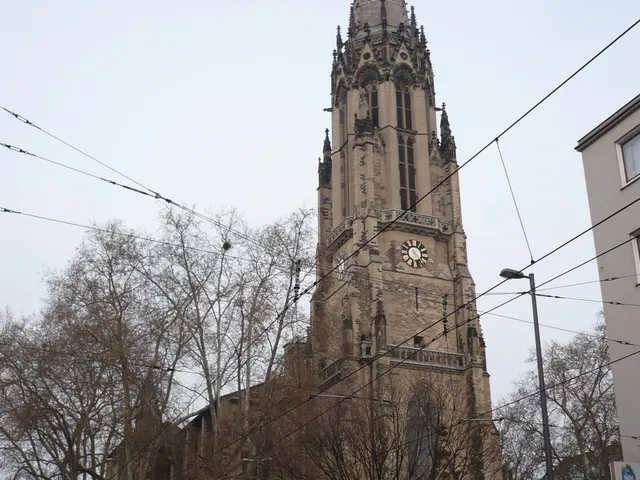
Herz-Jesu-Kirche
Neo-Gothic church on Zülpicher Platz whose tower was modelled on Freiburg Minster — rebuilt in a modern form after wartime destruction.
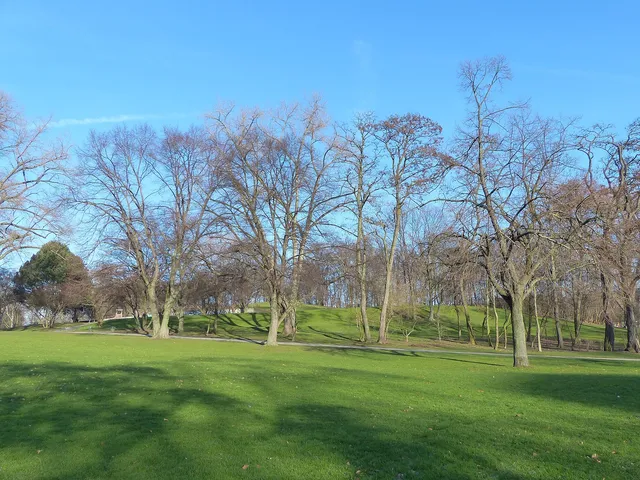
Hiroshima-Nagasaki-Park
since 2004Memorial park in Cologne's Inner Green Belt commemorating the victims of the atomic bombings of Hiroshima and Nagasaki, with a monument featuring an origami crane.
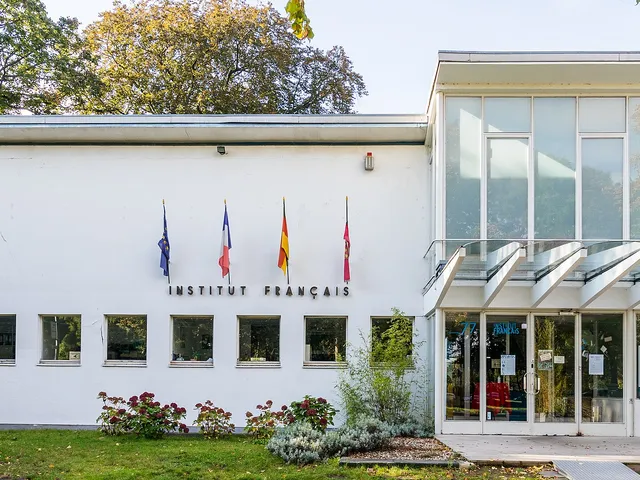
Institut français Köln
since 1952French cultural institute in Cologne's Südstadt — one of the first and now one of the last of its kind in western Germany; housed in Riphahn's 1952 building.
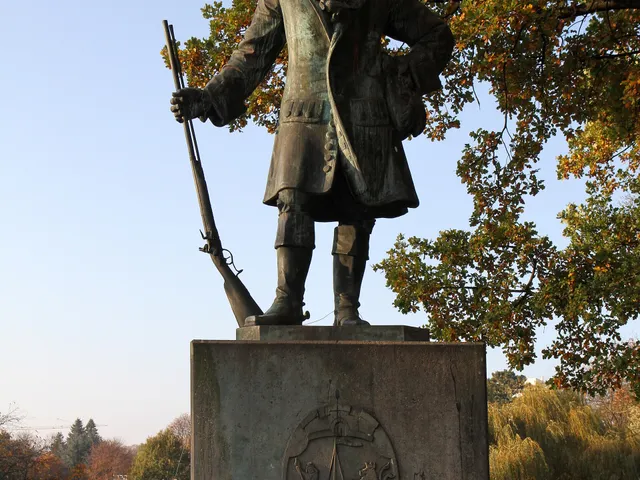
Jan-Wellem-Denkmal
Bronze statue of Elector Jan Wellem in Cologne-Mülheim, donated in 1914 by the Andreae manufacturing family amid the controversy over the district's annexation.
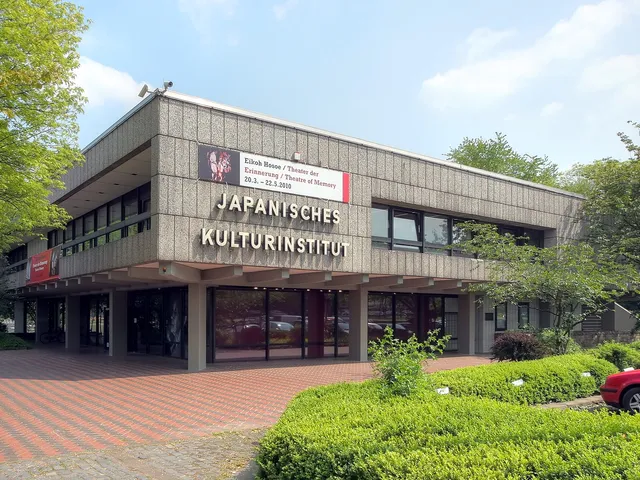
Japanese Cultural Institute
since 1969One of only three Japanese cultural institutes in Europe — Cologne's gateway to Japanese culture for the entire German-speaking world.
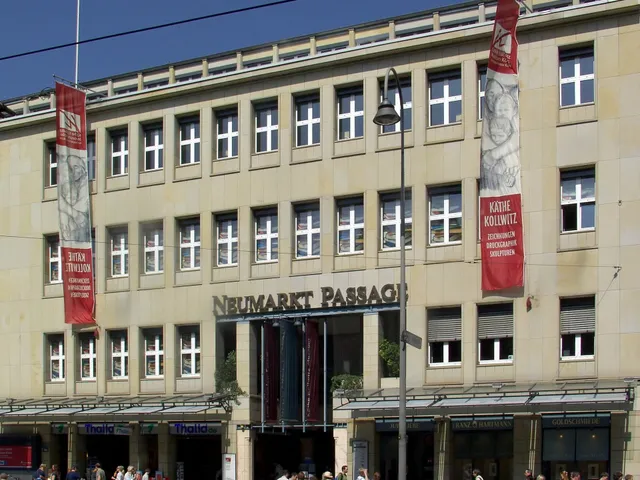
Käthe Kollwitz Museum
since 1985Home to the world's largest Käthe Kollwitz collection, this Cologne museum brings together her drawings, prints, and all 15 known bronze sculptures.
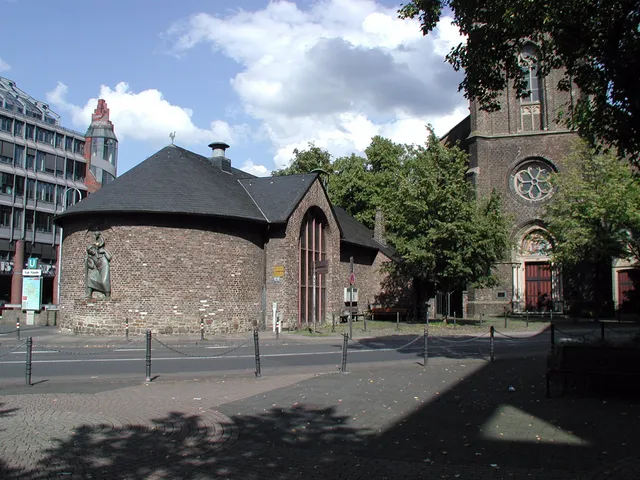
Kalker Kapelle
A pilgrimage chapel in Cologne's Kalk district, home to a 15th-century Pietà said to have miraculous powers — a destination for annual processions for centuries.
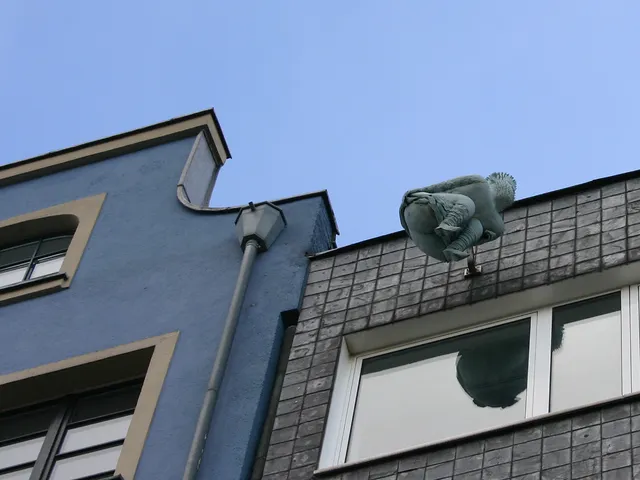
Kallendresser
Copper figure at Alter Markt that bares its backside to onlookers — a Cologne satirical motif with roots in the Middle Ages.
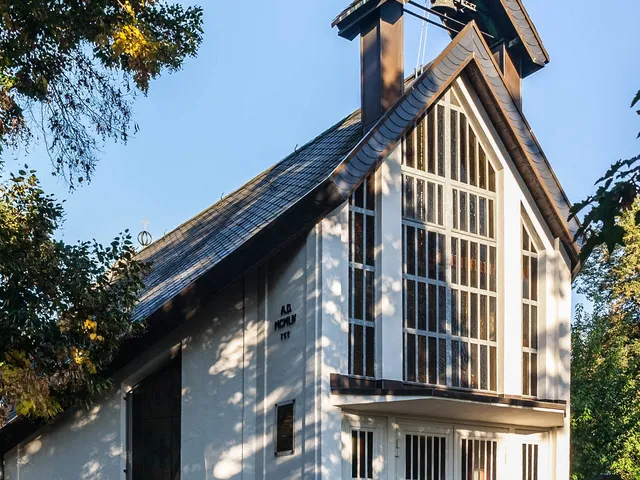
Chapel Madonna in the Green
Hexagonal Marian chapel in Cologne-Weidenpesch, built as a thanksgiving offering, housing the oak-carved Madonna "Madonna im Grünen."
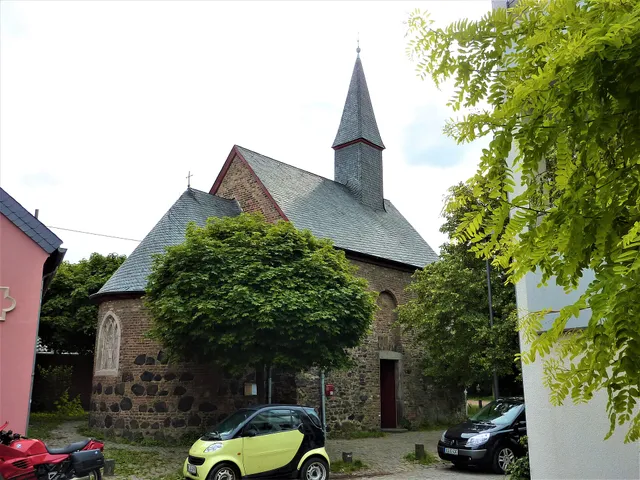
St. George's Chapel
Late Gothic chapel in Cologne-Weiß, first mentioned in 1433, featuring vivid murals from the 1980s.
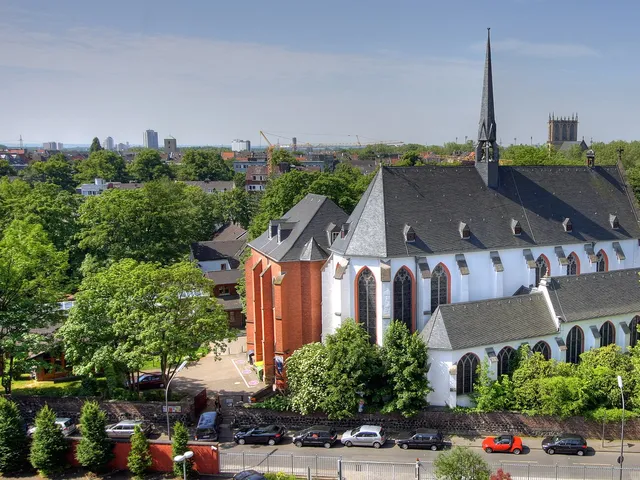
Kartäuserkirche
since 1350Gothic church of the 1334 Cologne Charterhouse — now an Evangelical parish church with stained-glass windows by Charles Crodel.
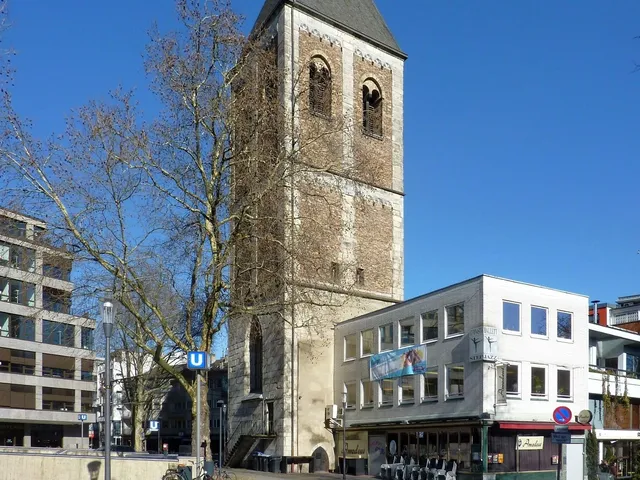
Klein St. Martin
since 1460A lone tower surviving from a demolished Cologne parish church — once crowned with a tall Gothic spire visible across the Rhine skyline, today capped by a flat pyramid.
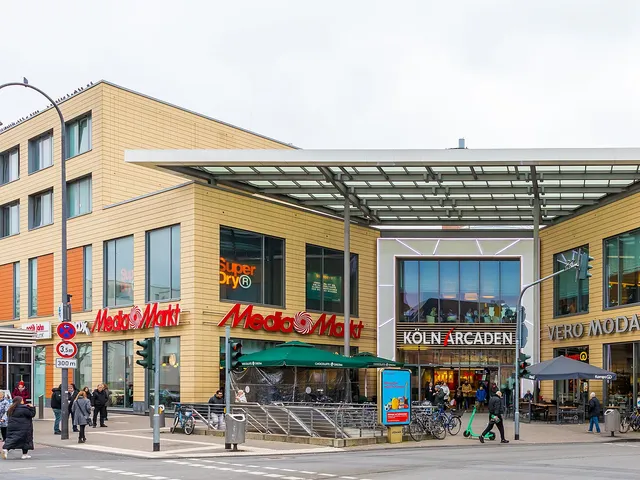
Köln Arcaden
Cologne's first shopping mall on the right bank of the Rhine, built on the site of a former chemical plant in Kalk.
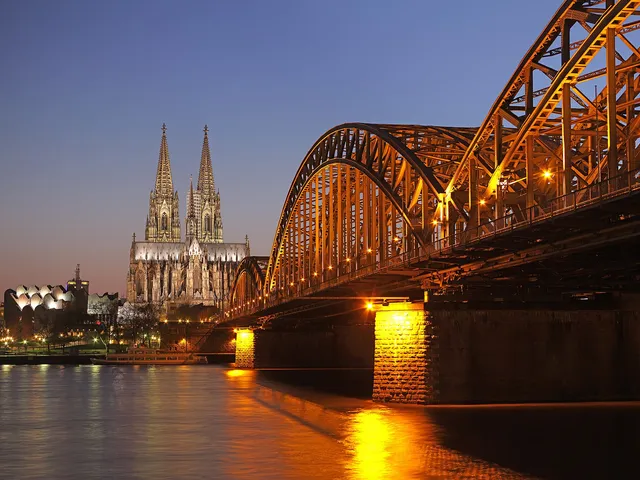
Cologne Cathedral
since 1248Gothic cathedral and shrine of the Three Kings — at around 157 metres one of the tallest churches in the world and a UNESCO World Heritage Site.
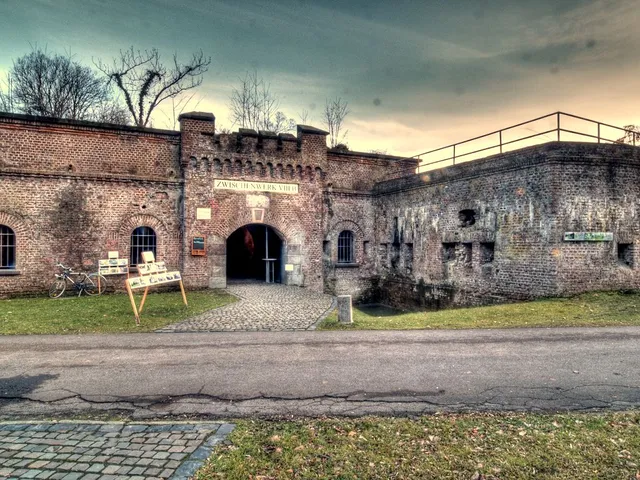
Kölner Festungsmuseum
Volunteer-run museum in Prussian fortification VIII b — home to Germany's last surviving drawbridge, moat, and sculpture park in Marienburg.
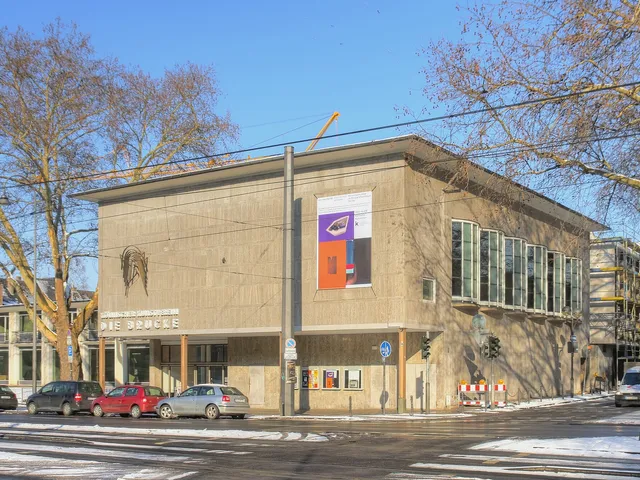
Kölnischer Kunstverein (Cologne Art Association)
since 1839Founded in 1839, the Kölnischer Kunstverein is one of the oldest and most respected institutions for contemporary art in Germany. Today it resides in the striking building "Die Brücke" on Hahnenstraße, presenting current international art in Cologne.
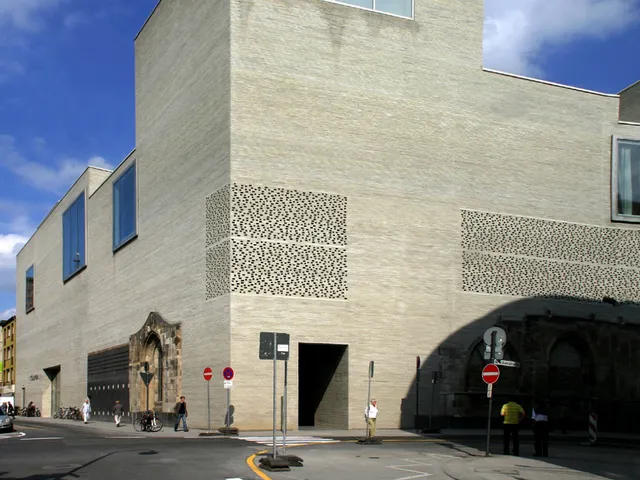
Kolumba
since 1853Peter Zumthor's landmark brick building for the Archdiocese of Cologne's art museum, built over the ruins of the war-destroyed church of St. Columba.
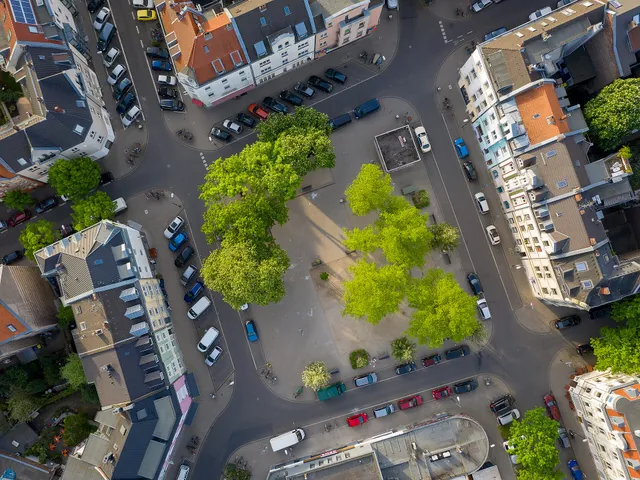
Lenauplatz
Neighbourhood square in Neuehrenfeld with the Max-and-Moritz Fountain — lined with lime trees and framed by Gründerzeit townhouses.
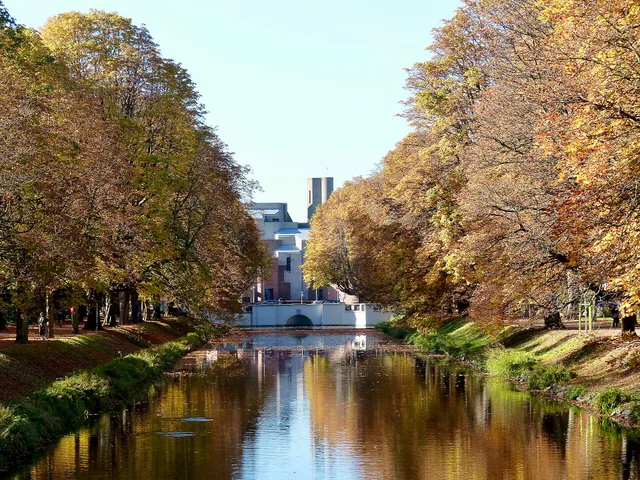
Lindenthaler Kanal
Radial water and green corridor in Lindenthal's green belt, best known for its chestnut avenue, maple-lined canal, and the shell limestone sculptures Centaur and Naiad.
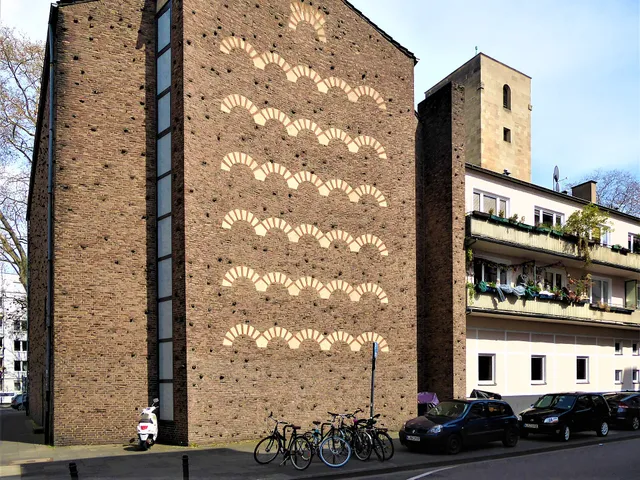
Lutherkirche
since 1904Protestant church in Cologne's Südstadt, its bells inscribed with Luther's chorale – bombed to its tower in 1944, deconsecration planned for autumn 2026.
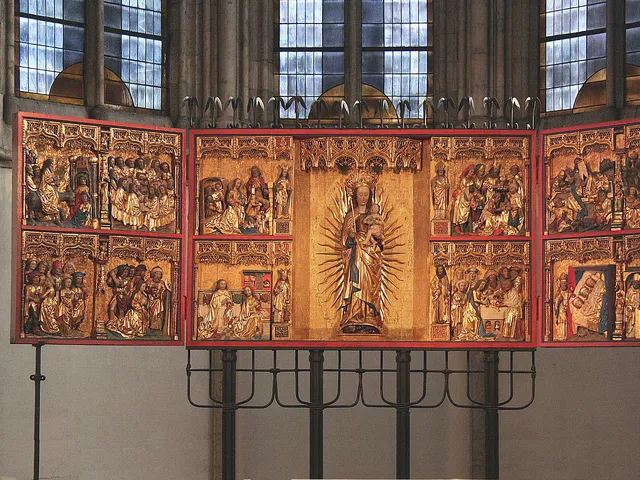
Minoritenkirche
Burial church of Adolph Kolping and Johannes Duns Scotus — a 13th-century Gothic mendicant church and place of pilgrimage.
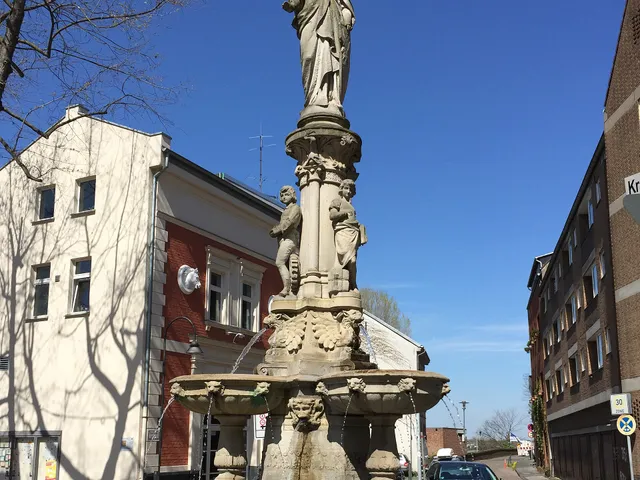
Mülheim Town Fountain
since 1884A roughly ten-metre sandstone fountain from 1884 whose crowned patroness, the "Mülheimia", commemorates the devastating Rhine flood of 1784.
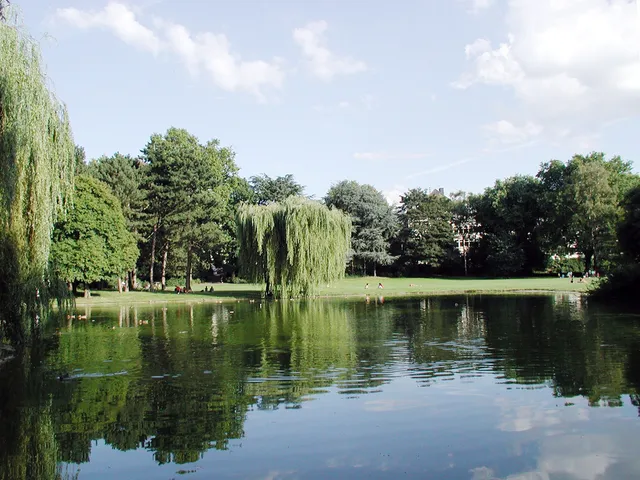
Mülheimer Stadtgarten
Historic public park in Cologne-Mülheim, established 1912/13 — featuring a lake, sweeping lawns, and the 1914 Fairy-Tale Fountain. Listed landmark.
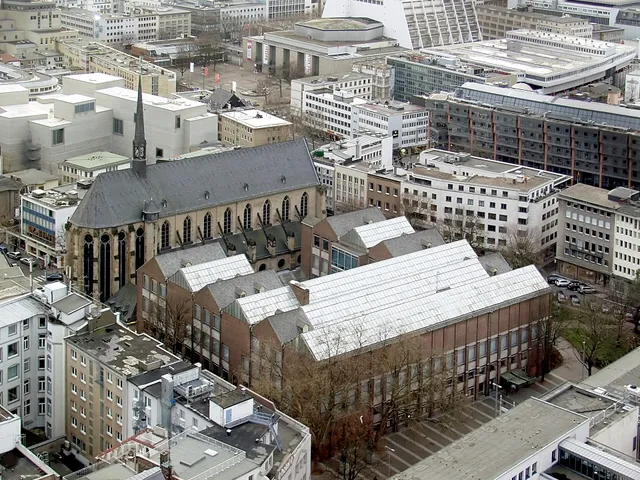
Museum of Applied Arts (MAKK)
since 1888Cologne museum of applied arts and design in the Schwarz-Bernard building — once dismissed as sterile, later celebrated as a 'third way' in postwar architecture.
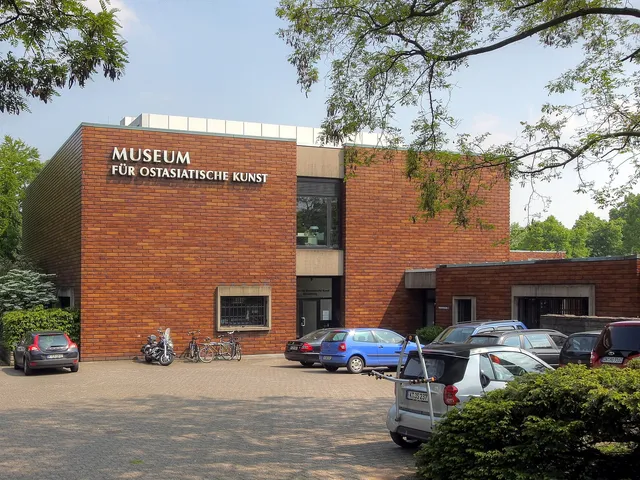
Museum of East Asian Art
since 1913Germany's first dedicated museum for East Asian art displays works from China, Japan and Korea beside the Aachener Weiher pond.
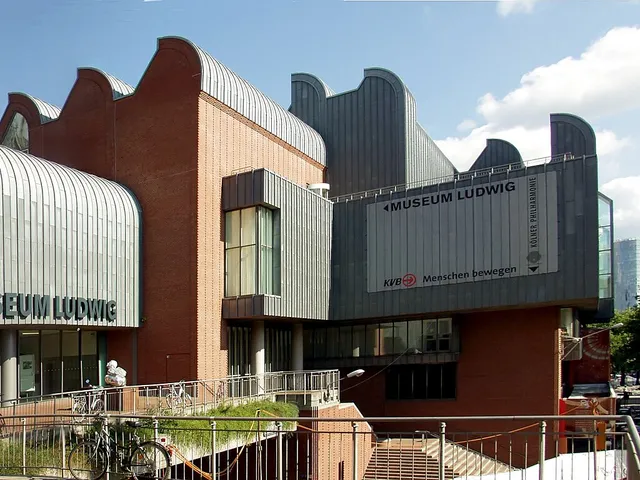
Museum Ludwig
since 197620th- and 21st-century art on Cologne's Cathedral Plateau — home to Europe's largest Pop Art collection and the world's third-largest Picasso collection.
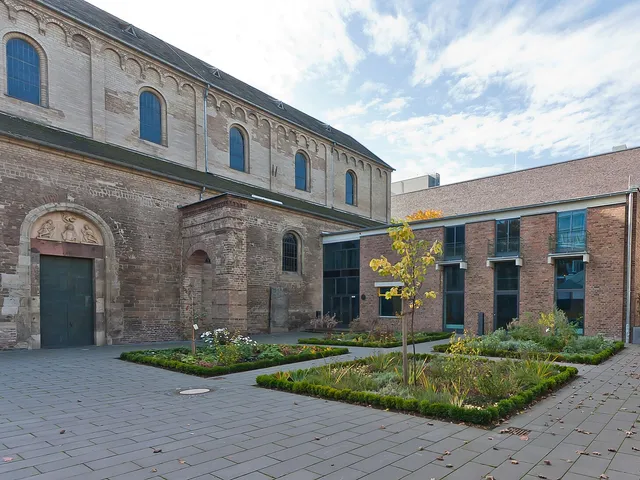
Museum Schnütgen
since 1910One of Europe's richest medieval collections, housed in the Romanesque basilica of St. Cecilia in Cologne's historic city centre.
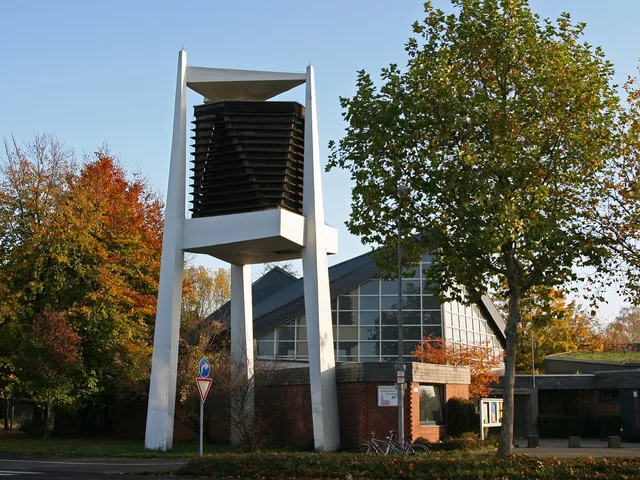
Nathanaelkirche (Bilderstöckchen)
A 1965 Protestant church with a hexagonal footprint, its free-standing campanile rises on three tapering concrete legs like a modernist sculpture.
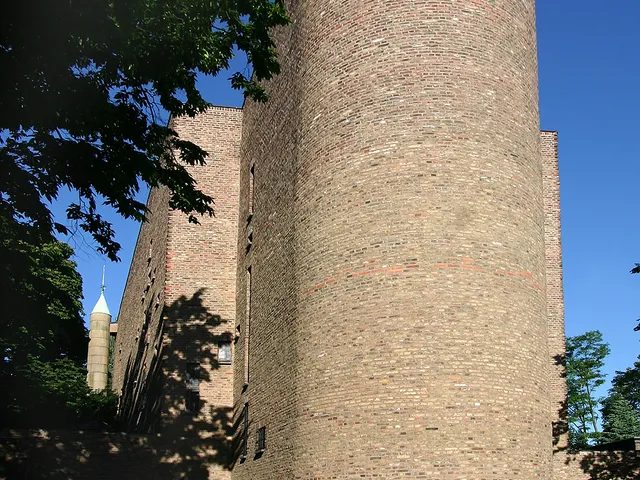
Neu St. Alban
since 1958Post-war church in the Stadtgarten built from rubble bricks of the destroyed Cologne Opera, with a pentagonal floor plan inspired by Le Corbusier.
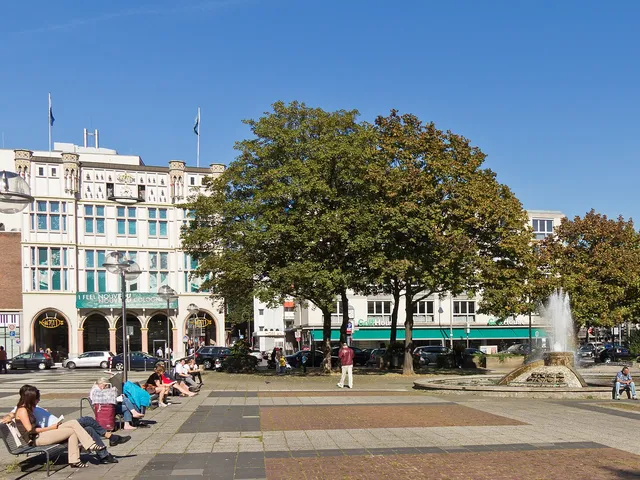
Offenbachplatz
The theatre square in Cologne's Altstadt-Nord, fronting the Opera House and Schauspielhaus, centred on the long-neglected Opernbrunnen by Jürgen Hans Grümmer.
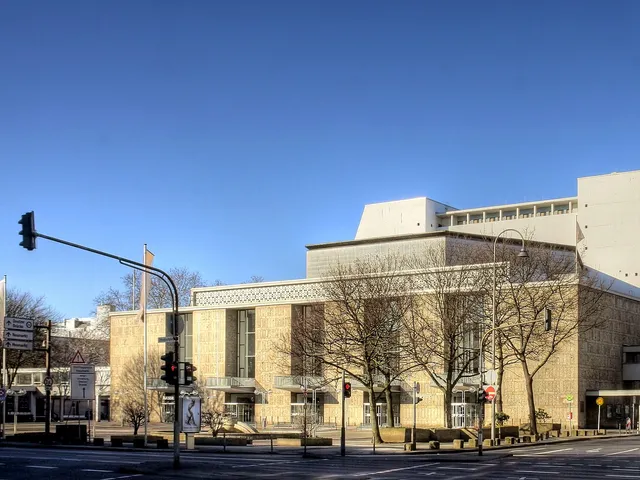
Oper Köln
Cologne's opera house at Offenbachplatz — a 1957 Riphahn landmark under major renovation since 2012, now performing at the Staatenhaus in Deutz.
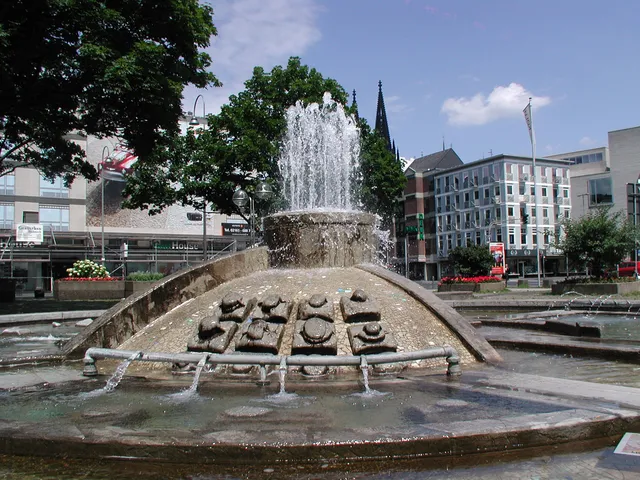
Opernbrunnen
since 1966Mosaic fountain in front of Cologne's Opera House, incorporating tiles from Aristotle Onassis's yacht and the bombed-out Kaiser Wilhelm Memorial Church in Berlin.
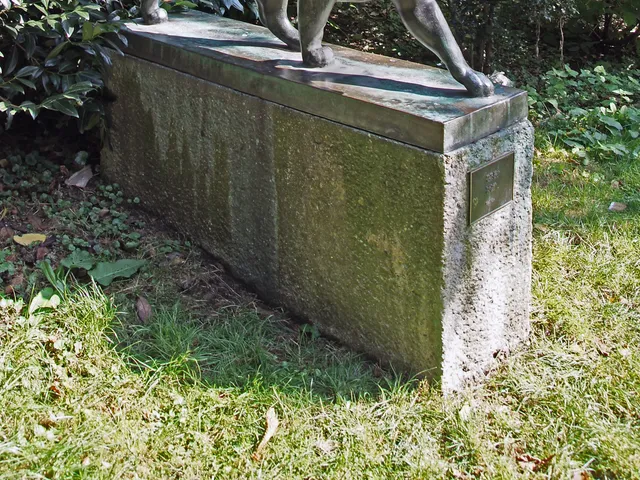
Panther
A bronze big cat poised to strike by sculptor Fritz Behn, created around 1920, in the Südpark in Cologne's Marienburg district.
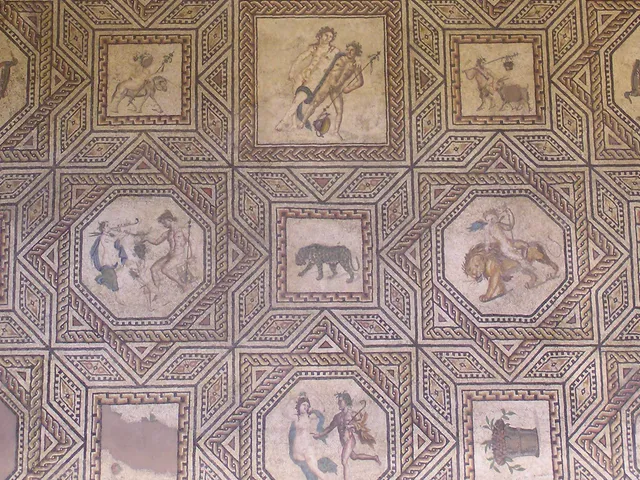
Peristyle House with the Dionysus Mosaic
Roman townhouse by Cologne Cathedral, its dining room floor paved with a 1.5-million-tile mosaic of the wine god Dionysus.
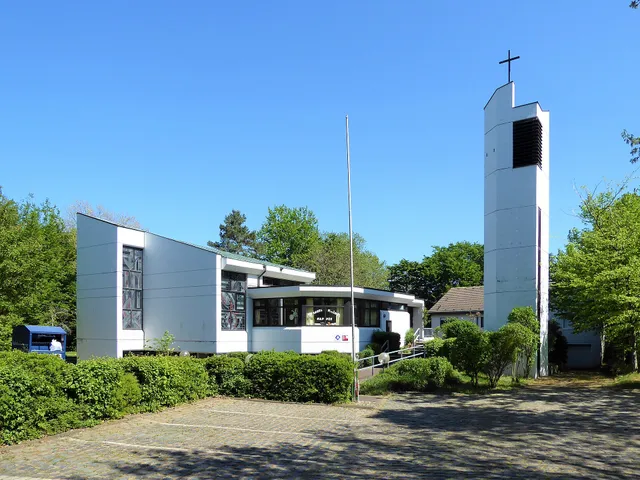
Petruskirche (Cologne-Merheim)
1979 Protestant church in Cologne-Merheim, featuring furnishings partly gifted by its partner parish in Zabrze, Poland.
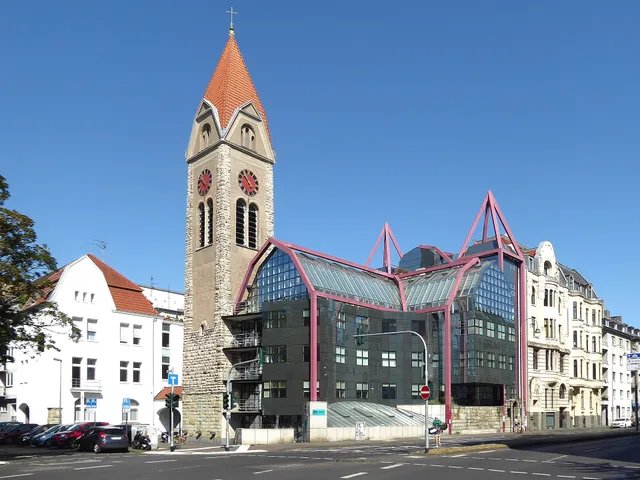
Parish Church of Christ's Resurrection
Old Catholic parish church in Cologne's Südstadt — a red steel frame on its 1990s successor traces the silhouette of the wartime predecessor at full scale.
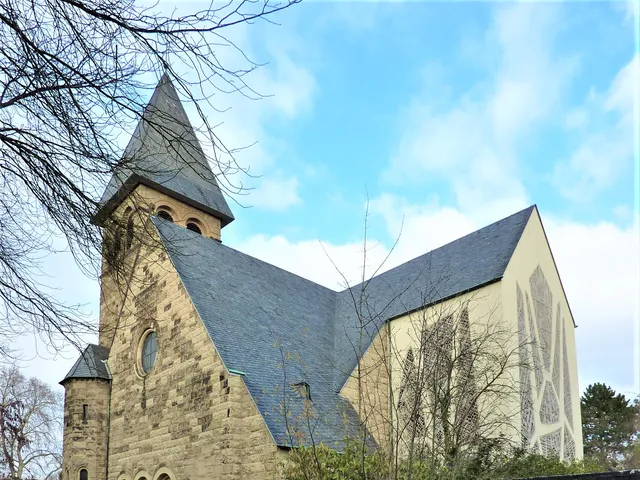
Reformationskirche
Protestant church in Cologne-Marienburg famed for its 15-metre concrete-glass window depicting creation striving toward Christ.
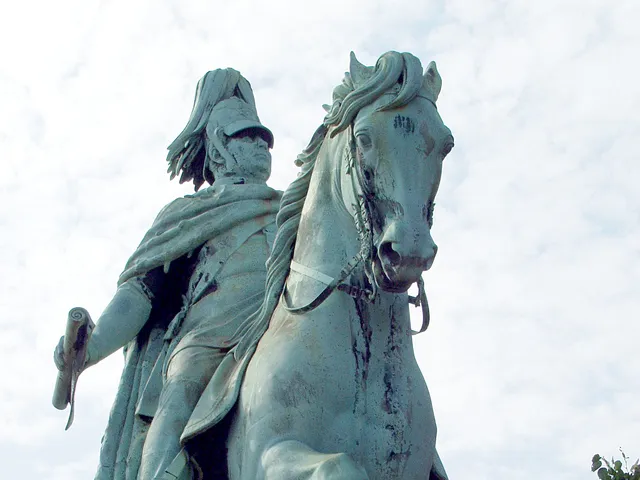
Equestrian Statue of Frederick William IV
Bronze equestrian monument by Gustav Blaeser at the right-bank portal of the Hohenzollern Bridge, unveiled in 1867.
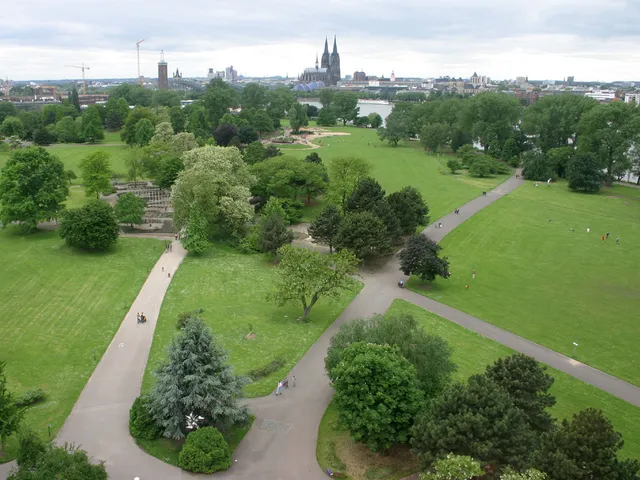
Rheinpark
Riverside landscape park on former Prussian fortress grounds — host of the 1914 Cologne Werkbund Exhibition, listed as a heritage monument since 1989.
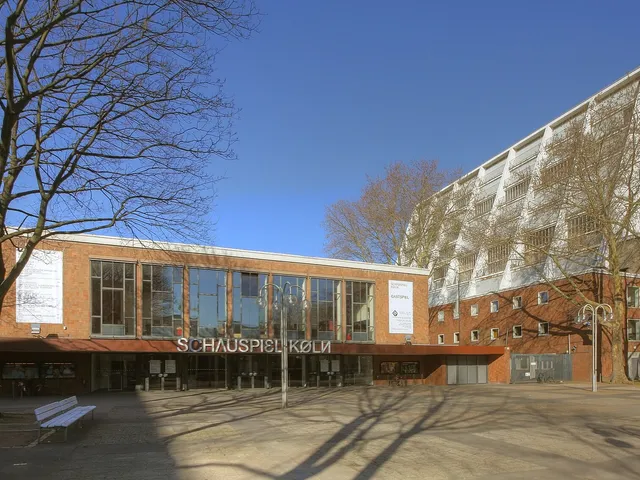
Schauspiel Köln
since 1898Cologne's storied spoken-theatre company, performing at the Mülheim Depot while its landmark home at Offenbachplatz undergoes renovation.
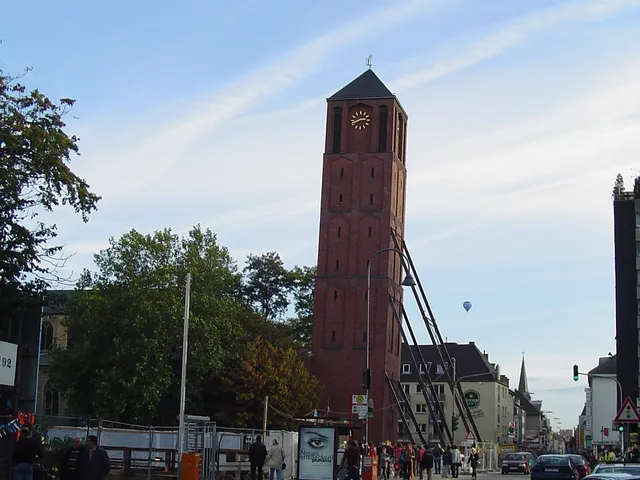
Leaning Tower of Cologne (St. Johann Baptist)
In 2004, its 44 m tower tilted 77 cm westward — earning the church the nickname 'Leaning Tower of Cologne' and making international headlines.
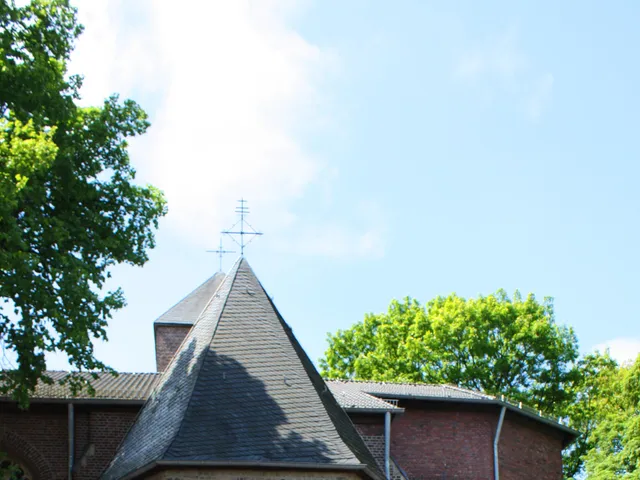
Schlosspark Stammheim
English-garden landscape park on the Rhine, laid out 1828–1832 by Maximilian Weyhe — today a public green space and, since 2002, a venue for contemporary art.
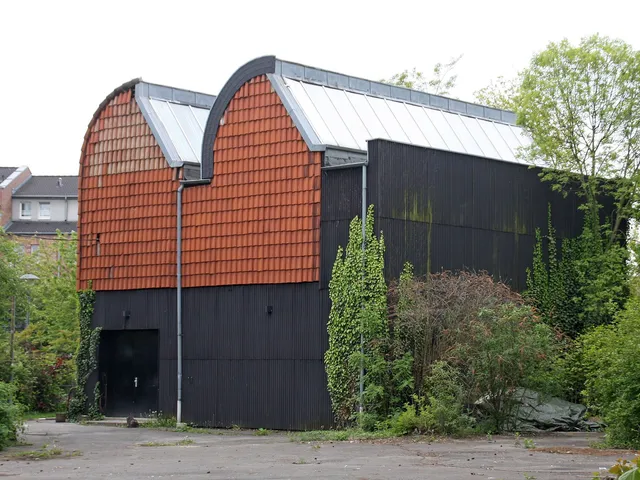
Simultanhalle
Exhibition space in Cologne-Volkhoven that artists saved from demolition in 1983 — originally an experimental 1979 test structure for the Museum Ludwig.
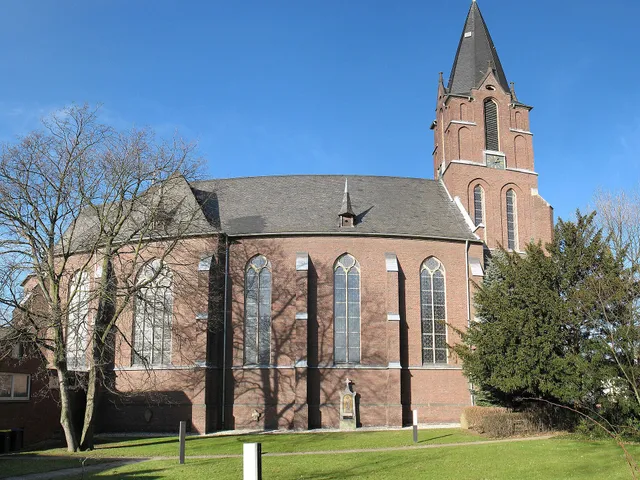
St. Aegidius (Cologne-Wahn)
Neo-Gothic parish church in Cologne-Wahn, unusually aligned north–south instead of the traditional east-facing orientation.
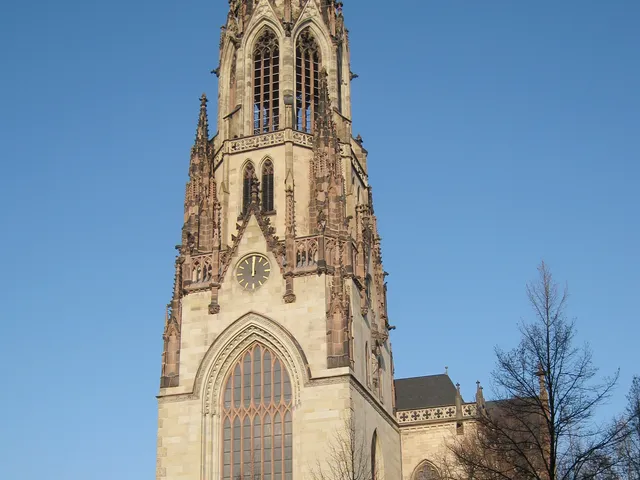
St. Agnes
since 1896Cologne's largest church after the Cathedral: a Neo-Gothic hall church that gave its name to the surrounding Agnesviertel district.
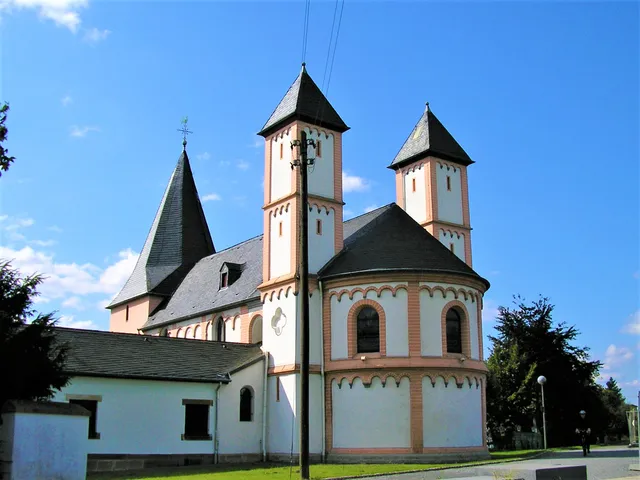
St. Amandus (Köln-Rheinkassel)
since 1200Romanesque church on the Rhine whose twin-towered chancel is a miniature echo of nearby St. Gereon — an extraordinary feature for a rural parish church.
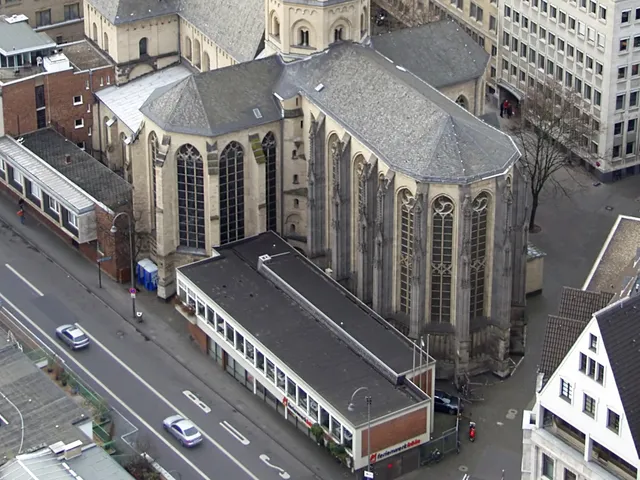
St. Andreas
since 974One of Cologne's twelve great Romanesque churches — home to the tomb of Albertus Magnus in its crypt and stained-glass art by Markus Lüpertz.
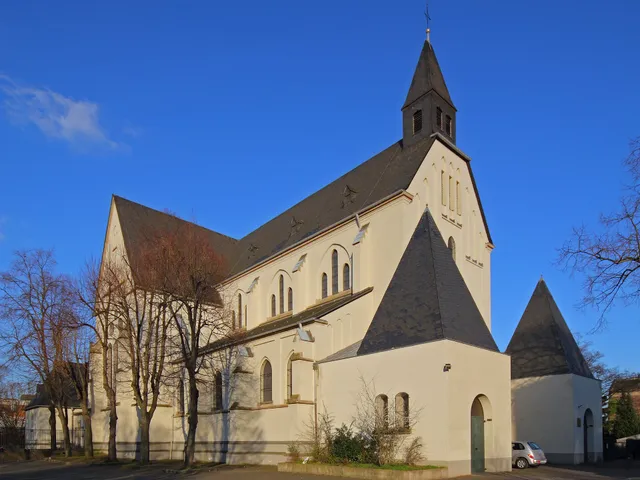
St. Anthony's Church (Cologne-Mülheim)
Neo-Gothic Catholic church in northern Cologne-Mülheim, notable for stained-glass windows spanning several eras and a 1970 organ.
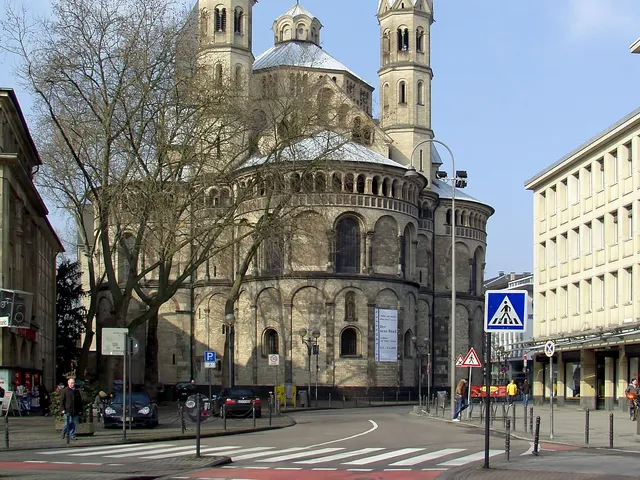
St. Aposteln
since 1020One of Cologne's twelve great Romanesque churches — known for its trefoil-shaped trichoral apse at Neumarkt and celebrated as the city's premier music church.
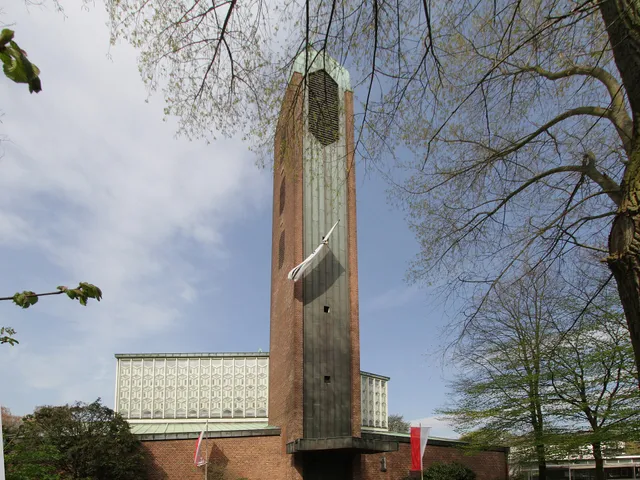
St. Bruder Klaus (Cologne-Mülheim)
since 1956Catholic church by Fritz Schaller with a three-part structure and hexagonal clerestory, awarded the Cologne Architecture Prize in 1967.
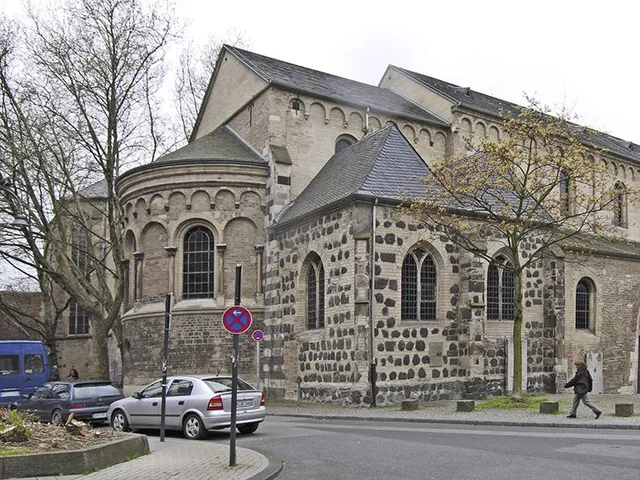
St. Cäcilien – Museum Schnütgen
since 801One of Cologne's twelve great Romanesque churches — home to the Museum Schnütgen for medieval art since 1956.
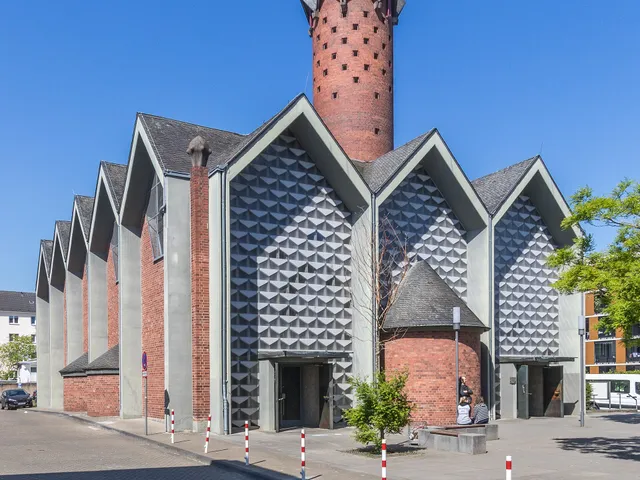
St. Clemens (Cologne-Niehl)
Catholic parish church by Karl Band, defined by a multiply folded roof, a sculptural brick facade, and a 32-metre tower.
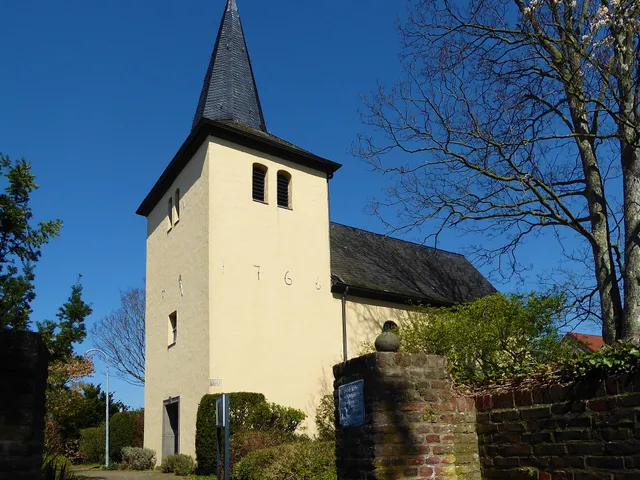
St. Cosmas und Damian (Köln-Weiler)
Parish church in Köln-Weiler whose Baroque predecessor from 1766 has been preserved; the 1910 organ was restored to its original specification in 2007.
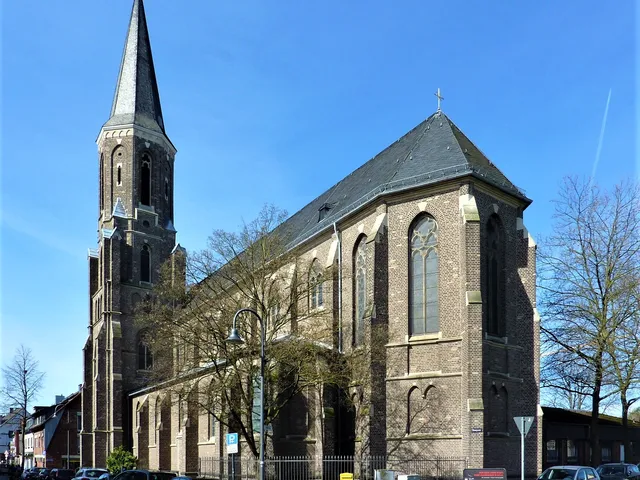
St. Dionysius
Neo-Gothic brick basilica of 1898/99 in Cologne-Longerich, its furnishings blending medieval figures with 20th-century works.
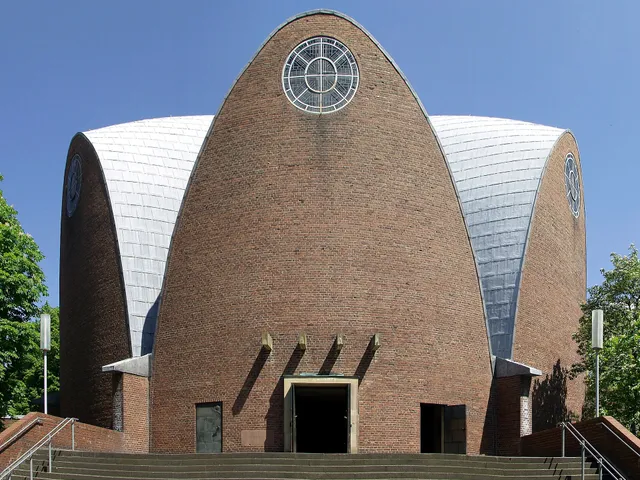
St. Engelbert
since 1930Cologne's first modern church: Dominikus Böhm's central-plan building with a star-shaped dome, built 1930–1932 in Riehl.
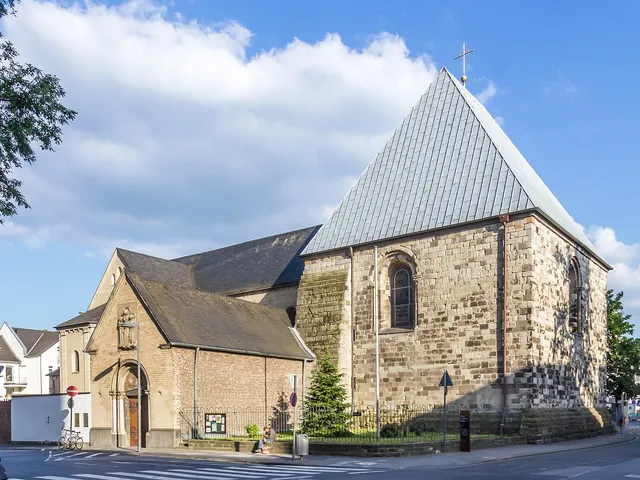
St. Georg
since 105911th-century Romanesque collegiate church rising above a columned crypt with Roman spolia — one of Cologne's twelve great Romanesque basilicas.
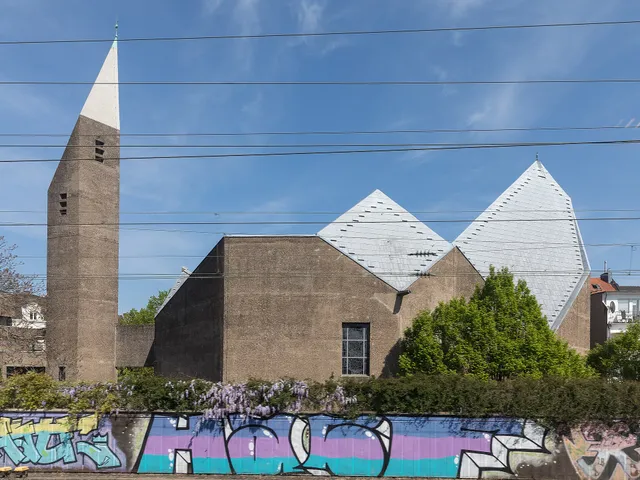
St. Gertrud
Brutalist church by Gottfried Böhm in the Agnesviertel — a cave-like raw concrete structure that won the Cologne Architecture Prize in 1967.
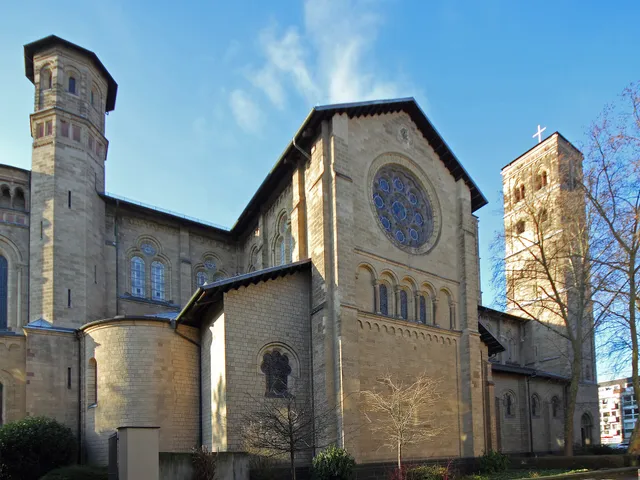
St. Heribert
Parish church in Cologne-Deutz, nicknamed the "Düxer Dom" — home to the Heribert Shrine, completed around 1175.
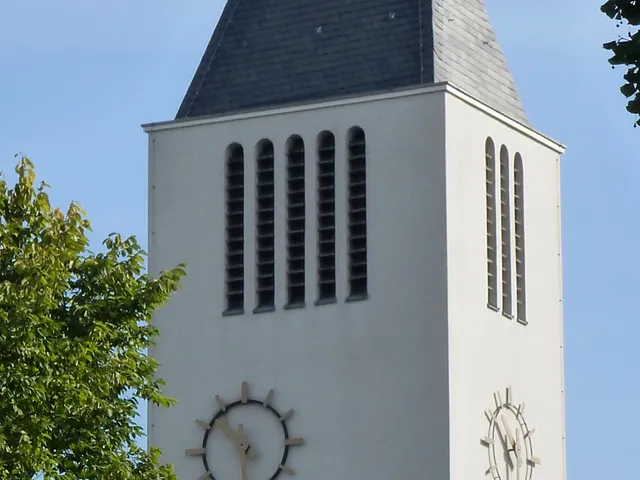
St. Hubertus (Cologne-Brück)
since 1931A Roman Catholic hall church from 1930/31 in the modernist style — home to a 15th-century Madonna statue and original stained-glass windows from 1931.
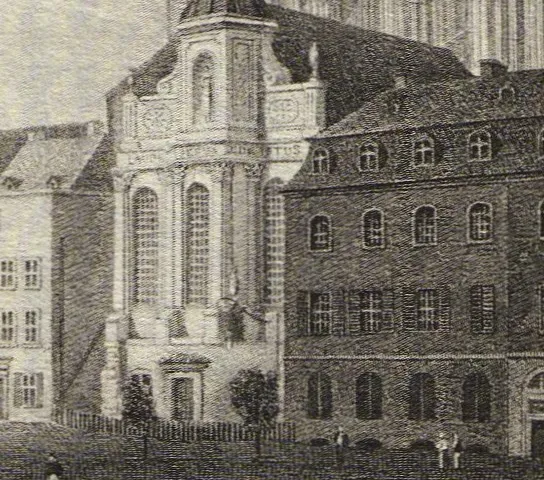
St. Johann Evangelist
Demolished parish church that once stood south of Cologne Cathedral on the Domhof, serving for a time as the Archbishop's private chapel.
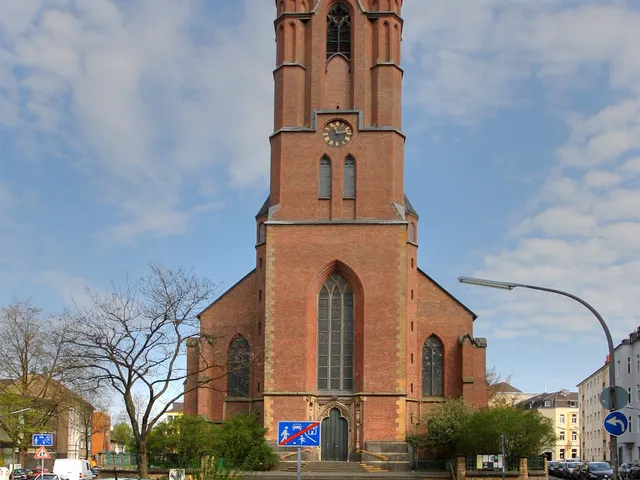
St. Joseph (Cologne-Kalk)
Neo-Gothic brick hall church in Cologne-Kalk featuring stained-glass windows by Dominikus Böhm, including seven Stations-of-the-Cross windows in the transept.
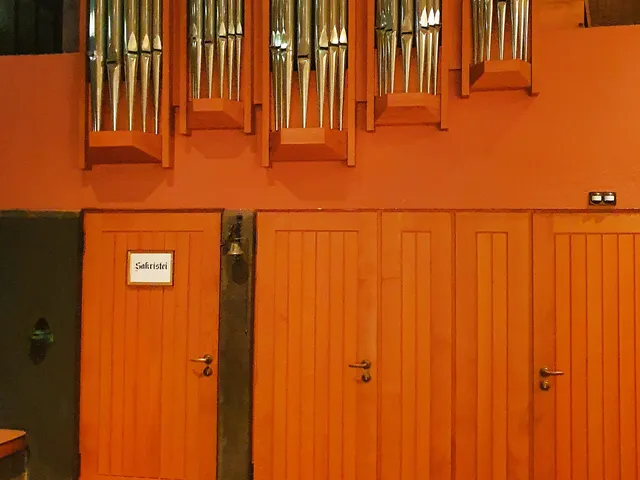
St. Kolumba
since 1150'Madonna in the Ruins' — a medieval chapel enclosed within the ruins of a Gothic parish church, now embraced by the Kolumba art museum.
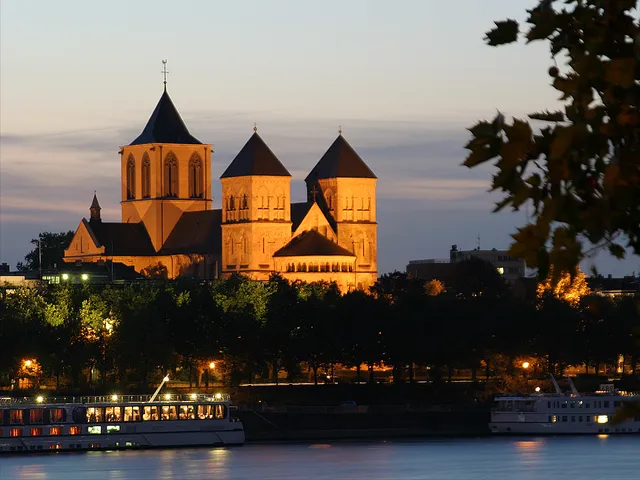
St. Kunibert
since 1215Youngest of Cologne's twelve Romanesque churches — with original 13th-century windows preserved in wartime storage, rising just north of the Cathedral.
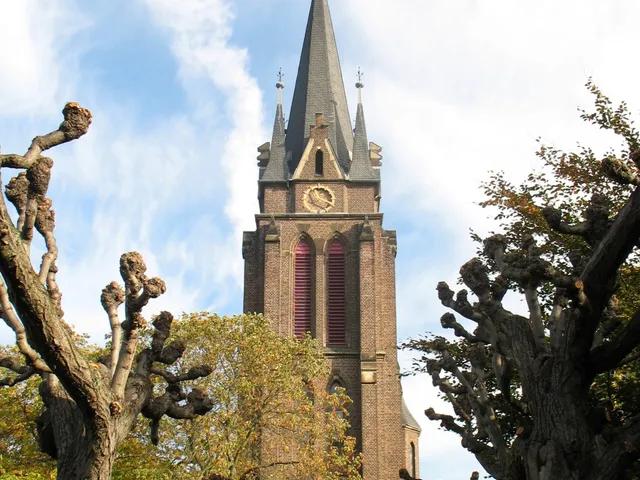
St. Laurentius (Cologne-Ensen)
since 1894Neo-Gothic parish church in Ensen with a 56-metre tower and an unusual 'Christ at Rest' figure lacking nail and side wounds.
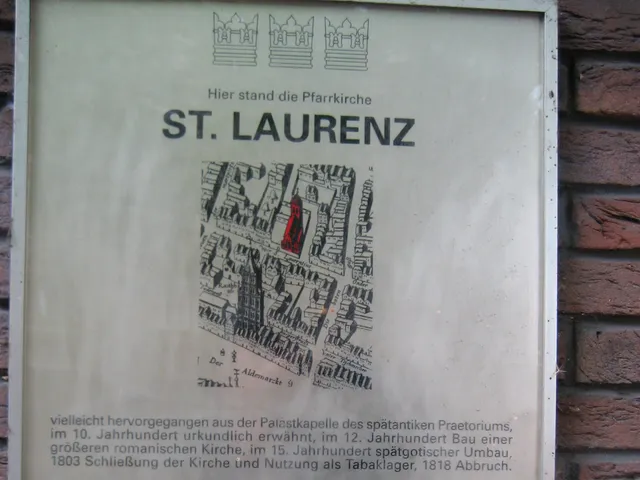
St. Laurenz (Cologne Old Town)
since 1188Parish church demolished as early as 1818 — its legacy lives on in the street names Laurenzplatz and Laurenzgittergässchen in Cologne's city centre.
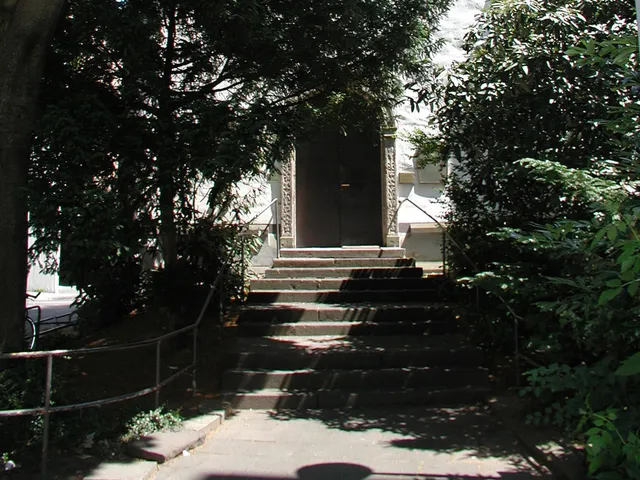
St. Maria Ablass
since 1431Of the demolished parish church of St. Maria Ablass, only the chapel of grace survives — today the Russian Orthodox Church of Saints Constantine and Helena.
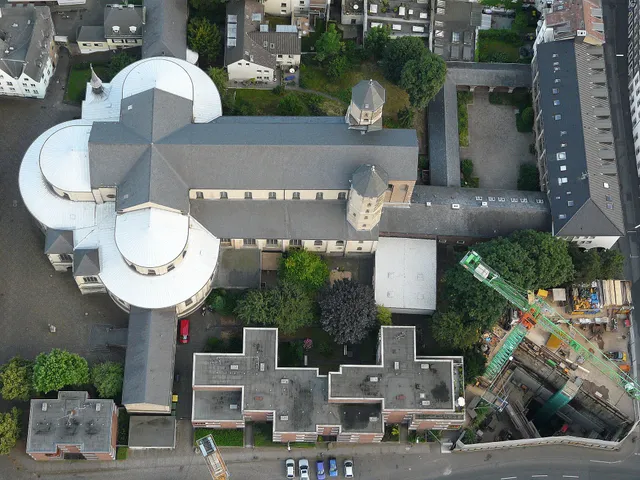
St. Maria im Kapitol
since 1100Cologne's largest and oldest Romanesque church — built on the foundations of a Roman temple, featuring a trefoil choir and a thousand-year-old carved wooden door.
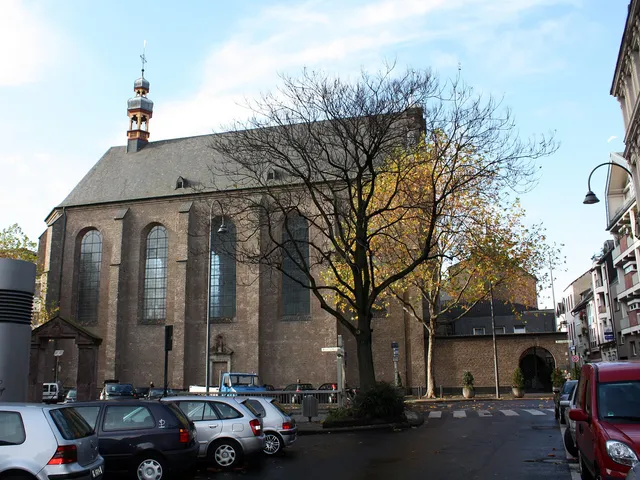
St. Maria in der Kupfergasse
since 1705Baroque pilgrimage church in Cologne's old town that has enclosed a Loreto chapel with its venerated Black Madonna since 1715.
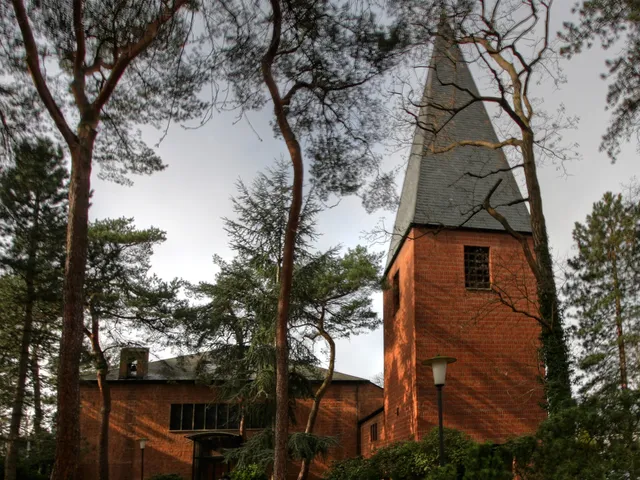
St. Maria Königin
Catholic parish church in Cologne-Marienburg by Dominikus Böhm, its glass south wall opening onto the Südpark.
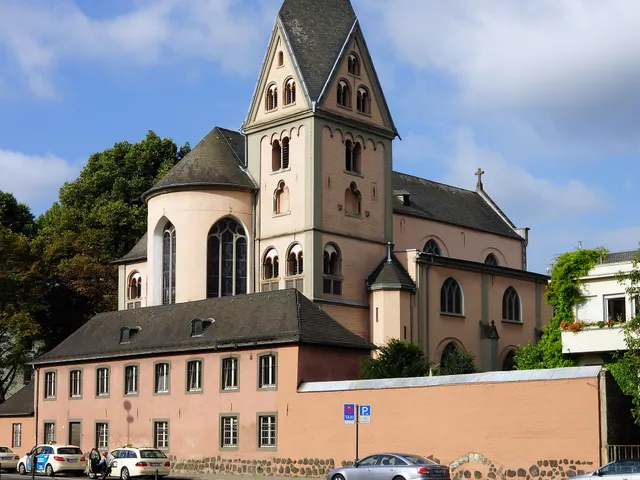
St. Maria in Lyskirchen
The smallest of Cologne's twelve great Romanesque churches — the only one with largely intact 13th-century vault frescoes.
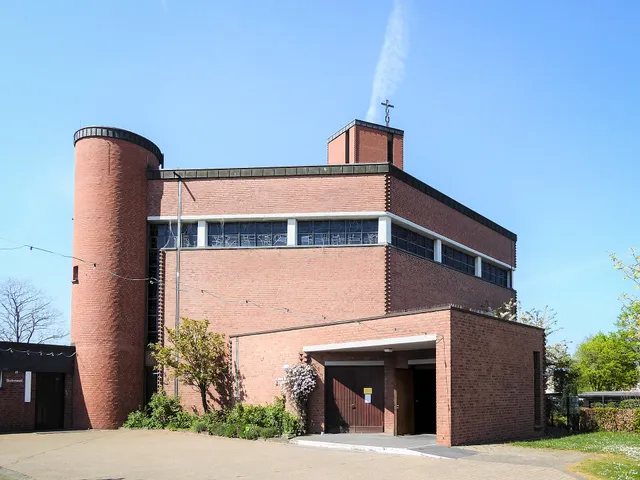
St. Mariä Namen
A 1967/68 brick church in Cologne-Esch by Hans Schilling, where the font, altar, and tabernacle are aligned along a single axis.
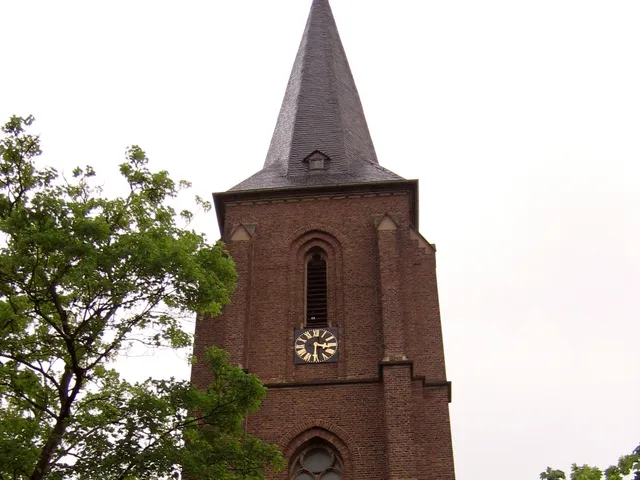
St. Maternus
since 1863Neo-Gothic brick church in Rodenkirchen housing an American pipe organ from 1869 and hosting an annual Maternus pilgrimage every September.
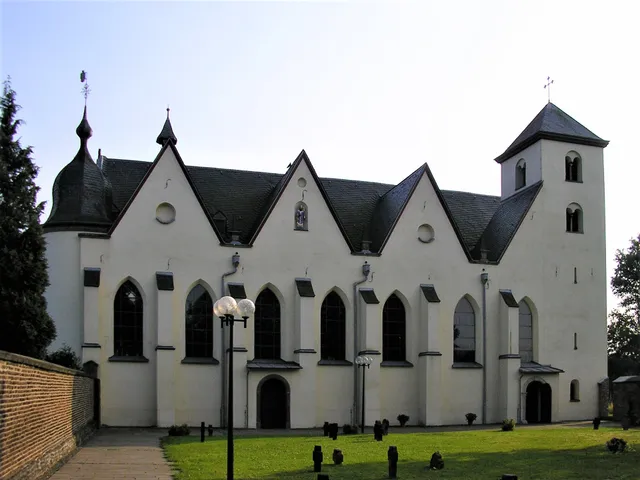
St. Nikolaus (Cologne-Dünnwald)
since 1150Romanesque basilica from 1117/1118, once a Premonstratensian canonesses' convent — with a twin-tower façade until the 16th century.
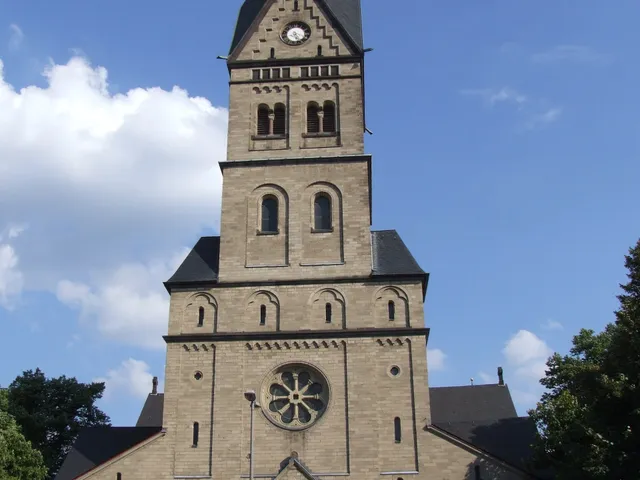
St. Nikolaus (Köln-Sülz)
since 1908Known as the 'Sülzer Dom', this Neo-Romanesque basilica (1903–1909) features a Pantocrator mosaic, Otto-cast bells, and an organ with a unique 'distant work' swell.
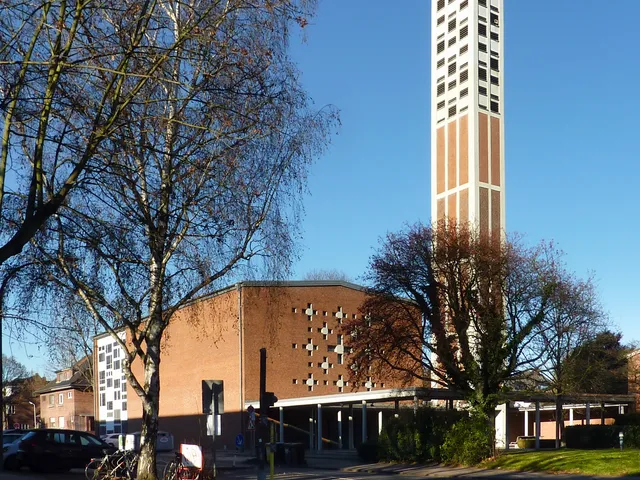
St. Pankratius (Cologne-Junkersdorf)
A modest 1960s Catholic parish church with a freestanding 40-metre tower and abstract windows in shades of blue and red.
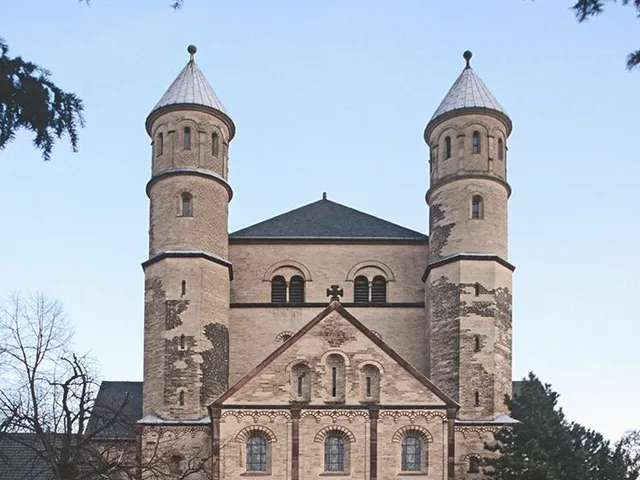
St. Pantaleon
since 1002Early Romanesque abbey church with an Ottonian westwork; burial site of Byzantine Empress Theophanu and Archbishop Bruno of Cologne.
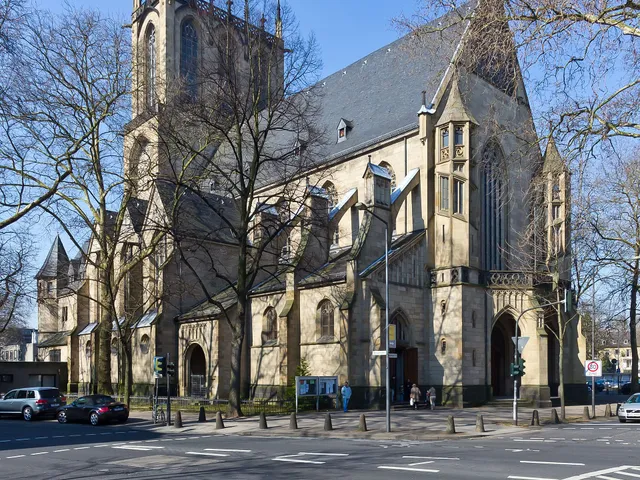
St. Paul
Neo-Gothic parish church consecrated in 1908 in Cologne's Neustadt-Süd, whose construction was championed by chocolate manufacturer Ludwig Stollwerck.
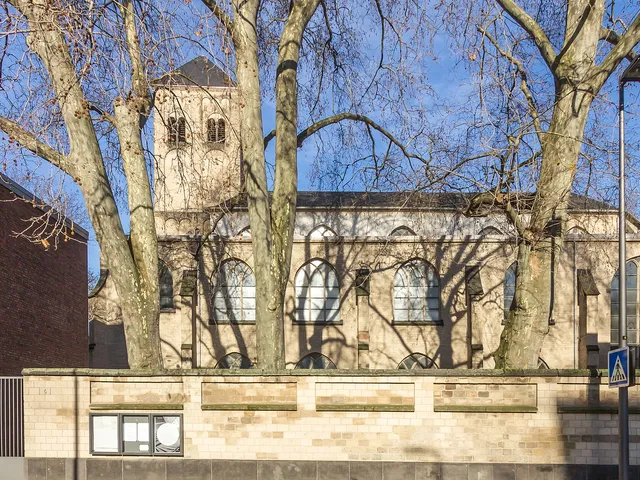
St. Peter – Kunst-Station
since 1515Cologne's latest surviving Gothic church — and since 1987 a venue for contemporary art and new music, run by Jesuits.
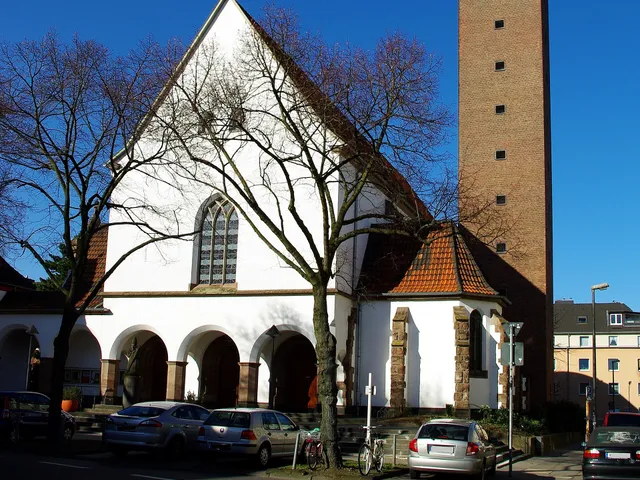
St. Pius
Catholic church in Cologne-Zollstock with one of the city's tallest steeples and a peal of seven bells.
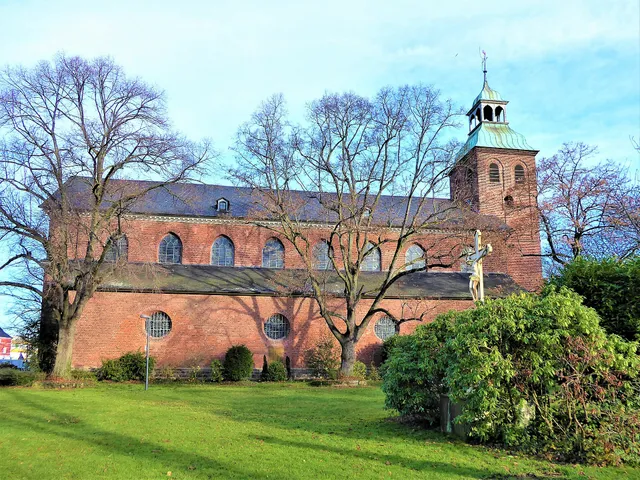
St. Remigius
Neoclassical former parish church in Sürth (1825–1830) blending ancient and medieval forms, preserving baroque furnishings rescued from a demolished Cologne church.
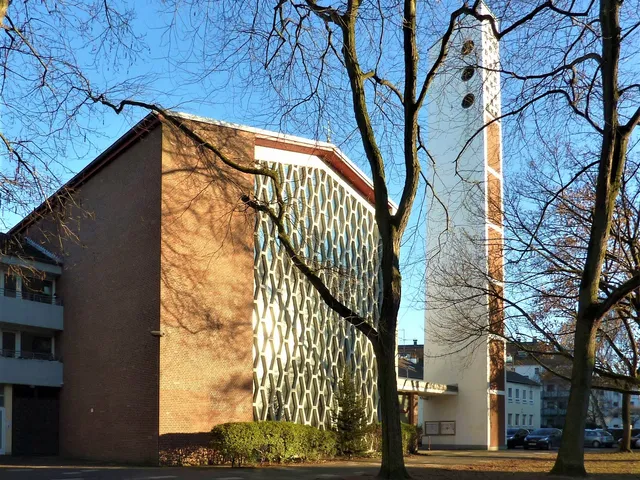
St. Salvator (Cologne-Weidenpesch)
1958 brick hall church with concrete honeycomb windows, a freestanding bell tower, and a natural-stone Christ mosaic.
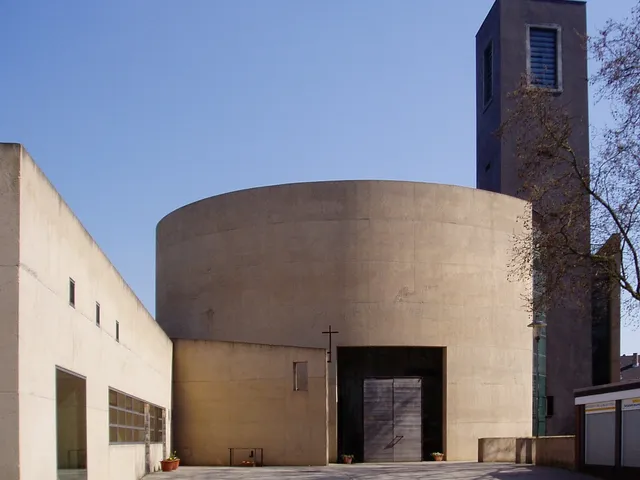
St. Theodor
A modern circular building of ochre-coloured concrete above a community-use ground floor — defined by the vision of parish priest Franz Meurer.
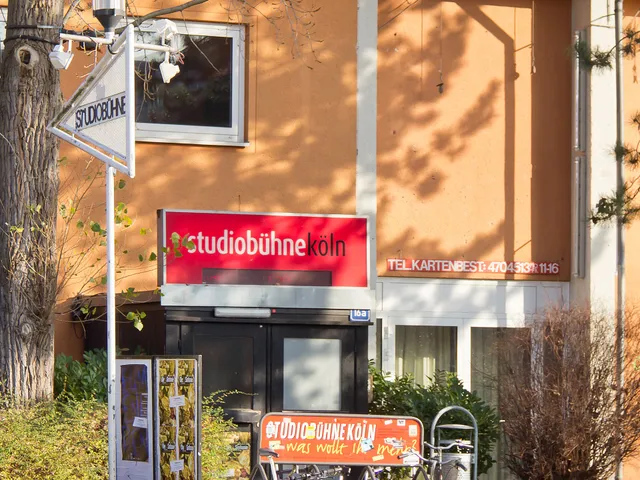
Studiobühne Köln
Germany's oldest university theatre since 1920 — an independent, experimental performance space with a film workshop at the University of Cologne.
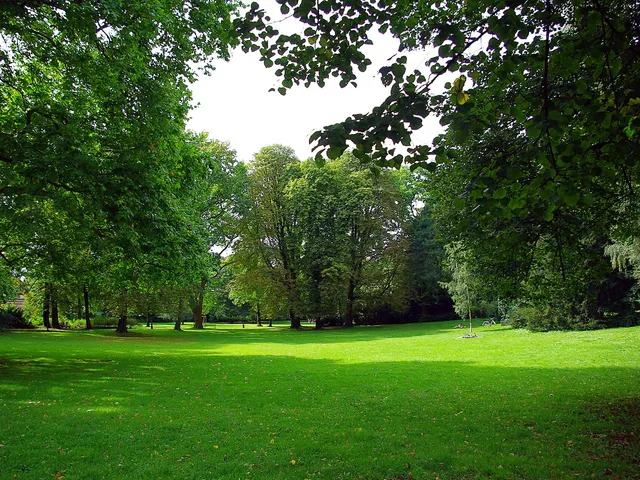
Südpark
Crescent-shaped park in Marienburg — one of Cologne's most distinctive green spaces, known for its pine grove and a bronze panther sculpture.
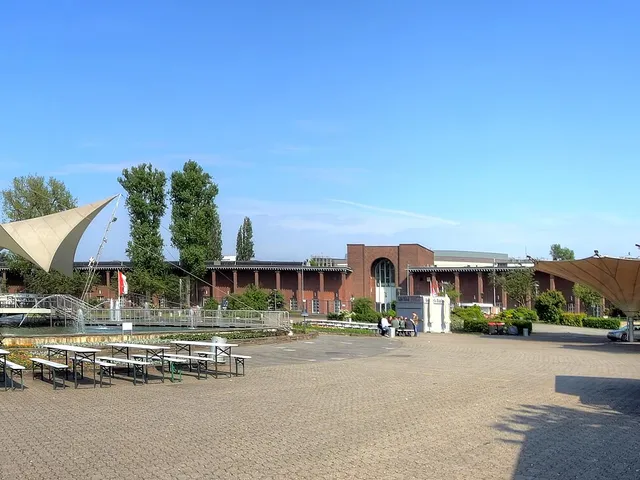
Tanzbrunnen
Cologne's open-air venue — home to up to 12,500 concertgoers beneath Frei Otto's iconic star-wave tent, inspired by a dancing fountain from 1950.
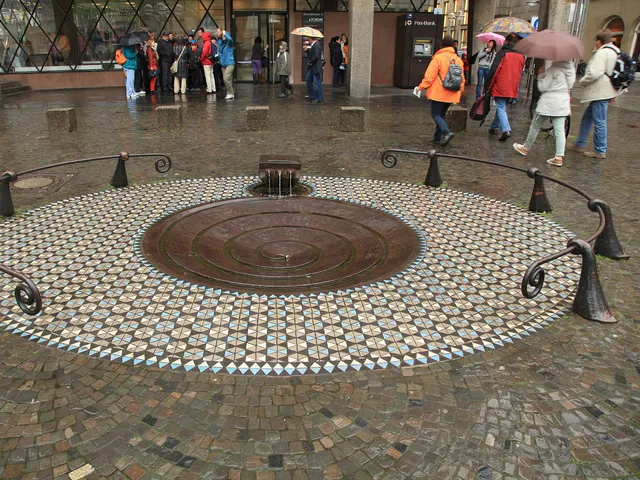
Taubenbrunnen
since 1953Cologne's first post-war fountain and the city's first abstract fountain: designed in 1953 by Ewald Mataré as a drinking trough for the Cathedral pigeons.
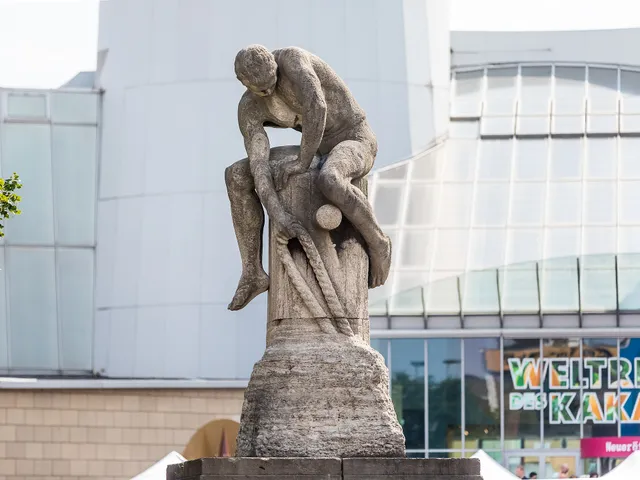
Tauzieher
since 1908Shell limestone sculpture at the Rheinauhafen — Cologne's first freestanding sculpture in public space, standing around 6½ metres tall.
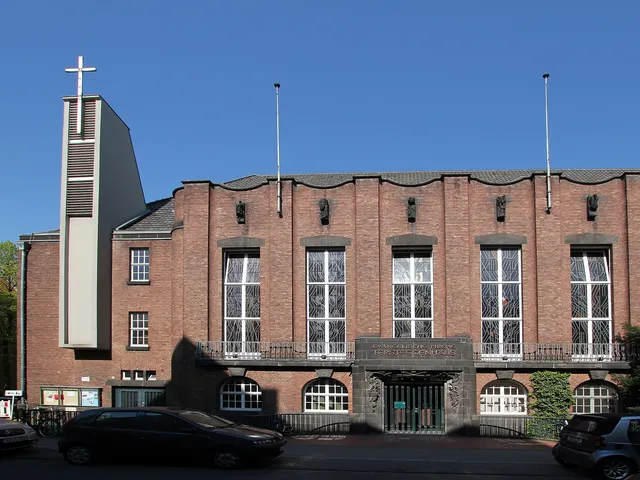
Tersteegenhaus
Protestant church in Cologne-Sülz, consecrated in 1928 as a community hall — its former event hall now serves as a worship space with chairs arranged in a circle around the altar.
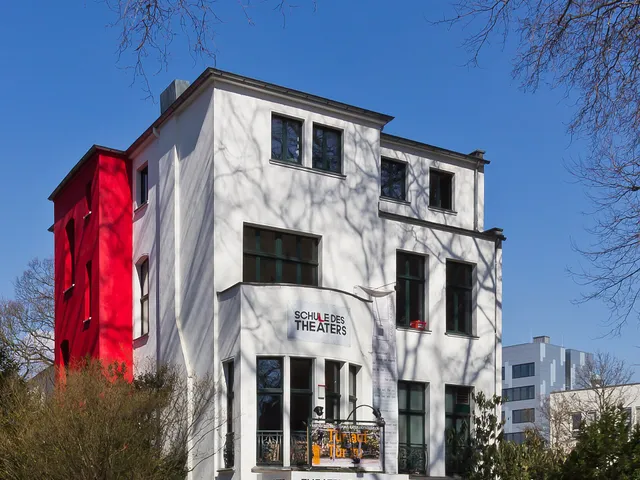
Theater der Keller
Cologne's oldest private theatre, founded in 1955 — contemporary programme with many world premieres and its own acting school.
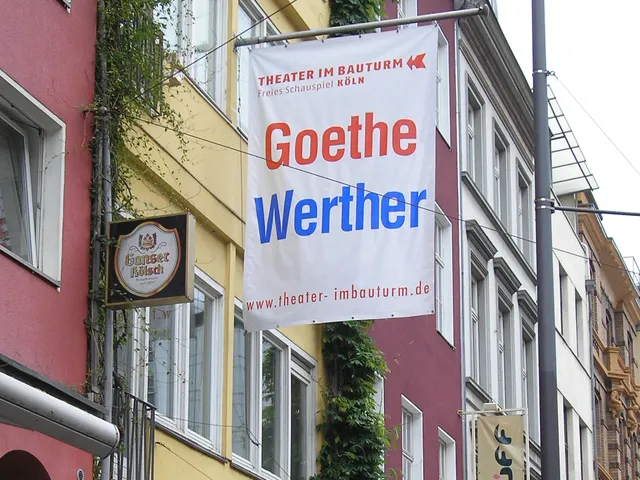
Theater im Bauturm
Independent backyard theatre in the Belgisches Viertel: freshly told classics and original productions with a Cologne twist and social commentary.
Theater Tiefrot
Private chamber theatre in Cologne's Altstadt-Nord with up to 80 seats — an off-theatre stage balancing literary classics and political drama.
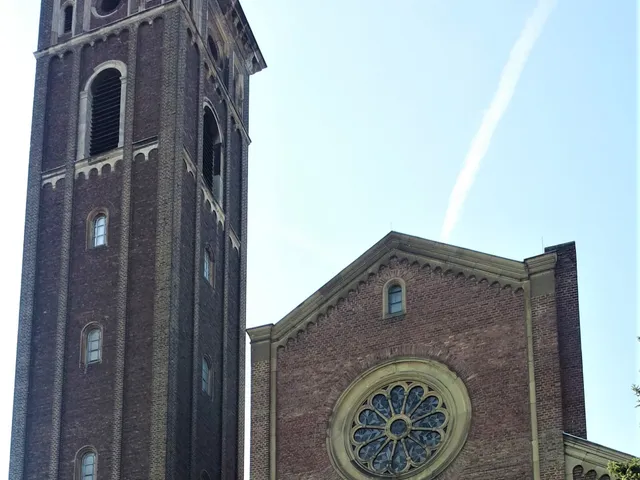
Trinitatiskirche
since 1860The oldest newly built Protestant church on Cologne's left bank of the Rhine — a classicist basilica inspired by northern Italian models.
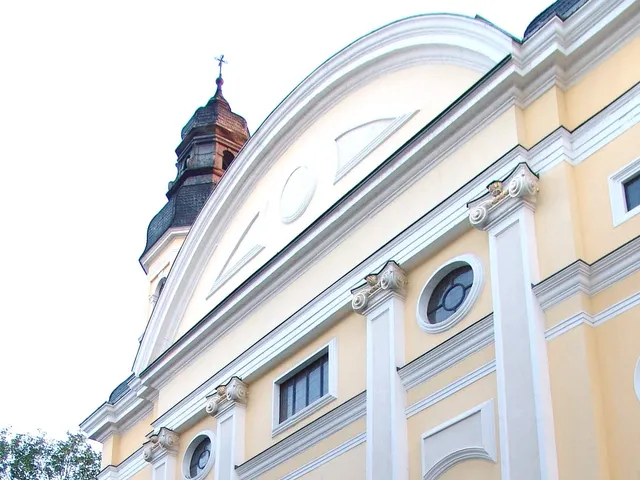
Ursulinenkirche St. Corpus Christi
since 1709Baroque former convent church of the Cologne Ursulines, built in Venetian style by Matteo Alberti — now a school chapel and concert venue.
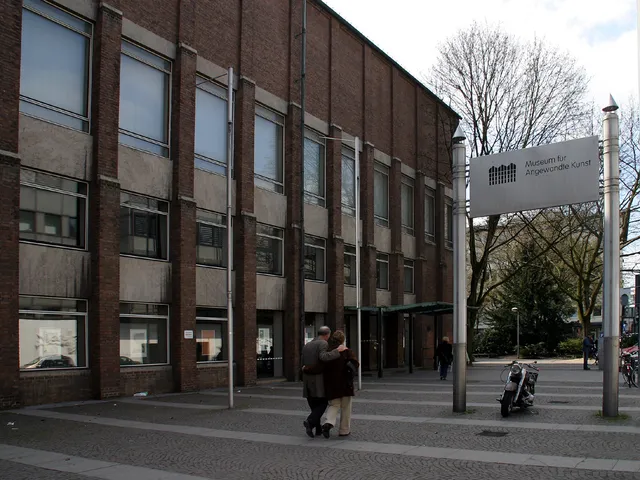
Wallraf-Richartz-Museum & Fondation Corboud
Cologne's oldest museum — home to the world's most extensive collection of medieval painting and Germany's largest Impressionist collection.
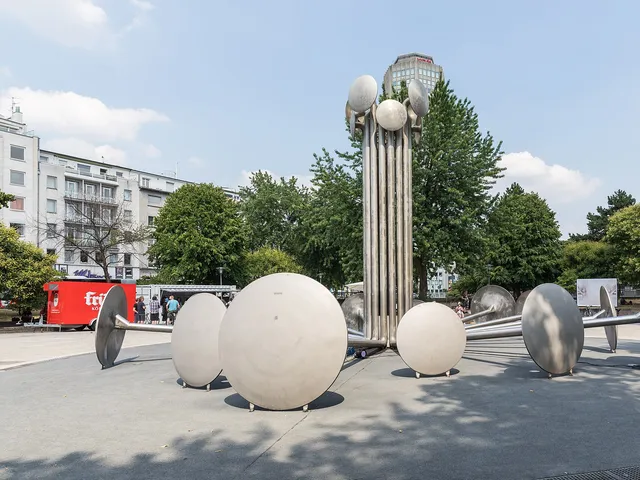
Water-Kinetic Sculpture
since 1977A walk-in stainless steel fountain by Wolfgang Göddertz on Ebertplatz, nine metres tall and known locally as the "Nail Fountain".