Free
102 places in Cologne
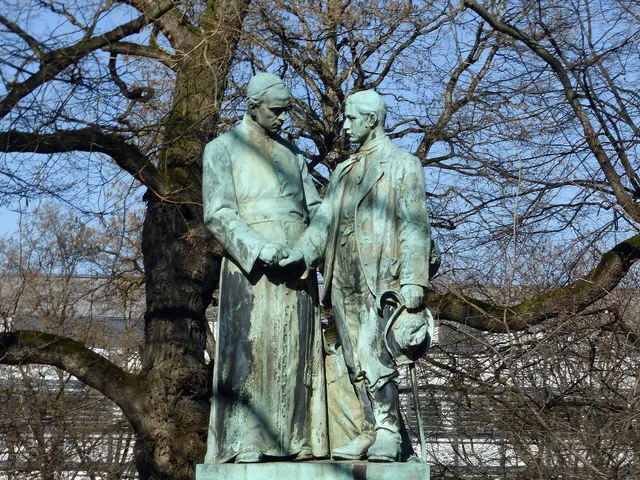
Adolph Kolping Monument
since 1903Bronze memorial to Adolph Kolping — the 'Father of Journeymen' and founder of the Catholic journeymen's associations — standing before Cologne's Minorite Church, where he is buried.
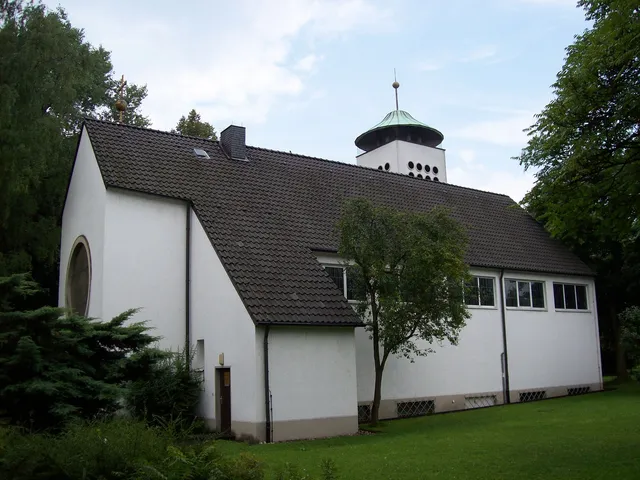
Church of the Resurrection Cologne-Ostheim
Protestant church with a round altar window and side light bands, consecrated in 1954 to a design by Gerhard Langmaack.
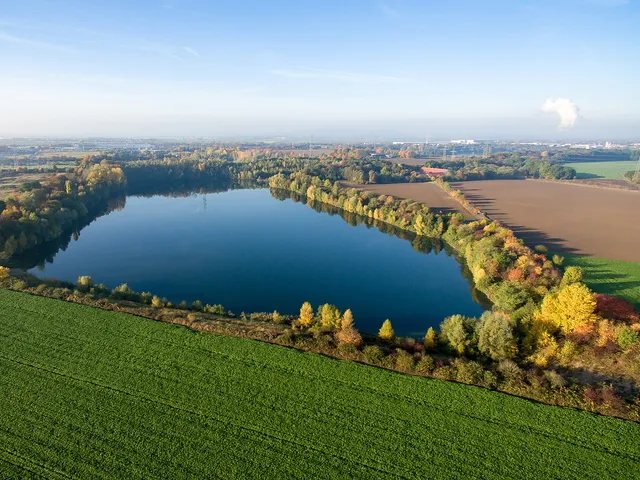
Baadenberger Senke, Stöckheimer See and Große Laache
since 2007A sprawling nature reserve of former gravel pits in Cologne's north-west – now a landscape of lakes, woodland and one of the most important amphibian spawning grounds west of the Rhine.
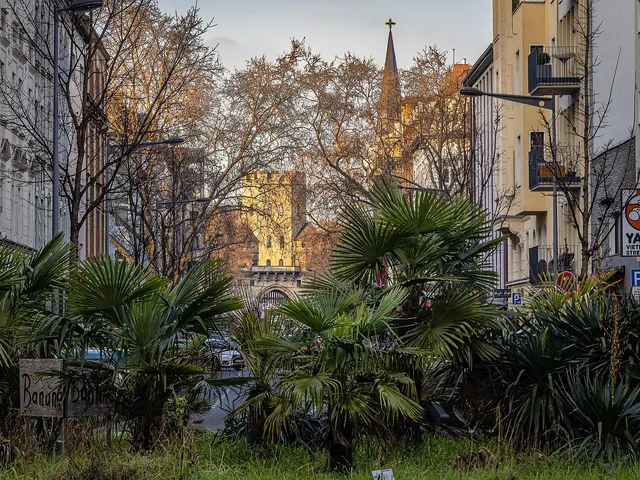
Cologne Banana Republic
since 2009A traffic island in a roundabout in Cologne's Südstadt, planted with banana trees, palms and wildflowers by local volunteers.
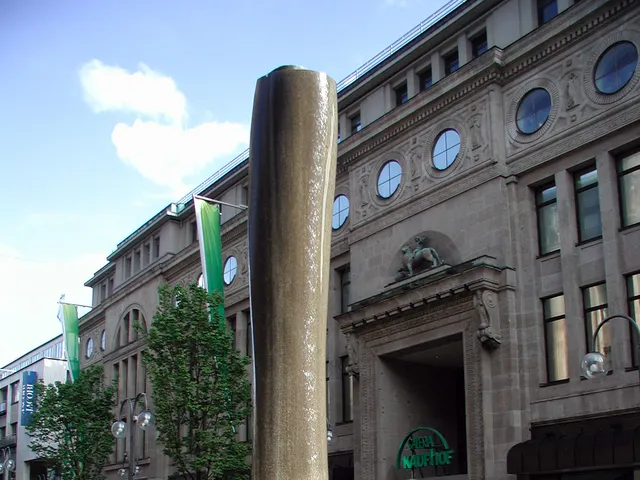
Bierbrunnen
since 1972A 1972 fountain on Schildergasse featuring a granite column wrapped in a thin veil of water — named after a brief beer tap that once operated at the site.
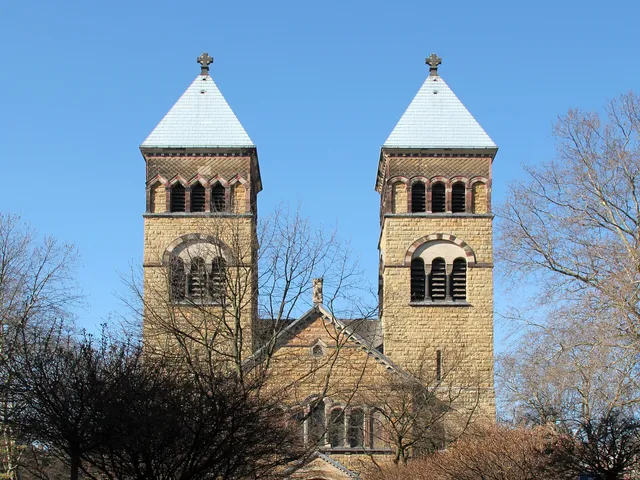
Brüsseler Platz
The heart of Cologne's Belgian Quarter, defined by the Neo-Romanesque church of St. Michael — a vibrant social hub and the scene of a long-running noise dispute.
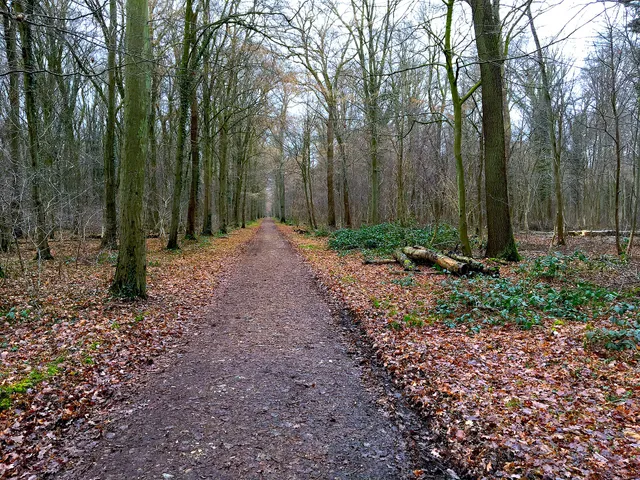
Chorbusch
since 2004Around 427 hectares of near-natural woodland on Cologne's north-western edge – a refuge for rare birds such as golden oriole and nightingale.
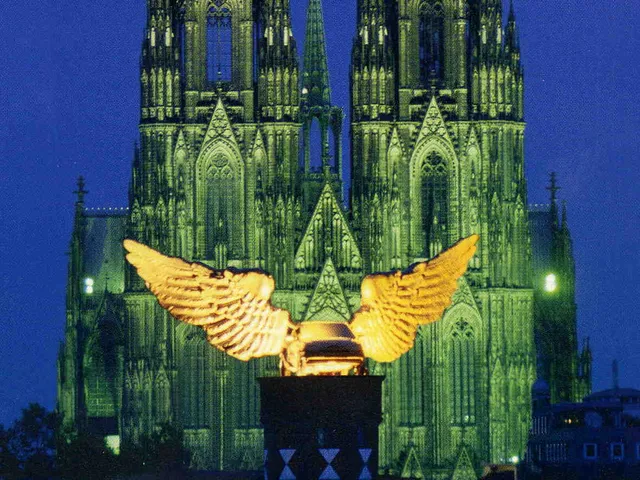
The Golden Bird
since 1989HA Schult's gilded winged car crowned the Zeughaus tower from 1991 on – since August 2026 it has been under restoration and will return to Cologne's cityscape at a new address.
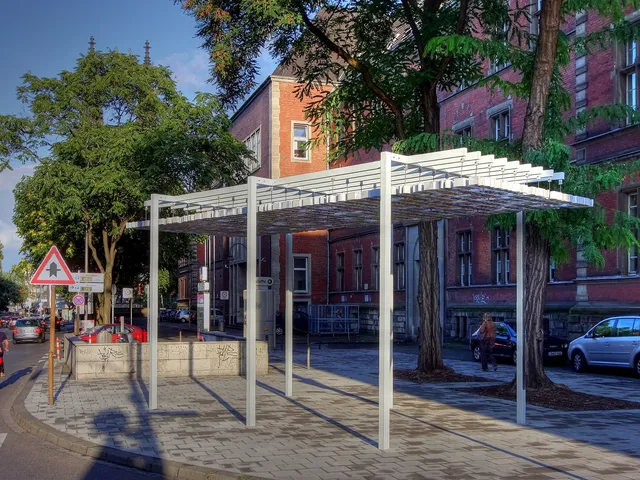
Deserters' Memorial
since 2009A memorial to victims of Nazi military justice at Appellhofplatz — a pergola whose chained tribute inscription seems written in colored letters across the sky.
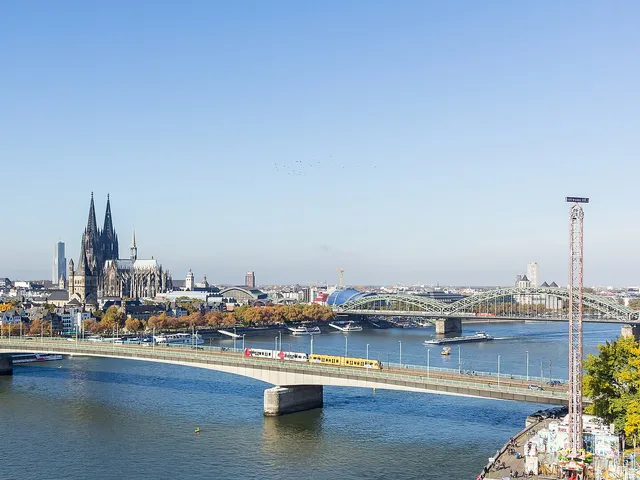
Deutz Bridge
The world's first steel box girder bridge (1947/48) – linking Heumarkt with Deutz; the Roman bridge once stood a few metres further north.
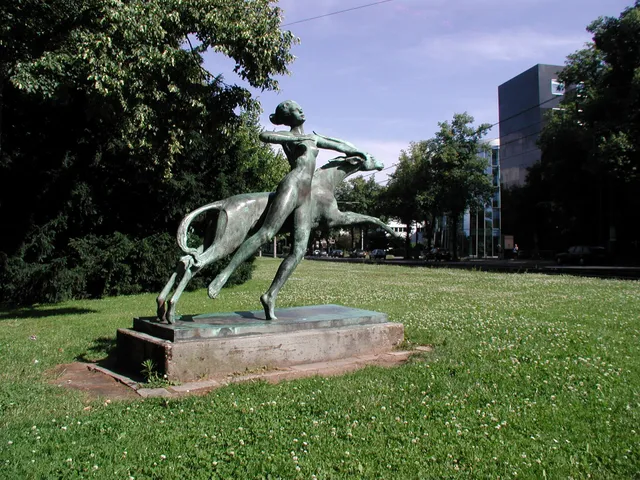
Diana with Leaping Antelope
since 1916On the central median of Cologne's Sachsenring stands the bronze sculpture "Diana with Leaping Antelope," created in 1916 by Fritz Behn as a study of movement showing the huntress goddess in unison with a leaping antelope.
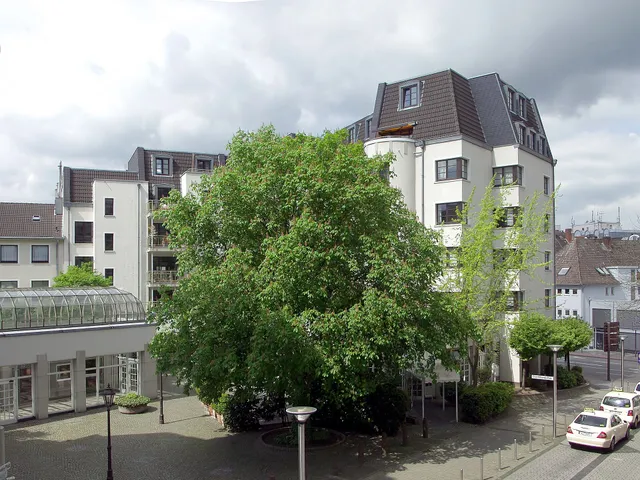
Erich-Klibansky-Platz
A Cologne memorial square whose Lion Fountain bears the names of 1,100 murdered Jewish children — built on the former site of the Adass Jeschurun congregation.
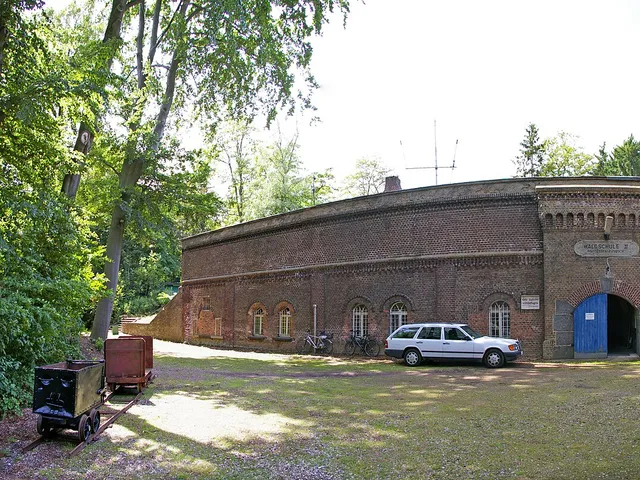
Cologne Fortress Ring
Prussian double ring around Cologne, dismantled after 1919 – its grounds became the basis for Cologne's Green Belt from 1924.
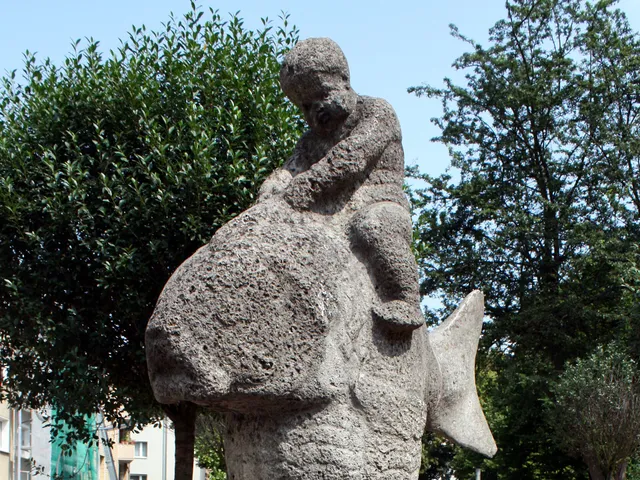
Fischreiterbrunnen
Sandstone fountain from 1913: a boy riding a fish — a listed landmark at Theophanoplatz in Zollstock.
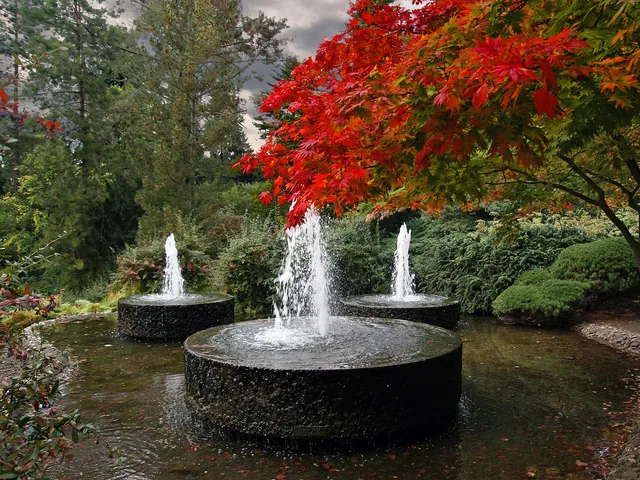
Forstbotanischer Garten Köln
Botanical garden in Cologne's south showcasing trees and shrubs from around the world — from a rhododendron ravine and Japanese garden to North American giant sequoias.
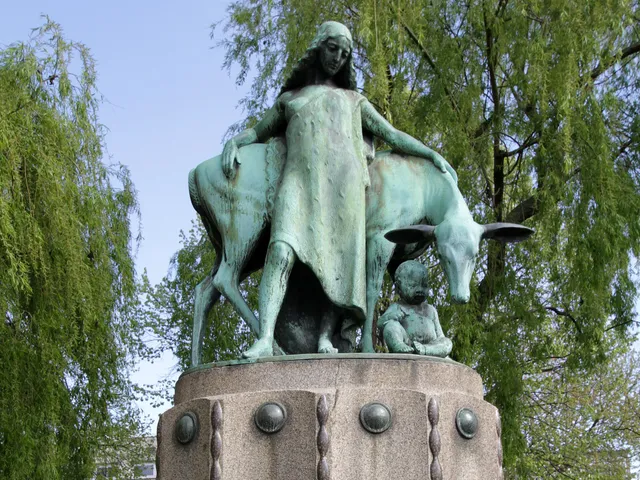
Genoveva Fountain
since 1914A fountain in a Mülheim green space crowned by a life-size sculpture of Saint Genevieve with a child and a stag — the namesake of a street, a grammar school and a swimming pool.
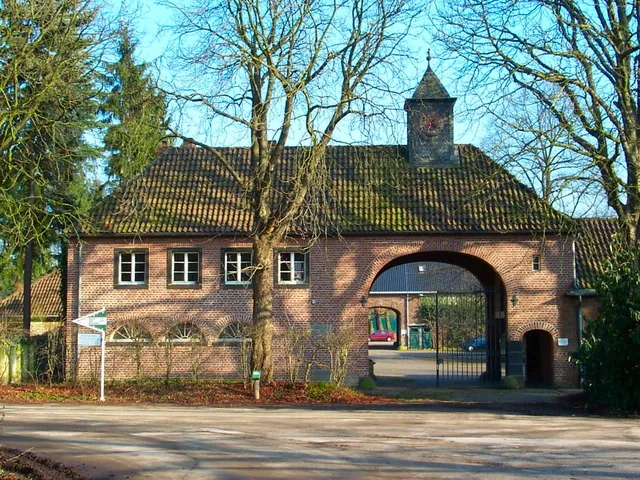
Gut Leidenhausen Estate
A former moated knight's seat in Cologne-Eil, today an environmental education centre on the edge of the Wahner Heide.
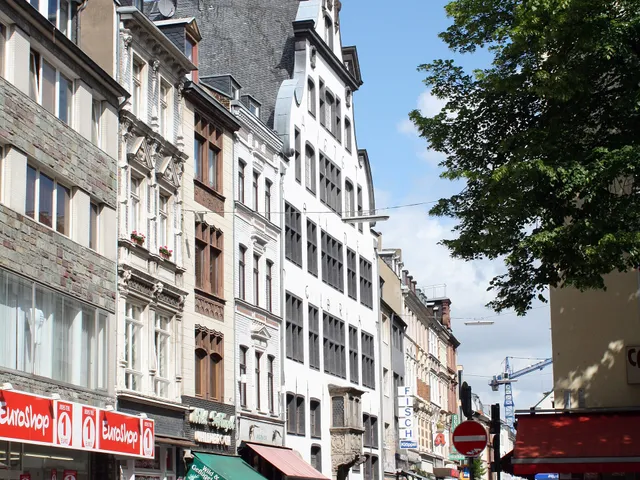
Haus Balchem
The only surviving Baroque house in the Severinsviertel, its statement bay window on Corinthian columns still turns heads on Severinstraße today.
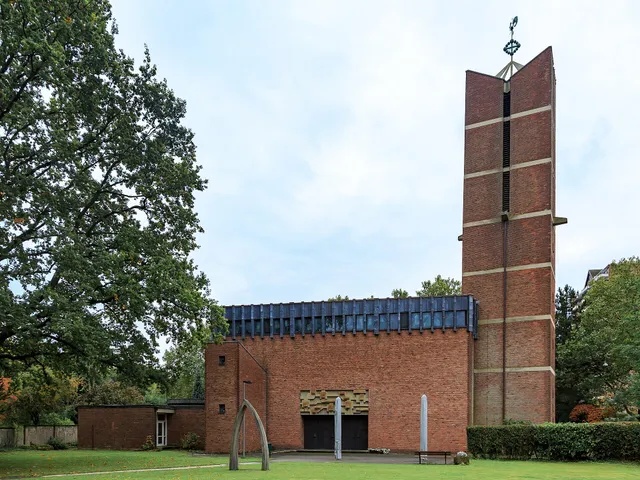
Heilig Geist (Köln-Weiden)
A closed brick church from the 1960s in Weiden, its ribbon window wrapping the whole building and converging into a point above the altar.
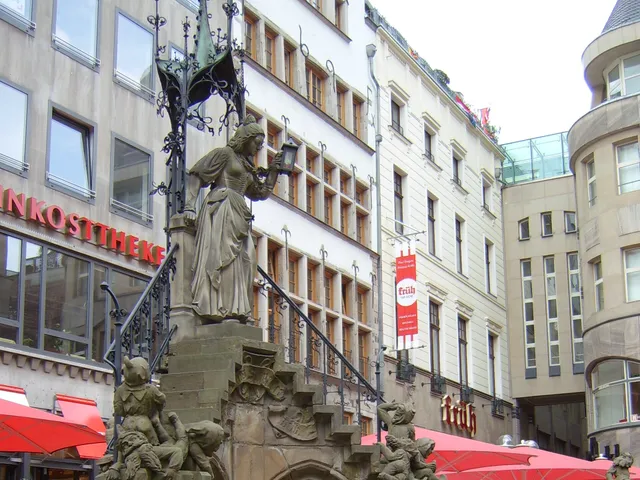
Heinzelmännchen – Cologne's Household Spirits and Their Fountain
since 1900Cologne's legendary household sprites who worked through the night while citizens slept — caught once, gone forever. Their fountain stands near the Cathedral.
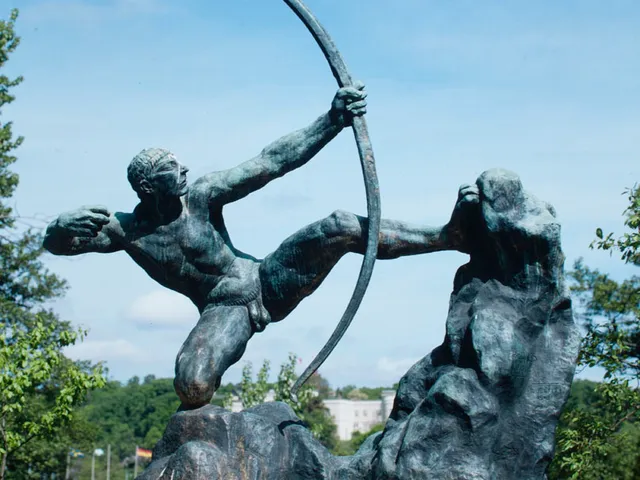
Herakles Slaying the Stymphalian Birds (Bourdelle)
since 1909A 1909 bronze sculpture by Antoine Bourdelle – Cologne's cast stands freely accessible in the courtyard of the WiSo building on the campus of the University of Cologne.
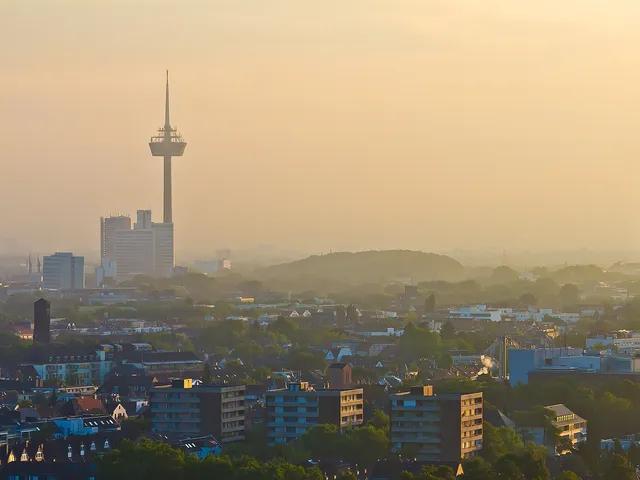
Herkulesberg
The "Mont Klamott" is Cologne's largest rubble hill – a wooded lookout mound and popular local recreation area in Neustadt-Nord.
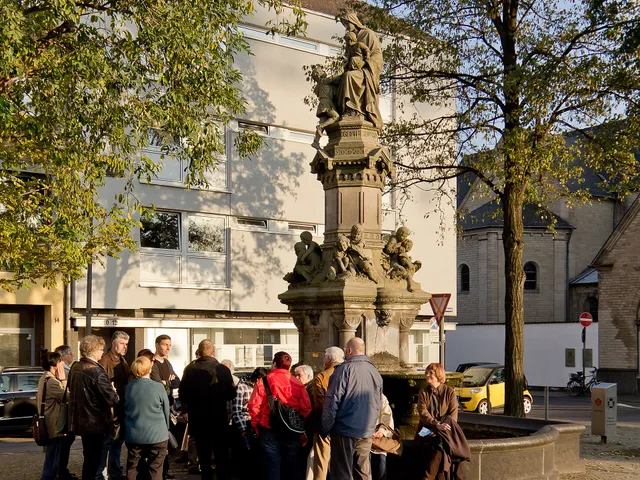
Hermann Joseph Fountain
since 1894A richly figured 1894 fountain on Waidmarkt telling the legend of the "apple saint" Hermann Joseph — considered the high point of sculptor Wilhelm Albermann's work.
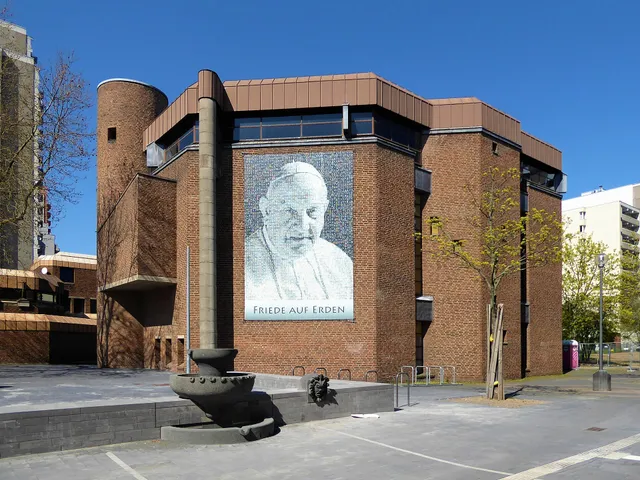
St. John XXIII (Cologne-Chorweiler)
since 1977A 1977 Catholic parish church in Chorweiler that stood unconsecrated for 28 years, finally named after Pope John XXIII in 2009.
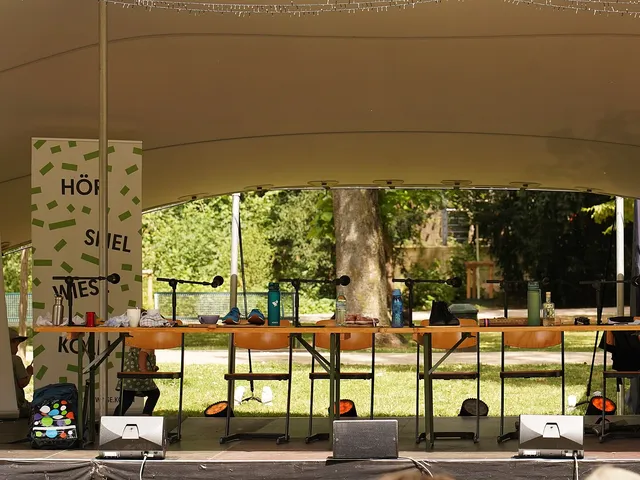
Hörspielwiese Köln
Free open-air festival for radio drama and audio art in Cologne: classics, new productions, live radio plays and a prize for short radio dramas.
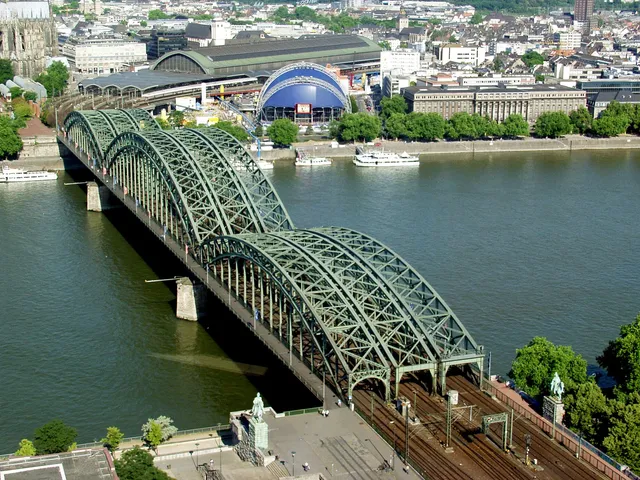
Hohenzollernbrücke
since 1911Germany's busiest railway bridge spanning the Rhine — a defining feature of Cologne's skyline alongside the Cathedral, and famous for thousands of love locks.
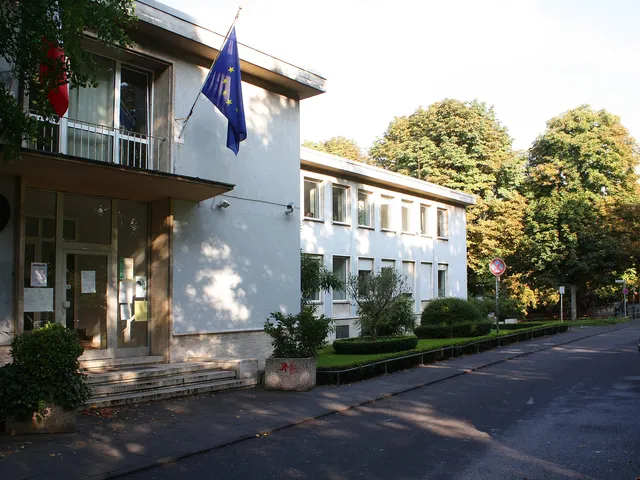
Italian Cultural Institute Cologne
Landmarked Italian Rationalist building combining Italy's cultural institute and consulate general in Cologne
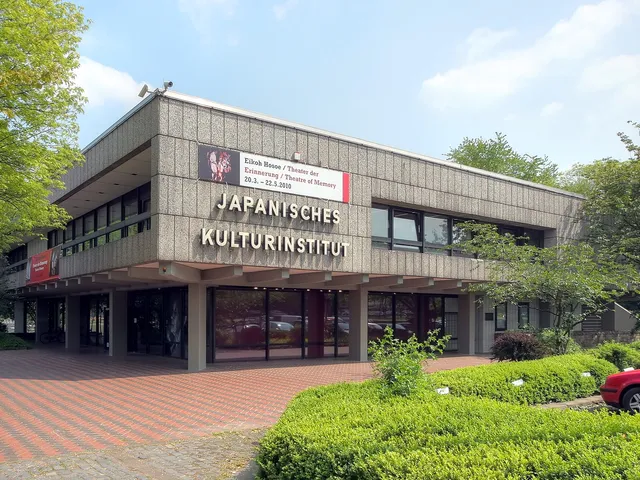
Japanese Cultural Institute
since 1969One of only three Japanese cultural institutes in Europe — Cologne's gateway to Japanese culture for the entire German-speaking world.
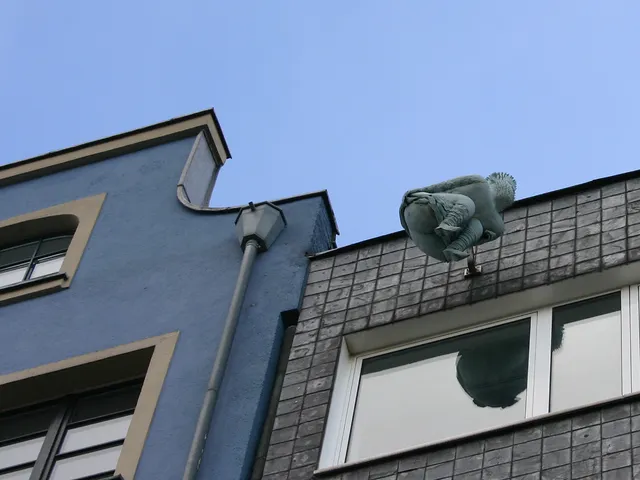
Kallendresser
Copper figure at Alter Markt that bares its backside to onlookers — a Cologne satirical motif with roots in the Middle Ages.
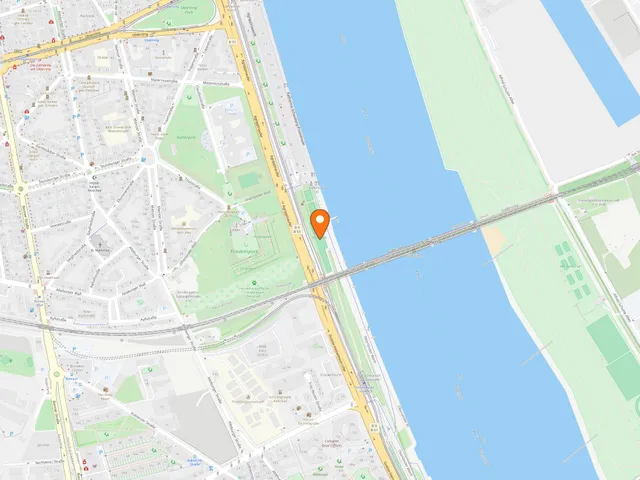
KAP686 Skateplaza
Public skate plaza on the Rhine in the Rheinauhafen district, run by DOM Skateboarding e.V.
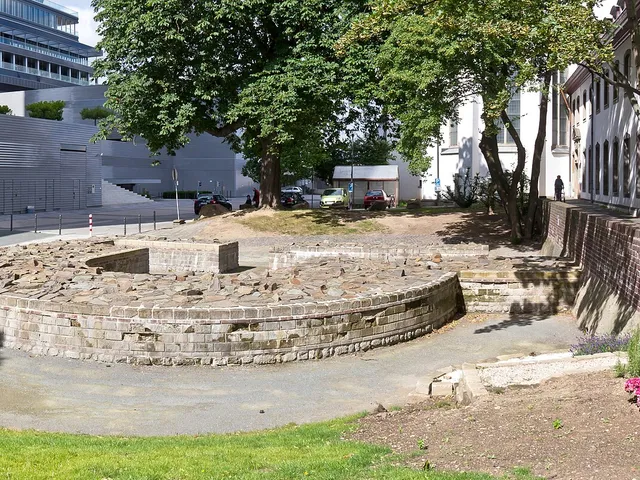
Deutz Fort (Divitia)
On the right bank of the Rhine in Cologne-Deutz, the late-Roman fort of Divitia guarded the bridgehead of Constantine's Rhine bridge from the early 4th century. Substantial remains survive today, and the site has been a UNESCO World Heritage listing since 2021.
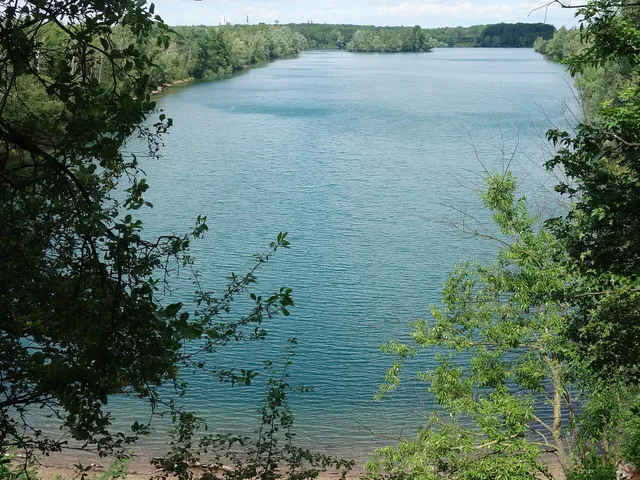
Kiesgrubensee Gremberghoven
since 1989A nature reserve around a former gravel pit lake in Cologne-Humboldt — nesting ground for sand martins, kingfishers, and great crested grebes.
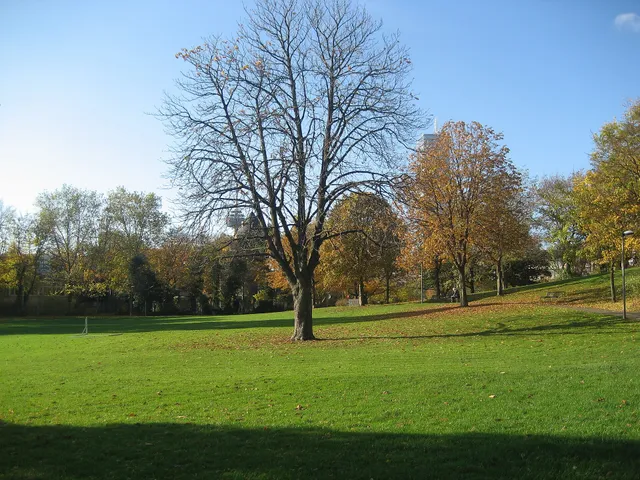
Klingelpützpark
Park on the site of the demolished Klingelpütz prison — with a memorial stone honouring more than 1,000 victims of Nazi-era justice.
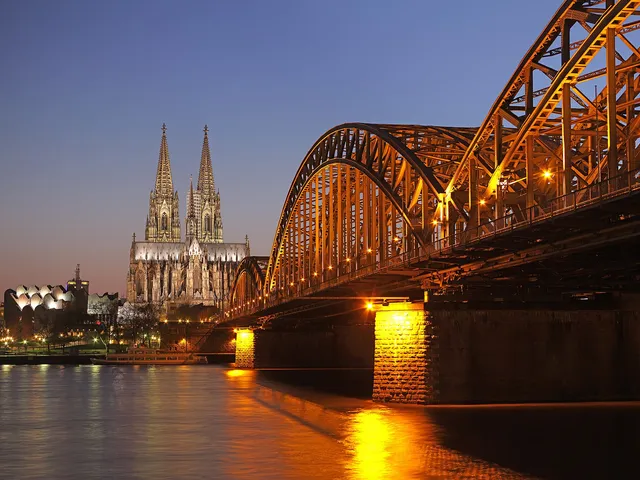
Cologne Cathedral
since 1248Gothic cathedral and shrine of the Three Kings — at around 157 metres one of the tallest churches in the world and a UNESCO World Heritage Site.
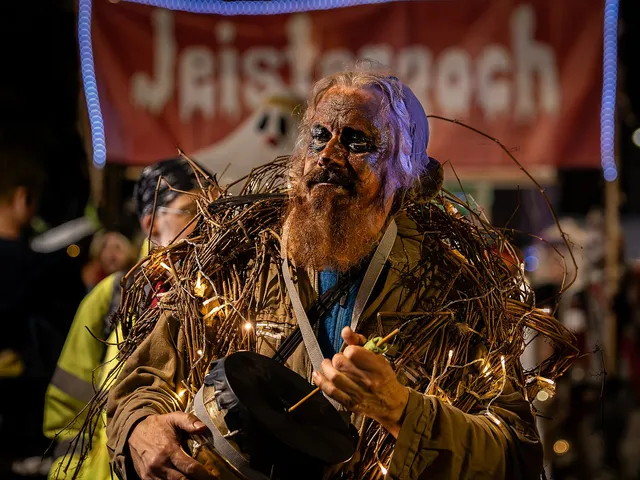
Cologne Ghost Parade
since 1991Alternative carnival procession and political demonstration: since 1991, it winds through changing Cologne neighborhoods without a formal permit.
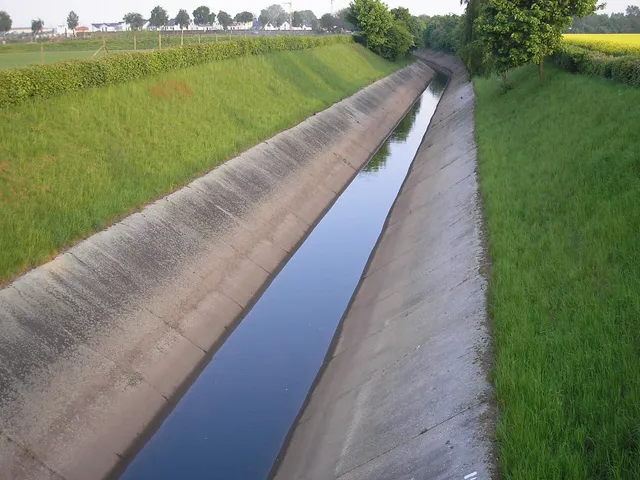
Kölner Randkanal
A nearly 20 km drainage canal on Cologne's city boundary — keeps the open-cast lignite mines dry and doubles as a continuous cycling route with a hydropower screw.
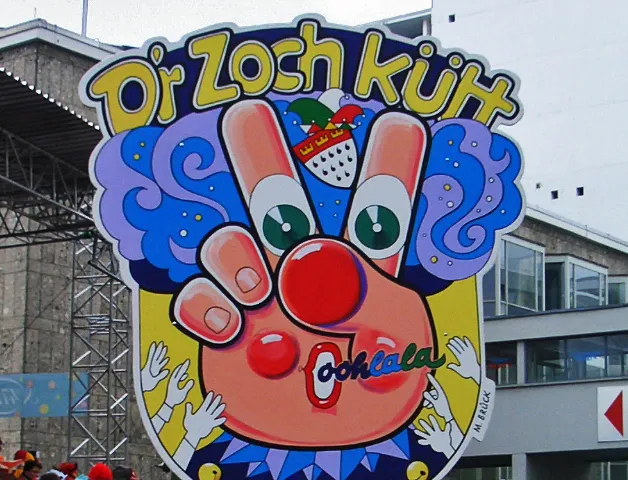
Cologne Rose Monday Parade
since 1823 approx. 1 M visitorsGermany's largest and oldest Rose Monday parade — the "Zoch" has wound its way through Cologne for eight kilometres since 1823.
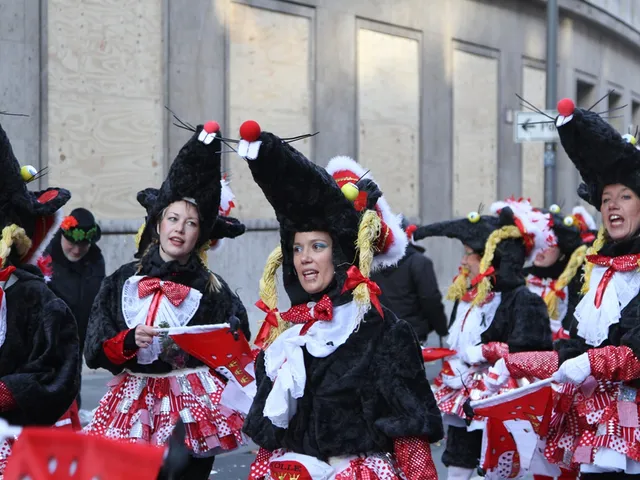
Kölner Schull- un Veedelszöch
Sunday carnival parade where schools, local clubs, and neighborhood groups march through Cologne's city center and the Vringsveedel.
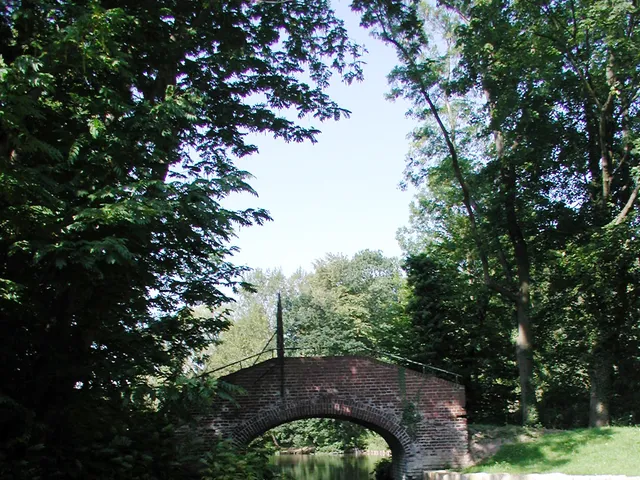
Kölner Stadtwald
Expansive forest park in the Lindenthal district, laid out from 1895 to plans by Adolf Kowallek — with ponds, a wildlife enclosure and petting zoo.
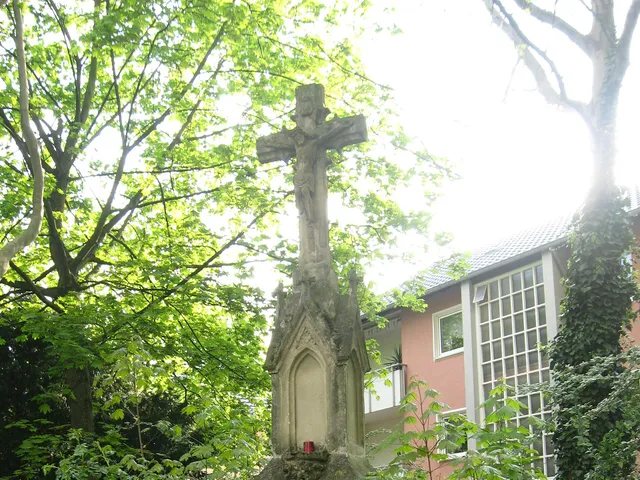
Kulturpfad Porz
A four-part cycling and walking trail through Cologne's Porz district, linking wayside crosses, churches, historic farmsteads and housing estates across four themed routes.
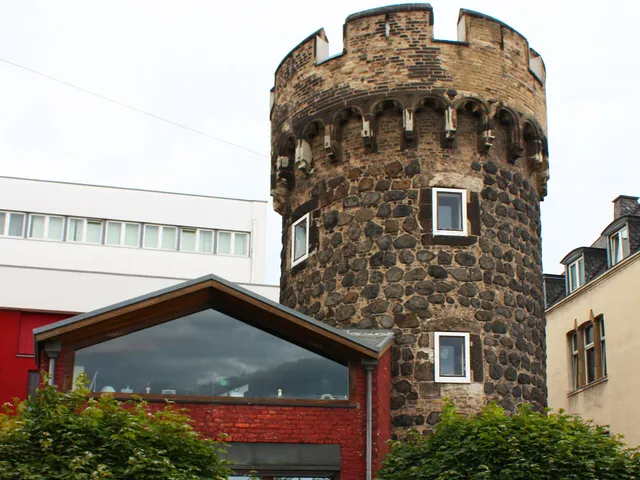
Kunibertsturm
Remnant of a medieval gate fortress at the northern end of Cologne's city wall, its small round tower Weckschnapp still standing today.
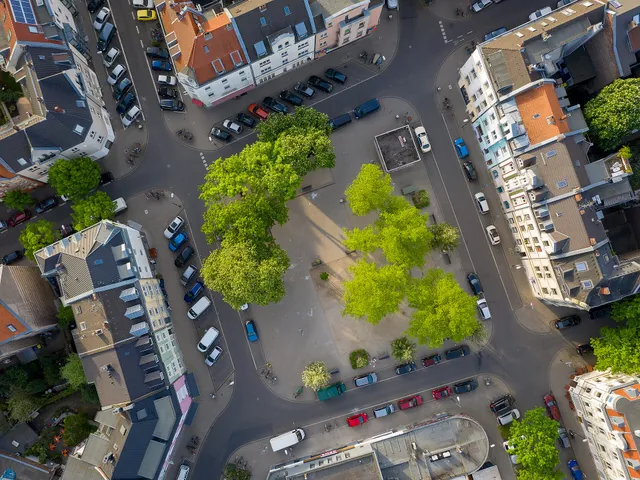
Lenauplatz
Neighbourhood square in Neuehrenfeld with the Max-and-Moritz Fountain — lined with lime trees and framed by Gründerzeit townhouses.
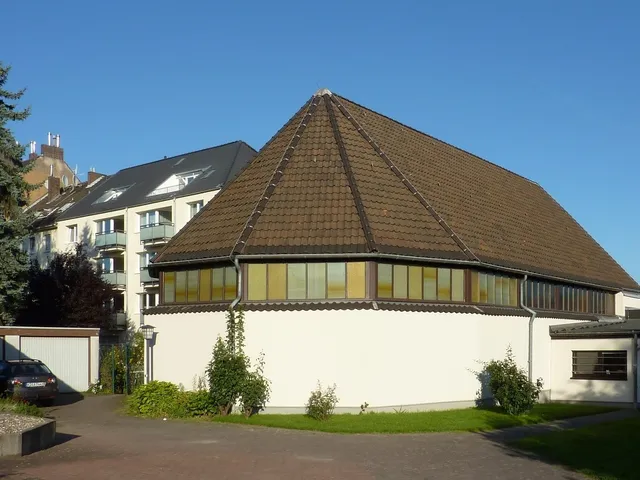
Luthernotkirche
Emergency church built from the rubble of the destroyed Lutherkirche, designed by Otto Bartning — the only one of its surviving kind fully preserved.
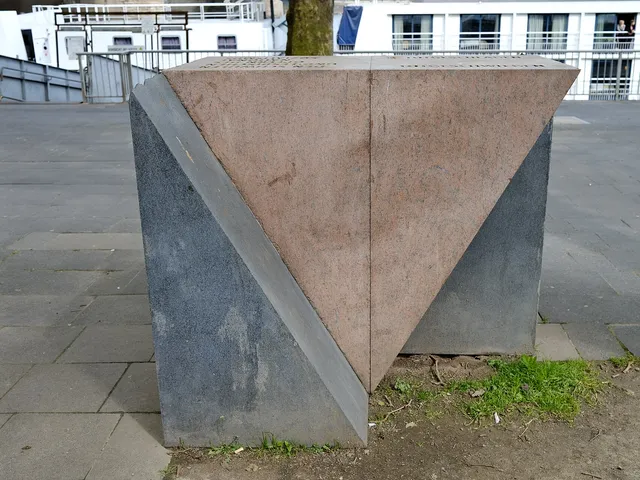
Memorial for the Gay and Lesbian Victims of National Socialism in Cologne
since 1995First memorial of its kind erected by a trade union — a 1995 riverside stone for gay and lesbian Nazi victims, inscribed 'Totgeschlagen – Totgeschwiegen'.
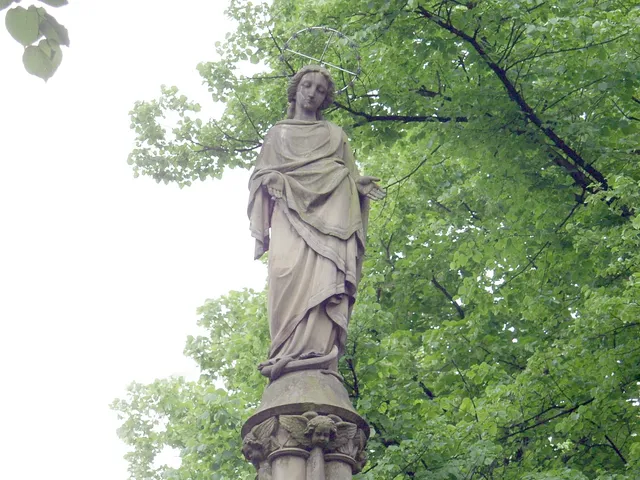
Marian Column Cologne
since 1858A neo-Gothic Marian monument from 1858 on the Gereonsdriesch in Altstadt-Nord that looks like „a piece of the cathedral“.
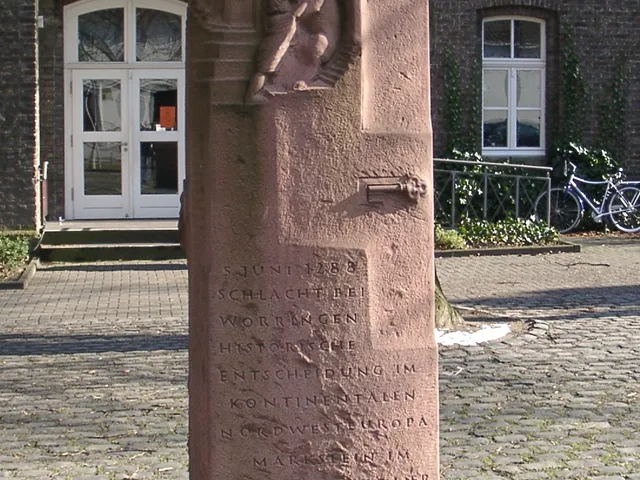
A Landmark in Cologne's Citizens' Fight for Independence
Memorial in Worringen commemorating the 1288 Battle of Worringen — a landmark moment in Cologne's citizens' struggle for independence.
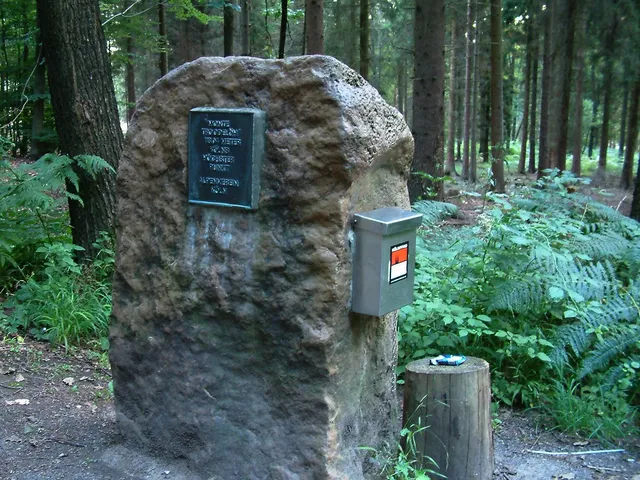
Monte Troodelöh
Cologne's highest natural point hides in the Königsforst: a wooded slope with a boulder, a summit plaque and a summit book – a popular hiking destination with a tongue-in-cheek invented name.
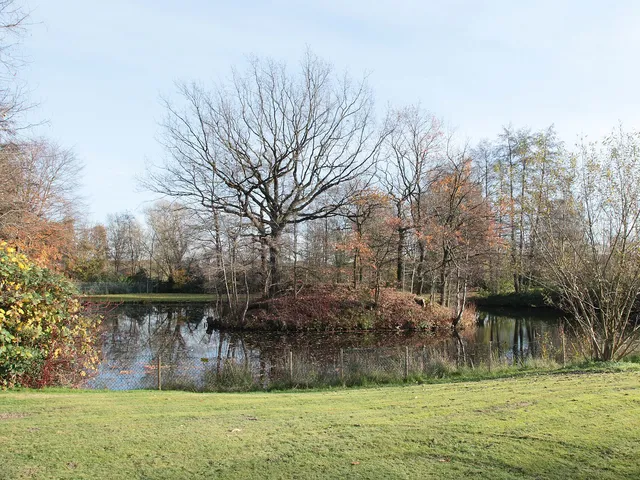
Kurtekotten Motte
The remains of a medieval motte in Cologne-Flittard: a raised castle mound and a wide water-filled moat sit tucked between sports grounds and a dredging lake, protected as a natural monument.
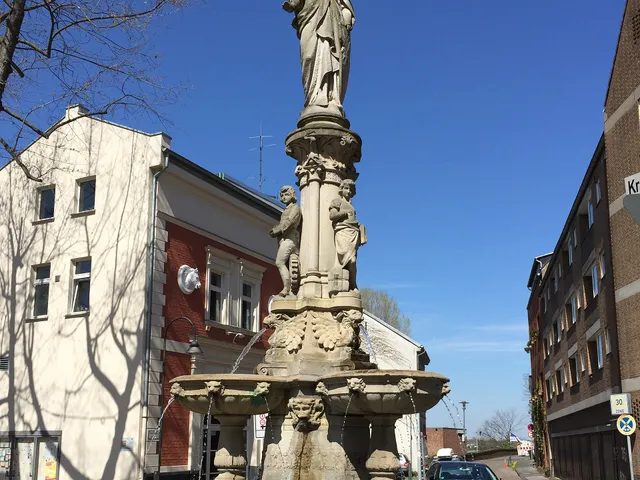
Mülheim Town Fountain
since 1884A roughly ten-metre sandstone fountain from 1884 whose crowned patroness, the "Mülheimia", commemorates the devastating Rhine flood of 1784.
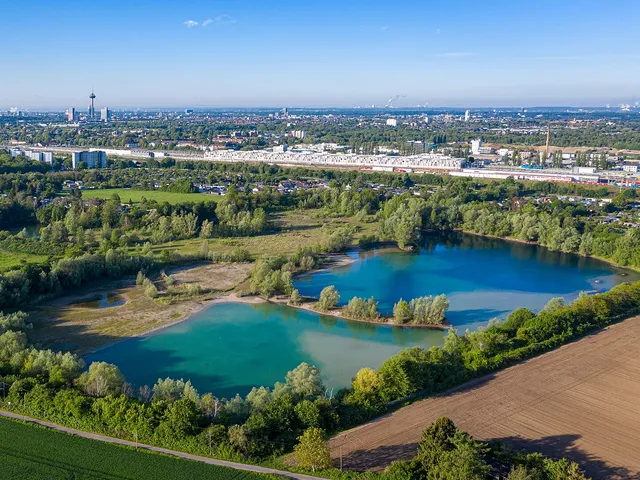
Am Ginsterpfad
since 1991A roughly 21-hectare nature reserve set in a former gravel pit between Weidenpesch, Longerich and Mauenheim — off-limits to protect its wildlife and viewable only from a single lookout point.
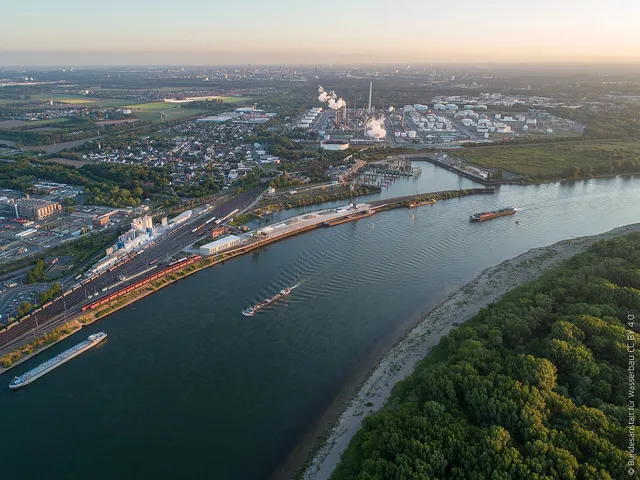
Am Godorfer Hafen
since 1991A 23-hectare nature reserve beside the Godorf harbour in southern Cologne — a grassland-and-scrub mosaic that grew out of an old gravel deposit and now shelters rare animals and plants.
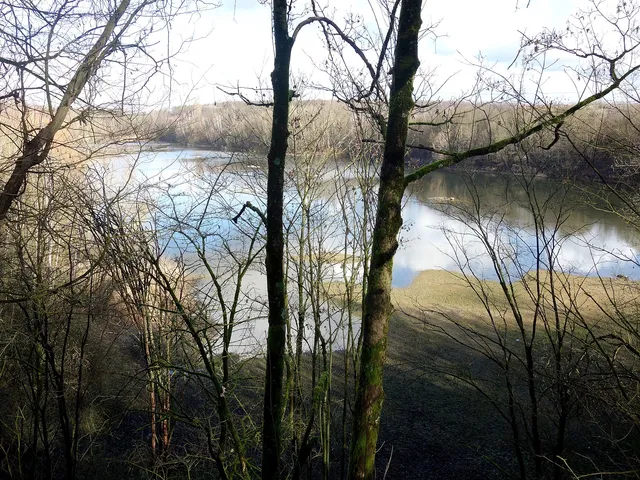
Am Grünen Kuhweg
since 1991A restored former gravel pit on Cologne's northern edge in Flittard, protected as a nature reserve since 1991 — a species-rich habitat of open water, sandy dry grassland and rare plants and animals.
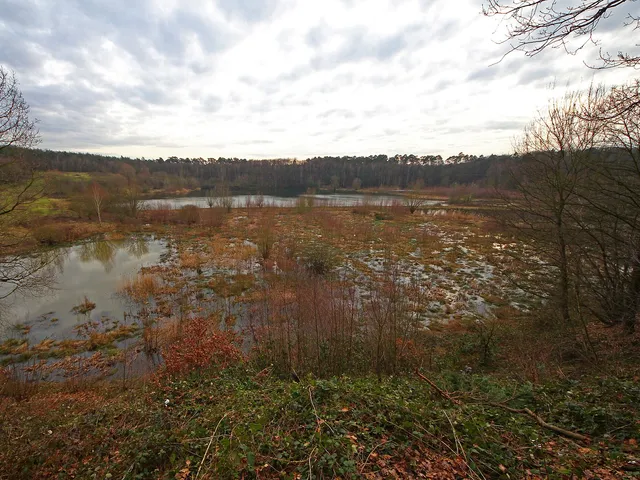
Naturschutzgebiet Am Hornpottweg
since 1983A former gravel pit on Cologne's north-eastern edge, a nature reserve since 1983 – a wetland habitat with over 200 bird species that can be viewed from a roughly 2 km circular trail.
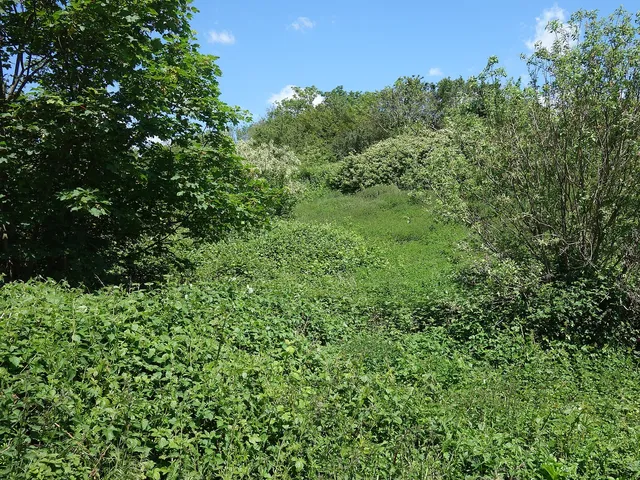
Am Vogelacker
since 1991Compact 6.26-hectare nature reserve in a former gravel pit south of Cologne-Immendorf, packing many rare-species habitats into a small space.
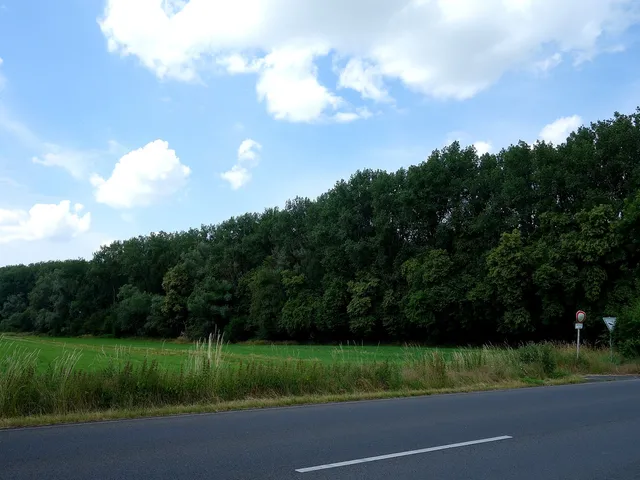
An der Ziegelei
since 1991A 20-hectare floodplain nature reserve near Cologne where birch and poplar woods reclaim a former brickworks in the Rhine's periodic flood zone.
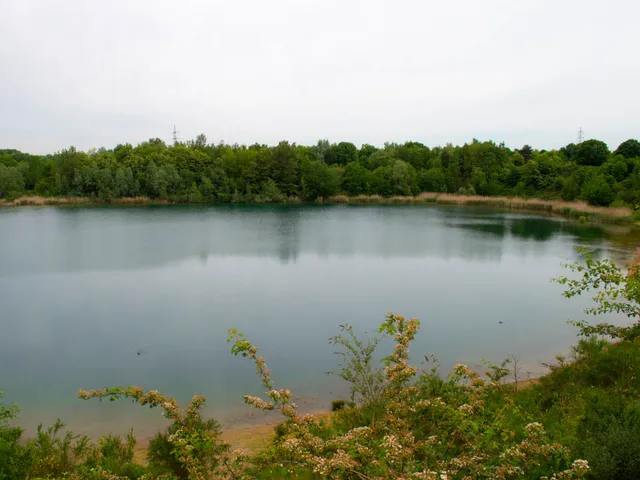
Dellbrücker Heide
since 2009A 39-hectare nature reserve on a former military site north of Cologne-Dellbrück, home to rare heathland species and open habitats.
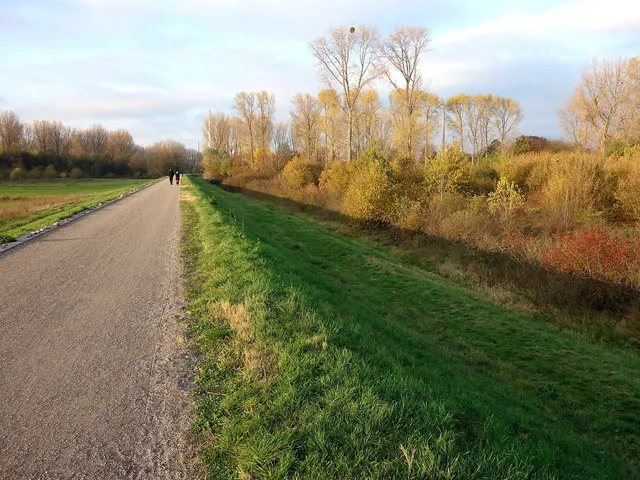
Flittarder Rheinaue
since 1991A four-kilometre stretch of protected Rhine floodplain on Cologne's northern edge, rich in birdlife and criss-crossed by paths for walkers and cyclists.
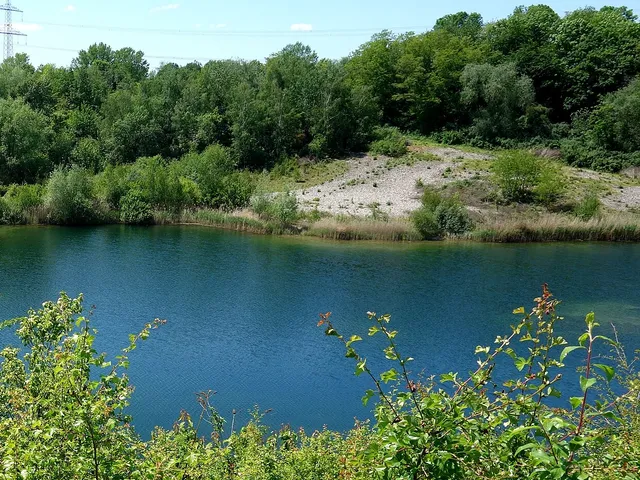
Kiesgruben Meschenich
since 1991A species-rich Cologne nature reserve on a former gravel pit on the southern edge of Meschenich, with excavation lakes, reed beds and valuable bare-ground habitats.
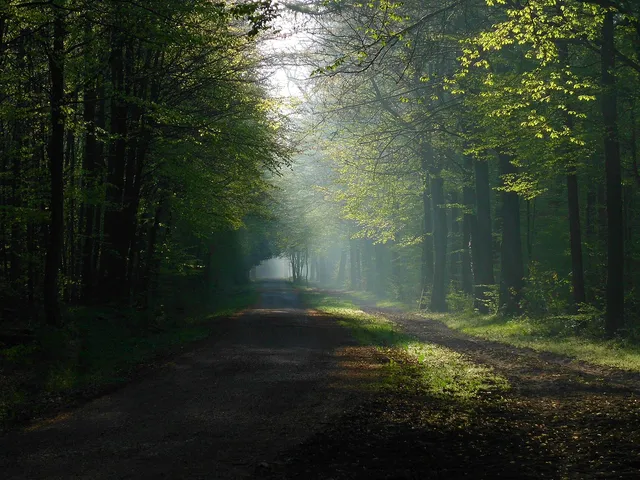
Naturschutzgebiet Königsforst
since 2000A large, unbroken protected woodland in Cologne's east, with old oak and beech forests, near-natural sandy streams and rare wildlife.
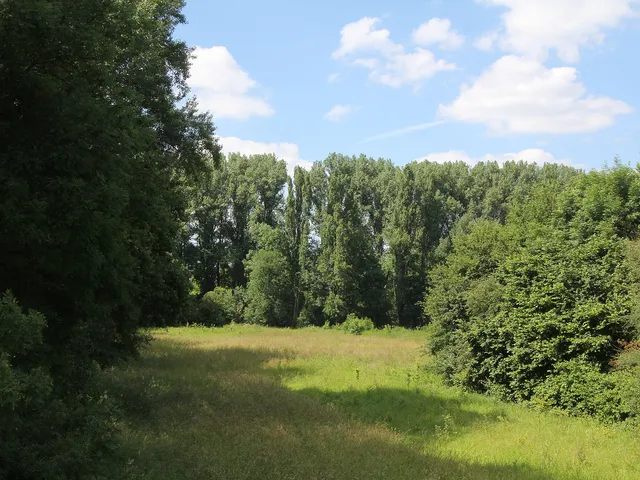
Langeler Auwald
since 1989A Cologne nature reserve along a Rhine river bend in the Langel district, with remnants of floodplain forest, a flood dyke and a breeding ground for numerous rare bird species.
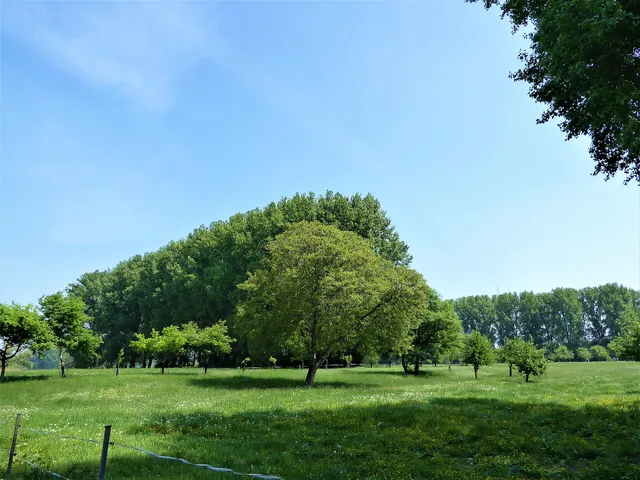
Rheinaue Langel-Merkenich
since 1989A nature reserve on the Rhine's left bank in northern Cologne, with floodplain forest, hay meadows and a near-natural riverbank between Langel and Merkenich.
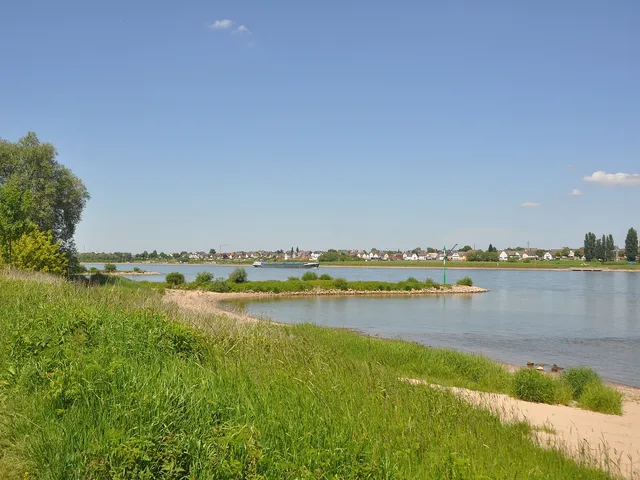
Rheinaue Worringen-Langel
since 1991A nature reserve on the Rhine in northern Cologne, with floodplain forest, river meadows and a Glan-cattle grazing scheme, home to 93 bird species.
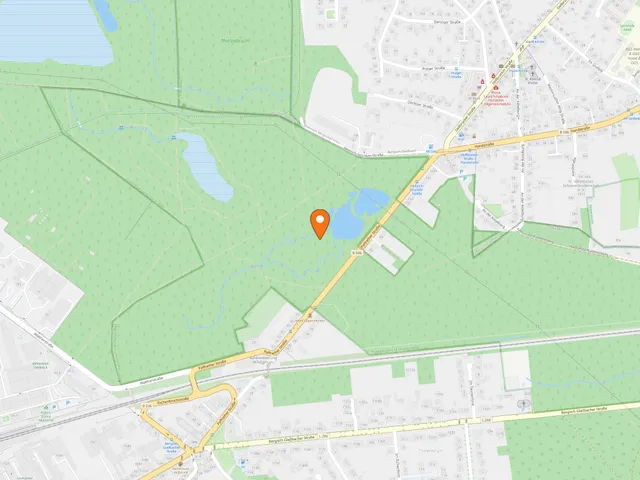
Naturschutzgebiet Thielenbruch und Thurner Wald
since 1969A wetland reserve on Cologne's north-eastern edge, home to the region's only surviving calcareous fen and a refuge for many rare species.
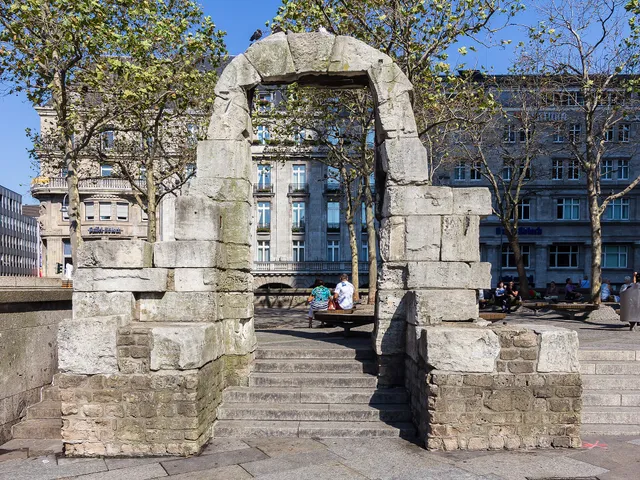
Pfaffenpforte (North Gate)
since 100Cologne's Roman north gate – once a three-arched main entrance, today preserved as a fragment on the Domplatte and in the Roman-Germanic Museum.
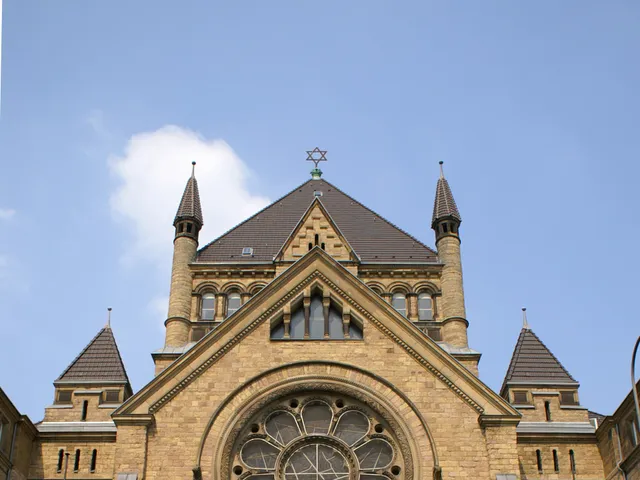
Rathenauplatz
Cologne's leafy Südstadt park with a plane-tree avenue, a popular beer garden, and a name that mirrors Germany's turbulent 20th century.
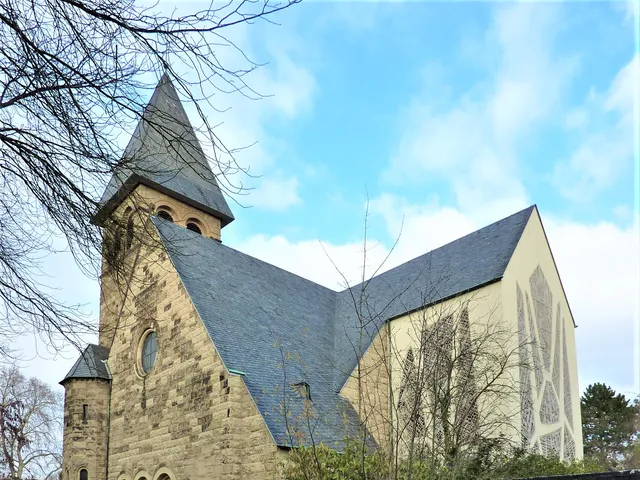
Reformationskirche
Protestant church in Cologne-Marienburg famed for its 15-metre concrete-glass window depicting creation striving toward Christ.
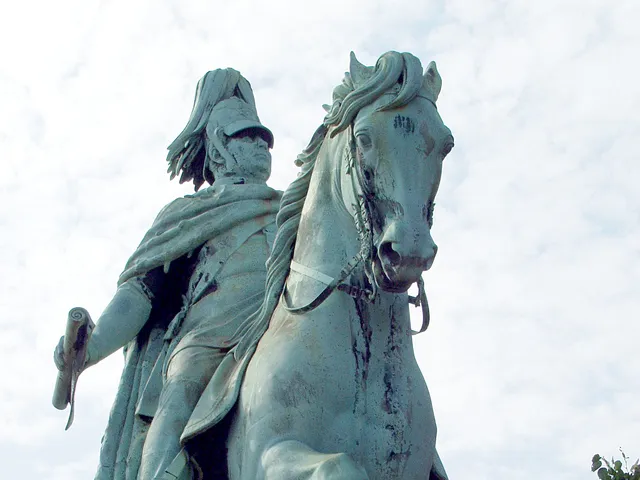
Equestrian Statue of Frederick William IV
Bronze equestrian monument by Gustav Blaeser at the right-bank portal of the Hohenzollern Bridge, unveiled in 1867.
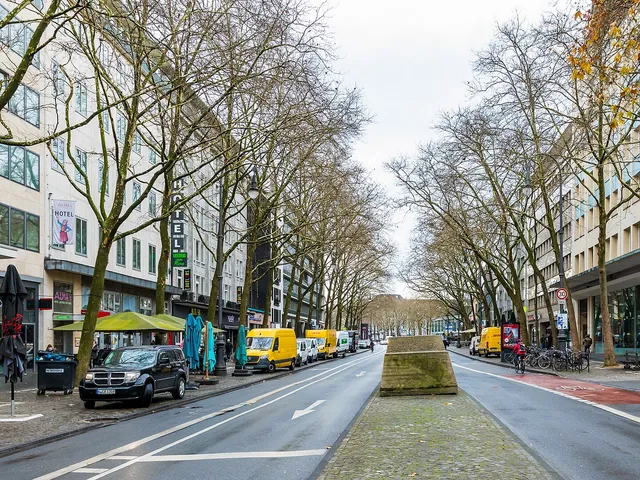
Ruhender Verkehr
since 1969A car fully encased in concrete on Hohenzollernring – Wolf Vostell's ironic 1969 action sculpture about parking.
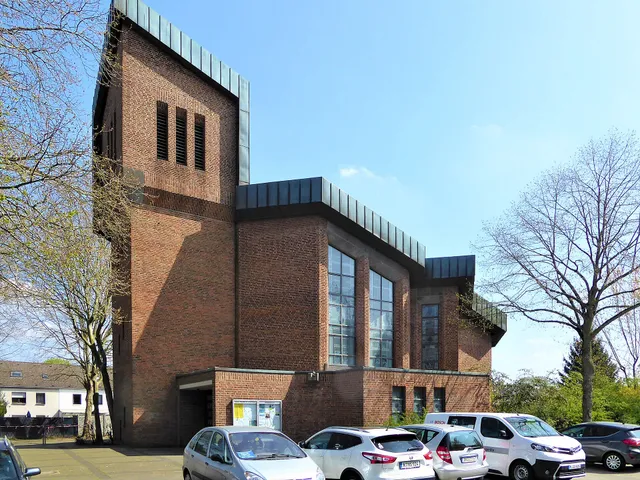
Our Lady of Sorrows (Cologne-Lindweiler)
Branch church in Cologne-Lindweiler whose organ traveled from the Netherlands via Bonn before reaching Cologne.
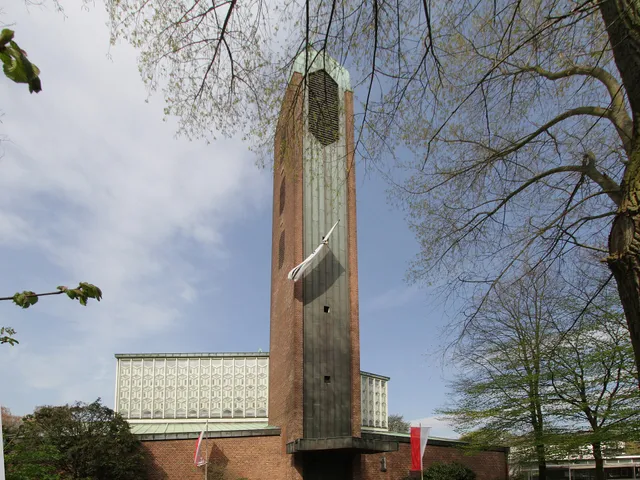
St. Bruder Klaus (Cologne-Mülheim)
since 1956Catholic church by Fritz Schaller with a three-part structure and hexagonal clerestory, awarded the Cologne Architecture Prize in 1967.
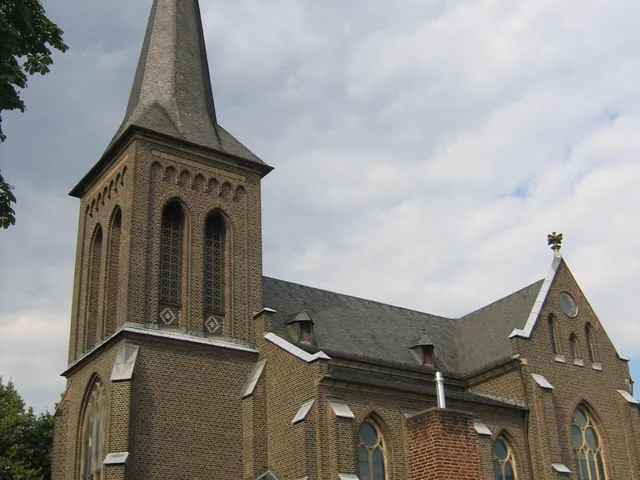
St. Clemens (Cologne-Langel)
Neo-Gothic brick hall church in Cologne-Langel, part of the cycling-route churches network since 2024, open to cyclists and hikers along the Rhine.
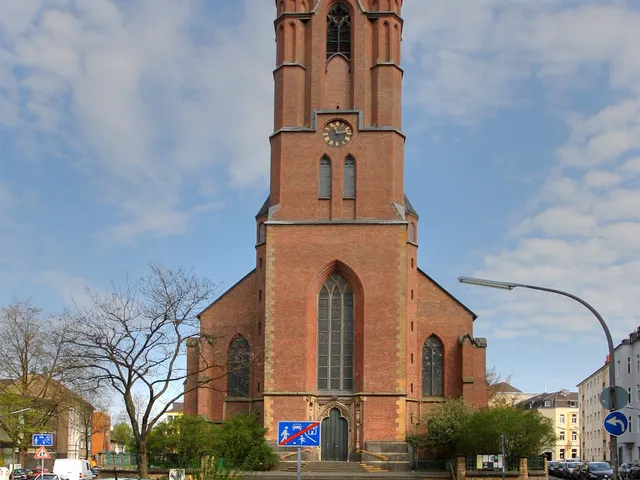
St. Joseph (Cologne-Kalk)
Neo-Gothic brick hall church in Cologne-Kalk featuring stained-glass windows by Dominikus Böhm, including seven Stations-of-the-Cross windows in the transept.
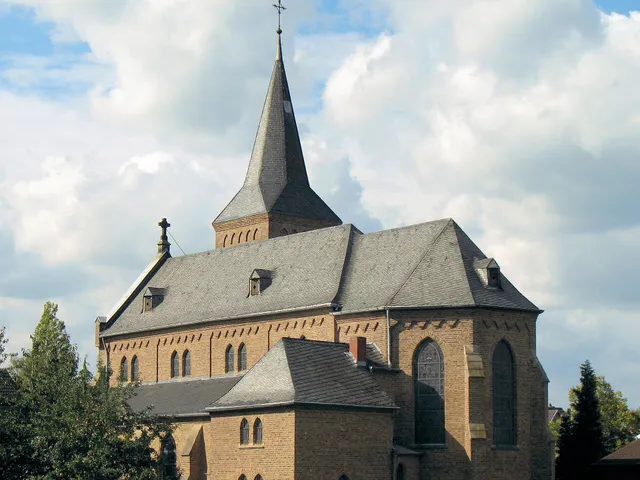
St. Margareta
Neo-Gothic brick basilica of 1909–1911 in Cologne-Libur, whose original interior—altars, pulpit, and windows—survives intact.
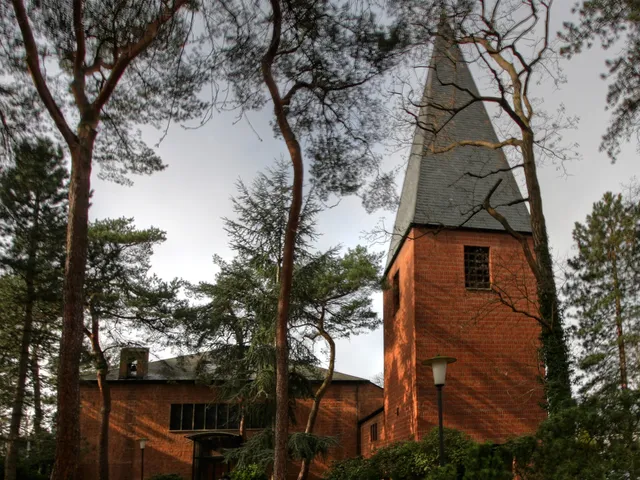
St. Maria Königin
Catholic parish church in Cologne-Marienburg by Dominikus Böhm, its glass south wall opening onto the Südpark.
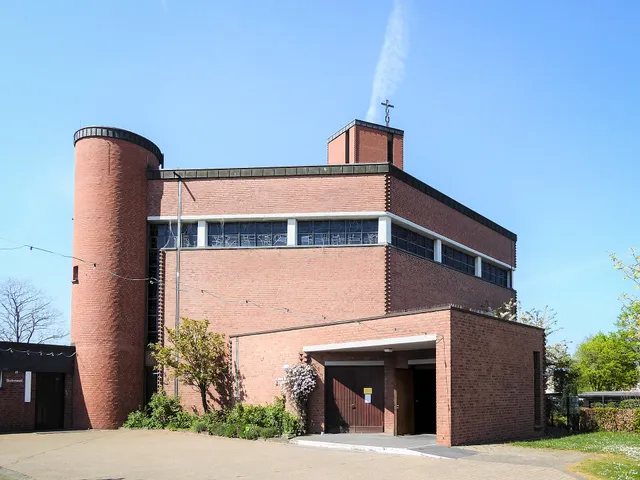
St. Mariä Namen
A 1967/68 brick church in Cologne-Esch by Hans Schilling, where the font, altar, and tabernacle are aligned along a single axis.
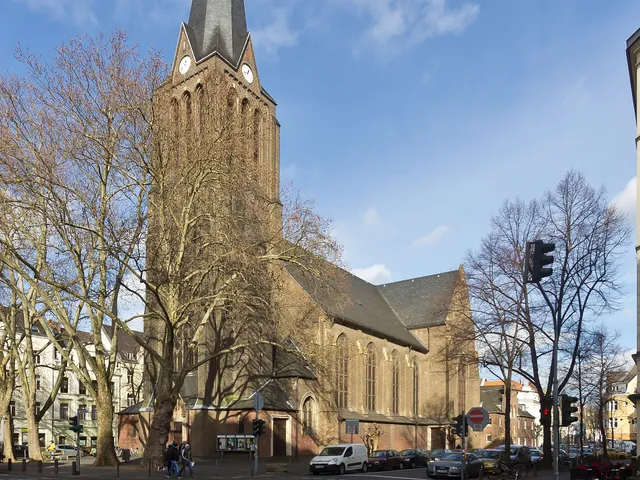
St. Peter
Neo-Gothic Catholic hall church in Cologne-Neuehrenfeld with a 62-metre tower, affectionately known as the "Ihrefeld Cathedral."
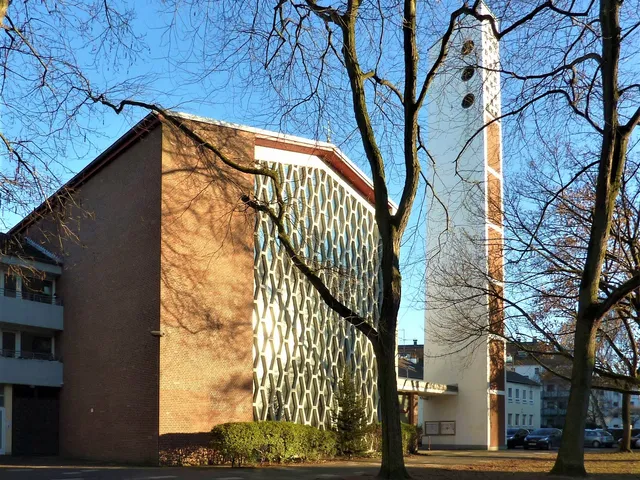
St. Salvator (Cologne-Weidenpesch)
1958 brick hall church with concrete honeycomb windows, a freestanding bell tower, and a natural-stone Christ mosaic.
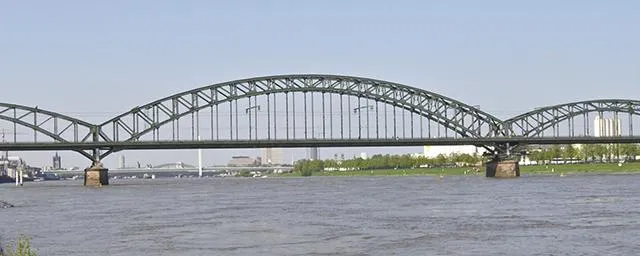
Südbrücke
since 1946Steel three-arch railway bridge from 1910 spanning the Rhine, primarily for freight traffic, with pedestrian and cycle paths; listed heritage structure.
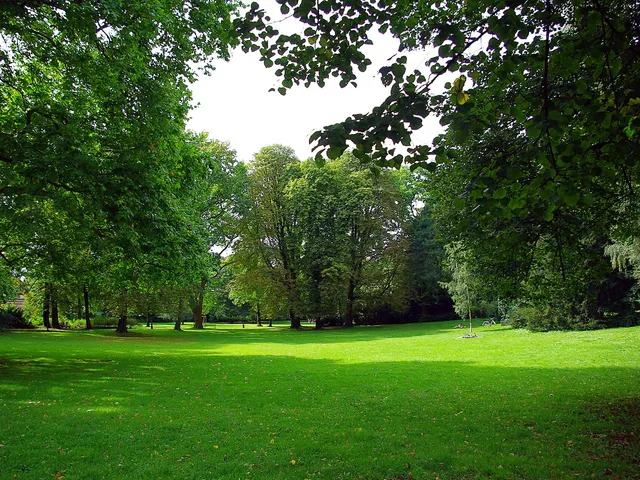
Südpark
Crescent-shaped park in Marienburg — one of Cologne's most distinctive green spaces, known for its pine grove and a bronze panther sculpture.
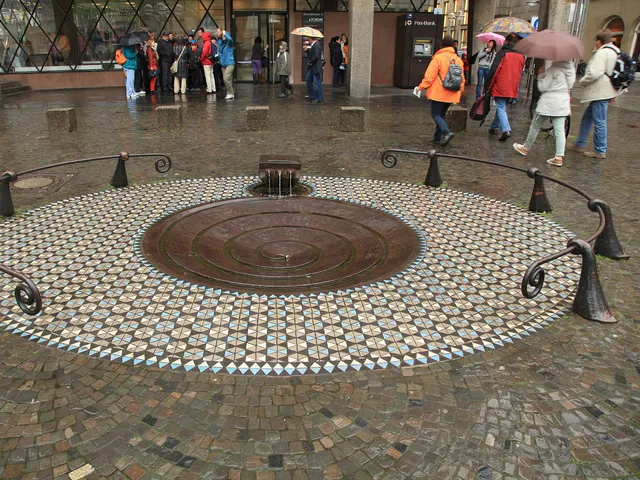
Taubenbrunnen
since 1953Cologne's first post-war fountain and the city's first abstract fountain: designed in 1953 by Ewald Mataré as a drinking trough for the Cathedral pigeons.
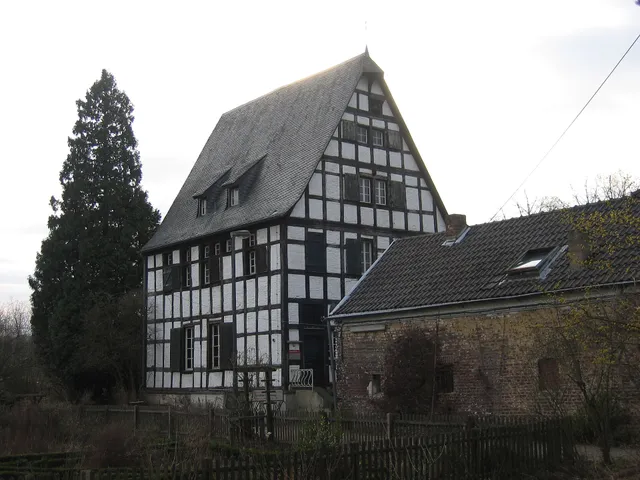
Thurner Hof
since 1150A historic manor farm in Cologne-Dellbrück with a 16th-century timber-framed manor house and a freely accessible teaching garden.
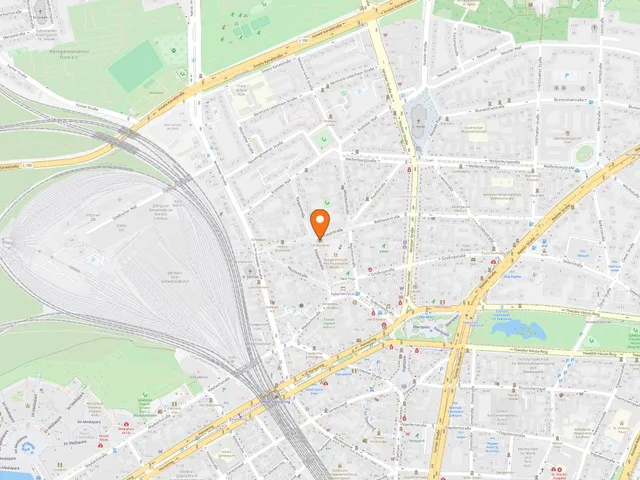
TtE-Bücherei
Freely accessible library and archive of left-wing social movements at the Alte Feuerwache — holding citizens' initiative journals and a substantial collection of grey literature.
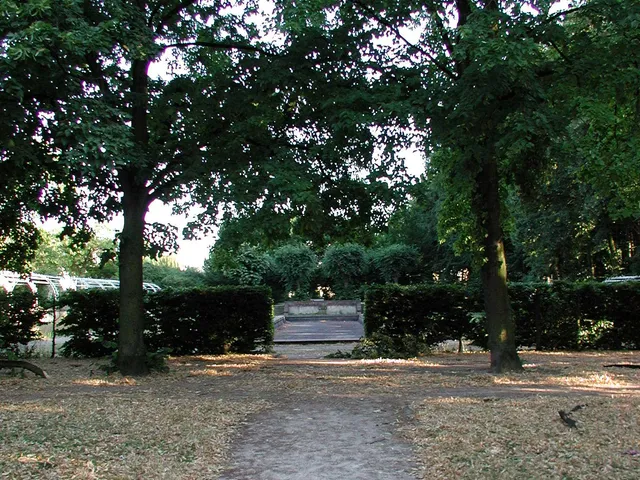
Vorgebirgspark
Rose garden with a long water-lily basin behind an old brick wall — Cologne's historic park designed by Fritz Encke (1910–1914).
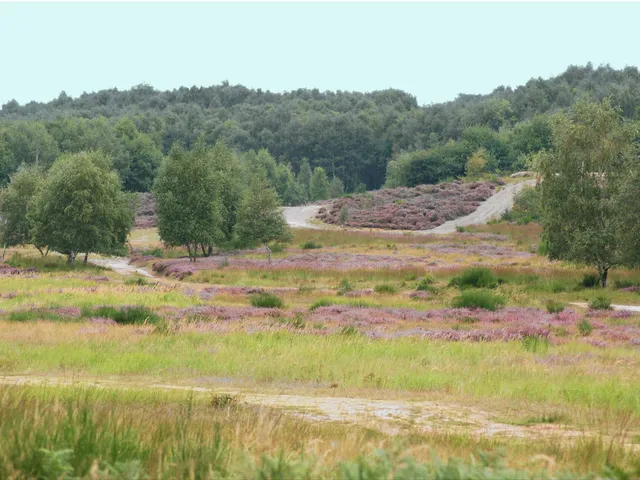
Wahner Heide
A vast nature reserve east of Cologne with a rare mosaic of dry dunes and wet moorland, freely accessible on marked trails.
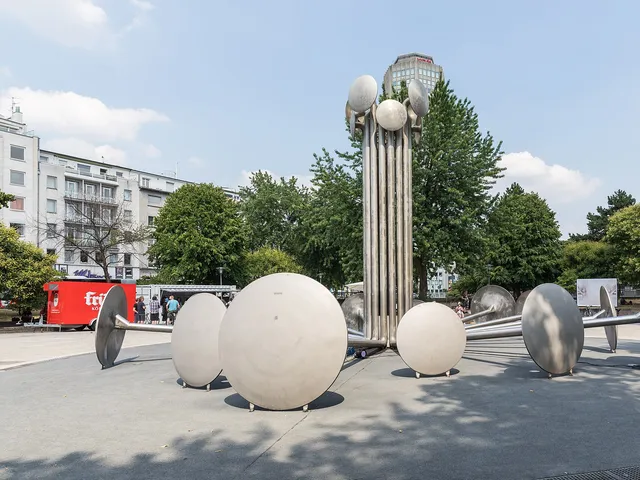
Water-Kinetic Sculpture
since 1977A walk-in stainless steel fountain by Wolfgang Göddertz on Ebertplatz, nine metres tall and known locally as the "Nail Fountain".
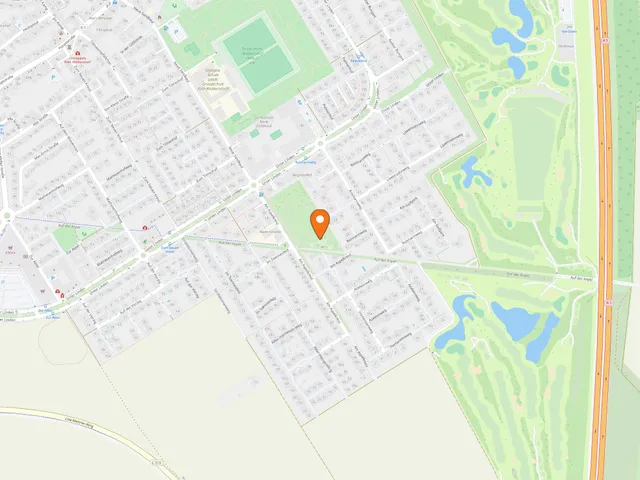
Am Aspelkreuz Water Playground
Public playground with a water-play feature in Cologne-Widdersdorf – a cool-down for children on hot summer days.
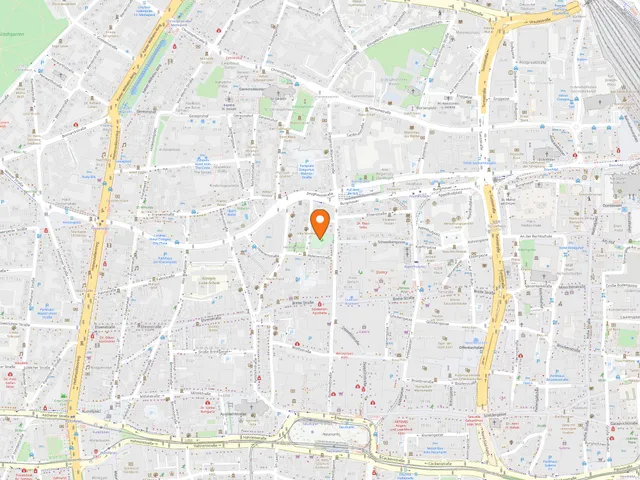
Am Römerturm Water Playground
Public playground with a water-play feature in Cologne-Altstadt-Nord – a cool-down for children on hot summer days.
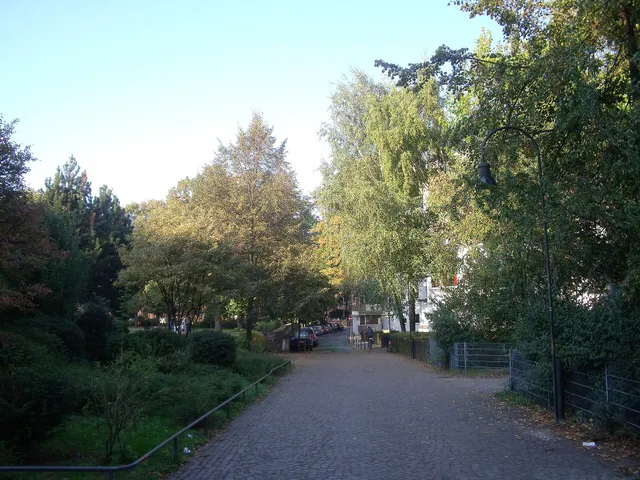
Buschgasse Water Playground
Public playground with a water-play feature in Cologne-Altstadt-Süd – a cool-down for children on hot summer days.
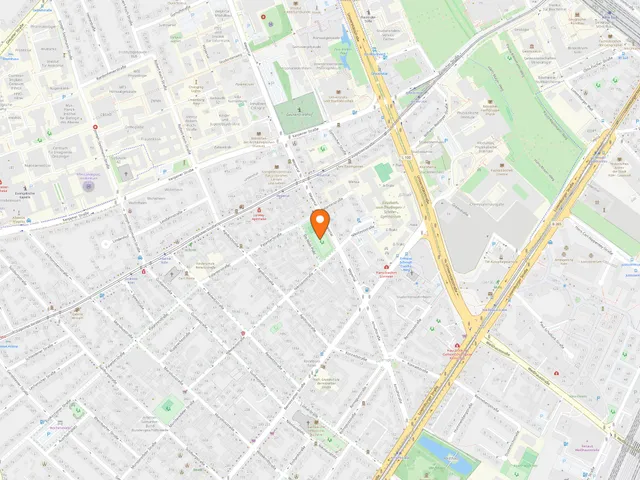
De-Noel-Platz Water Playground
Public playground with a water-play feature in Cologne-Sülz – a cool-down for children on hot summer days.
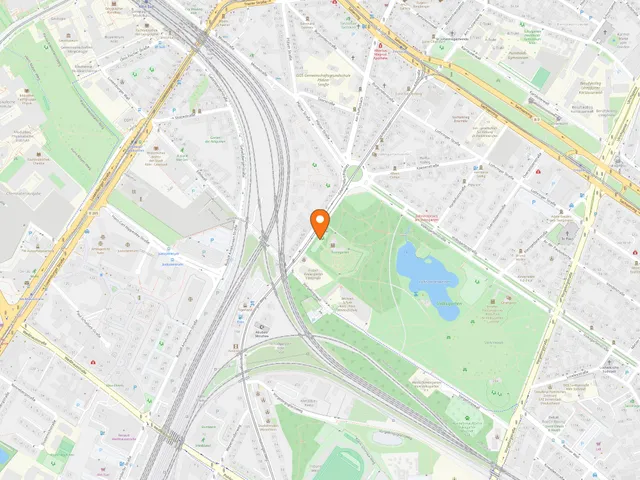
Eifelstraße Water Playground
Public playground with a water-play feature in Cologne-Neustadt-Süd – a cool-down for children on hot summer days.
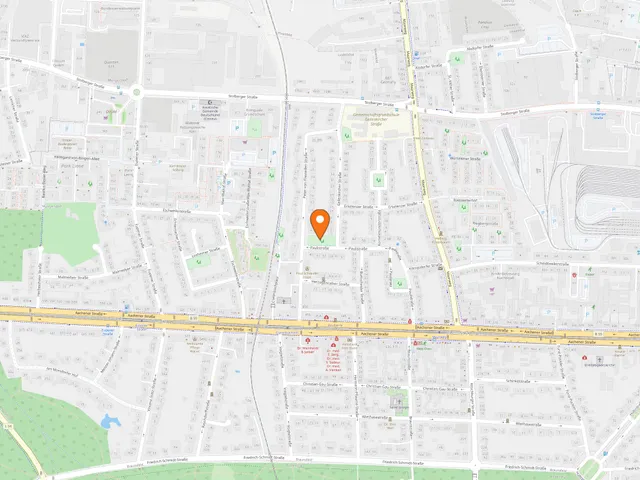
Geilenkircher Straße Water Playground
Public playground with a water-play feature in Cologne-Braunsfeld – a cool-down for children on hot summer days.
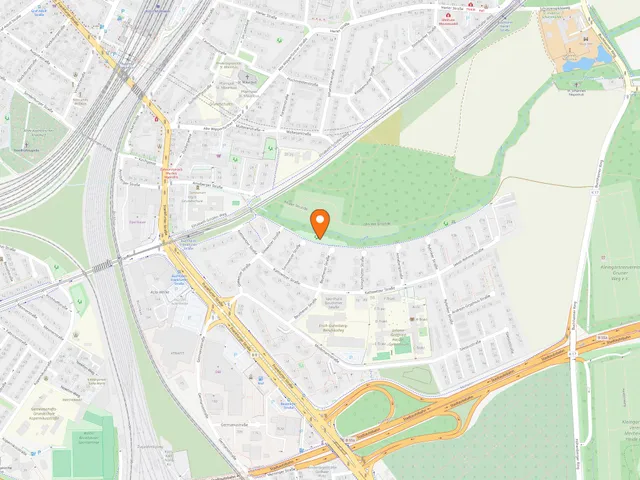
Kattowitzer Straße Water Playground
Public playground with a water-play feature in Cologne-Buchheim – a cool-down for children on hot summer days.
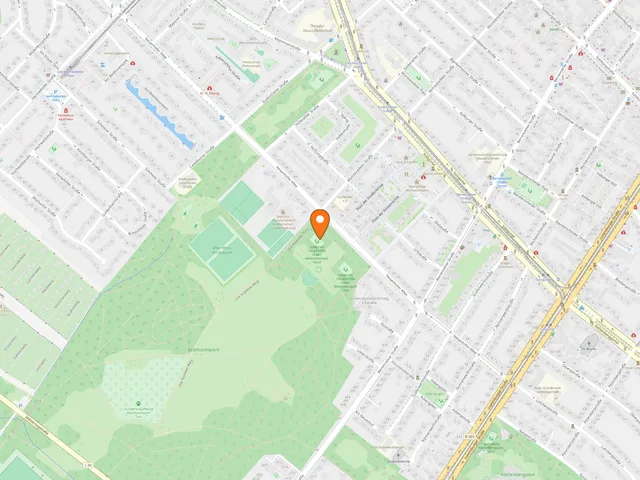
Neuenhöfer Allee Water Playground
Public playground with a water-play feature in Cologne-Sülz – a cool-down for children on hot summer days.
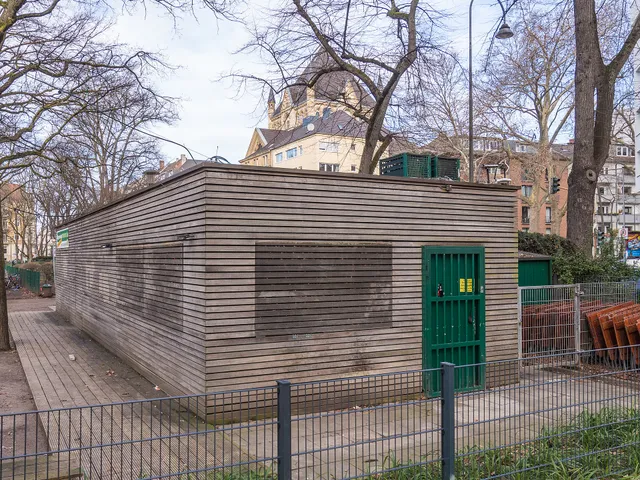
Rathenauplatz Süd Water Playground
Public playground with a water-play feature in Cologne-Neustadt-Süd – a cool-down for children on hot summer days.
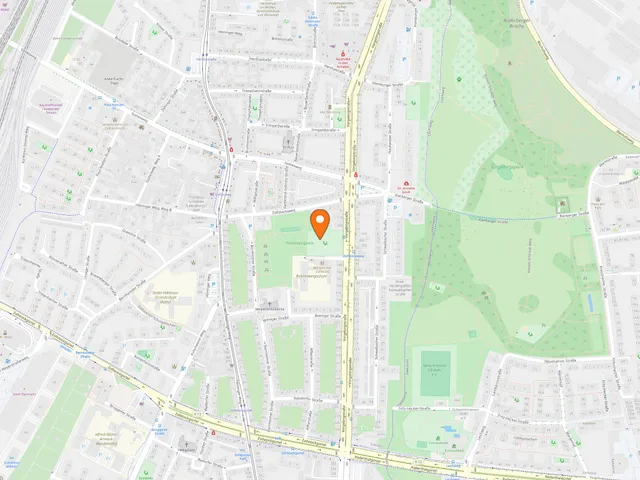
Rosenzweigweg Water Playground
Public playground with a water-play feature in Cologne-Zollstock – a cool-down for children on hot summer days.
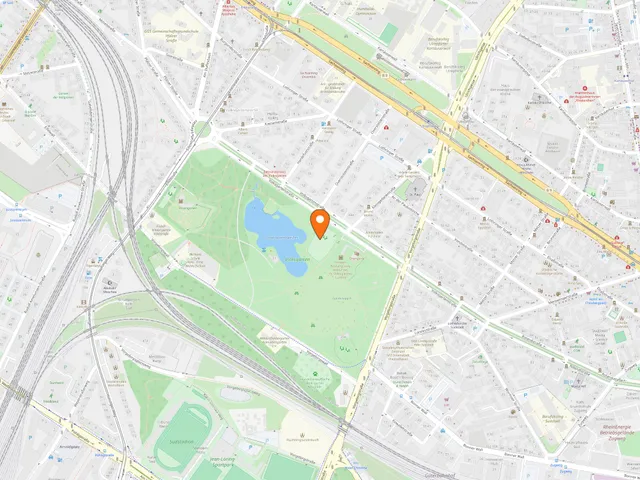
Volksgartenstraße Water Playground
Public playground with a water-play feature in Cologne-Neustadt-Süd – a cool-down for children on hot summer days.
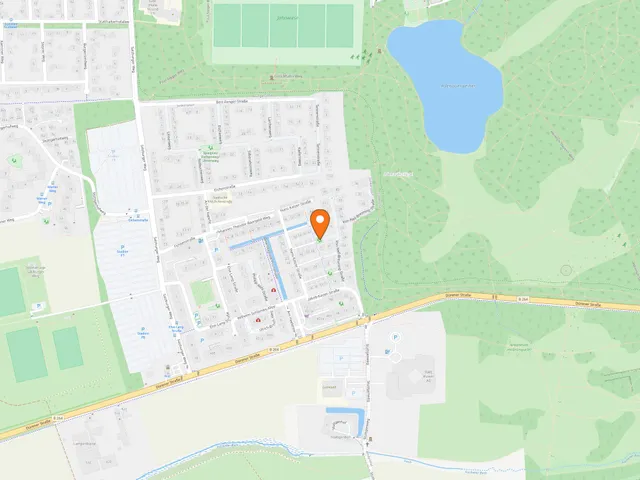
Von-Nell-Breuning-Straße Water Playground
Public playground with a water-play feature in Cologne-Junkersdorf – a cool-down for children on hot summer days.
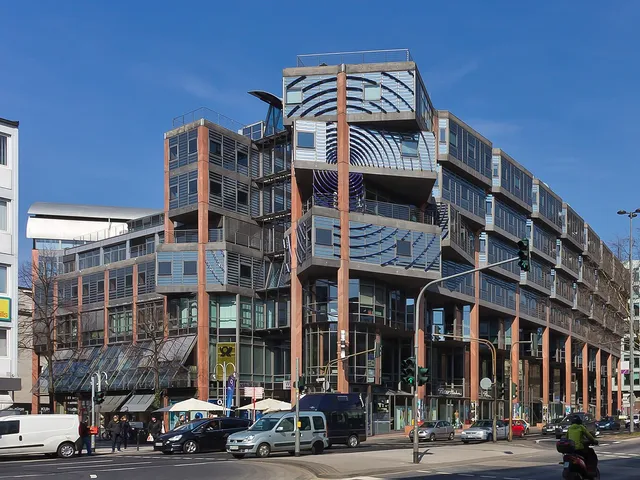
WDR Arkaden
WDR building with an arcade-like façade by Gottfried Böhm — famous for live broadcasts of Cologne's Weiberfastnacht carnival kickoff.
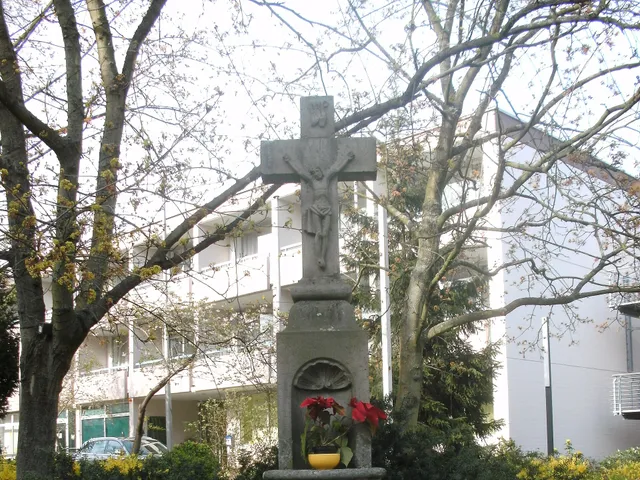
Wegekreuk Dellbrücker Hauptstraße
A small 1762 monument in Cologne-Dellbrück, erected for a bachelor shot dead during the Seven Years' War.
Weiberfastnacht
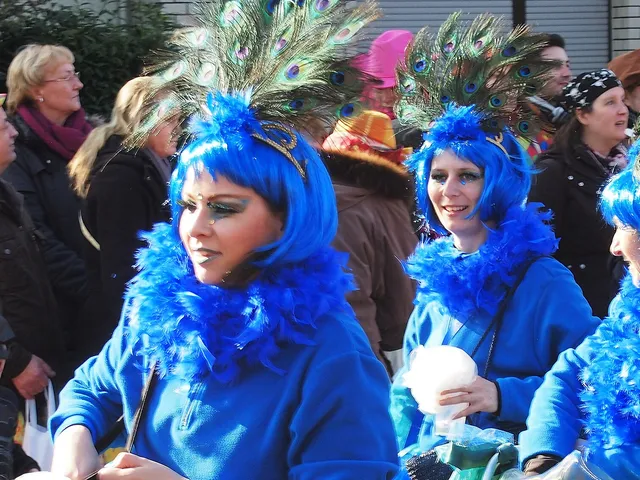
On the Thursday before Ash Wednesday, women seize power for a day — the Rhineland's exuberant unofficial kickoff to street carnival season.
Wiener Platz
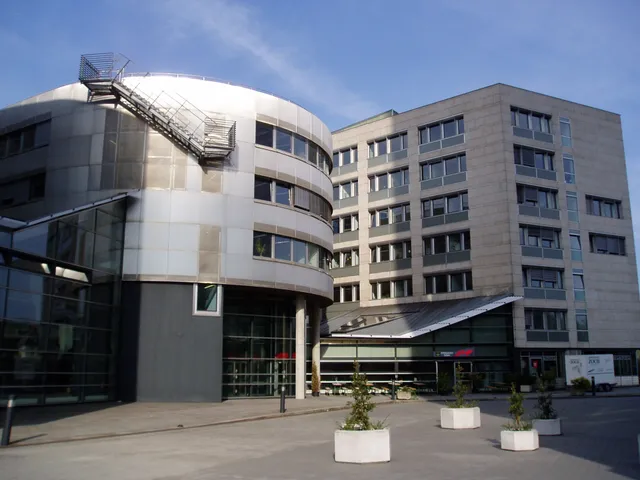
Central square and transport hub in Cologne's Mülheim district — a pedestrian zone with the district town hall, weekly market, and the 57-metre Bull high-rise.