Walking
66 places in Cologne
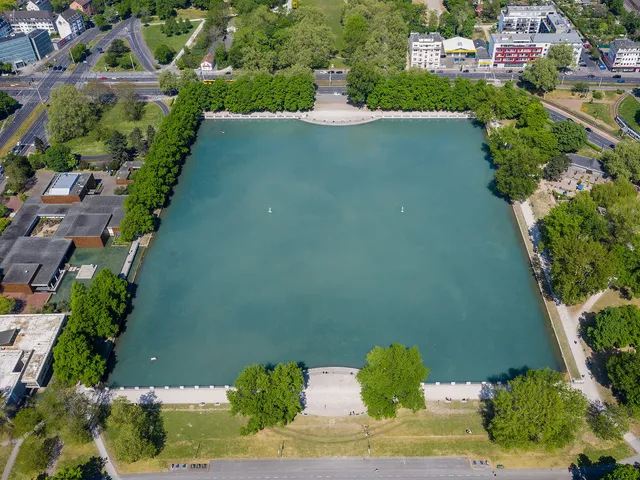
Aachener Weiher
A 1920s artificial lake in Cologne's Inner Green Belt, framed by a beer garden, East Asian art, and the Hiroshima-Nagasaki Park.
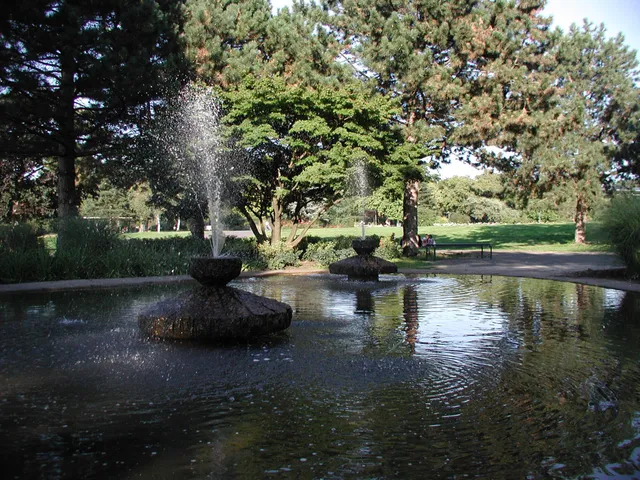
Adenauerteich
since 1957A kidney-shaped fountain pond in the Rheinpark, created in 1957 for the Federal Garden Show – named after rose breeder Konrad Adenauer, with crown fountains and water jets.
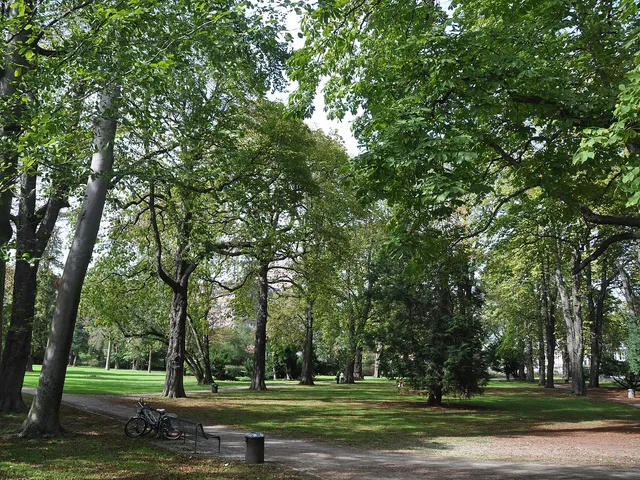
Alter Deutzer Friedhof
A former municipal cemetery turned listed park in Deutz, home to a sandstone crucifixion group from 1849 and a rare Reform-style enclosure from 1913/14.
Beethovenpark
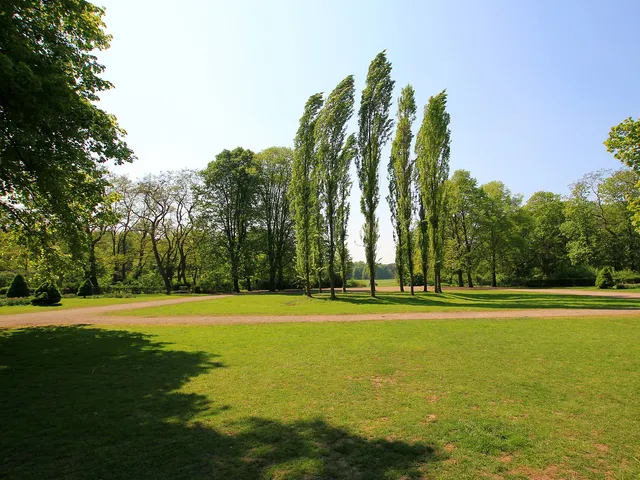
Natural landscape park in Sülz with a wide open meadow, playgrounds and a barbecue area — laid out in the 1920s as part of Cologne's Outer Green Belt.
Blücherpark
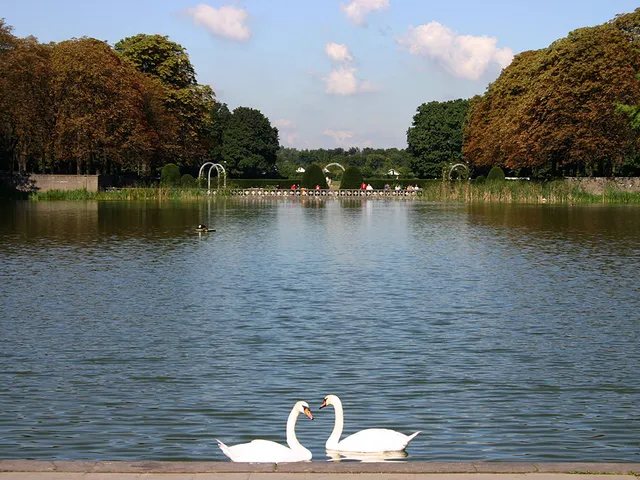
Strictly geometric people's park from 1911–1913 with a rectangular pond, rowing boats, and a boathouse terrace.
Butzbach
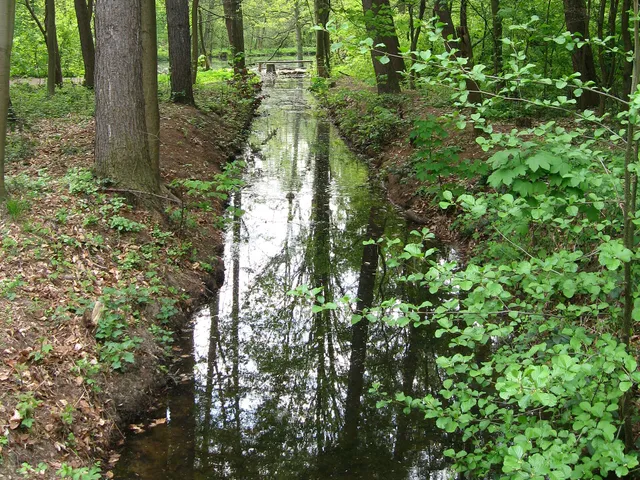
A roughly 5.8 km sandy stream that rises in the Wahner Heide and seeps away in the Grengel Bieselwald – part of a protected landscape area in southern Cologne.
Christi Auferstehung (Lindenthal)
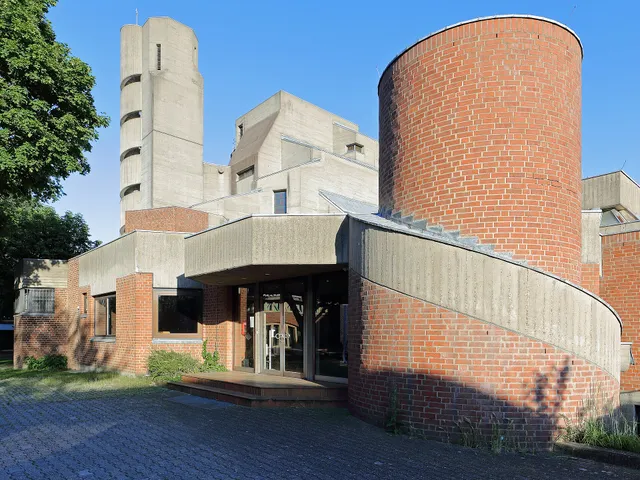
since 1968Sculptural concrete church by Gottfried Böhm at the head of the Lindenthal Canal – with a cave-like interior of branching pillars.
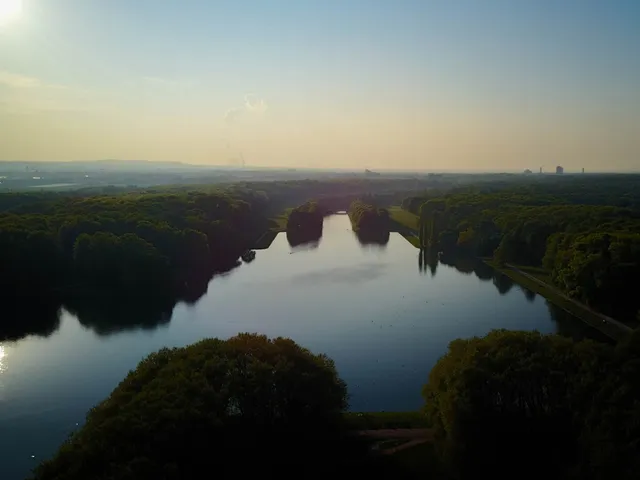
Decksteiner Weiher
since 1929Artificial rowing lake in Cologne's Outer Green Belt — 5.8 km loop trail, boat hire, and a goshawk breeding site on its island since 1987.
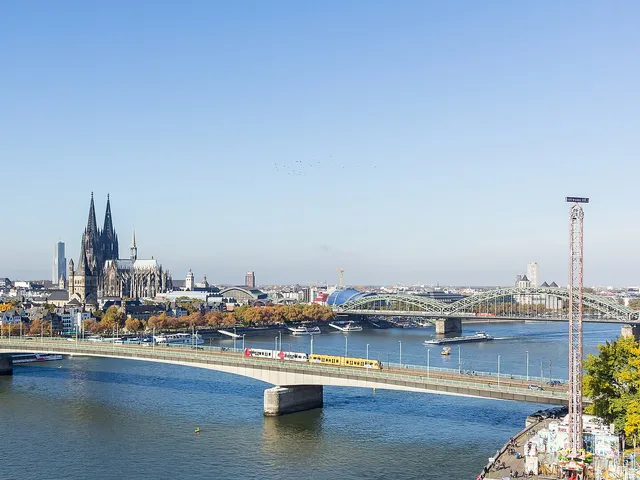
Deutz Bridge
The world's first steel box girder bridge (1947/48) – linking Heumarkt with Deutz; the Roman bridge once stood a few metres further north.
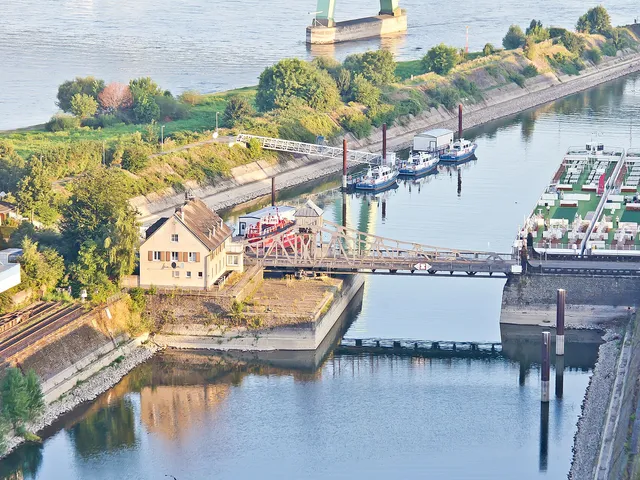
Deutzer Drehbrücke
since 1908Rotating steel bridge from 1908 over Deutz Harbour — one of two Cologne swing bridges, a listed technical monument with its original control house intact.
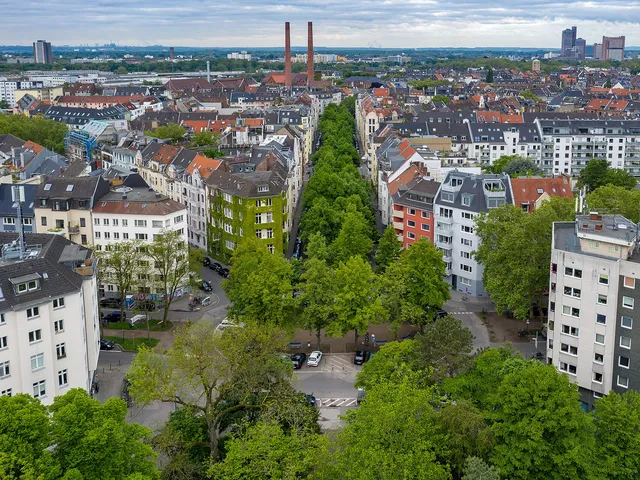
Eierplätzchen
A small oval square in Cologne's Südstadt where six streets meet like spokes — named not by city hall, but by the locals themselves.
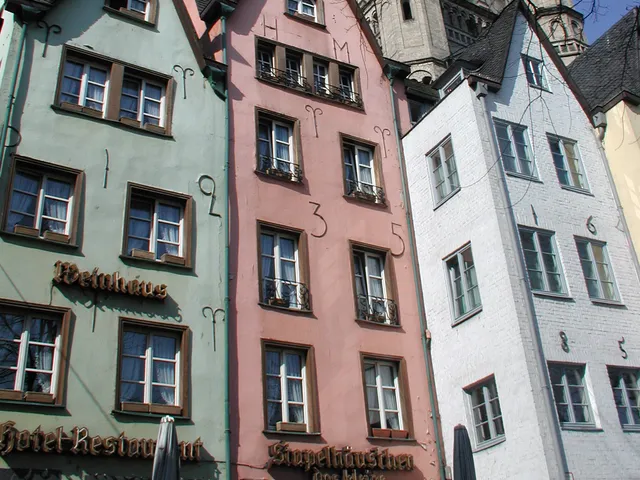
Fischmarkt
Historic square on the Rhine riverfront in Cologne's Altstadt — for centuries the heart of the city's fish trade, first recorded as "forum piscium" in the 12th century.
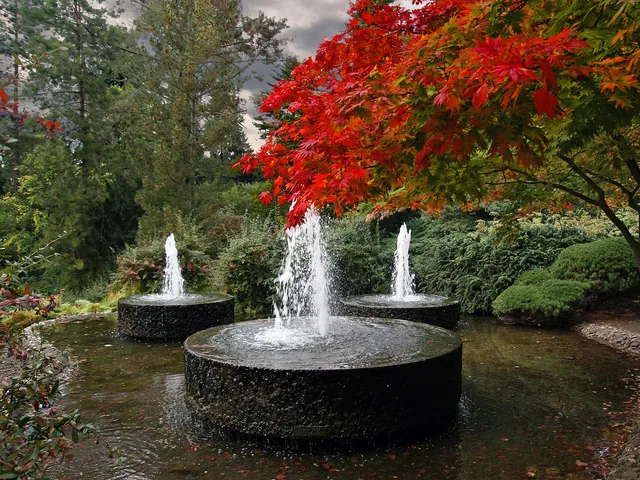
Forstbotanischer Garten Köln
Botanical garden in Cologne's south showcasing trees and shrubs from around the world — from a rhododendron ravine and Japanese garden to North American giant sequoias.
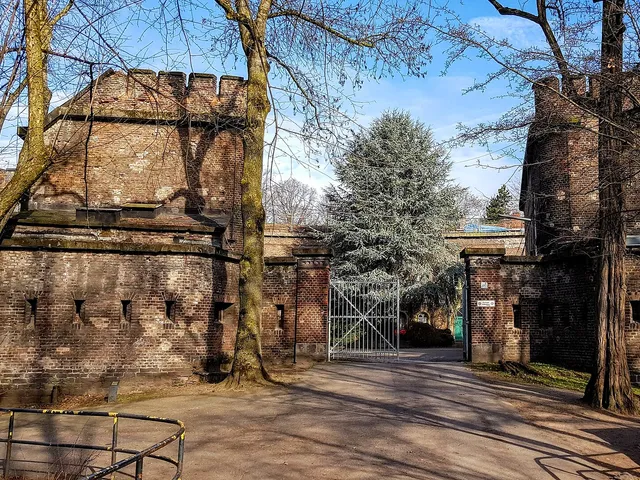
Fort X of the Cologne Fortification Ring
since 1819The best-preserved Prussian fort of Cologne's inner defensive ring — now a 'green fort' with a rose garden set within a generous parkland in Neustadt-Nord.
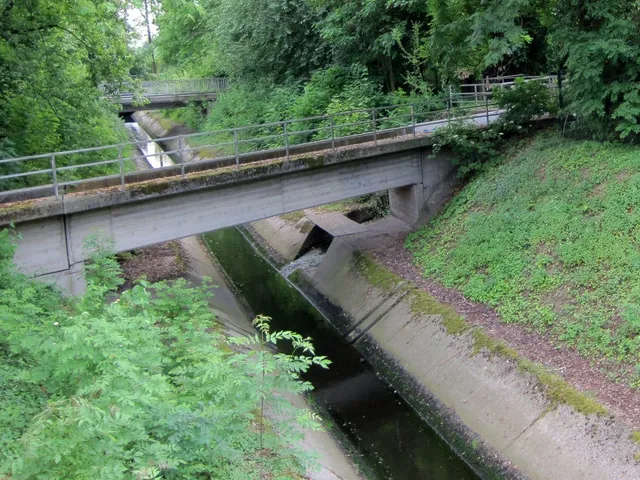
Frechener Bach
A small stream that begins at the Frechen sewage works and, after 4.6 km, seeps away in Cologne's green belt near the Militärring – restored on Cologne territory.
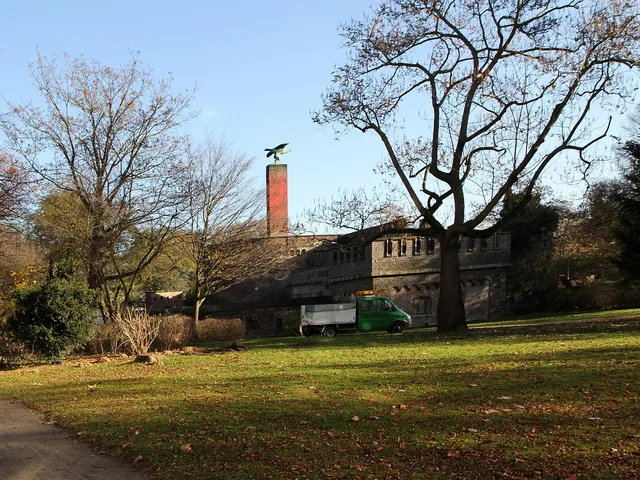
Friedenspark
Cologne city park on the grounds of former Fort I — featuring ivy-covered fortress walls, a rose garden, and a WWI monument with an eagle cast from cannons.
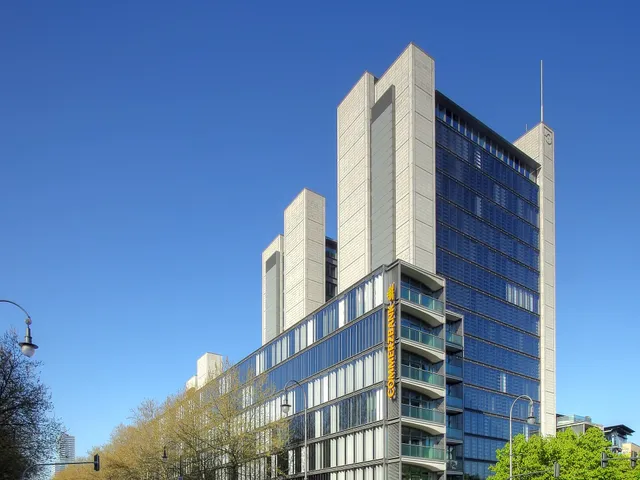
Friesenplatz
Square on Cologne's ring boulevards at the start of Venloer Straße — gateway to the Belgian Quarter and once the haunt of Cologne's underworld.
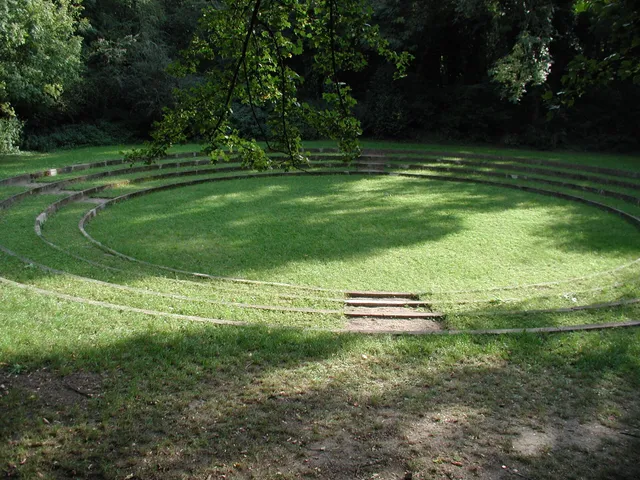
Volkspark Raderthal
Laid out by Fritz Encke from 1922, this listed park features a natural theatre, reading garden and dance lawn — a landmark of social green space in Cologne's south.
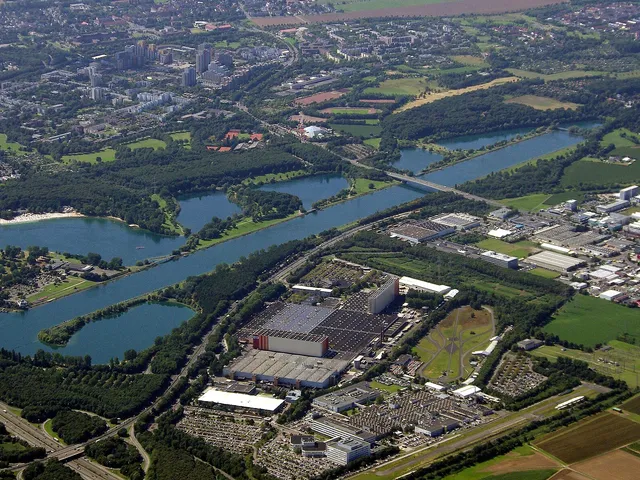
Fühlinger See
Former gravel pits turned into a 100-hectare lake in northern Cologne, home to a 2,300 m regatta course that hosted the 1998 Rowing World Championships.
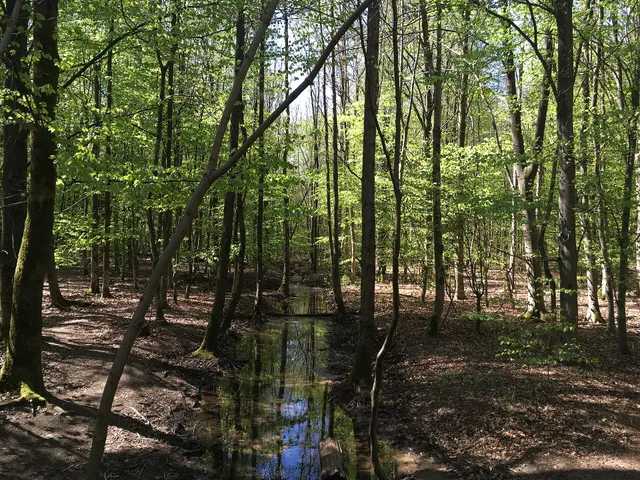
Giesbach
A roughly 8.3 km stream that rises in the Königsforst and finally splits into two arms that seep away in ponds – with a water-treading station at a tri-city point.
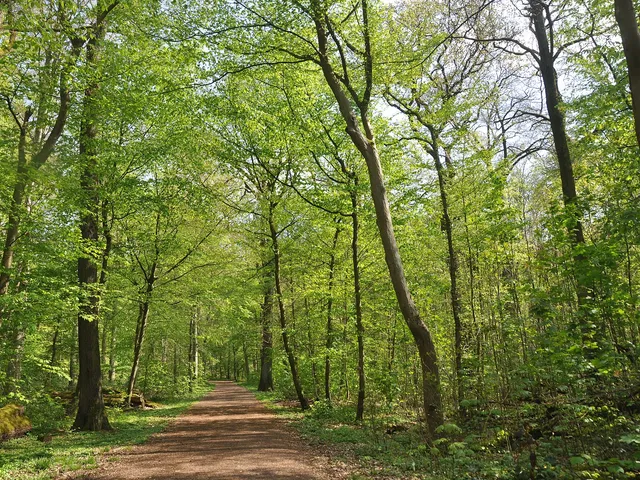
Gremberger Wäldchen
Urban woodland in Cologne-Humboldt, home to what is believed to be the city's oldest tree — a copper beech dating back to the early 18th century.
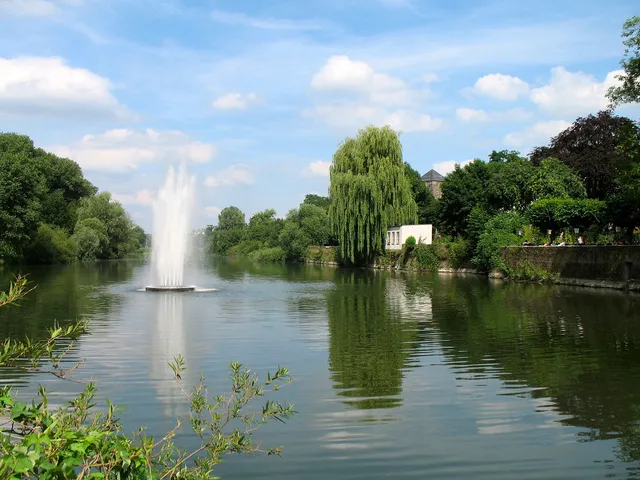
Groov
Former Rhine island in Cologne-Zündorf, transformed between 1974 and 1978 into a leisure area with a marina, swimming facilities, and green spaces along the river.
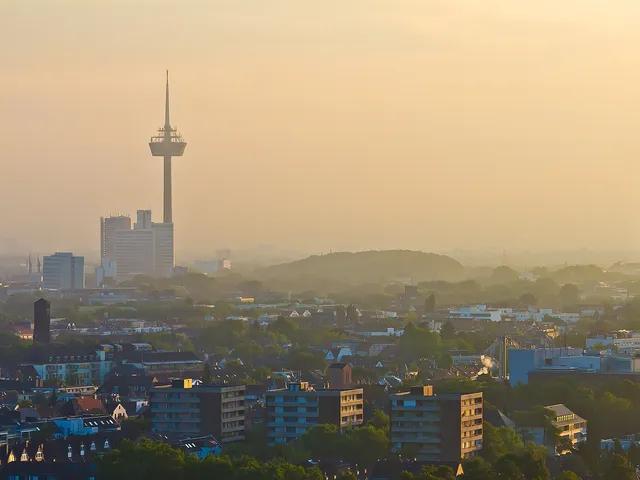
Herkulesberg
The "Mont Klamott" is Cologne's largest rubble hill – a wooded lookout mound and popular local recreation area in Neustadt-Nord.
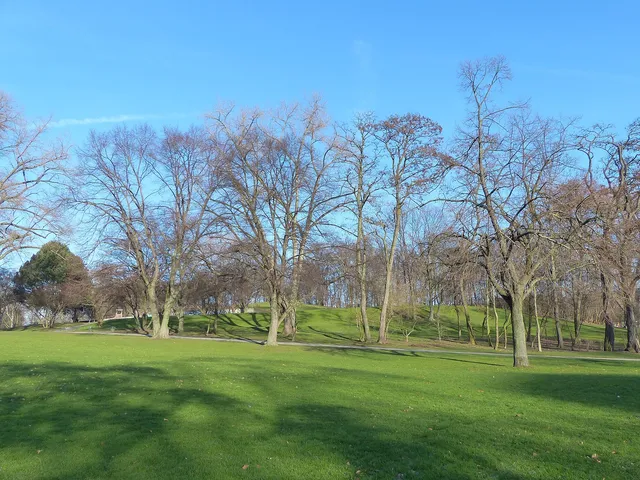
Hiroshima-Nagasaki-Park
since 2004Memorial park in Cologne's Inner Green Belt commemorating the victims of the atomic bombings of Hiroshima and Nagasaki, with a monument featuring an origami crane.
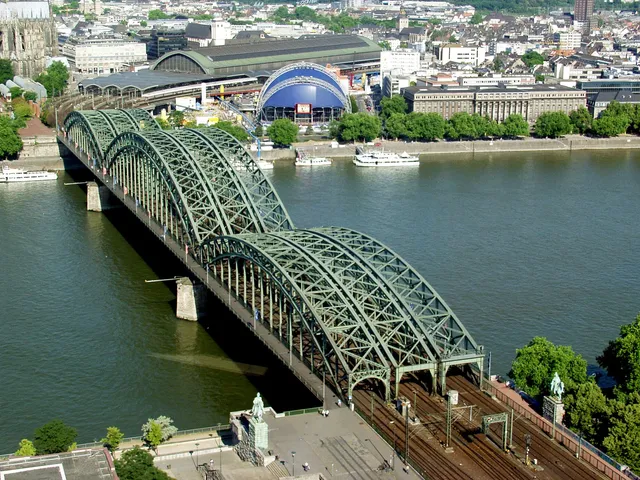
Hohenzollernbrücke
since 1911Germany's busiest railway bridge spanning the Rhine — a defining feature of Cologne's skyline alongside the Cathedral, and famous for thousands of love locks.
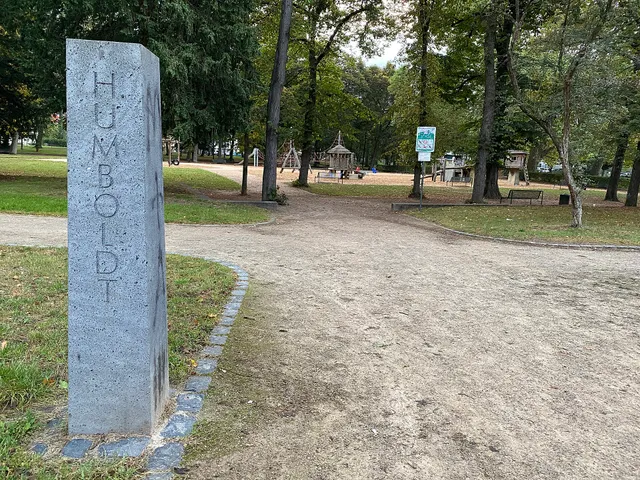
Humboldtpark
A listed 2.2-hectare park designed by Fritz Encke in 1913/14 — one of the few inner-city green spaces in the Kalk district of Cologne.
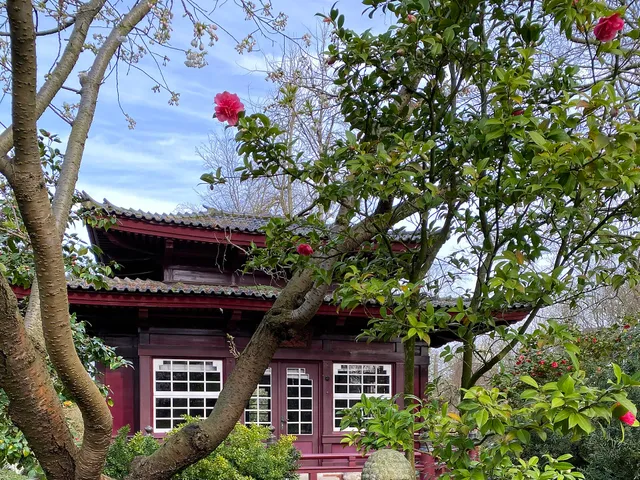
Japanese Garden (Leverkusen)
A serene Japanese garden with koi ponds and a replica of Nikkō's iconic Mikado Bridge, nestled in the Carl Duisberg Park since 1912.
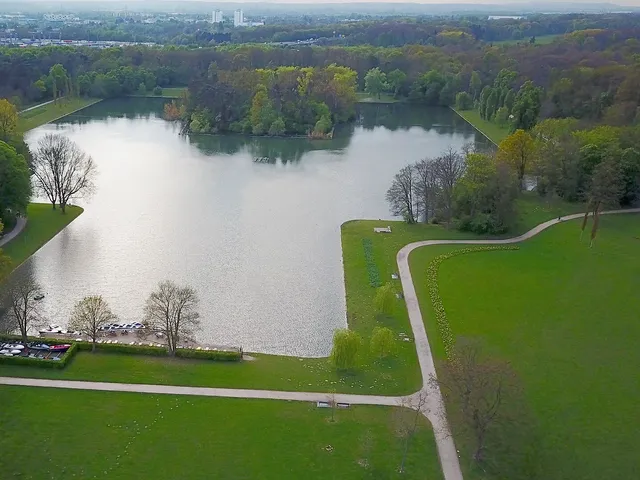
Kalscheurer Weiher
A man-made rectangular lake in Cologne's Outer Green Belt — with its own island, beer garden, and boat hire on the western shore.
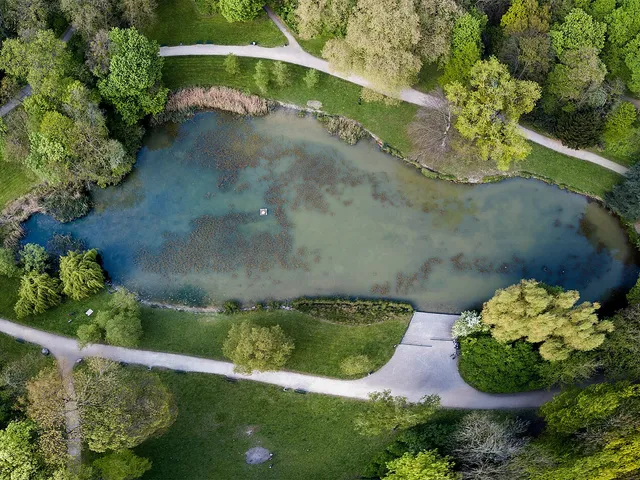
Klettenbergpark
A hilltop park in a former gravel pit, deliberately shaped as a nature garden — combining heathland, a lake, quarries and a rose garden in Cologne's Klettenberg.
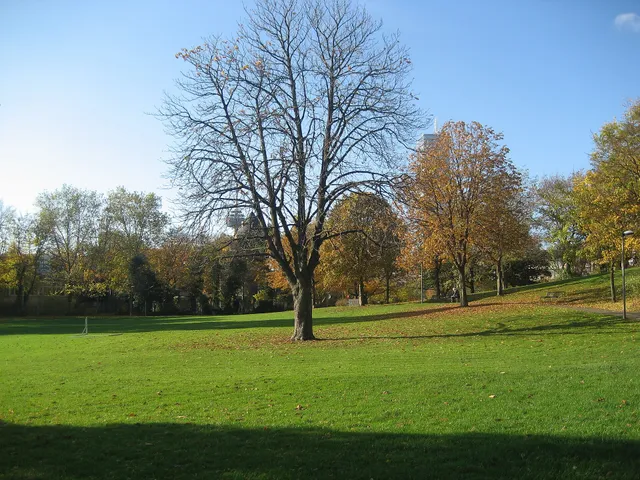
Klingelpützpark
Park on the site of the demolished Klingelpütz prison — with a memorial stone honouring more than 1,000 victims of Nazi-era justice.
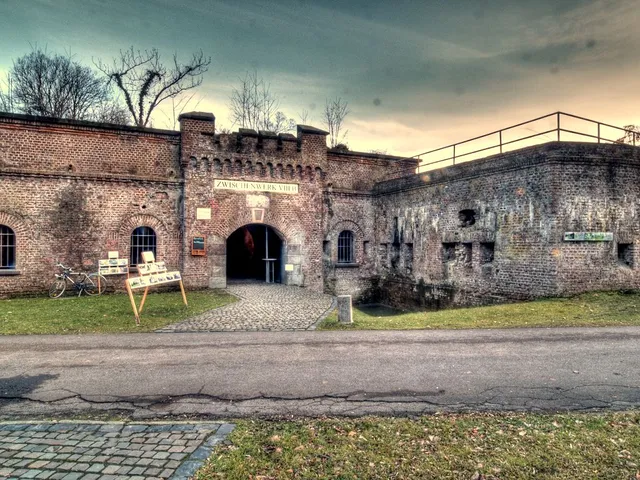
Kölner Festungsmuseum
Volunteer-run museum in Prussian fortification VIII b — home to Germany's last surviving drawbridge, moat, and sculpture park in Marienburg.
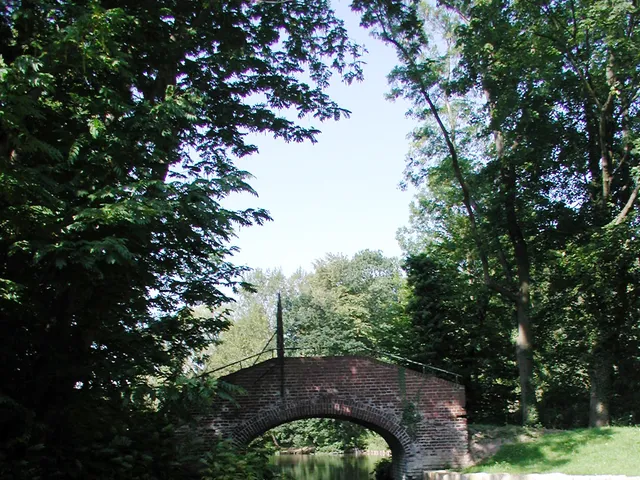
Kölner Stadtwald
Expansive forest park in the Lindenthal district, laid out from 1895 to plans by Adolf Kowallek — with ponds, a wildlife enclosure and petting zoo.
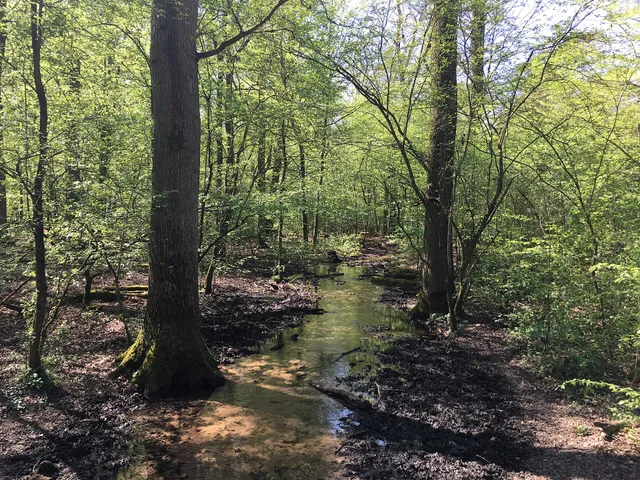
Kurtenwaldbach
A stream from the Bergisches Land that winds through the Wahner Heide and ends by seeping into a pond at Gut Leidenhausen — never reaching a river.
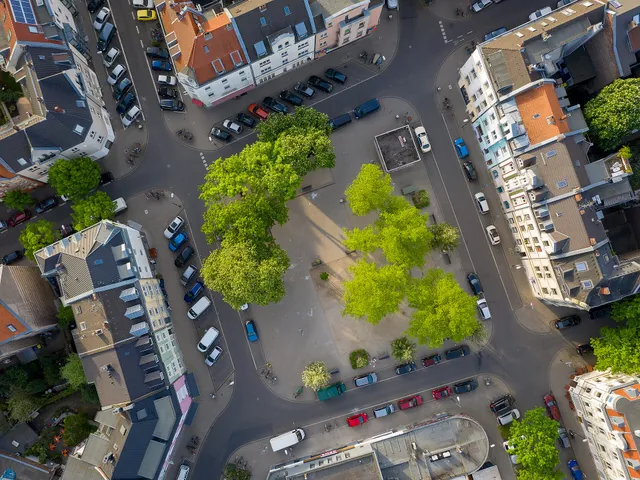
Lenauplatz
Neighbourhood square in Neuehrenfeld with the Max-and-Moritz Fountain — lined with lime trees and framed by Gründerzeit townhouses.
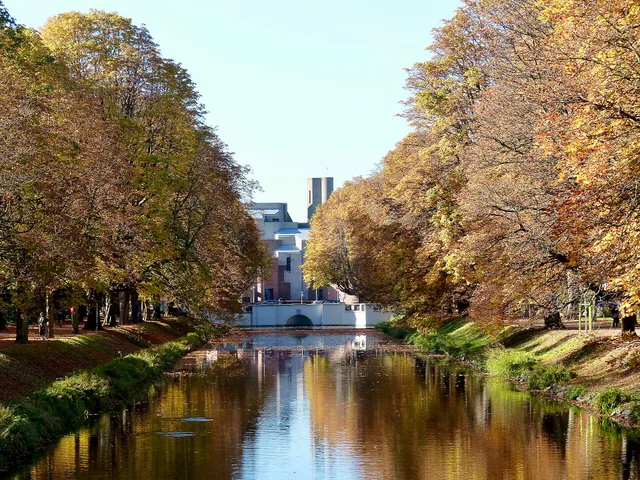
Lindenthaler Kanal
Radial water and green corridor in Lindenthal's green belt, best known for its chestnut avenue, maple-lined canal, and the shell limestone sculptures Centaur and Naiad.
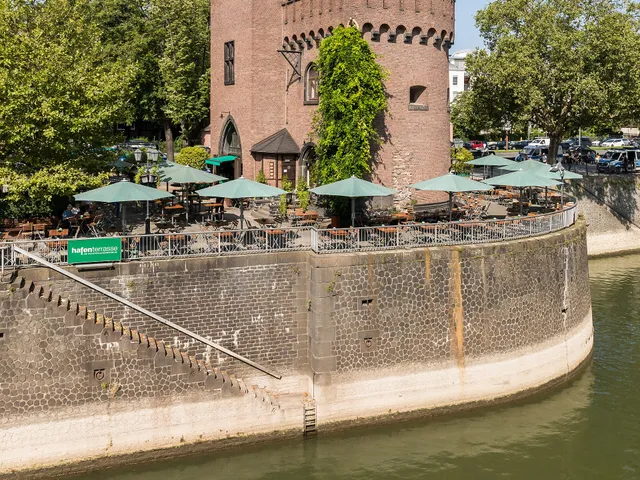
Malakoffturm
since 1855Brick gatehouse of Prussian Rhine fortifications at Rheinauhafen — now linked by a swing bridge to the Chocolate Museum across the water.
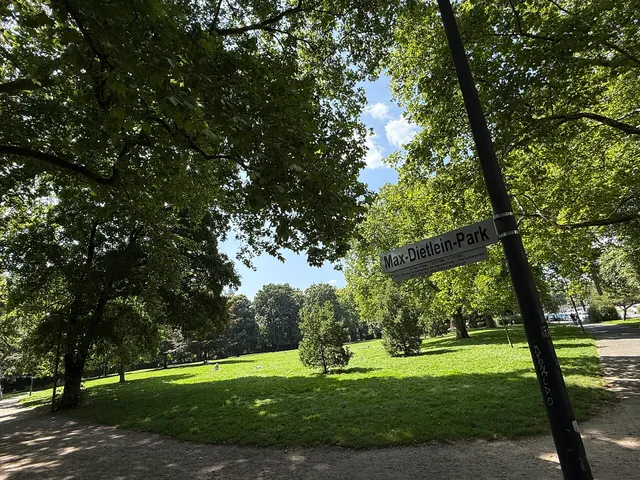
Max-Dietlein-Park
A roughly 2.2-hectare park in the Altstadt-Süd next to St. Pantaleon – with an oval lawn, a large playground and trees protected as natural monuments.
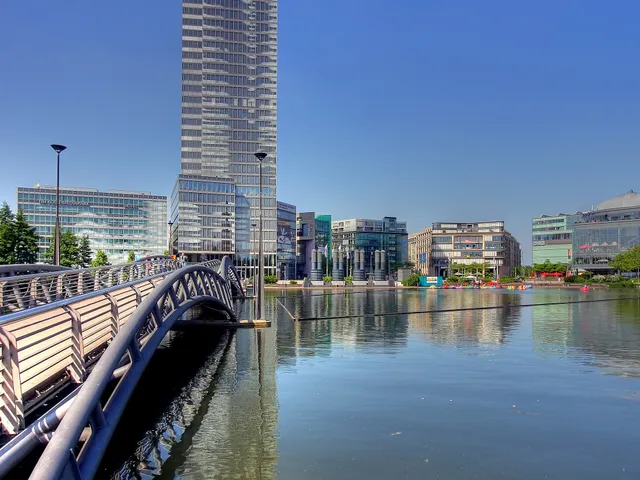
MediaPark
Car-free media business park on a former freight yard — built around a central square with an artificial lake, crowned by the soaring Kölnturm.
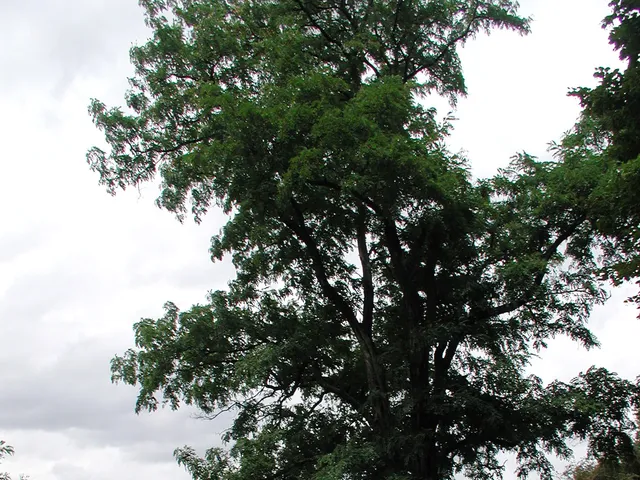
Merheimer Heide
A right-bank Cologne green space born from plans for the Outer Green Belt — meadows, woodland, and a variety of sports facilities.
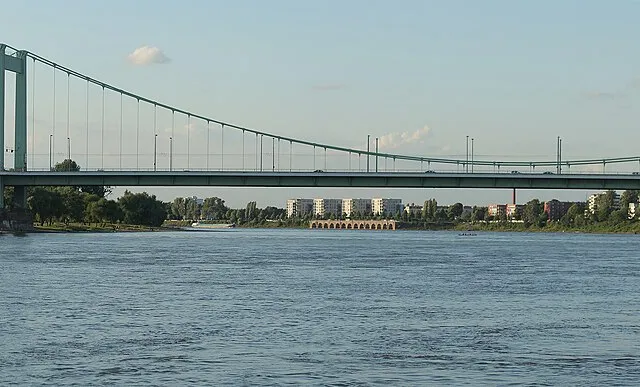
Mülheimer Brücke
since 1951Rhine suspension bridge between Mülheim and Riehl — the origin of Cologne's iconic bridge-green colour and Germany's first bridge with an orthotropic deck.
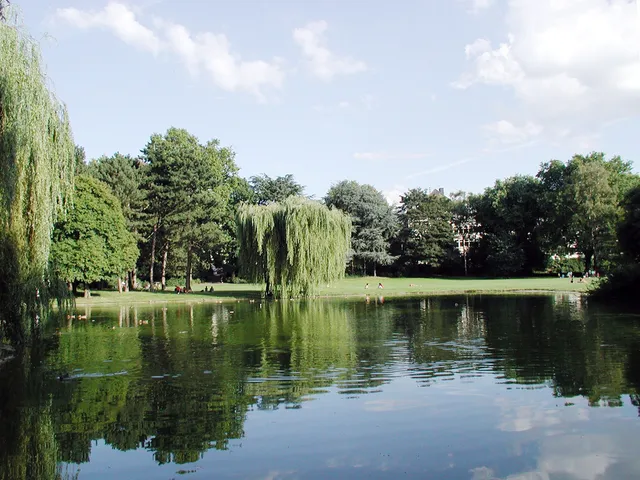
Mülheimer Stadtgarten
Historic public park in Cologne-Mülheim, established 1912/13 — featuring a lake, sweeping lawns, and the 1914 Fairy-Tale Fountain. Listed landmark.
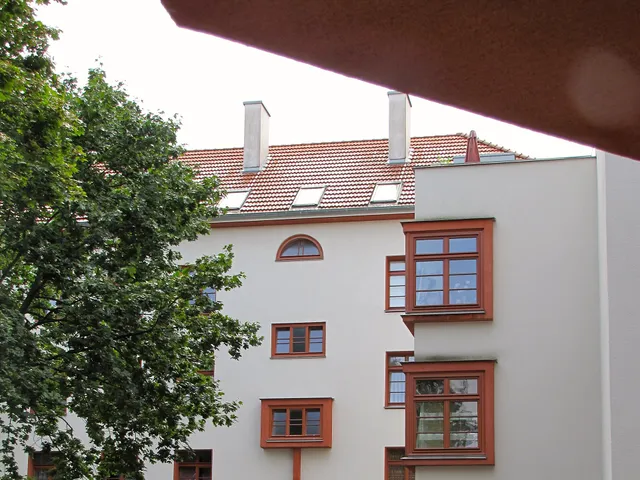
Naumannsiedlung Cologne
1920s social housing estate in Cologne-Riehl, famous for its loggia balconies and Neues Bauen design, built on a former brickworks site.
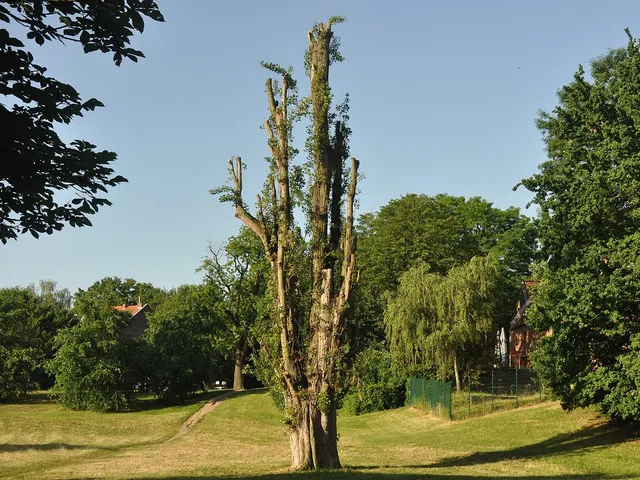
Nippeser Tälchen
A green space in an ancient Rhine-arm hollow in Nippes – with a wide meadow, playground, boules court and dog run, where a fish lake and a pleasure garden once lay.
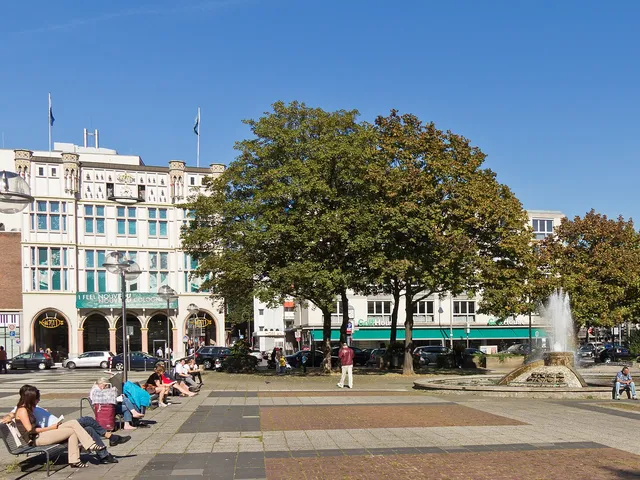
Offenbachplatz
The theatre square in Cologne's Altstadt-Nord, fronting the Opera House and Schauspielhaus, centred on the long-neglected Opernbrunnen by Jürgen Hans Grümmer.
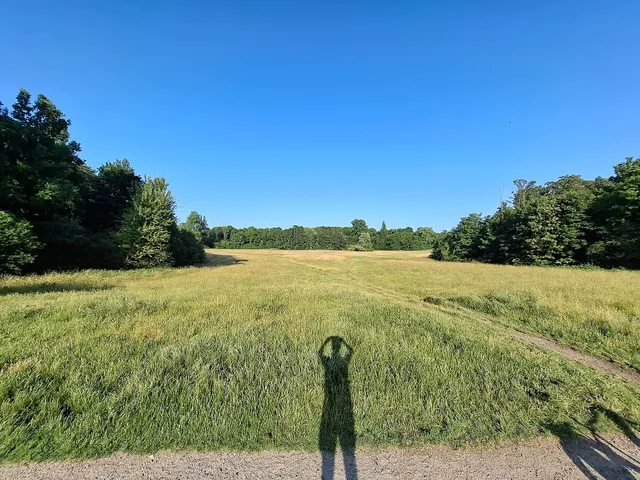
Parkweiher (Raderthal)
since 1928A circular artificial pond laid out between 1928 and 1932 in Cologne's Outer Green Belt in Raderthal, destroyed in World War II — today only a hollow remains as a ground monument.
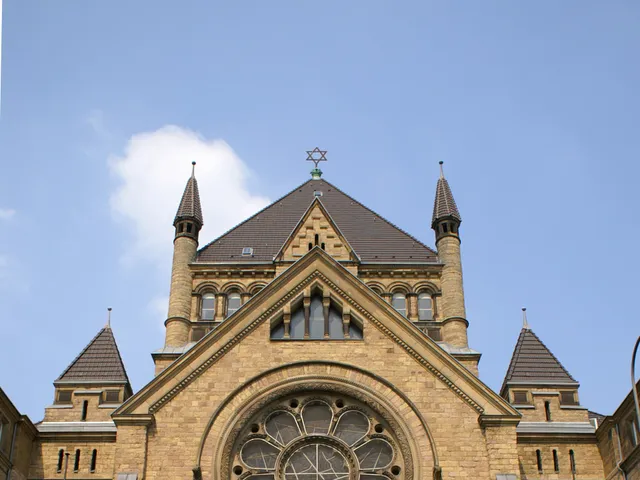
Rathenauplatz
Cologne's leafy Südstadt park with a plane-tree avenue, a popular beer garden, and a name that mirrors Germany's turbulent 20th century.
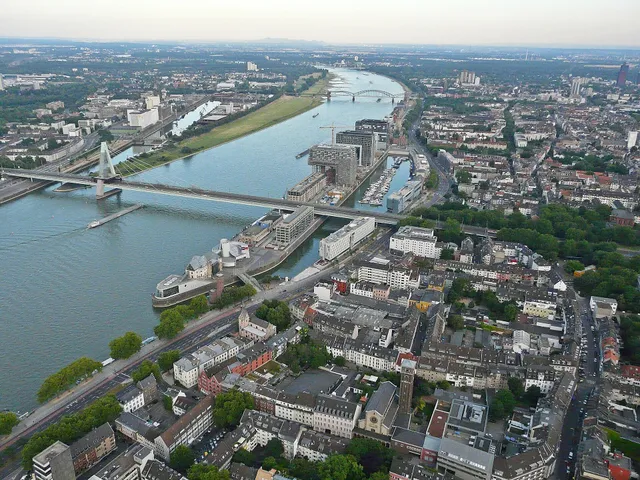
Rheinauhafen
Former Cologne harbour with the iconic Crane Houses – today a residential and commercial quarter on the 'Werthchen' peninsula in Altstadt-Süd.
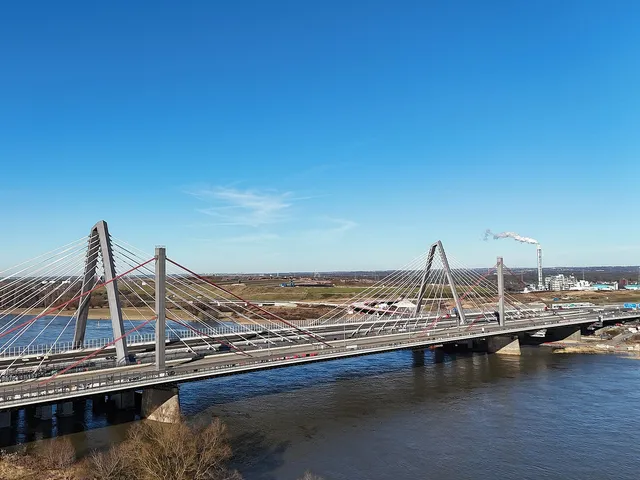
Leverkusen Rhine Bridge
since 1965Cable-stayed bridge carrying the A1 motorway across the Rhine at Leverkusen — replacing the demolished 1965 bridge that could no longer handle modern traffic.
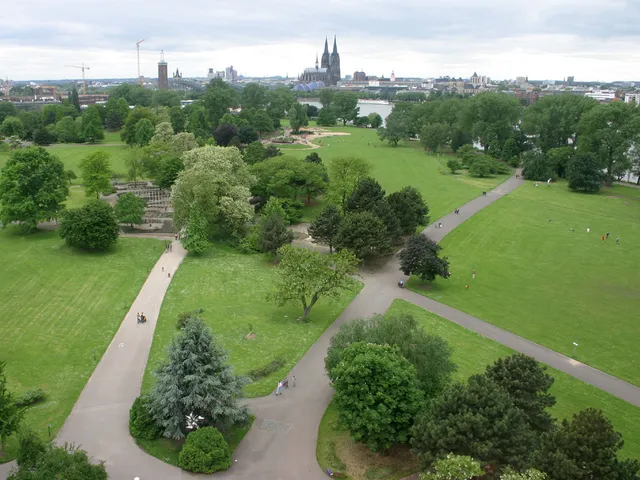
Rheinpark
Riverside landscape park on former Prussian fortress grounds — host of the 1914 Cologne Werkbund Exhibition, listed as a heritage monument since 1989.
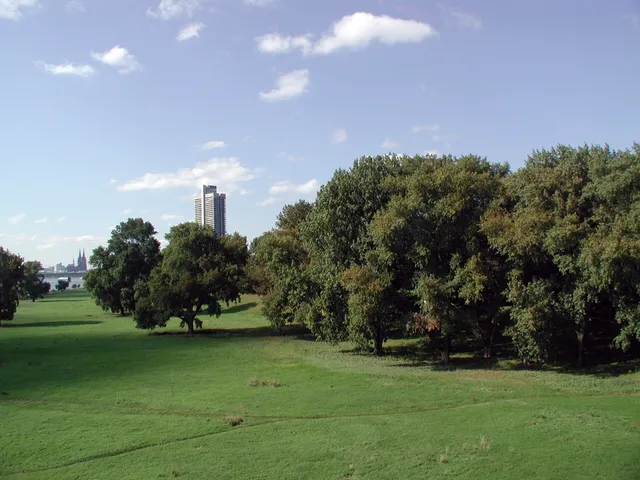
Riehler Aue
since 1971A roughly 27-hectare park on the western bank of the Rhine between the Zoobrücke and Mülheimer Brücke – part of the 1971 Federal Garden Show.
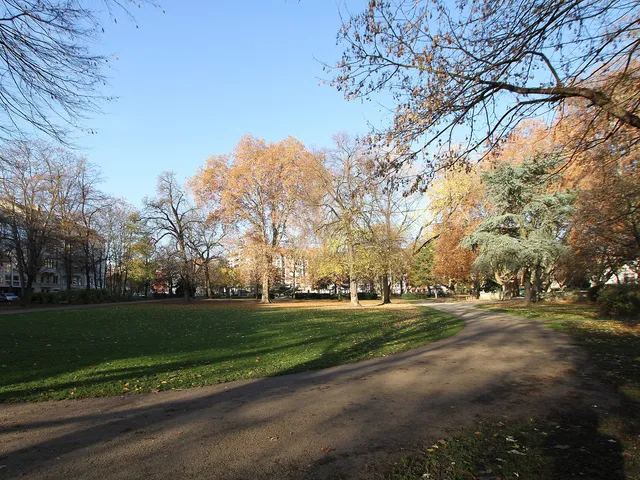
Römerpark
since 1898A heritage-listed city park in Neustadt-Süd, established in 1898 – once the "front garden" of the business college and the first seat of the University of Cologne.
Roncalliplatz
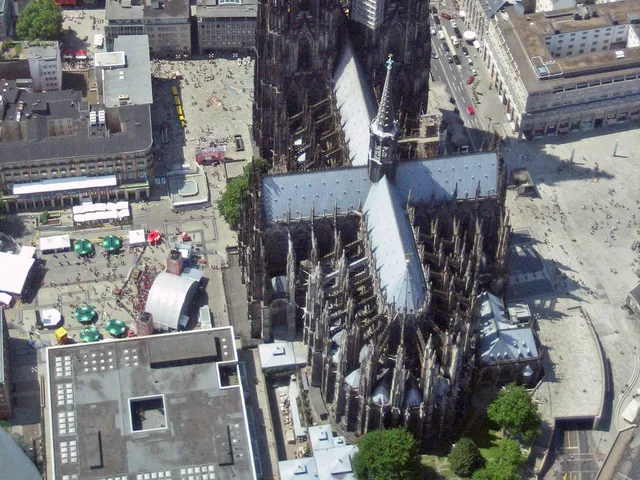
The square around Cologne Cathedral traces a dramatic transformation from a densely built medieval neighbourhood to an open national monument.
Rosengarten
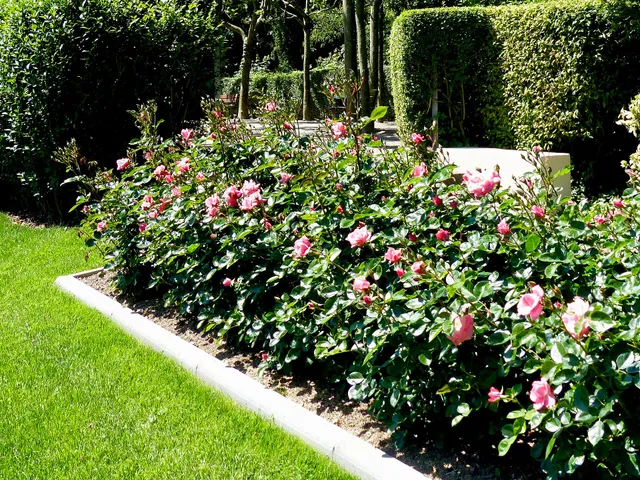
since 1919Symmetrical rose garden on the former Fort X, with over 70 rose varieties and a pergola-style pavilion at the heart of Hilde-Domin-Park.
Rosenzweigpark
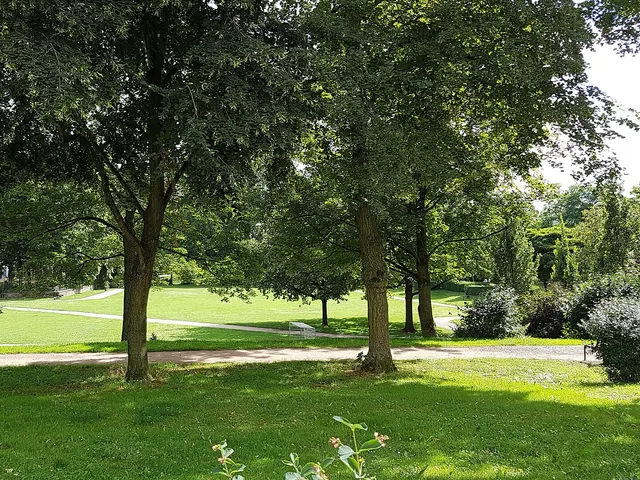
since 1929A heritage-listed park from 1928/29 in Zollstock, also called the "Schulpark" – with an elevated rose garden and wide lawns on a former gravel pit.
Schlosspark Stammheim
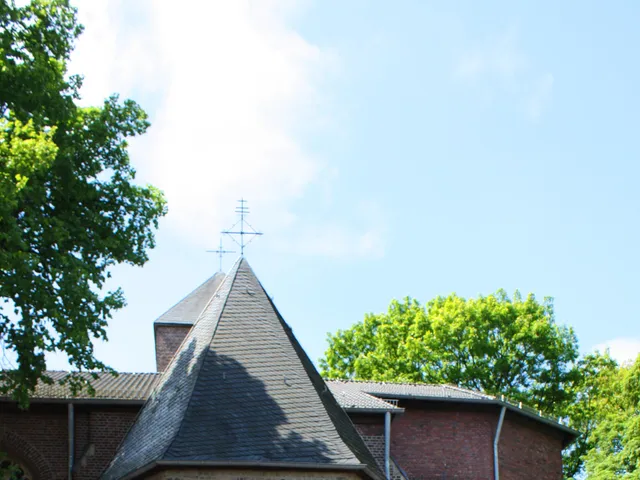
English-garden landscape park on the Rhine, laid out 1828–1832 by Maximilian Weyhe — today a public green space and, since 2002, a venue for contemporary art.
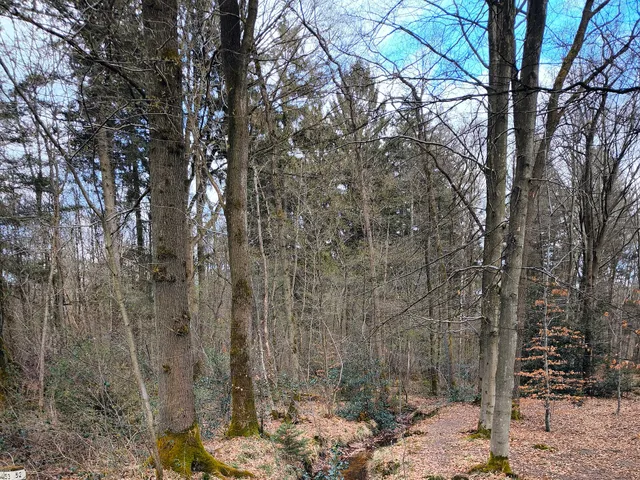
Selbach (Flehbach)
A stream running entirely through the Königsforst nature reserve, flowing roughly five kilometres before joining the Flehbach opposite the Erkermühle mill.
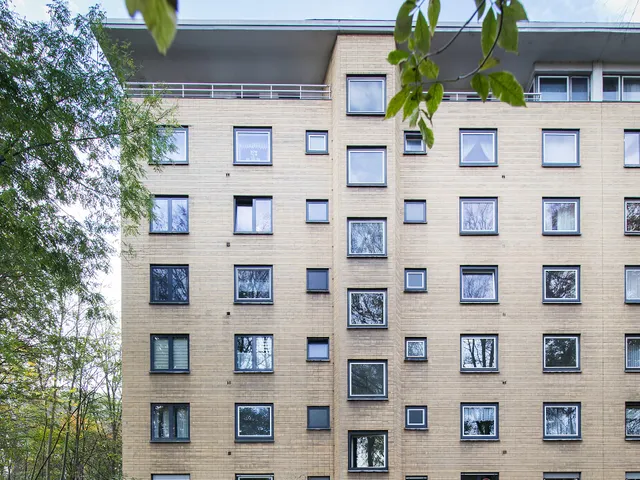
Siedlung Volkspark
Uniformly planned villa estate in Cologne's green belt, built 1949–1951 for occupying forces and protected as a whole since 1995.
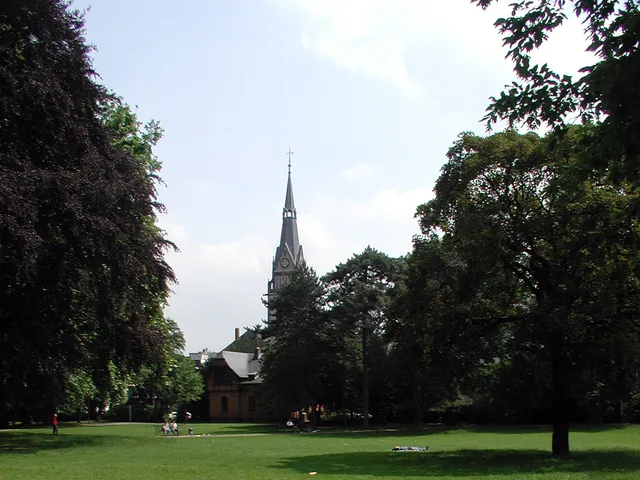
Stadtgarten
Cologne's first modern public park — and home to a renowned concert venue with a focus on jazz and over 400 events a year.
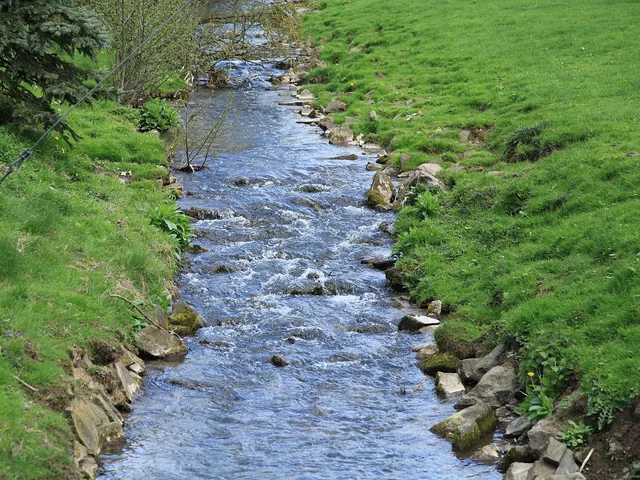
Strunde
Stream in the Bergisches Land that once powered the region's industry — today partly restored to daylight, partly still flowing through underground pipes.
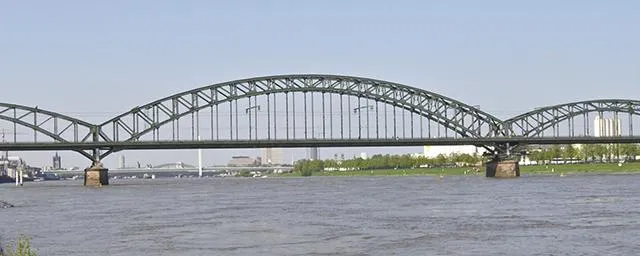
Südbrücke
since 1946Steel three-arch railway bridge from 1910 spanning the Rhine, primarily for freight traffic, with pedestrian and cycle paths; listed heritage structure.
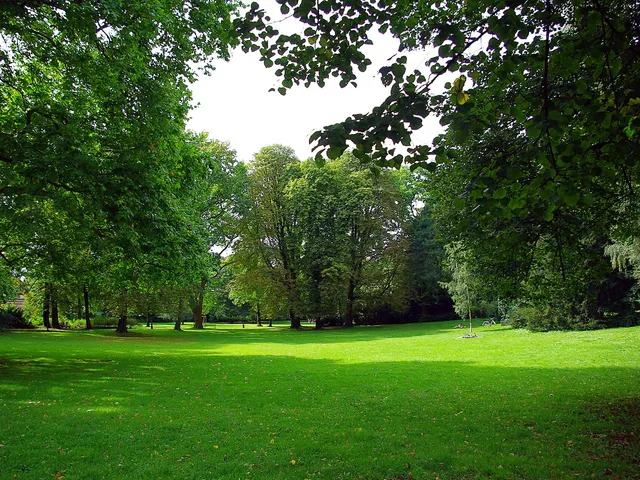
Südpark
Crescent-shaped park in Marienburg — one of Cologne's most distinctive green spaces, known for its pine grove and a bronze panther sculpture.
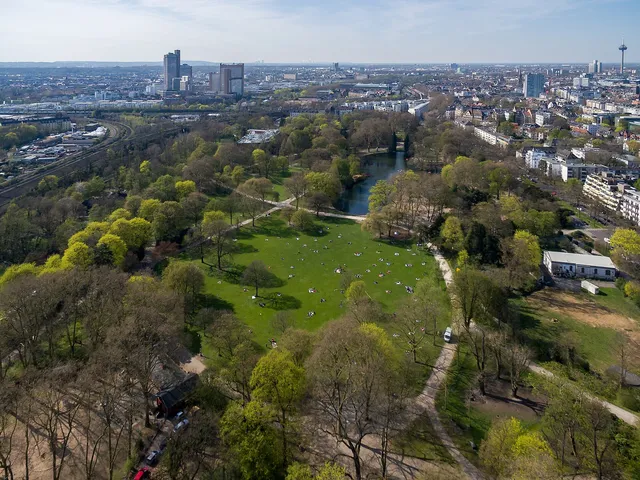
Volksgarten
13.9-hectare park in Cologne's Südstadt, built on a Prussian fort site, with a boating lake and preserved fortifications.
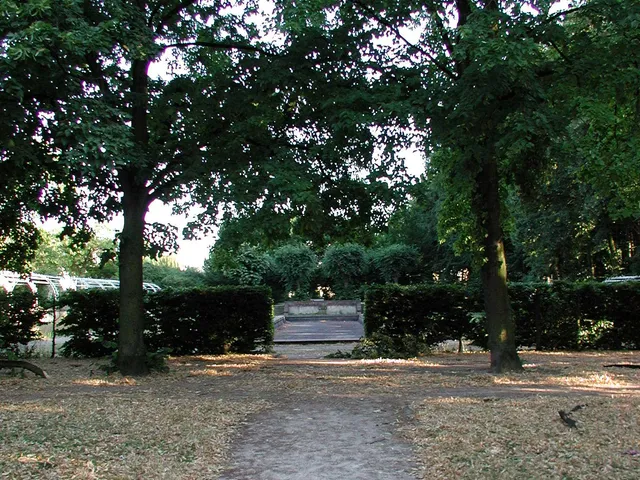
Vorgebirgspark
Rose garden with a long water-lily basin behind an old brick wall — Cologne's historic park designed by Fritz Encke (1910–1914).
Wallrafplatz
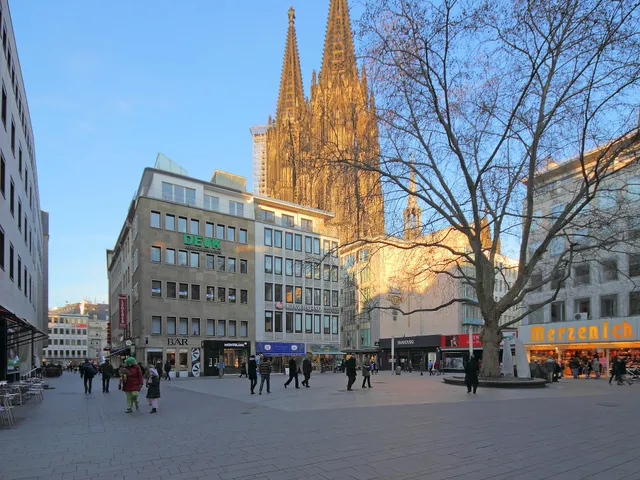
Historic square in Cologne's Altstadt-Nord between the Hohe Straße and the Cathedral, created around 1830 on the site of the demolished Dompropstei.
Westhovener Aue
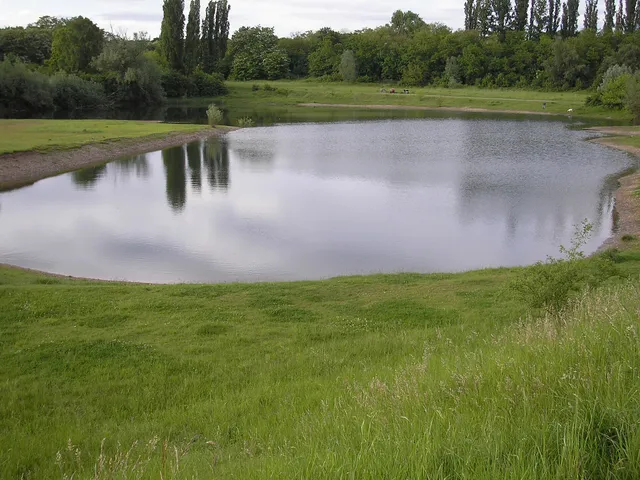
A roughly 0.7 km² recreation and nature area on the right bank of the Rhine in Westhoven – a restored former military site and flood-retention space.