By the Rhine
51 places in Cologne
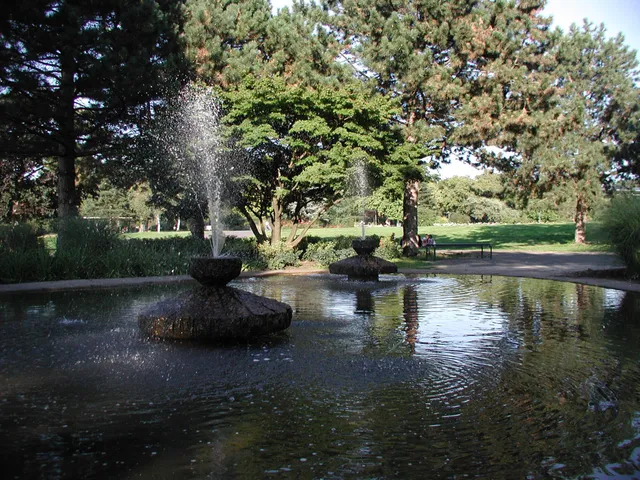
Adenauerteich
since 1957A kidney-shaped fountain pond in the Rheinpark, created in 1957 for the Federal Garden Show – named after rose breeder Konrad Adenauer, with crown fountains and water jets.
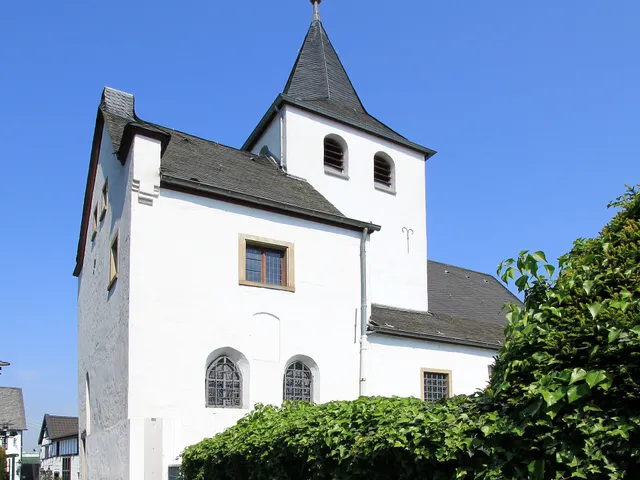
Alt St. Maternus
since 950Romanesque 'little chapel' on the Rhine — one of 13 small former village churches outside Cologne's medieval city walls.
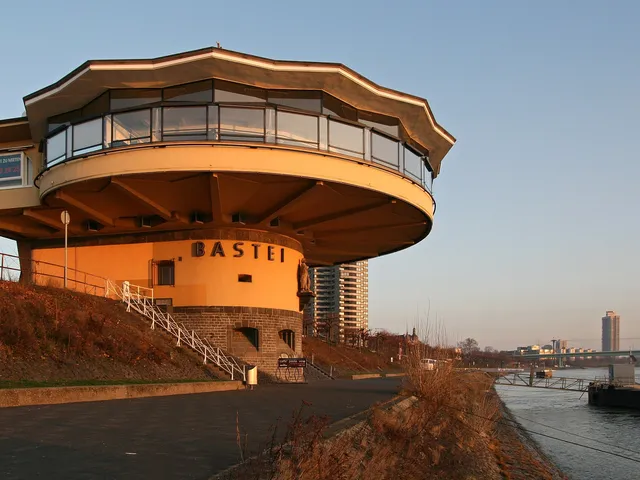
Bastei
since 1924Expressionist observation restaurant (1924) on a Prussian caponier — superstructure cantilevers 8 m beyond its footprint; closed since 2019.
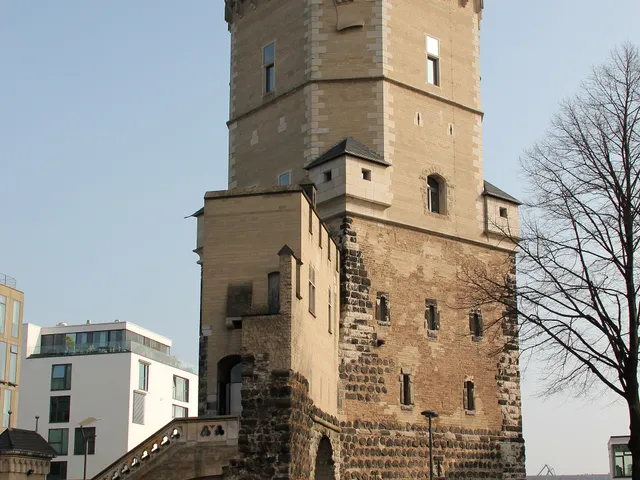
Bayenturm
since 1220One of Cologne's few surviving medieval fortification towers, built c. 1220 on the Rhine — today home to the FrauenMediaTurm foundation.
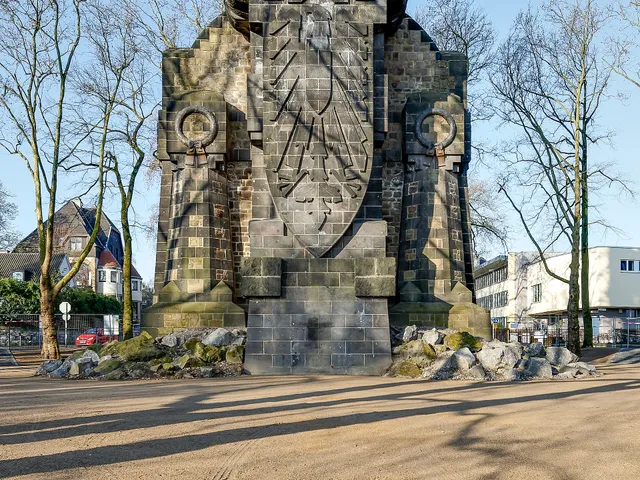
Bismarckturm
since 1902A Bismarck monument in Cologne-Marienburg designed as a fire column — featuring a monolithic figure of Bismarck as Roland in armour with an eagle shield.
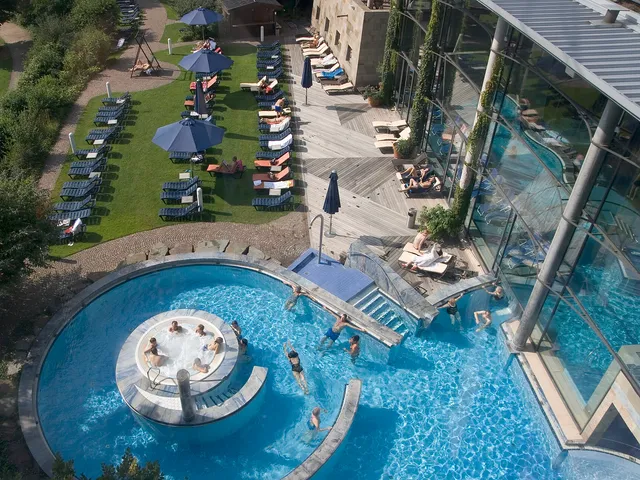
Claudius Therme
Thermal baths and sauna landscape in Cologne's Rheinpark with officially recognised healing water, 12 pools, 8 saunas and a view of the cathedral.
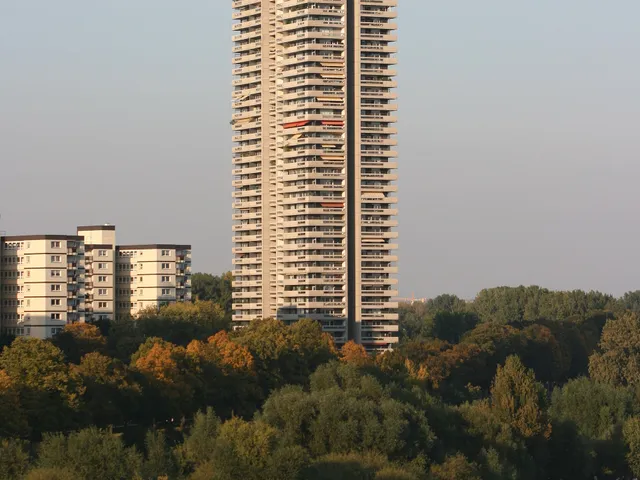
Colonia-Haus
since 1973Germany's second-tallest residential skyscraper, right on the Rhine in Riehl — at 155 m with antenna, almost as tall as Cologne Cathedral (157 m).
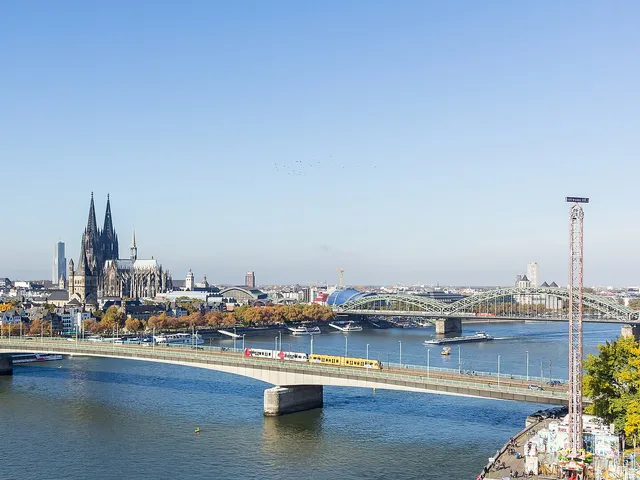
Deutz Bridge
The world's first steel box girder bridge (1947/48) – linking Heumarkt with Deutz; the Roman bridge once stood a few metres further north.
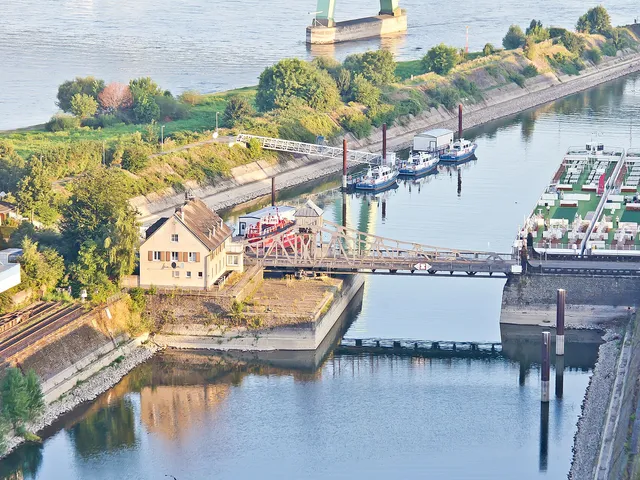
Deutzer Hafen
since 1907The Deutzer Hafen is a former industrial harbour on the right bank of the Rhine in Cologne's Deutz district, being redeveloped since 2021 into a residential and office quarter across roughly 35 hectares. A working cargo port is turning into a new neighbourhood that aims to preserve its industrial heritage.
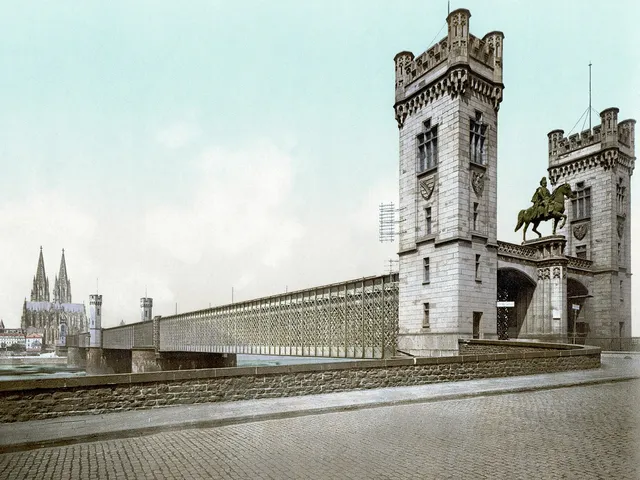
Dombrücke
since 1859Cologne's first permanent Rhine crossing since Roman times and direct predecessor of the Hohenzollern Bridge — nicknamed the 'Mousetrap' by locals.
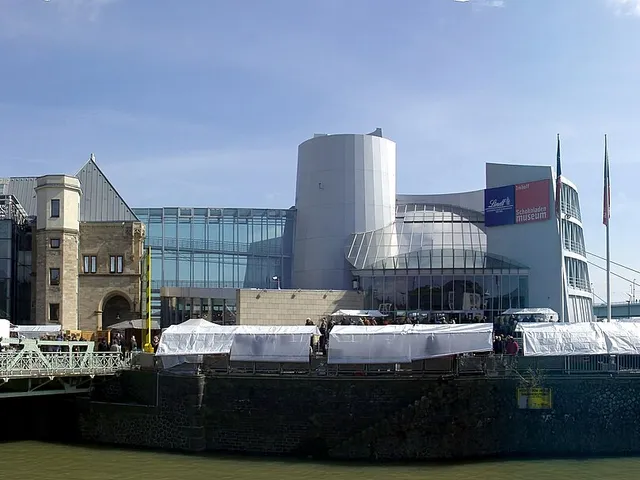
Swing Bridge in the Rheinauhafen
since 1896Cologne's oldest crossing over Rhine water: a listed swing bridge from 1896 that pivots aside using hydraulics powered from the Malakoff Tower.
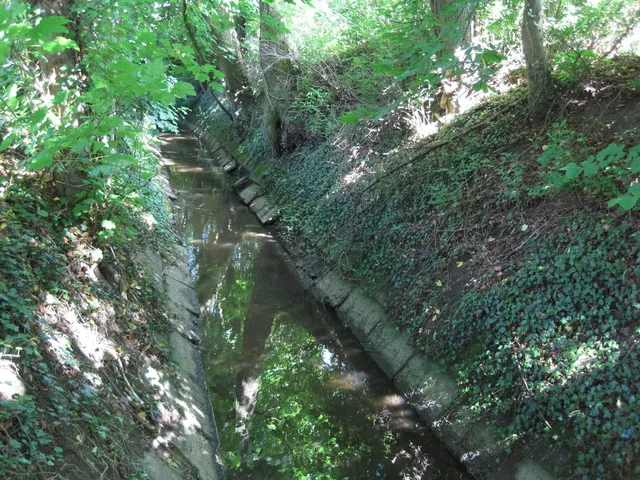
Faulbach (Rhine)
A Cologne stream formed by the confluence of the Flehbach and Bruchbach; its name alludes to the sluggish flow of its waters.
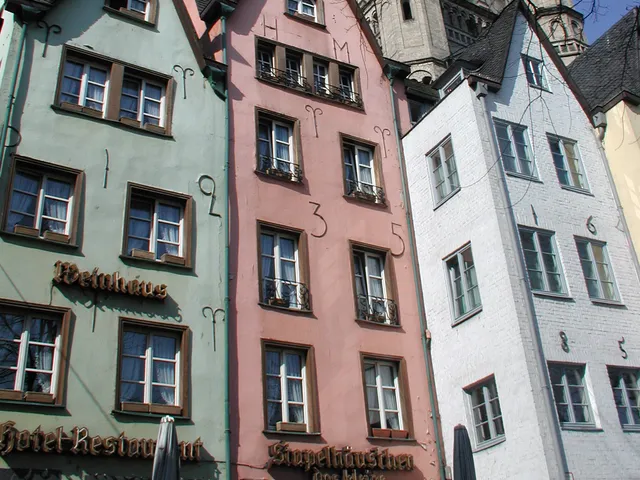
Fischmarkt
Historic square on the Rhine riverfront in Cologne's Altstadt — for centuries the heart of the city's fish trade, first recorded as "forum piscium" in the 12th century.
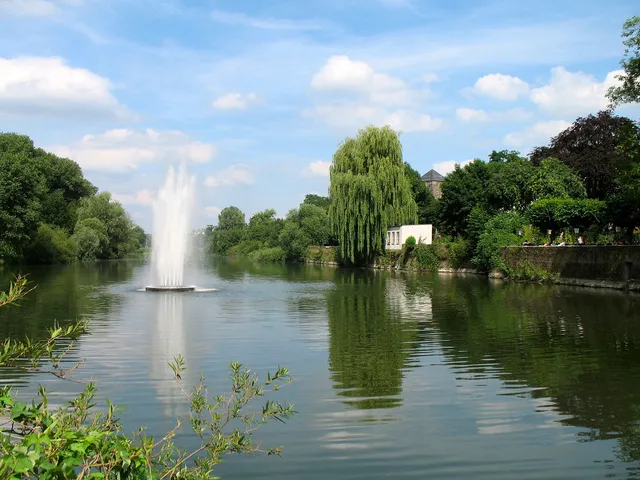
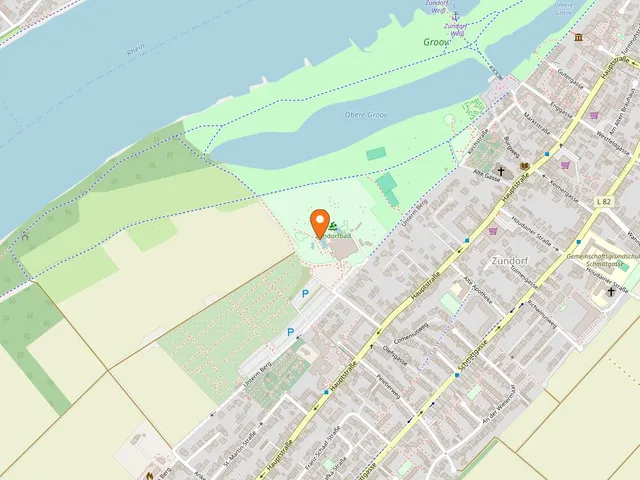
Groov
Former Rhine island in Cologne-Zündorf, transformed between 1974 and 1978 into a leisure area with a marina, swimming facilities, and green spaces along the river.
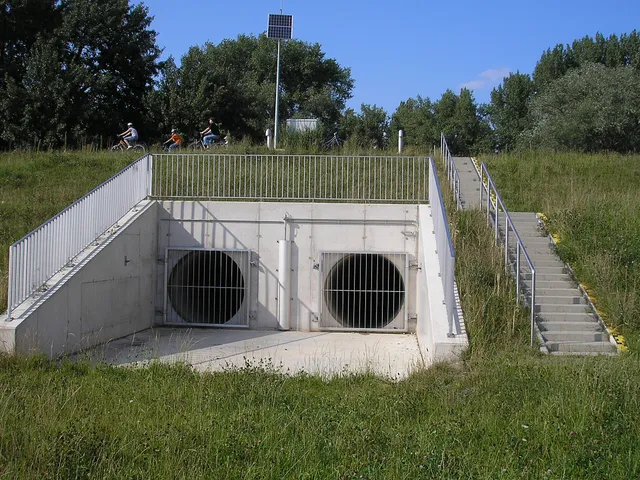
Langeler Bogen Flood Retention Basin
A polder on the right bank of the Rhine that is deliberately flooded during high water events to lower the river level in Cologne.
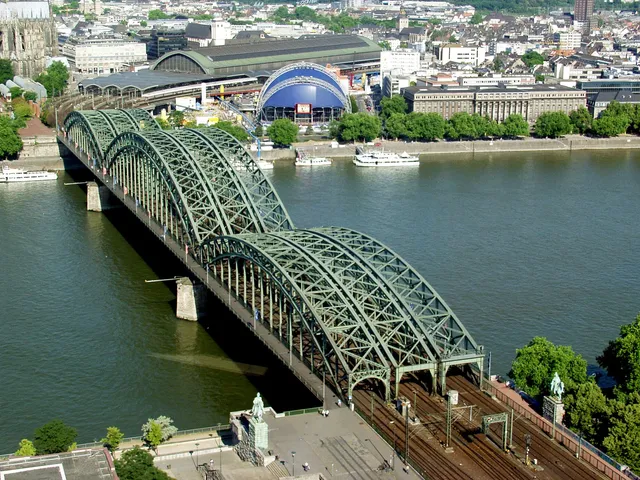
Hohenzollernbrücke
since 1911Germany's busiest railway bridge spanning the Rhine — a defining feature of Cologne's skyline alongside the Cathedral, and famous for thousands of love locks.
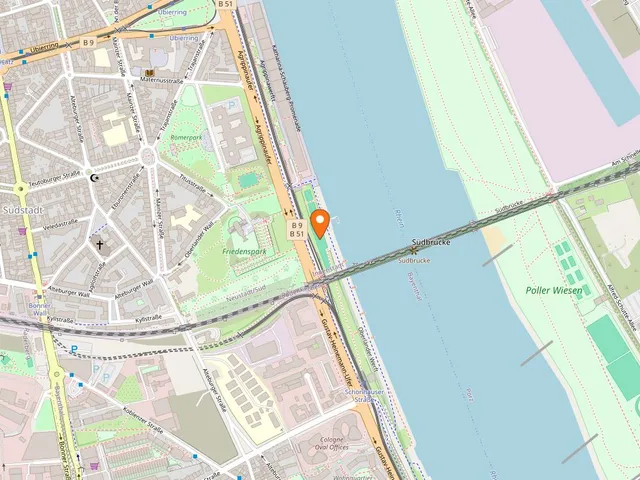
KAP686 Skateplaza
Public skate plaza on the Rhine in the Rheinauhafen district, run by DOM Skateboarding e.V.
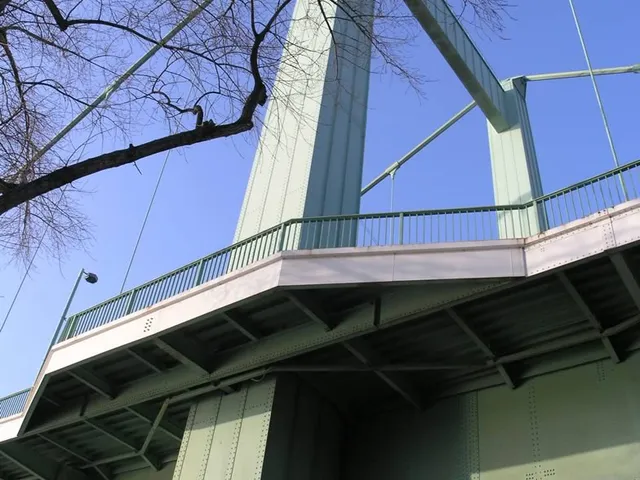
Cologne Bridge Green
The patina-green chromium oxide hue coating Cologne's Rhine bridges, introduced in 1929 at the request of Konrad Adenauer.
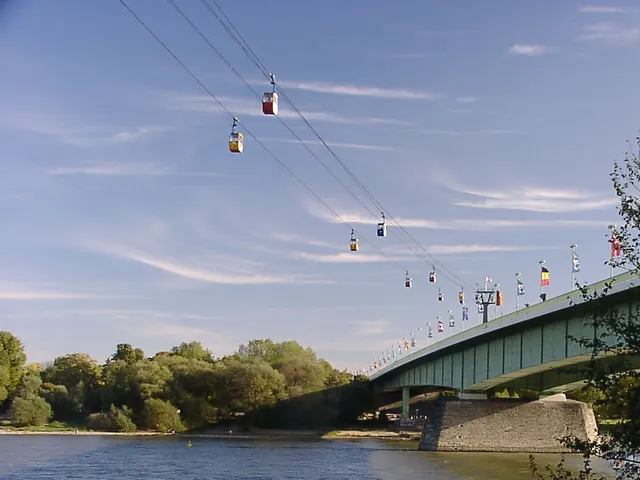
Kölner Seilbahn
since 1957Gliding over the Rhine: since 1957, this six-minute cable car ride has offered sweeping views of Cologne, the Old Town, and the Cathedral.
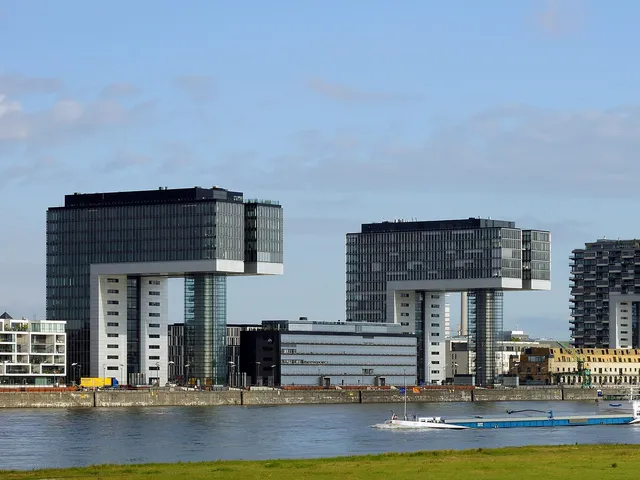
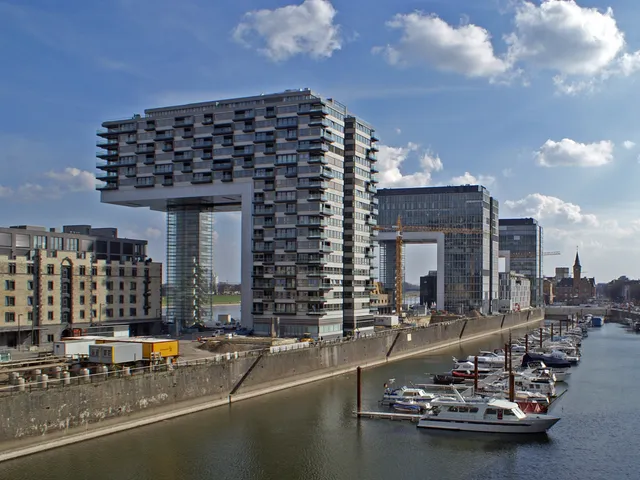
Kranhäuser
Three striking high-rises in Cologne's Rheinauhafen whose inverted-L silhouette mimics harbour cranes extending their jibs toward the Rhine.
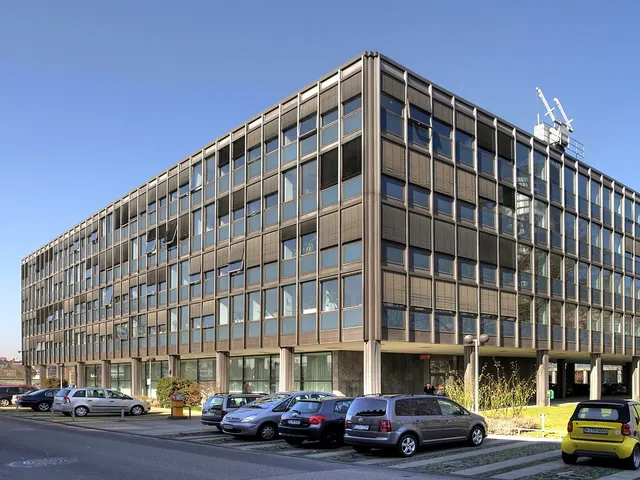
Landeshaus Cologne
Headquarters of the Rhineland Regional Council on the Rhine — a landmark of postwar modernism in the style of Mies van der Rohe.
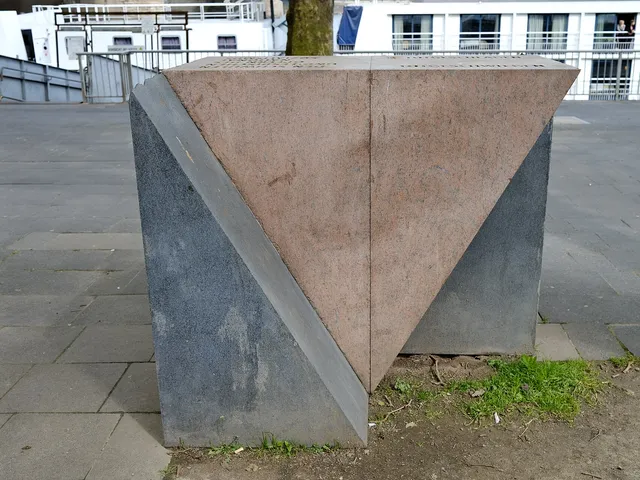
Memorial for the Gay and Lesbian Victims of National Socialism in Cologne
since 1995First memorial of its kind erected by a trade union — a 1995 riverside stone for gay and lesbian Nazi victims, inscribed 'Totgeschlagen – Totgeschwiegen'.
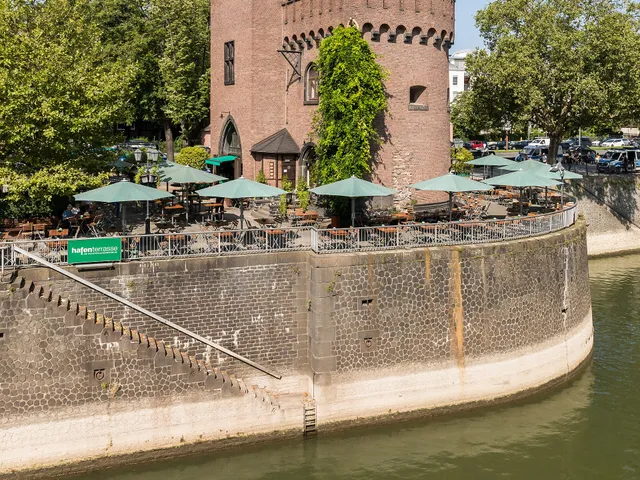
Malakoffturm
since 1855Brick gatehouse of Prussian Rhine fortifications at Rheinauhafen — now linked by a swing bridge to the Chocolate Museum across the water.
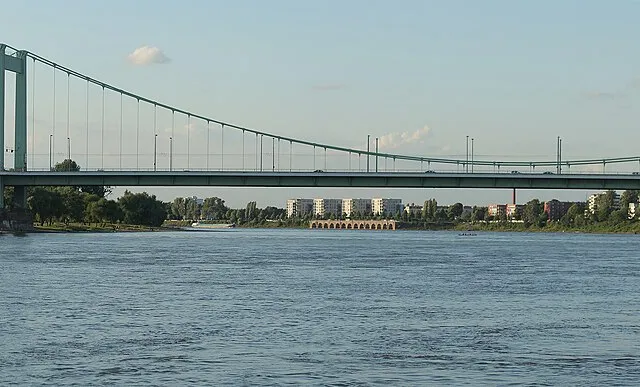
Mülheimer Brücke
since 1951Rhine suspension bridge between Mülheim and Riehl — the origin of Cologne's iconic bridge-green colour and Germany's first bridge with an orthotropic deck.
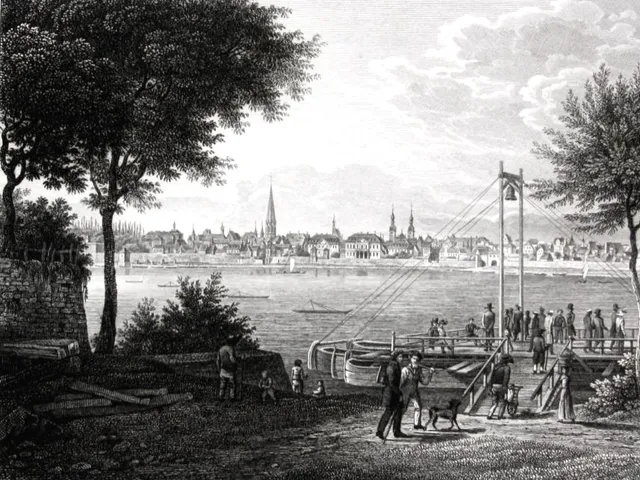
Mülheimer Schiffbrücke
since 1888Floating timber bridge on some 40 anchored pontoons (1888–1927), with an opening section for river traffic, that replaced the Rhine ferry crossing at Mülheim.
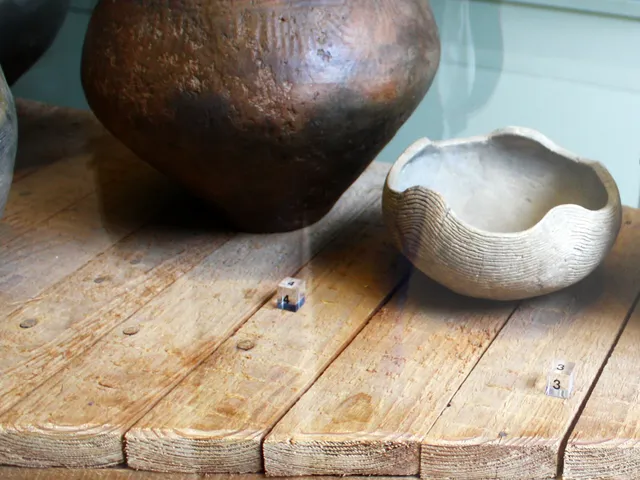
Museum für Vor- und Frühgeschichte
since 1907City museum founded in 1907 in the Bayenturm, covering regional prehistory – destroyed in 1943, its remnants became the founding stock of the Romano-Germanic Museum.
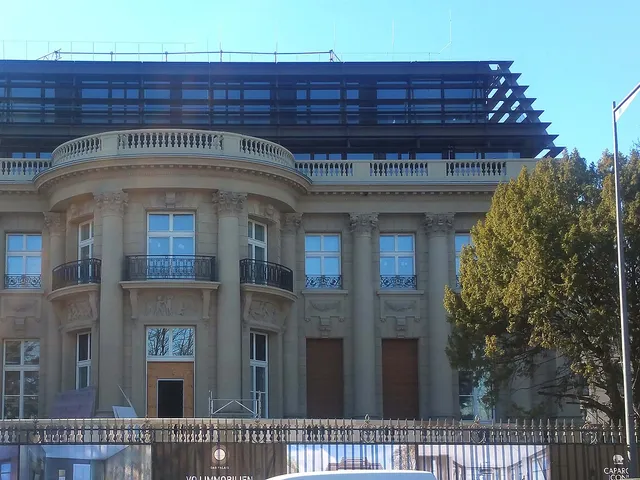
Palais du Rhin
French Baroque-classicist riverside palace built in 1908 for banker Emil von Oppenheim—today luxury apartments housing a Sotheby's location.
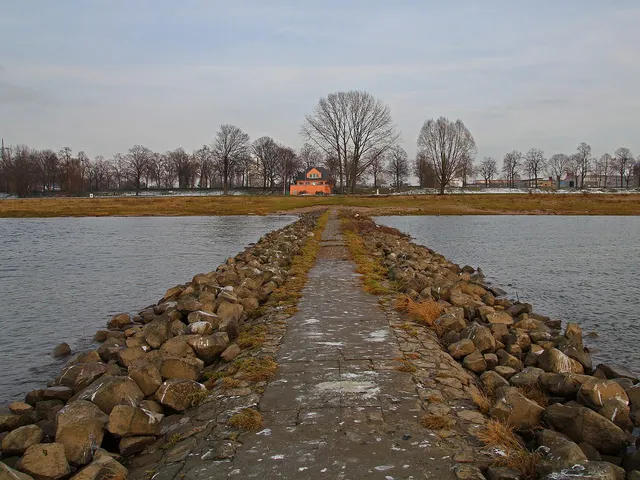
Poller Köpfe
Historic riverbank fortification on the right bank of the Rhine — built over 250 years to keep the river from carving a new course around Cologne.
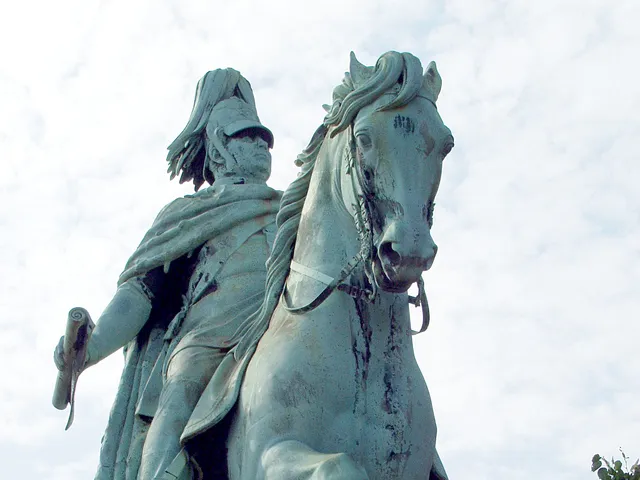
Equestrian Statue of Frederick William IV
Bronze equestrian monument by Gustav Blaeser at the right-bank portal of the Hohenzollern Bridge, unveiled in 1867.
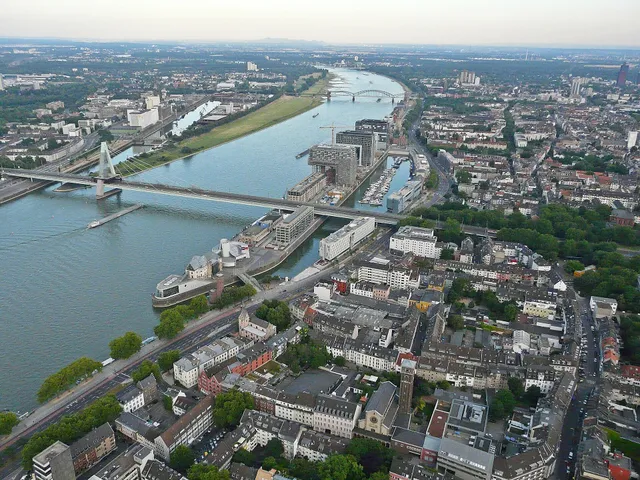
Rheinauhafen
Former Cologne harbour with the iconic Crane Houses – today a residential and commercial quarter on the 'Werthchen' peninsula in Altstadt-Süd.
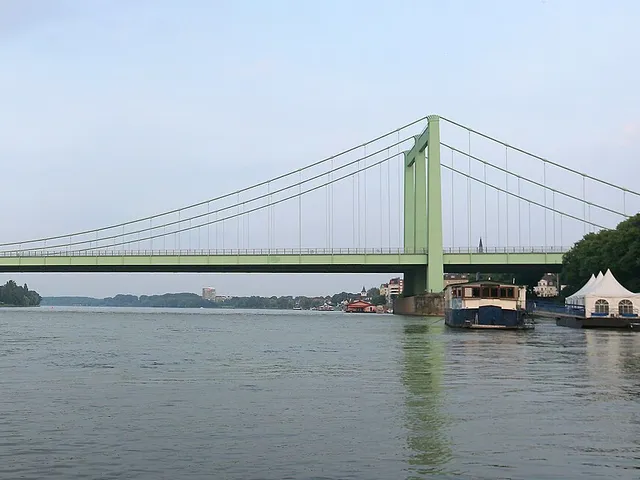
Cologne-Rodenkirchen Rhine Bridge
since 1941Germany's first true suspension bridge: 567 m across the Rhine, opened in 1941 as the 'Adolf Hitler Bridge,' destroyed in WWII and rebuilt in 1954.
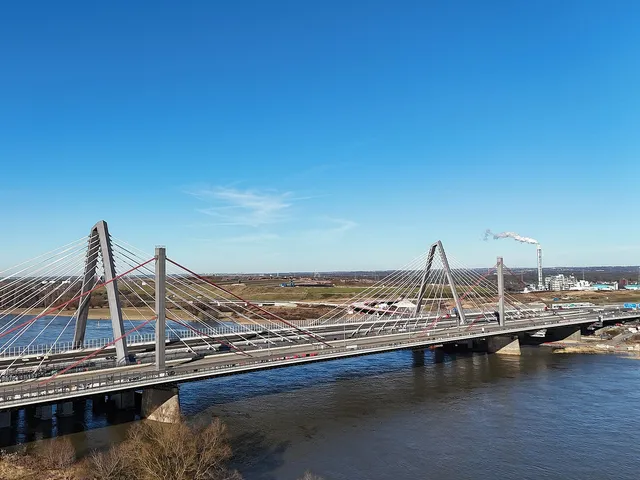
Leverkusen Rhine Bridge
since 1965Cable-stayed bridge carrying the A1 motorway across the Rhine at Leverkusen — replacing the demolished 1965 bridge that could no longer handle modern traffic.
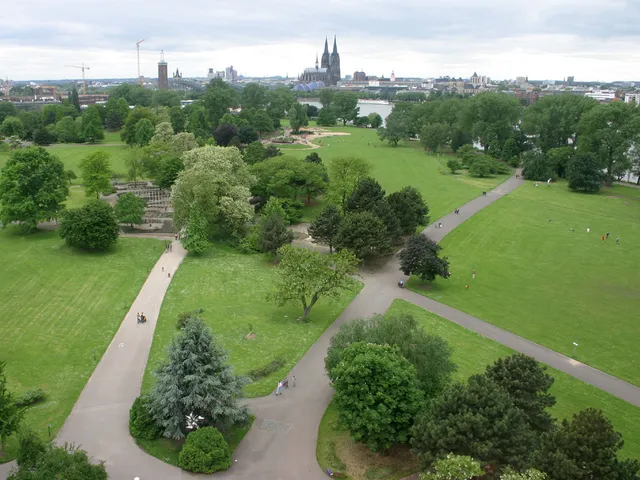
Rheinpark
Riverside landscape park on former Prussian fortress grounds — host of the 1914 Cologne Werkbund Exhibition, listed as a heritage monument since 1989.
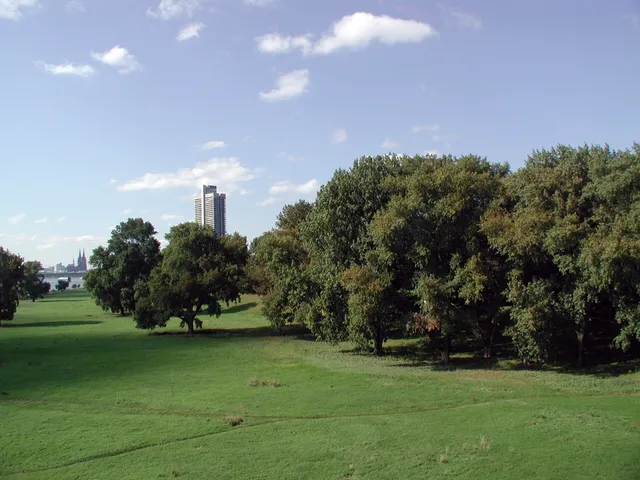
Riehler Aue
since 1971A roughly 27-hectare park on the western bank of the Rhine between the Zoobrücke and Mülheimer Brücke – part of the 1971 Federal Garden Show.
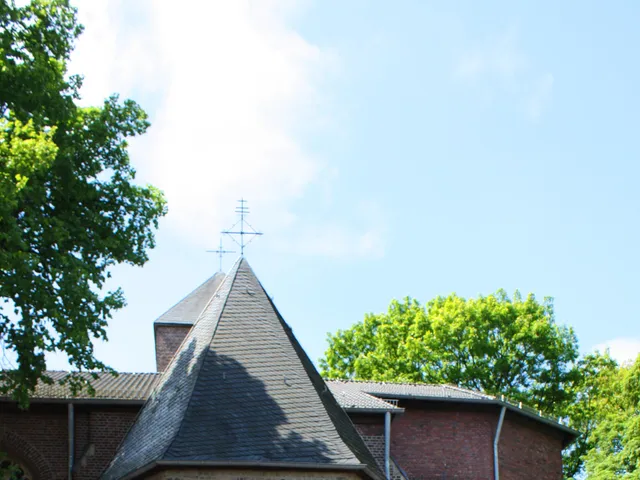
Schlosspark Stammheim
English-garden landscape park on the Rhine, laid out 1828–1832 by Maximilian Weyhe — today a public green space and, since 2002, a venue for contemporary art.
Chocolate Museum Cologne
since 1993Built on a peninsula in the Rheinauhafen harbour, this museum tells the story of chocolate — complete with a glass-fronted factory and a three-metre chocolate fountain.
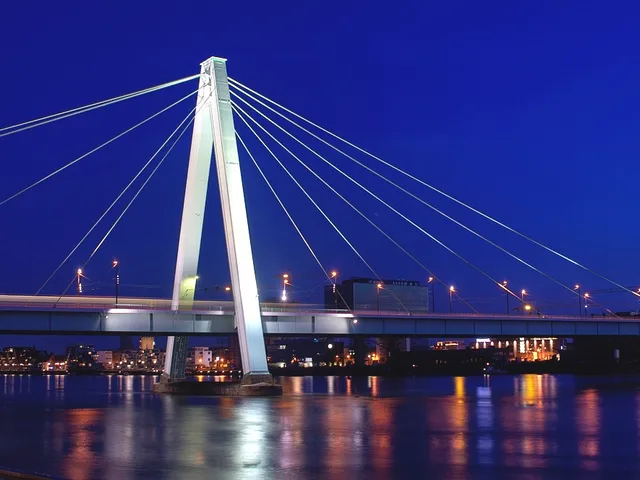
Severinsbrücke
since 1959Cable-stayed bridge with a single A-shaped pylon over the Rhine to Deutz — Cologne's first entirely new bridge built after World War II.
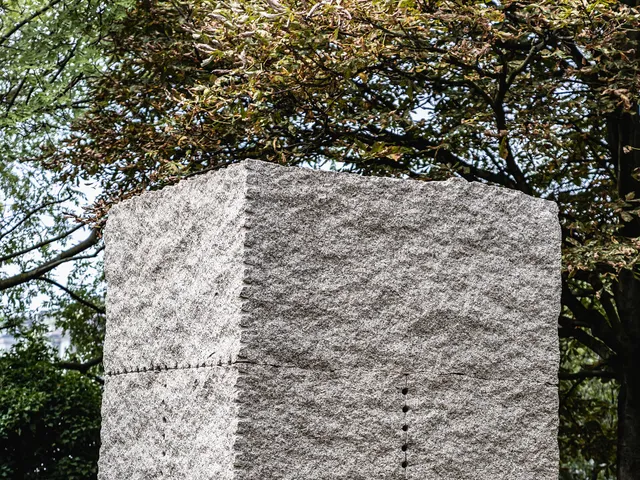
Skulpturenpark Köln
A roughly three-hectare park between the Zoobrücke bridge and the Rhine, where contemporary outdoor sculptures by German and international artists are partly renewed every two years.
Rheinauhafen Open-Air Cinema
The Naturstrom-Openairkino, with a floating screen and a view of the cathedral.
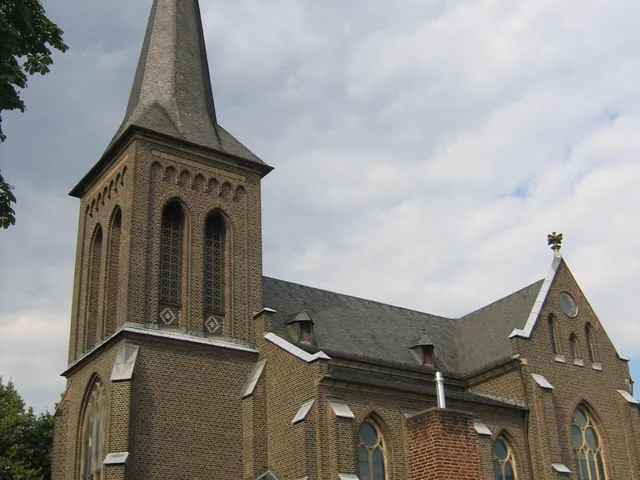
St. Clemens (Cologne-Langel)
Neo-Gothic brick hall church in Cologne-Langel, part of the cycling-route churches network since 2024, open to cyclists and hikers along the Rhine.
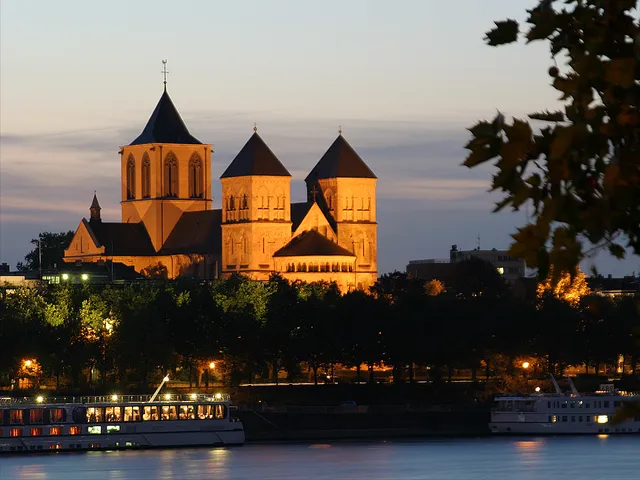
St. Kunibert
since 1215Youngest of Cologne's twelve Romanesque churches — with original 13th-century windows preserved in wartime storage, rising just north of the Cathedral.
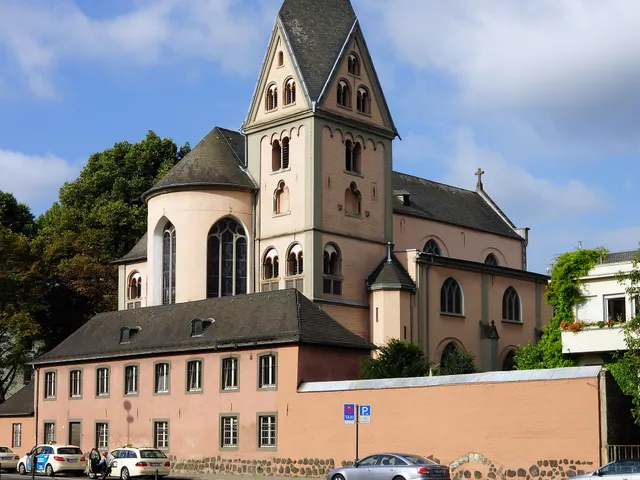
St. Maria in Lyskirchen
The smallest of Cologne's twelve great Romanesque churches — the only one with largely intact 13th-century vault frescoes.
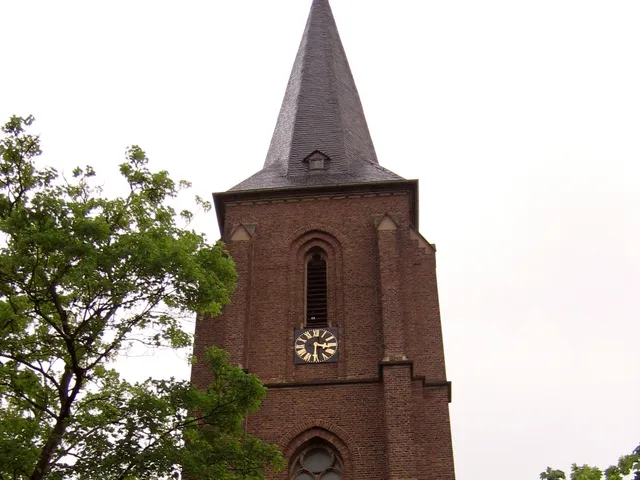
St. Maternus
since 1863Neo-Gothic brick church in Rodenkirchen housing an American pipe organ from 1869 and hosting an annual Maternus pilgrimage every September.
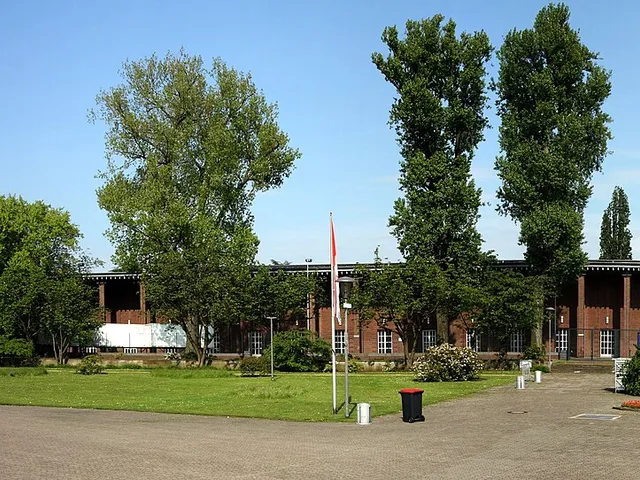
Staatenhaus am Rheinpark
Listed 1920s event hall in Cologne-Deutz – currently the temporary home of the Cologne Opera and a future musical theatre.
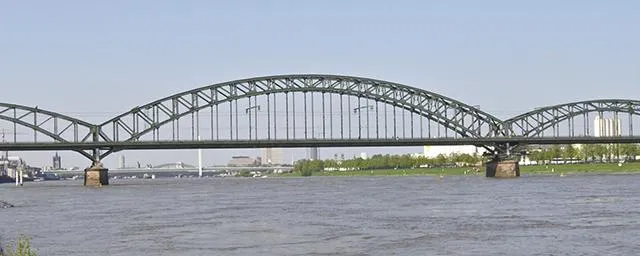
Südbrücke
since 1946Steel three-arch railway bridge from 1910 spanning the Rhine, primarily for freight traffic, with pedestrian and cycle paths; listed heritage structure.
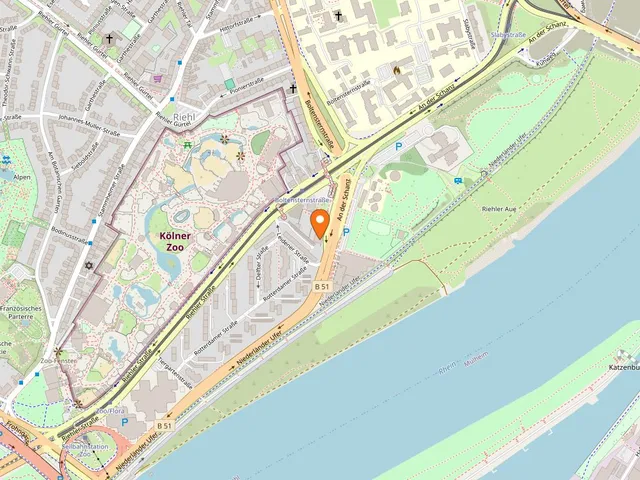
surft.kologne
Surf community in Cologne offering Rhine river surfing from a boat, with a coach, courses, travel, and a communal Surft.Haus hub.
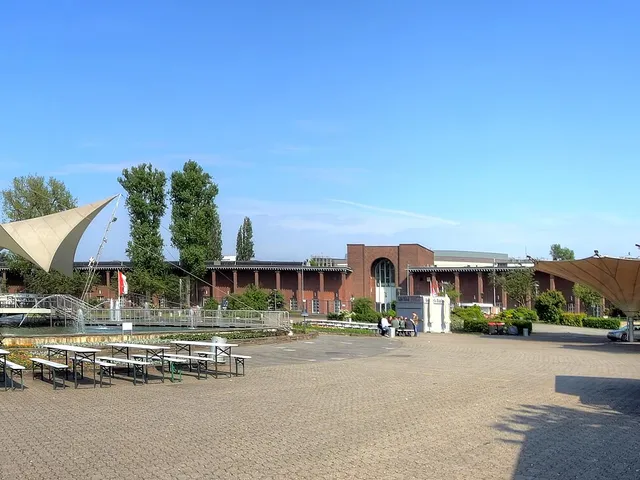
Tanzbrunnen
Cologne's open-air venue — home to up to 12,500 concertgoers beneath Frei Otto's iconic star-wave tent, inspired by a dancing fountain from 1950.
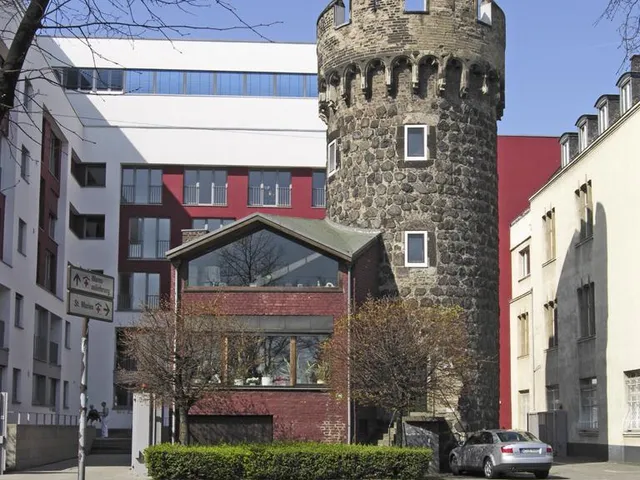
Weckschnapp
Medieval tower of Cologne's Kunibert fortifications on the Rhine — a surviving piece of the city wall and setting of a chilling legend.
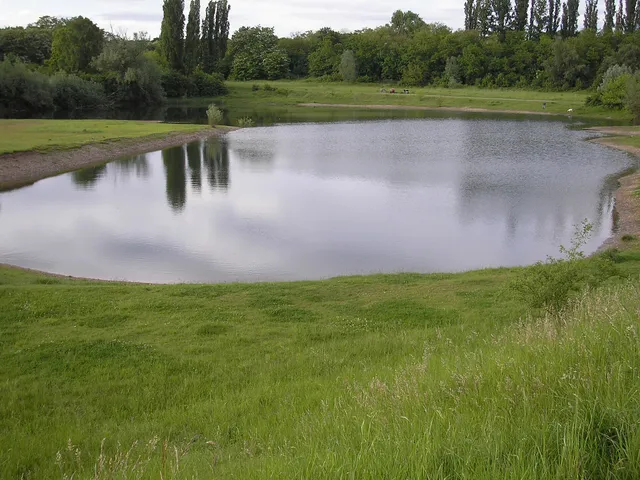
Westhovener Aue
A roughly 0.7 km² recreation and nature area on the right bank of the Rhine in Westhoven – a restored former military site and flood-retention space.
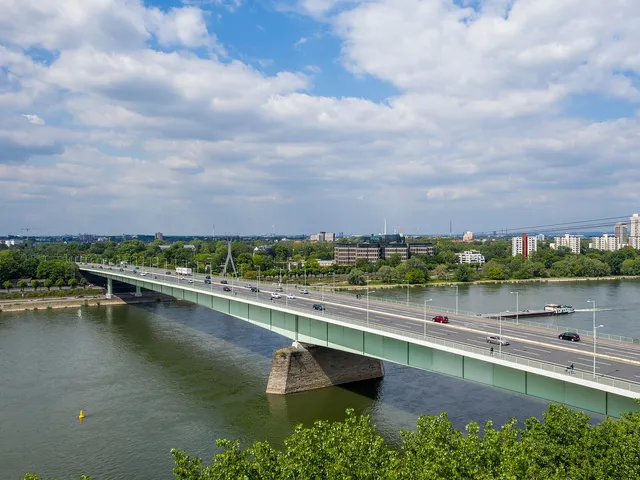
Zoobrücke
since 1966Rhine bridge in Cologne: the world's longest-spanning box girder bridge with just one main bearing — and crossed diagonally by the city's cable car.