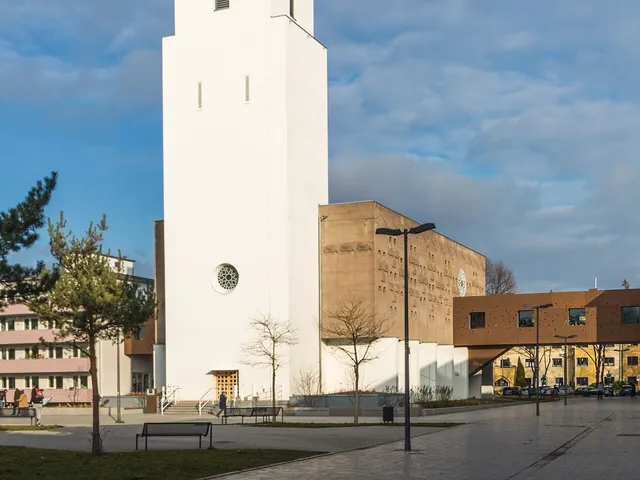
Rainy day
97 places in Cologne
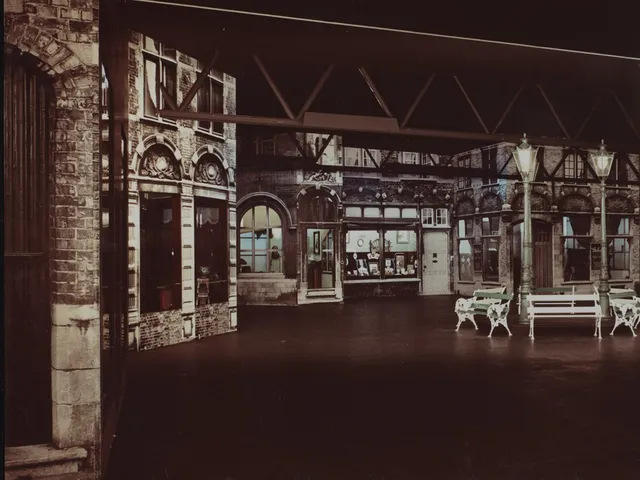
Agfa Foto-Historama
One of the world's most significant photo-historical collections — nearly 20,000 cameras and over 12,000 photographs, now housed at Museum Ludwig in Cologne.
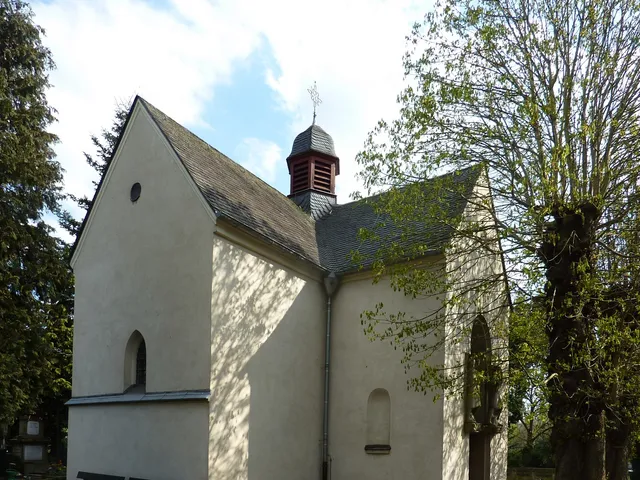
Alt St. Mauritius (Cologne-Buchheim)
Romanesque cemetery chapel and surviving remnant of Buchheim's former parish church — featuring a semicircular apse from around 1200.
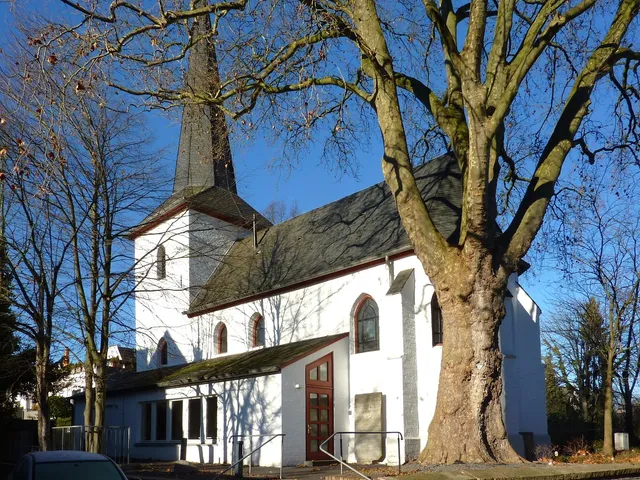
Alte Dorfkirche Köln-Junkersdorf
Medieval village church with a Gothic choir — once the parish church of St. Pankratius, now a small chapel after centuries of fire, war, and reinvention.
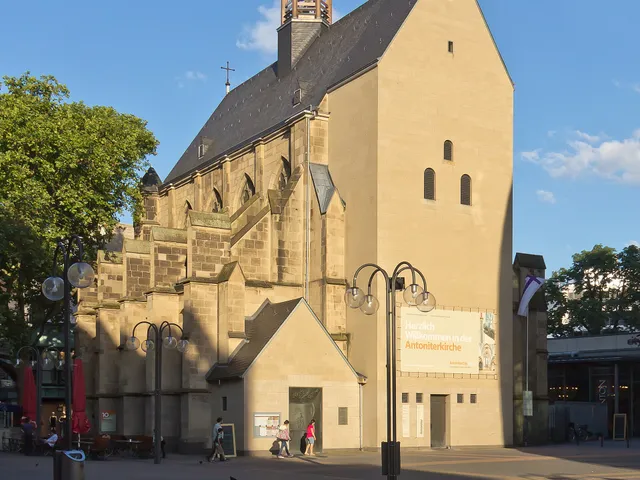
Antoniterkirche
since 1350A Gothic Protestant church in the middle of the Schildergasse – Cologne's most visited church after the cathedral, known for Barlach's ‘Hovering Angel'.
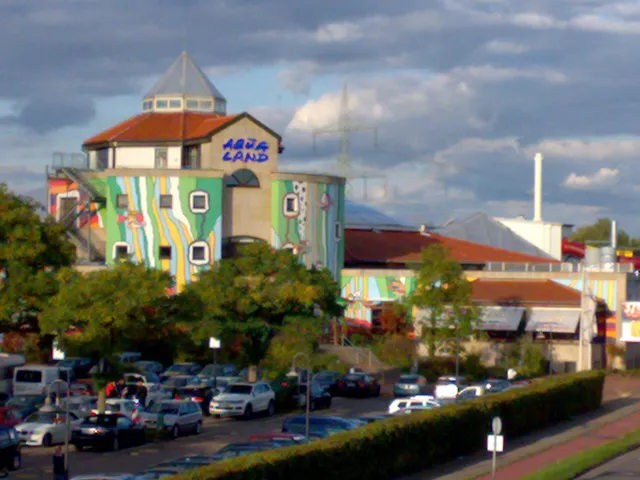
Aqualand
since 1991Leisure pool in Cologne-Chorweiler featuring nine water slides, eleven saunas, and an adjoining fitness centre.
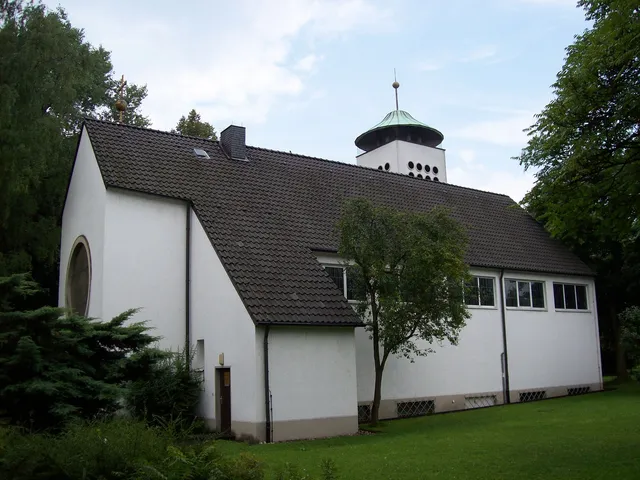
Church of the Resurrection Cologne-Ostheim
Protestant church with a round altar window and side light bands, consecrated in 1954 to a design by Gerhard Langmaack.
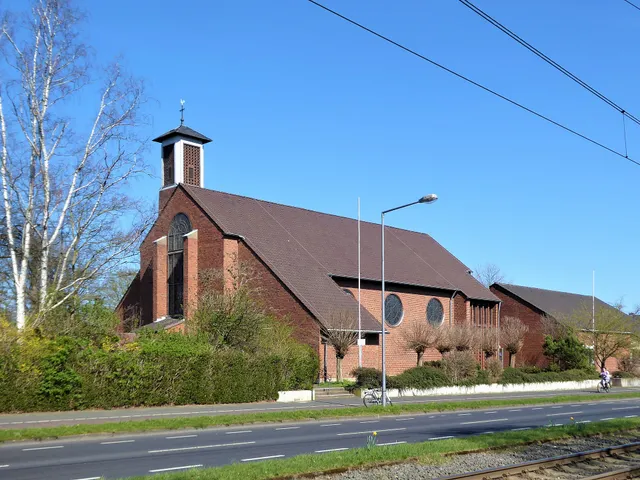
Christ König
1951 Cologne church whose V-shaped timber trusses evoke the Bethlehem stable — popularly known as the Christmas Church.
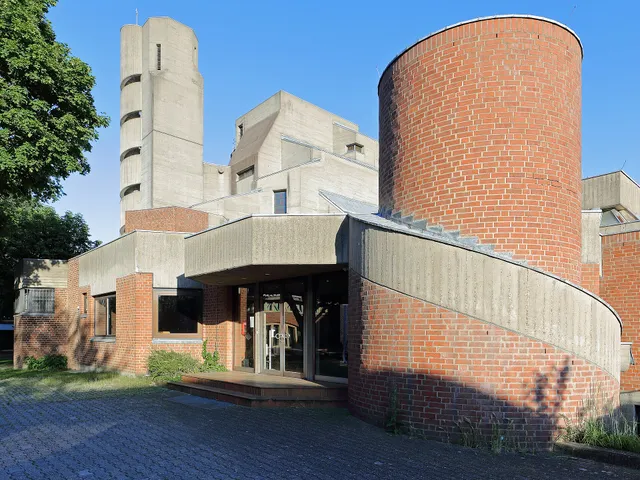
Christi Auferstehung (Lindenthal)
since 1968Sculptural concrete church by Gottfried Böhm at the head of the Lindenthal Canal – with a cave-like interior of branching pillars.
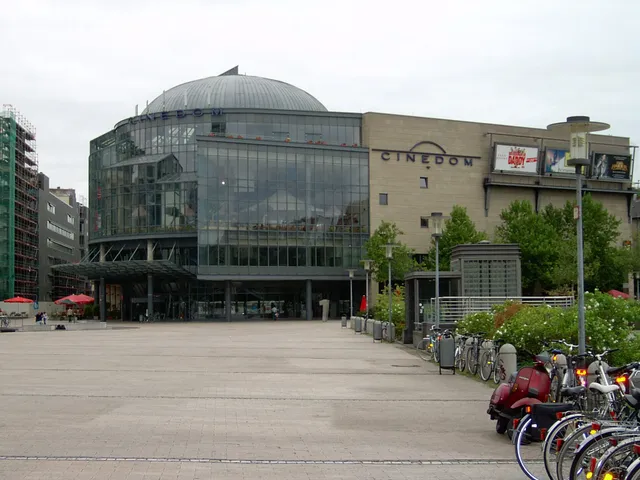
Cinedom
Multiplex cinema in Cologne's Mediapark — beneath the dome of its glazed rotunda, 3,200 diodes once traced the northern night sky.
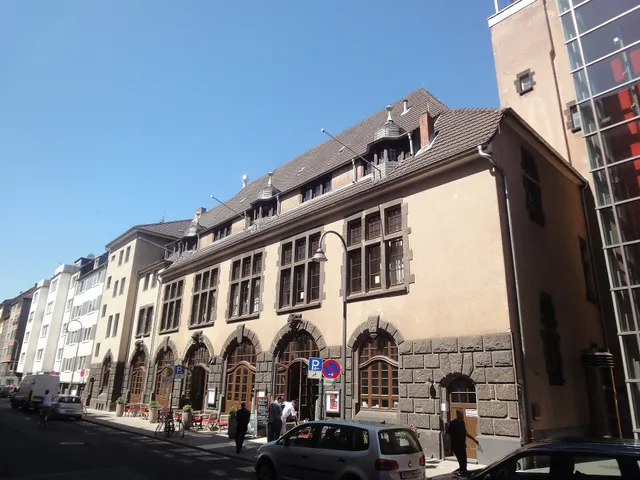
Comedia Theater
Independent children's and youth theatre in a former Cologne fire station — with its own evening programme of cabaret, music and theatre for adults.
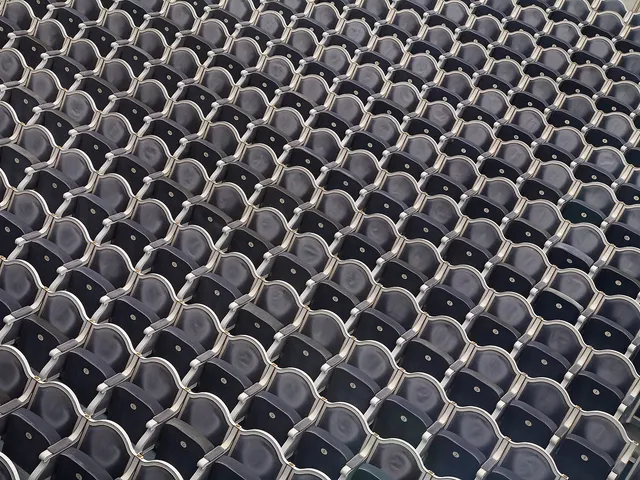
D.a.S. Theater
since 1990Independent Cologne theatre now staging a single show: 'You Are My Mother' about dementia — one performer plays both mother and son.
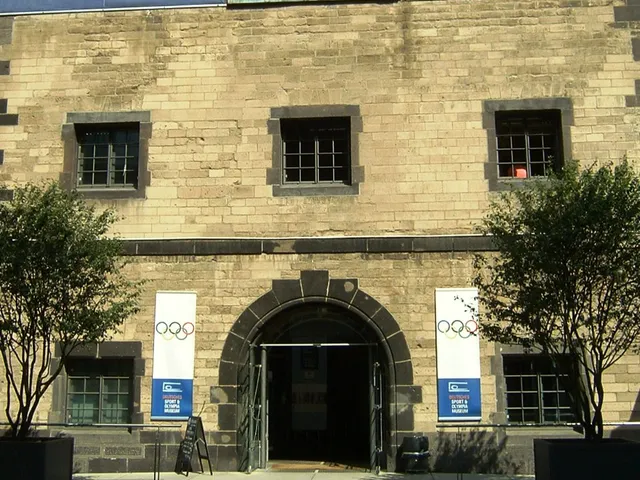
German Sport & Olympic Museum
since 1999Museum in Cologne's Rheinauhafen dedicated to the history of sport from antiquity to the present — with rooms on the Olympics, football, boxing, and more.
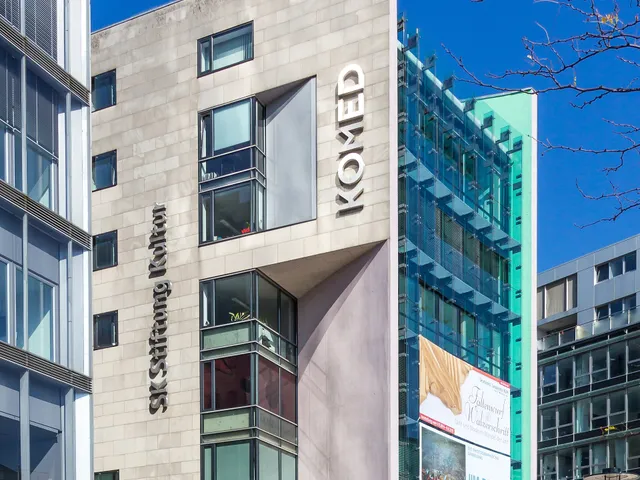
German Dance Archive & Dance Museum
since 1985Research and documentation centre for dance in the Mediapark – combining an archive, library, video collection and museum tracing the history of stage dance.
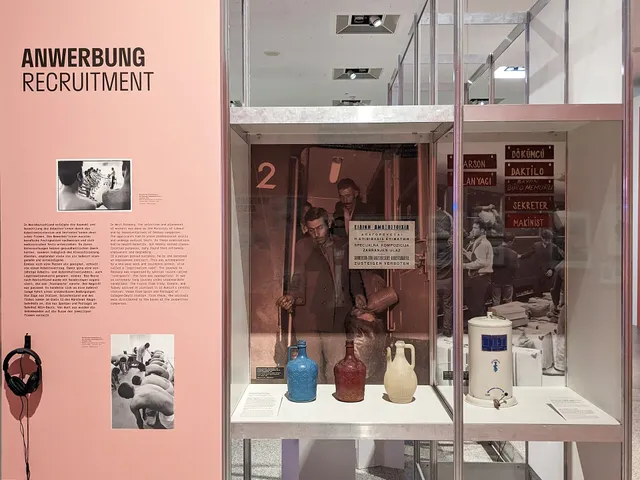
DOMiD – Documentation Centre and Museum on Migration in Germany
Civil-society archive of German migration history since 1945, founded in 1990 by migrants and home to over 150,000 objects, documents, and photographs.
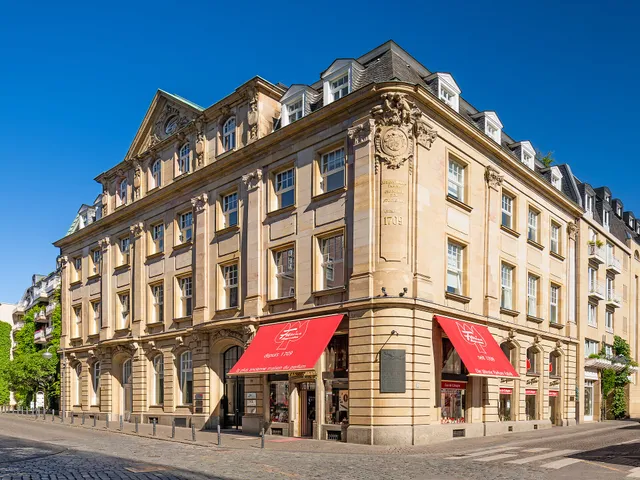
Fragrance Museum in the Farina House
since 1709Birthplace of Eau de Cologne: the Farina House of 1709, the oldest perfume factory in the world still in operation.
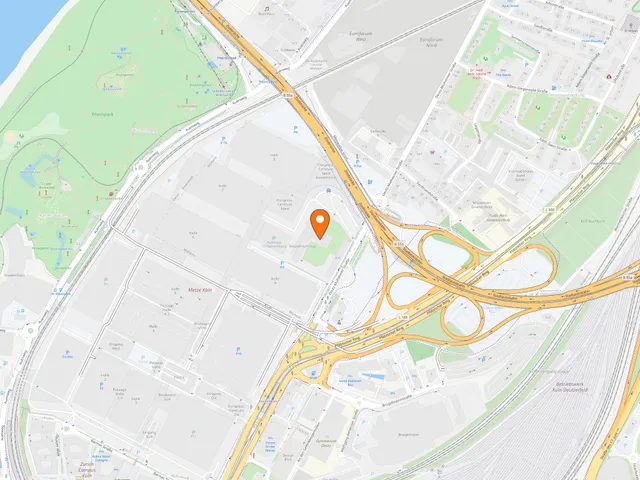
ELEMENT Boulders Köln Deutz
A 600 m² bouldering gym with a training area featuring a Kilter and a Lumo Board, right opposite the Kölnmesse Congress Centrum Nord.
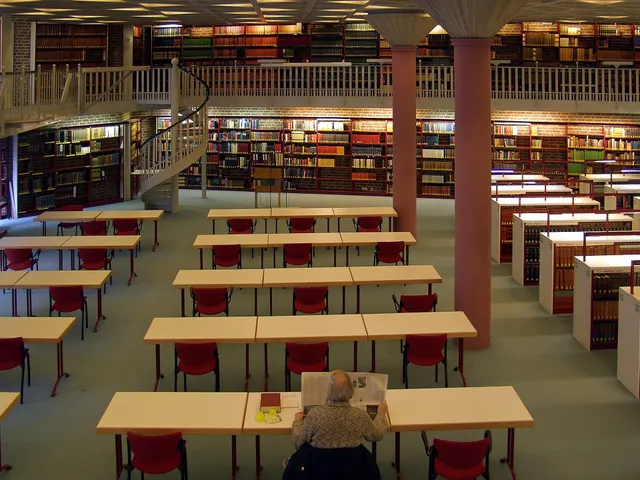
Erzbischöfliche Diözesan- und Dombibliothek Köln
Among surviving cathedral libraries, considered the most significant — the Archdiocese of Cologne's central library, with roots in the 6th/7th century.
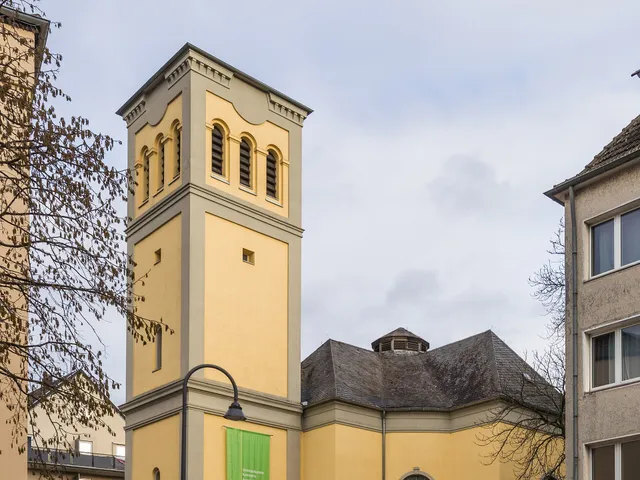
Friedenskirche (Köln-Mülheim)
since 1896Oldest Protestant church building in present-day Cologne – named after the peaceful union of two congregations in 1837.
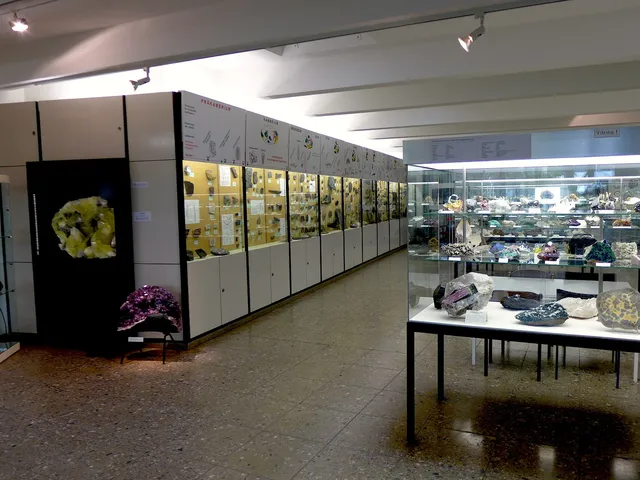
GeoMuseum
Cologne's only natural history museum: meteorites, minerals, gemstones and fossils at the University of Cologne.
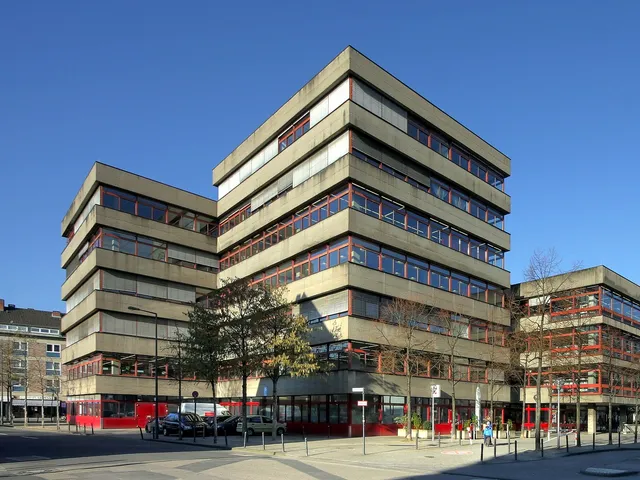
Germania Judaica
since 1959Europe's most extensive specialist library on the history of German-speaking Jewry — founded in Cologne in 1959 with Heinrich Böll among its founders.
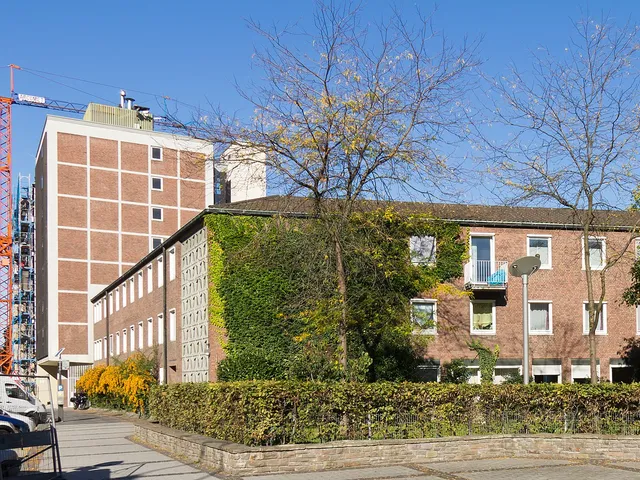
Historical Archive of the Archdiocese of Cologne
Founded in 1921, this archive holds the Archdiocese of Cologne's records — its oldest piece is a property deed from 942.
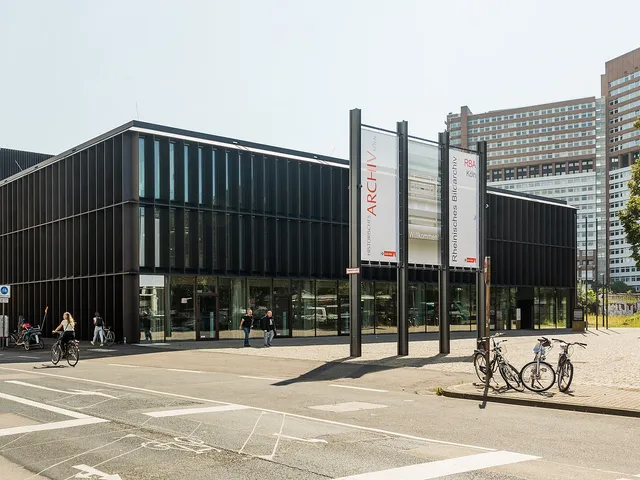
Historical Archive with Rhenish Image Archive
since 1857Germany's largest municipal archive — collapsed during subway construction in 2009, reopened in a new building at Eifelwall in 2021.
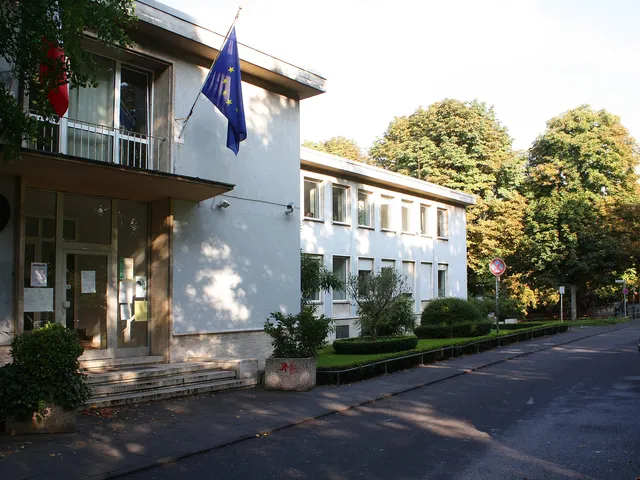
Italian Cultural Institute Cologne
Landmarked Italian Rationalist building combining Italy's cultural institute and consulate general in Cologne
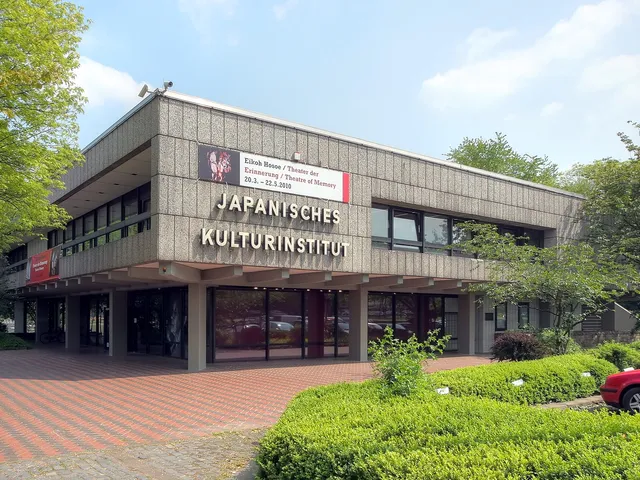
Japanese Cultural Institute
since 1969One of only three Japanese cultural institutes in Europe — Cologne's gateway to Japanese culture for the entire German-speaking world.
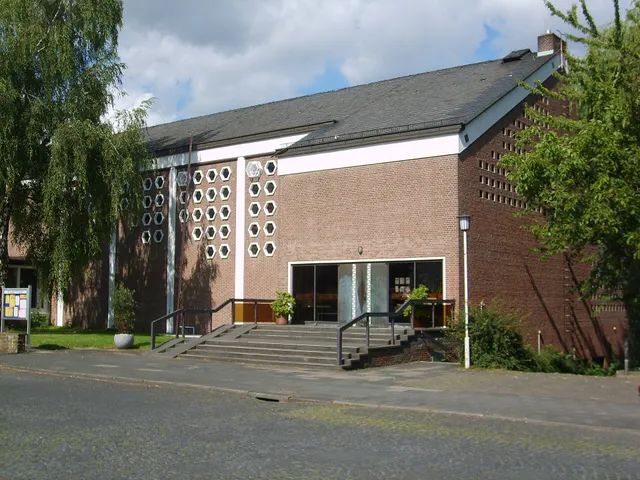
Johanneskirche (Cologne-Sülz)
Protestant church in Cologne-Sülz from the early 1960s, featuring colourful hexagonal concrete honeycomb windows and a baptistery separated by glass walls.
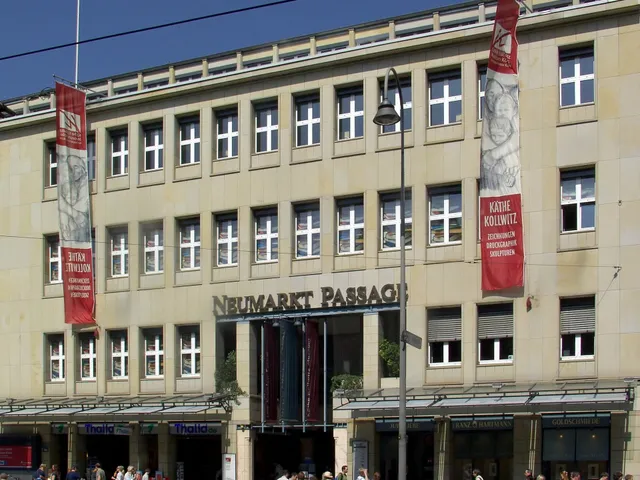
Käthe Kollwitz Museum
since 1985Home to the world's largest Käthe Kollwitz collection, this Cologne museum brings together her drawings, prints, and all 15 known bronze sculptures.
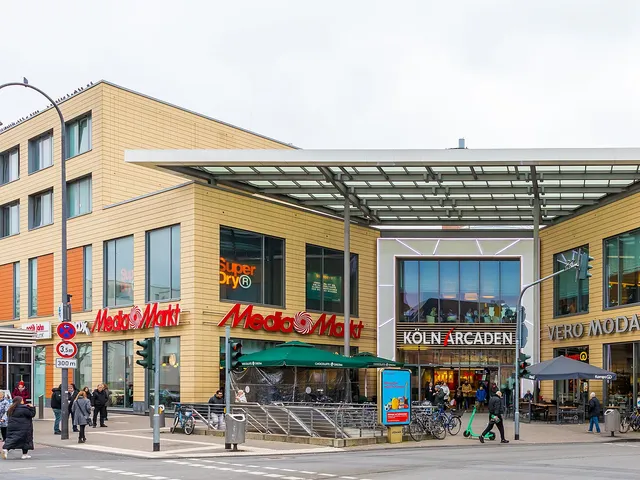
Köln Arcaden
Cologne's first shopping mall on the right bank of the Rhine, built on the site of a former chemical plant in Kalk.
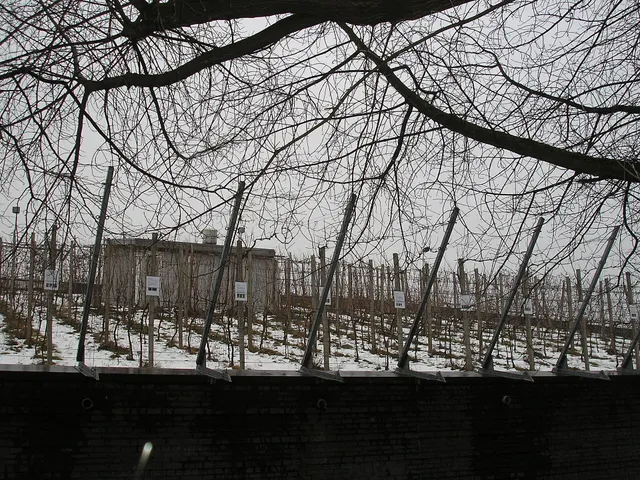
Kölner Weinmuseum
since 2010Wine and oenology museum in Cologne with a walkable rooftop vineyard — over 40 grape varieties across 720 vines.
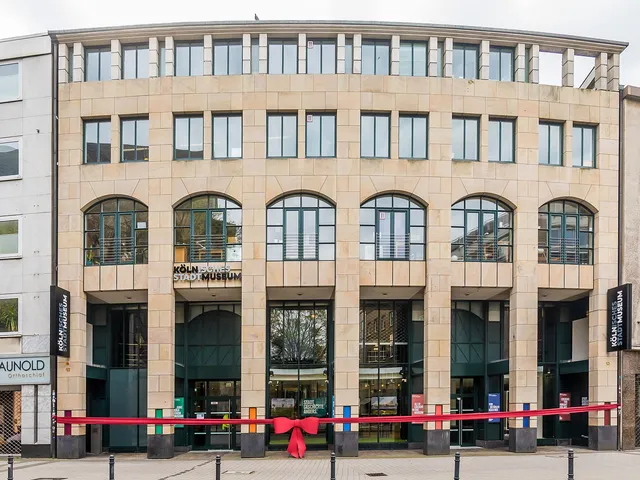
Cologne City Museum
since 1888Cologne's urban history museum, open for over 130 years — since 2024 it organises its collection around emotions rather than chronology; currently in temporary premises.
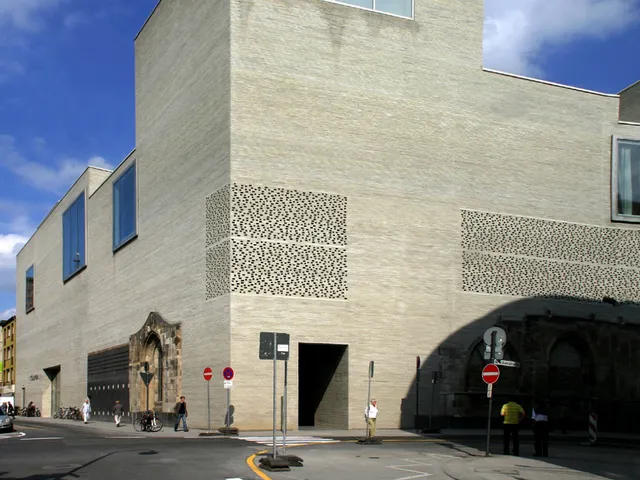
Kolumba
since 1853Peter Zumthor's landmark brick building for the Archdiocese of Cologne's art museum, built over the ruins of the war-destroyed church of St. Columba.
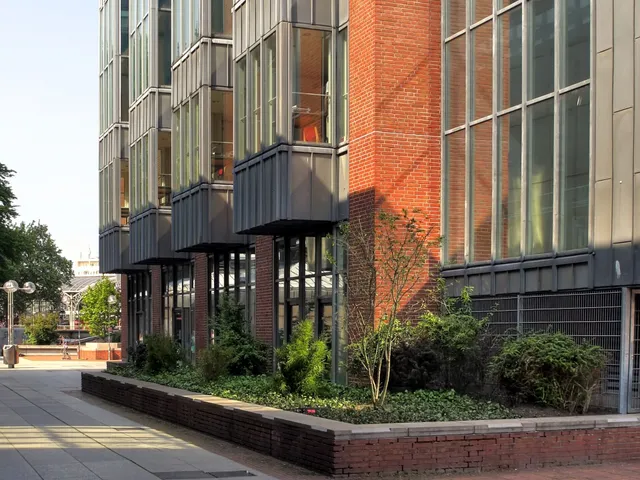
Kunst- und Museumsbibliothek der Stadt Köln
One of the world's largest public libraries on modern art and photography – over 600,000 volumes, born from two Cologne museum libraries.
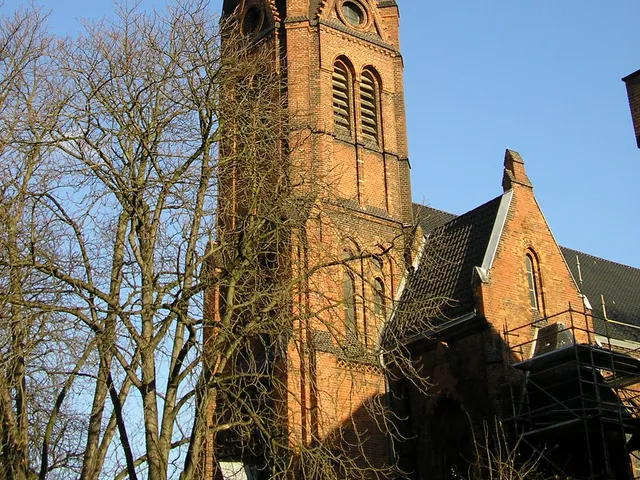
Lutherkirche (Cologne-Nippes)
since 1886Neo-Gothic Protestant church in the Sechzigviertel that has hosted concerts, readings and cabaret as Cologne's Kulturkirche since 2002.
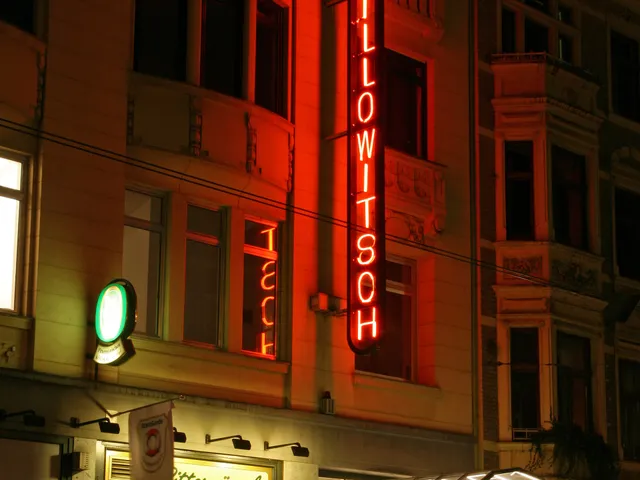
Millowitsch-Theater / Volksbühne am Rudolfplatz
In 1953 this stage hosted Germany's first live TV broadcast of a theatre play — the Millowitsch family's dialect theatre, now the Volksbühne am Rudolfplatz.
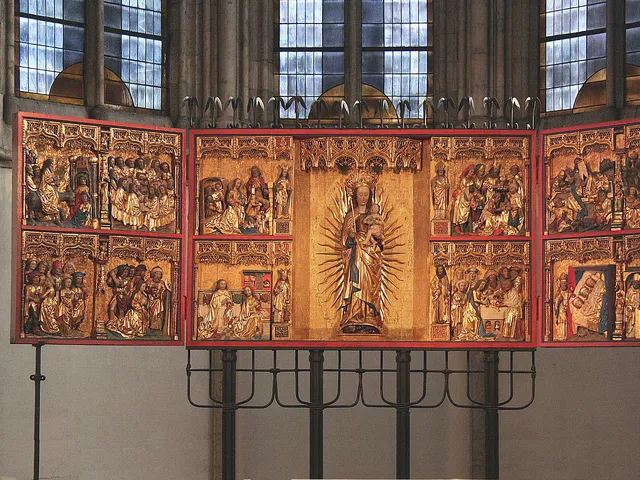
Minoritenkirche
Burial church of Adolph Kolping and Johannes Duns Scotus — a 13th-century Gothic mendicant church and place of pilgrimage.
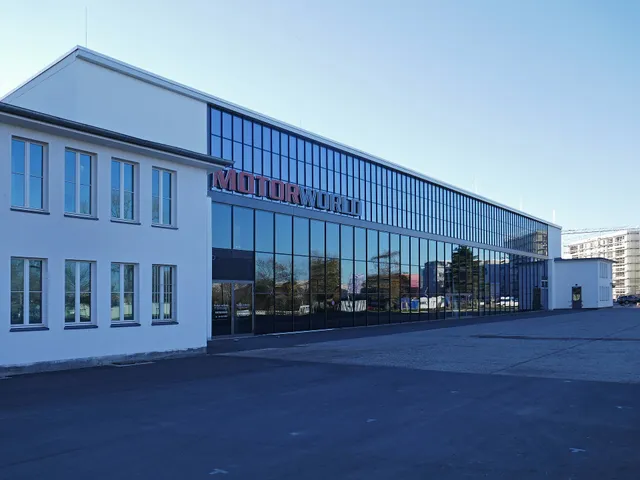
Motorworld Köln
Home of the Michael Schumacher Private Collection: a hub for classic and collector cars on the grounds of the former Butzweilerhof airport.
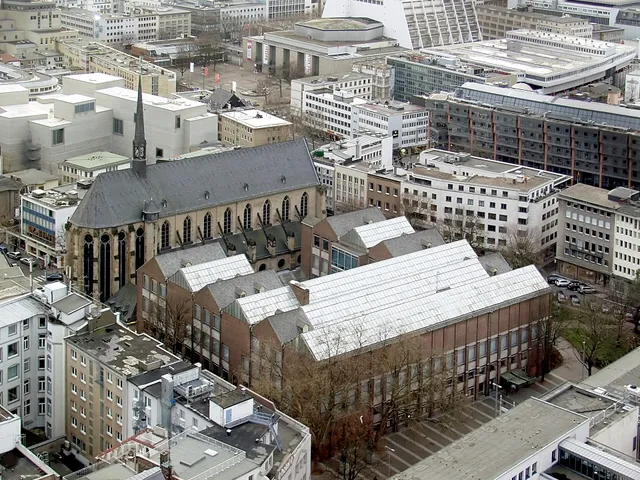
Museum of Applied Arts (MAKK)
since 1888Cologne museum of applied arts and design in the Schwarz-Bernard building — once dismissed as sterile, later celebrated as a 'third way' in postwar architecture.
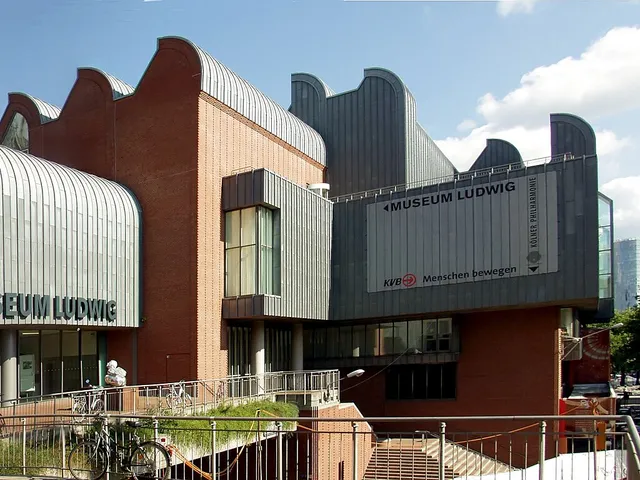
Museum Ludwig
since 197620th- and 21st-century art on Cologne's Cathedral Plateau — home to Europe's largest Pop Art collection and the world's third-largest Picasso collection.
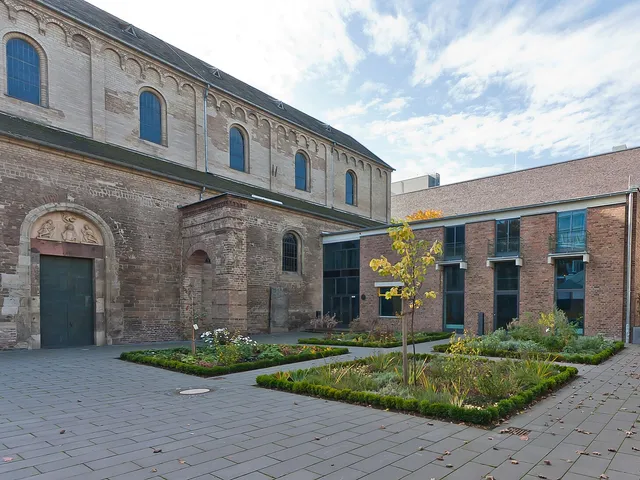
Museum Schnütgen
since 1910One of Europe's richest medieval collections, housed in the Romanesque basilica of St. Cecilia in Cologne's historic city centre.
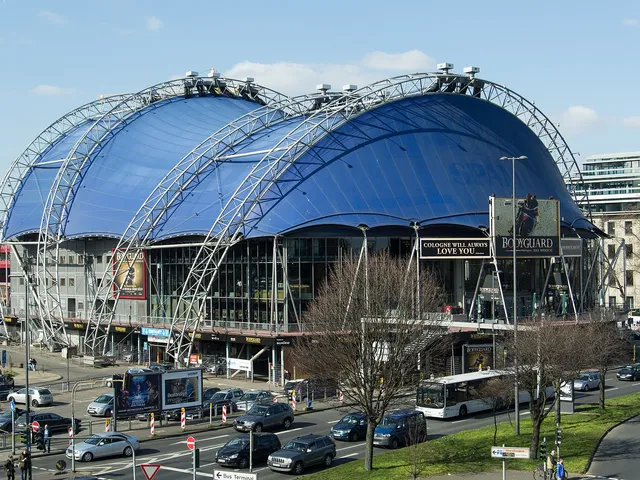
Musical Dome
Musical venue under a blue dome roof by the Rhine near Cologne's main station — home to long-running hits like 'We Will Rock You'.
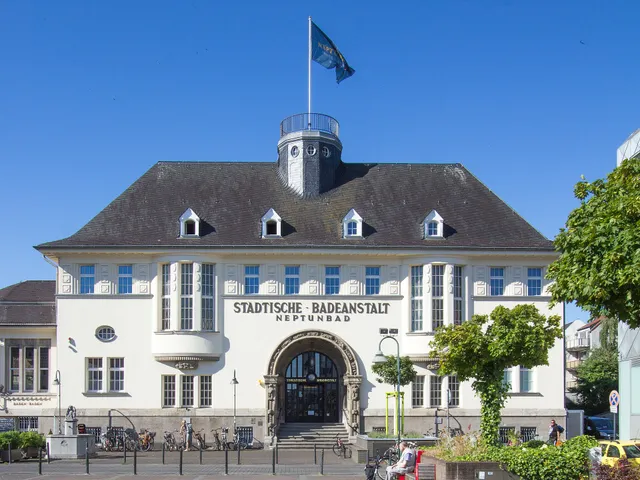
Neptunbad
Art Nouveau bathhouse from 1912 in Ehrenfeld — Cologne's first modern suburban public bath, now a fitness and wellness centre.
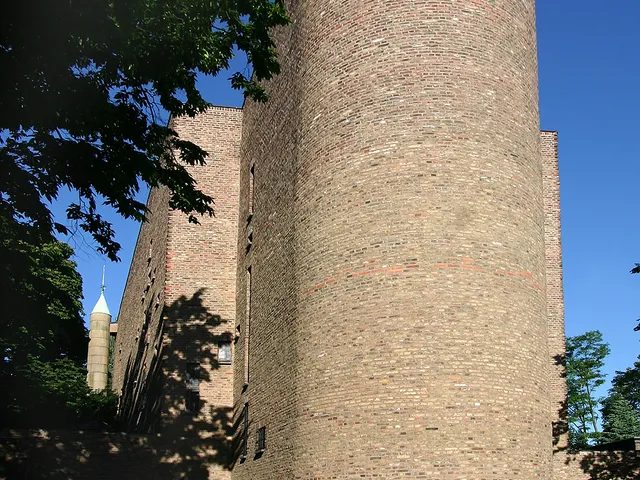
Neu St. Alban
since 1958Post-war church in the Stadtgarten built from rubble bricks of the destroyed Cologne Opera, with a pentagonal floor plan inspired by Le Corbusier.
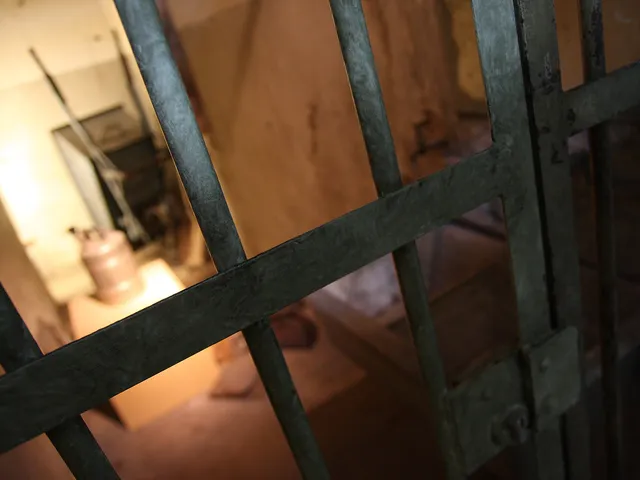
NS-Dokumentationszentrum (EL-DE-Haus)
since 1979Memorial and museum in Cologne's former Gestapo headquarters — with preserved prison cells and prisoners' wall inscriptions surviving in the basement.
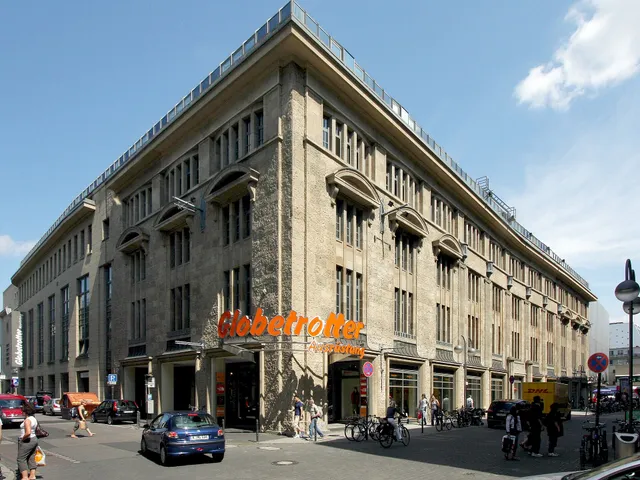
Olivandenhof
Commercial building in Cologne's Altstadt-Nord with a climbing wall, rain and cold chamber, and diving pool – Europe's largest outdoor specialty store.
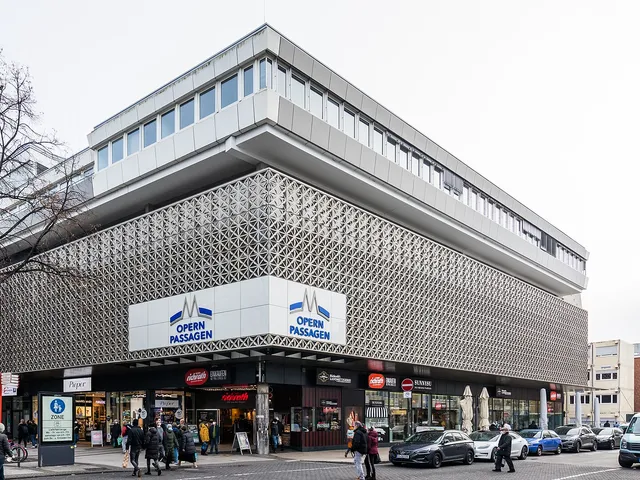
Opern Passagen
Opened in 1964 as Germany's first shopping arcade — today a shopping passage with the integrated Theater am Dom.
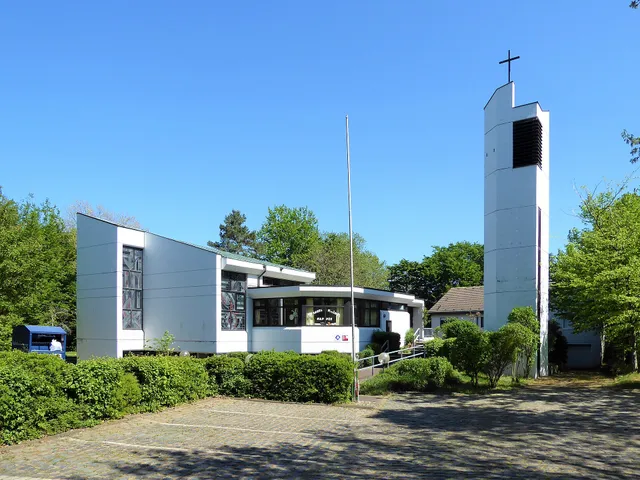
Petruskirche (Cologne-Merheim)
1979 Protestant church in Cologne-Merheim, featuring furnishings partly gifted by its partner parish in Zabrze, Poland.
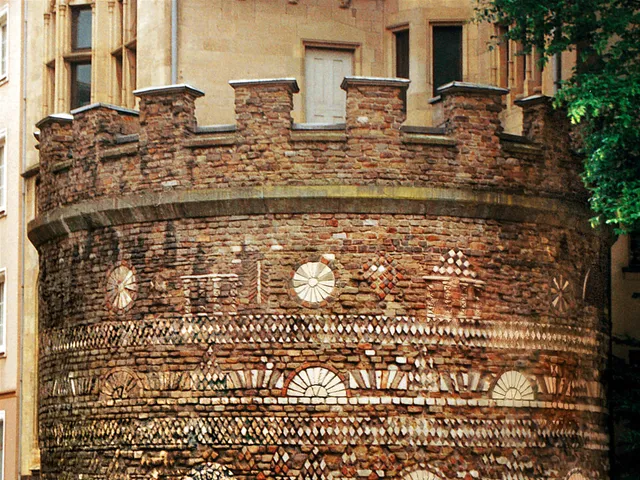
Roman Cologne – Colonia Claudia Ara Agrippinensium
The birthplace of Cologne: the Roman CCAA, capital of Lower Germania — and today part of a UNESCO World Heritage Site.
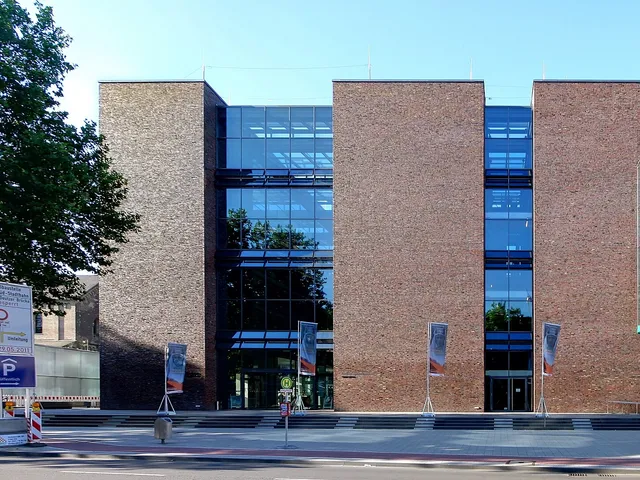
Rautenstrauch-Joest-Museum
since 1901Cologne's ethnological museum with over 65,000 objects from around the world, exploring human cultures under the theme "The Human Being in Their Worlds."
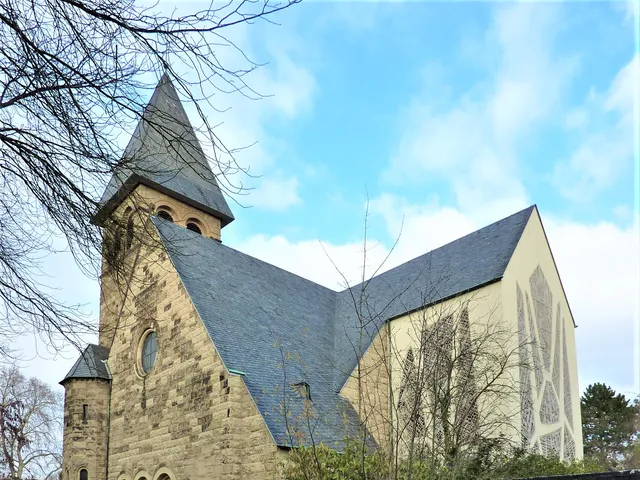
Reformationskirche
Protestant church in Cologne-Marienburg famed for its 15-metre concrete-glass window depicting creation striving toward Christ.
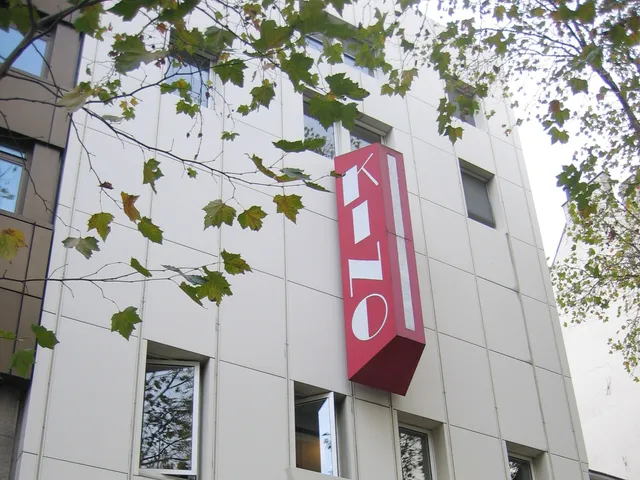
Rex am Ring
One of Germany's oldest cinemas, open since 1928 on Hohenzollernring — seven screens showing new releases and arthouse films.
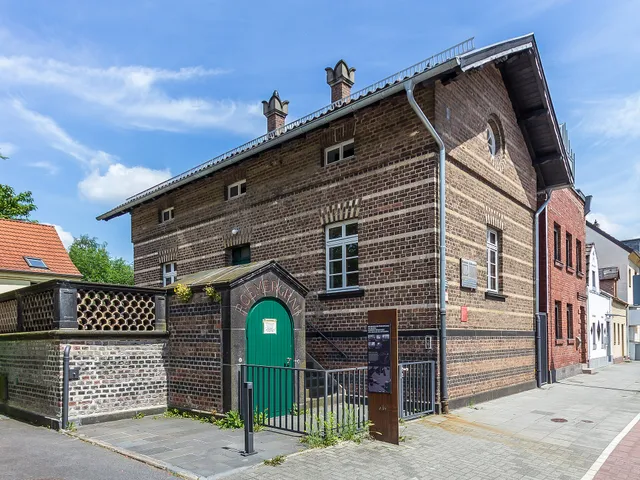
Roman Tomb Cologne-Weiden
Underground Roman burial chamber from the 2nd century — one of the best-preserved funerary structures north of the Alps, discovered in 1843.
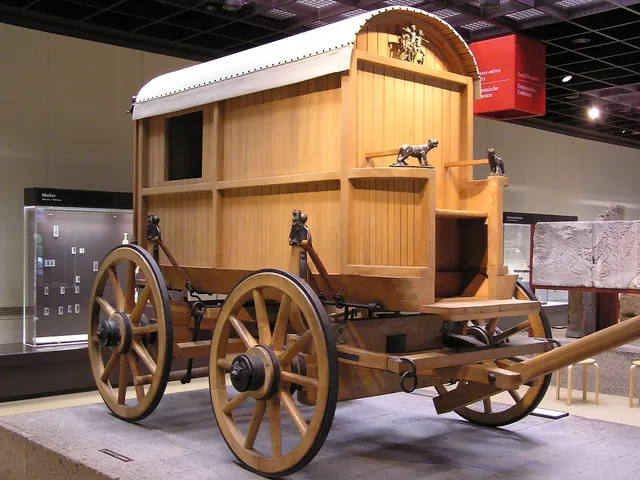
Romano-Germanic Museum (RGM)
since 1946Cologne's archaeological museum — world's largest collection of Roman glass and the Dionysus Mosaic near the cathedral (currently at the Belgian House).
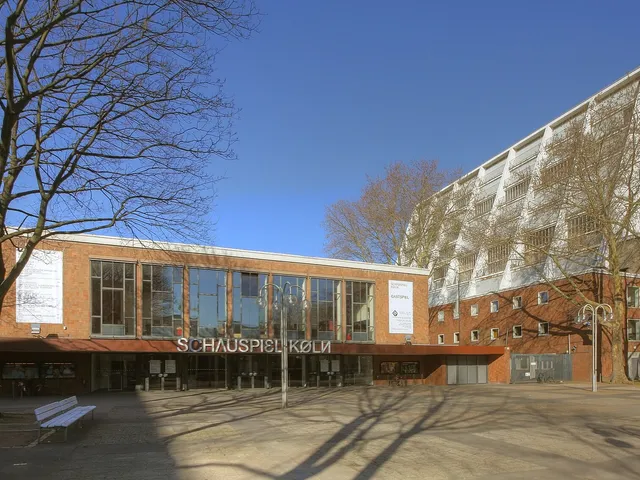
Schauspiel Köln
since 1898Cologne's storied spoken-theatre company, performing at the Mülheim Depot while its landmark home at Offenbachplatz undergoes renovation.
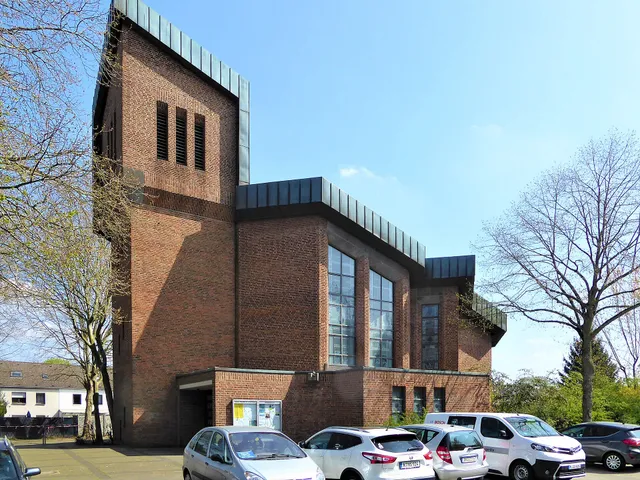
Our Lady of Sorrows (Cologne-Lindweiler)
Branch church in Cologne-Lindweiler whose organ traveled from the Netherlands via Bonn before reaching Cologne.
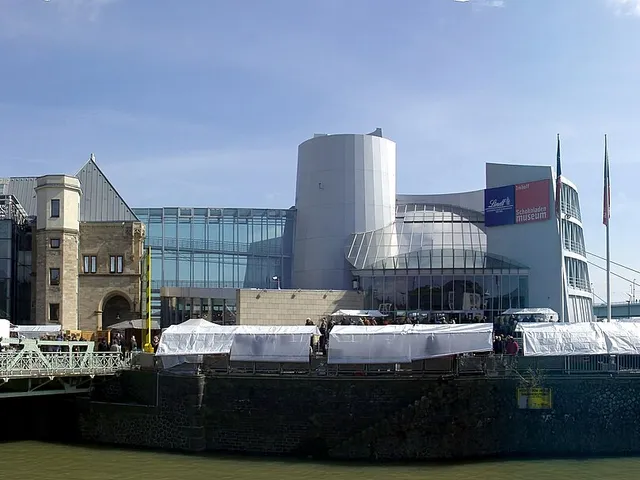
Chocolate Museum Cologne
since 1993Built on a peninsula in the Rheinauhafen harbour, this museum tells the story of chocolate — complete with a glass-fronted factory and a three-metre chocolate fountain.
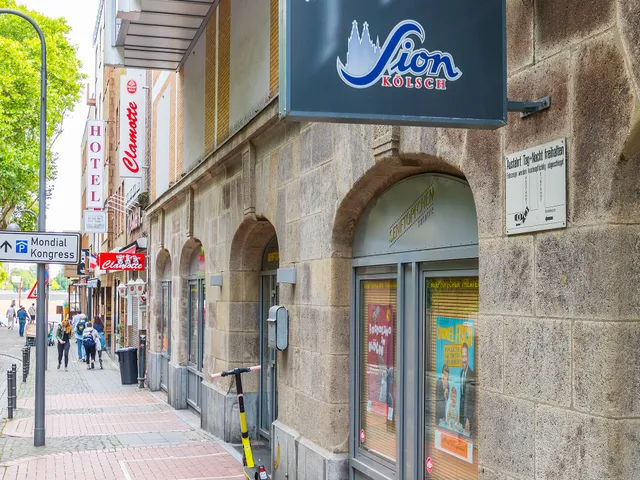
Senftöpfchen
Cologne's beloved cabaret and variety theatre — a launchpad for comedy talent since the 1970s with a reputation that reaches far beyond Germany.
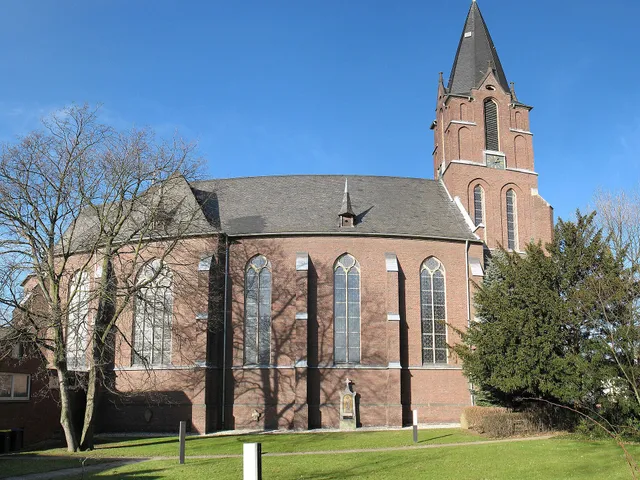
St. Aegidius (Cologne-Wahn)
Neo-Gothic parish church in Cologne-Wahn, unusually aligned north–south instead of the traditional east-facing orientation.
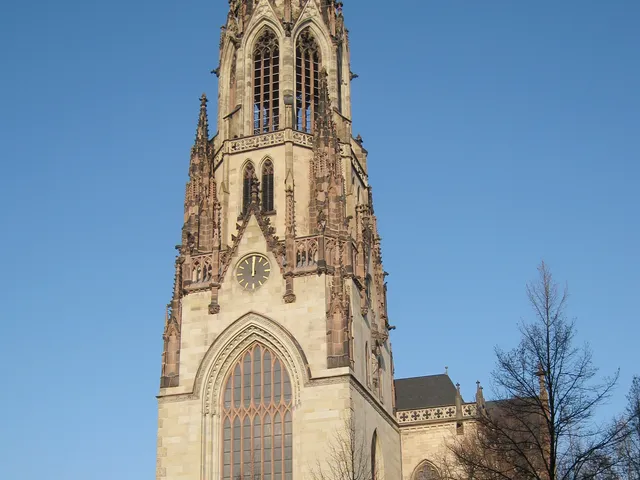
St. Agnes
since 1896Cologne's largest church after the Cathedral: a Neo-Gothic hall church that gave its name to the surrounding Agnesviertel district.
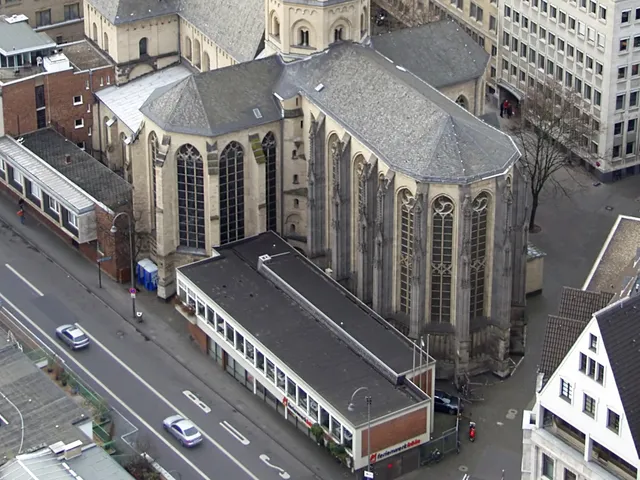
St. Andreas
since 974One of Cologne's twelve great Romanesque churches — home to the tomb of Albertus Magnus in its crypt and stained-glass art by Markus Lüpertz.
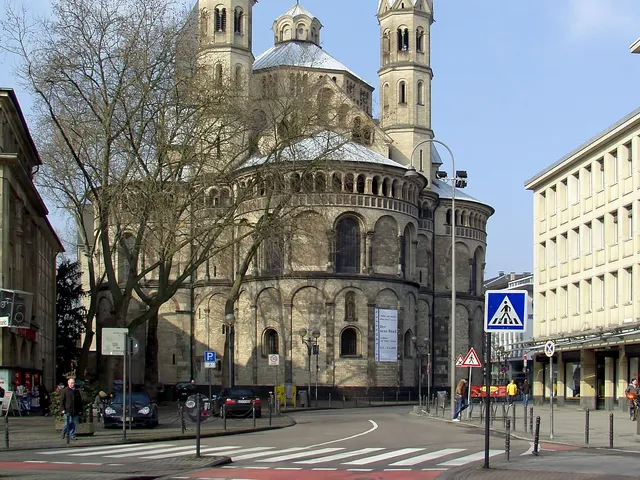
St. Aposteln
since 1020One of Cologne's twelve great Romanesque churches — known for its trefoil-shaped trichoral apse at Neumarkt and celebrated as the city's premier music church.
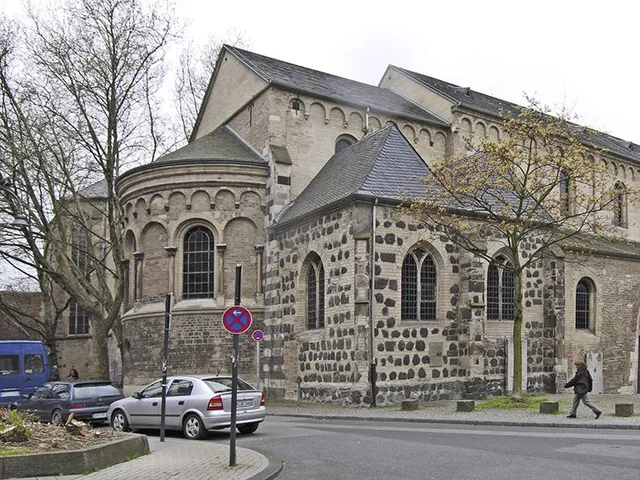
St. Cäcilien – Museum Schnütgen
since 801One of Cologne's twelve great Romanesque churches — home to the Museum Schnütgen for medieval art since 1956.
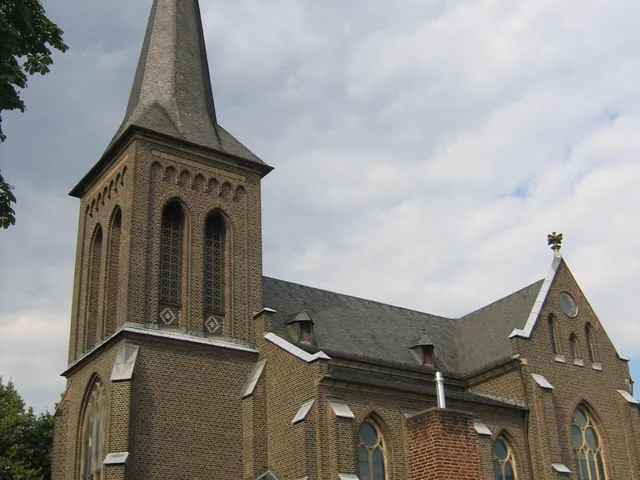
St. Clemens (Cologne-Langel)
Neo-Gothic brick hall church in Cologne-Langel, part of the cycling-route churches network since 2024, open to cyclists and hikers along the Rhine.
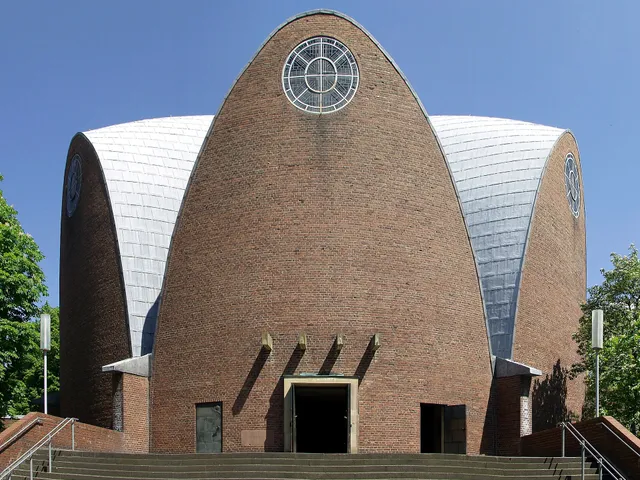
St. Engelbert
since 1930Cologne's first modern church: Dominikus Böhm's central-plan building with a star-shaped dome, built 1930–1932 in Riehl.
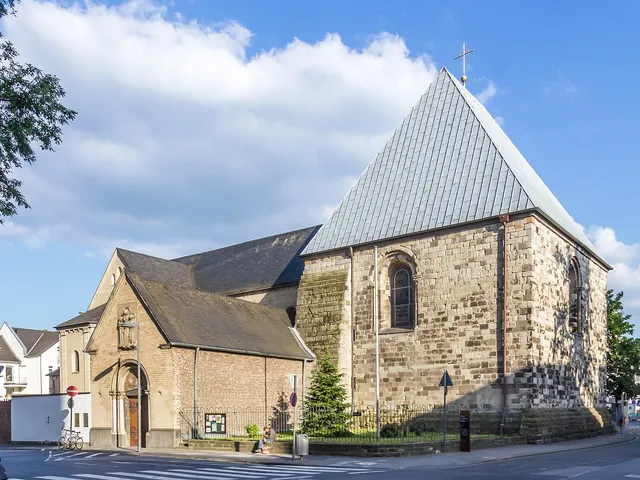
St. Georg
since 105911th-century Romanesque collegiate church rising above a columned crypt with Roman spolia — one of Cologne's twelve great Romanesque basilicas.
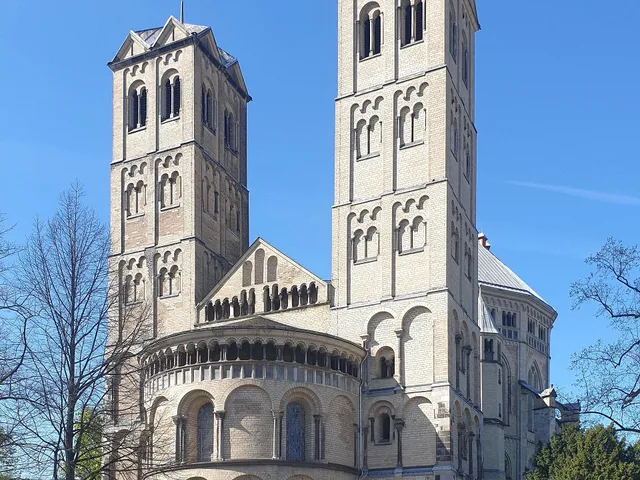
St. Gereon
since 1201Romanesque church in Cologne with a ten-sided domed rotunda from the Hohenstaufen era — the largest surviving free-vaulted central-plan building of the Middle Ages north of the Alps.
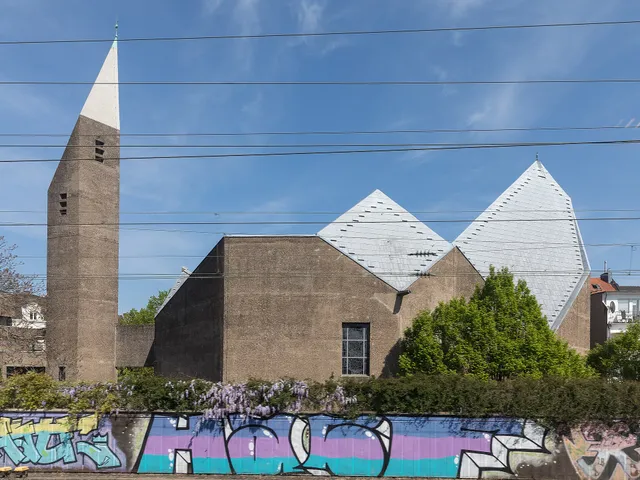
St. Gertrud
Brutalist church by Gottfried Böhm in the Agnesviertel — a cave-like raw concrete structure that won the Cologne Architecture Prize in 1967.
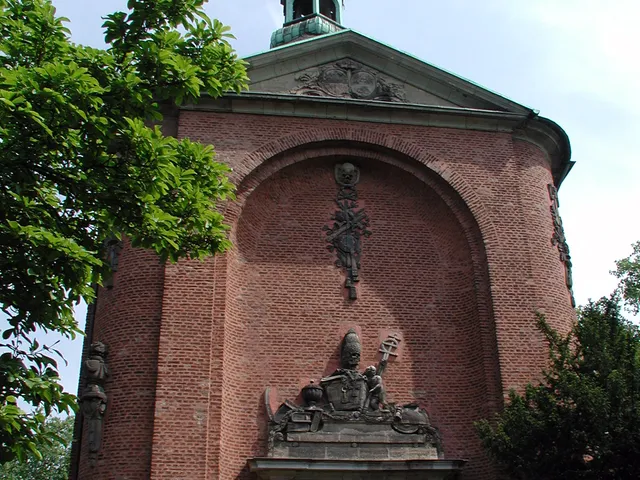
St. Gregorius im Elend
Baroque church rebuilt after WWII destruction, born from the 'Elendskirchhof' — Cologne's historic burial ground for strangers, outcasts, and the dishonoured.
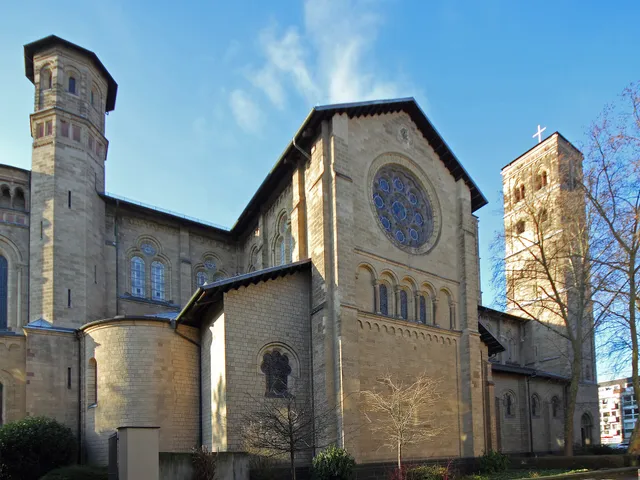
St. Heribert
Parish church in Cologne-Deutz, nicknamed the "Düxer Dom" — home to the Heribert Shrine, completed around 1175.
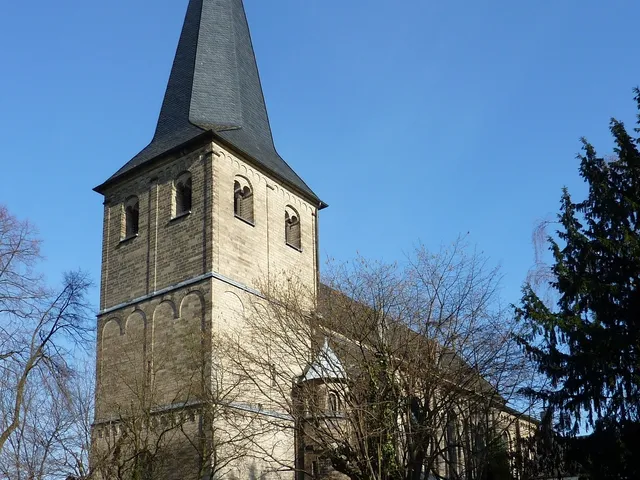
St. Hubertus (Flittard)
since 1896Catholic church in Cologne-Flittard featuring a Romanesque tower from the 12th century and a neo-Romanesque nave built in 1897.
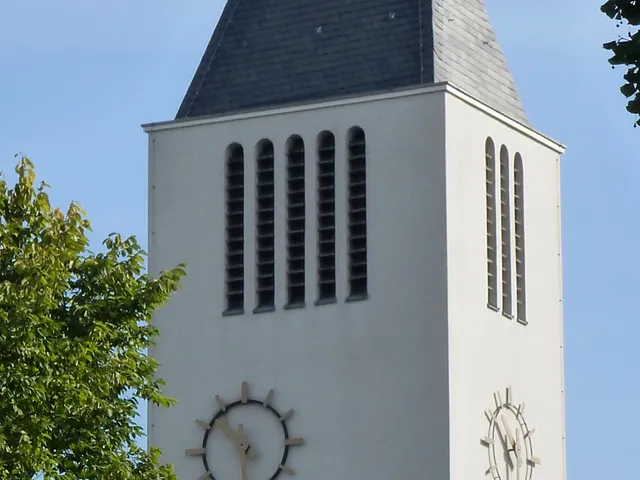
St. Hubertus (Cologne-Brück)
since 1931A Roman Catholic hall church from 1930/31 in the modernist style — home to a 15th-century Madonna statue and original stained-glass windows from 1931.
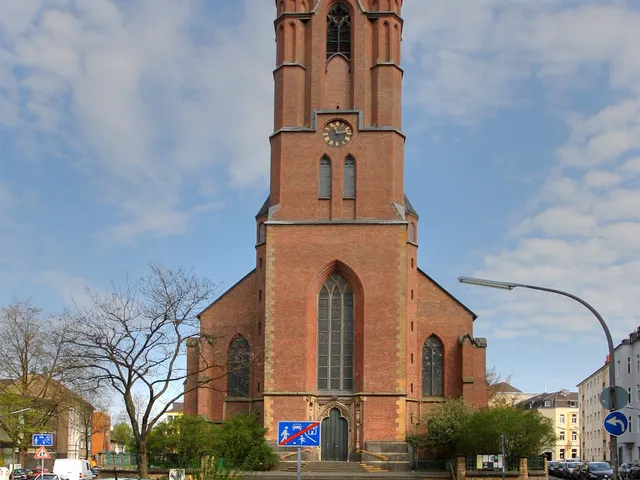
St. Joseph (Cologne-Kalk)
Neo-Gothic brick hall church in Cologne-Kalk featuring stained-glass windows by Dominikus Böhm, including seven Stations-of-the-Cross windows in the transept.
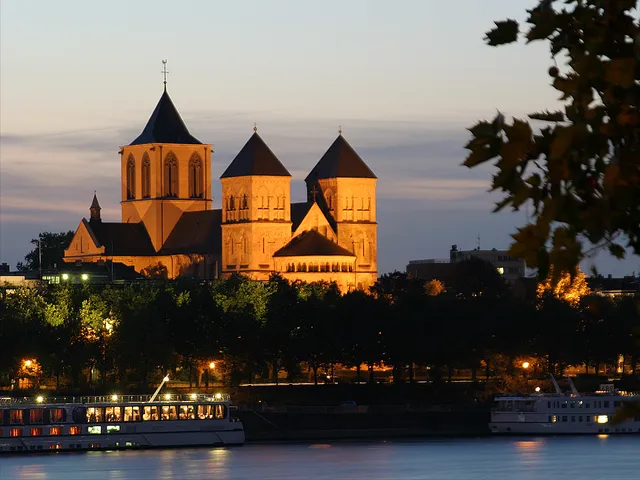
St. Kunibert
since 1215Youngest of Cologne's twelve Romanesque churches — with original 13th-century windows preserved in wartime storage, rising just north of the Cathedral.
St. Maria im Kapitol
since 1100Cologne's largest and oldest Romanesque church — built on the foundations of a Roman temple, featuring a trefoil choir and a thousand-year-old carved wooden door.
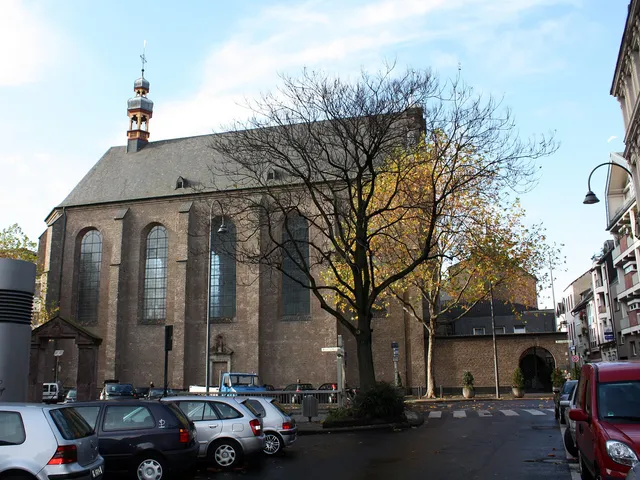
St. Maria in der Kupfergasse
since 1705Baroque pilgrimage church in Cologne's old town that has enclosed a Loreto chapel with its venerated Black Madonna since 1715.
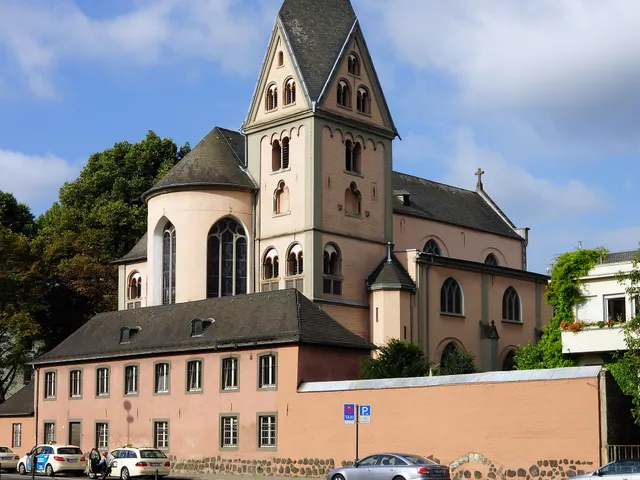
St. Maria in Lyskirchen
The smallest of Cologne's twelve great Romanesque churches — the only one with largely intact 13th-century vault frescoes.
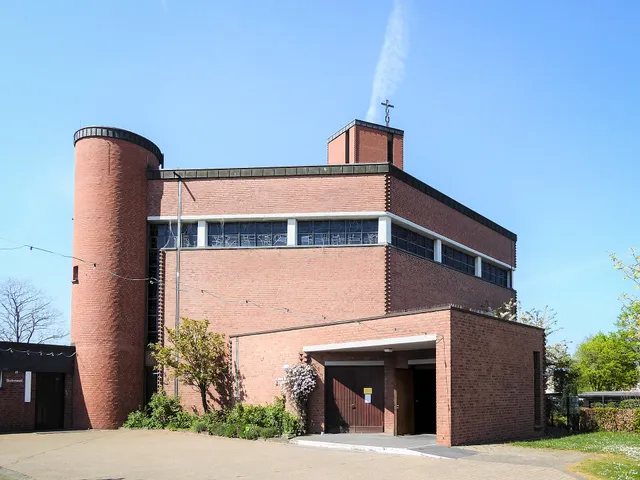
St. Mariä Namen
A 1967/68 brick church in Cologne-Esch by Hans Schilling, where the font, altar, and tabernacle are aligned along a single axis.
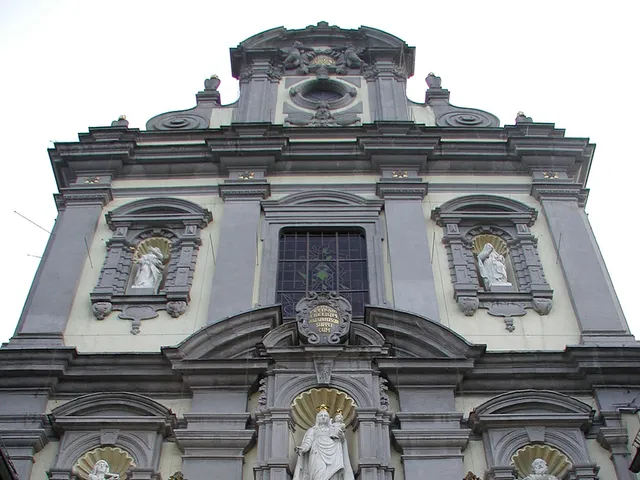
St. Maria vom Frieden
Baroque monastery church of the Discalced Carmelites in Cologne's Old Town — associated with Edith Stein, canonized martyr and co-patron of Europe.
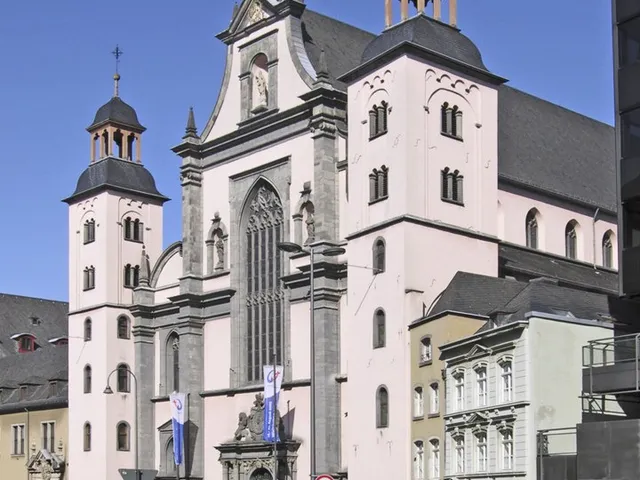
St. Mariä Himmelfahrt
since 1629Baroque former Jesuit church near Cologne Cathedral — for centuries the city's largest after the Cathedral, and one of Cologne's few surviving Baroque landmarks.
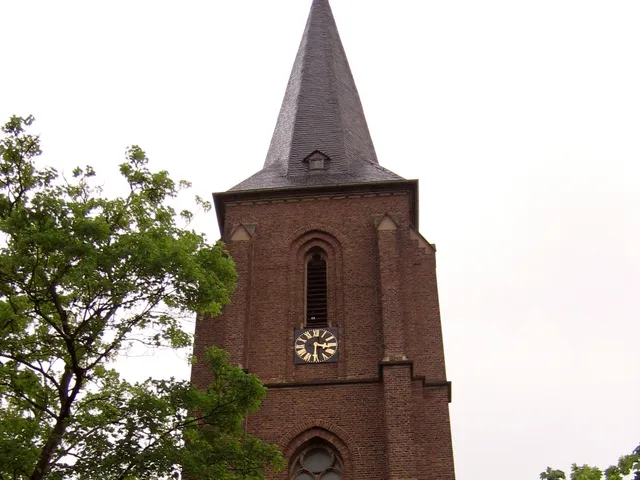
St. Maternus
since 1863Neo-Gothic brick church in Rodenkirchen housing an American pipe organ from 1869 and hosting an annual Maternus pilgrimage every September.
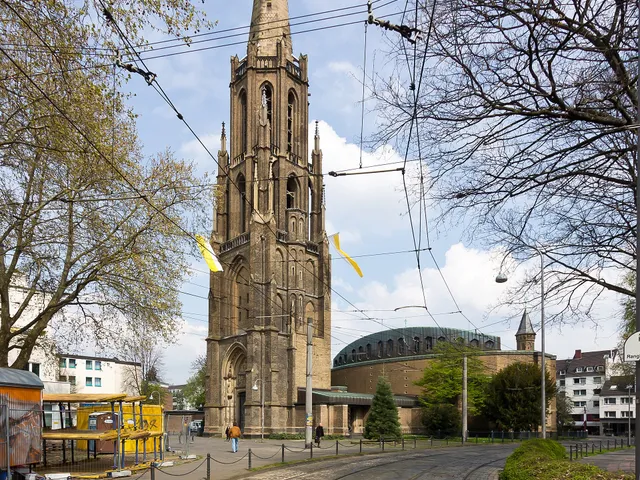
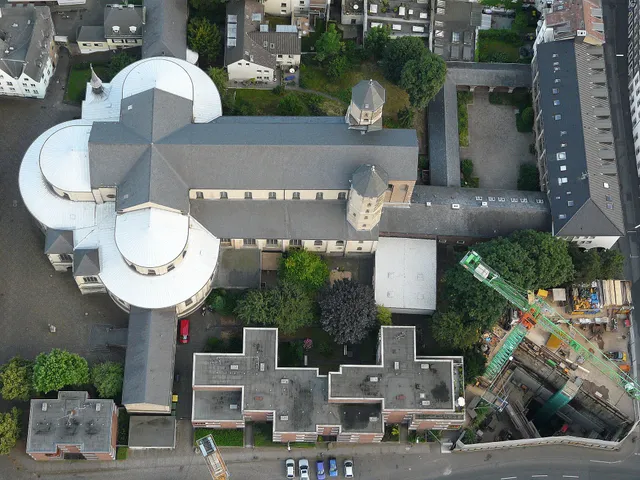
St. Mauritius
Romanesque pier basilica in the Altstadt-Süd district, consecrated in 1141 — the first church in Cologne with a fully vaulted nave and side aisles.
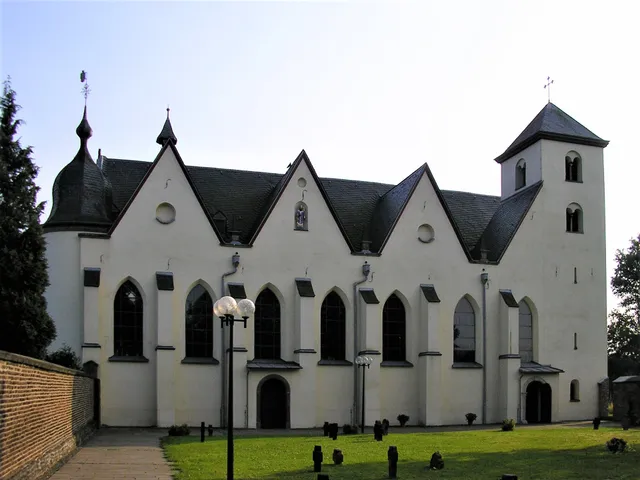
St. Nikolaus (Cologne-Dünnwald)
since 1150Romanesque basilica from 1117/1118, once a Premonstratensian canonesses' convent — with a twin-tower façade until the 16th century.
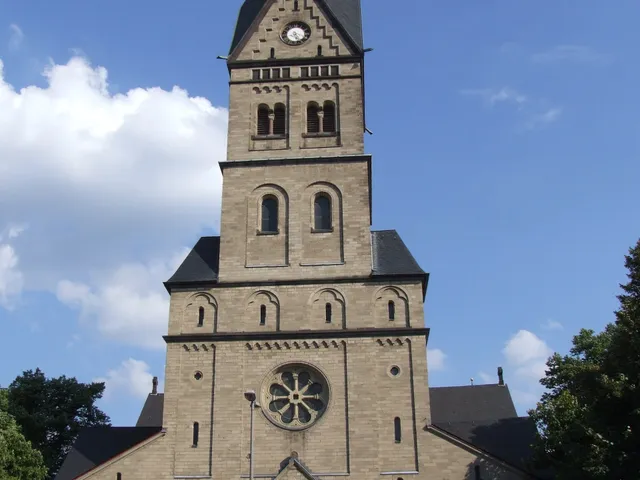
St. Nikolaus (Köln-Sülz)
since 1908Known as the 'Sülzer Dom', this Neo-Romanesque basilica (1903–1909) features a Pantocrator mosaic, Otto-cast bells, and an organ with a unique 'distant work' swell.
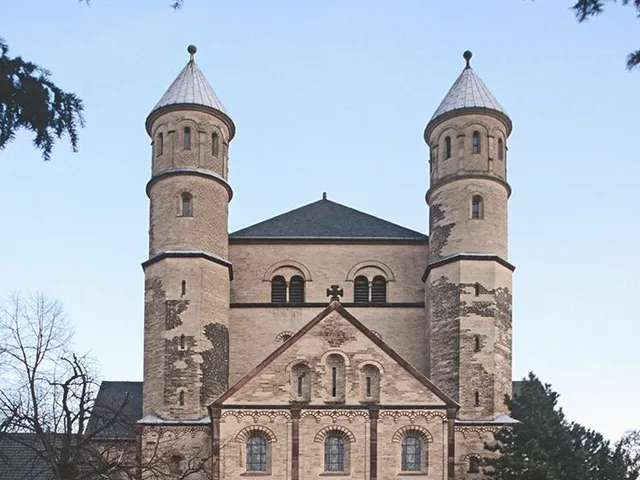
St. Pantaleon
since 1002Early Romanesque abbey church with an Ottonian westwork; burial site of Byzantine Empress Theophanu and Archbishop Bruno of Cologne.
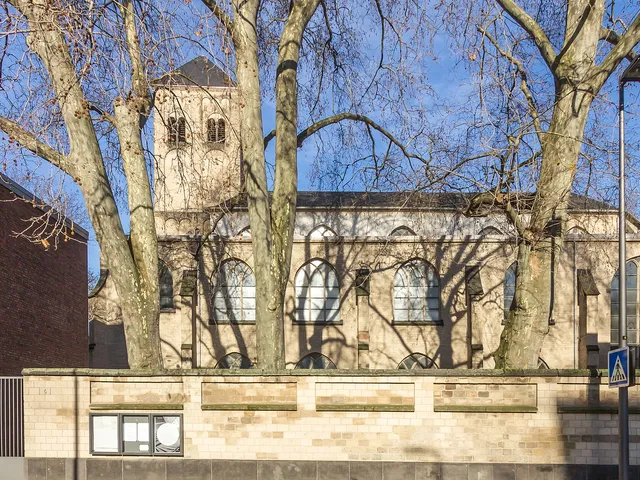
St. Peter – Kunst-Station
since 1515Cologne's latest surviving Gothic church — and since 1987 a venue for contemporary art and new music, run by Jesuits.
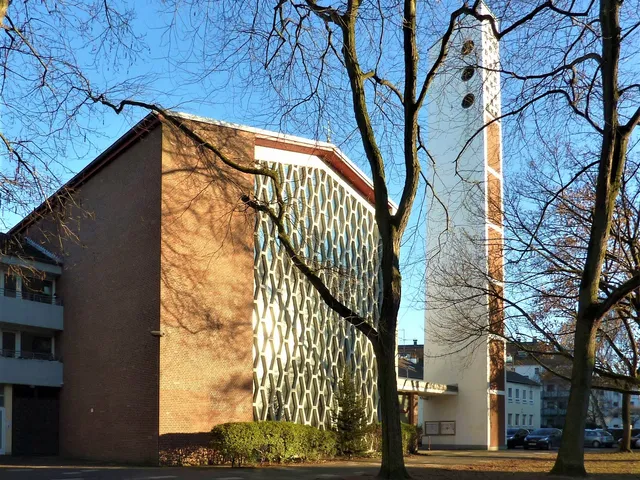
St. Salvator (Cologne-Weidenpesch)
1958 brick hall church with concrete honeycomb windows, a freestanding bell tower, and a natural-stone Christ mosaic.
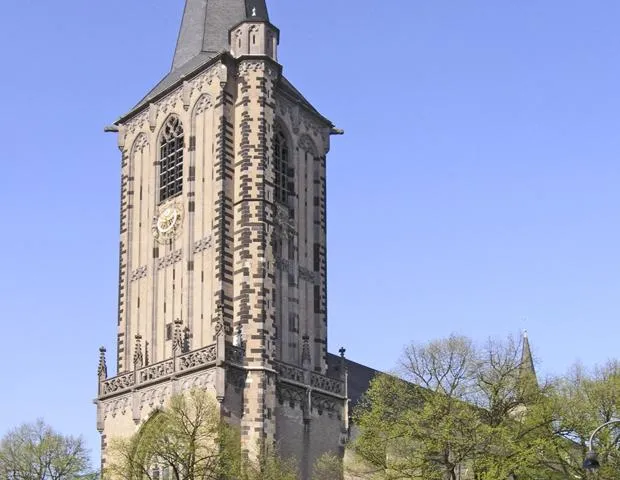
St. Severin
One of Cologne's twelve great Romanesque churches, grown from a late-antique burial chapel — home to the relics of Saint Severin.
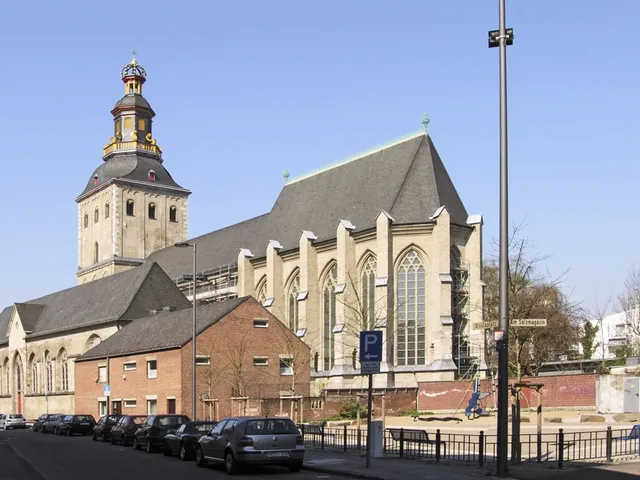
St. Ursula
since 401Romanesque basilica near Cologne Cathedral housing the Golden Chamber — the largest ossuary north of the Alps, with roots in Roman Cologne.
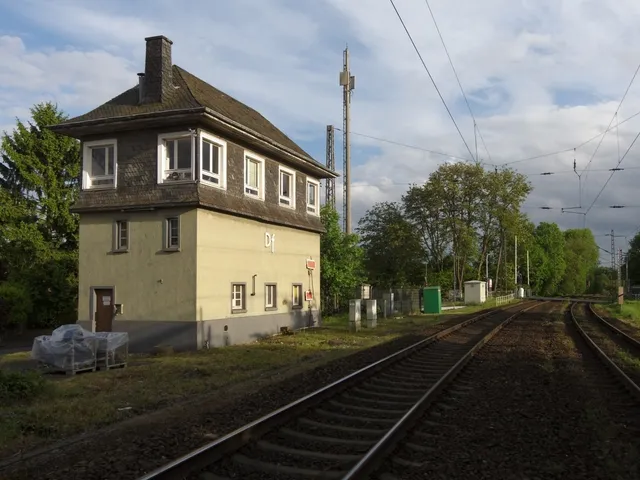
Stellwerk Köln-Dünnwald
Railway signalling museum in Dünnwald preserving a rare DrS2 interlocking, one of Germany's first electronic signal boxes, and a working operations simulator.
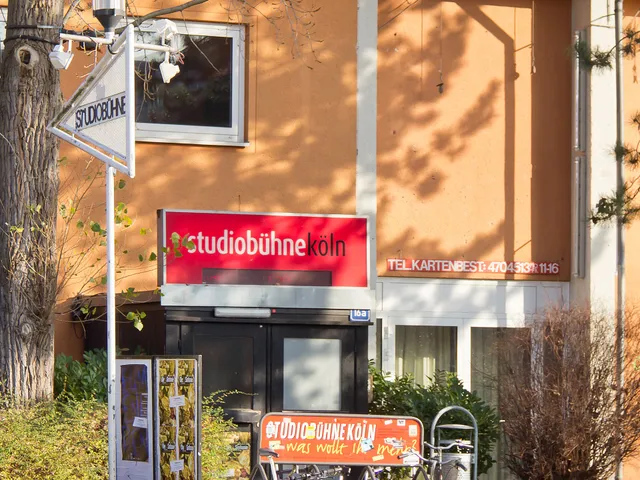
Studiobühne Köln
Germany's oldest university theatre since 1920 — an independent, experimental performance space with a film workshop at the University of Cologne.
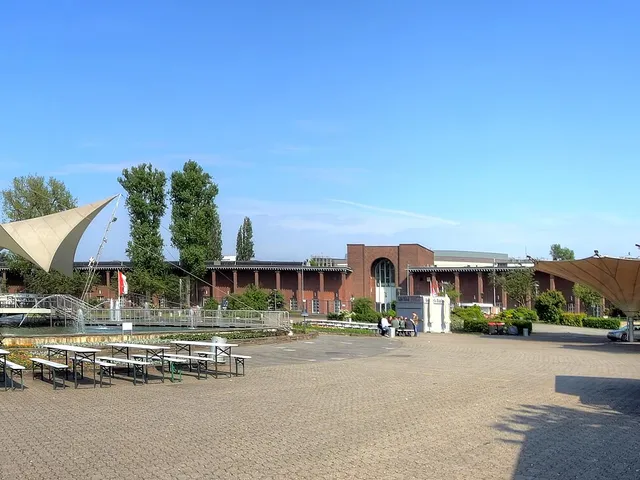
Tanzbrunnen
Cologne's open-air venue — home to up to 12,500 concertgoers beneath Frei Otto's iconic star-wave tent, inspired by a dancing fountain from 1950.
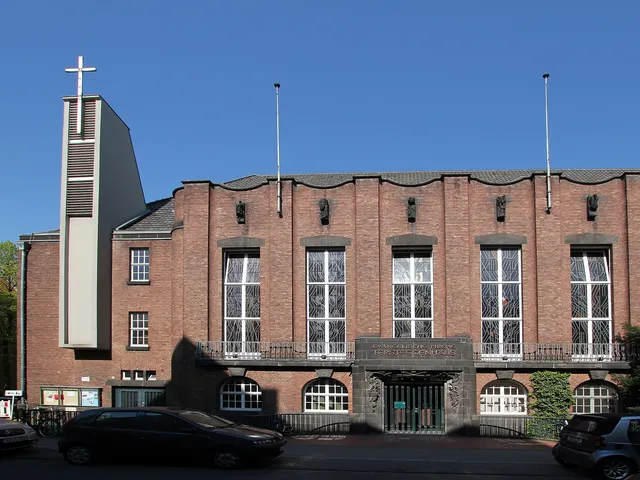
Tersteegenhaus
Protestant church in Cologne-Sülz, consecrated in 1928 as a community hall — its former event hall now serves as a worship space with chairs arranged in a circle around the altar.
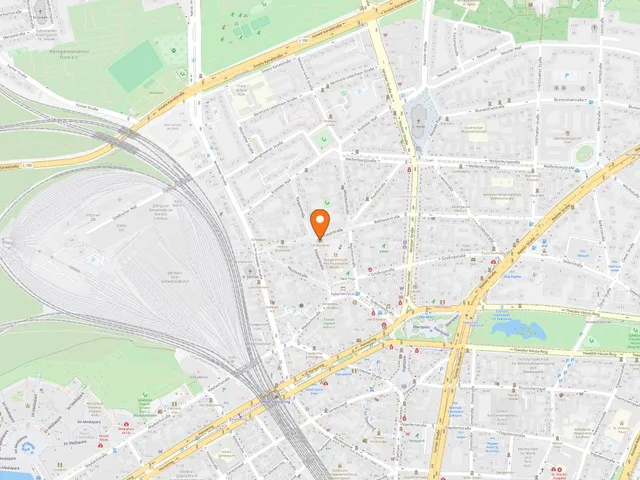
TtE-Bücherei
Freely accessible library and archive of left-wing social movements at the Alte Feuerwache — holding citizens' initiative journals and a substantial collection of grey literature.
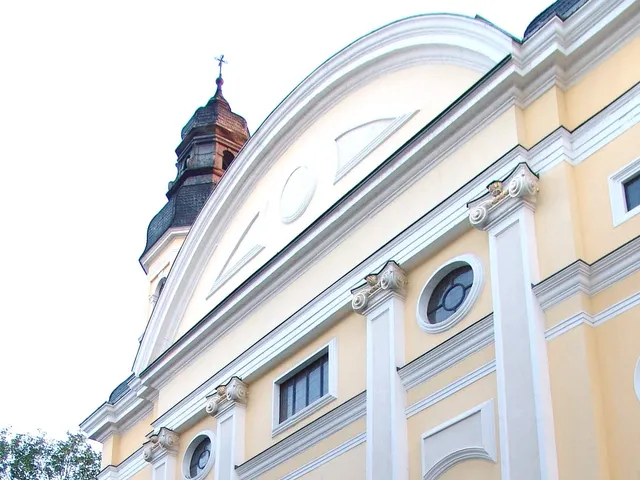
Ursulinenkirche St. Corpus Christi
since 1709Baroque former convent church of the Cologne Ursulines, built in Venetian style by Matteo Alberti — now a school chapel and concert venue.
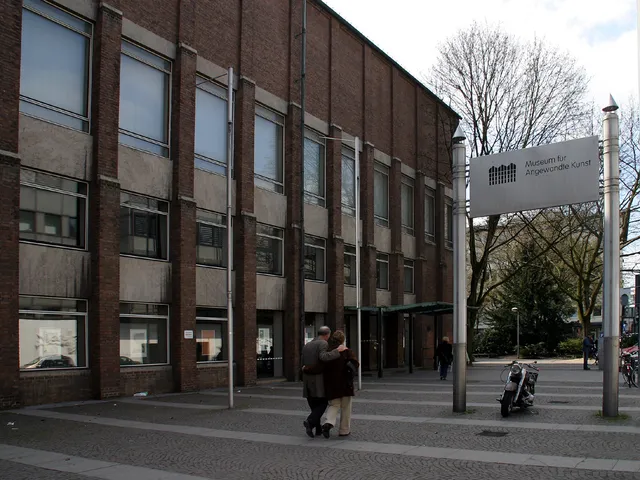
Wallraf-Richartz-Museum & Fondation Corboud
Cologne's oldest museum — home to the world's most extensive collection of medieval painting and Germany's largest Impressionist collection.
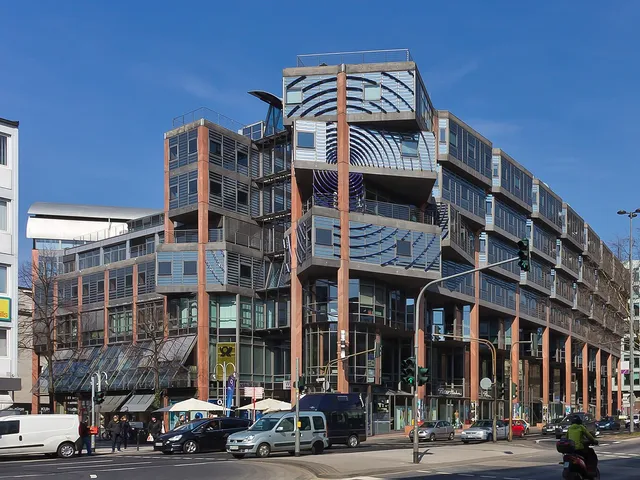
WDR Arkaden
WDR building with an arcade-like façade by Gottfried Böhm — famous for live broadcasts of Cologne's Weiberfastnacht carnival kickoff.
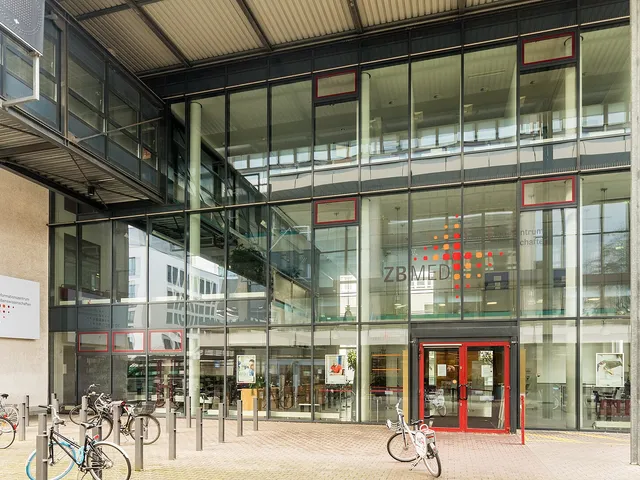
ZB MED – Information Centre for Life Sciences
since 1973Germany's central specialist library for medicine, health, nutrition, environment and agricultural sciences — with its main campus in Cologne-Lindenthal.
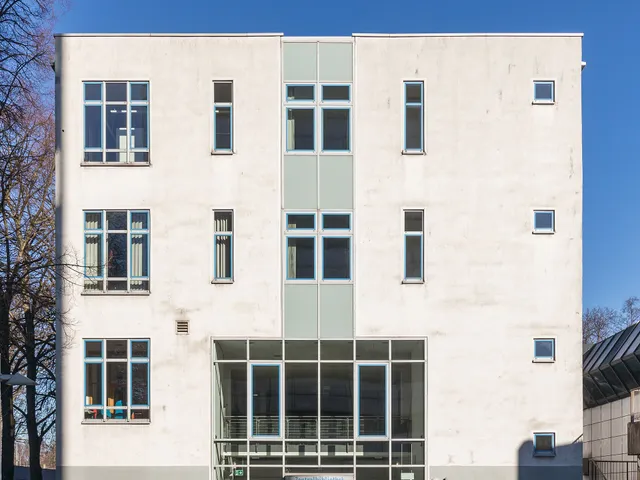
Zentralbibliothek der Sportwissenschaften
since 1947The university library of the Deutsche Sporthochschule Köln — reportedly the world's largest specialized library dedicated to sport and sports science.