Roman Cologne
38 places in Cologne
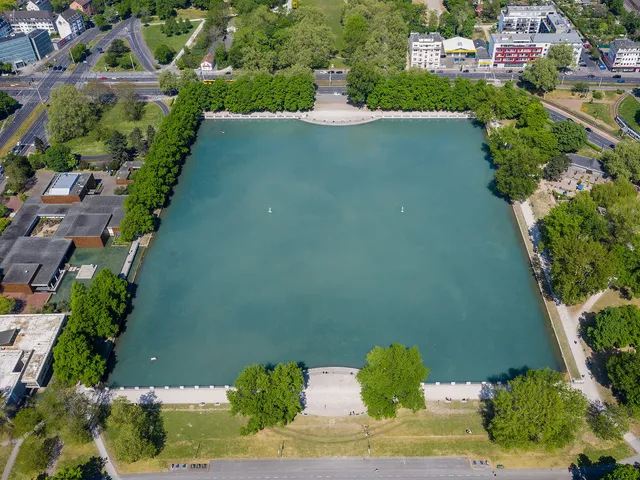
Aachener Weiher
A 1920s artificial lake in Cologne's Inner Green Belt, framed by a beer garden, East Asian art, and the Hiroshima-Nagasaki Park.
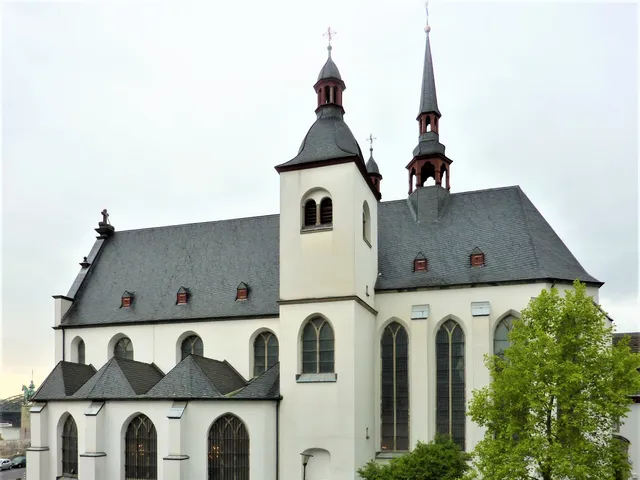
Deutz Abbey
since 1001Cologne's Deutz Abbey, founded in 1002, is the original home of the golden Heribert Shrine and today serves as a Greek Orthodox church.
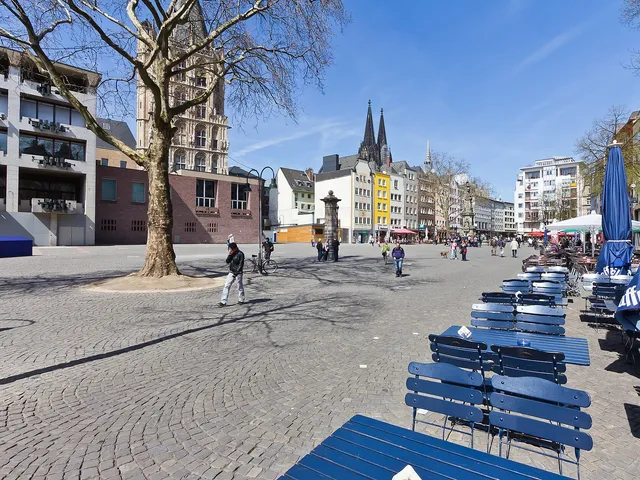
Alter Markt
Historic square in Cologne's Altstadt-Nord with a medieval-looking row of buildings — documented as Cologne's market since 922.
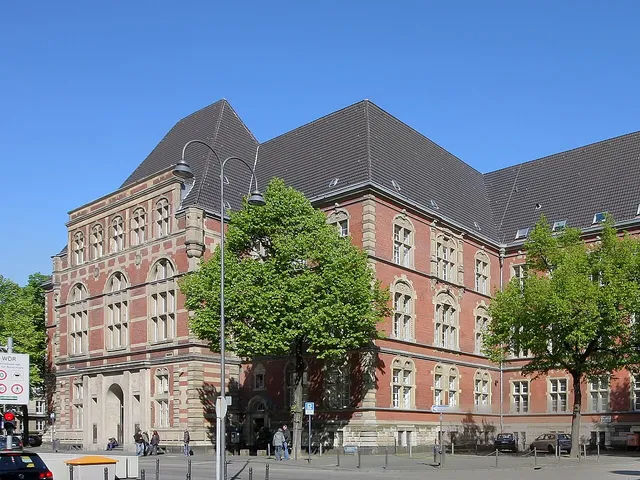
Appellhofplatz
Cologne square named after the Court of Appeal — built on the site of a Roman gate tower and shaped by centuries of landmark court cases.
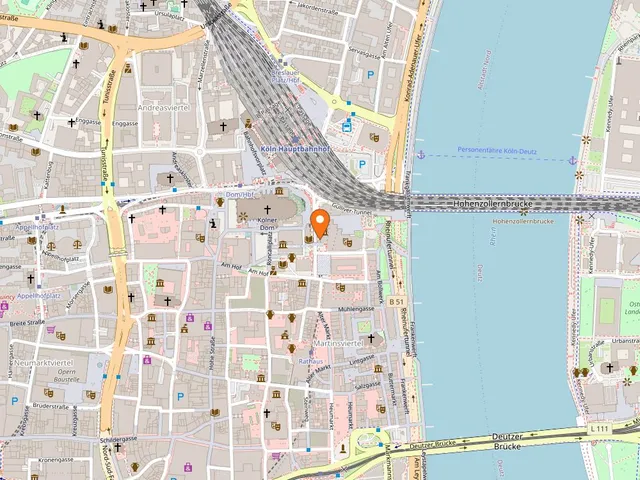
Ara Ubiorum
Where conquered Germanic chiefs swore loyalty to Rome: a lost Roman altar in Cologne, dedicated to the goddess Roma and the emperor, and site of a 'Germanic diet'.
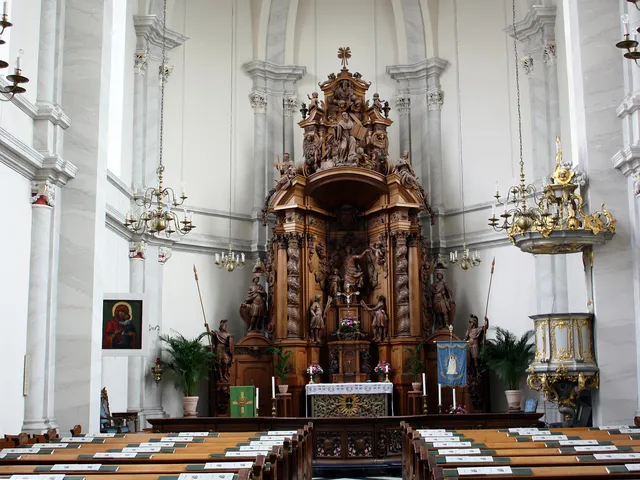
Benedictine Convent of the Holy Maccabees
Medieval convent near the Eigelstein named after Maccabean relics brought to Cologne — its buildings have long since vanished.
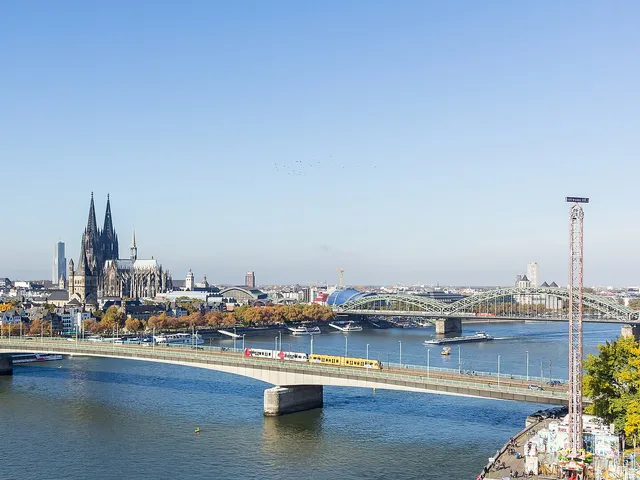
Deutz Bridge
The world's first steel box girder bridge (1947/48) – linking Heumarkt with Deutz; the Roman bridge once stood a few metres further north.
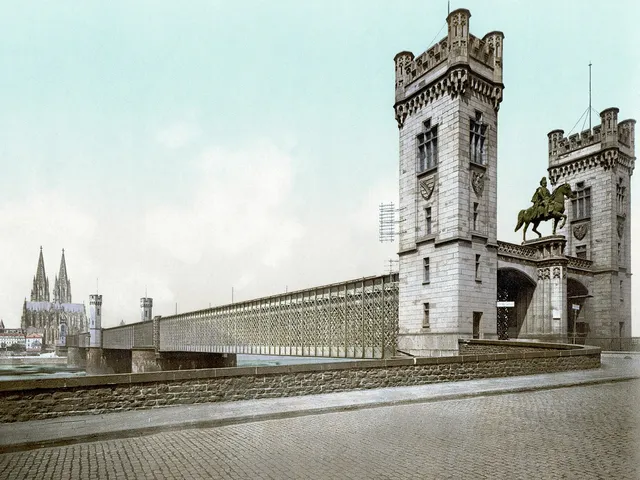
Dombrücke
since 1859Cologne's first permanent Rhine crossing since Roman times and direct predecessor of the Hohenzollern Bridge — nicknamed the 'Mousetrap' by locals.
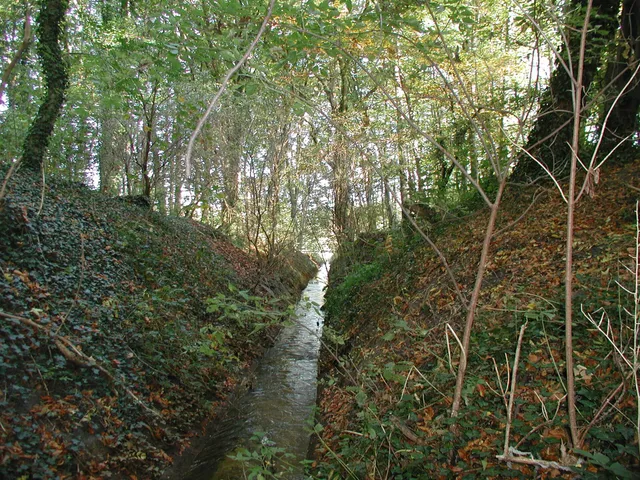
Duffesbach
The only stream in the Cologne Bay to reach the Rhine — artificially channelled since Roman times to serve Cologne's medieval trades.
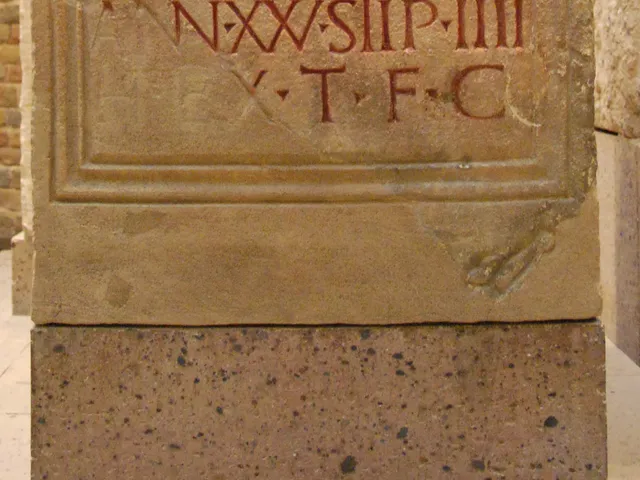
The Alteburg Fleet Fort – Headquarters of the Roman Rhine Fleet in Cologne-Marienburg
The district of Marienburg was once home to the headquarters of the Classis Germanica, Rome's Rhine fleet. Nothing of it survives above ground today – the fort lies entirely beneath the densely built-up Alteburg area.
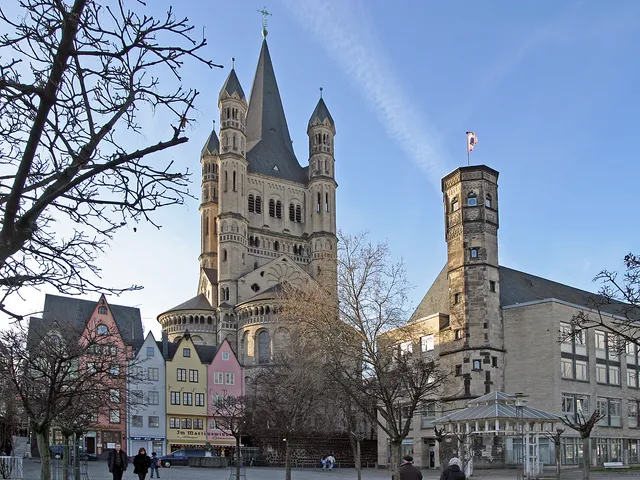
Groß St. Martin
since 1150Romanesque basilica in Cologne's Old Town with a cloverleaf-shaped east choir and striking crossing tower — built over Roman foundations.
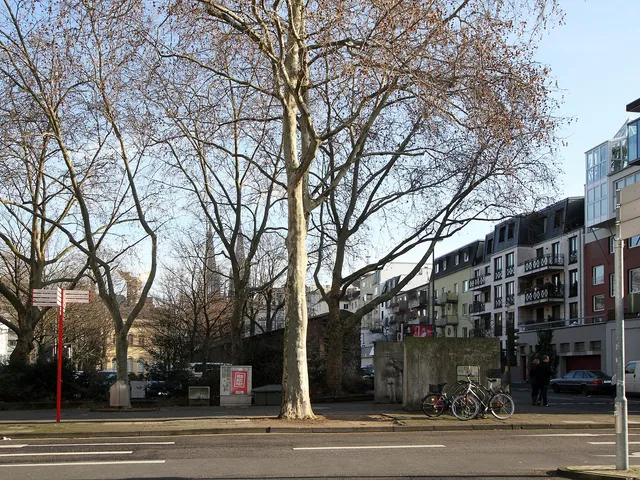
Heiligkreuzkapelle
Small 14th-century Cologne chapel whose south wall rested on the Roman city wall — demolished in 1818.
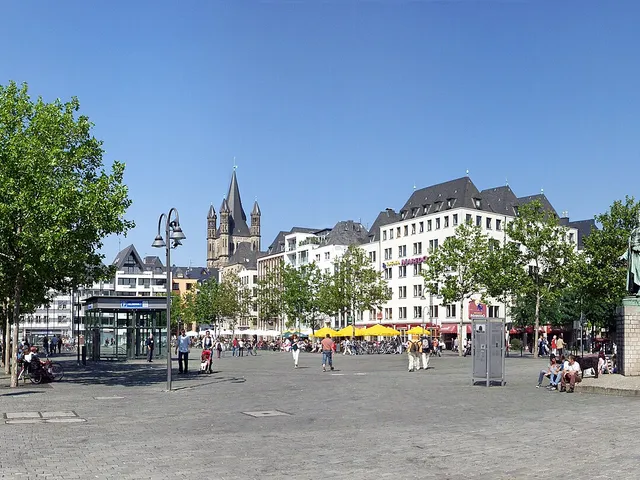
Heumarkt
Cologne's second-largest square and one of its oldest — built on a former Rhine island, hence its historic name 'Inselmarkt' (Island Market).
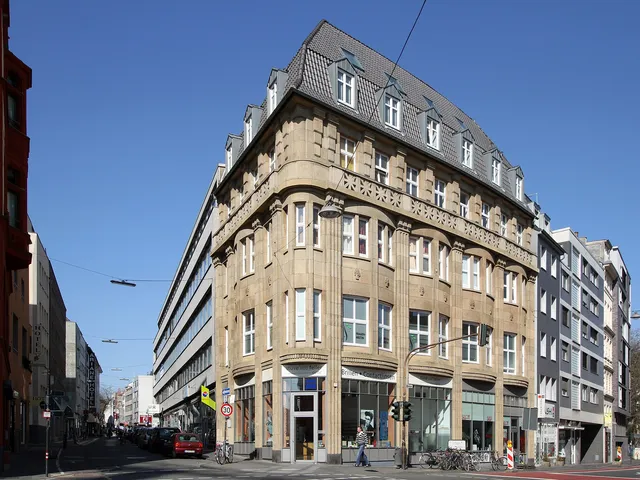
Hohe Pforte
Southern gate of Cologne's Roman city wall on the 'cardo maximus' — the origin of today's Hohe Straße.
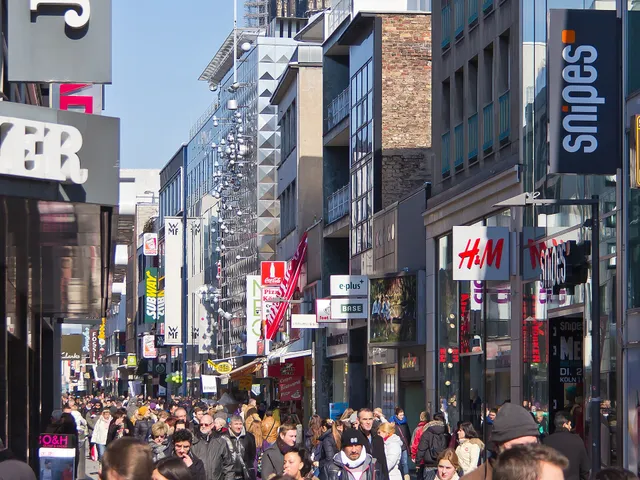
Hohe Straße
The Hohe Straße is one of Cologne's best-known shopping streets, running as a pedestrian zone through the heart of the Altstadt-Nord district. Its history goes all the way back to Roman times, when it formed the main north-south axis of the ancient city.
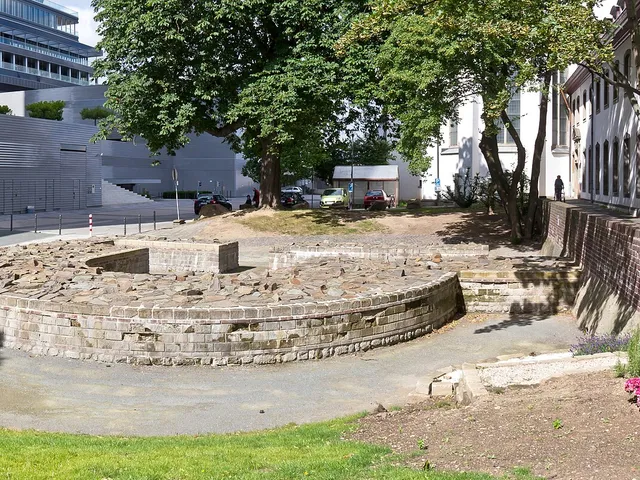
Deutz Fort (Divitia)
On the right bank of the Rhine in Cologne-Deutz, the late-Roman fort of Divitia guarded the bridgehead of Constantine's Rhine bridge from the early 4th century. Substantial remains survive today, and the site has been a UNESCO World Heritage listing since 2021.
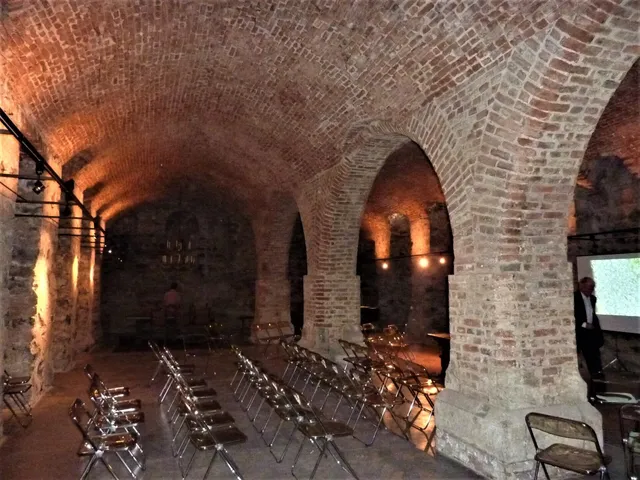
The Poor Clares' Convent of St. Clare in Cologne
A convent of Poor Clares by today's Roman Tower, documented from 1306 until its dissolution in the 1802 secularization.
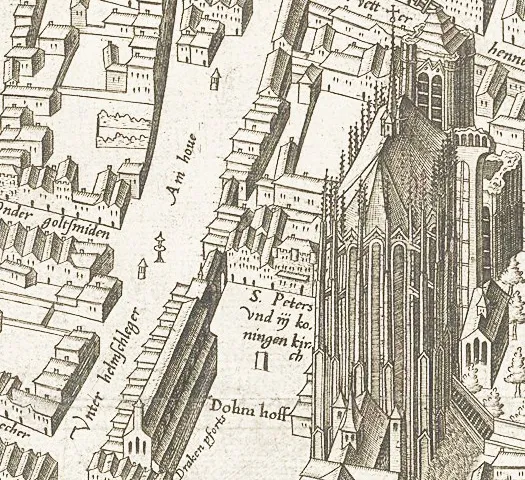
Linneper Hof (Reifferscheider Hof), Cologne
Former noble courtyard on Cologne Cathedral's precinct, originally the archbishops' residence — demolished in the 1740s, now part of the Roman-Germanic Museum grounds.
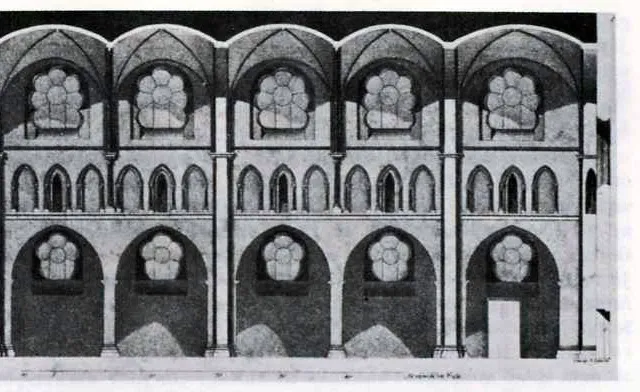
Maria im Spiegel (Sion Convent), Cologne
Former Cologne Cistercian convent, popularly known as Sion Convent, founded in 1246 on the site of an earlier Franciscan settlement.
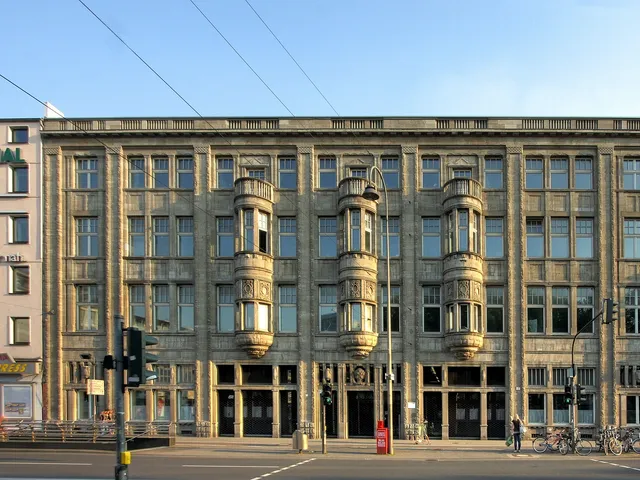
Neumarkt
Cologne's largest square at over 27,000 m² — once a livestock market, execution ground, and legendary witches' sabbath site, with Roman remains beneath.
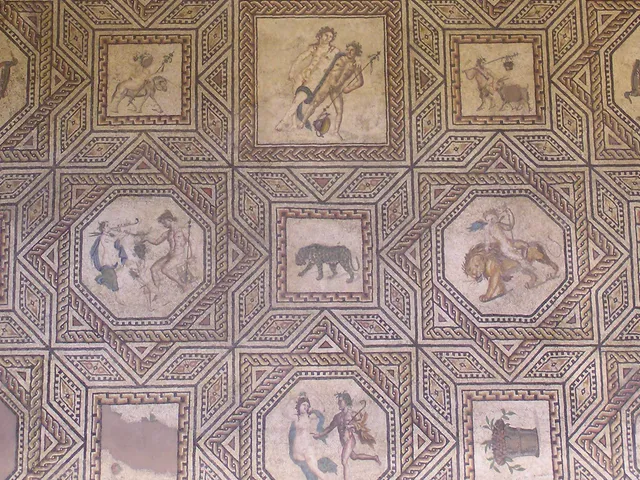
Peristyle House with the Dionysus Mosaic
Roman townhouse by Cologne Cathedral, its dining room floor paved with a 1.5-million-tile mosaic of the wine god Dionysus.
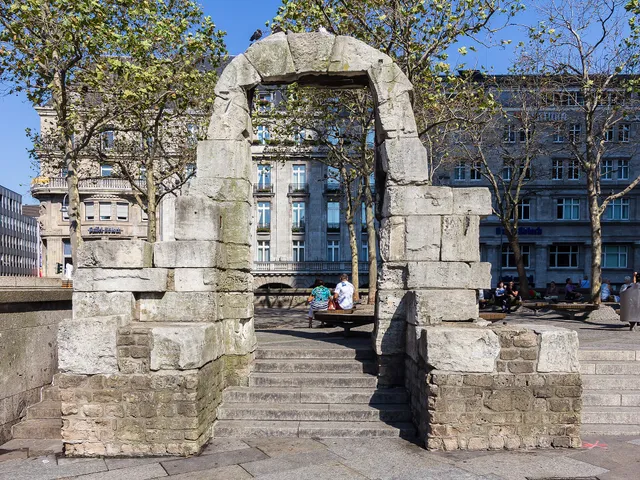
Pfaffenpforte (North Gate)
since 100Cologne's Roman north gate – once a three-arched main entrance, today preserved as a fragment on the Domplatte and in the Roman-Germanic Museum.
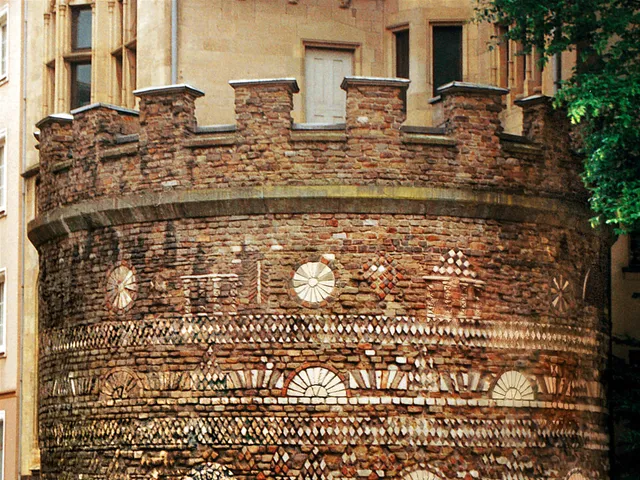
Roman Cologne – Colonia Claudia Ara Agrippinensium
The birthplace of Cologne: the Roman CCAA, capital of Lower Germania — and today part of a UNESCO World Heritage Site.
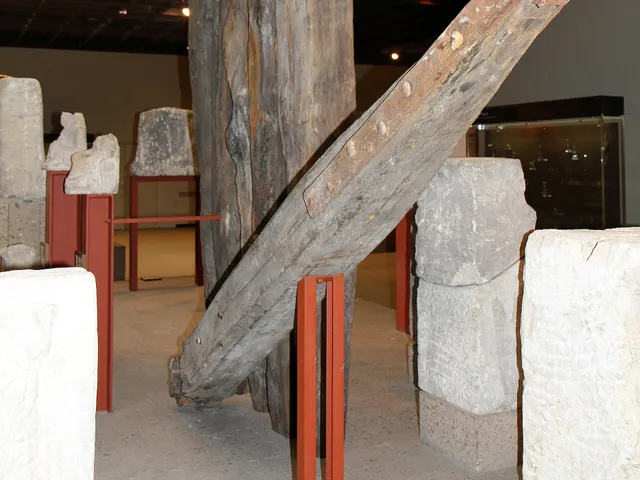
Römerbrücke
since 310The first permanent bridge across the Rhine near Cologne — built under Emperor Constantine I from 310 AD, at the site of today's Deutzer Brücke.
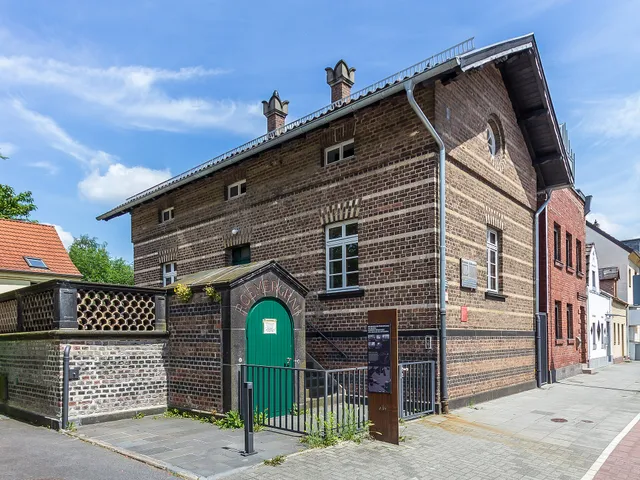
Roman Tomb Cologne-Weiden
Underground Roman burial chamber from the 2nd century — one of the best-preserved funerary structures north of the Alps, discovered in 1843.
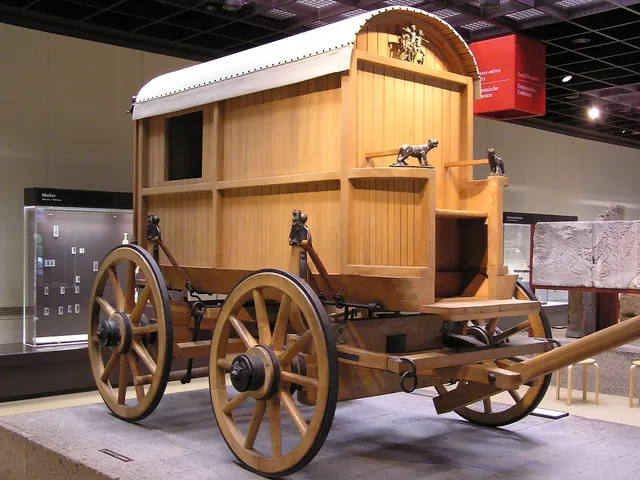
Romano-Germanic Museum (RGM)
since 1946Cologne's archaeological museum — world's largest collection of Roman glass and the Dionysus Mosaic near the cathedral (currently at the Belgian House).
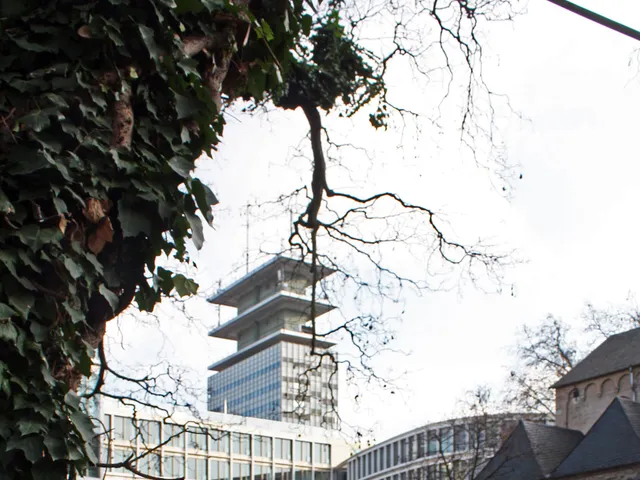
Roman Baths and Medieval Bathhouses in Cologne
Foundations of a 2nd/3rd-century Roman bath complex unearthed in 2007 beneath Cologne's Altstadt-Süd — including an 18-metre-wide rotunda.
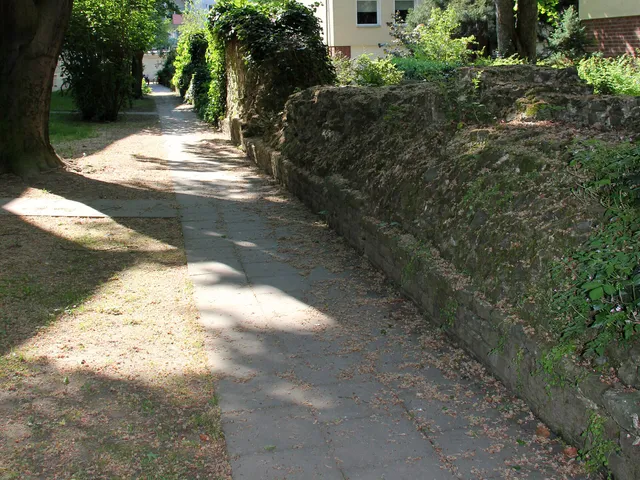
The South-West Gate of the Colonia Claudia Ara Agrippinensium
A vanished Roman city gate on Clemensstraße in southern Cologne that once formed the south-western exit of the fortified Roman town.
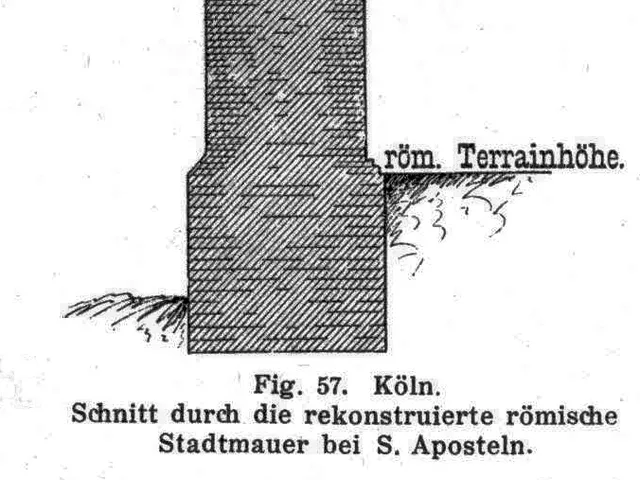
The Roman West Gate of the Colonia (vanished city gate at the Apostelnkloster)
A gate of Cologne's Roman city wall that vanished without a trace, its road remains excavated near the Neumarkt at the Apostelnkloster.
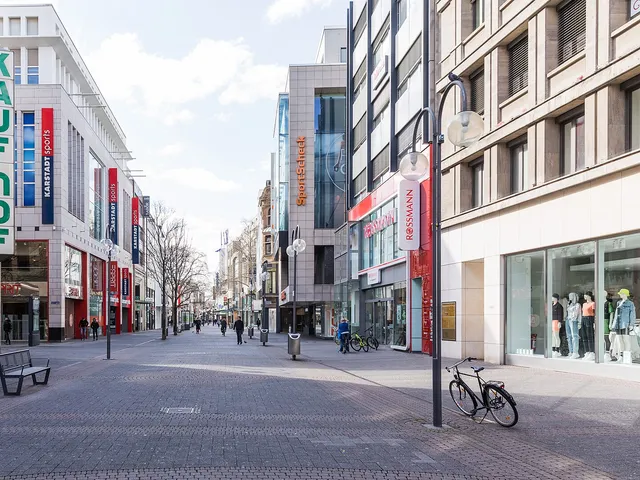
Schildergasse
The Schildergasse is one of Cologne's central shopping streets, linking Neumarkt with Hohe Straße as a pedestrian zone. With Roman roots and a name derived from medieval shield painters, it blends centuries of history with modern retail.
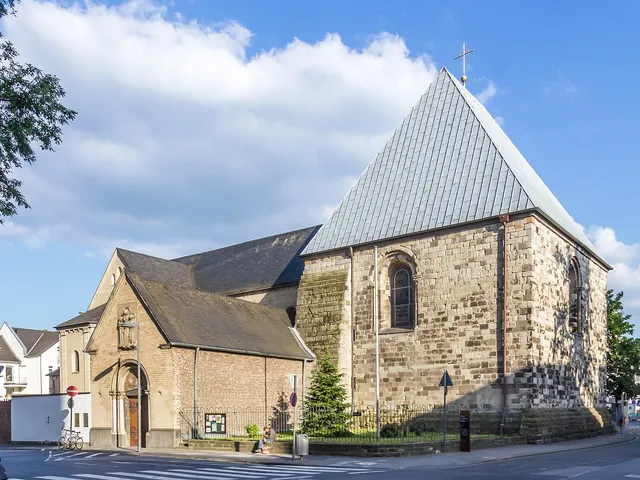
St. Georg
since 105911th-century Romanesque collegiate church rising above a columned crypt with Roman spolia — one of Cologne's twelve great Romanesque basilicas.
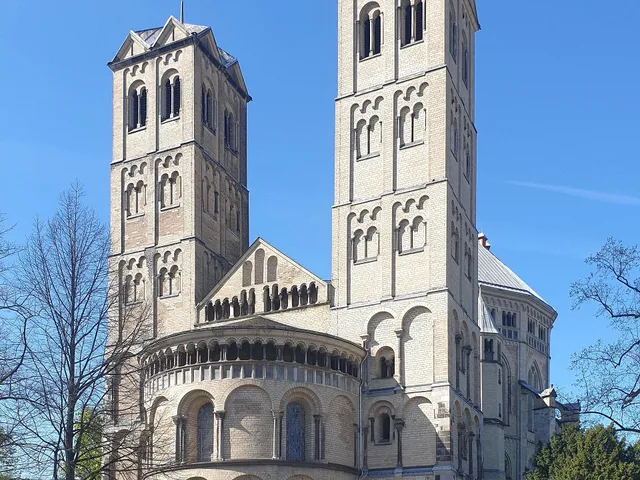
St. Gereon
since 1201Romanesque church in Cologne with a ten-sided domed rotunda from the Hohenstaufen era — the largest surviving free-vaulted central-plan building of the Middle Ages north of the Alps.
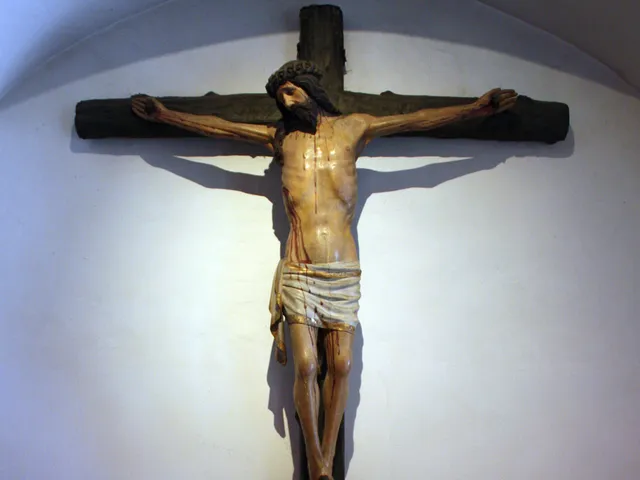
St. Jakob
A lost Cologne parish church at the Waidmarkt, built in the 11th century under Archbishop Anno and standing until 1825.
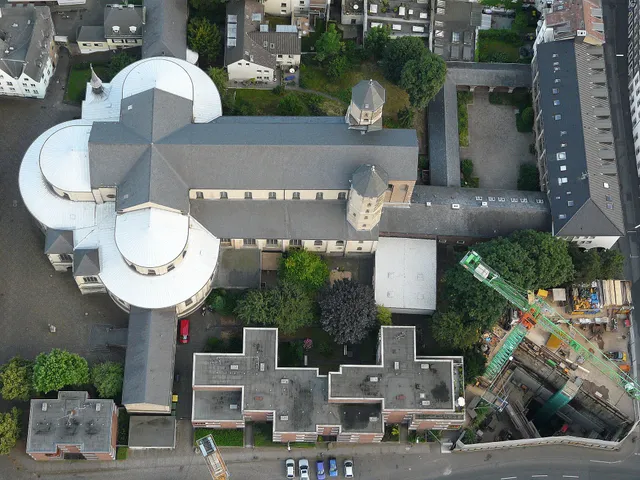
St. Maria im Kapitol
since 1100Cologne's largest and oldest Romanesque church — built on the foundations of a Roman temple, featuring a trefoil choir and a thousand-year-old carved wooden door.
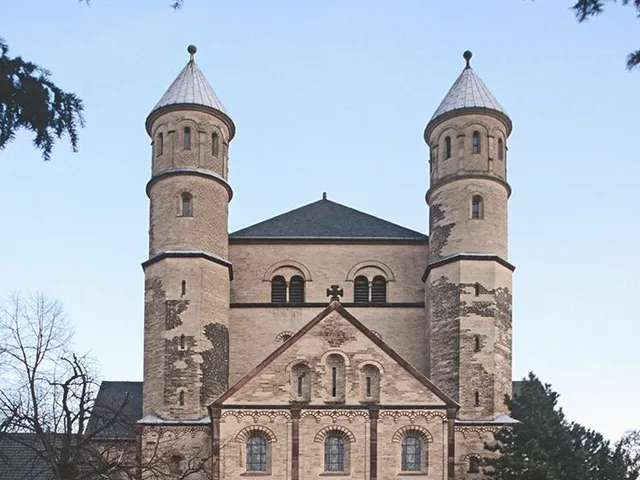
St. Pantaleon
since 1002Early Romanesque abbey church with an Ottonian westwork; burial site of Byzantine Empress Theophanu and Archbishop Bruno of Cologne.
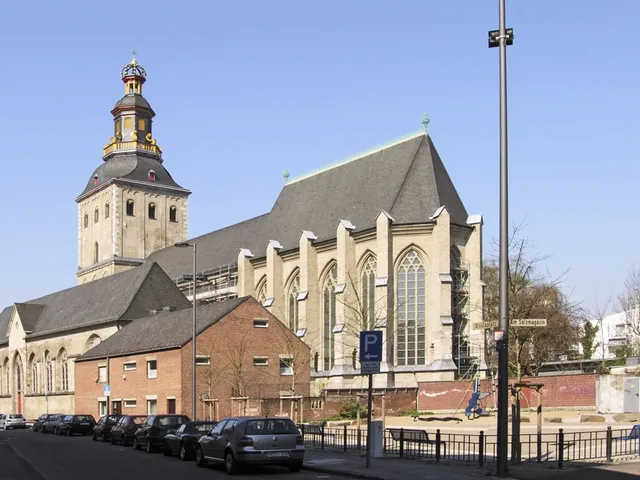
St. Ursula
since 401Romanesque basilica near Cologne Cathedral housing the Golden Chamber — the largest ossuary north of the Alps, with roots in Roman Cologne.
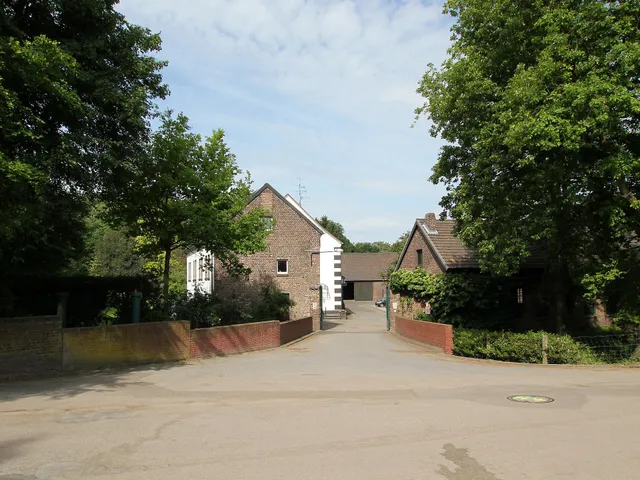
Stüttgenhof
One of Cologne's oldest farmsteads – partly ringed by a moat and still worked today by its owning family.