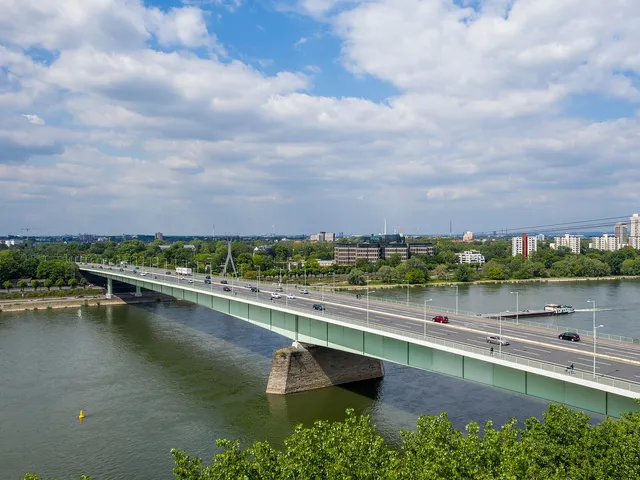
Water
62 places in Cologne
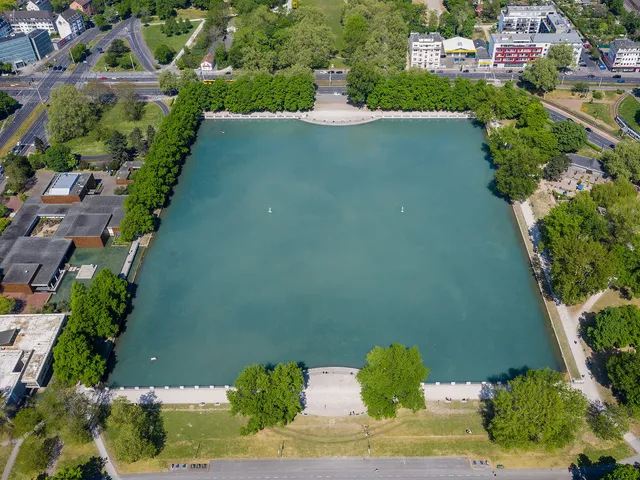
Aachener Weiher
A 1920s artificial lake in Cologne's Inner Green Belt, framed by a beer garden, East Asian art, and the Hiroshima-Nagasaki Park.
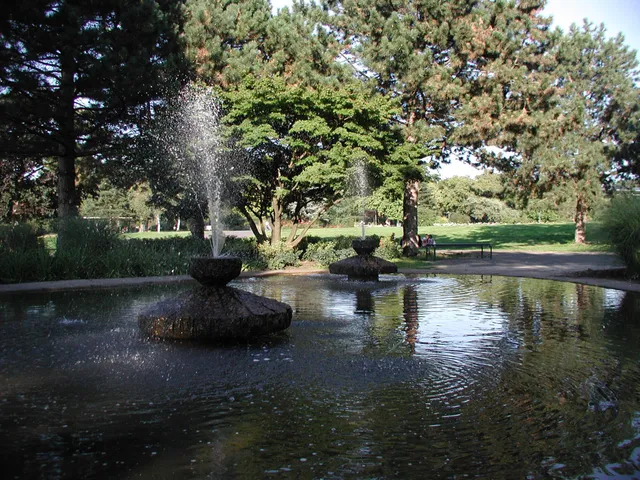
Adenauerteich
since 1957A kidney-shaped fountain pond in the Rheinpark, created in 1957 for the Federal Garden Show – named after rose breeder Konrad Adenauer, with crown fountains and water jets.
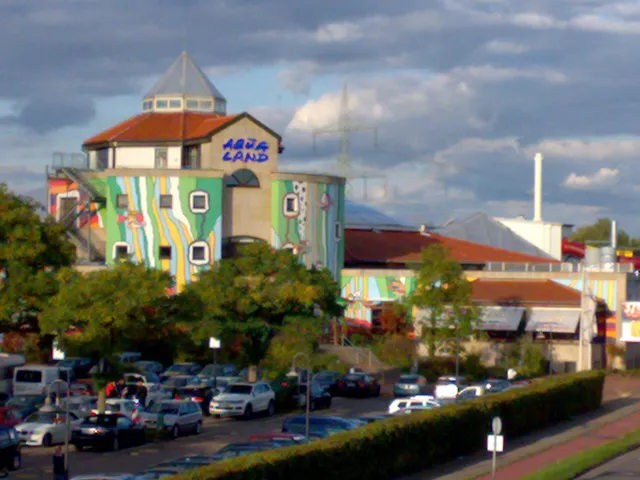
Aqualand
since 1991Leisure pool in Cologne-Chorweiler featuring nine water slides, eleven saunas, and an adjoining fitness centre.
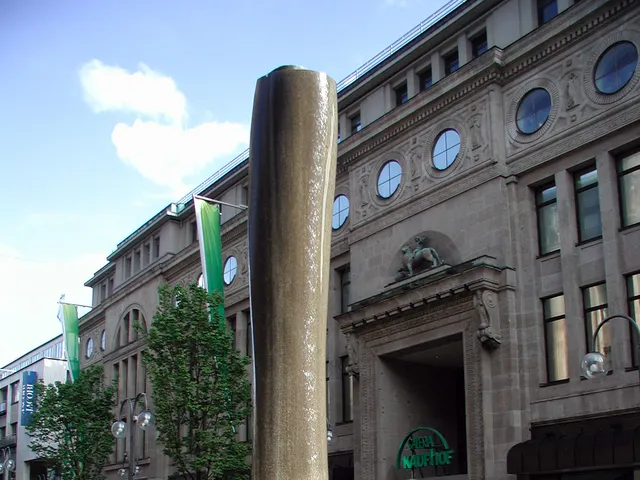
Bierbrunnen
since 1972A 1972 fountain on Schildergasse featuring a granite column wrapped in a thin veil of water — named after a brief beer tap that once operated at the site.
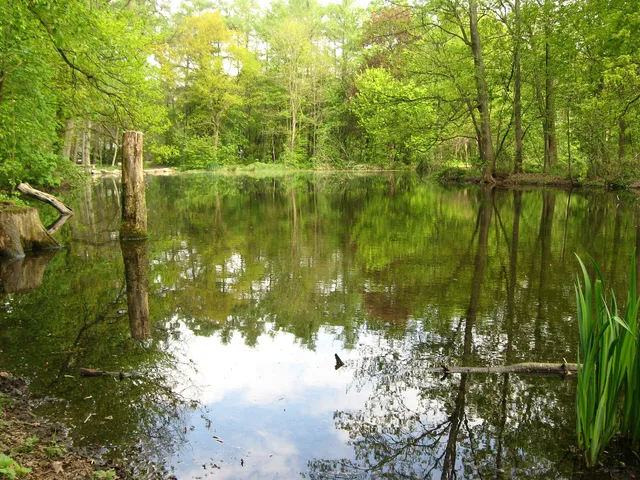
Bieselwald
Urban forest and local recreation area in Cologne's Porz district, featuring two ponds, a woodland stadium, and equestrian facilities.
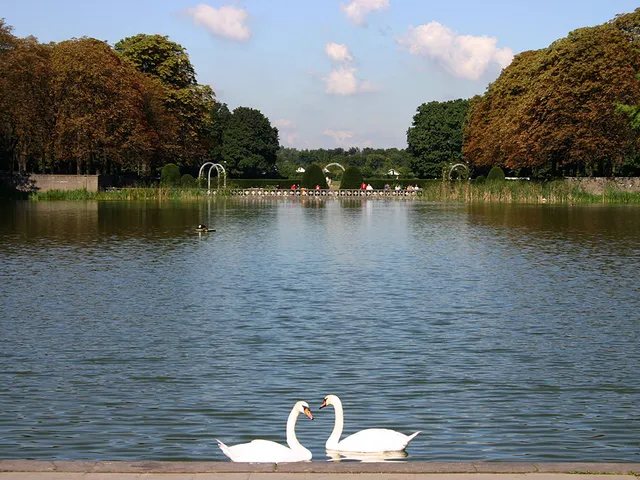
Blücherpark
Strictly geometric people's park from 1911–1913 with a rectangular pond, rowing boats, and a boathouse terrace.
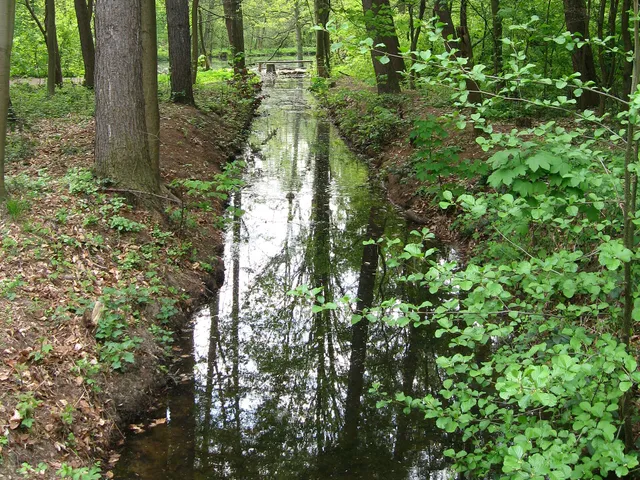
Butzbach
A roughly 5.8 km sandy stream that rises in the Wahner Heide and seeps away in the Grengel Bieselwald – part of a protected landscape area in southern Cologne.
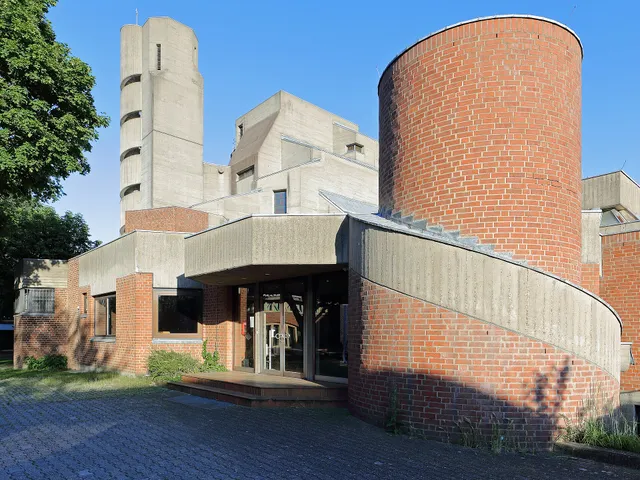
Christi Auferstehung (Lindenthal)
since 1968Sculptural concrete church by Gottfried Böhm at the head of the Lindenthal Canal – with a cave-like interior of branching pillars.
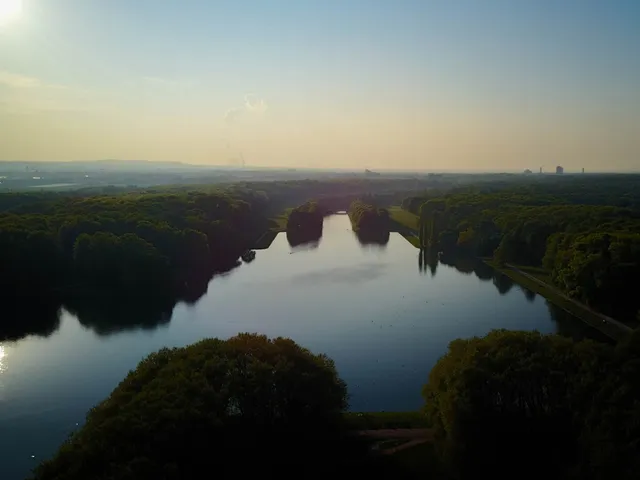
Decksteiner Weiher
since 1929Artificial rowing lake in Cologne's Outer Green Belt — 5.8 km loop trail, boat hire, and a goshawk breeding site on its island since 1987.
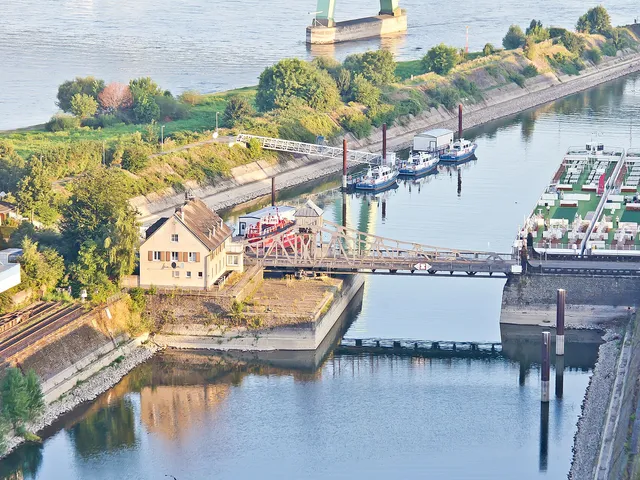
Deutzer Drehbrücke
since 1908Rotating steel bridge from 1908 over Deutz Harbour — one of two Cologne swing bridges, a listed technical monument with its original control house intact.
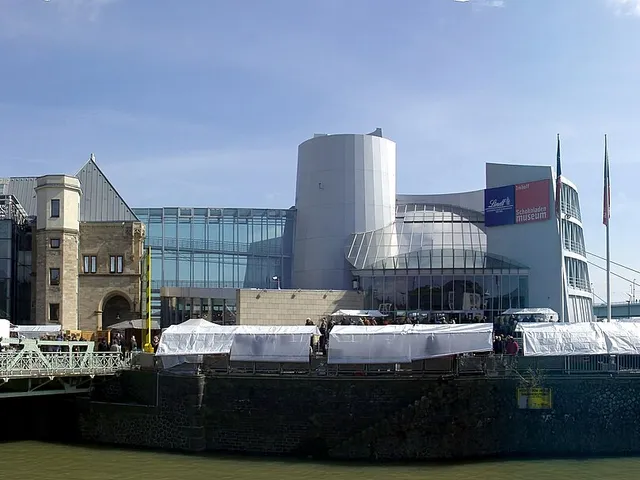
Swing Bridge in the Rheinauhafen
since 1896Cologne's oldest crossing over Rhine water: a listed swing bridge from 1896 that pivots aside using hydraulics powered from the Malakoff Tower.
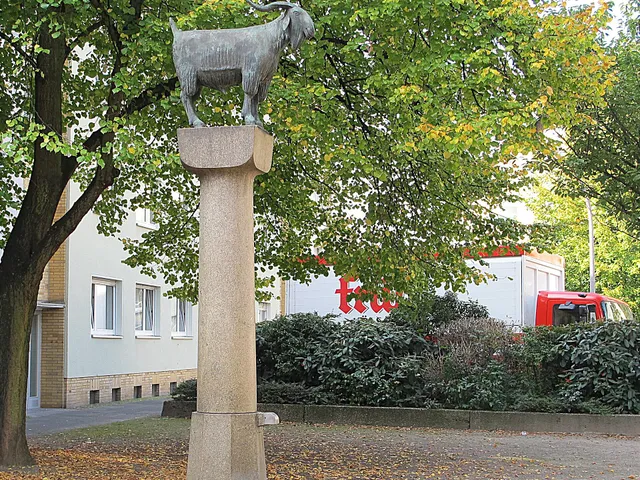
Düxer Bock
The unofficial heraldic animal of Deutz: this fountain monument commemorates an old Cologne legend about a tailor and a tax collector.
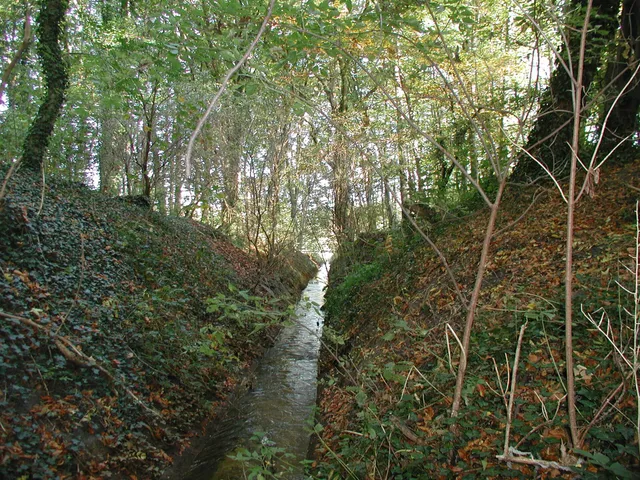
Duffesbach
The only stream in the Cologne Bay to reach the Rhine — artificially channelled since Roman times to serve Cologne's medieval trades.
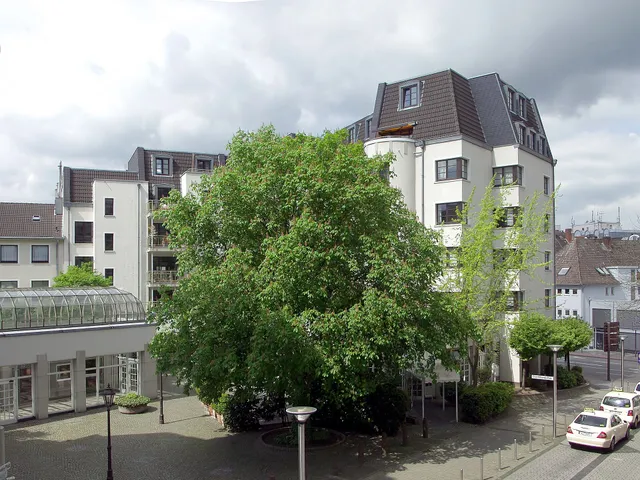
Erich-Klibansky-Platz
A Cologne memorial square whose Lion Fountain bears the names of 1,100 murdered Jewish children — built on the former site of the Adass Jeschurun congregation.
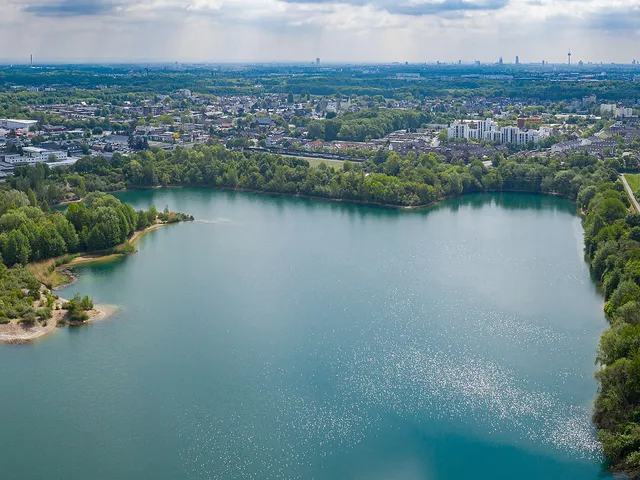
Escher Seen
Two gravel-pit lakes in Cologne's northwest — the northern one is a public bathing lake, the southern a fenced-off fishing reserve.
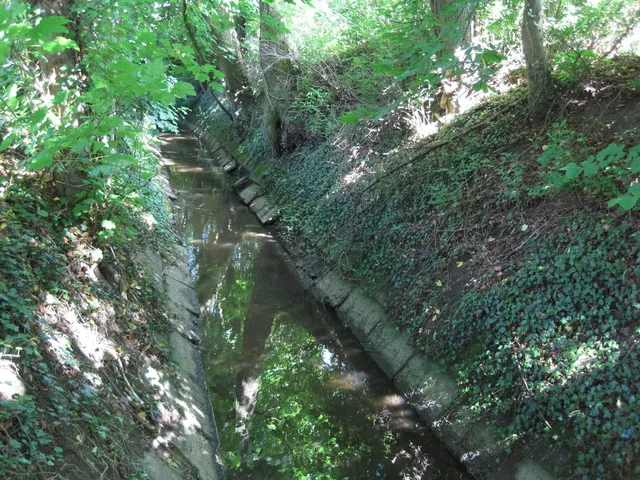
Faulbach (Rhine)
A Cologne stream formed by the confluence of the Flehbach and Bruchbach; its name alludes to the sluggish flow of its waters.
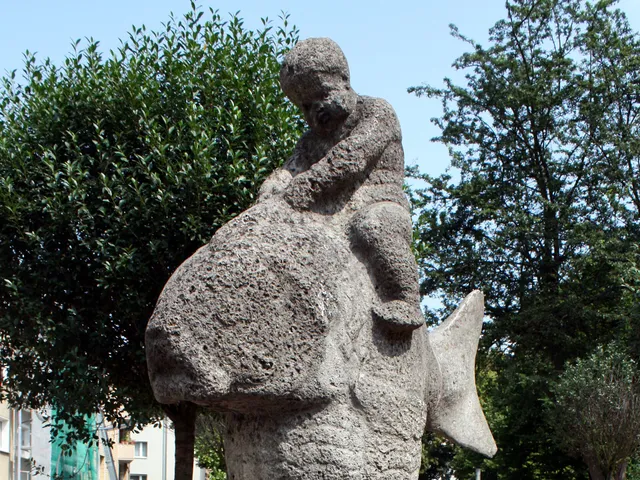
Fischreiterbrunnen
Sandstone fountain from 1913: a boy riding a fish — a listed landmark at Theophanoplatz in Zollstock.
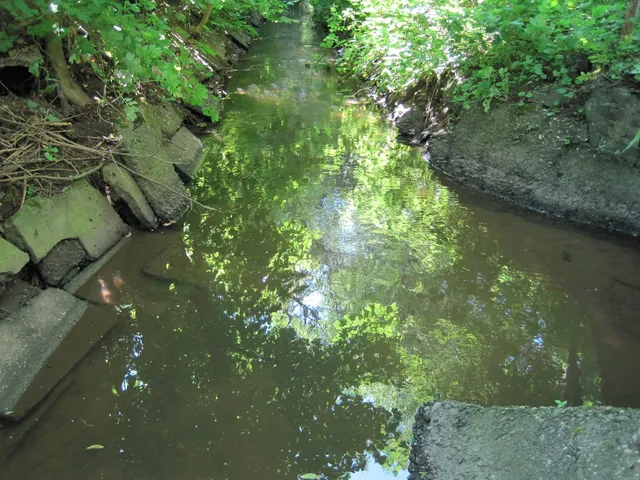
Flehbach
A right-bank Rhine tributary with highly variable flow — swollen after rain, yet sometimes bone-dry in summer.
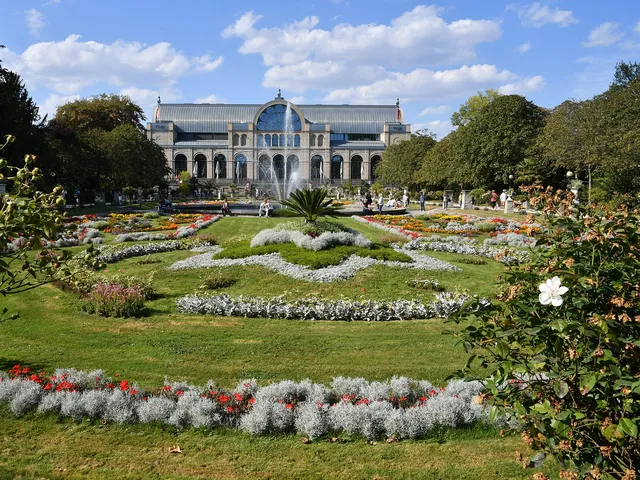
Flora
since 1864Cologne's botanical garden centred on the 1864 glass festival hall 'Flora' — a Lenné-designed park with over 10,000 plant species across more than 11 hectares.
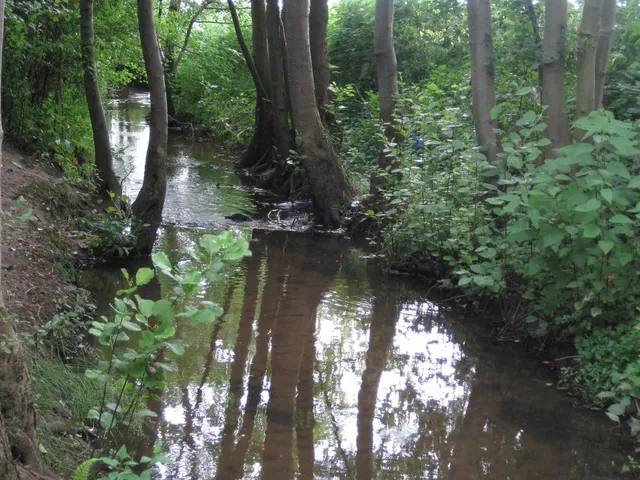
Frankenforstbach
Around 10 km long stream flowing from Bergisch Gladbach into right-bank Cologne, changing names several times before joining the Flehbach.
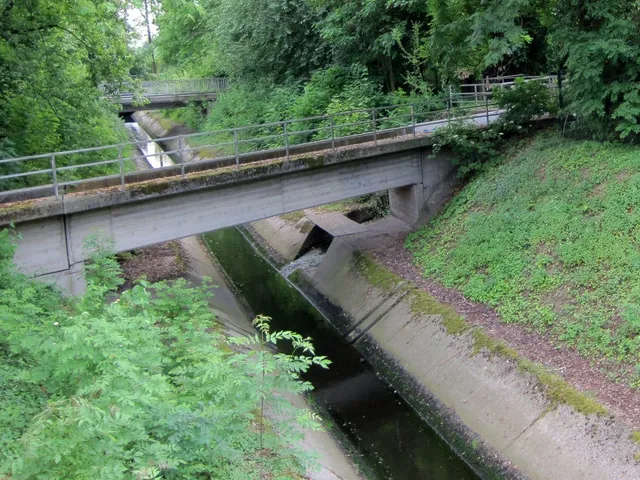
Frechener Bach
A small stream that begins at the Frechen sewage works and, after 4.6 km, seeps away in Cologne's green belt near the Militärring – restored on Cologne territory.
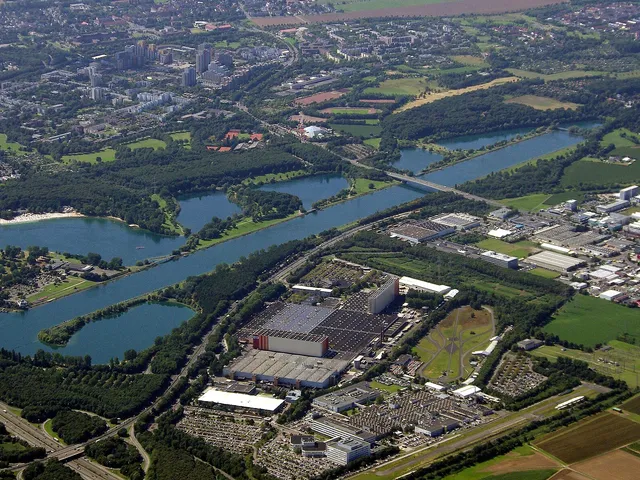
Fühlinger See
Former gravel pits turned into a 100-hectare lake in northern Cologne, home to a 2,300 m regatta course that hosted the 1998 Rowing World Championships.
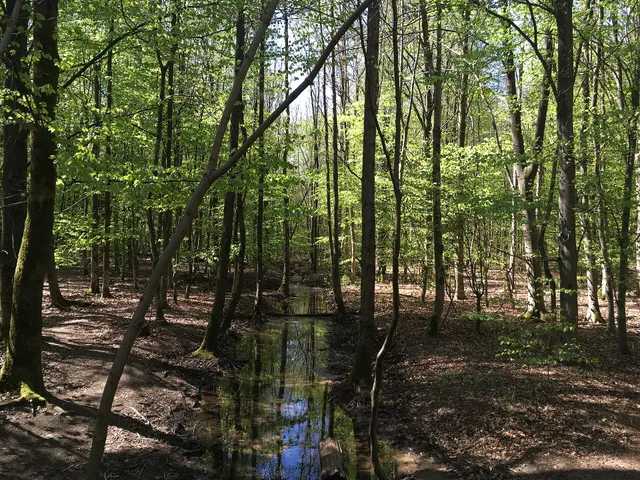
Giesbach
A roughly 8.3 km stream that rises in the Königsforst and finally splits into two arms that seep away in ponds – with a water-treading station at a tri-city point.
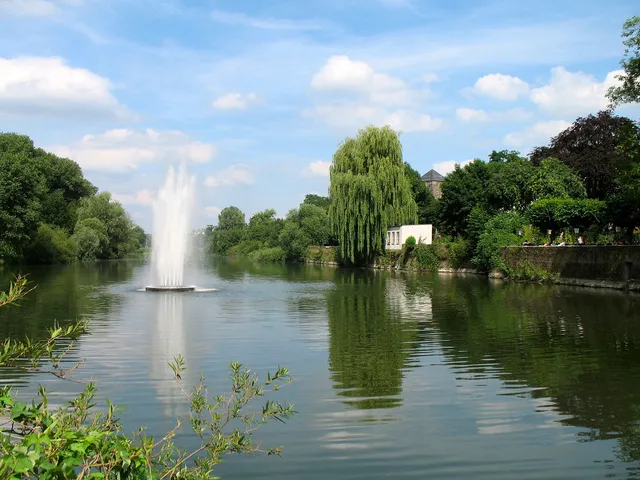
Groov
Former Rhine island in Cologne-Zündorf, transformed between 1974 and 1978 into a leisure area with a marina, swimming facilities, and green spaces along the river.
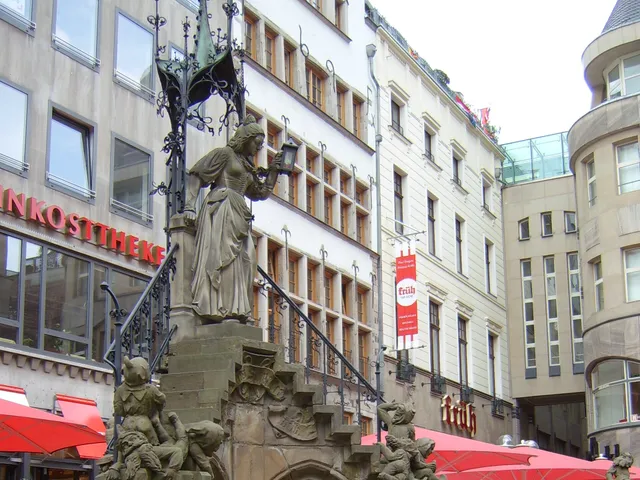
Heinzelmännchen – Cologne's Household Spirits and Their Fountain
since 1900Cologne's legendary household sprites who worked through the night while citizens slept — caught once, gone forever. Their fountain stands near the Cathedral.
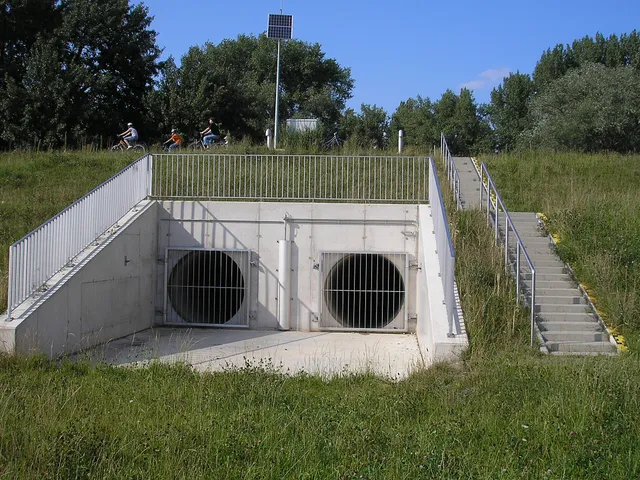
Langeler Bogen Flood Retention Basin
A polder on the right bank of the Rhine that is deliberately flooded during high water events to lower the river level in Cologne.
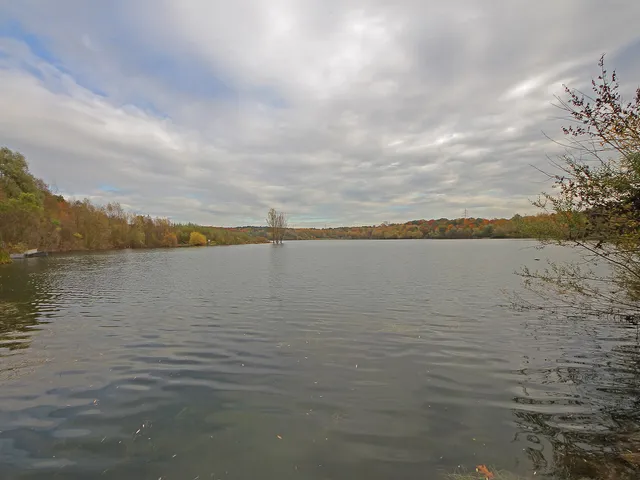
Höhenfelder See
A 20-hectare gravel pit lake in Cologne's Dellbrücker Wald — swimming is banned year-round, the water is leased to anglers, and the surrounding woodland serves as recreational space.
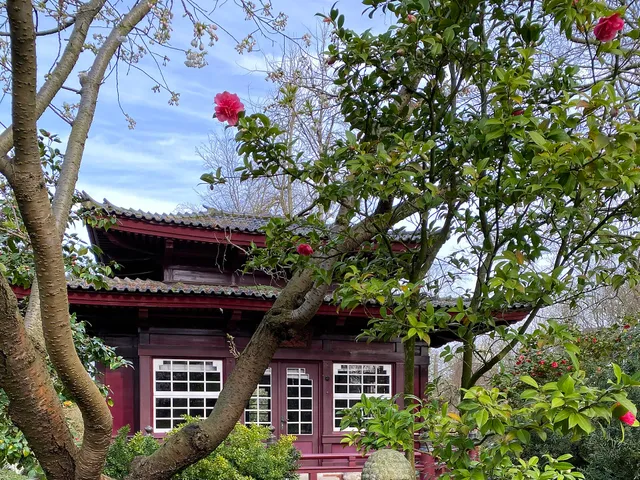
Japanese Garden (Leverkusen)
A serene Japanese garden with koi ponds and a replica of Nikkō's iconic Mikado Bridge, nestled in the Carl Duisberg Park since 1912.
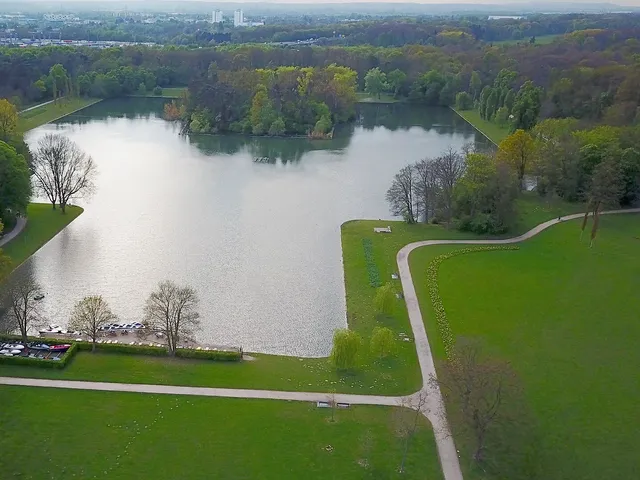
Kalscheurer Weiher
A man-made rectangular lake in Cologne's Outer Green Belt — with its own island, beer garden, and boat hire on the western shore.
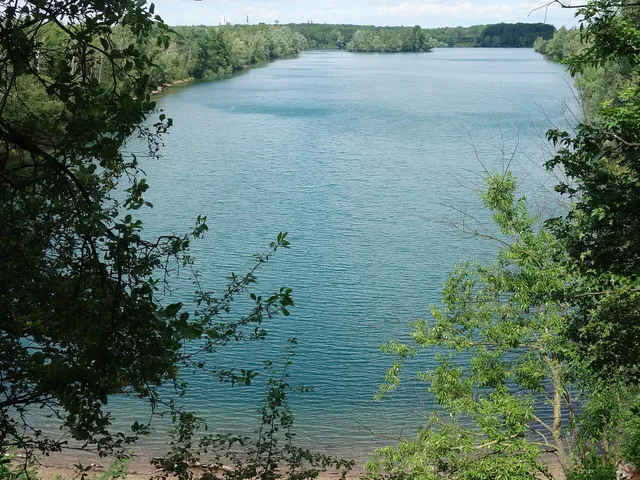
Kiesgrubensee Gremberghoven
since 1989A nature reserve around a former gravel pit lake in Cologne-Humboldt — nesting ground for sand martins, kingfishers, and great crested grebes.
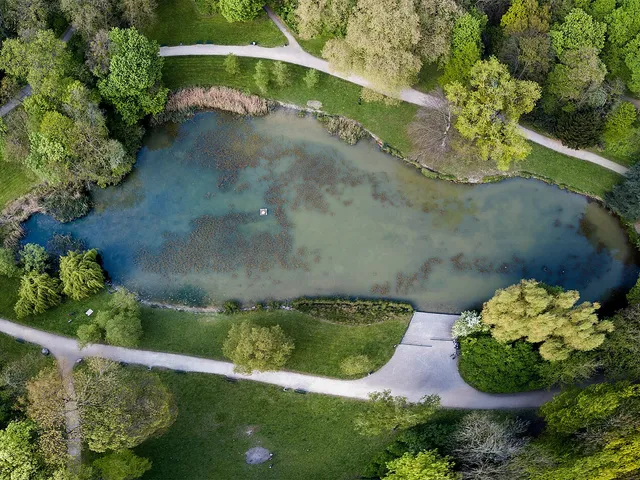
Klettenbergpark
A hilltop park in a former gravel pit, deliberately shaped as a nature garden — combining heathland, a lake, quarries and a rose garden in Cologne's Klettenberg.
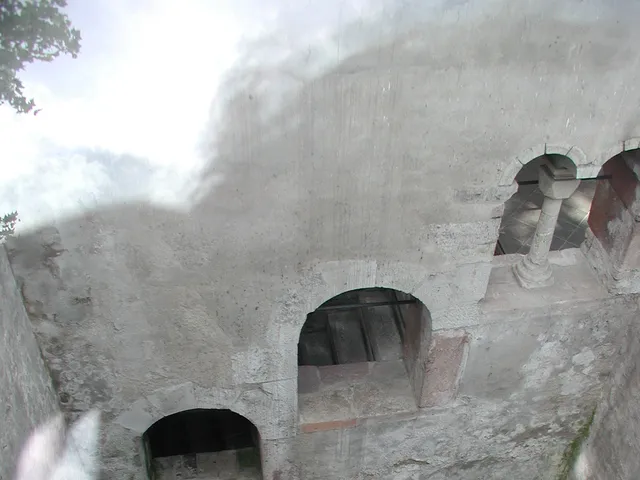
Cologne Mikveh
Medieval Jewish ritual bath beneath the Rathausplatz: the staircase descends inside the nearly 16-metre-deep shaft all the way to the water level.
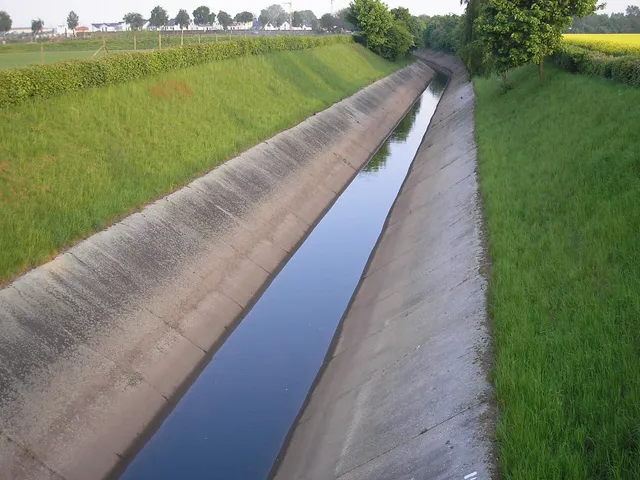
Kölner Randkanal
A nearly 20 km drainage canal on Cologne's city boundary — keeps the open-cast lignite mines dry and doubles as a continuous cycling route with a hydropower screw.
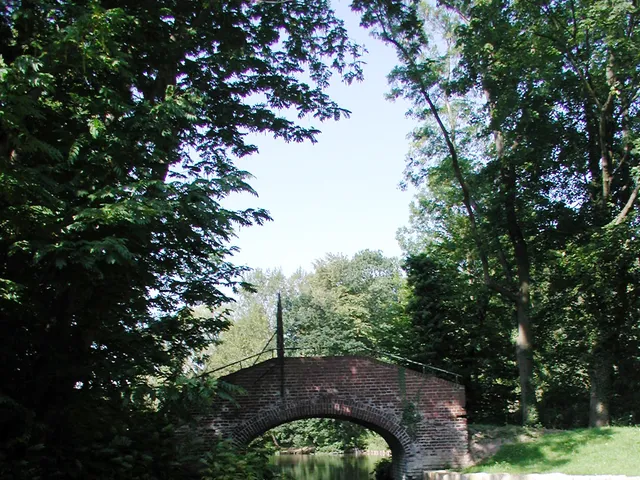
Kölner Stadtwald
Expansive forest park in the Lindenthal district, laid out from 1895 to plans by Adolf Kowallek — with ponds, a wildlife enclosure and petting zoo.
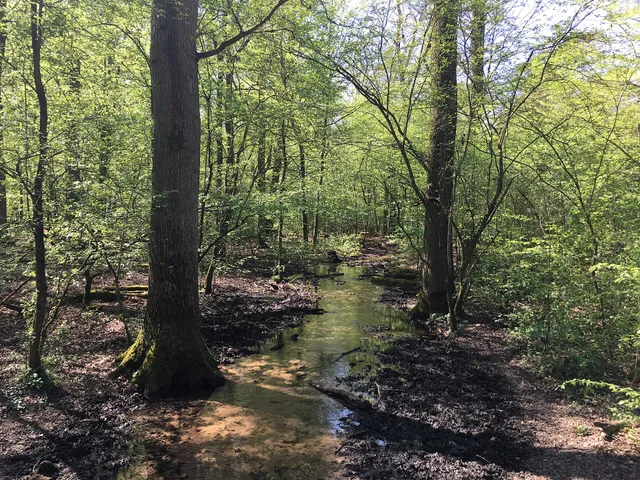
Kurtenwaldbach
A stream from the Bergisches Land that winds through the Wahner Heide and ends by seeping into a pond at Gut Leidenhausen — never reaching a river.
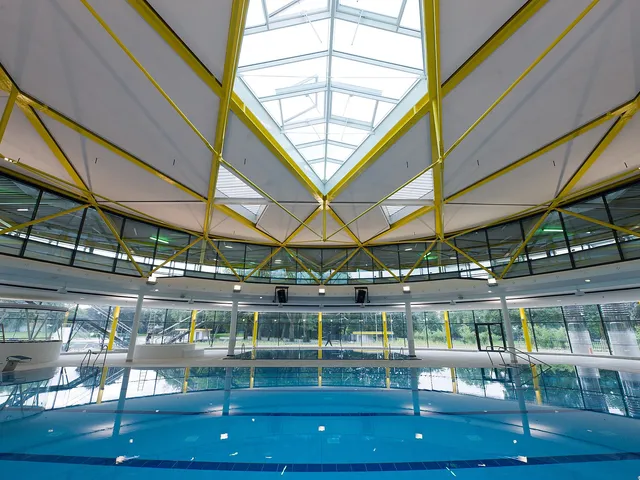
Lentpark
Combined ice sports and swimming complex in Cologne's Neustadt — with a 260-metre elevated ice track and a chlorine-free natural swimming pond.
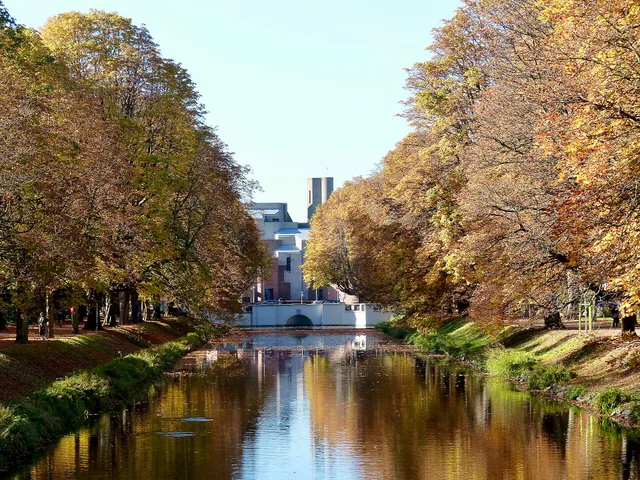
Lindenthaler Kanal
Radial water and green corridor in Lindenthal's green belt, best known for its chestnut avenue, maple-lined canal, and the shell limestone sculptures Centaur and Naiad.
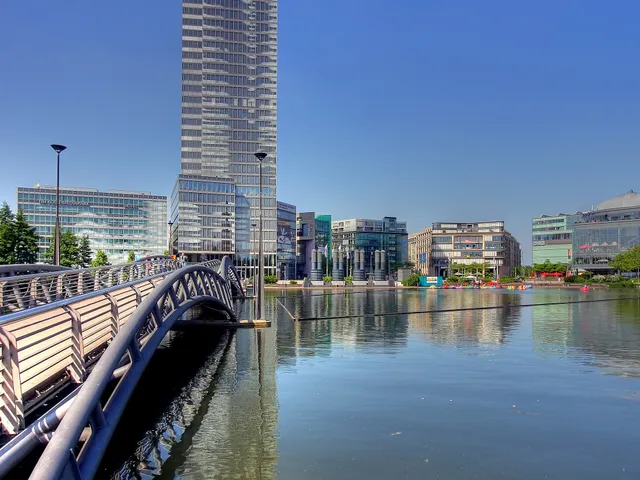
MediaPark
Car-free media business park on a former freight yard — built around a central square with an artificial lake, crowned by the soaring Kölnturm.
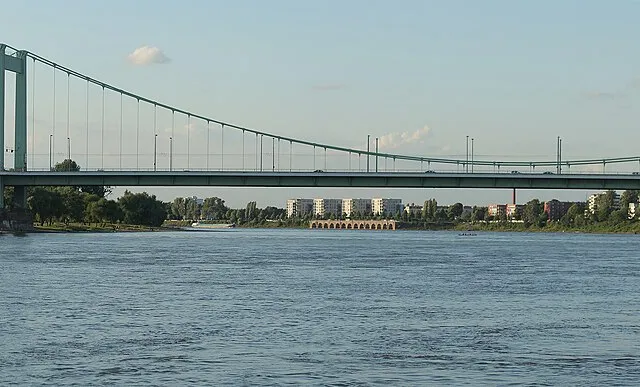
Mülheimer Brücke
since 1951Rhine suspension bridge between Mülheim and Riehl — the origin of Cologne's iconic bridge-green colour and Germany's first bridge with an orthotropic deck.
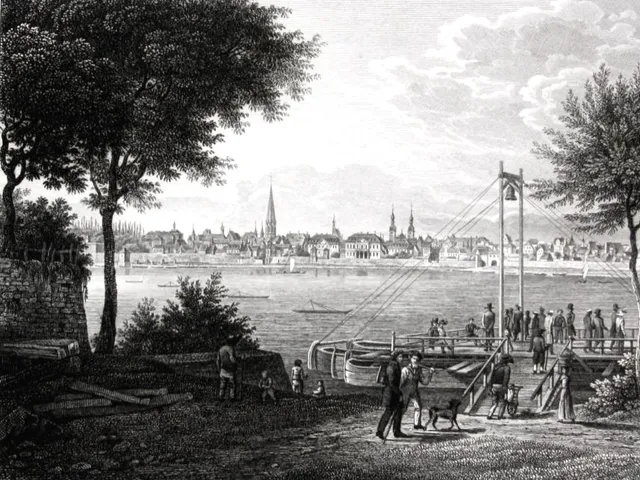
Mülheimer Schiffbrücke
since 1888Floating timber bridge on some 40 anchored pontoons (1888–1927), with an opening section for river traffic, that replaced the Rhine ferry crossing at Mülheim.
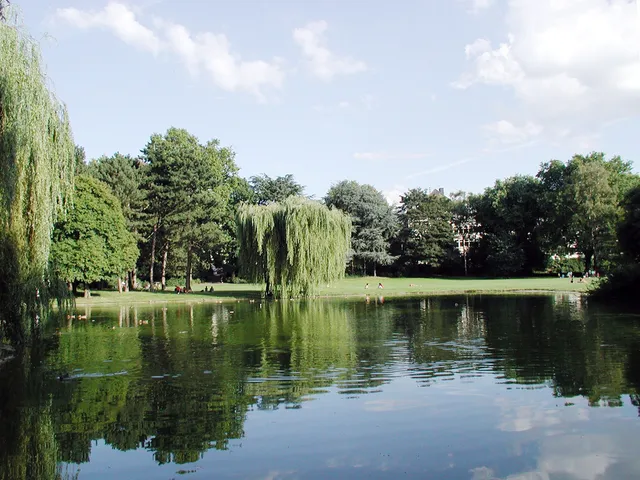
Mülheimer Stadtgarten
Historic public park in Cologne-Mülheim, established 1912/13 — featuring a lake, sweeping lawns, and the 1914 Fairy-Tale Fountain. Listed landmark.
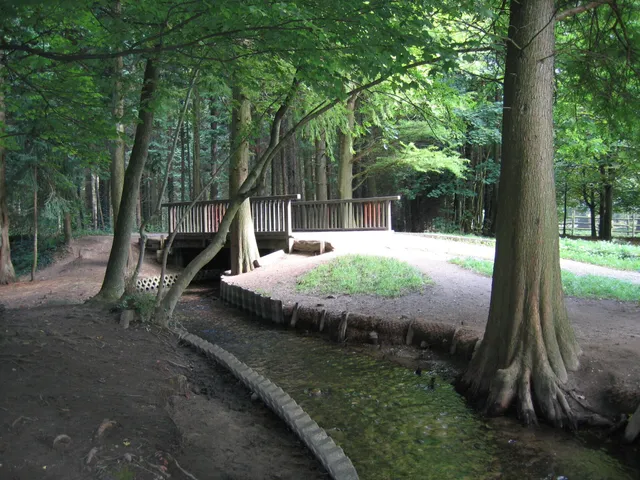
Mutzbach
A left tributary of the Dhünn stretching just over fifteen kilometres — from Odenthal through Bergisch Gladbach to Leverkusen, its final stretch running underground.
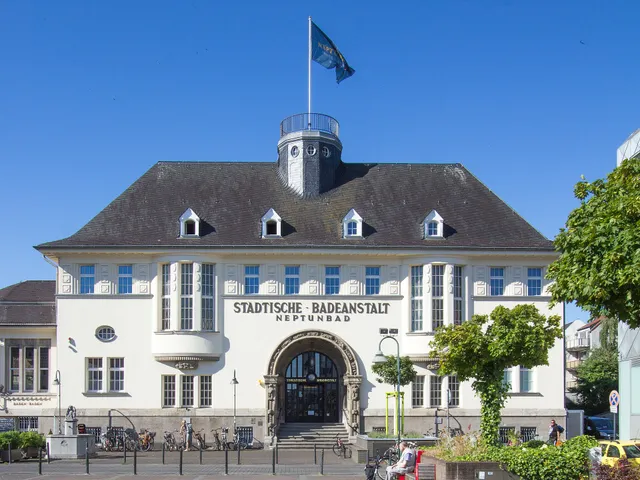
Neptunbad
Art Nouveau bathhouse from 1912 in Ehrenfeld — Cologne's first modern suburban public bath, now a fitness and wellness centre.
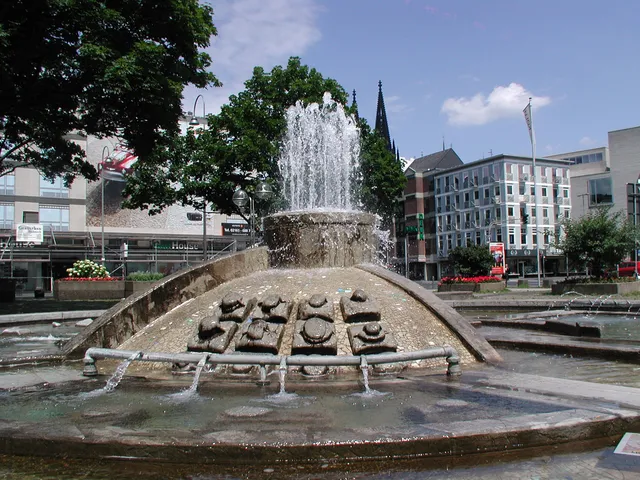
Opernbrunnen
since 1966Mosaic fountain in front of Cologne's Opera House, incorporating tiles from Aristotle Onassis's yacht and the bombed-out Kaiser Wilhelm Memorial Church in Berlin.
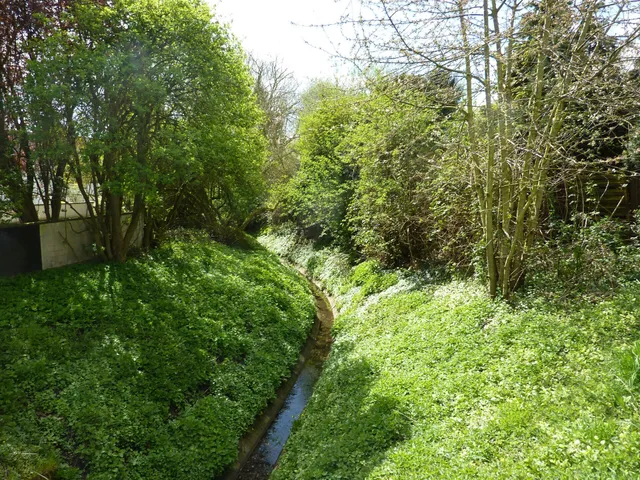
Pletschbach
A left-bank tributary of the Rhine that is mostly just a dry ditch, carrying water permanently only from the Worringer Bruch onward.
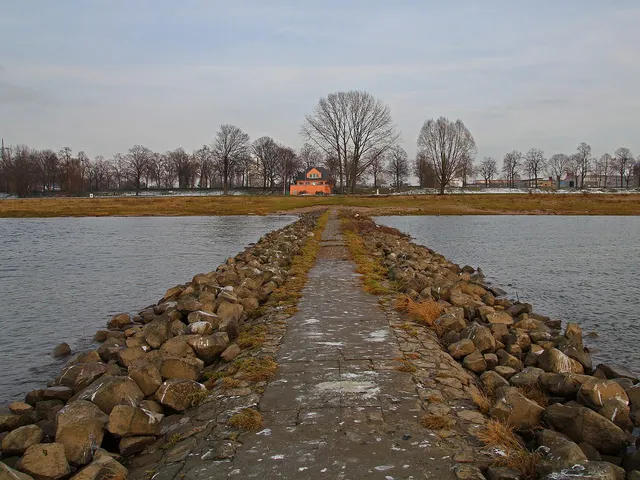
Poller Köpfe
Historic riverbank fortification on the right bank of the Rhine — built over 250 years to keep the river from carving a new course around Cologne.
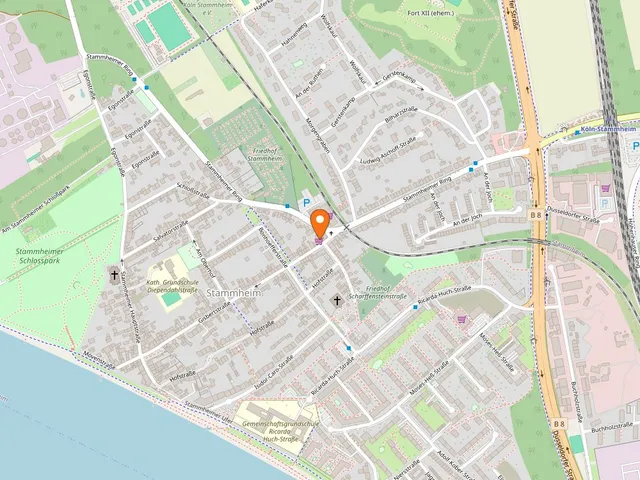
Rechtsrheinischer Kölner Randkanal
A twelve-kilometre underground relief canal that carries streams on the right bank of the Rhine from Bergisch Gladbach-Refrath all the way to Cologne-Stammheim, where they empty into the river.
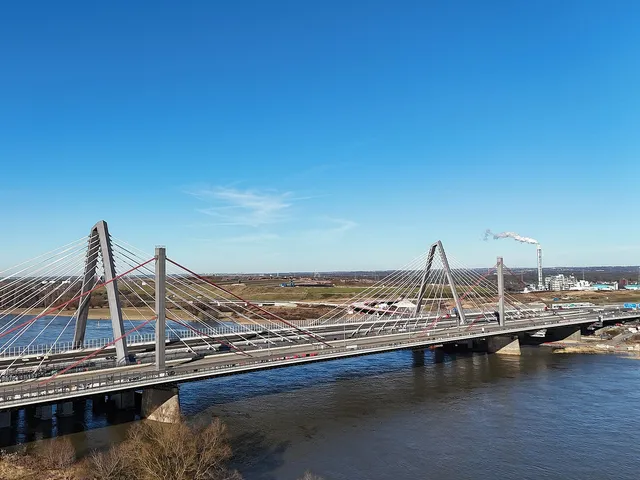
Leverkusen Rhine Bridge
since 1965Cable-stayed bridge carrying the A1 motorway across the Rhine at Leverkusen — replacing the demolished 1965 bridge that could no longer handle modern traffic.
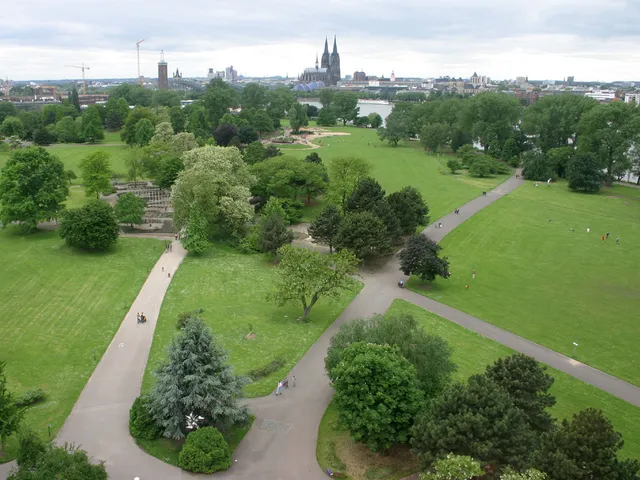
Rheinpark
Riverside landscape park on former Prussian fortress grounds — host of the 1914 Cologne Werkbund Exhibition, listed as a heritage monument since 1989.
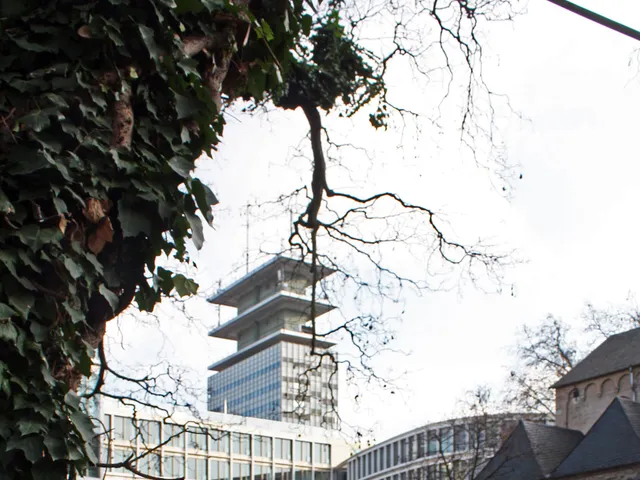
Roman Baths and Medieval Bathhouses in Cologne
Foundations of a 2nd/3rd-century Roman bath complex unearthed in 2007 beneath Cologne's Altstadt-Süd — including an 18-metre-wide rotunda.
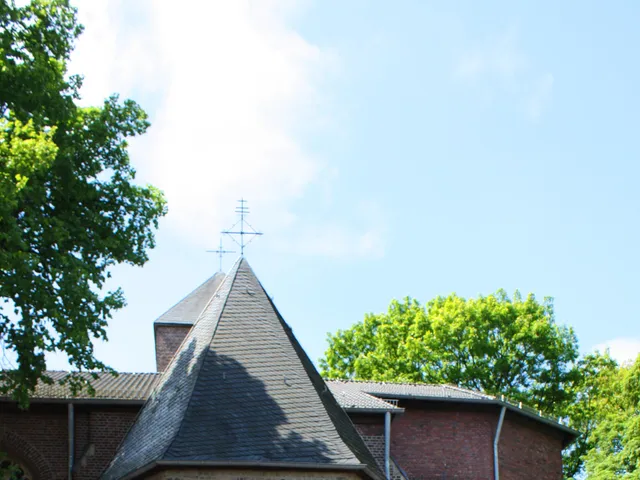
Schlosspark Stammheim
English-garden landscape park on the Rhine, laid out 1828–1832 by Maximilian Weyhe — today a public green space and, since 2002, a venue for contemporary art.
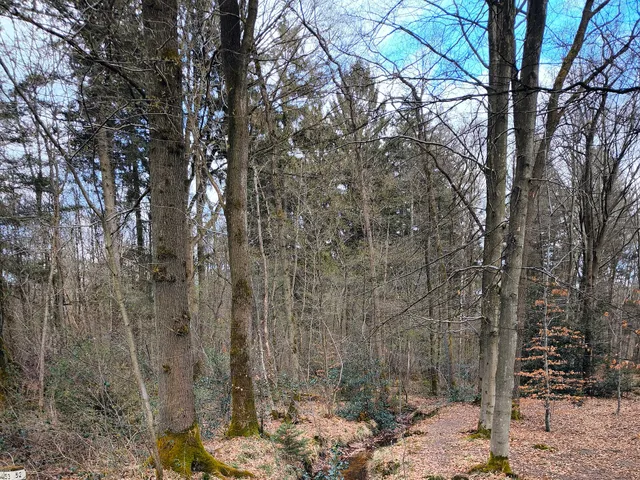
Selbach (Flehbach)
A stream running entirely through the Königsforst nature reserve, flowing roughly five kilometres before joining the Flehbach opposite the Erkermühle mill.
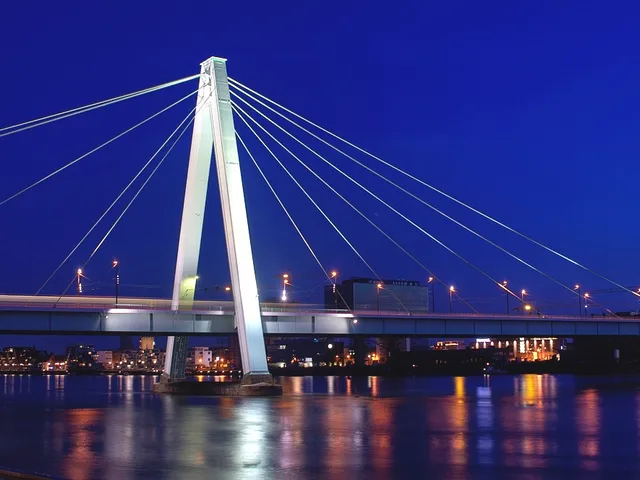
Severinsbrücke
since 1959Cable-stayed bridge with a single A-shaped pylon over the Rhine to Deutz — Cologne's first entirely new bridge built after World War II.
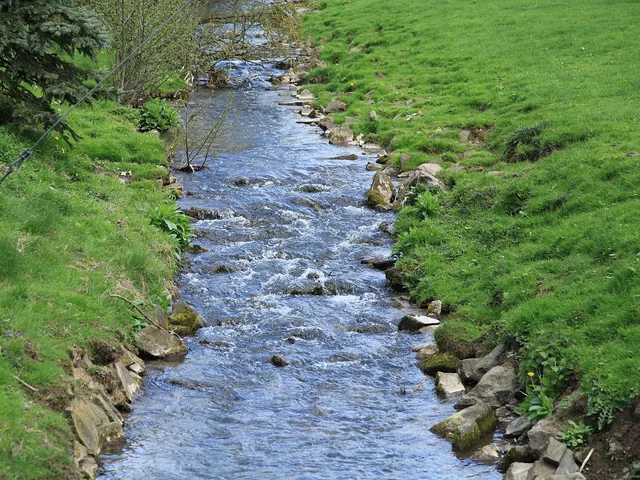
Strunde
Stream in the Bergisches Land that once powered the region's industry — today partly restored to daylight, partly still flowing through underground pipes.
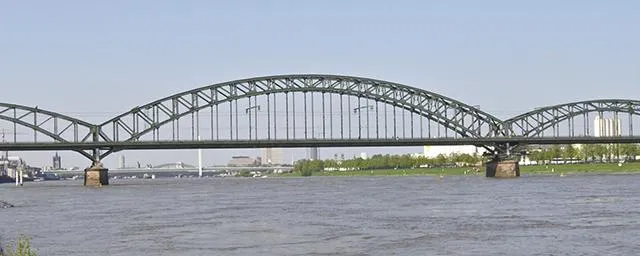
Südbrücke
since 1946Steel three-arch railway bridge from 1910 spanning the Rhine, primarily for freight traffic, with pedestrian and cycle paths; listed heritage structure.
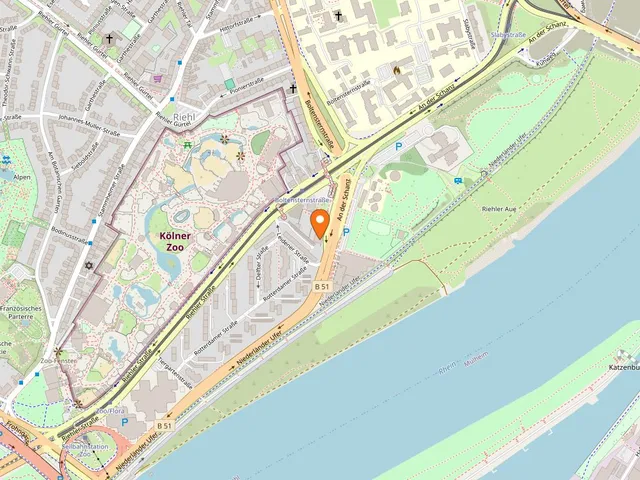
surft.kologne
Surf community in Cologne offering Rhine river surfing from a boat, with a coach, courses, travel, and a communal Surft.Haus hub.
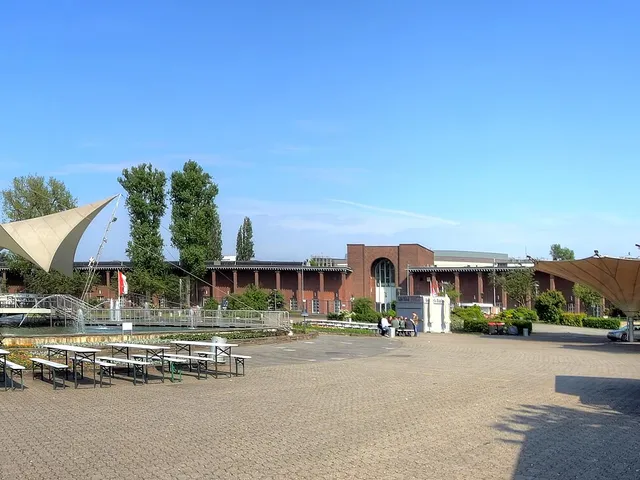
Tanzbrunnen
Cologne's open-air venue — home to up to 12,500 concertgoers beneath Frei Otto's iconic star-wave tent, inspired by a dancing fountain from 1950.
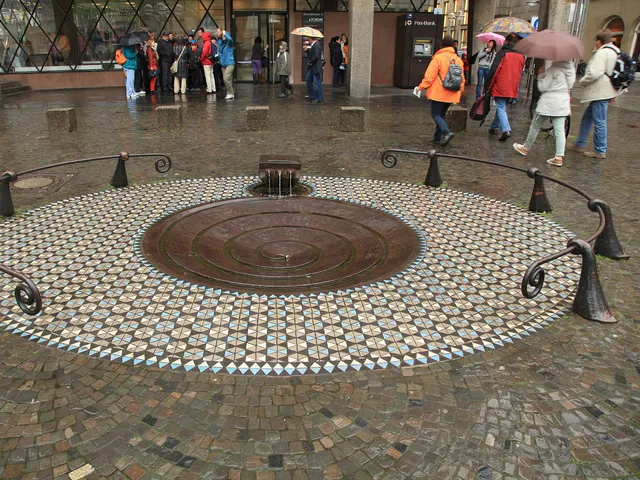
Taubenbrunnen
since 1953Cologne's first post-war fountain and the city's first abstract fountain: designed in 1953 by Ewald Mataré as a drinking trough for the Cathedral pigeons.
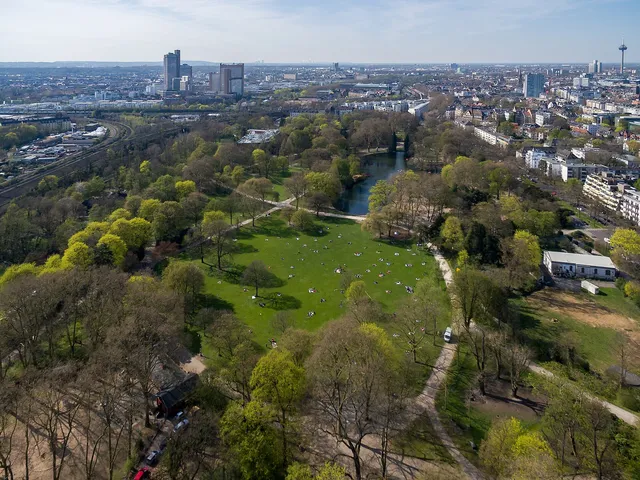
Volksgarten
13.9-hectare park in Cologne's Südstadt, built on a Prussian fort site, with a boating lake and preserved fortifications.
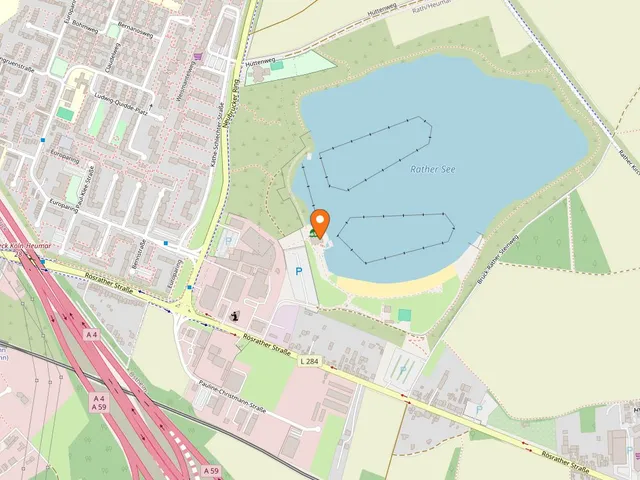
WakeClubCologne at Rather See
Wakepark, beach club, restaurant and event venue all in one – WakeClubCologne is located on the east bank of the Rhine, right on the Rather See between Cologne-Neubrück and Cologne Rath-Heumar.
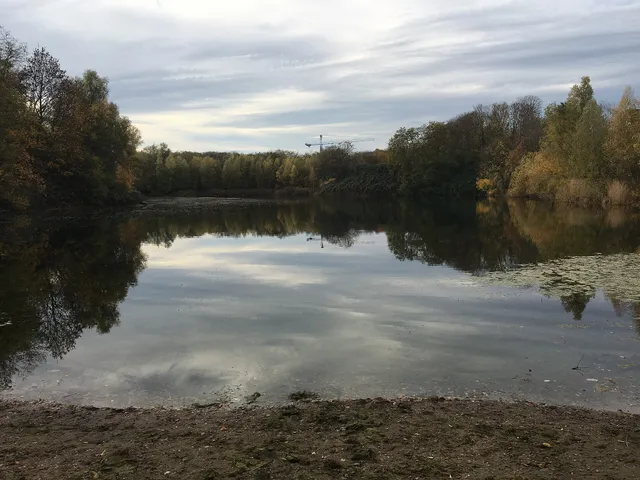
Wassermannsee
Gravel pit lake in Cologne's Vogelsang district, formed from a 1920s quarry; a restricted fishing spot and part of the Vogelsanger Triotop.