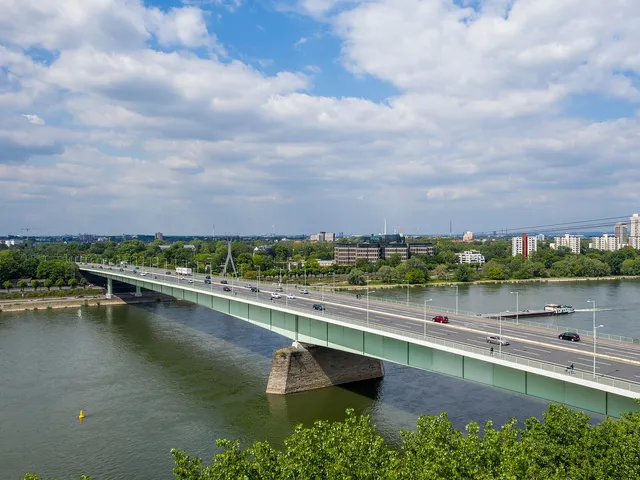
Technology
44 places in Cologne
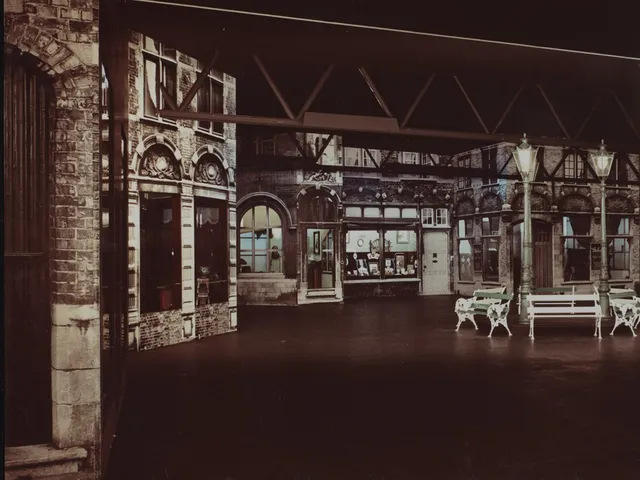
Agfa Foto-Historama
One of the world's most significant photo-historical collections — nearly 20,000 cameras and over 12,000 photographs, now housed at Museum Ludwig in Cologne.
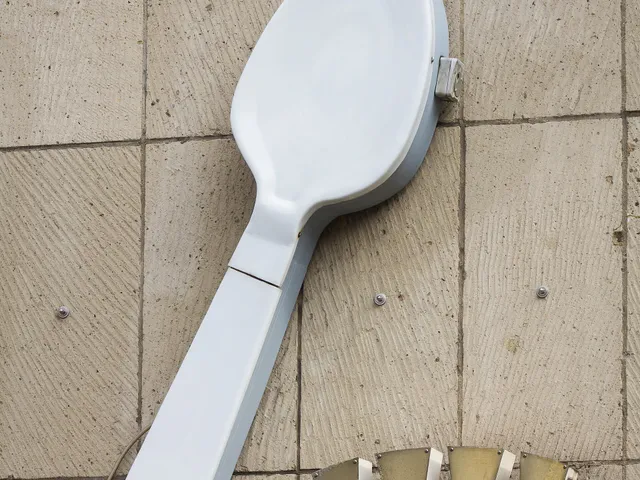
Glaub Cutlery Museum
A Cologne specialty museum (1951–1995) housing what was likely one of the world's most extensive cutlery collections — from Stone Age knives to the present day.
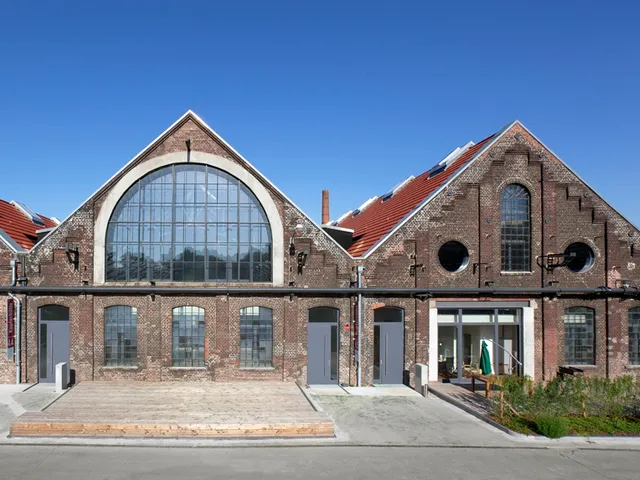
Carlswerk, Cologne
Former cable factory in Cologne-Mülheim where the first transatlantic telephone cable was made in 1904 – now a business campus and cultural venue.
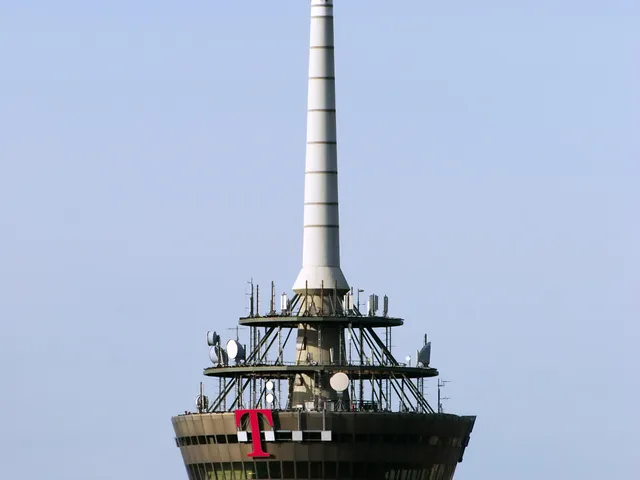
Colonius
since 1981At 266 metres, the tallest telecommunications tower in North Rhine-Westphalia — its revolving restaurant and observation deck have been closed for years.
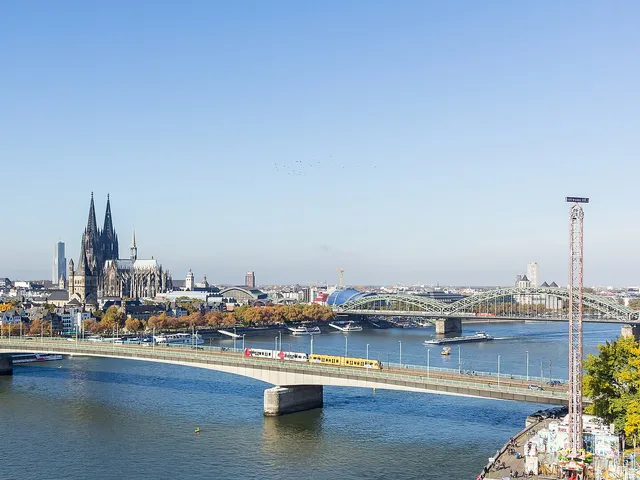
Deutz Bridge
The world's first steel box girder bridge (1947/48) – linking Heumarkt with Deutz; the Roman bridge once stood a few metres further north.
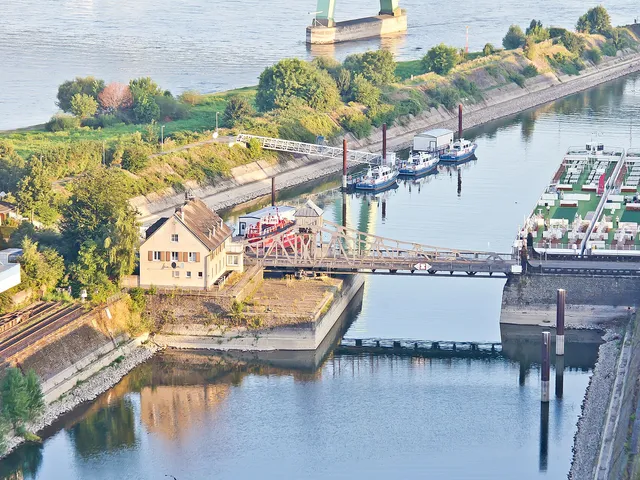
Deutzer Drehbrücke
since 1908Rotating steel bridge from 1908 over Deutz Harbour — one of two Cologne swing bridges, a listed technical monument with its original control house intact.
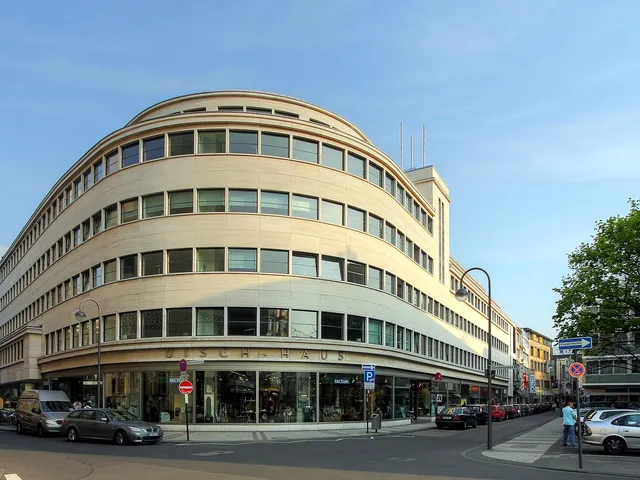
Disch-Haus
Cologne office and commercial building regarded as a major landmark of New Objectivity architecture, built on the site of a former luxury hotel.
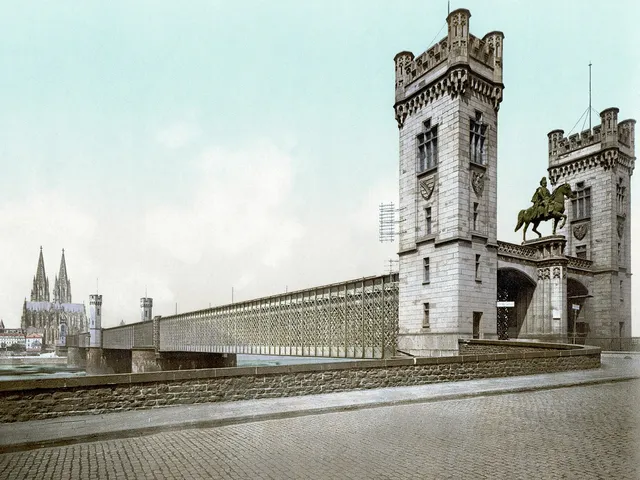
Dombrücke
since 1859Cologne's first permanent Rhine crossing since Roman times and direct predecessor of the Hohenzollern Bridge — nicknamed the 'Mousetrap' by locals.
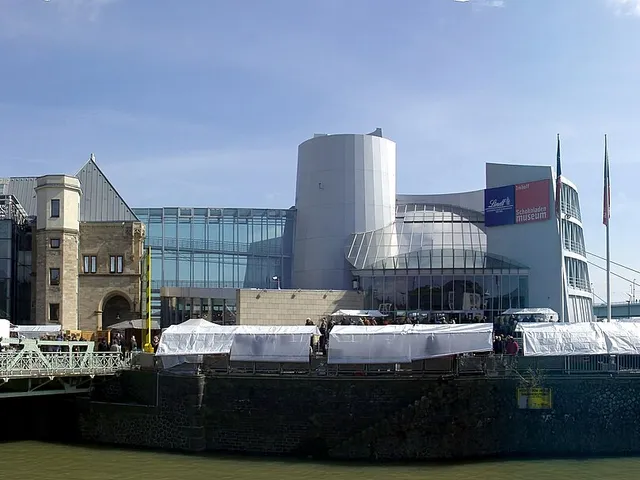
Swing Bridge in the Rheinauhafen
since 1896Cologne's oldest crossing over Rhine water: a listed swing bridge from 1896 that pivots aside using hydraulics powered from the Malakoff Tower.
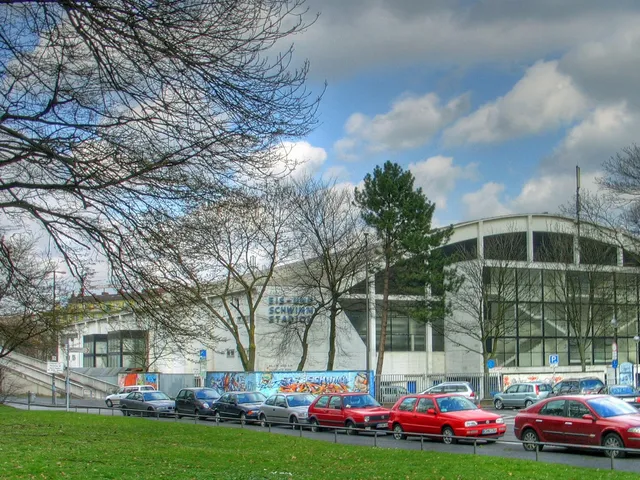
Eis- und Schwimmstadion Köln
since 1930Home of seven Kölner Haie championship titles (1972–1998) on Lentstraße in the Grüngürtel — replaced by the Lentpark in 2011.
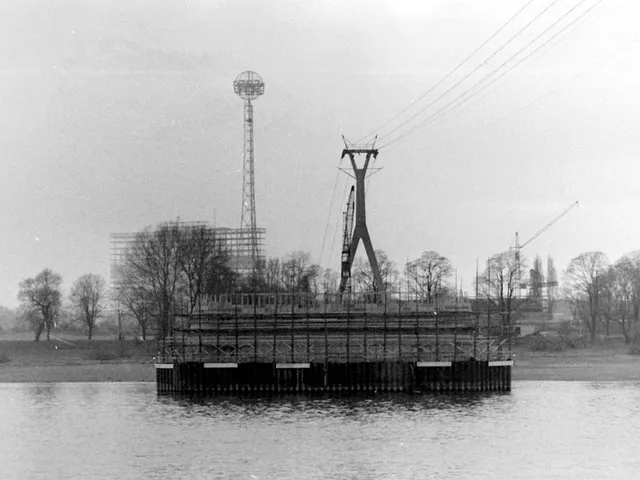
Fordturm
Former 112 m steel lattice tower in Cologne-Deutz, crowned by a rotating "Ford" globe — built in 1950 and demolished just thirteen years later.
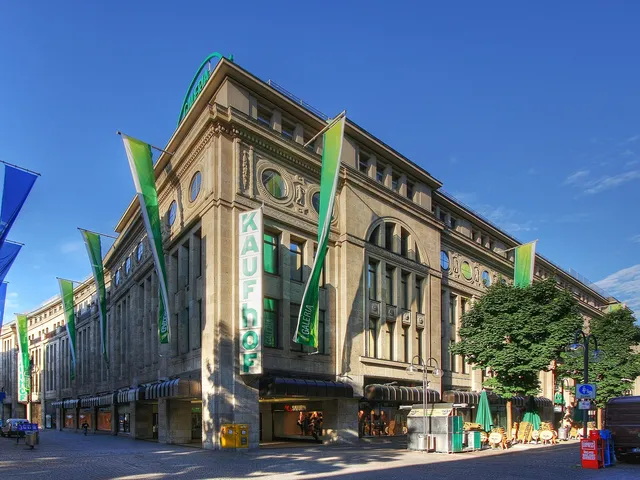
Galeria Cologne Hohe Strasse
1912–1914 department store where Germany's first-ever department store escalator went into operation in 1925.
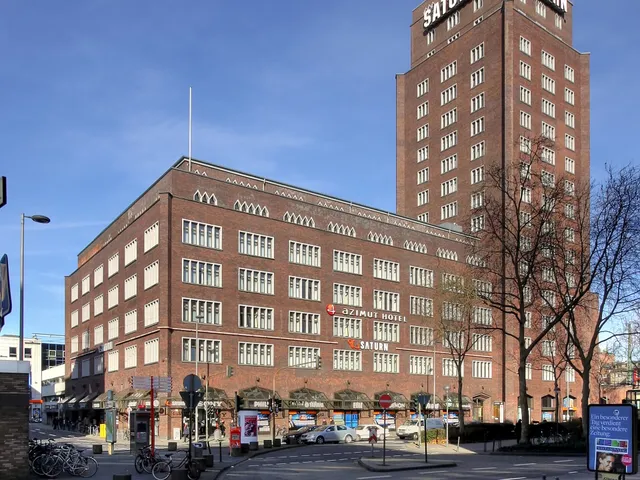
Hansahochhaus
since 1925Cologne's first skyscraper from 1925 — briefly the tallest building in Europe at completion, built in the Brick Expressionist style.
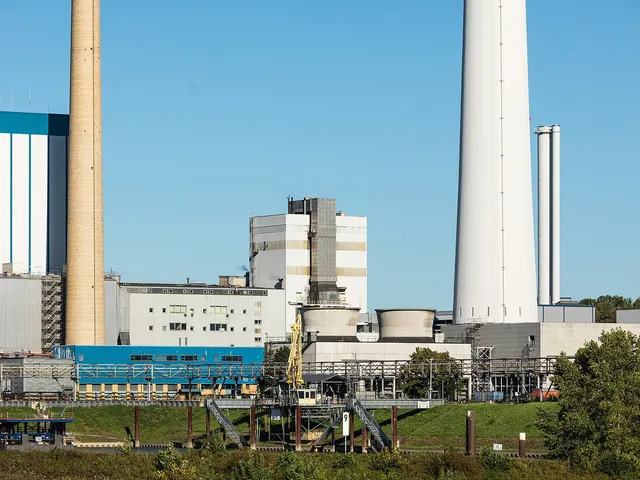
Cologne-Merkenich Combined Heat and Power Plant
At 250 metres, this power plant's chimney is Cologne's second-tallest structure after the Colonius tower — and the city's primary source of district heating for its northern districts.
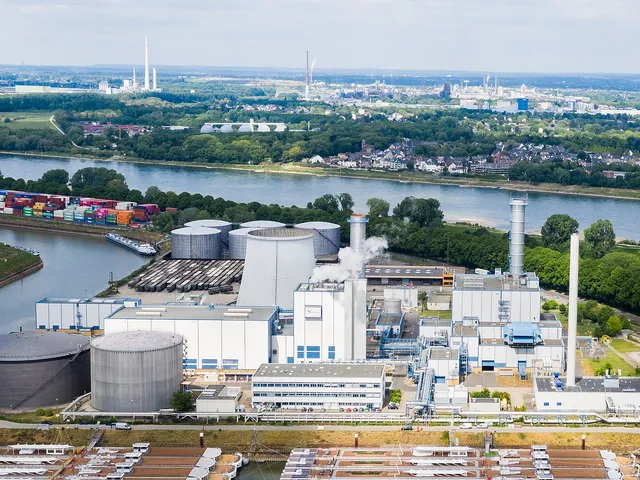
Heizkraftwerk Köln-Niehl
Rheinenergie's gas-fired combined heat and power plant in Niehl — supplying Cologne's city centre with district heating, with Germany's largest heat pump planned next door.
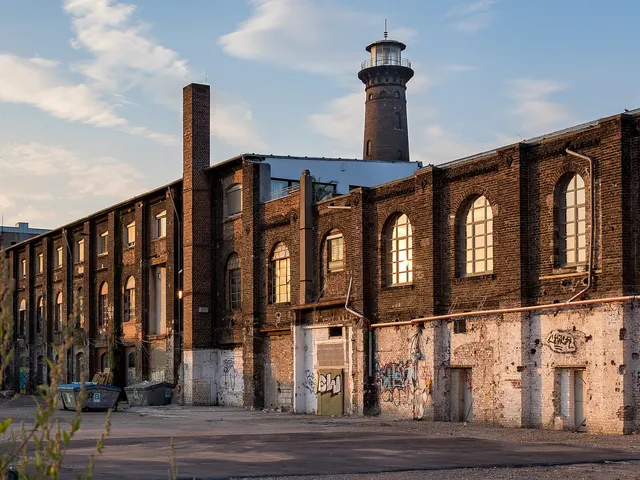
Helios (Electrical Engineering Company)
since 1882Electrical engineering pioneer from Ehrenfeld — its 44 m Heliosturm, a faux lighthouse, still defines the neighbourhood today.
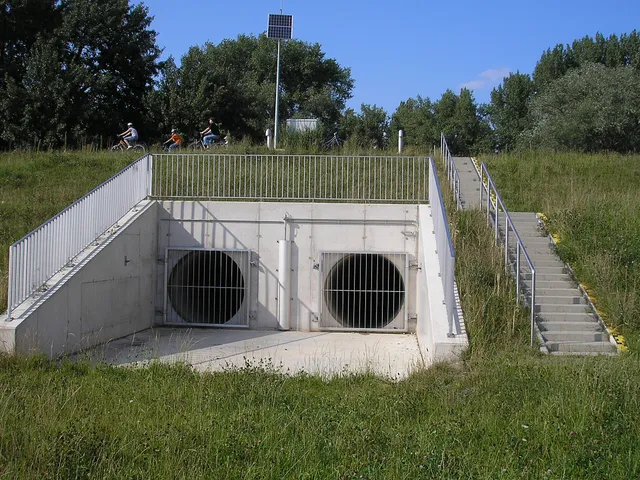
Langeler Bogen Flood Retention Basin
A polder on the right bank of the Rhine that is deliberately flooded during high water events to lower the river level in Cologne.
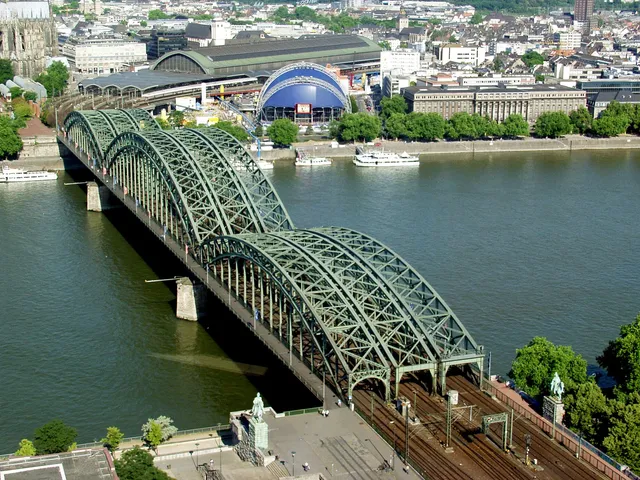
Hohenzollernbrücke
since 1911Germany's busiest railway bridge spanning the Rhine — a defining feature of Cologne's skyline alongside the Cathedral, and famous for thousands of love locks.
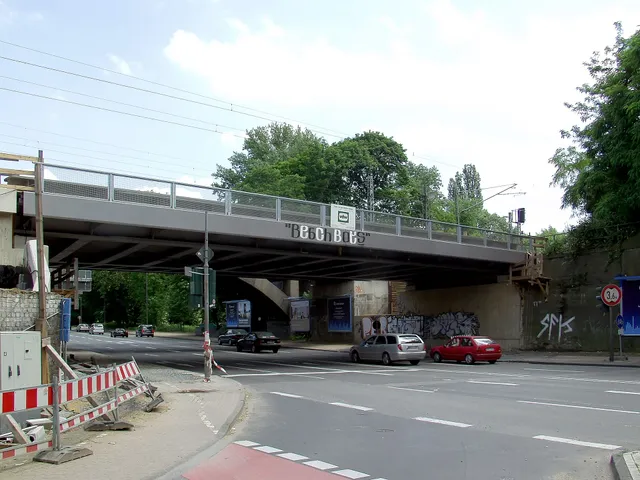
Idiotenbrücke
Nickname of a former Cologne railway bridge in Neuehrenfeld, where trucks repeatedly got wedged due to a clearance of only 3.9 m.
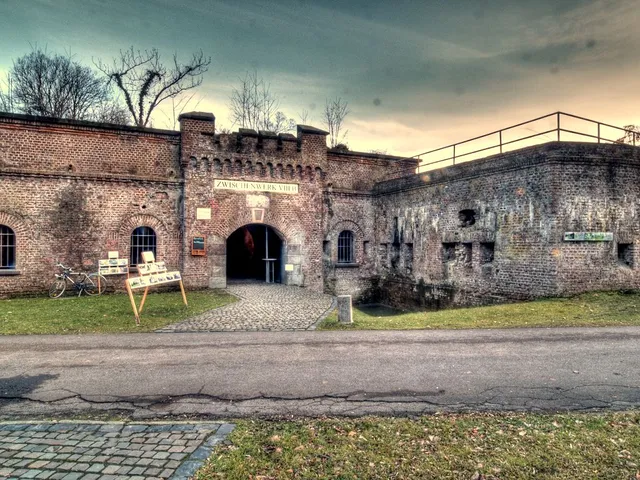
Kölner Festungsmuseum
Volunteer-run museum in Prussian fortification VIII b — home to Germany's last surviving drawbridge, moat, and sculpture park in Marienburg.
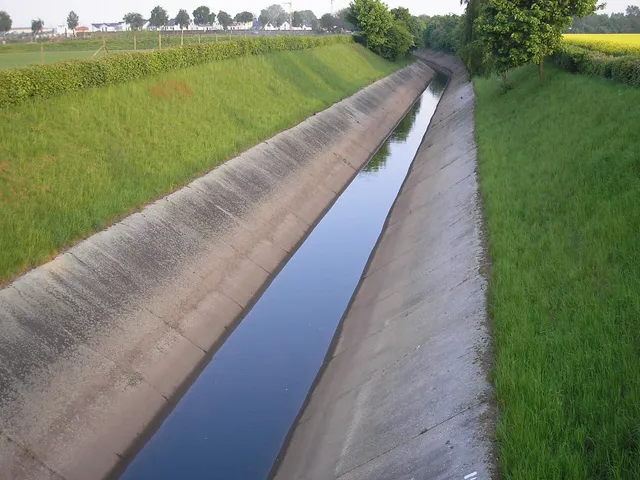
Kölner Randkanal
A nearly 20 km drainage canal on Cologne's city boundary — keeps the open-cast lignite mines dry and doubles as a continuous cycling route with a hydropower screw.
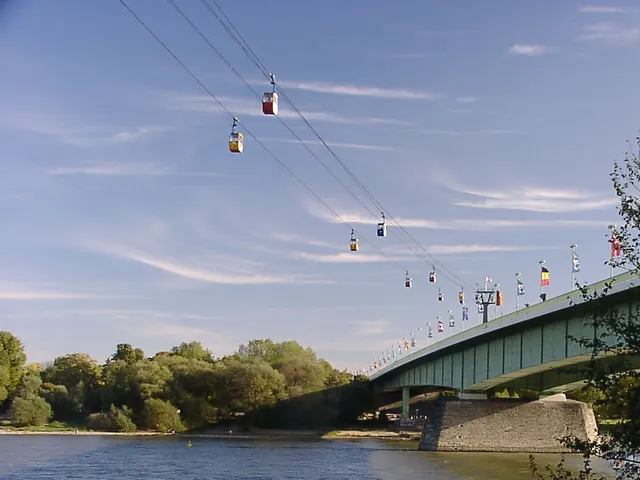
Kölner Seilbahn
since 1957Gliding over the Rhine: since 1957, this six-minute cable car ride has offered sweeping views of Cologne, the Old Town, and the Cathedral.
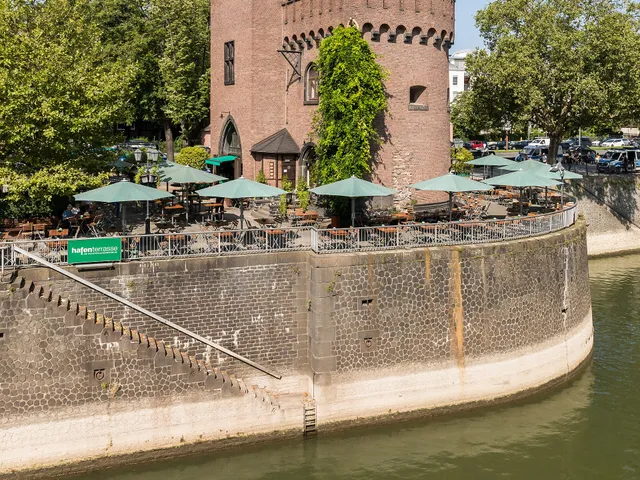
Malakoffturm
since 1855Brick gatehouse of Prussian Rhine fortifications at Rheinauhafen — now linked by a swing bridge to the Chocolate Museum across the water.
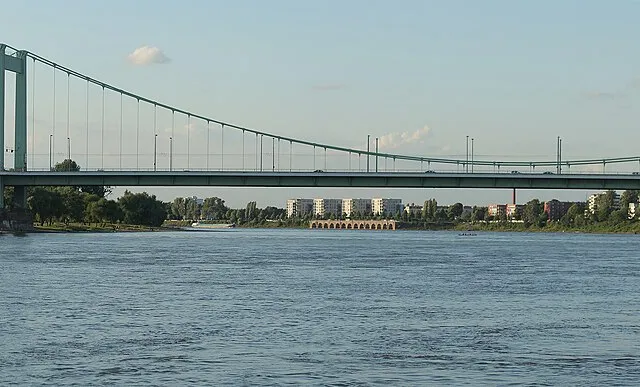
Mülheimer Brücke
since 1951Rhine suspension bridge between Mülheim and Riehl — the origin of Cologne's iconic bridge-green colour and Germany's first bridge with an orthotropic deck.
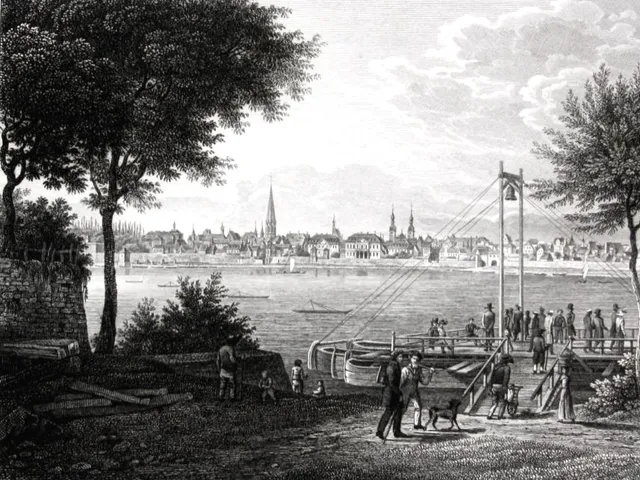
Mülheimer Schiffbrücke
since 1888Floating timber bridge on some 40 anchored pontoons (1888–1927), with an opening section for river traffic, that replaced the Rhine ferry crossing at Mülheim.
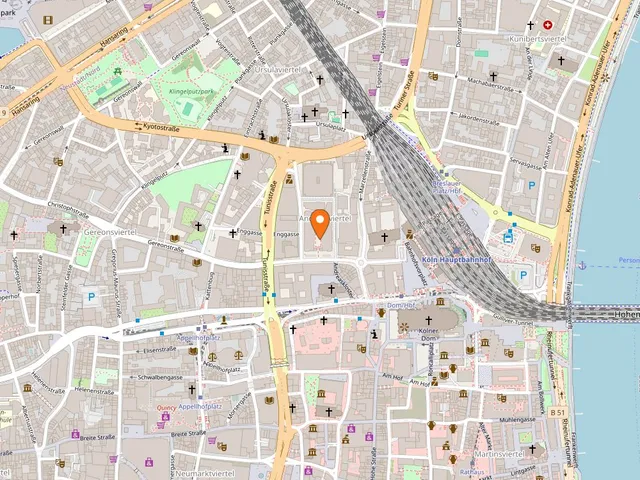
Oberpostdirektion Köln
Regional postal authority for the Cologne area from 1850 to 1993, headquartered in the Altstadt-Nord district.
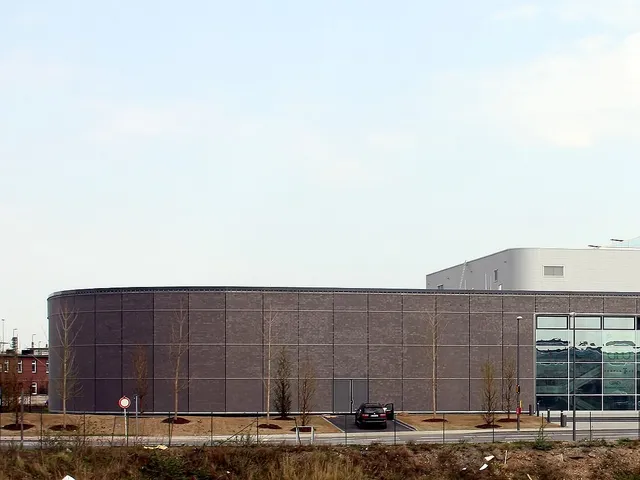
Odysseum
Interactive science adventure museum in Cologne-Kalk — opened in 2009, it ran for 16 years across 5,500 m² before closing in 2025.
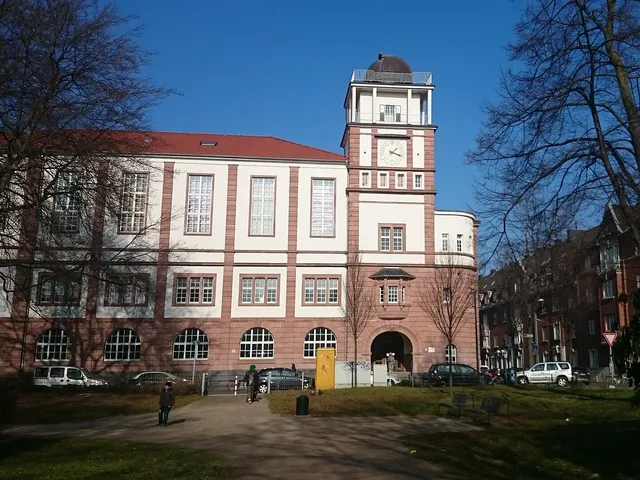
Planetarium Köln
Cologne's first planetarium — a 1965 Zeiss projector in the basement of a Nippes secondary school, paired with an observatory built by students.
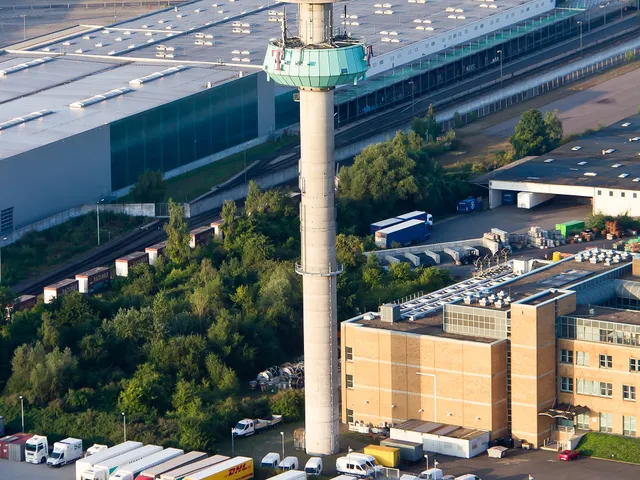
Pollonius
115-metre telecommunications tower in Cologne's Porz district, named as a nod to its taller 'big brother', the Colonius tower.
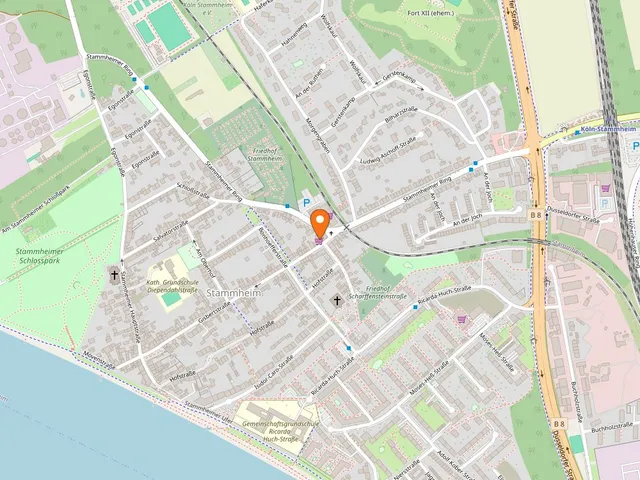
Rechtsrheinischer Kölner Randkanal
A twelve-kilometre underground relief canal that carries streams on the right bank of the Rhine from Bergisch Gladbach-Refrath all the way to Cologne-Stammheim, where they empty into the river.
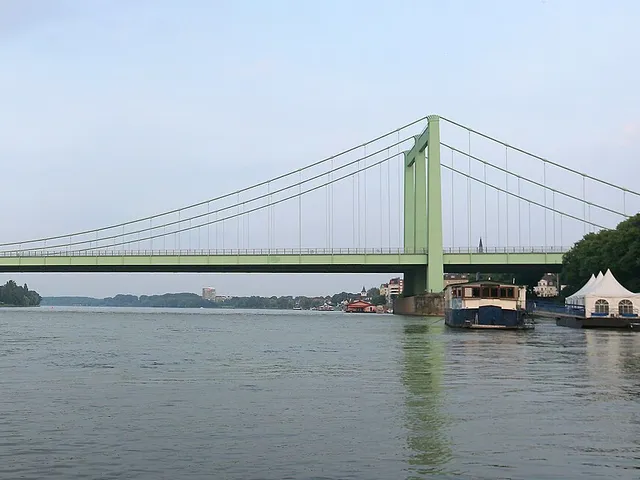
Cologne-Rodenkirchen Rhine Bridge
since 1941Germany's first true suspension bridge: 567 m across the Rhine, opened in 1941 as the 'Adolf Hitler Bridge,' destroyed in WWII and rebuilt in 1954.
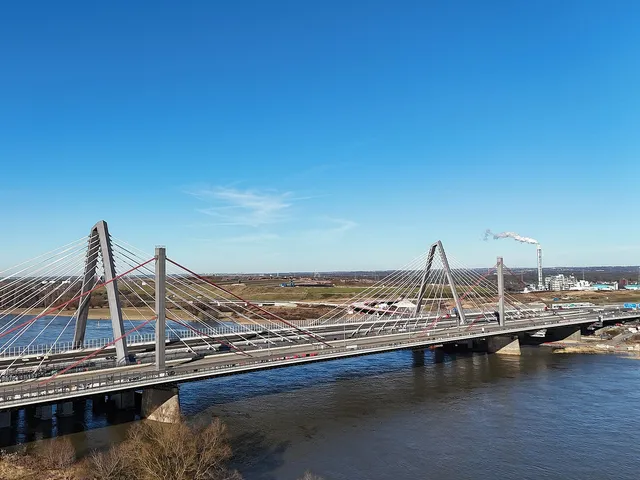
Leverkusen Rhine Bridge
since 1965Cable-stayed bridge carrying the A1 motorway across the Rhine at Leverkusen — replacing the demolished 1965 bridge that could no longer handle modern traffic.
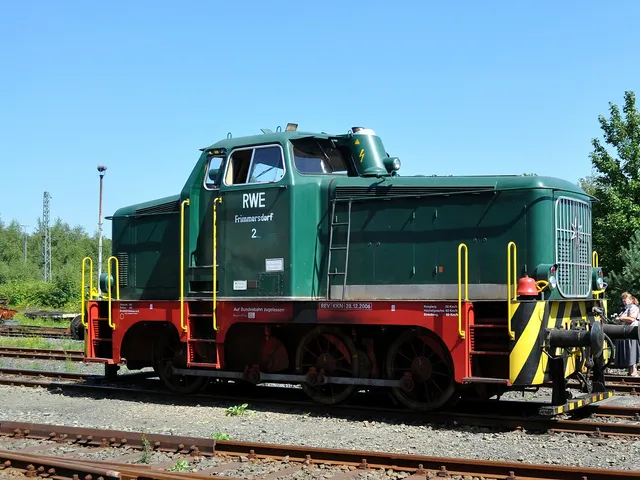
Rheinisches Industriebahn-Museum
One of Germany's largest collections of industrial railway locomotives, housed in a former engine shed in Nippes — currently closed to visitors.
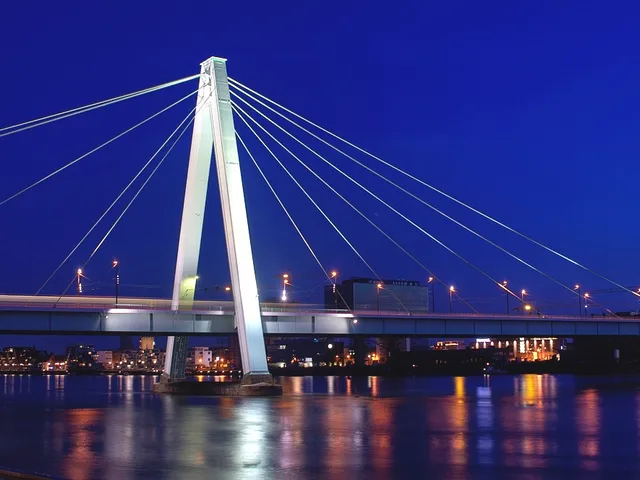
Severinsbrücke
since 1959Cable-stayed bridge with a single A-shaped pylon over the Rhine to Deutz — Cologne's first entirely new bridge built after World War II.
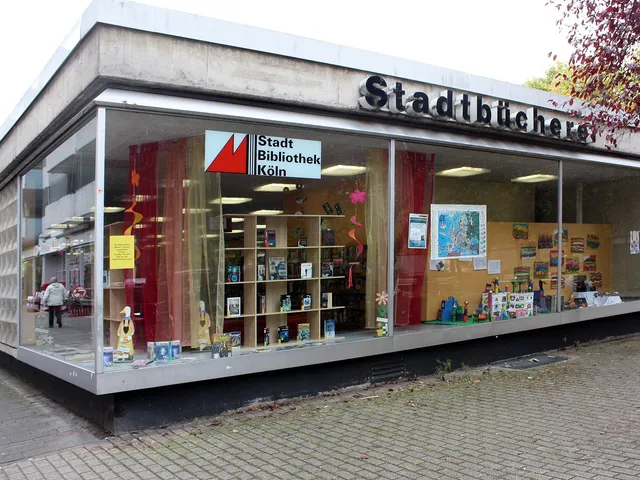
Stadtbibliothek Köln
since 1890One of Germany's largest public libraries with around 850,000 items — currently operating from a temporary location on Hohe Straße during major renovations.
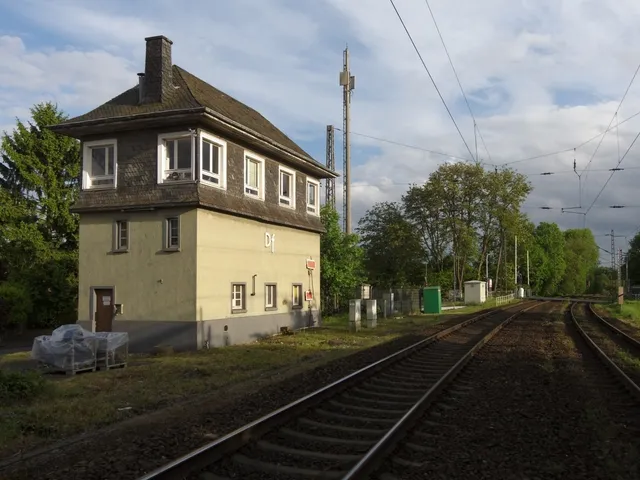
Stellwerk Köln-Dünnwald
Railway signalling museum in Dünnwald preserving a rare DrS2 interlocking, one of Germany's first electronic signal boxes, and a working operations simulator.
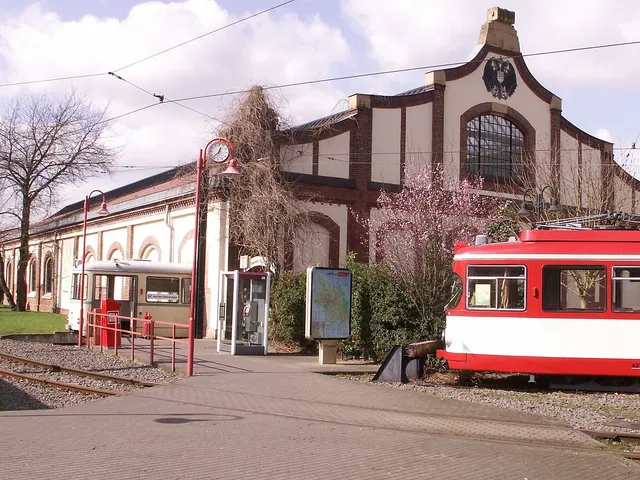
Thielenbruch Tram Museum
since 1997Historic Cologne trams in a 1906 depot hall — including the fully operational 'Finchen', which still runs to Frechen today.
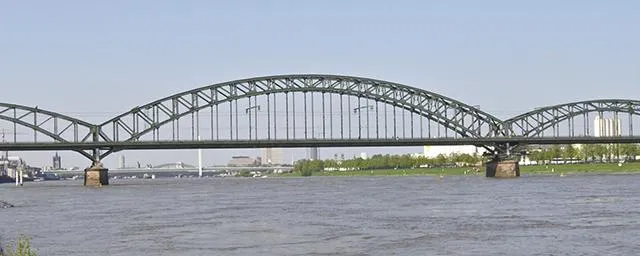
Südbrücke
since 1946Steel three-arch railway bridge from 1910 spanning the Rhine, primarily for freight traffic, with pedestrian and cycle paths; listed heritage structure.
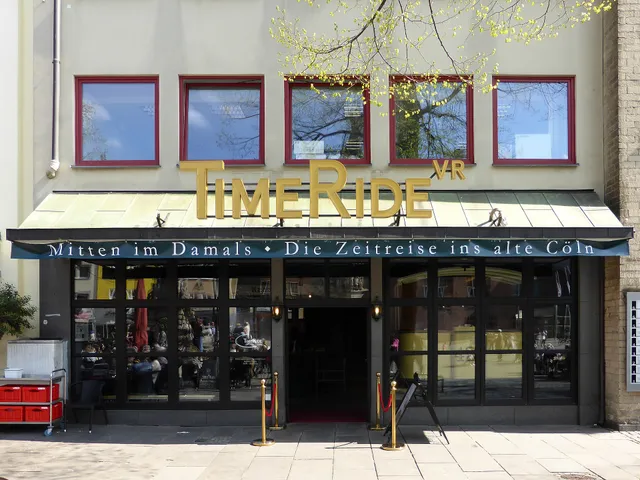
TimeRide Cologne
VR time travel in Cologne's Old Town: a virtual tram ride through 1926 Cologne, experienced through a VR headset.
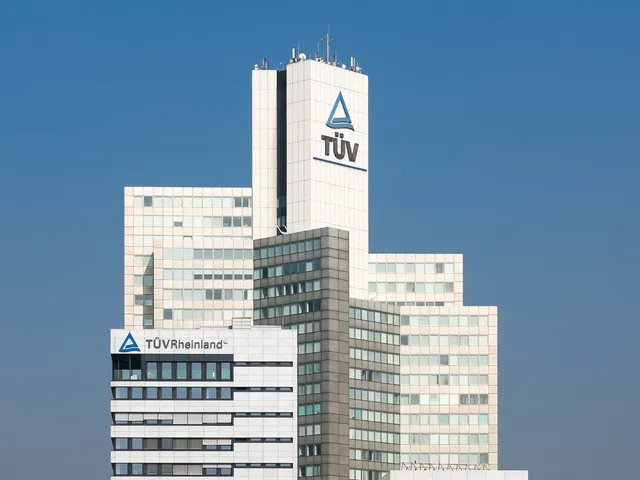
TÜV Rheinland
since 1872Independent testing and certification giant born from steam boiler inspection in 1872 — headquartered in the 114 m Am Grauen Stein tower in Cologne.
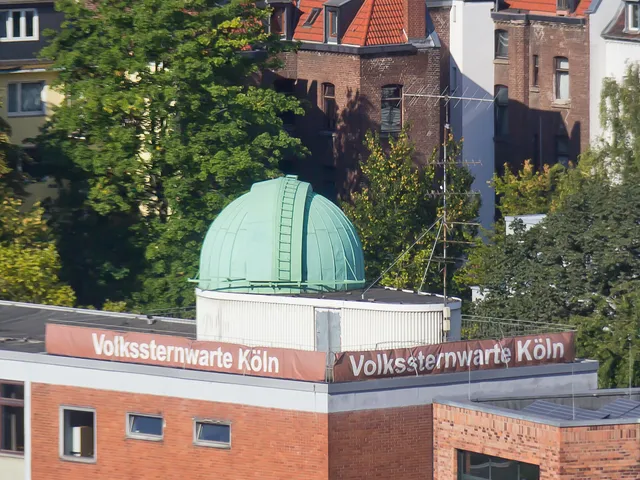
Volkssternwarte Köln
Volunteer-run observatory on the roof of Cologne's Schiller-Gymnasium, equipped with a 60 cm reflector telescope funded entirely by public donations.
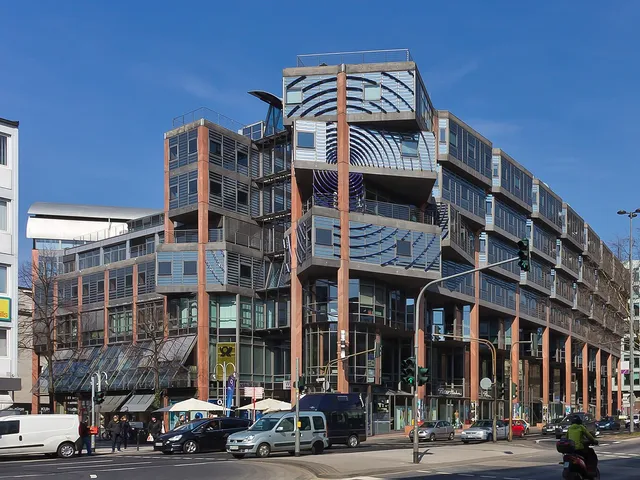
WDR Arkaden
WDR building with an arcade-like façade by Gottfried Böhm — famous for live broadcasts of Cologne's Weiberfastnacht carnival kickoff.
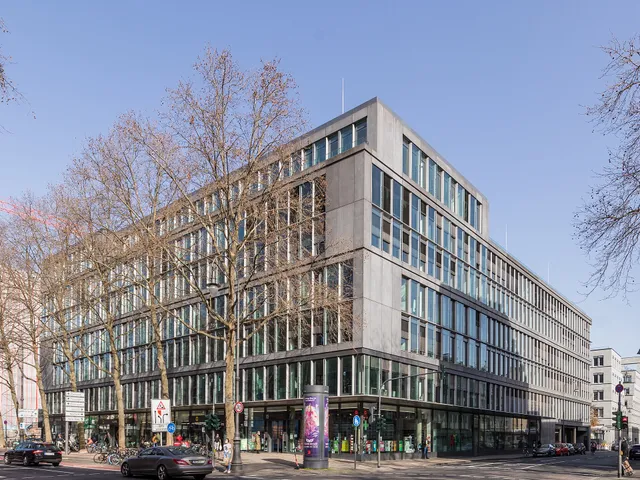
Westgate
Cologne office and retail building heated and cooled by its own groundwater system, crowned by a glass dome.