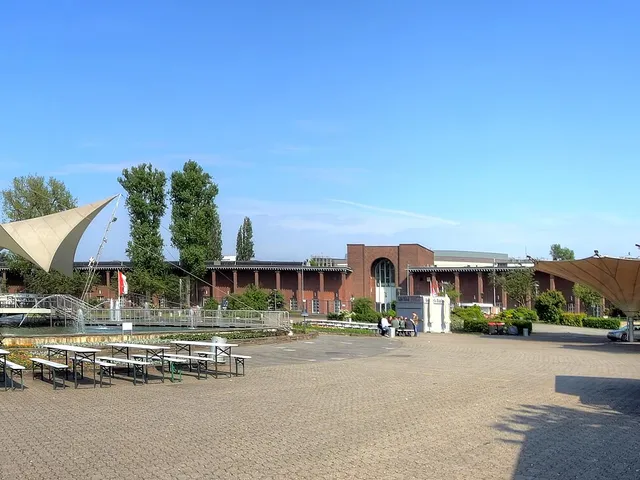
Riverside
25 places in Cologne
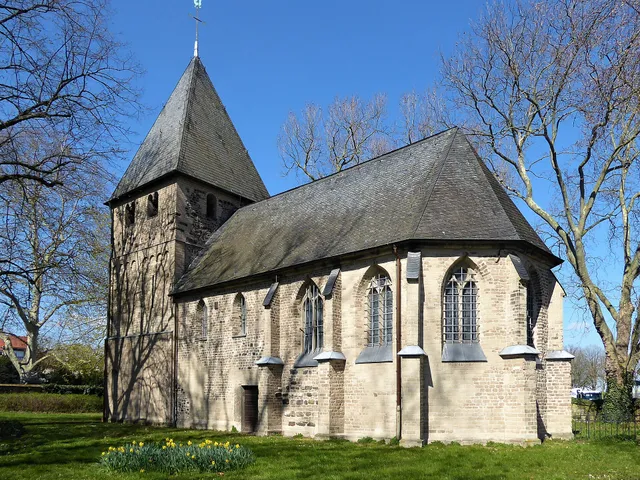
Alt St. Katharina (Cologne-Niehl)
The "Niehler Dömchen": a 12th-century Romanesque basilica on the Rhine riverbank, featuring a Gothic choir and listed heritage status.
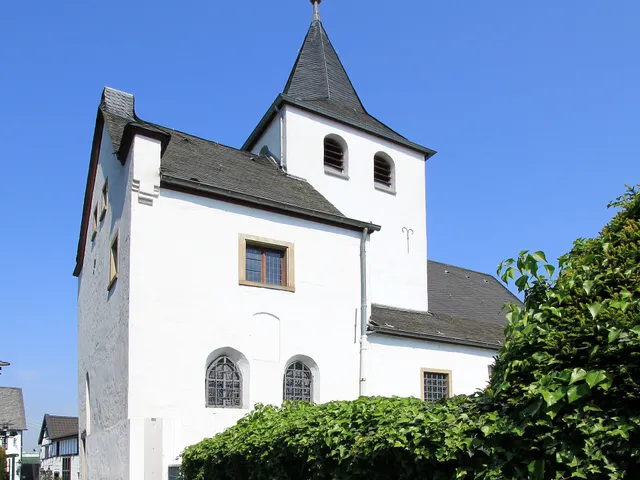
Alt St. Maternus
since 950Romanesque 'little chapel' on the Rhine — one of 13 small former village churches outside Cologne's medieval city walls.
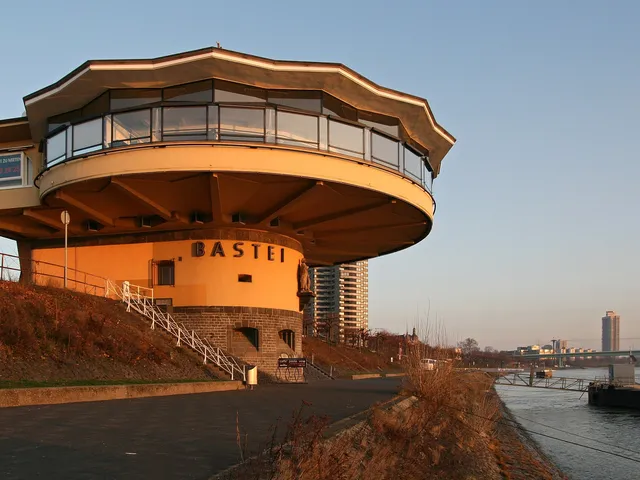
Bastei
since 1924Expressionist observation restaurant (1924) on a Prussian caponier — superstructure cantilevers 8 m beyond its footprint; closed since 2019.
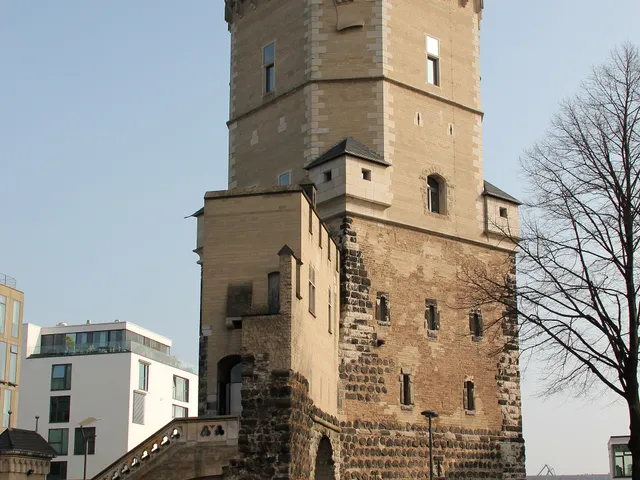
Bayenturm
since 1220One of Cologne's few surviving medieval fortification towers, built c. 1220 on the Rhine — today home to the FrauenMediaTurm foundation.
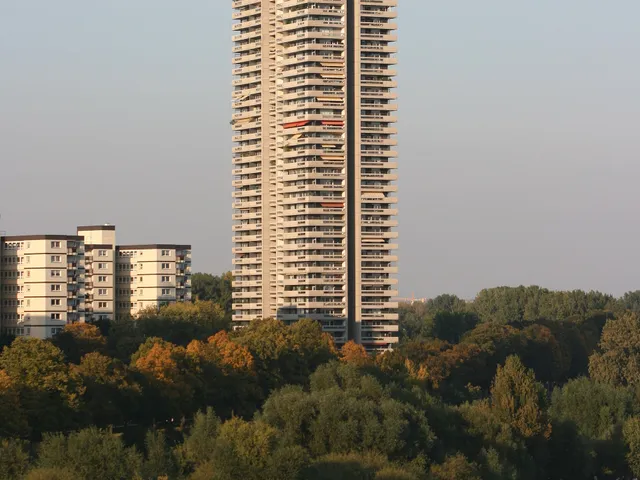
Colonia-Haus
since 1973Germany's second-tallest residential skyscraper, right on the Rhine in Riehl — at 155 m with antenna, almost as tall as Cologne Cathedral (157 m).
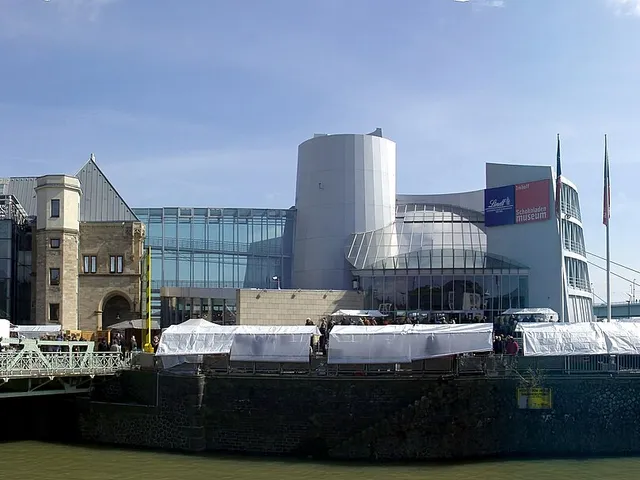
Swing Bridge in the Rheinauhafen
since 1896Cologne's oldest crossing over Rhine water: a listed swing bridge from 1896 that pivots aside using hydraulics powered from the Malakoff Tower.
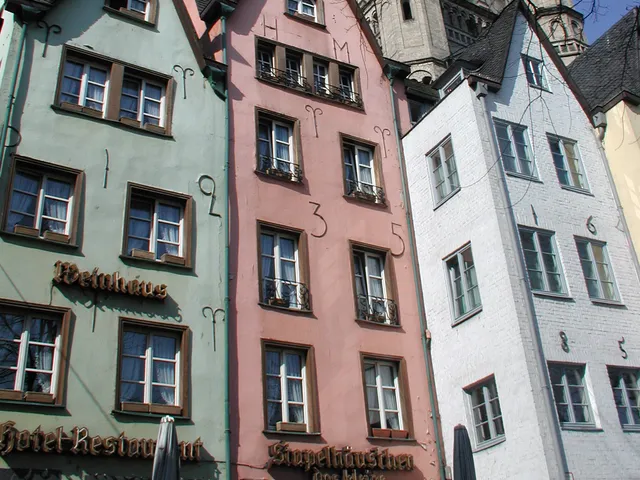
Fischmarkt
Historic square on the Rhine riverfront in Cologne's Altstadt — for centuries the heart of the city's fish trade, first recorded as "forum piscium" in the 12th century.
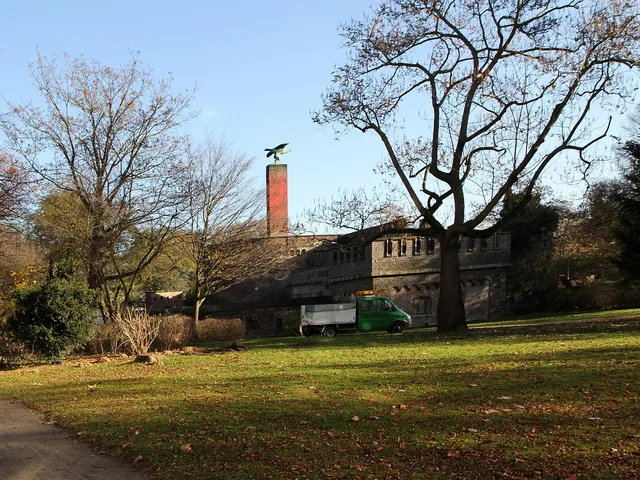
Friedenspark
Cologne city park on the grounds of former Fort I — featuring ivy-covered fortress walls, a rose garden, and a WWI monument with an eagle cast from cannons.
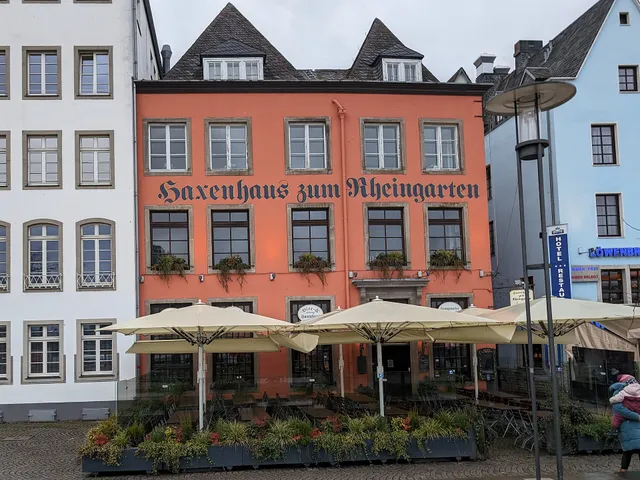
Haxenhaus zum Rheingarten
Traditional brewhouse on Cologne's Frankenwerft with a documented history of over 780 years and hearty pork knuckles.
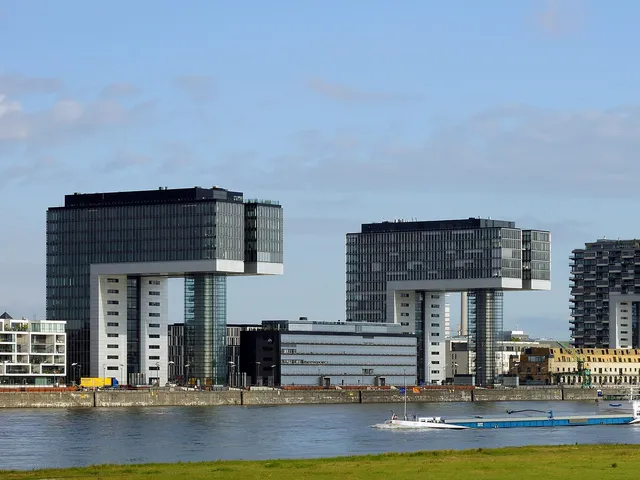
Kranhäuser
Three striking high-rises in Cologne's Rheinauhafen whose inverted-L silhouette mimics harbour cranes extending their jibs toward the Rhine.
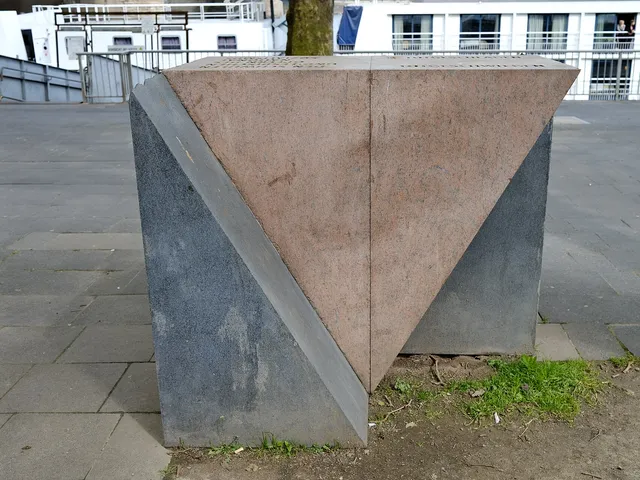
Memorial for the Gay and Lesbian Victims of National Socialism in Cologne
since 1995First memorial of its kind erected by a trade union — a 1995 riverside stone for gay and lesbian Nazi victims, inscribed 'Totgeschlagen – Totgeschwiegen'.
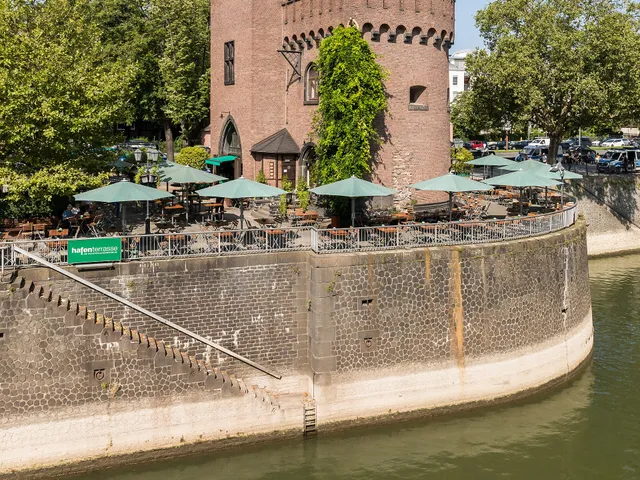
Malakoffturm
since 1855Brick gatehouse of Prussian Rhine fortifications at Rheinauhafen — now linked by a swing bridge to the Chocolate Museum across the water.
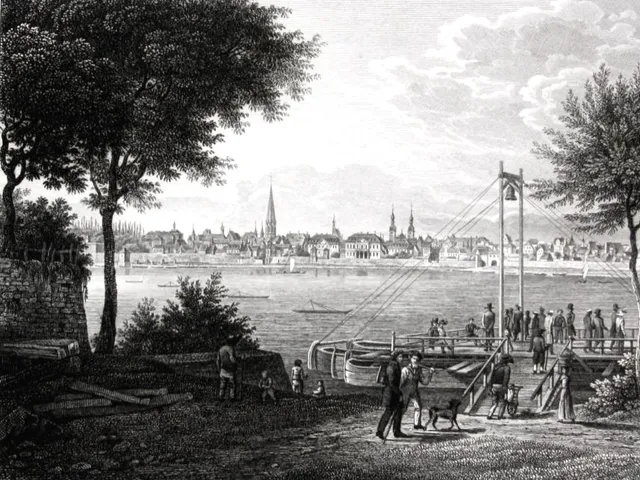
Mülheimer Schiffbrücke
since 1888Floating timber bridge on some 40 anchored pontoons (1888–1927), with an opening section for river traffic, that replaced the Rhine ferry crossing at Mülheim.
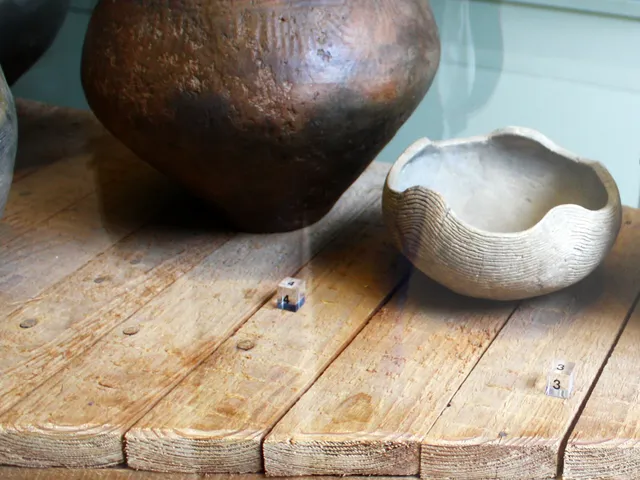
Museum für Vor- und Frühgeschichte
since 1907City museum founded in 1907 in the Bayenturm, covering regional prehistory – destroyed in 1943, its remnants became the founding stock of the Romano-Germanic Museum.
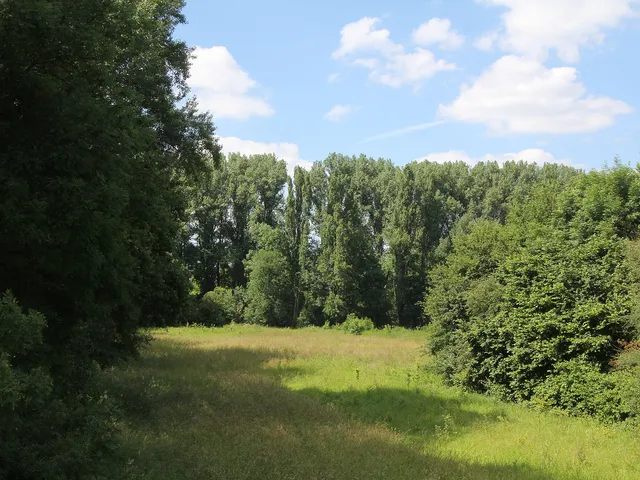
Langeler Auwald
since 1989A Cologne nature reserve along a Rhine river bend in the Langel district, with remnants of floodplain forest, a flood dyke and a breeding ground for numerous rare bird species.
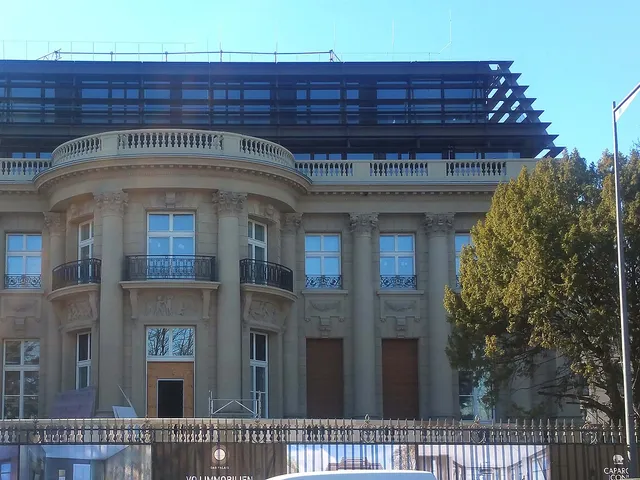
Palais du Rhin
French Baroque-classicist riverside palace built in 1908 for banker Emil von Oppenheim—today luxury apartments housing a Sotheby's location.
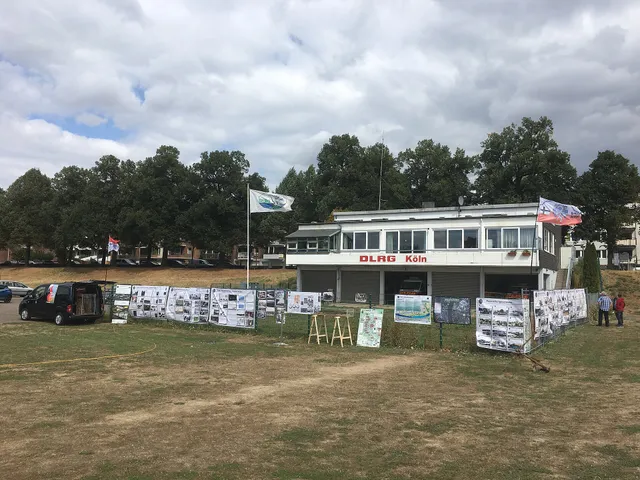
Poller Heimatmuseum
since 2015A private local history and information centre for Köln-Poll, featuring a picture exhibition at the Sportspark Cologne and information boards along the Rhine.
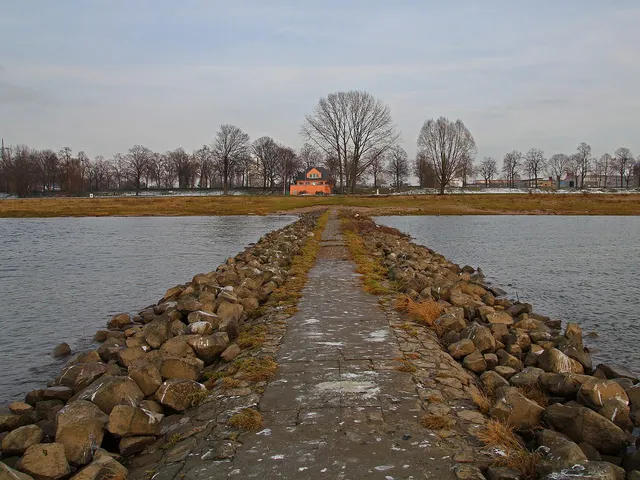
Poller Köpfe
Historic riverbank fortification on the right bank of the Rhine — built over 250 years to keep the river from carving a new course around Cologne.
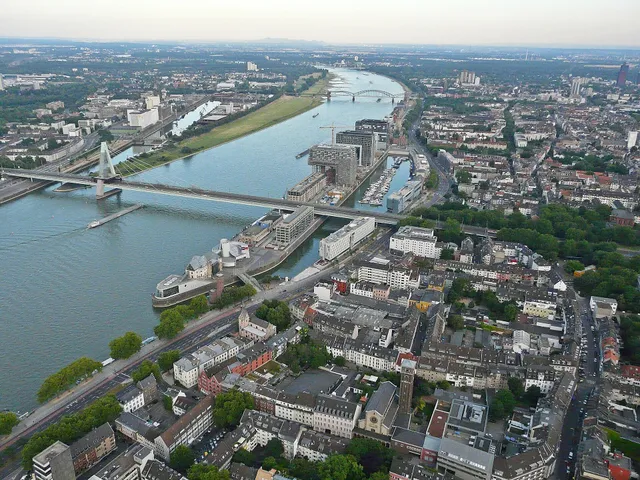
Rheinauhafen
Former Cologne harbour with the iconic Crane Houses – today a residential and commercial quarter on the 'Werthchen' peninsula in Altstadt-Süd.
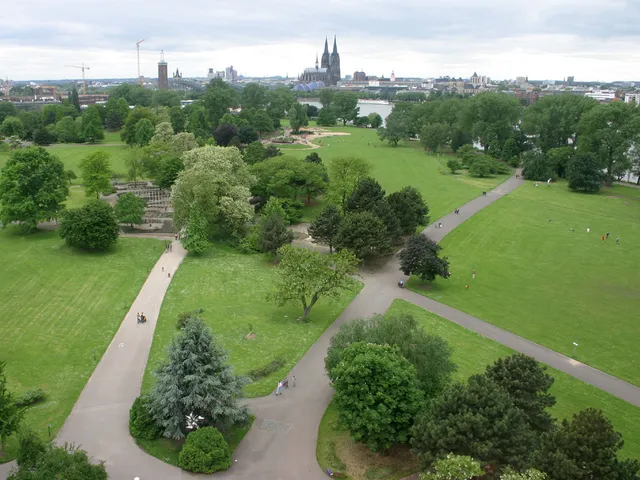
Rheinpark
Riverside landscape park on former Prussian fortress grounds — host of the 1914 Cologne Werkbund Exhibition, listed as a heritage monument since 1989.
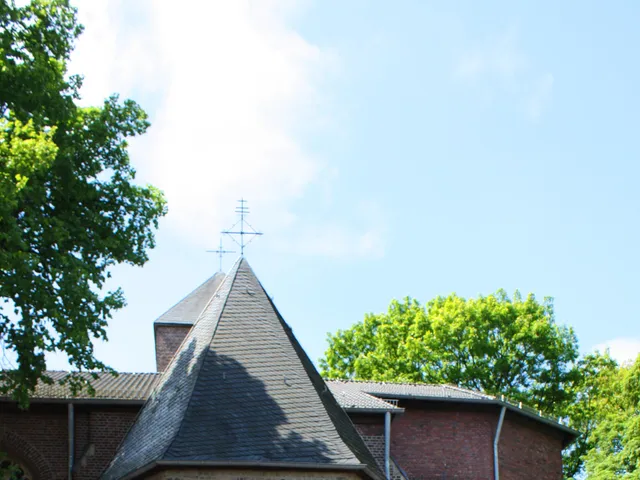
Schlosspark Stammheim
English-garden landscape park on the Rhine, laid out 1828–1832 by Maximilian Weyhe — today a public green space and, since 2002, a venue for contemporary art.
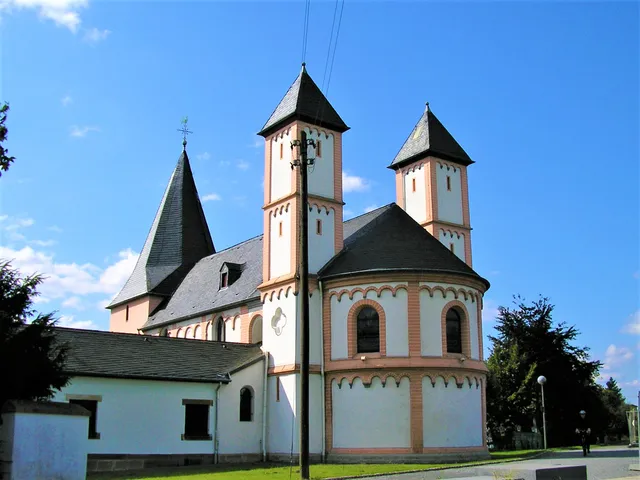
St. Amandus (Köln-Rheinkassel)
since 1200Romanesque church on the Rhine whose twin-towered chancel is a miniature echo of nearby St. Gereon — an extraordinary feature for a rural parish church.
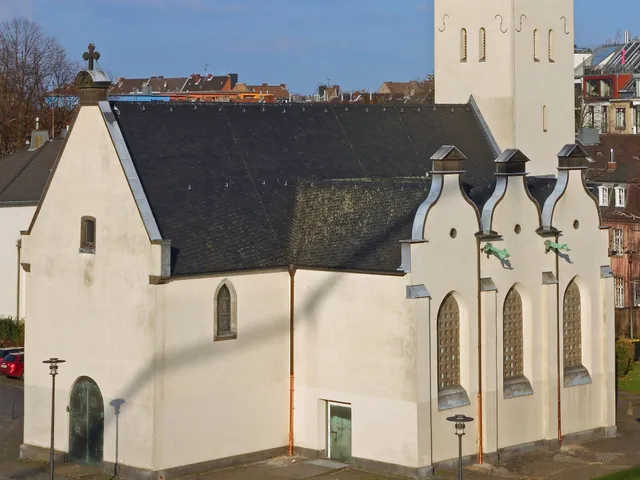
St. Clemens (Cologne-Mülheim)
A former sailors' church on the Rhine in Cologne-Mülheim, rooted in a Romanesque hall church built in the 12th and 13th centuries.
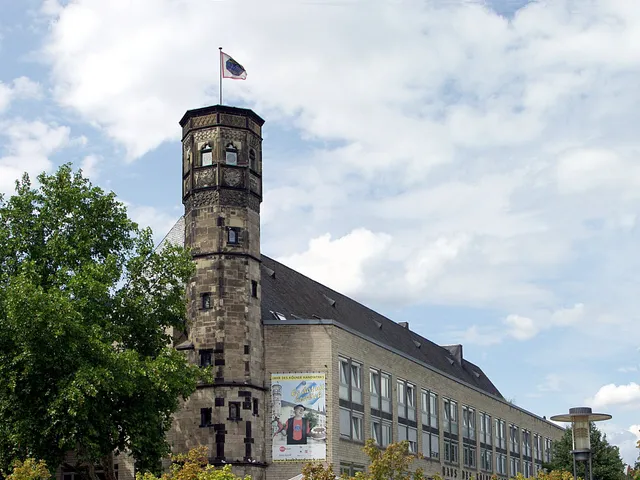
Stapelhaus
Standing on the Rhine bank in front of the choir of Groß St. Martin, the Stapelhaus recalls Cologne's medieval staple right and is today regarded as a symbol of the trading metropolis.