Dreikönigenpforte
A small gateway in Cologne's riverside city wall from the 13th century, named after the Three Magi painted above its arch, demolished in 1854.
since 1200
The Dreikönigenpforte was a small gateway in the Rhine-side fortifications of Cologne, dating from the 13th century. It should not be confused with the still-surviving Dreikönigenpförtchen at the church of St. Maria im Kapitol, only a few hundred metres away.
Source: Wikipedia
At a Glance
- Built
- 13th century (part of the Rhine wall), first mentioned in 1296 as "porta rheni"
- Location
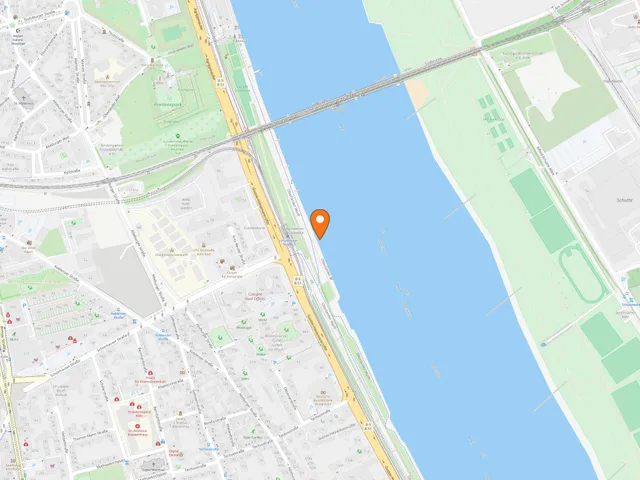
- the southern stretch of the Rhine wall, on Bayenstraße opposite Dreikönigenstraße
- Purpose
- a small passage in the river fortifications between the Bayenturm and the Kunibertsturm
- Loss of function
- ceased to serve as a gate in the early 15th century, walled up around 1407
- Demolished
- 1854
- Notable
- the Three Magi were painted above the arch — hence the name
Age comparison
Age compared with other places in Cologne.
Changing Names
The gate carried several names over time. After a mill was built on the neighbouring Linhof in 1401, it was officially called "porta molendinorum" and popularly the Mühlenpforte; in 1470 it appears as "Lynhofporz." Only from 1493 did the name Dreikönigenpforte take hold for good — after the images of the three wise men painted above the arch. A property register of 1493 describes the spot as the gate "where the holy three kings are painted." The nearby Dreikönigenstraße kept this name into the French period ("Rue des trois Rois," 1813).
End and Memory
As early as the beginning of the 15th century the gate lost its role as a passage; the arch is said to have been walled up around 1407 but was kept as a defensive structure. The painting was later replaced by two coats of arms with gilded brass crowns. The closely adjoining Haus Siegburg/Bremt was taken down in 1849, and the old gate followed in 1854. Three brass crowns from the gate had earlier, in 1819, been returned to the city and mounted on the front of the town hall at the Alter Markt; their later fate is unknown.
Gallery
Map
Blue dots: other places nearby — tap to explore.
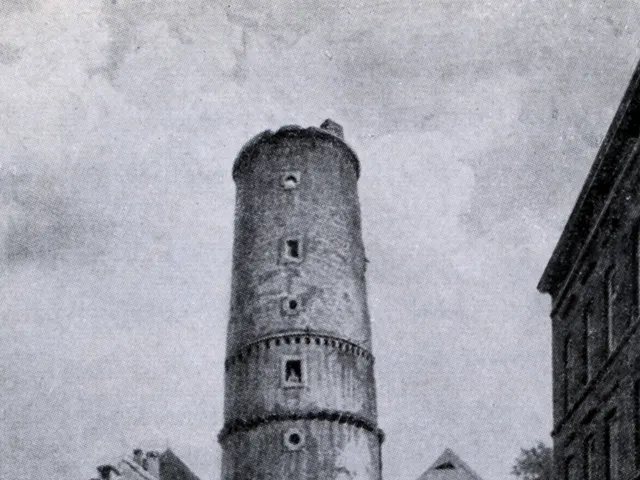
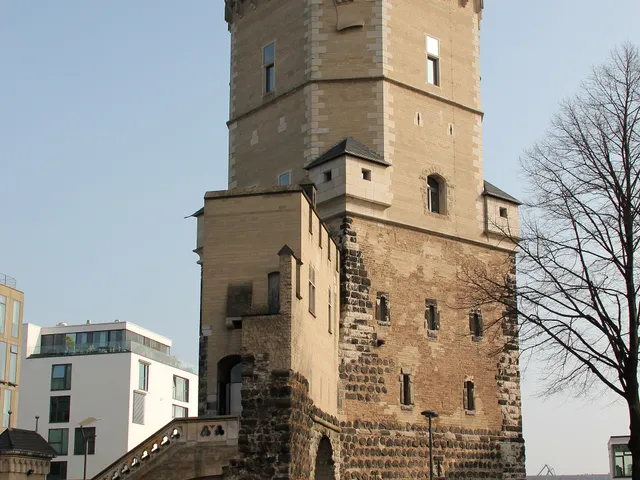
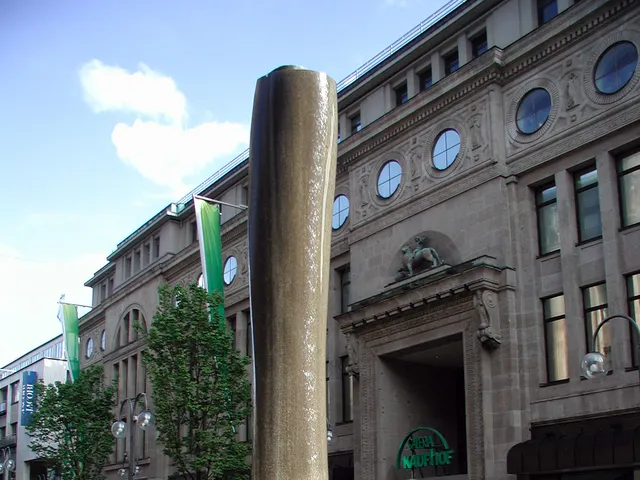
You might also like — related or nearby
Comments
- Loading comments…
Sources & links
Auto-generated, last verified: 2026-08-17
How this page is made
This page draws on open sources — Wikipedia, Wikidata, official websites and the city’s open data. Every statement is checked against the sources linked here, and pages are refreshed regularly.
Spotted a mistake anyway? Tell us below — we read every submission.