Lit.Cologne
Europe's largest literary festival, held annually in Cologne each spring since 2001, with around 200 events across the city.
since 2001
approx. 111.000 visitors per event
Every spring since March 2001, Cologne has hosted lit.Cologne, an international literary festival. With roughly 200 events and 111,000 visitors in 2019, it is considered the largest literary festival in Europe.
Source: Wikipedia
At a Glance
- Type
- International literary festival
- Venues
- Rotating locations throughout Cologne
- Founded
- March 2001
- Duration
- Twelve days each spring
- Scale
- Around 200 events, 111,000 visitors (2019)
- For children
- Dedicated programme strand lit.kid.Cologne
- Funding
- Privately financed; majority-owned by Deutsche Entertainment AG Classics since 2021
Age comparison
Age compared with other places in Cologne.
Origins
The idea came in 2000 to Werner Köhler and Rainer Osnowski, who were soon joined by Edmund Labonté. Their frustration with traditional bookshop readings — which rarely drew a crowd — sparked the concept. They drew inspiration from film, theatre, and music festivals, borrowing ideas such as professional hosts and live translators. The inaugural festival ran from 21 to 25 March 2001 and attracted 30,000 visitors across 65 events.
Concept
Authors from Germany and abroad read from their works, with German translations performed live by actors including Mario Adorf, Senta Berger, and Christoph Waltz. A hallmark of lit.Cologne is its specially produced literary programmes, in which actors and hosts shape individual themes into a dramaturgical experience. The lit.kid.Cologne strand serves younger audiences, with readings staged at fitting locations — a crime story at police headquarters, for instance.
Offshoots
Since 2011, a companion event — lit.Cologne Spezial — has run in autumn alongside the Frankfurt Book Fair. In 2013, the philosophy festival phil.Cologne was added to the portfolio. From autumn 2017, lit.Cologne also organises lit.Ruhr in the Ruhr region, centred on the Zeche Zollverein colliery in Essen.
Today
The festival remains privately run; significant public funding from the City of Cologne came for the first time in 2020. Since 2021, Deutsche Entertainment AG Classics holds the majority stake. Each edition opens with the presentation of the German Audiobook Prize at Cologne's WDR broadcasting house.
Gallery
Map
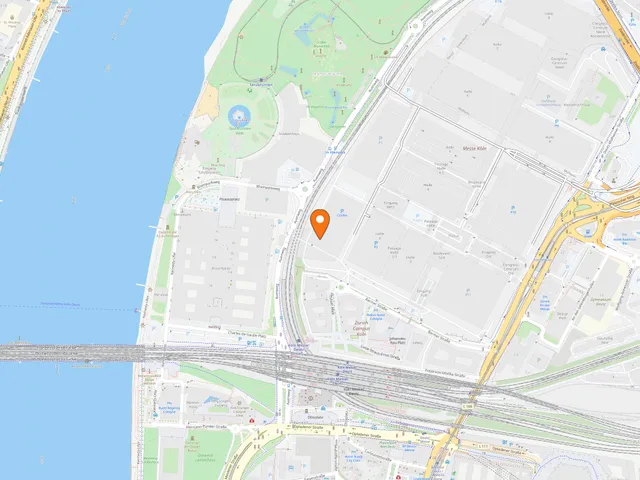
Blue dots: other places nearby — tap to explore.
You might also like — related or nearby
Comments
- Loading comments…
Sources & links
Auto-generated, last verified: 2026-06-30
How this page is made
This page draws on open sources — Wikipedia, Wikidata, official websites and the city’s open data. Every statement is checked against the sources linked here, and pages are refreshed regularly.
Spotted a mistake anyway? Tell us below — we read every submission.