Free entry
88 places in Cologne
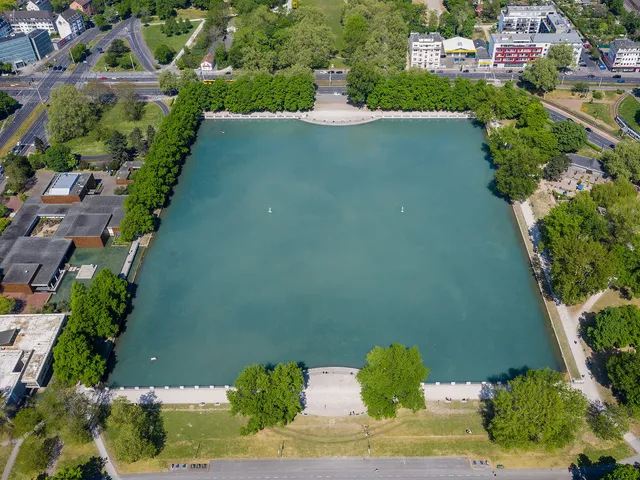
Aachener Weiher
A 1920s artificial lake in Cologne's Inner Green Belt, framed by a beer garden, East Asian art, and the Hiroshima-Nagasaki Park.
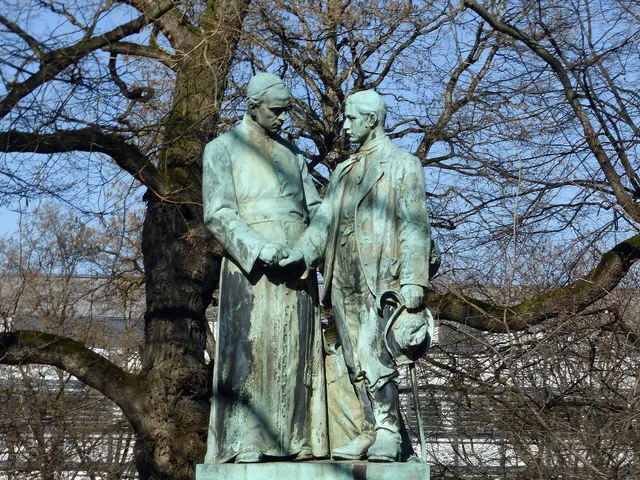
Adolph Kolping Monument
since 1903Bronze memorial to Adolph Kolping — the 'Father of Journeymen' and founder of the Catholic journeymen's associations — standing before Cologne's Minorite Church, where he is buried.
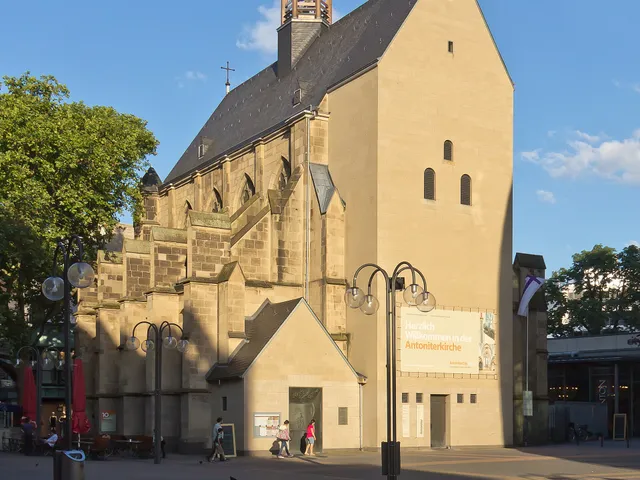
Antoniterkirche
since 1350A Gothic Protestant church in the middle of the Schildergasse – Cologne's most visited church after the cathedral, known for Barlach's ‘Hovering Angel'.
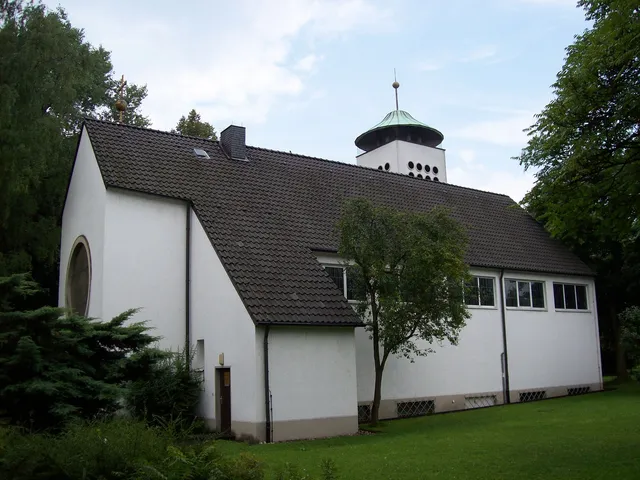
Church of the Resurrection Cologne-Ostheim
Protestant church with a round altar window and side light bands, consecrated in 1954 to a design by Gerhard Langmaack.
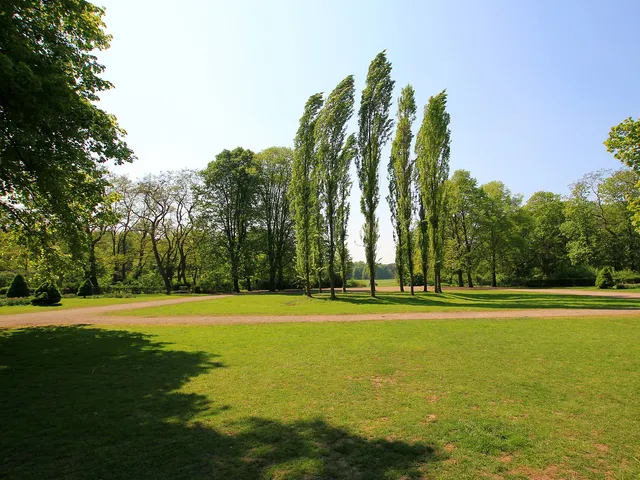
Beethovenpark
Natural landscape park in Sülz with a wide open meadow, playgrounds and a barbecue area — laid out in the 1920s as part of Cologne's Outer Green Belt.
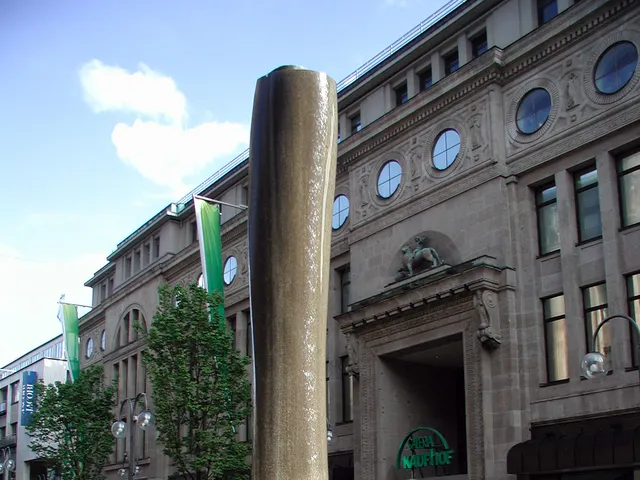
Bierbrunnen
since 1972A 1972 fountain on Schildergasse featuring a granite column wrapped in a thin veil of water — named after a brief beer tap that once operated at the site.
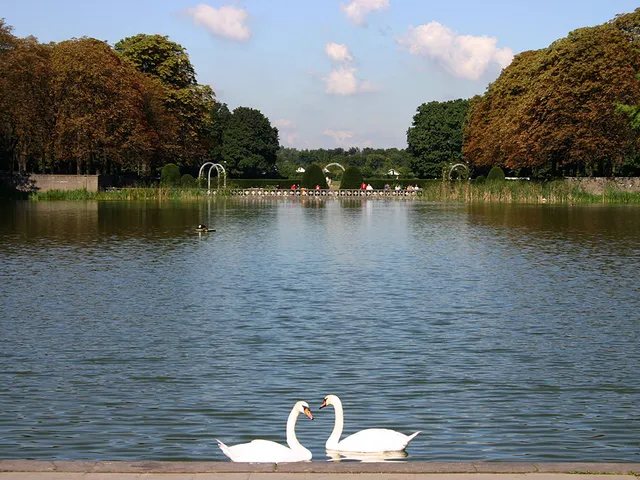
Blücherpark
Strictly geometric people's park from 1911–1913 with a rectangular pond, rowing boats, and a boathouse terrace.
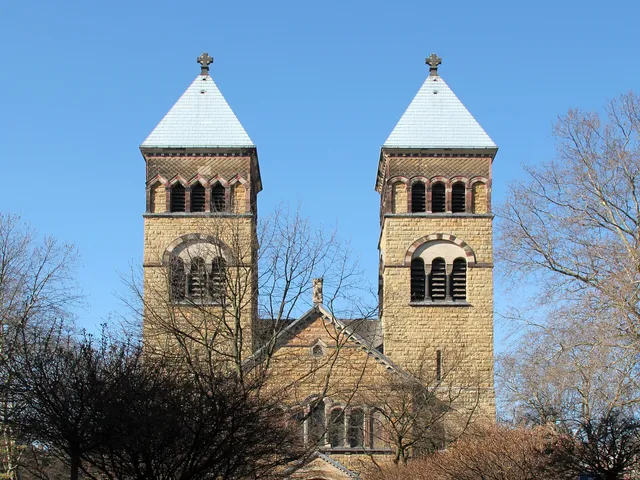
Brüsseler Platz
The heart of Cologne's Belgian Quarter, defined by the Neo-Romanesque church of St. Michael — a vibrant social hub and the scene of a long-running noise dispute.
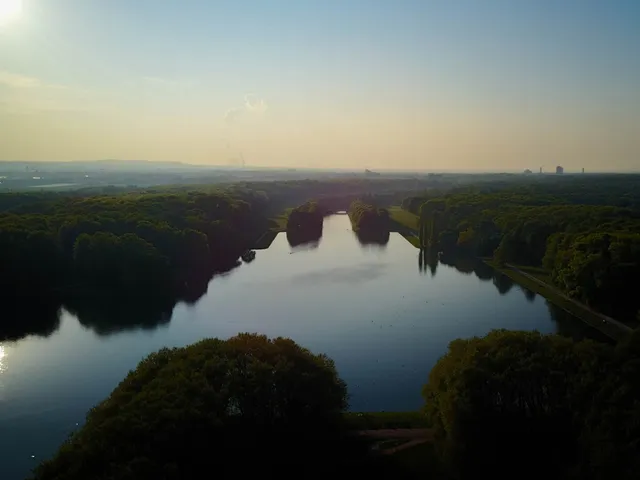
Decksteiner Weiher
since 1929Artificial rowing lake in Cologne's Outer Green Belt — 5.8 km loop trail, boat hire, and a goshawk breeding site on its island since 1987.
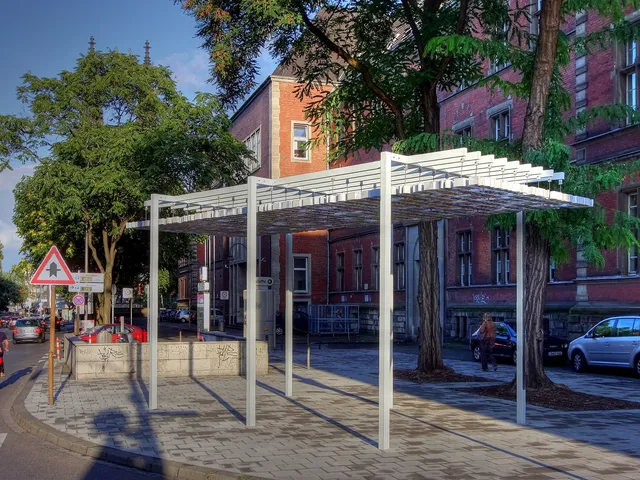
Deserters' Memorial
since 2009A memorial to victims of Nazi military justice at Appellhofplatz — a pergola whose chained tribute inscription seems written in colored letters across the sky.
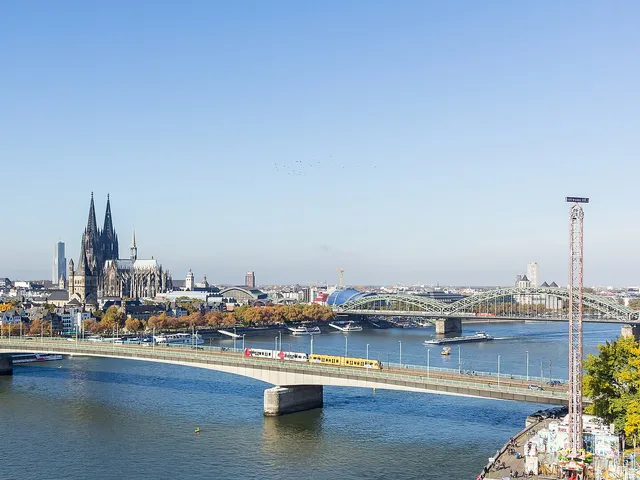
Deutz Bridge
The world's first steel box girder bridge (1947/48) – linking Heumarkt with Deutz; the Roman bridge once stood a few metres further north.
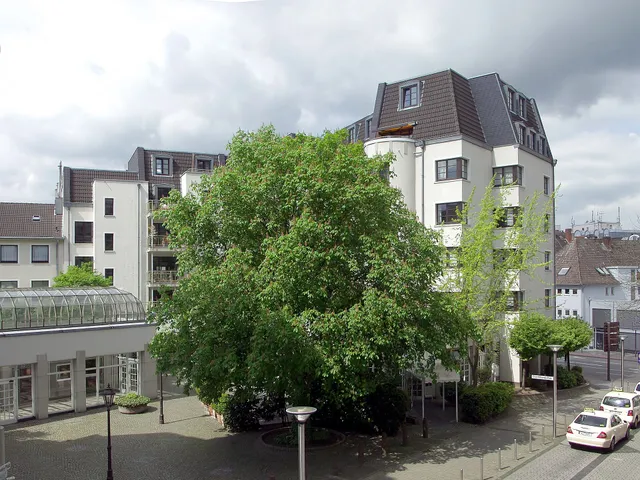
Erich-Klibansky-Platz
A Cologne memorial square whose Lion Fountain bears the names of 1,100 murdered Jewish children — built on the former site of the Adass Jeschurun congregation.
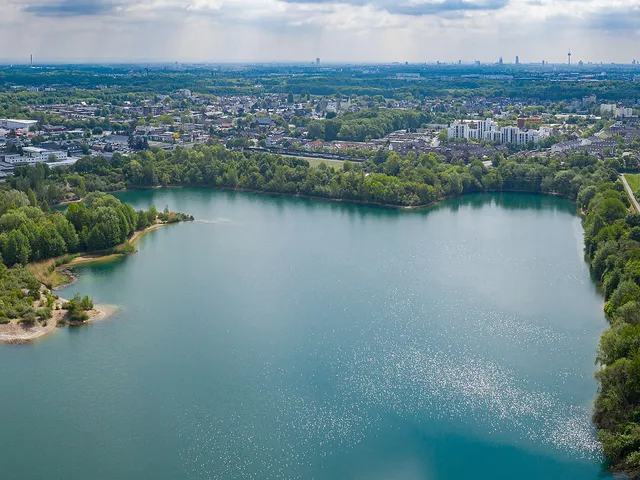
Escher Seen
Two gravel-pit lakes in Cologne's northwest — the northern one is a public bathing lake, the southern a fenced-off fishing reserve.
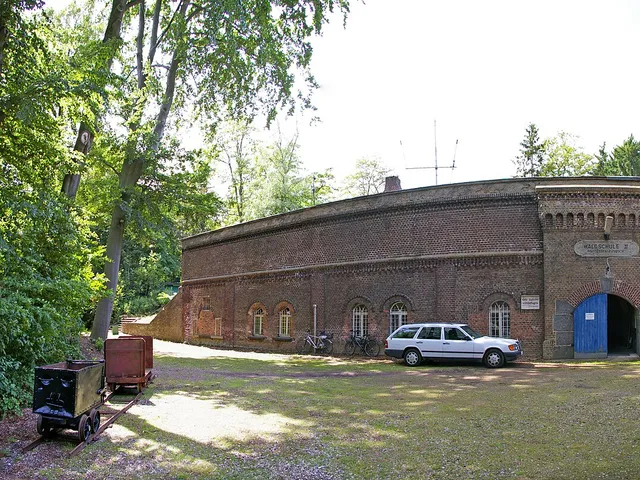
Cologne Fortress Ring
Prussian double ring around Cologne, dismantled after 1919 – its grounds became the basis for Cologne's Green Belt from 1924.
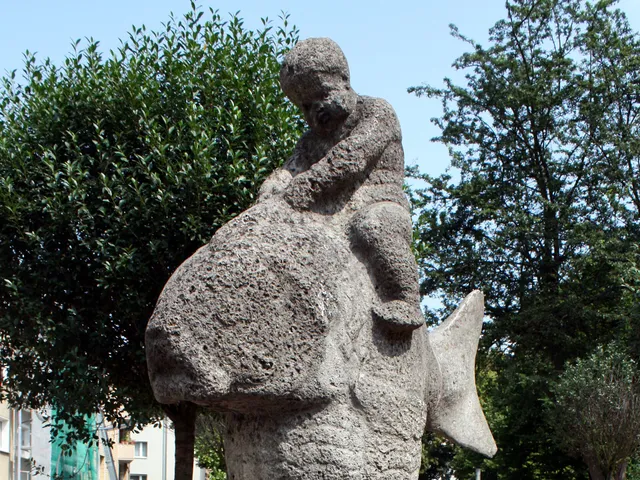
Fischreiterbrunnen
Sandstone fountain from 1913: a boy riding a fish — a listed landmark at Theophanoplatz in Zollstock.
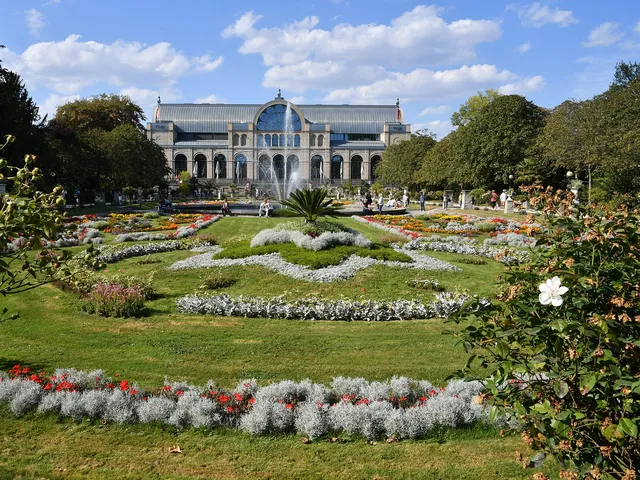
Flora
since 1864Cologne's botanical garden centred on the 1864 glass festival hall 'Flora' — a Lenné-designed park with over 10,000 plant species across more than 11 hectares.
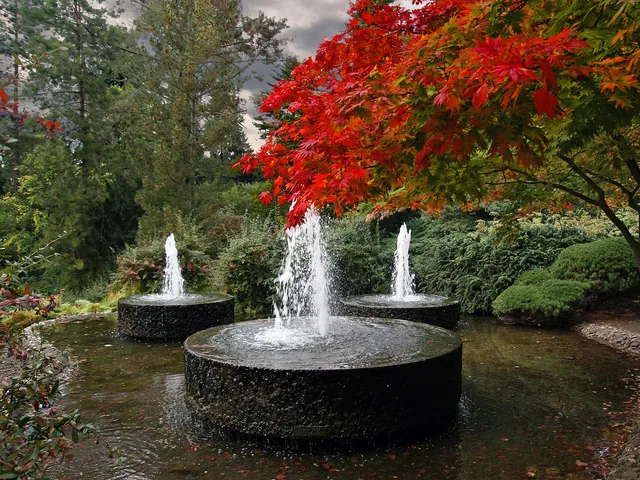
Forstbotanischer Garten Köln
Botanical garden in Cologne's south showcasing trees and shrubs from around the world — from a rhododendron ravine and Japanese garden to North American giant sequoias.
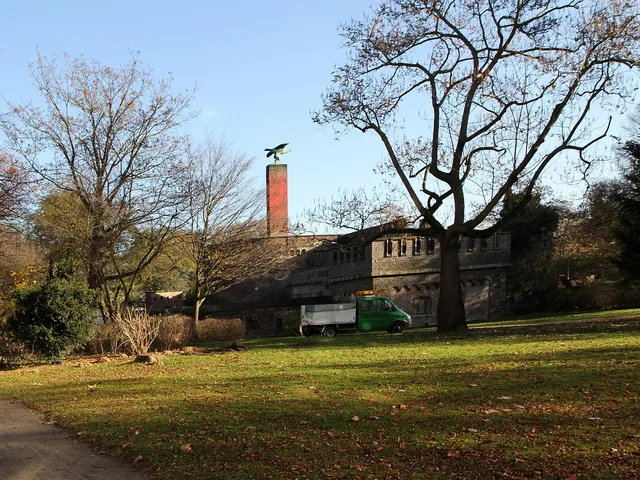
Friedenspark
Cologne city park on the grounds of former Fort I — featuring ivy-covered fortress walls, a rose garden, and a WWI monument with an eagle cast from cannons.
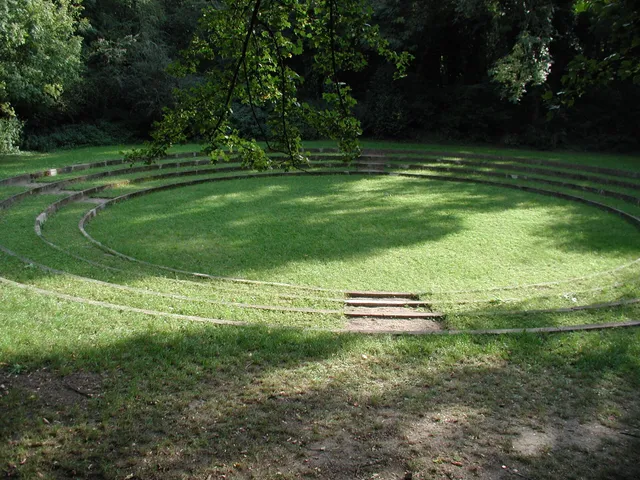
Volkspark Raderthal
Laid out by Fritz Encke from 1922, this listed park features a natural theatre, reading garden and dance lawn — a landmark of social green space in Cologne's south.
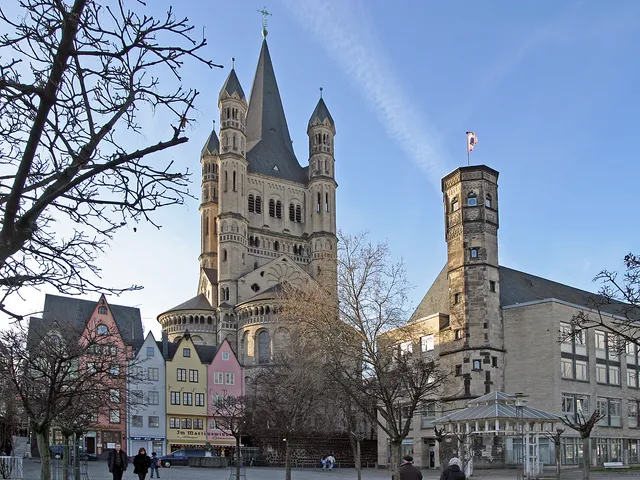
Groß St. Martin
since 1150Romanesque basilica in Cologne's Old Town with a cloverleaf-shaped east choir and striking crossing tower — built over Roman foundations.
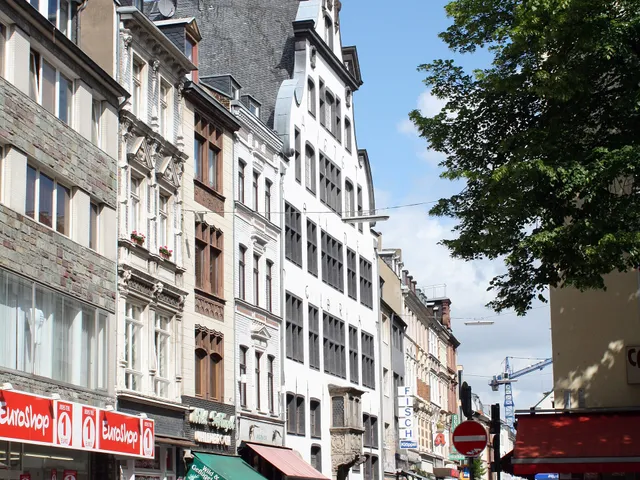
Haus Balchem
The only surviving Baroque house in the Severinsviertel, its statement bay window on Corinthian columns still turns heads on Severinstraße today.
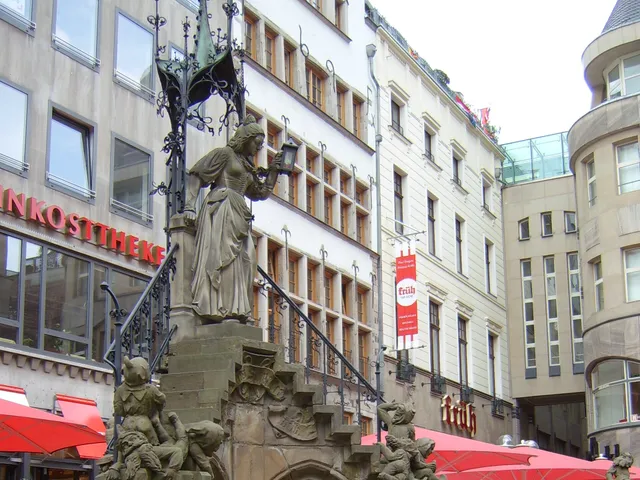
Heinzelmännchen – Cologne's Household Spirits and Their Fountain
since 1900Cologne's legendary household sprites who worked through the night while citizens slept — caught once, gone forever. Their fountain stands near the Cathedral.
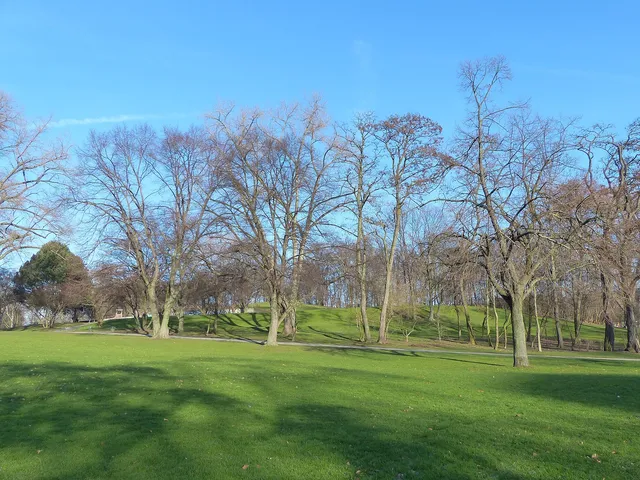
Hiroshima-Nagasaki-Park
since 2004Memorial park in Cologne's Inner Green Belt commemorating the victims of the atomic bombings of Hiroshima and Nagasaki, with a monument featuring an origami crane.
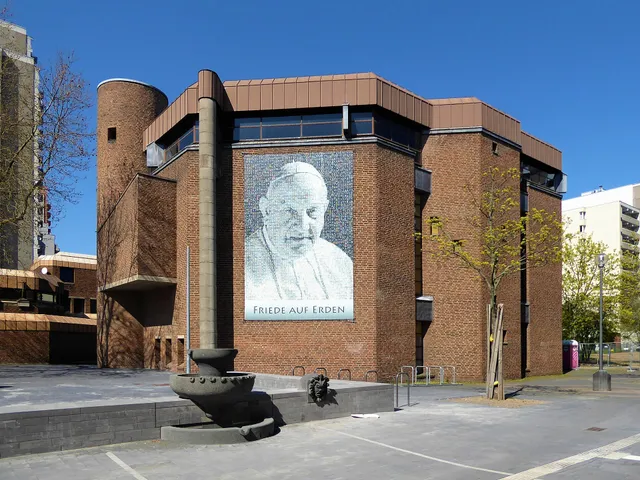
St. John XXIII (Cologne-Chorweiler)
since 1977A 1977 Catholic parish church in Chorweiler that stood unconsecrated for 28 years, finally named after Pope John XXIII in 2009.
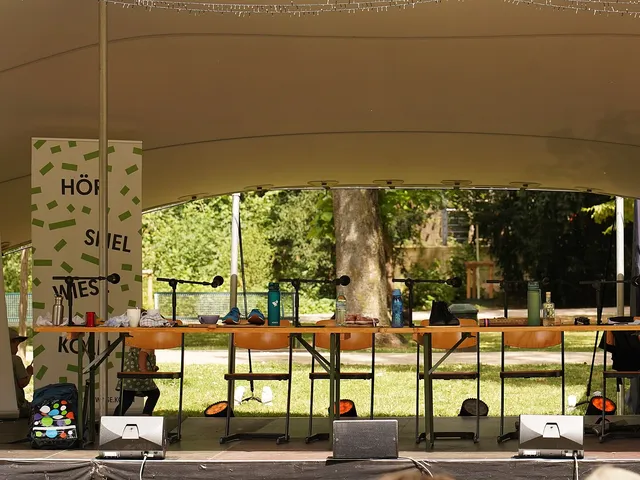
Hörspielwiese Köln
Free open-air festival for radio drama and audio art in Cologne: classics, new productions, live radio plays and a prize for short radio dramas.
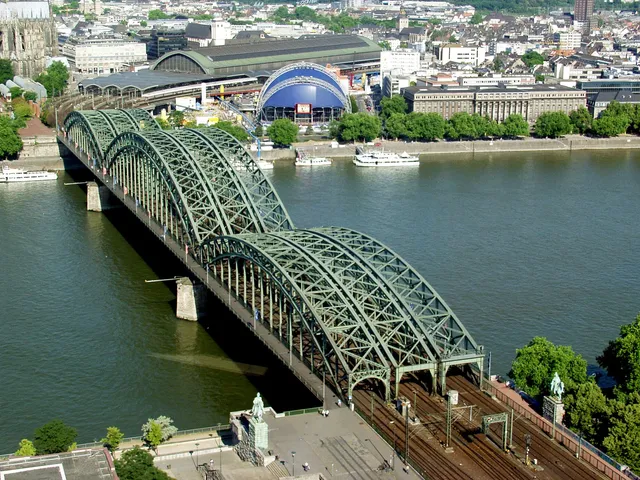
Hohenzollernbrücke
since 1911Germany's busiest railway bridge spanning the Rhine — a defining feature of Cologne's skyline alongside the Cathedral, and famous for thousands of love locks.
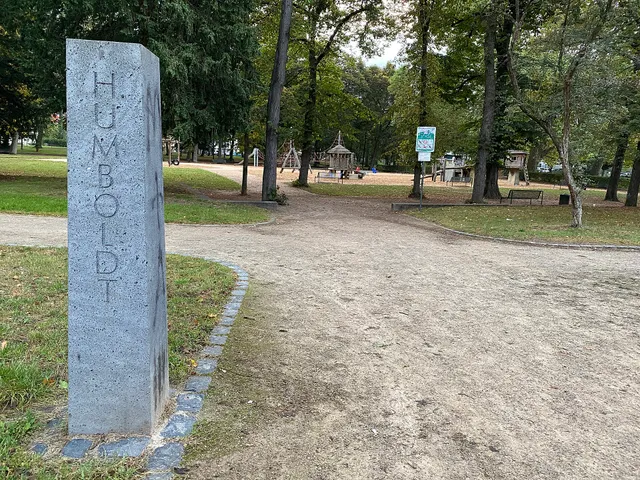
Humboldtpark
A listed 2.2-hectare park designed by Fritz Encke in 1913/14 — one of the few inner-city green spaces in the Kalk district of Cologne.
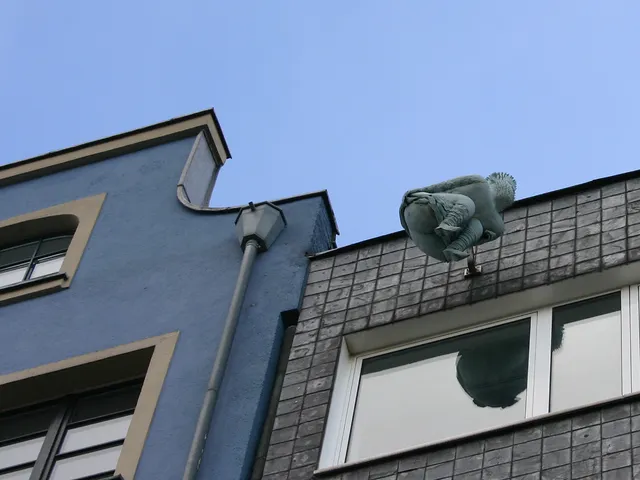
Kallendresser
Copper figure at Alter Markt that bares its backside to onlookers — a Cologne satirical motif with roots in the Middle Ages.
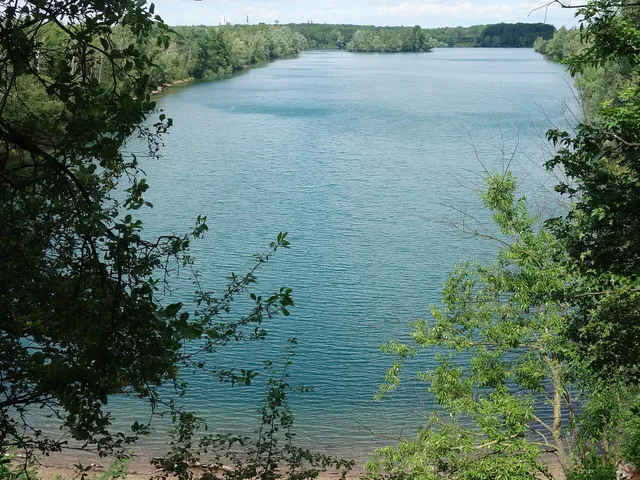
Kiesgrubensee Gremberghoven
since 1989A nature reserve around a former gravel pit lake in Cologne-Humboldt — nesting ground for sand martins, kingfishers, and great crested grebes.
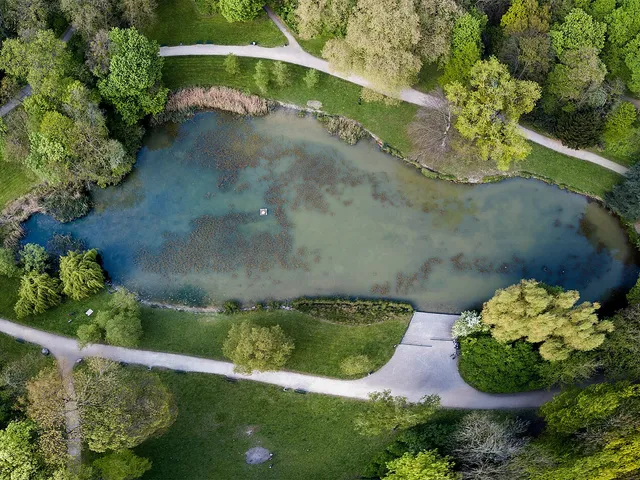
Klettenbergpark
A hilltop park in a former gravel pit, deliberately shaped as a nature garden — combining heathland, a lake, quarries and a rose garden in Cologne's Klettenberg.
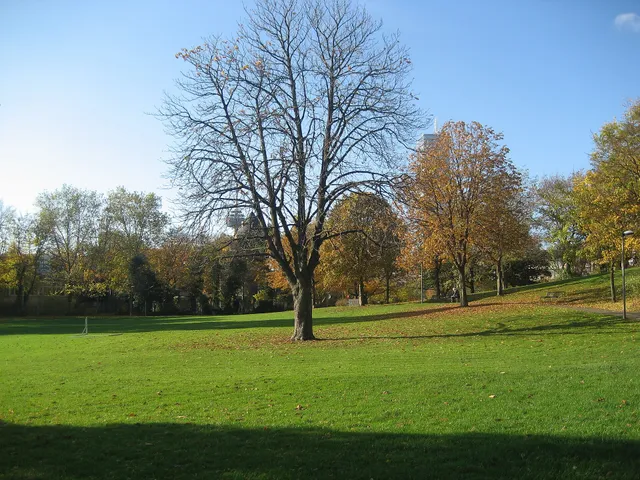
Klingelpützpark
Park on the site of the demolished Klingelpütz prison — with a memorial stone honouring more than 1,000 victims of Nazi-era justice.
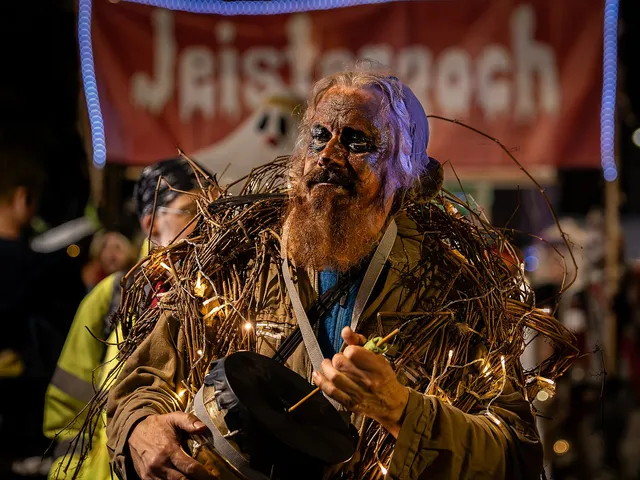
Cologne Ghost Parade
since 1991Alternative carnival procession and political demonstration: since 1991, it winds through changing Cologne neighborhoods without a formal permit.
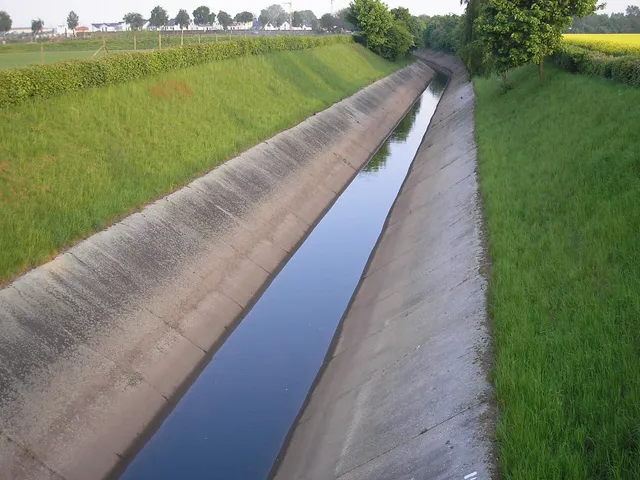
Kölner Randkanal
A nearly 20 km drainage canal on Cologne's city boundary — keeps the open-cast lignite mines dry and doubles as a continuous cycling route with a hydropower screw.
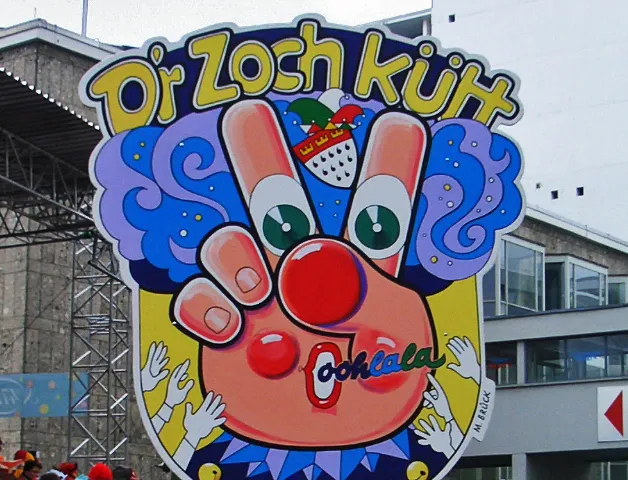
Cologne Rose Monday Parade
since 1823 approx. 1 M visitorsGermany's largest and oldest Rose Monday parade — the "Zoch" has wound its way through Cologne for eight kilometres since 1823.
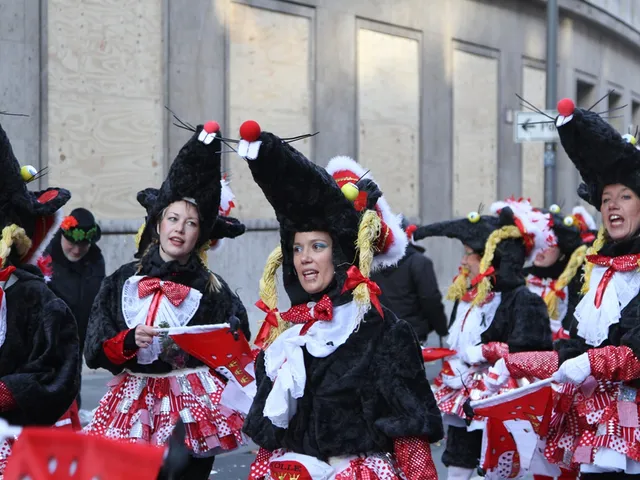
Kölner Schull- un Veedelszöch
Sunday carnival parade where schools, local clubs, and neighborhood groups march through Cologne's city center and the Vringsveedel.
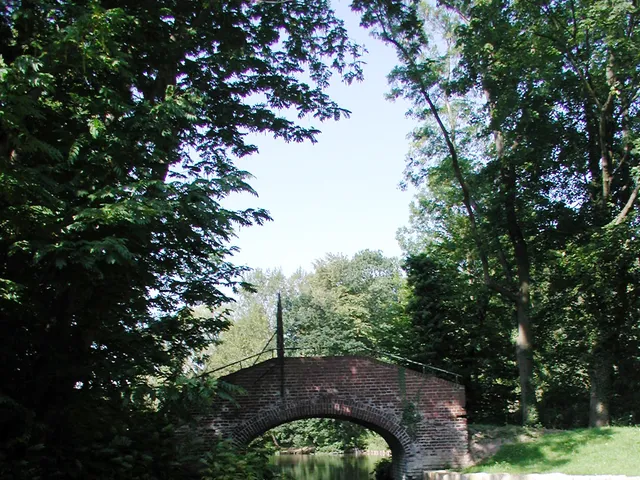
Kölner Stadtwald
Expansive forest park in the Lindenthal district, laid out from 1895 to plans by Adolf Kowallek — with ponds, a wildlife enclosure and petting zoo.
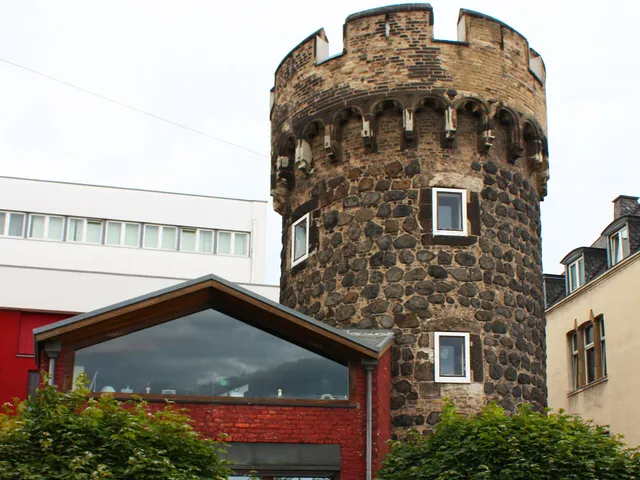
Kunibertsturm
Remnant of a medieval gate fortress at the northern end of Cologne's city wall, its small round tower Weckschnapp still standing today.
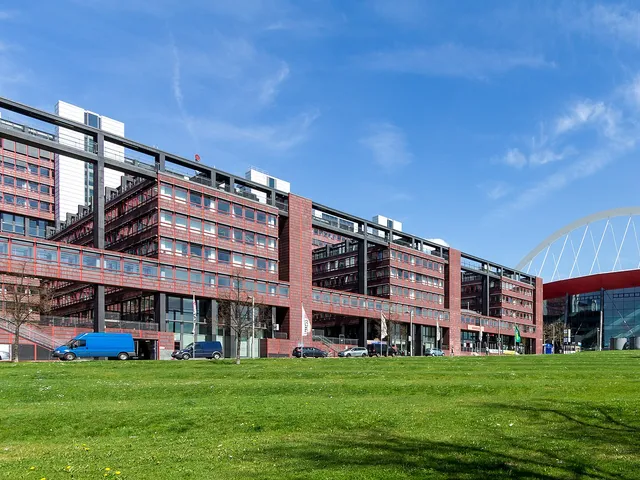
Lanxess Arena
since 1998Germany's largest arena and one of the biggest worldwide — in 2025, over 2.6 million visitors attended 208 events in Cologne-Deutz.
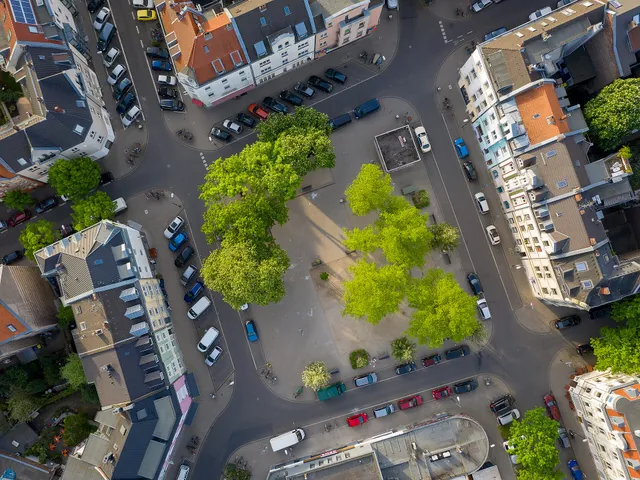
Lenauplatz
Neighbourhood square in Neuehrenfeld with the Max-and-Moritz Fountain — lined with lime trees and framed by Gründerzeit townhouses.
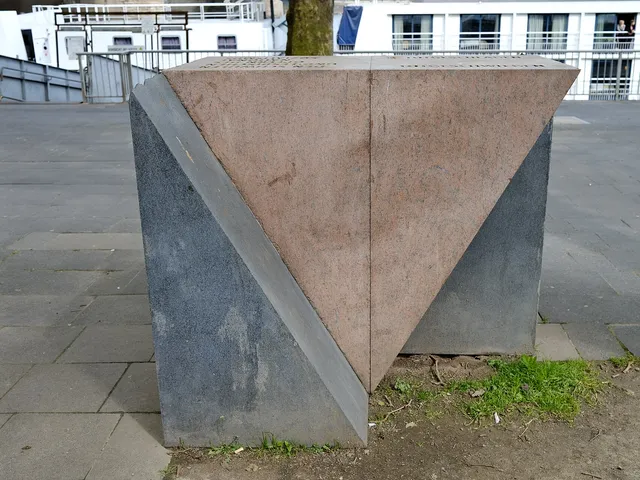
Memorial for the Gay and Lesbian Victims of National Socialism in Cologne
since 1995First memorial of its kind erected by a trade union — a 1995 riverside stone for gay and lesbian Nazi victims, inscribed 'Totgeschlagen – Totgeschwiegen'.
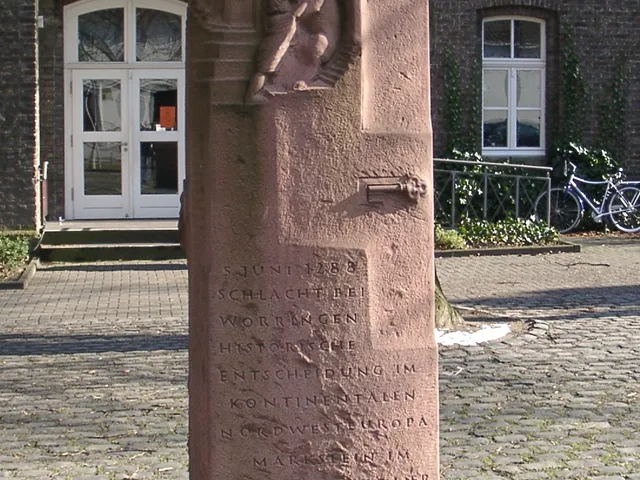
A Landmark in Cologne's Citizens' Fight for Independence
Memorial in Worringen commemorating the 1288 Battle of Worringen — a landmark moment in Cologne's citizens' struggle for independence.
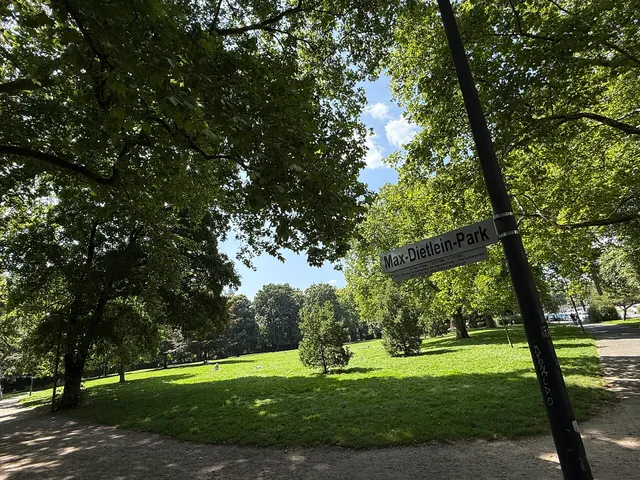
Max-Dietlein-Park
A roughly 2.2-hectare park in the Altstadt-Süd next to St. Pantaleon – with an oval lawn, a large playground and trees protected as natural monuments.
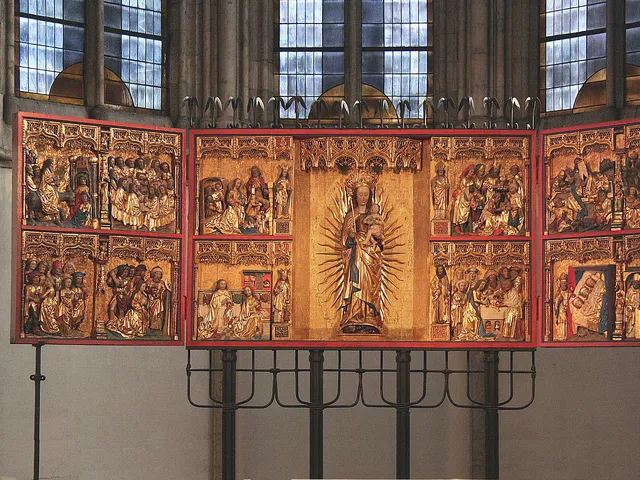
Minoritenkirche
Burial church of Adolph Kolping and Johannes Duns Scotus — a 13th-century Gothic mendicant church and place of pilgrimage.
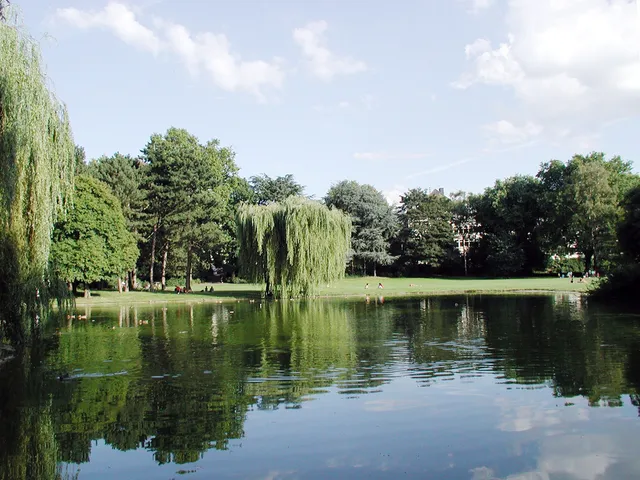
Mülheimer Stadtgarten
Historic public park in Cologne-Mülheim, established 1912/13 — featuring a lake, sweeping lawns, and the 1914 Fairy-Tale Fountain. Listed landmark.
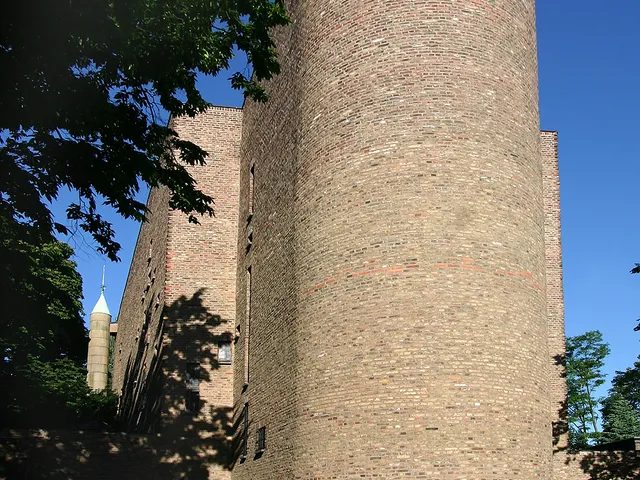
Neu St. Alban
since 1958Post-war church in the Stadtgarten built from rubble bricks of the destroyed Cologne Opera, with a pentagonal floor plan inspired by Le Corbusier.
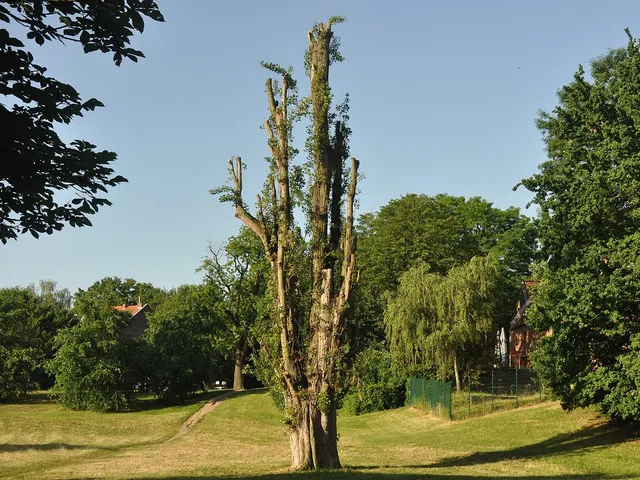
Nippeser Tälchen
A green space in an ancient Rhine-arm hollow in Nippes – with a wide meadow, playground, boules court and dog run, where a fish lake and a pleasure garden once lay.
Rathenauplatz
Cologne's leafy Südstadt park with a plane-tree avenue, a popular beer garden, and a name that mirrors Germany's turbulent 20th century.
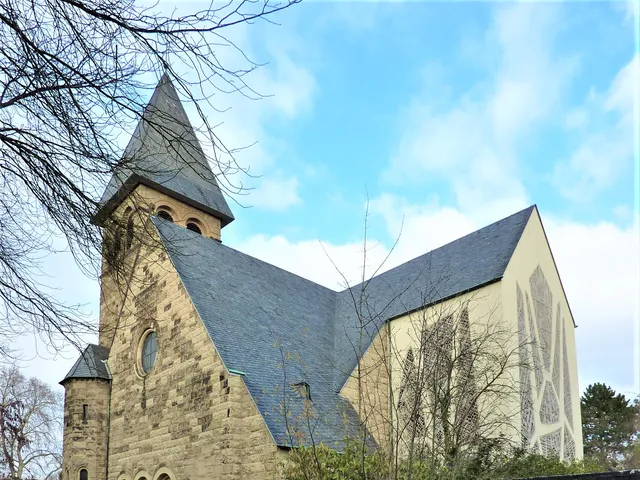
Reformationskirche
Protestant church in Cologne-Marienburg famed for its 15-metre concrete-glass window depicting creation striving toward Christ.
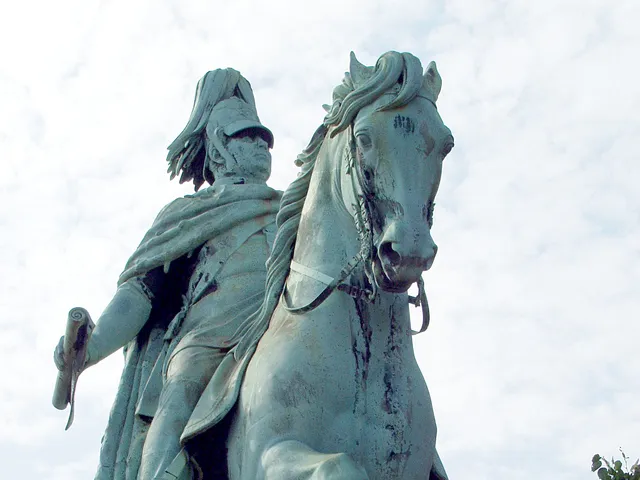
Equestrian Statue of Frederick William IV
Bronze equestrian monument by Gustav Blaeser at the right-bank portal of the Hohenzollern Bridge, unveiled in 1867.
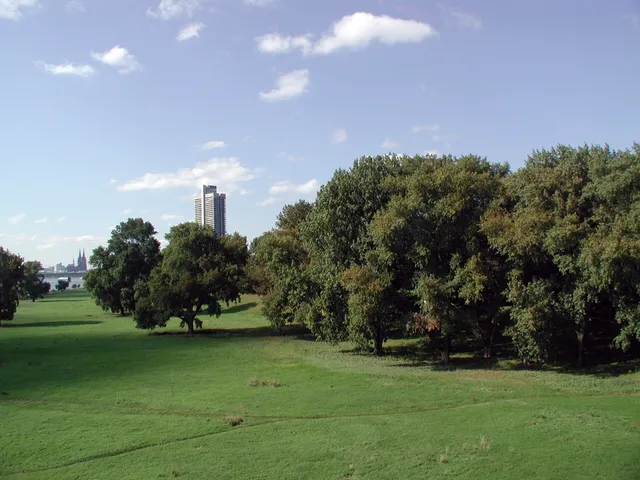
Riehler Aue
since 1971A roughly 27-hectare park on the western bank of the Rhine between the Zoobrücke and Mülheimer Brücke – part of the 1971 Federal Garden Show.
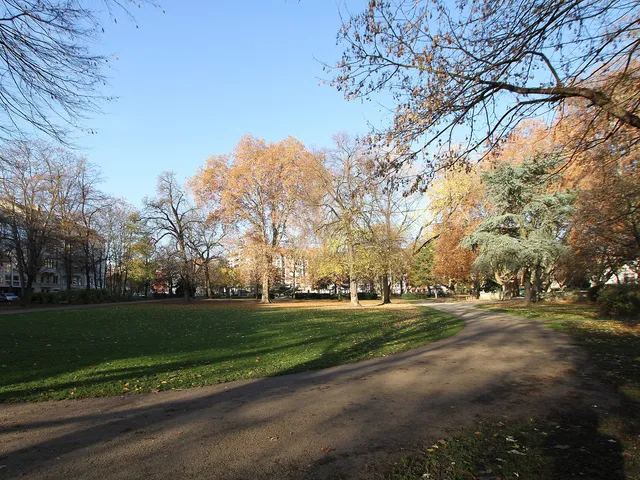
Römerpark
since 1898A heritage-listed city park in Neustadt-Süd, established in 1898 – once the "front garden" of the business college and the first seat of the University of Cologne.
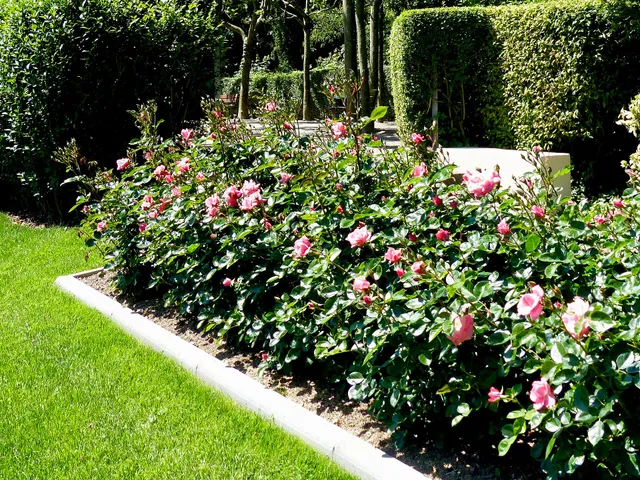
Rosengarten
since 1919Symmetrical rose garden on the former Fort X, with over 70 rose varieties and a pergola-style pavilion at the heart of Hilde-Domin-Park.
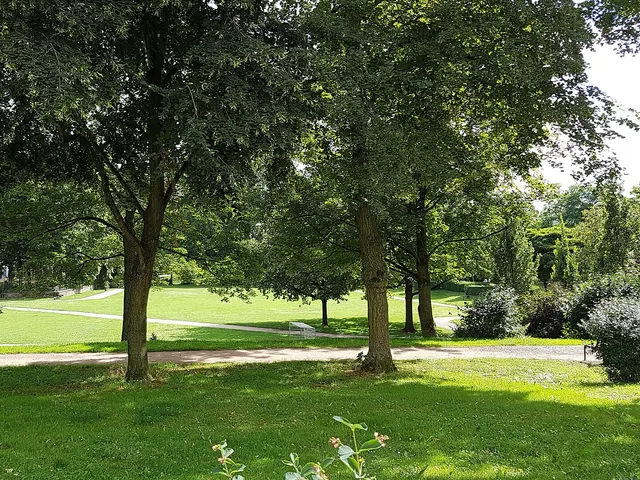
Rosenzweigpark
since 1929A heritage-listed park from 1928/29 in Zollstock, also called the "Schulpark" – with an elevated rose garden and wide lawns on a former gravel pit.
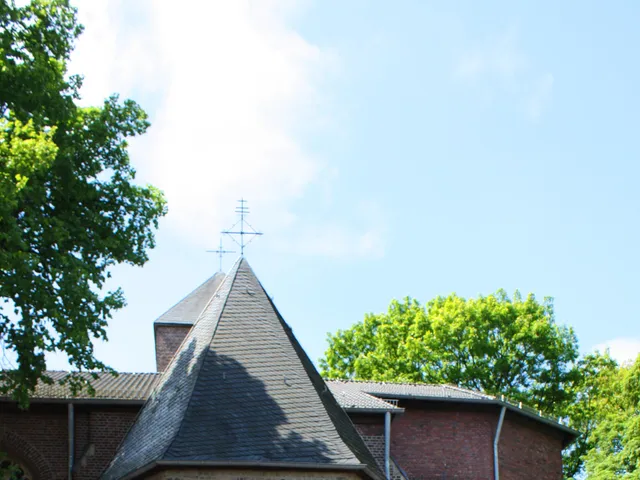
Schlosspark Stammheim
English-garden landscape park on the Rhine, laid out 1828–1832 by Maximilian Weyhe — today a public green space and, since 2002, a venue for contemporary art.
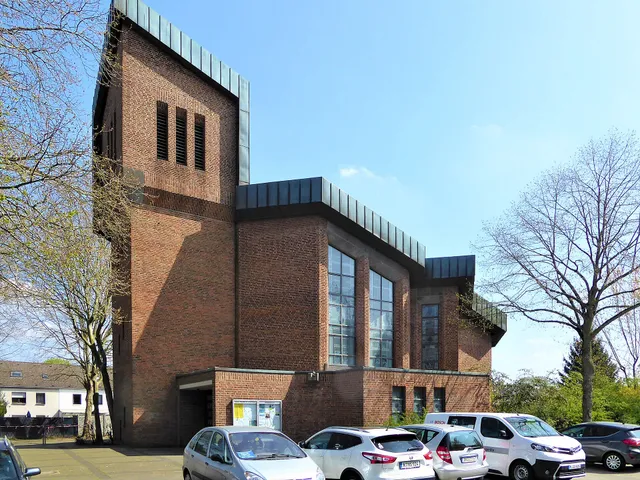
Our Lady of Sorrows (Cologne-Lindweiler)
Branch church in Cologne-Lindweiler whose organ traveled from the Netherlands via Bonn before reaching Cologne.
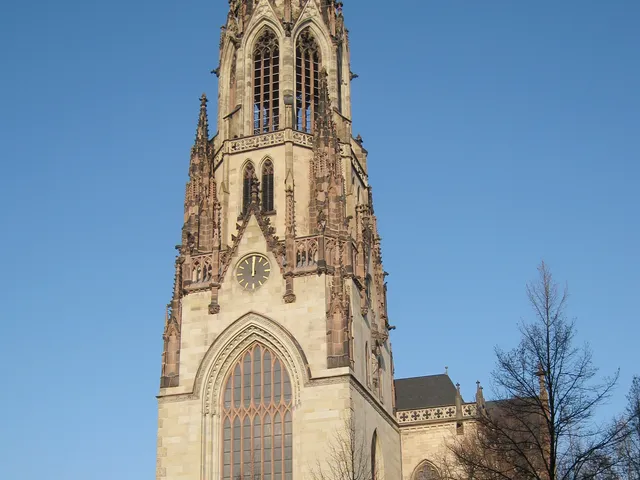
St. Agnes
since 1896Cologne's largest church after the Cathedral: a Neo-Gothic hall church that gave its name to the surrounding Agnesviertel district.
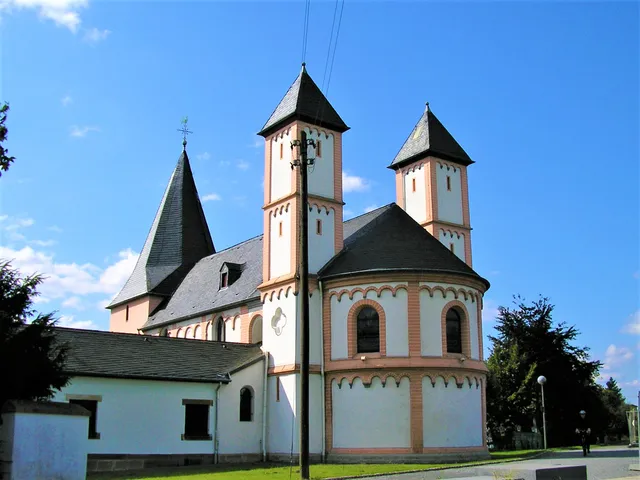
St. Amandus (Köln-Rheinkassel)
since 1200Romanesque church on the Rhine whose twin-towered chancel is a miniature echo of nearby St. Gereon — an extraordinary feature for a rural parish church.
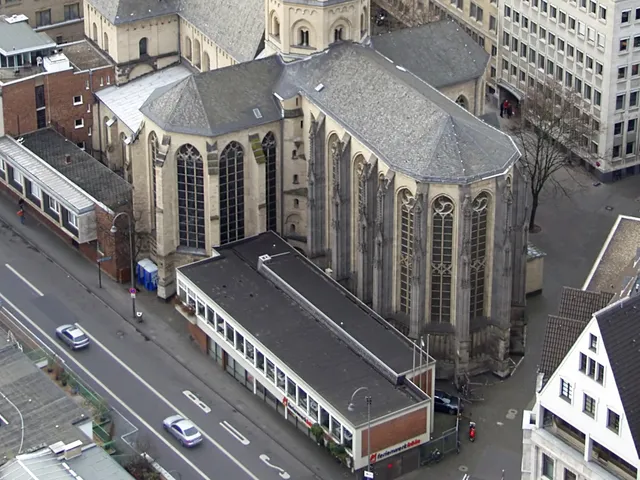
St. Andreas
since 974One of Cologne's twelve great Romanesque churches — home to the tomb of Albertus Magnus in its crypt and stained-glass art by Markus Lüpertz.
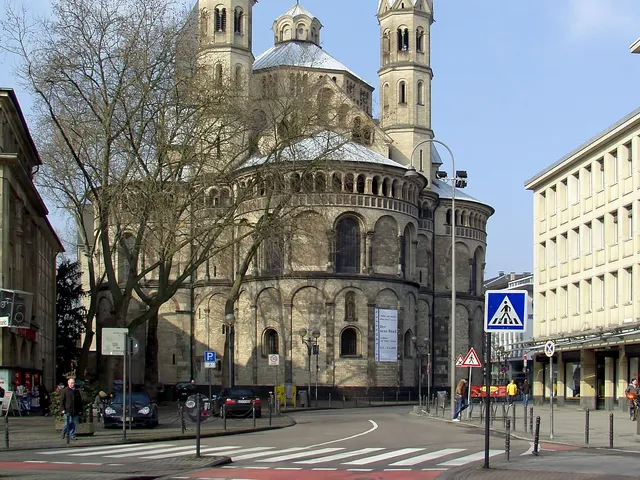
St. Aposteln
since 1020One of Cologne's twelve great Romanesque churches — known for its trefoil-shaped trichoral apse at Neumarkt and celebrated as the city's premier music church.
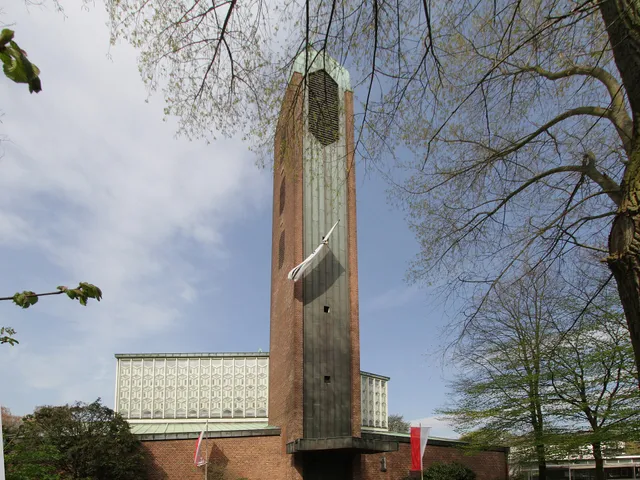
St. Bruder Klaus (Cologne-Mülheim)
since 1956Catholic church by Fritz Schaller with a three-part structure and hexagonal clerestory, awarded the Cologne Architecture Prize in 1967.
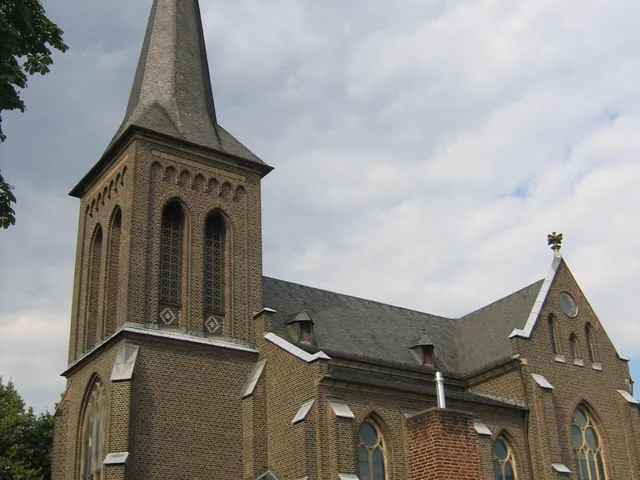
St. Clemens (Cologne-Langel)
Neo-Gothic brick hall church in Cologne-Langel, part of the cycling-route churches network since 2024, open to cyclists and hikers along the Rhine.
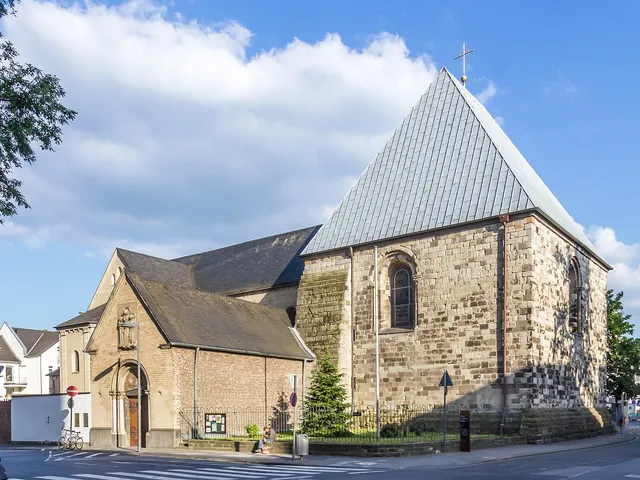
St. Georg
since 105911th-century Romanesque collegiate church rising above a columned crypt with Roman spolia — one of Cologne's twelve great Romanesque basilicas.
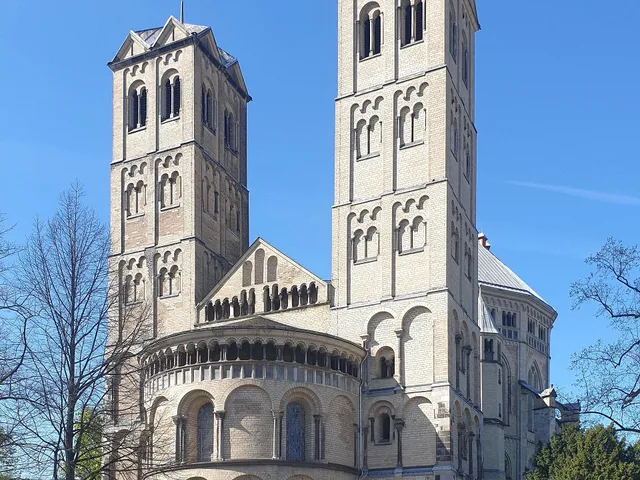
St. Gereon
since 1201Romanesque church in Cologne with a ten-sided domed rotunda from the Hohenstaufen era — the largest surviving free-vaulted central-plan building of the Middle Ages north of the Alps.
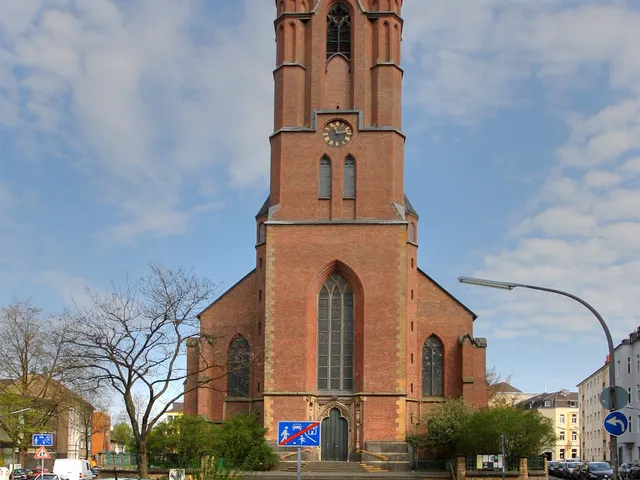
St. Joseph (Cologne-Kalk)
Neo-Gothic brick hall church in Cologne-Kalk featuring stained-glass windows by Dominikus Böhm, including seven Stations-of-the-Cross windows in the transept.
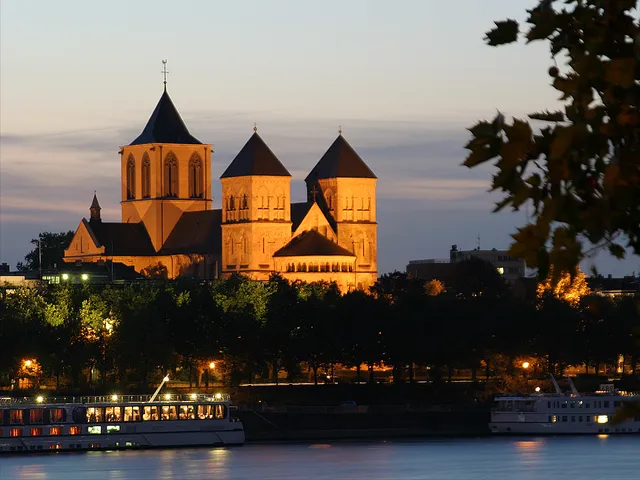
St. Kunibert
since 1215Youngest of Cologne's twelve Romanesque churches — with original 13th-century windows preserved in wartime storage, rising just north of the Cathedral.
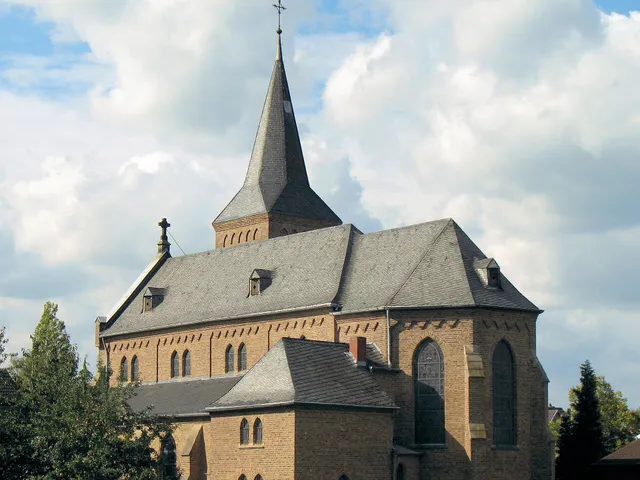
St. Margareta
Neo-Gothic brick basilica of 1909–1911 in Cologne-Libur, whose original interior—altars, pulpit, and windows—survives intact.
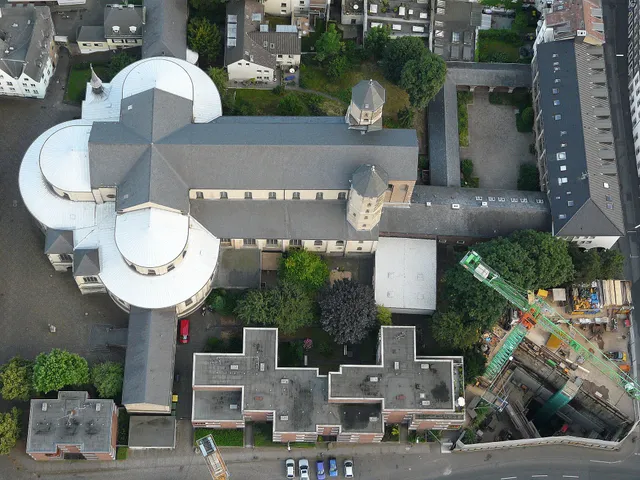
St. Maria im Kapitol
since 1100Cologne's largest and oldest Romanesque church — built on the foundations of a Roman temple, featuring a trefoil choir and a thousand-year-old carved wooden door.
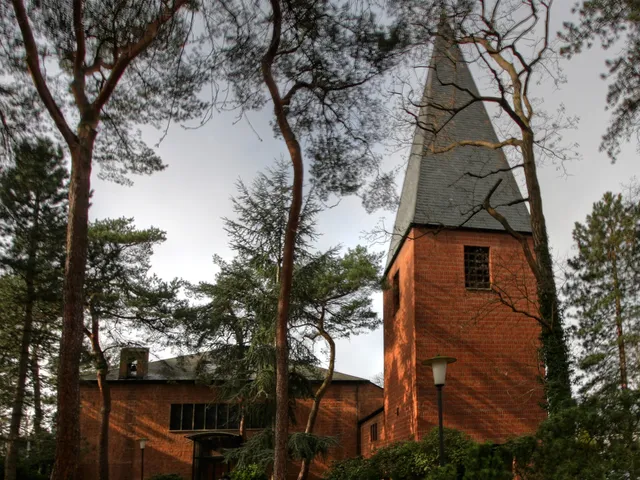
St. Maria Königin
Catholic parish church in Cologne-Marienburg by Dominikus Böhm, its glass south wall opening onto the Südpark.
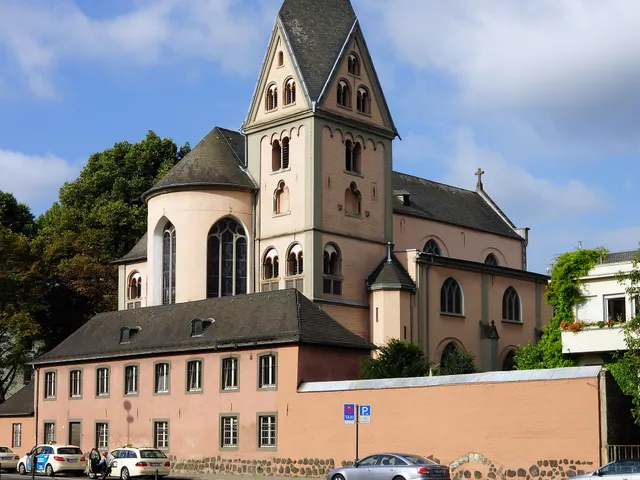
St. Maria in Lyskirchen
The smallest of Cologne's twelve great Romanesque churches — the only one with largely intact 13th-century vault frescoes.
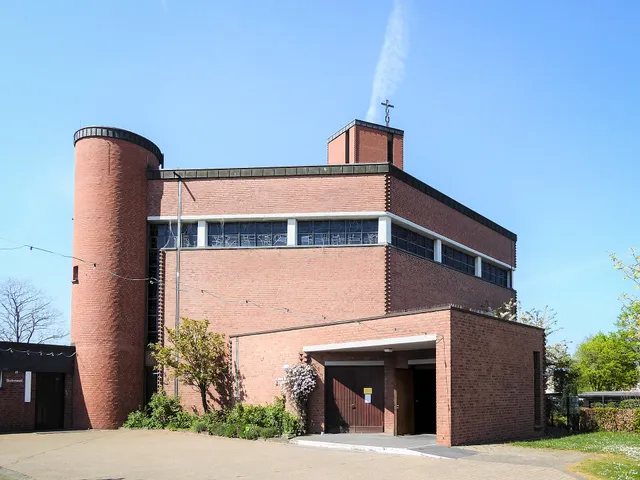
St. Mariä Namen
A 1967/68 brick church in Cologne-Esch by Hans Schilling, where the font, altar, and tabernacle are aligned along a single axis.
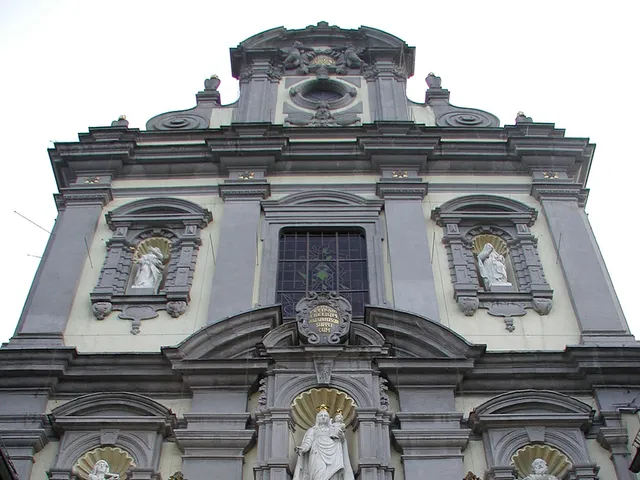
St. Maria vom Frieden
Baroque monastery church of the Discalced Carmelites in Cologne's Old Town — associated with Edith Stein, canonized martyr and co-patron of Europe.
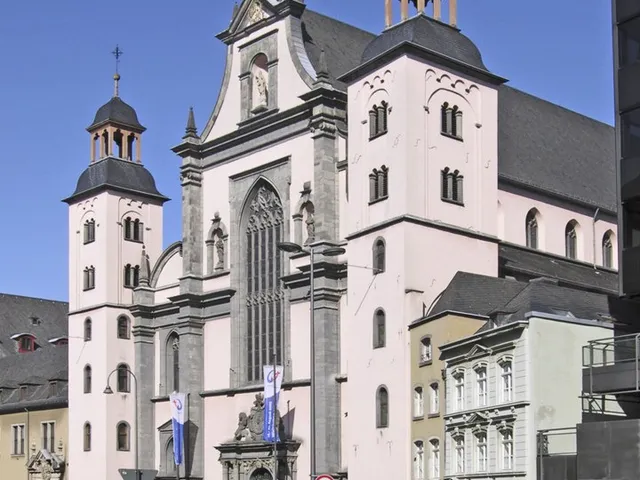
St. Mariä Himmelfahrt
since 1629Baroque former Jesuit church near Cologne Cathedral — for centuries the city's largest after the Cathedral, and one of Cologne's few surviving Baroque landmarks.
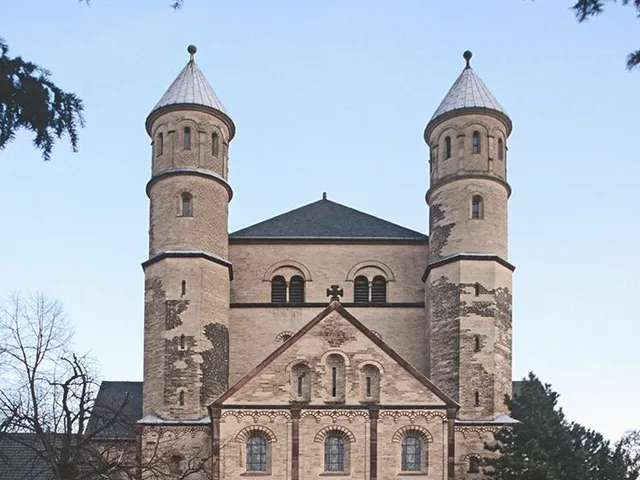
St. Pantaleon
since 1002Early Romanesque abbey church with an Ottonian westwork; burial site of Byzantine Empress Theophanu and Archbishop Bruno of Cologne.
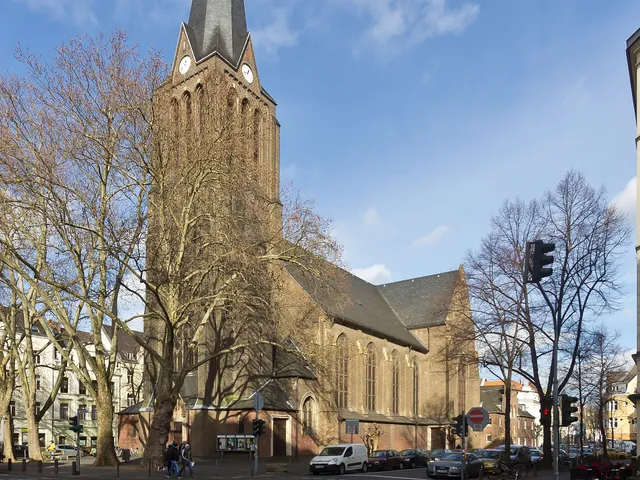
St. Peter
Neo-Gothic Catholic hall church in Cologne-Neuehrenfeld with a 62-metre tower, affectionately known as the "Ihrefeld Cathedral."
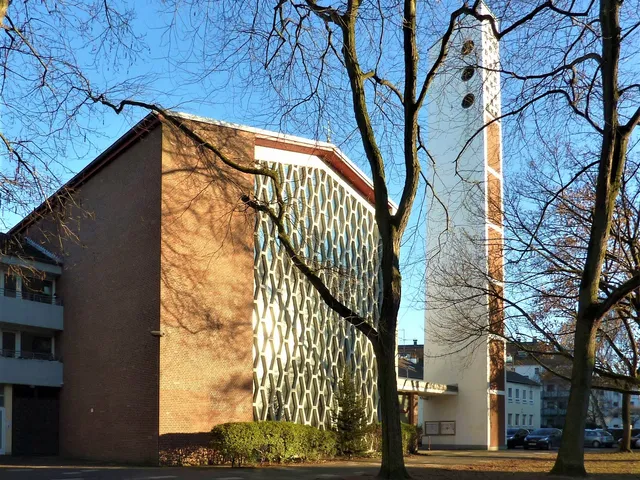
St. Salvator (Cologne-Weidenpesch)
1958 brick hall church with concrete honeycomb windows, a freestanding bell tower, and a natural-stone Christ mosaic.
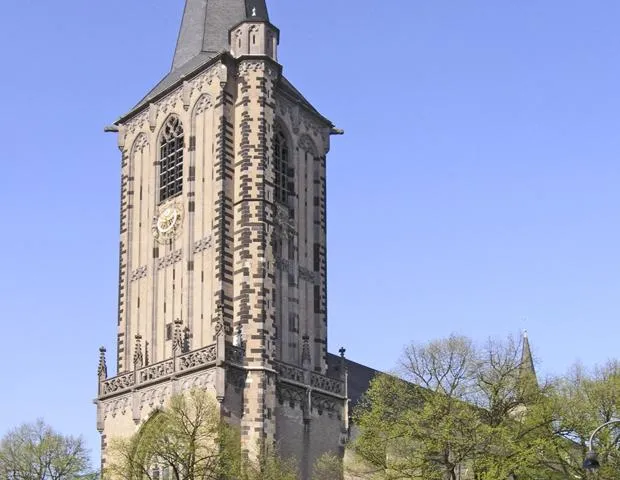
St. Severin
One of Cologne's twelve great Romanesque churches, grown from a late-antique burial chapel — home to the relics of Saint Severin.
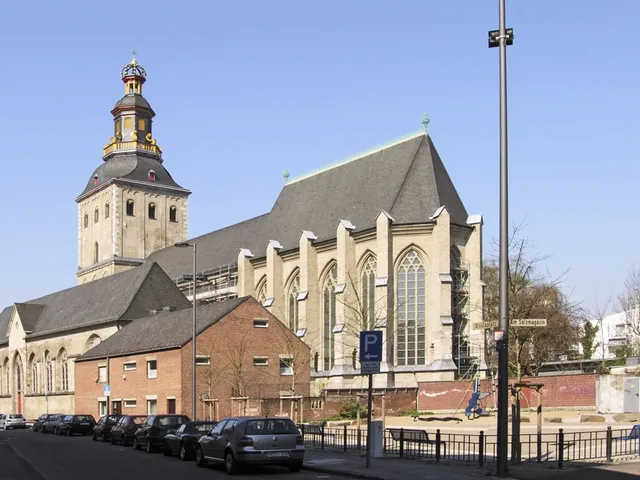
St. Ursula
since 401Romanesque basilica near Cologne Cathedral housing the Golden Chamber — the largest ossuary north of the Alps, with roots in Roman Cologne.
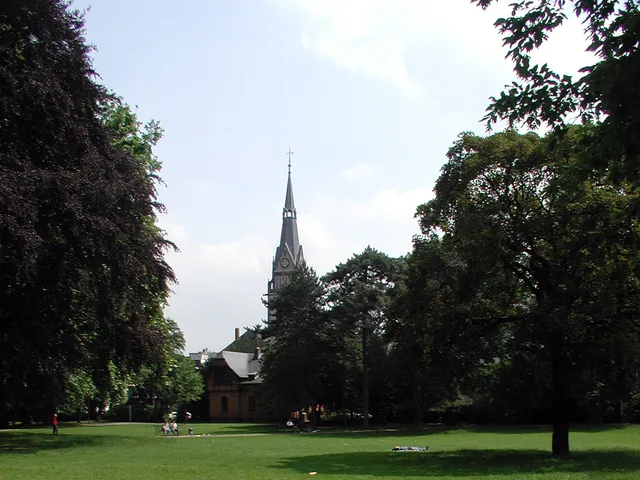
Stadtgarten
Cologne's first modern public park — and home to a renowned concert venue with a focus on jazz and over 400 events a year.
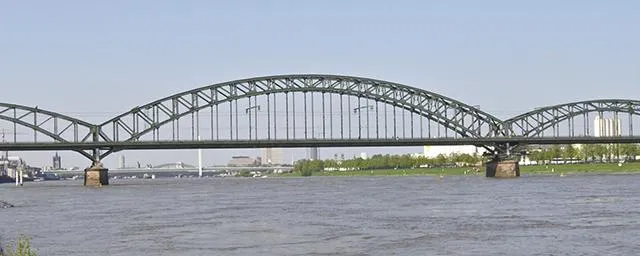
Südbrücke
since 1946Steel three-arch railway bridge from 1910 spanning the Rhine, primarily for freight traffic, with pedestrian and cycle paths; listed heritage structure.
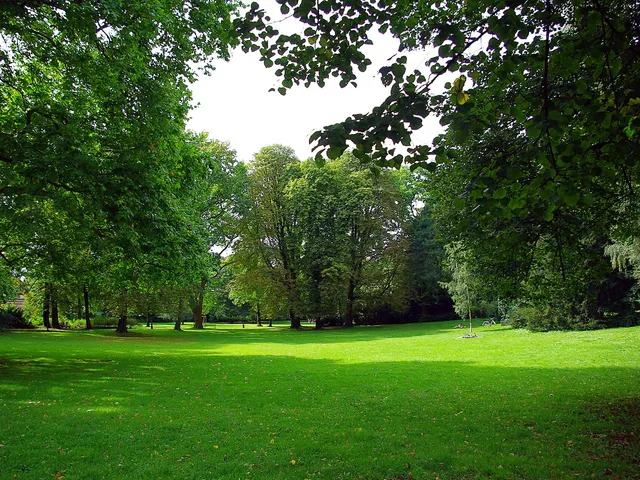
Südpark
Crescent-shaped park in Marienburg — one of Cologne's most distinctive green spaces, known for its pine grove and a bronze panther sculpture.
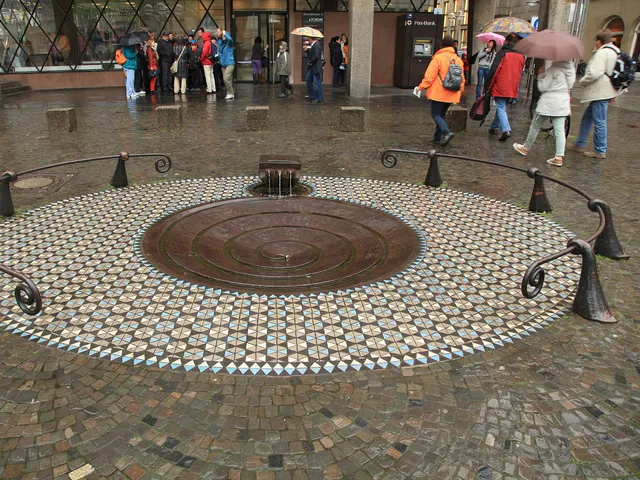
Taubenbrunnen
since 1953Cologne's first post-war fountain and the city's first abstract fountain: designed in 1953 by Ewald Mataré as a drinking trough for the Cathedral pigeons.
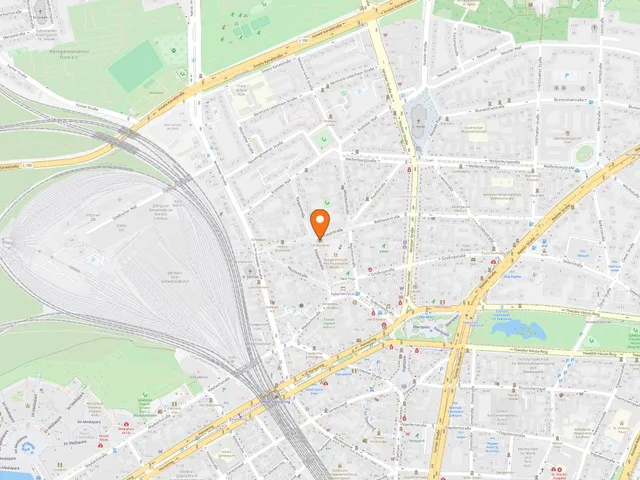
TtE-Bücherei
Freely accessible library and archive of left-wing social movements at the Alte Feuerwache — holding citizens' initiative journals and a substantial collection of grey literature.
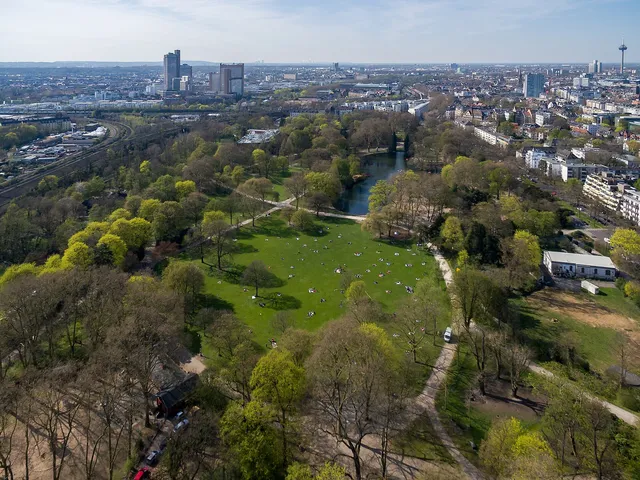
Volksgarten
13.9-hectare park in Cologne's Südstadt, built on a Prussian fort site, with a boating lake and preserved fortifications.
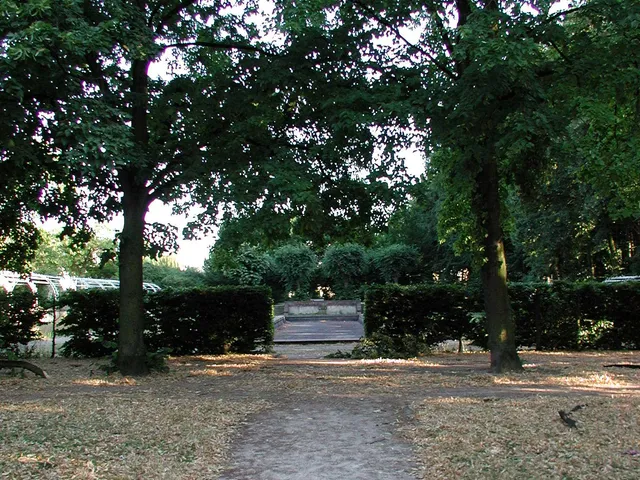
Vorgebirgspark
Rose garden with a long water-lily basin behind an old brick wall — Cologne's historic park designed by Fritz Encke (1910–1914).
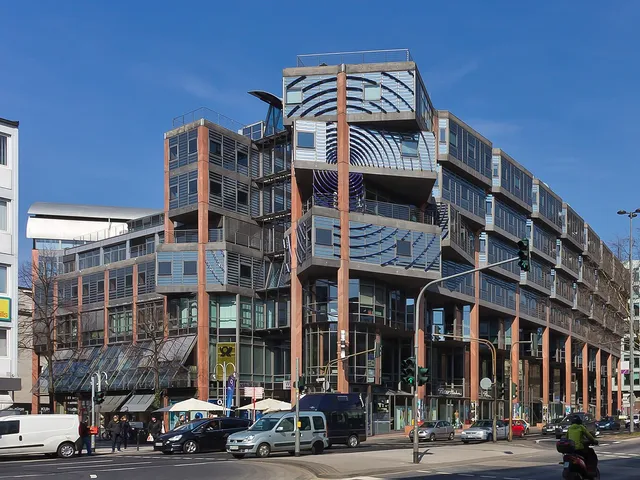
WDR Arkaden
WDR building with an arcade-like façade by Gottfried Böhm — famous for live broadcasts of Cologne's Weiberfastnacht carnival kickoff.
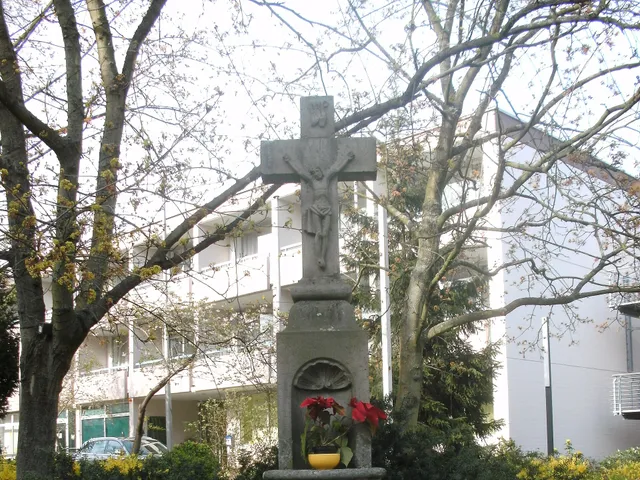
Wegekreuk Dellbrücker Hauptstraße
A small 1762 monument in Cologne-Dellbrück, erected for a bachelor shot dead during the Seven Years' War.
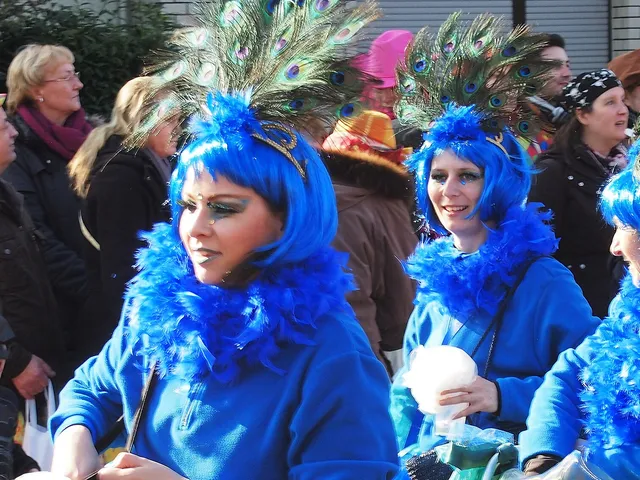
Weiberfastnacht
On the Thursday before Ash Wednesday, women seize power for a day — the Rhineland's exuberant unofficial kickoff to street carnival season.