Memorial
33 places in Cologne
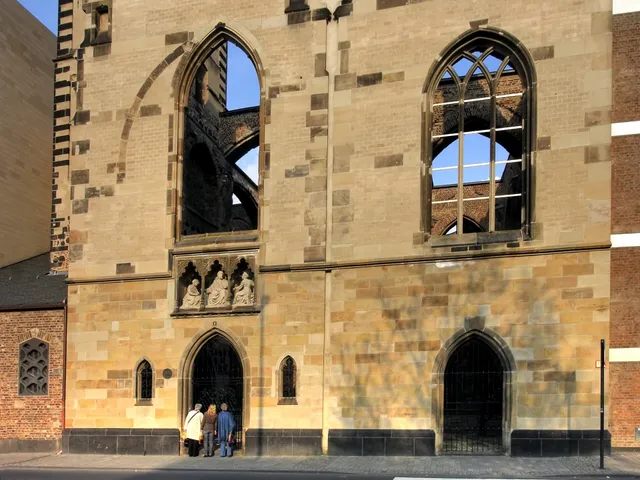
Alt St. Alban – Church Ruin and War Memorial at Quatermarkt
since 1200Preserved Romanesque church ruin at Quatermarkt; left unrestored after WWII bombing and consecrated as a memorial to the war dead in 1959.
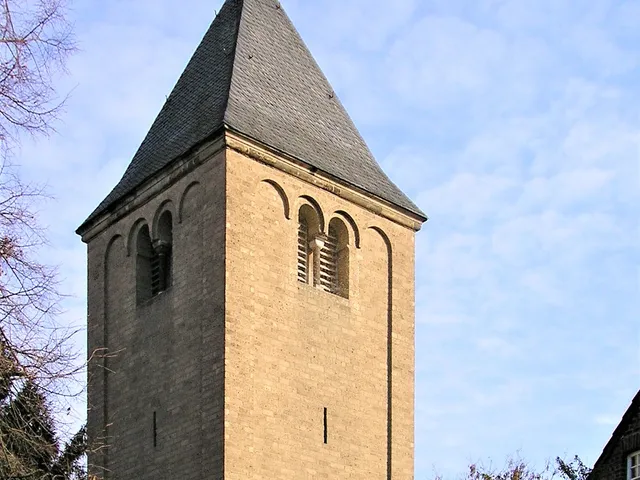
Alt St. Cornelius
since 1833Only the Romanesque tower survives from this former parish church in Cologne's Rath/Heumar district, a remnant of its medieval predecessor.
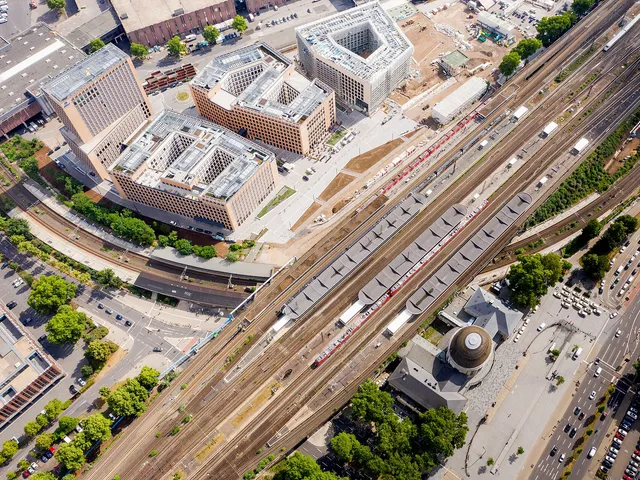
Köln Messe/Deutz Station
A two-level interchange station at Cologne's trade fair grounds: local trains cross the Hohenzollern Bridge above, while high-speed ICE services call on the lower level.
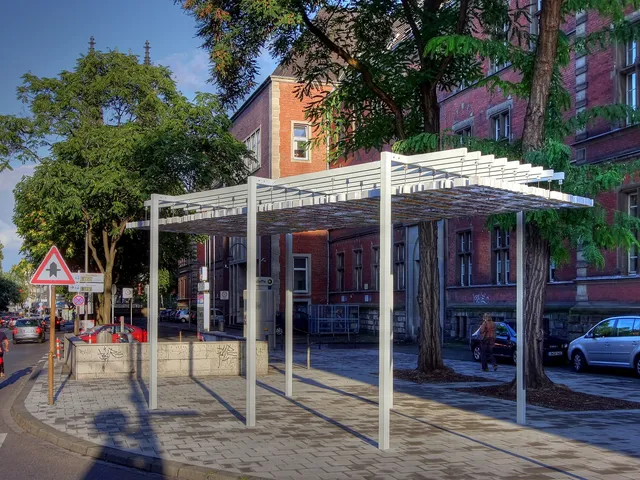
Deserters' Memorial
since 2009A memorial to victims of Nazi military justice at Appellhofplatz — a pergola whose chained tribute inscription seems written in colored letters across the sky.
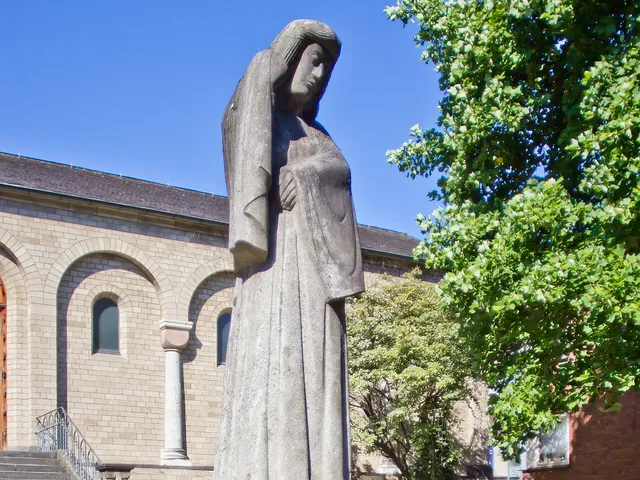
Die Trauernde
since 1949A 1949 sculpture by Gerhard Marcks standing in the churchyard of St. Maria im Kapitol, commemorating the victims of World War II.
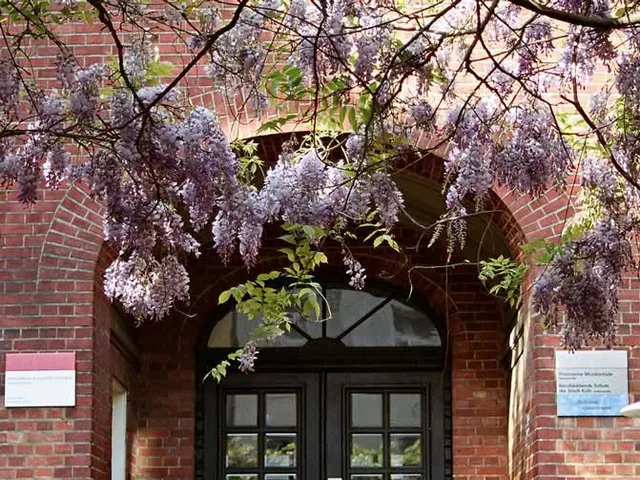
Former Straw Hat Factory Silberberg & Mayer
Listed 1912/13 factory building in Cologne-Sülz, its wings arranged around a white-tiled skylit hall.
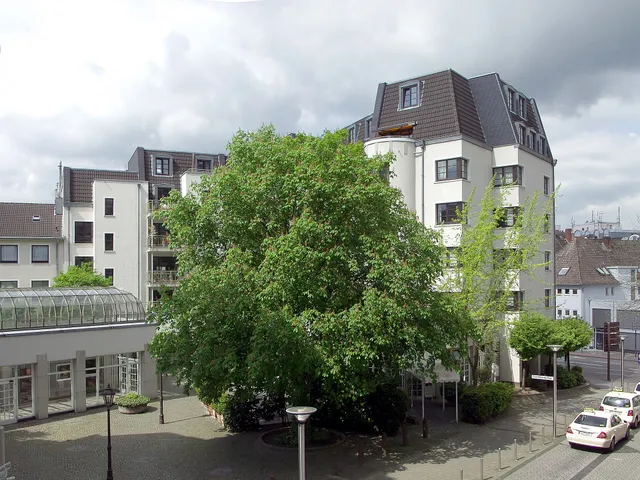
Erich-Klibansky-Platz
A Cologne memorial square whose Lion Fountain bears the names of 1,100 murdered Jewish children — built on the former site of the Adass Jeschurun congregation.
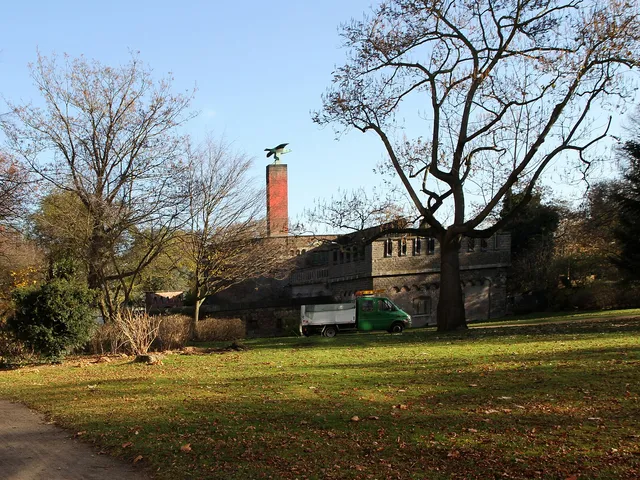
Friedenspark
Cologne city park on the grounds of former Fort I — featuring ivy-covered fortress walls, a rose garden, and a WWI monument with an eagle cast from cannons.
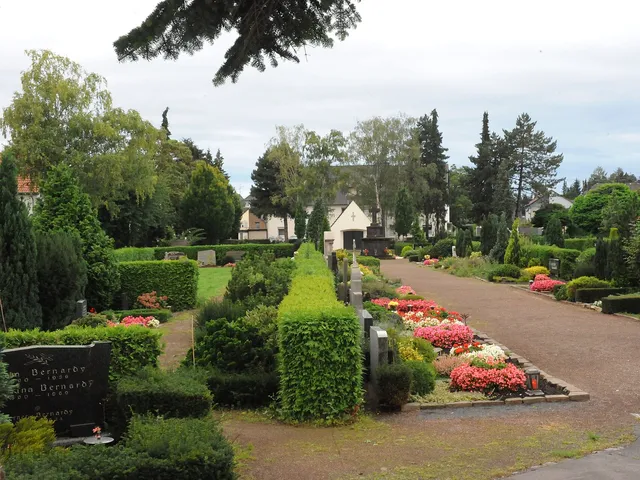
Friedhof Trenkebergstraße
A small listed cemetery in Cologne-Meschenich with a war memorial and a collection of baroque stone crosses.
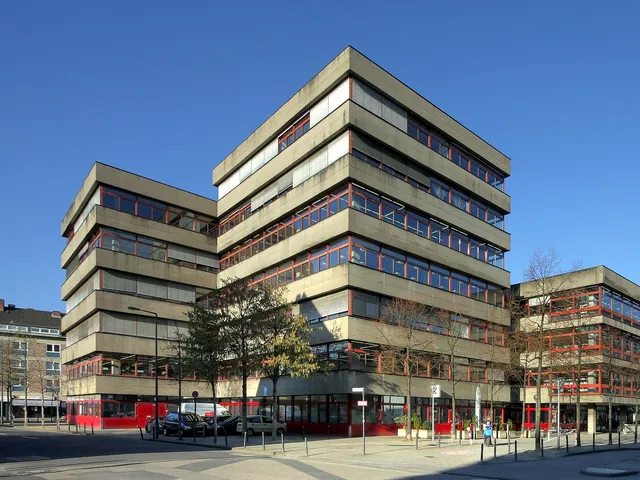
Germania Judaica
since 1959Europe's most extensive specialist library on the history of German-speaking Jewry — founded in Cologne in 1959 with Heinrich Böll among its founders.
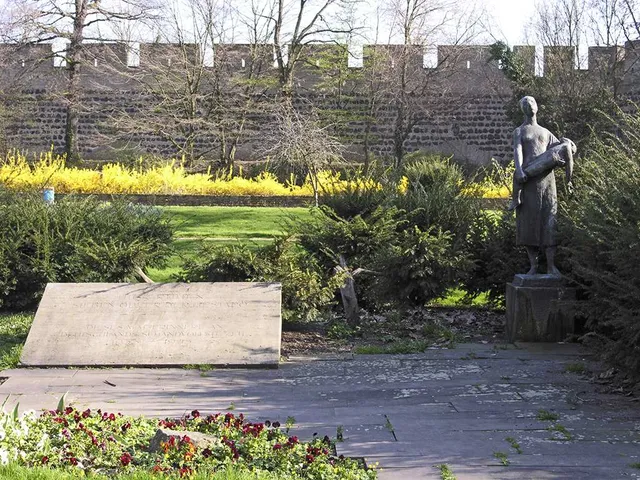
Hansaplatz
A heritage-protected park on the Hansaring in Cologne's northern old town, framed by a 113-metre stretch of the medieval city wall.
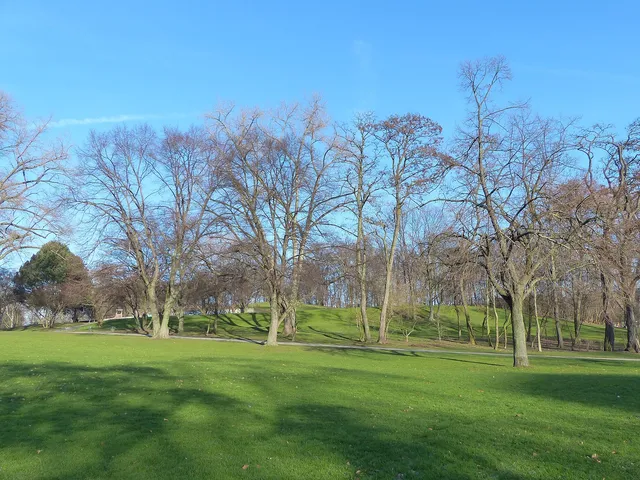
Hiroshima-Nagasaki-Park
since 2004Memorial park in Cologne's Inner Green Belt commemorating the victims of the atomic bombings of Hiroshima and Nagasaki, with a monument featuring an origami crane.
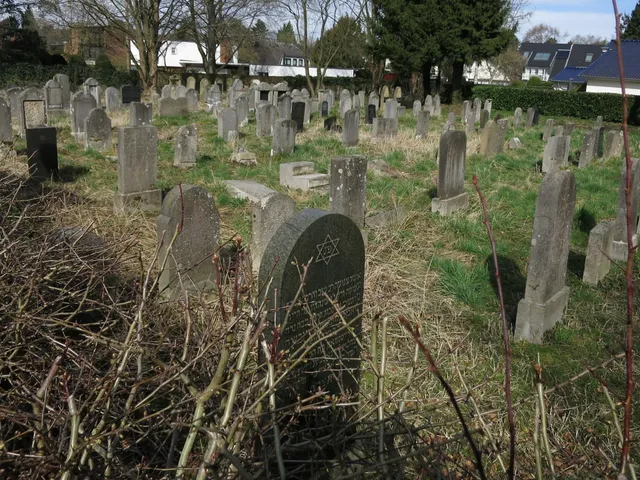
Jewish Cemetery (Deckstein)
Reserved for Orthodox Jews only: until 1945, devout Jews from Cologne and from Rhenish and Westphalian communities were buried here in plain, unadorned graves.
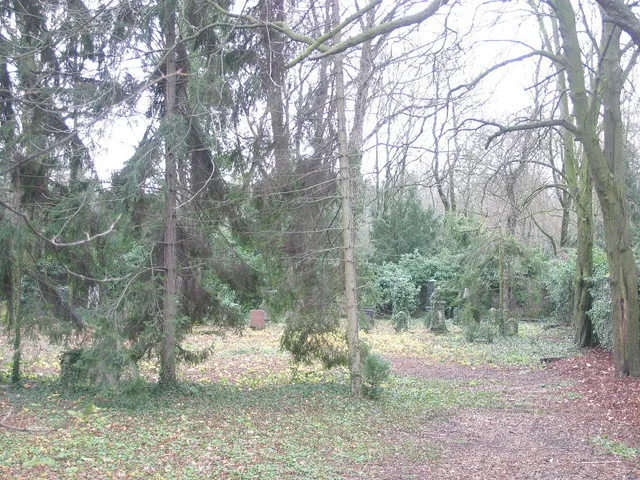
Jüdischer Friedhof (Ehrenfeld)
Jewish cemetery in Cologne-Ehrenfeld that has also held the relocated graves of the dissolved Zülpich cemetery since 1958. Accessible by guided tour only.
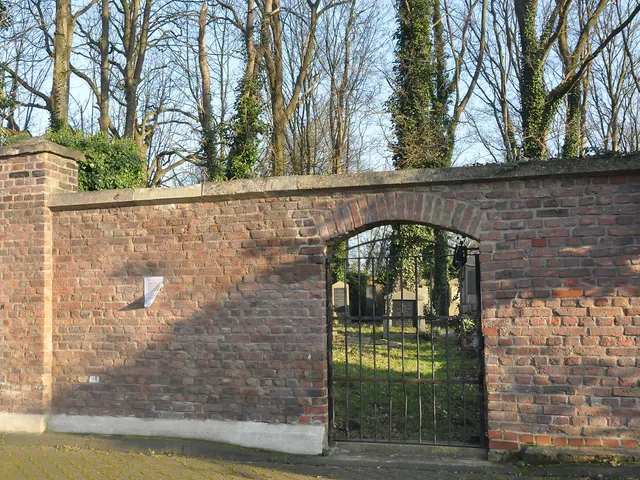
Jewish Cemetery Köln-Mülheim
Jewish cemetery in Köln-Mülheim, in use since 1774, where the last burial took place in April 1942.
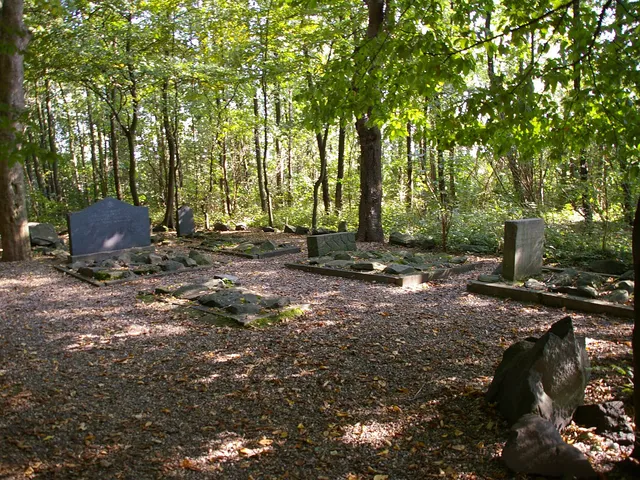
Jüdischer Friedhof (Zündorf)
Jewish cemetery in Cologne-Zündorf, used for burials from 1923 to 1942 and forcibly sold in 1944 – six gravestones survive to this day.
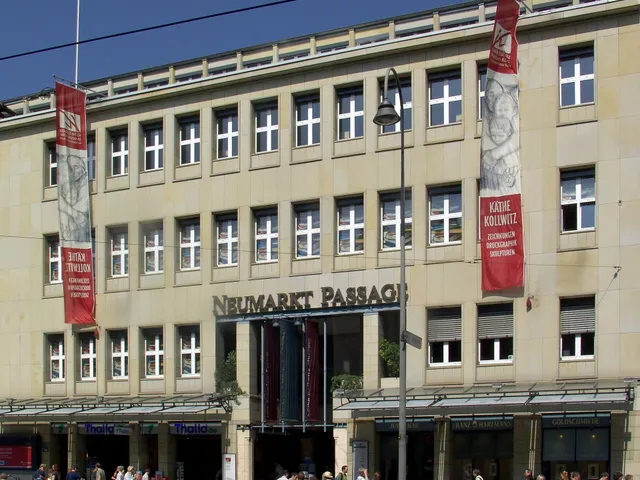
Käthe Kollwitz Museum
since 1985Home to the world's largest Käthe Kollwitz collection, this Cologne museum brings together her drawings, prints, and all 15 known bronze sculptures.
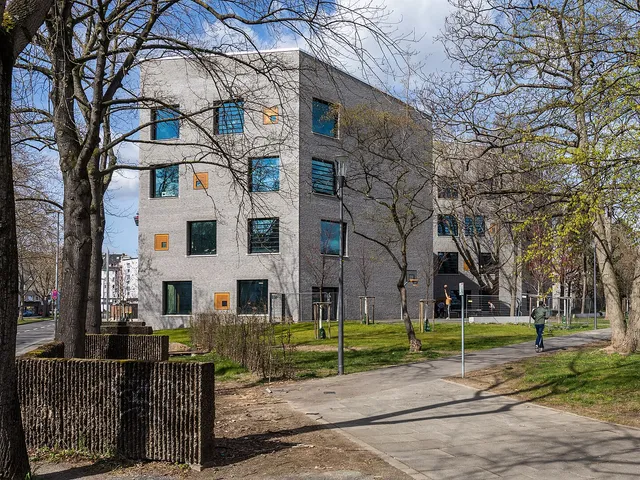
Klingelpütz
Once a prison and the Nazi era's central execution site for the Rhineland's special courts — today a park stands on the grounds.
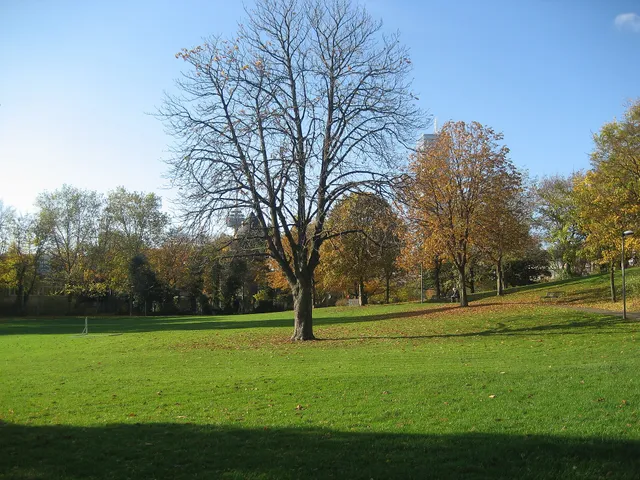
Klingelpützpark
Park on the site of the demolished Klingelpütz prison — with a memorial stone honouring more than 1,000 victims of Nazi-era justice.
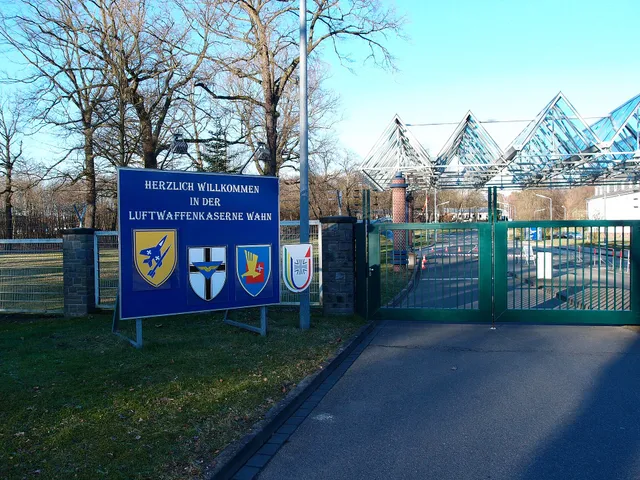
Luftwaffenkaserne
since 1870One of Germany's largest military bases at around 300 hectares — home to senior Bundeswehr commands, a NATO unit, and a Canadian operational hub.
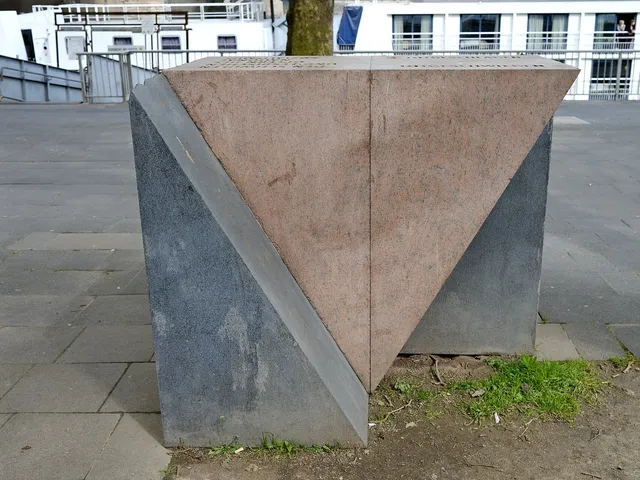
Memorial for the Gay and Lesbian Victims of National Socialism in Cologne
since 1995First memorial of its kind erected by a trade union — a 1995 riverside stone for gay and lesbian Nazi victims, inscribed 'Totgeschlagen – Totgeschwiegen'.
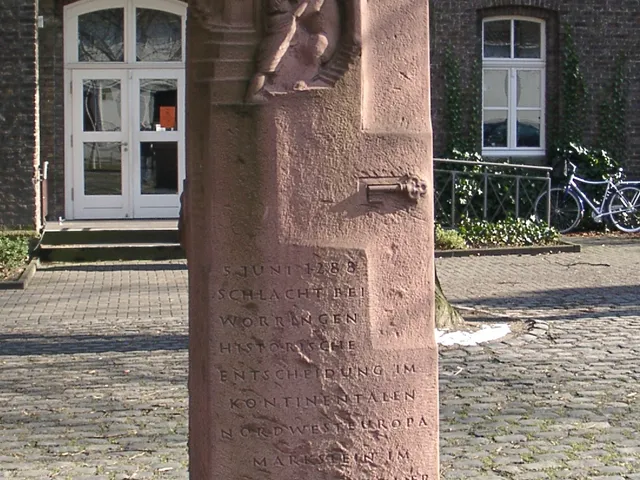
A Landmark in Cologne's Citizens' Fight for Independence
Memorial in Worringen commemorating the 1288 Battle of Worringen — a landmark moment in Cologne's citizens' struggle for independence.
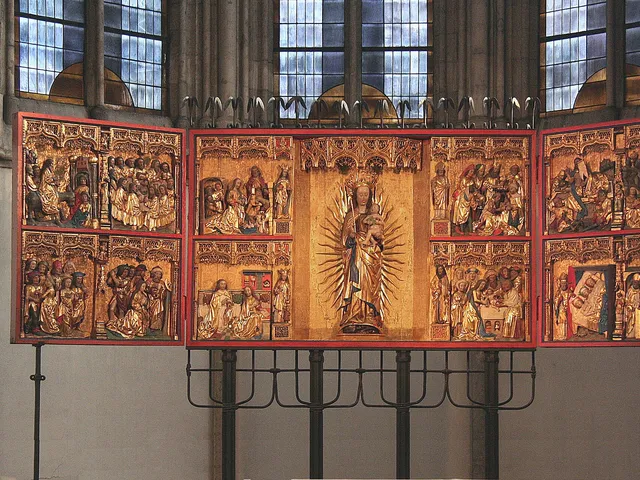
Minoritenkirche
Burial church of Adolph Kolping and Johannes Duns Scotus — a 13th-century Gothic mendicant church and place of pilgrimage.
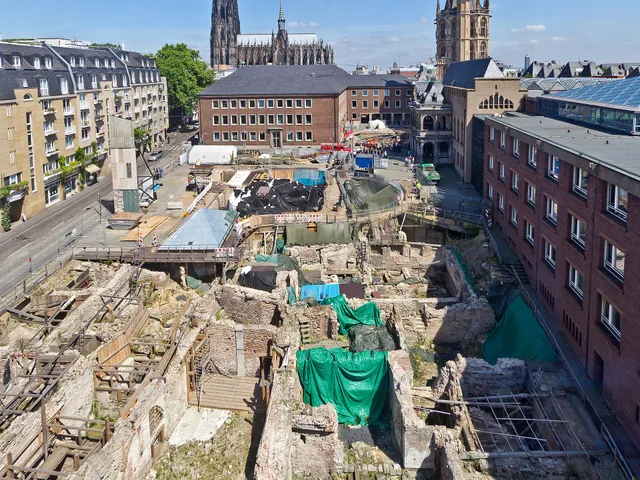
Medieval Synagogue of Cologne
Beneath the Archaeological Zone near City Hall: remains of a Jewish synagogue that stood from the 11th century until the expulsion of 1424.
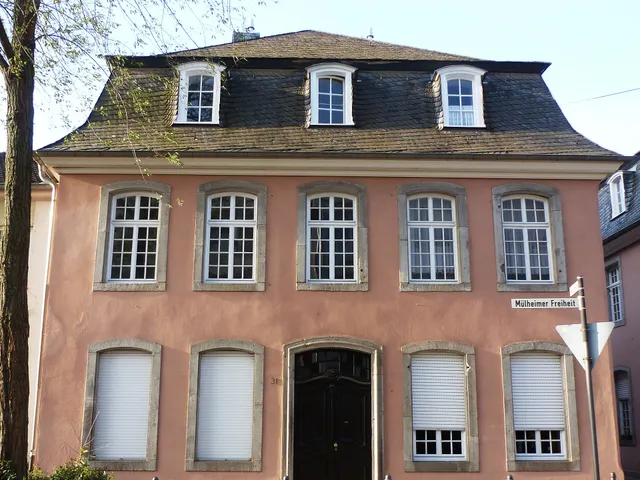
Mülheimer Freiheit
Street in Cologne-Mülheim, once lined with late-Baroque merchant houses. Its name recalls the liberties Mülheim received in 1322.
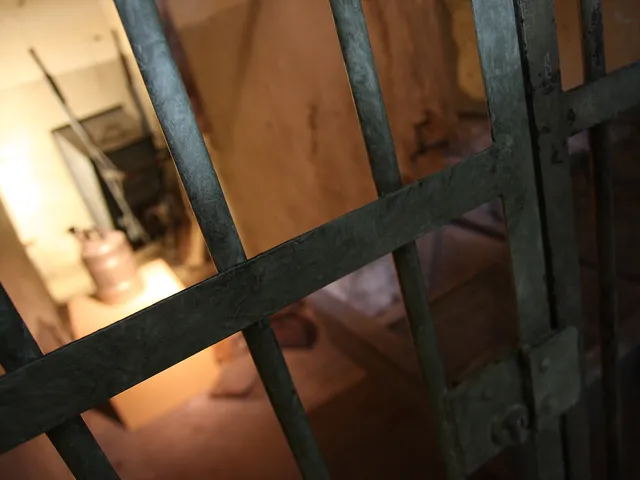
NS-Dokumentationszentrum (EL-DE-Haus)
since 1979Memorial and museum in Cologne's former Gestapo headquarters — with preserved prison cells and prisoners' wall inscriptions surviving in the basement.
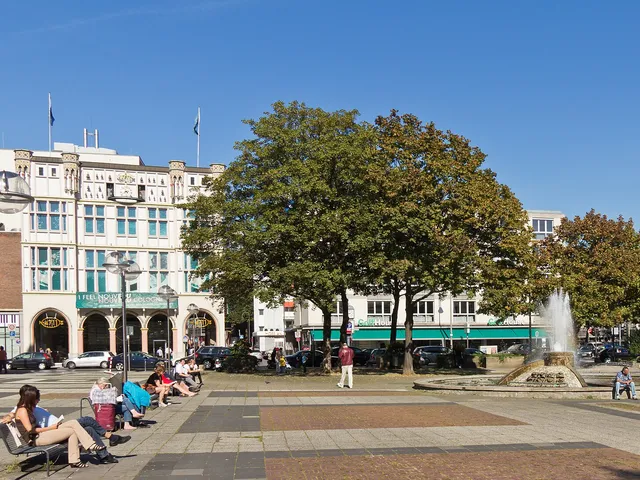
Offenbachplatz
The theatre square in Cologne's Altstadt-Nord, fronting the Opera House and Schauspielhaus, centred on the long-neglected Opernbrunnen by Jürgen Hans Grümmer.
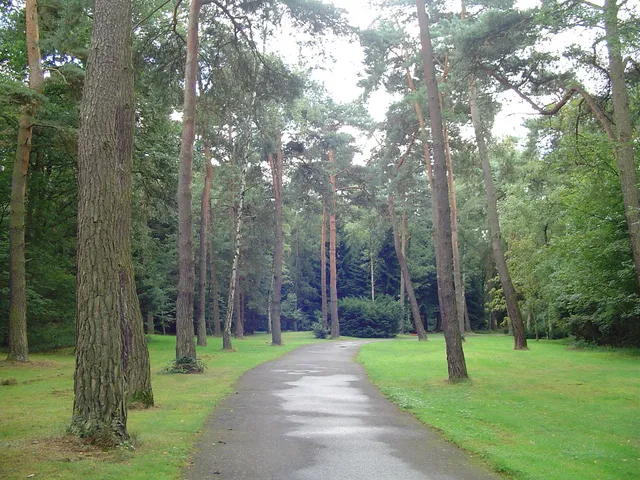
Ostfriedhof
since 1946Laid out in 1946 as a woodland cemetery, this roughly 59-hectare burial ground in right-bank Dellbrück is among the most scenic cemeteries in the Cologne area, dotted with mixed forest and Bronze Age burial mounds.
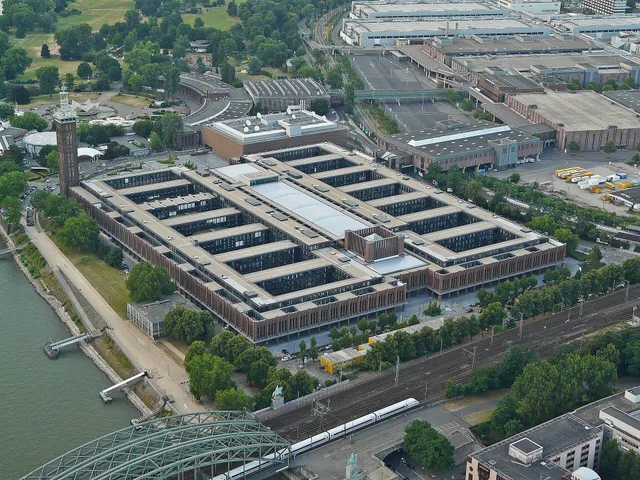
Rheinhallen
Listed former Cologne trade fair halls on the Deutz riverbank: behind the brick façade now sits RTL Germany's broadcast center.
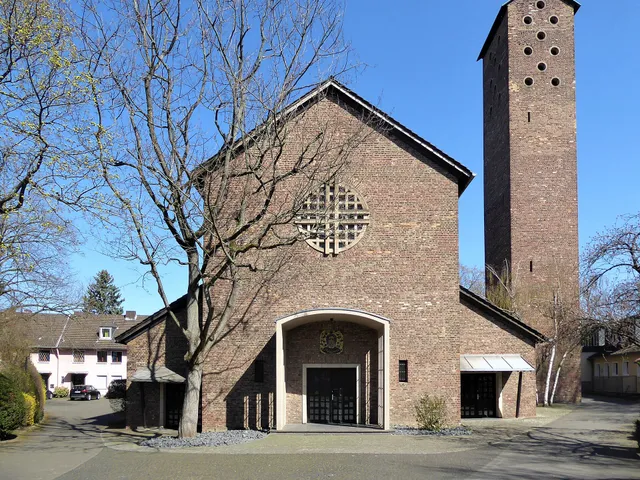
St. Albertus Magnus
Catholic church in Cologne-Lindenthal, known for a 1962 chancel-wall fresco by Cologne church painter Peter Hecker.
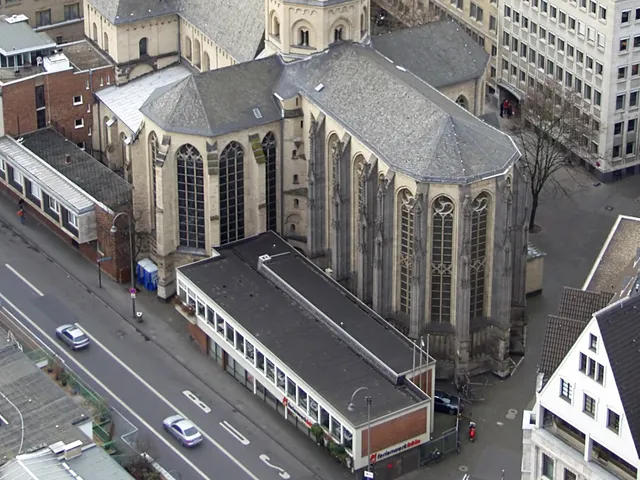
St. Andreas
since 974One of Cologne's twelve great Romanesque churches — home to the tomb of Albertus Magnus in its crypt and stained-glass art by Markus Lüpertz.
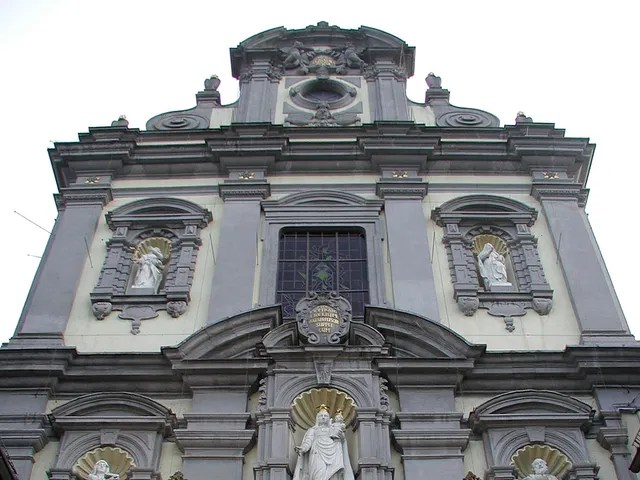
St. Maria vom Frieden
Baroque monastery church of the Discalced Carmelites in Cologne's Old Town — associated with Edith Stein, canonized martyr and co-patron of Europe.