Hidden gem
24 places in Cologne
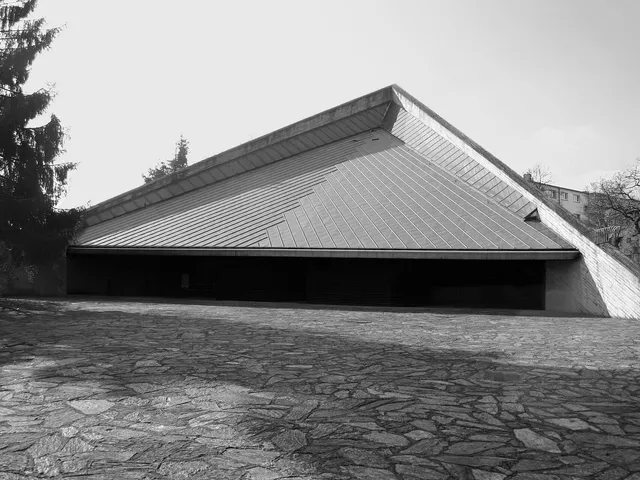
Auferstehungskirche (Cologne-Buchforst)
since 1965Listed Brutalist church from 1968 with a striking tetrahedral form, now operating as the 'Kulturkirche Ost' cultural venue for readings, music, and cabaret.
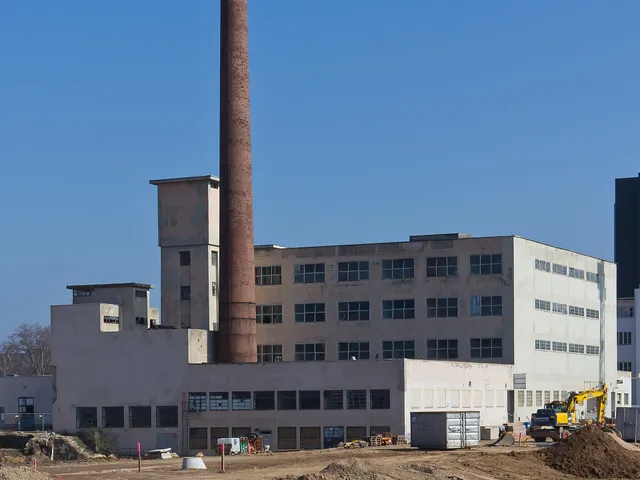
Autoren Galerie Kostka
A Cologne water tower transformed into a walk-in sculpture, hosting immersive image, sound, and light installations for nearly a decade.
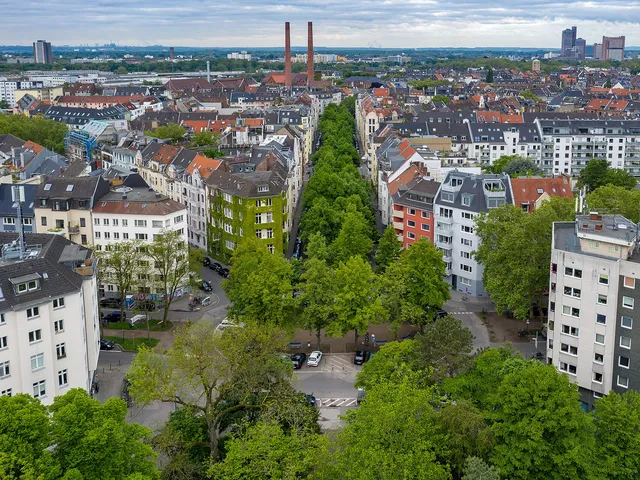
Eierplätzchen
A small oval square in Cologne's Südstadt where six streets meet like spokes — named not by city hall, but by the locals themselves.
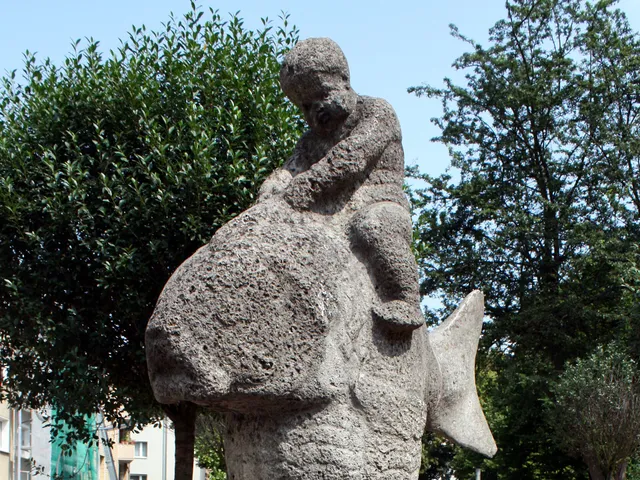
Fischreiterbrunnen
Sandstone fountain from 1913: a boy riding a fish — a listed landmark at Theophanoplatz in Zollstock.
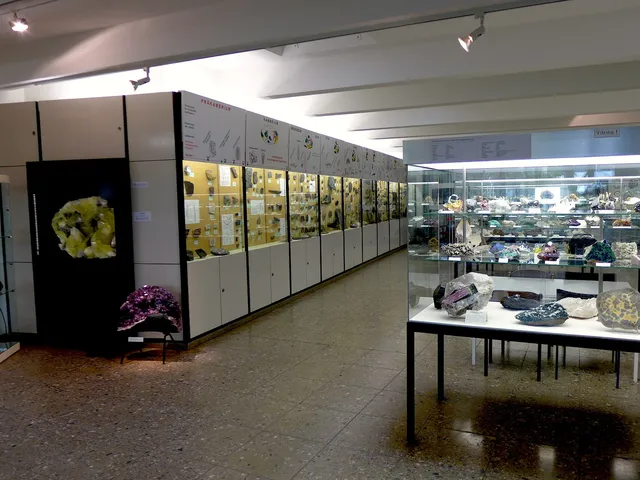
GeoMuseum
Cologne's only natural history museum: meteorites, minerals, gemstones and fossils at the University of Cologne.
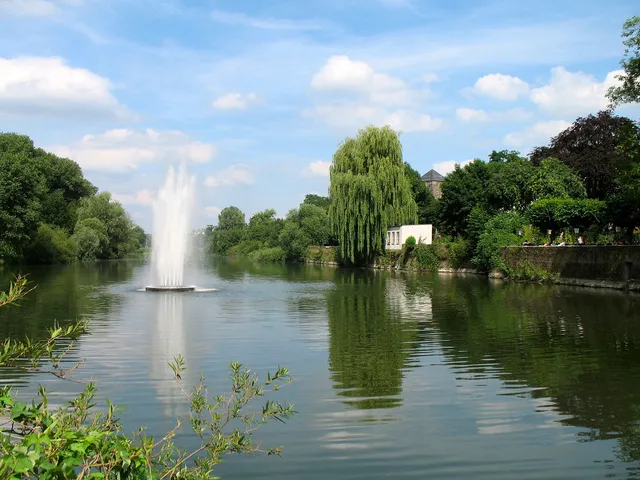
Groov
Former Rhine island in Cologne-Zündorf, transformed between 1974 and 1978 into a leisure area with a marina, swimming facilities, and green spaces along the river.
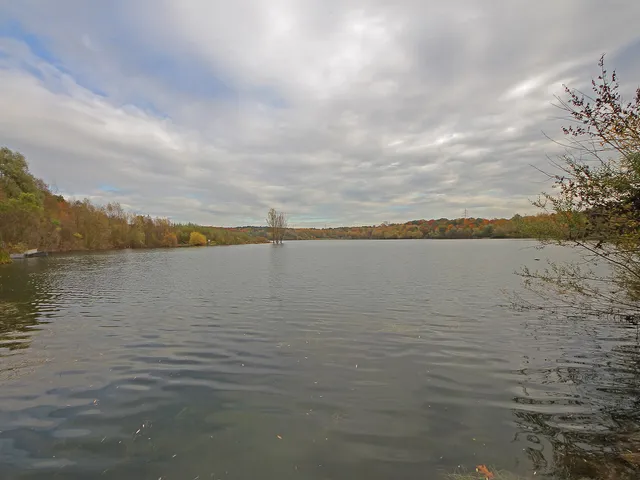
Höhenfelder See
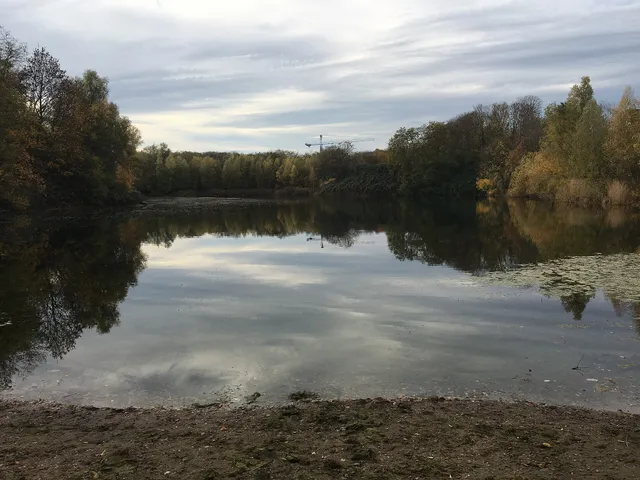
A 20-hectare gravel pit lake in Cologne's Dellbrücker Wald — swimming is banned year-round, the water is leased to anglers, and the surrounding woodland serves as recreational space.
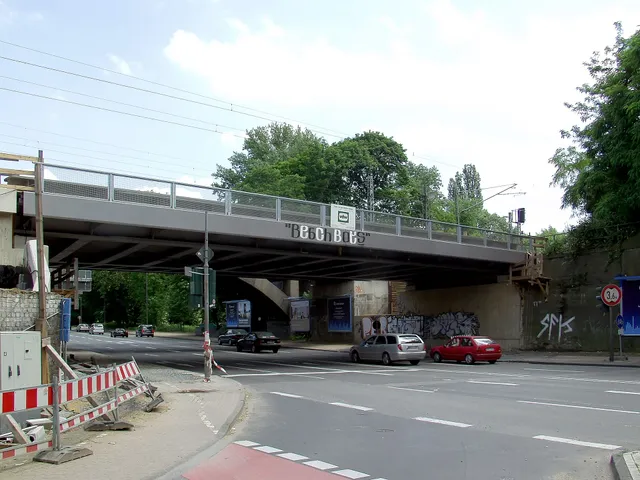
Idiotenbrücke
Nickname of a former Cologne railway bridge in Neuehrenfeld, where trucks repeatedly got wedged due to a clearance of only 3.9 m.
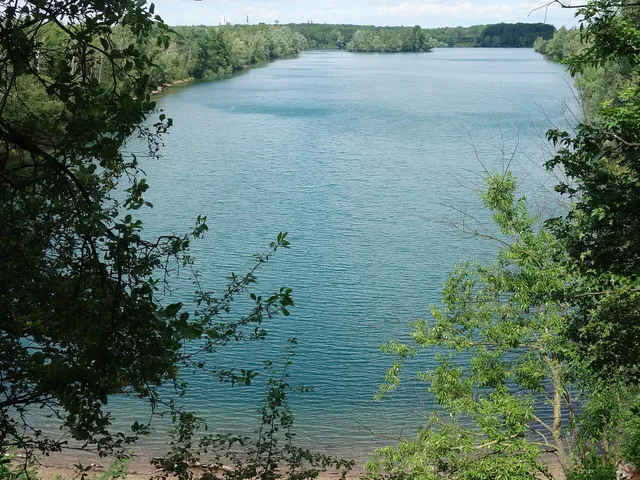
Kiesgrubensee Gremberghoven
since 1989A nature reserve around a former gravel pit lake in Cologne-Humboldt — nesting ground for sand martins, kingfishers, and great crested grebes.
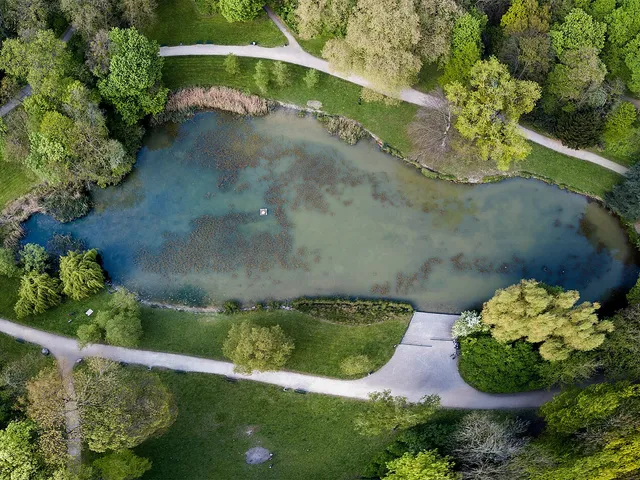
Klettenbergpark
A hilltop park in a former gravel pit, deliberately shaped as a nature garden — combining heathland, a lake, quarries and a rose garden in Cologne's Klettenberg.
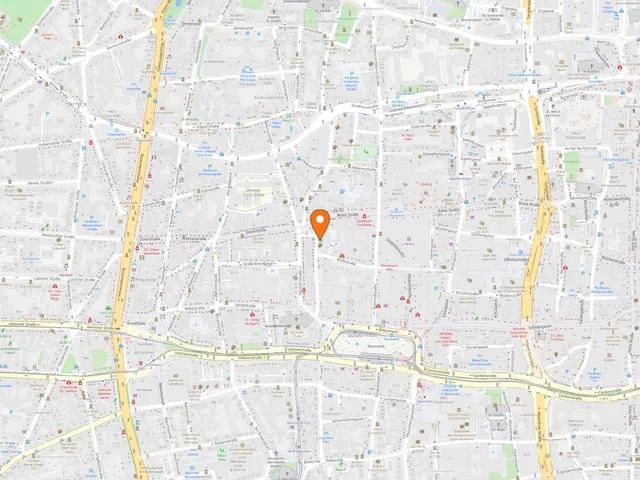
Klüngelpütz Kabarett-Theater
Cologne's only cellar cabaret theater from the 1960s still performing in its original space — a home for political-literary satire.
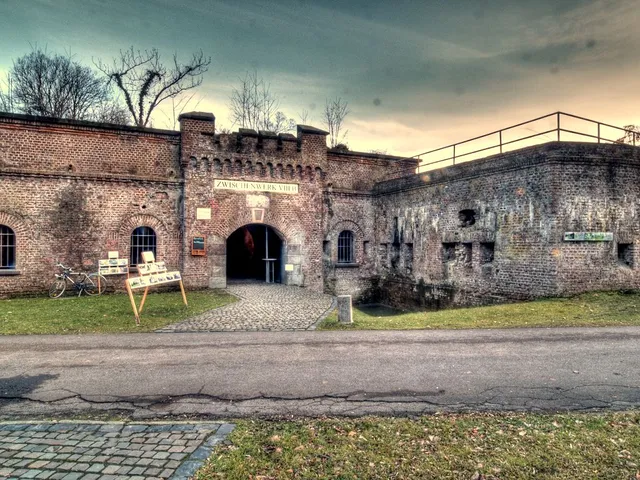
Kölner Festungsmuseum
Volunteer-run museum in Prussian fortification VIII b — home to Germany's last surviving drawbridge, moat, and sculpture park in Marienburg.
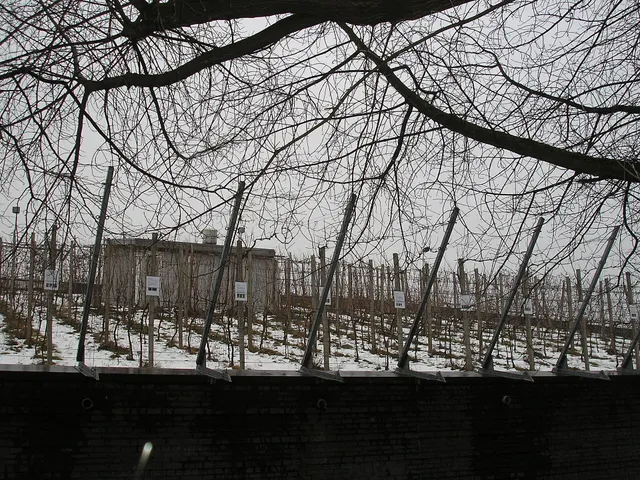
Kölner Weinmuseum
since 2010Wine and oenology museum in Cologne with a walkable rooftop vineyard — over 40 grape varieties across 720 vines.
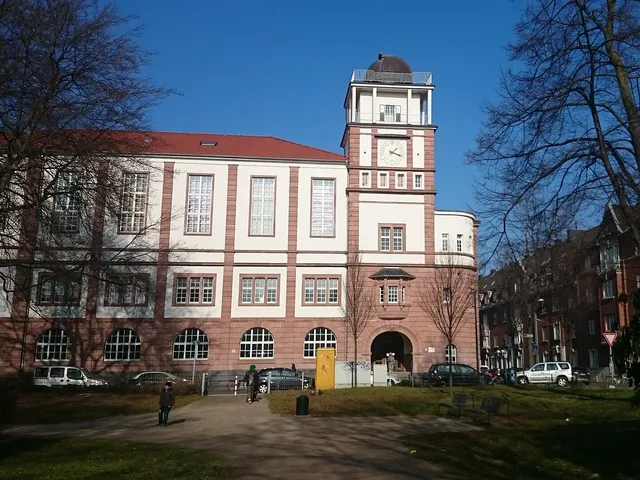
Planetarium Köln
Cologne's first planetarium — a 1965 Zeiss projector in the basement of a Nippes secondary school, paired with an observatory built by students.
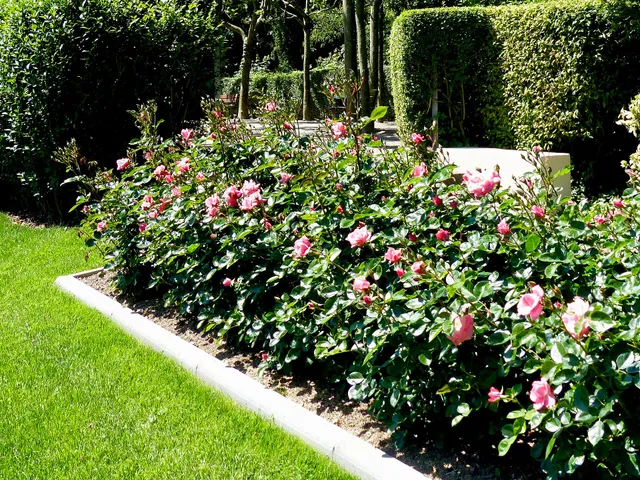
Rosengarten
since 1919Symmetrical rose garden on the former Fort X, with over 70 rose varieties and a pergola-style pavilion at the heart of Hilde-Domin-Park.
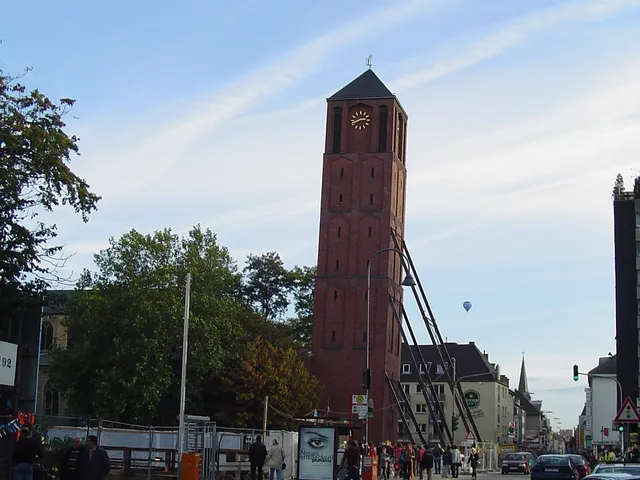
Leaning Tower of Cologne (St. Johann Baptist)
In 2004, its 44 m tower tilted 77 cm westward — earning the church the nickname 'Leaning Tower of Cologne' and making international headlines.
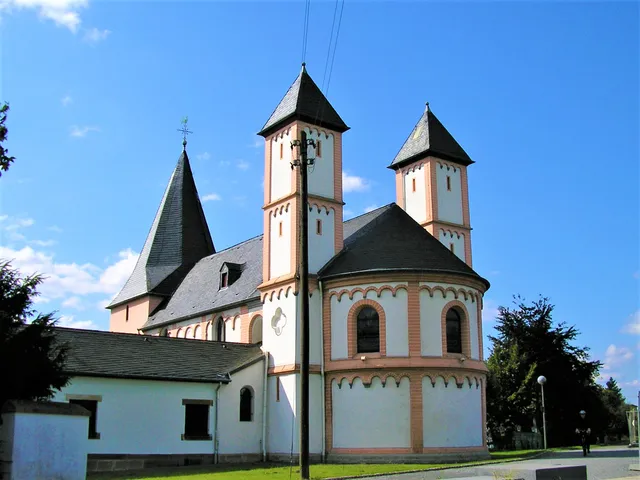
St. Amandus (Köln-Rheinkassel)
since 1200Romanesque church on the Rhine whose twin-towered chancel is a miniature echo of nearby St. Gereon — an extraordinary feature for a rural parish church.
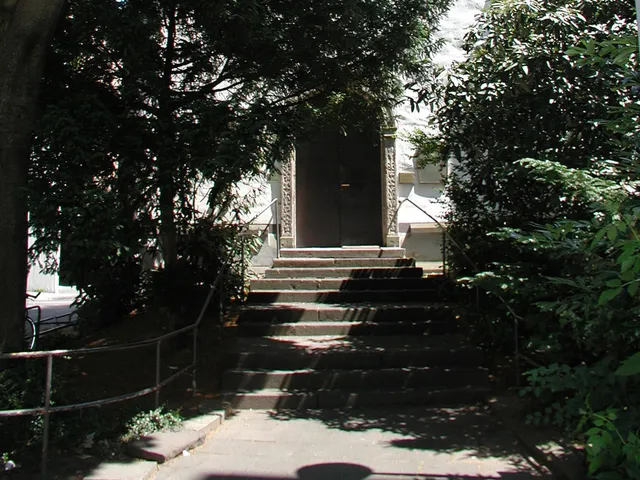
St. Maria Ablass
since 1431Of the demolished parish church of St. Maria Ablass, only the chapel of grace survives — today the Russian Orthodox Church of Saints Constantine and Helena.
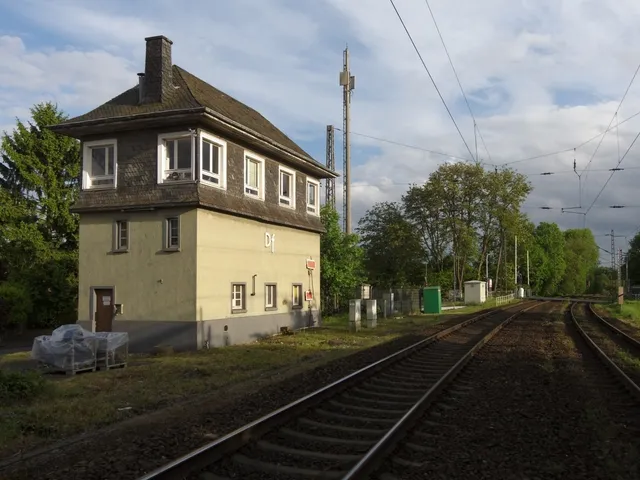
Stellwerk Köln-Dünnwald
Railway signalling museum in Dünnwald preserving a rare DrS2 interlocking, one of Germany's first electronic signal boxes, and a working operations simulator.
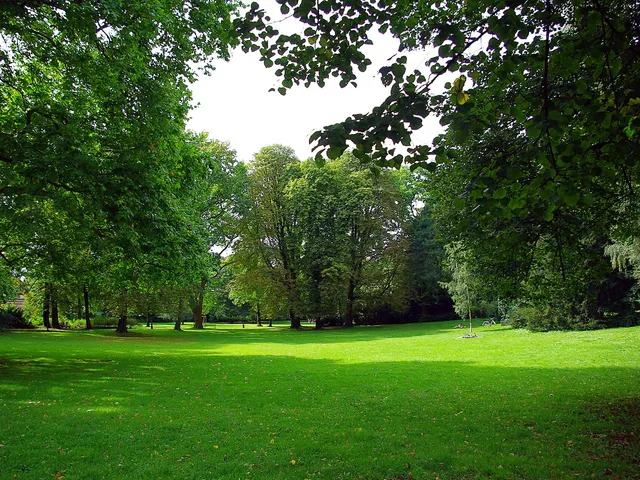
Südpark
Crescent-shaped park in Marienburg — one of Cologne's most distinctive green spaces, known for its pine grove and a bronze panther sculpture.
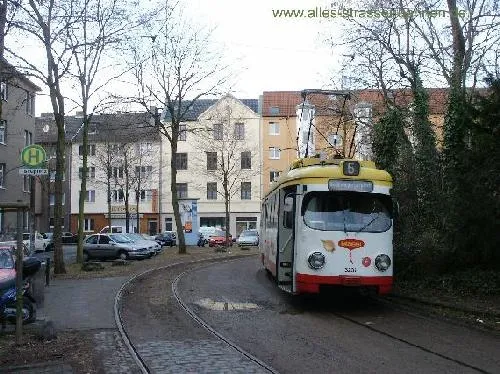
Takuplatz
Triangular square in Neuehrenfeld's "Chinese Quarter" — the centre serves as a pétanque court on a former tram turning loop.
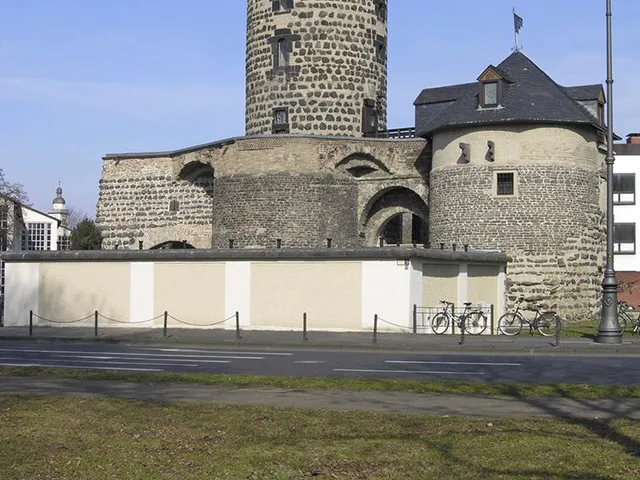
Ulrepforte
since 1230Cologne's smallest medieval land gate, dating from the 13th century — scene of a patrician feud in 1268 and today the home base of the Rote Funken carnival society.
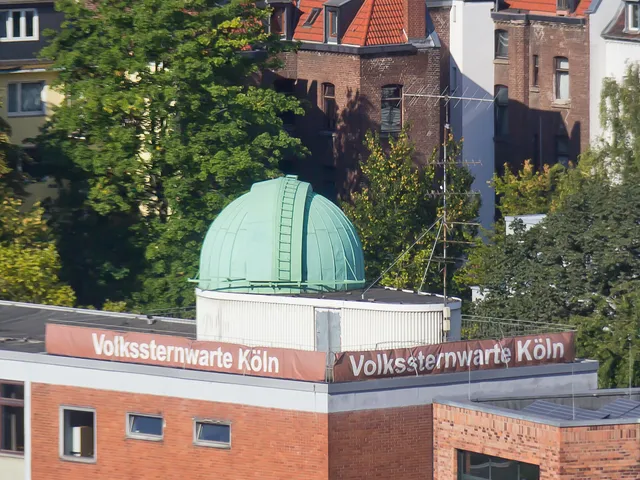
Volkssternwarte Köln
Volunteer-run observatory on the roof of Cologne's Schiller-Gymnasium, equipped with a 60 cm reflector telescope funded entirely by public donations.