Cellitinnenkloster Zederwald
A beguine convent in Cologne's Altstadt-Nord that cared for the sick for five centuries, from 1302 to 1802.
Founded by a community of poor beguines, the convent only adopted a formal Augustinian rule after nearly two centuries of informal existence.
Source: Wikipedia
At a Glance
- Type
- former convent (no longer standing)
- Location
- Cologne, Altstadt-Nord, Innenstadt district
- Existed
- 1302 to 1802
- Order
- Cellite Sisters (Cellitinnen)
- Size
- housing for 20 women; unlike many beguine convents, no fixed maximum number
- Notable feature
- own chapel with public character (consecrated 1502)
When the convent adopted monastic rules in 1496, two of the 16 beguines refused and were allowed to keep their old status until their deaths.
Founding and Names
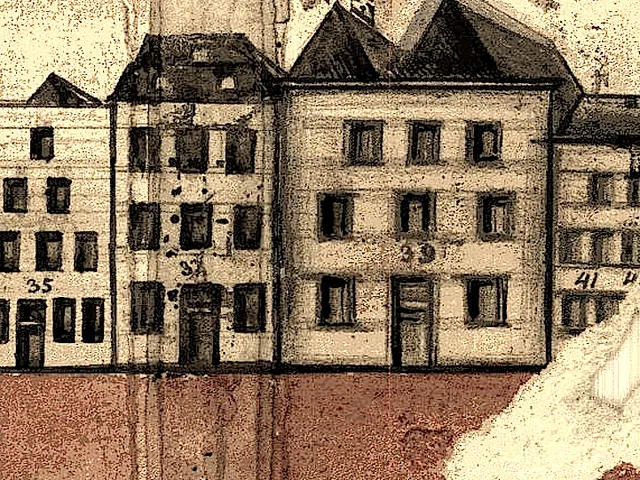
On 2 April 1302, Lufredus vom Holzmarkte founded the convent for poor beguines. It stood on what is now Komödienstraße, then known as Schmierstraße. The community also bore the nickname "zum Lisloch," as it lay opposite a breach in the old Roman city wall. To secure its income, the neighboring house was also donated to it.
Early Growth
In its first years, the convent grew through several donations. In 1303 the widow Elisabeth Overstolz gave a neighboring plot of land, in 1304 Hermann Bonzstorp donated another adjacent house, and in 1314 the priest Johannes vom Burggrafenhofe endowed the community from his private fortune. On 30 July 1328, the community elected the canon Siegfried von Renneberg as rector and the patrician Konstantin von Lyskirchen as provisor, both for life.
The Sisters' Work
The women devoted themselves chiefly to nursing the sick and to ecclesiastical needlework, including making and mending vestments for the former parish church of St. Brigiden. A 1452 inspection record noted numerous sickbed visits made by the eleven beguines living there at the time. Unlike many other beguine convents, this house had no prescribed upper limit on membership; by 1487 numbers had grown to 16.
From Beguinage to Convent
Only in 1496 did the beguines adopt the Rule of St. Augustine. Two sisters refused and retained their former status until their deaths. Although the city council had forbidden the construction of a chapel, building work soon began anyway. The chapel, dedicated to St. Augustine and bearing a public character, was consecrated in 1502 by auxiliary bishop Johannes Spender. In the years that followed, the convent's finances flourished thanks to donations and needlework, especially the making and mending of vestments.
Dissolution
The French Revolution brought an end to the community, which still numbered nine members in 1800. With no new novices and four sisters having left the convent, only two remained. The convent was dissolved in 1802; the two remaining sisters were given the choice of joining the Cellite convent "Zur Zelle," to which they then relocated. A property inventory from that year lists two further houses worth 6,600 francs along with capital and annuity claims of 17,605 francs, offset by debts of 3,948 francs, totaling 20,257 francs. After the convent church was demolished, the remaining rooms were leased in 1804 for 100 francs and sold in 1806 for 5,045 francs. The assets passed to the convent "Zur Zelle."
Timeline
- 1302Foundation of the convent on 2 April by Lufredus vom Holzmarkte as a beguine community
- 1303Donation of an adjoining plot by Elisabeth Overstolz on 11 July
- 1304Donation of another neighboring house by Hermann Bonzstorp on 4 June
- 1314Endowment of the community with funds by priest Johannes vom Burggrafenhofe
- 1328Election of Siegfried von Renneberg and Konstantin von Lyskirchen as provisors on 30 July
- 1496Adoption of the Rule of St. Augustine by the beguines
- 1502Consecration of the convent chapel by auxiliary bishop Johannes Spender
- 1802Dissolution of the convent as a result of the French Revolution
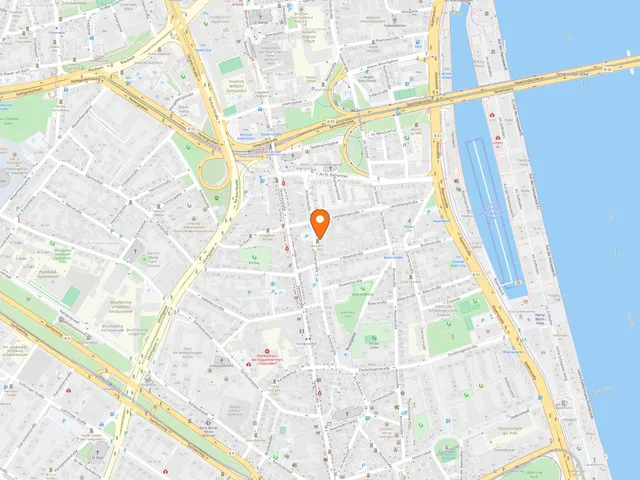
Map
Blue dots: other places nearby — tap to explore.
You might also like — related or nearby
Comments
- Loading comments…
Sources & links
Auto-generated, last verified: 2026-09-07
How this page is made
This page draws on open sources — Wikipedia, Wikidata, official websites and the city’s open data. Every statement is checked against the sources linked here, and pages are refreshed regularly.
Spotted a mistake anyway? Tell us below — we read every submission.