Kölner Kartause
Germany's largest charterhouse and one of the Carthusian Order's most esteemed monasteries: founded in 1334, dissolved in 1794 when the French marched in.
Bruno, the founder of the Carthusian Order, was born in Cologne. Yet the Archdiocese of Cologne had no monastery of his order until this charterhouse was founded in the Severinsviertel.
At a Glance
- Type
- former Carthusian monastery
- Location
- Severinsviertel, Altstadt-Süd district, Innenstadt borough
- Founder
- Archbishop Walram of Jülich
- Style
- Gothic architecture
- Carthusian church
- owned by the Protestant Congregation of Cologne since 1928
- Heritage status
- listed monument in North Rhine-Westphalia
When it was founded in 1334, the Cologne Charterhouse was the first in the Archdiocese of Cologne, even though the order's founder, Bruno, was born in Cologne; it also remained the city's last monastery foundation until the 16th century.
Founded on St. Nicholas' Day
At the time of its founding, there were already 113 charterhouses across Europe, 30 of them in Germany. The Rhenish archdioceses of Mainz and Trier had been home to charterhouses since 1312 and 1321/1322 respectively. Walram, Archbishop of Cologne since 1332, had come to know and admire the Carthusians in France. His foundation charter is dated 6 December 1334, the feast day of St. Nicholas. To fund the church and monastery, he granted the prior the annual income from 100 Malter of wheat. Until the 16th century, the charterhouse remained the last monastic foundation in Cologne.
The Site at "Sencte Mertinsvelt"
The site has been recorded since 1389 as the "Sencte Mertinsvelt" in the southern Severinsviertel. According to legend, St. Martin revealed this spot to the archbishop in a dream. Since around the early 13th century, a small chapel of St. Barbara had stood on the property. The monks took over its patronage, and the patrician families Scherffgin and Lyskirchen helped finance the chapel's renovation.
From a Shaky Start to Germany's Largest Charterhouse
In February 1335, the first six monks moved from Mainz to Cologne. The early economic situation was difficult: Walram could not honor his commitments because of armed conflicts, and the monks quarreled for years with the neighboring St. Severin collegiate church over benefices. They therefore relied on donations from wealthy Cologne citizens. After Walram's death in 1349 the situation turned precarious once more, but the monastery's reputation then grew and wealthy novices joined. Over the centuries it became the largest charterhouse in Germany. When French troops marched into Cologne, it was forcibly dissolved in 1794.
Today
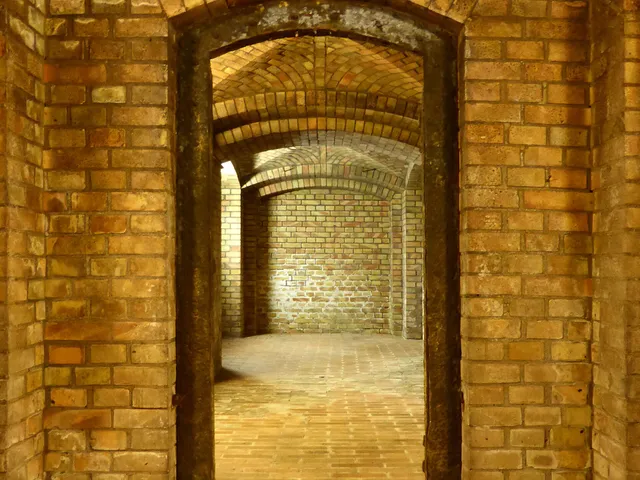
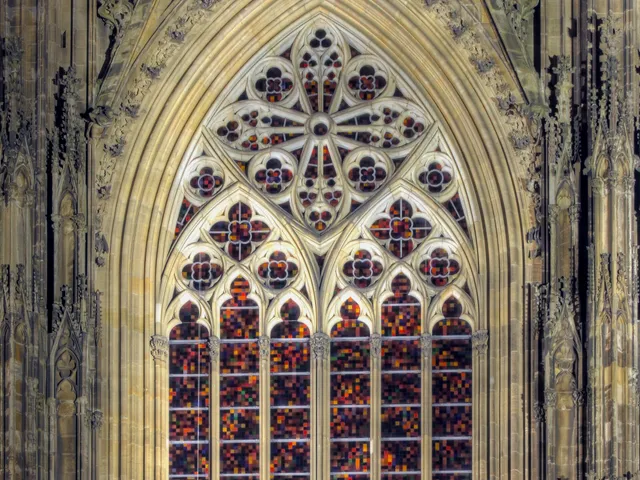
The Gothic complex has survived and has been partly reconstructed. It is a listed monument. Since 1928, the Carthusian church has belonged to the Protestant Congregation of Cologne.
Timeline
- 1334Foundation charter issued by Archbishop Walram on 6 December
- 1335First six Carthusian monks move from Mainz to Cologne
- 1338Charterhouse officially incorporated into the order
- 1349Archbishop Walram dies, leaving the charterhouse in a precarious position
- 1389Site 'Sencte Mertinsvelt' in the Severin quarter first recorded
- 1794Forced dissolution upon entry of French troops
- 1928Carthusian church passes to the Protestant parish of Cologne
Gallery
Map
Blue dots: other places nearby — tap to explore.
You might also like — related or nearby
Comments
- Loading comments…
Sources & links
- Official website (retrieved 2026-11-08)
- Wikidata (retrieved 2026-11-08)
- Wikipedia (retrieved 2026-11-08, rev 261682574)
Auto-generated, last verified: 2026-11-08
How this page is made
This page draws on open sources — Wikipedia, Wikidata, official websites and the city’s open data — plus basic place data and photos from Google Maps where a place is listed there. Every statement is checked against the sources linked here, and pages are refreshed regularly.
Spotted a mistake anyway? Tell us below — we read every submission.