Schweinheimer Mühle
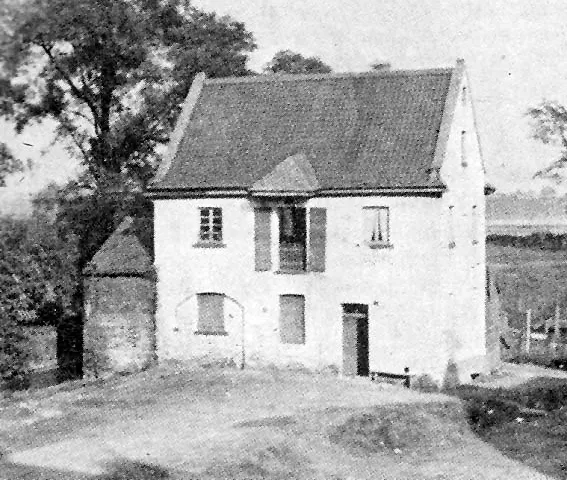
Historic water mill on the Strunde, documented since the 14th century, that evolved from grinding and fulling mill to a factory making fly-paper rolls and bandage cotton.
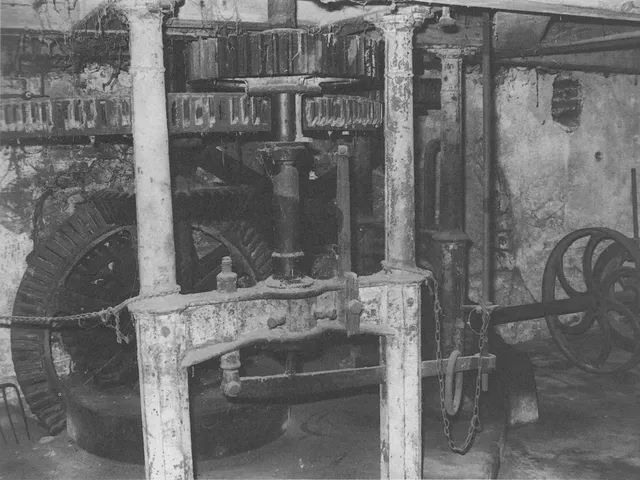
For centuries, local residents were required to grind their grain here, as the mill was a so-called mandatory mill. In the 19th and 20th centuries an industrial works grew up on the site, with products ranging from flypaper rolls to machine-gun belts.
Source: Wikipedia
At a Glance
- Type
- former water mill
- Watercourse
- Strunde
- Location
- Köln-Holweide, Mülheim district
- First documented
- 1322 to 1324
- Former owner
- Benedictine Abbey of St. Pantaleon in Cologne
- Operations ended
- November 2009
At the Schweinheimer Mühle, fly-glue rolls were produced for a time to hang in homes and stables, and during the Second World War the plant made machine-gun belts from flax and hemp waste.
Centuries as a Mill
Early records mention mills at Schweinheim belonging to the abbey. In 1582 the grinder Johann zu Schweinheim ran a grinding mill here. In 1647 it was converted into a fulling mill, and four years later it passed by lease to the masters of the Cologne Wool Guild. Around 1773 it operated as a grain and oil mill, at times housing a grain distillery.
From Mill Site to Factory
After the Franco-Prussian War of 1870/71, a packing paper works was established on the grounds. In 1873 the mill was converted into a small factory, first producing cardboard and later flypaper rolls. These were hung in homes and stables and made the summer plague of flies reasonably bearable for people and animals alike. In 1896 a major fire destroyed the mill, which was rebuilt soon afterwards.
Bandage Cotton and an Iron Water Wheel
In 1900 the Martin brothers took over the business and set up a cotton bleaching works to produce bandage cotton. After 1905 the old undershot water wheel was replaced by an iron one. After both brothers died, a long-serving employee, Behrendt, ran the business toward the end of the First World War.
Bankruptcy and the Second World War
The business went bankrupt in 1934. As its main creditor, a Swiss textile company took it over, and it was subsequently known as Bastfaser GmbH. During the Second World War, machine-gun belts were made here from flax and hemp waste products.
Postwar Years and Closure
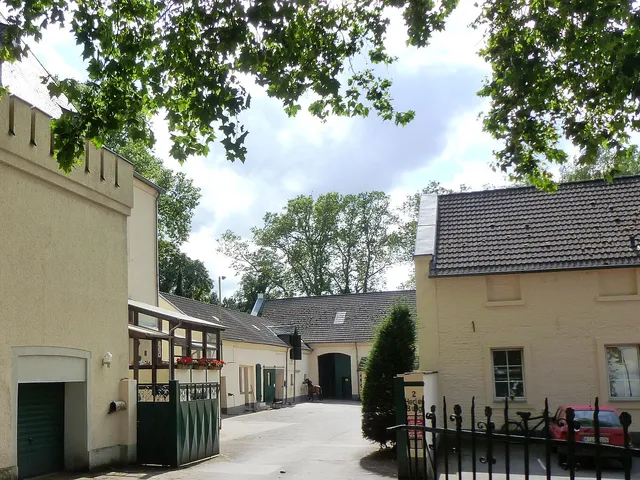
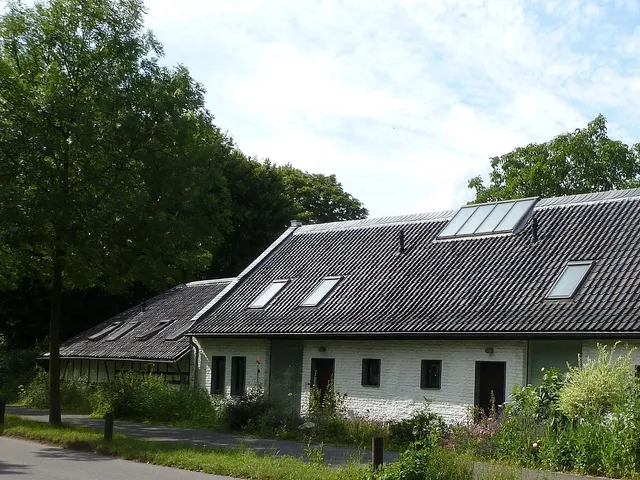
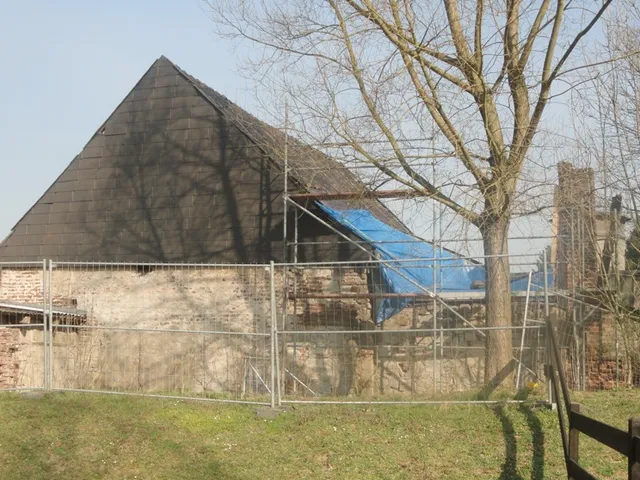
From 1950 the works again produced bandage cotton and other dressing materials. The last company on site was a manufacturer of specialty paper, which shut down operations in November 2009. The site has stood abandoned ever since.
Timeline
- 1322–1324First documentary mention of abbey mills at Schweinheim (St. Pantaleon)
- 1582Grinder Johann zu Schweinheim operates the grinding mill
- 1647Converted into a fulling mill
- 1651Leased to the masters of the Cologne wool guild
- 1873Converted into a small factory making cardboard and flypaper rolls
- 1896Major fire destroys the mill; rebuilt shortly afterwards
- 1900Martin brothers take over, set up cotton bleaching for surgical cotton
- November 2009Cordier Spezialpapier GmbH ceases operations
Map
Blue dots: other places nearby — tap to explore.
You might also like — related or nearby
Comments
- Loading comments…
Sources & links
Auto-generated, last verified: 2026-11-08
How this page is made
This page draws on open sources — Wikipedia, Wikidata, official websites and the city’s open data — plus basic place data and photos from Google Maps where a place is listed there. Every statement is checked against the sources linked here, and pages are refreshed regularly.
Spotted a mistake anyway? Tell us below — we read every submission.