St. Kolumba
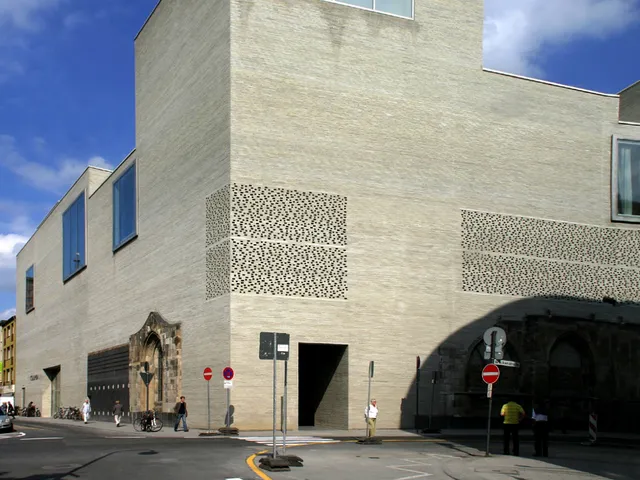
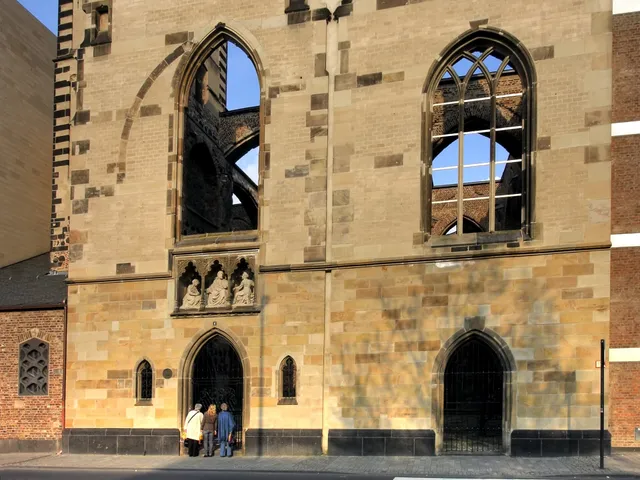
'Madonna in the Ruins' — a medieval chapel enclosed within the ruins of a Gothic parish church, now embraced by the Kolumba art museum.
St. Kolumba was once one of Cologne's largest parish churches. From the war ruins of the Gothic building rose a small chapel dedicated to the Virgin Mary, which today is completely enclosed within the archdiocese's art museum.
Source: Wikipedia
At a Glance
- Type
- Former parish church, now a Marian chapel within the museum building
- First recorded
- 980
- Location
- Altstadt-Nord, city district Innenstadt
- Highlight
- Chapel "Madonna in the Ruins" built among the wartime rubble
- Chapel architect
- Gottfried Böhm
- Ministry
- Franciscan Minorites, Sendungsraum Köln-Mitte
- Status
- Listed monument in North Rhine-Westphalia
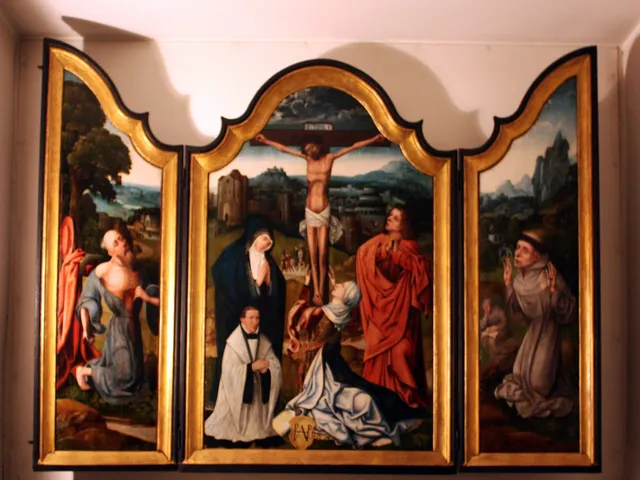
The church once housed the famous Columba Altarpiece by Rogier van der Weyden – one of the most important works of early Netherlandish painting. The church grounds also contained the burial sites of 40 Cologne mayors.
From Romanesque to Gothic
When the church was first documented in 980, it was a small single-nave structure under the jurisdiction of the cathedral; only later did it gain independence as a parish. By the 12th century the Romanesque building had been expanded to three naves, and by the 15th century to five naves in the form of a Late Gothic hall church. During the 17th century the choir received vaulting and the interior was remodelled in the Baroque taste.
Significant Artworks
Among the panel paintings once housed here were Rogier van der Weyden's Columba Altarpiece, the Bartholomew Altarpiece by the Master of the Bartholomew Altarpiece, and the Wasservass Calvary. Two confessionals believed to originate from the church now stand in St. Gereon in Cologne-Merheim.
Destruction and the Chapel
Bombs in the Second World War reduced the church almost entirely to rubble, while a medieval statue of the Virgin Mary survived nearly unscathed. Around this figure, Gottfried Böhm began constructing a chapel in the ruins from 1947, naming it "Madonna in the Ruins" after her. In 2007 it was incorporated into the new diocesan museum building.
Chapel Within the Museum
Today the modern Kolumba – Art Museum of the Archdiocese of Cologne – surrounds the chapel on all sides. It can only be reached through its own entrance on the south side in Brückenstraße. The building sits between Kolumbastraße to the west, Minoritenstraße to the north, and Kolumbahof to the east.
The Bear at the Entrance
Legend has it that a bear rescued Saint Columba of Sens, a virgin martyr who died in 274. Gottfried Böhm drew on this story and created a bear sculpture that watches over the chapel entrance from a ledge above the door.
Timeline
- 980First written record of St. Kolumba church
- 12. JahrhundertExpansion to a three-nave Romanesque church
- 15. JahrhundertConversion to a five-nave Late Gothic hall church
- 17. JahrhundertVaulting of the choir and Baroque redesign of the interior
- 1939–1945Church almost completely destroyed in World War II
- 1947Marian chapel 'Madonna in the Rubble' built within the ruins
- 2007Chapel integrated into the new Kolumba art museum building
Map
Blue dots: other places nearby — tap to explore.
You might also like
Comments
- Loading comments…
Sources & links
Auto-generated, last verified: 2026-06-27