Lindenallee 70
A villa designed by Emil Felix and built with embezzled bank funds, later home to the Canadian embassy's residence and the ambassador's official quarters.
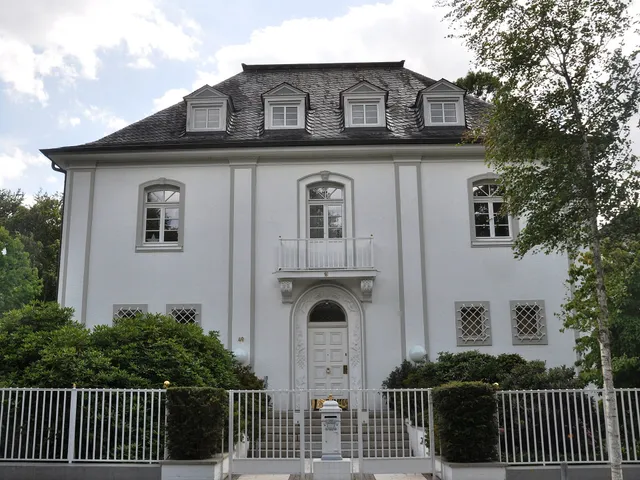
Lindenallee 70 is a villa in the Köln-Marienburg villa colony, and its history is as eventful as its architecture is lavish.
Source: Wikipedia
At a Glance
- Type
- Villa, part of the Köln-Marienburg villa colony
- Location
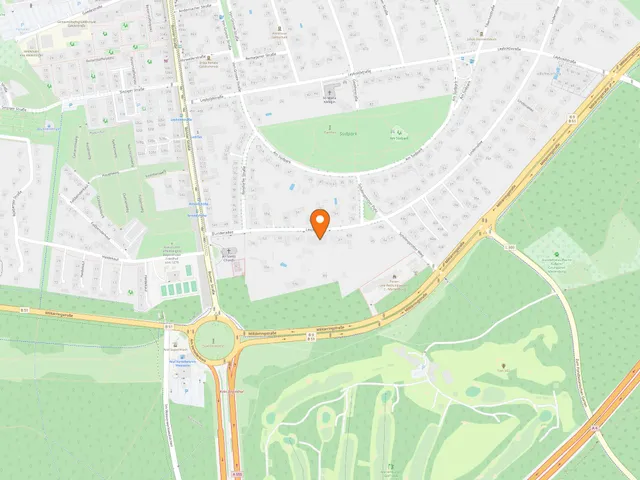
- Southern Marienburg, eastern edge of Schillingsrotter Platz, Rodenkirchen district
- Built
- 1924/25
- Architect
- Emil Felix
- Heritage status
- Listed monument, on the City of Cologne's heritage register since 5 November 1992
- Condition
- Largely preserved in its original state, including the interior
The villa cost 600,000 Reichsmark to build by 1926, with another 330,000 for the interior – the client, bank branch director Anton Paul Brüning, financed both with funds he embezzled from the bank.
A Building Paid for with Embezzled Funds
The client was Anton Paul Brüning (1881–1944), branch manager of Deutsche Bank in Cologne. The design came from the Swiss architect Emil Felix, who had already completed several projects for Deutsche Bank and was planning three other buildings on Lindenallee at the same time. The construction cost 600,000 Reichsmark by 1926, and the interior fittings added another 330,000 Reichsmark between 1926 and 1929. Brüning paid for both with money he had embezzled as a bank director.
Changing Owners and Uses
During the Nazi era, the property stood empty until 1938. That year, its new owner, Felix Brenninkmeyer, had it remodeled to plans by Paul Pott, an architect who was also based in Marienburg; the dining room was redesigned as part of the work. The villa survived the Second World War undamaged. Near the end of the war, the American occupying forces requisitioned it, and from March to June 1945 it served as the residence of Cologne's military governor, Lieutenant Colonel John K. Patterson.
Residence of the Canadian Embassy
After Bonn became the seat of government of the Federal Republic in 1949, Canada used the villa from 1952 at the latest as the residence of its embassy and as the ambassador's home. This use continued until at least 1967, after which it moved to Bonn. From 1975 at the latest until at least 1986, the building housed the Federal Association of Medium-Sized and Large Retail Businesses. When it was listed as a monument, a federal government office was based there.
Architecture
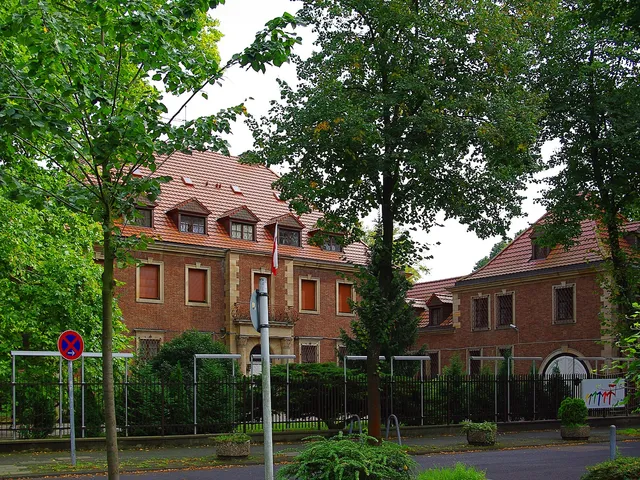
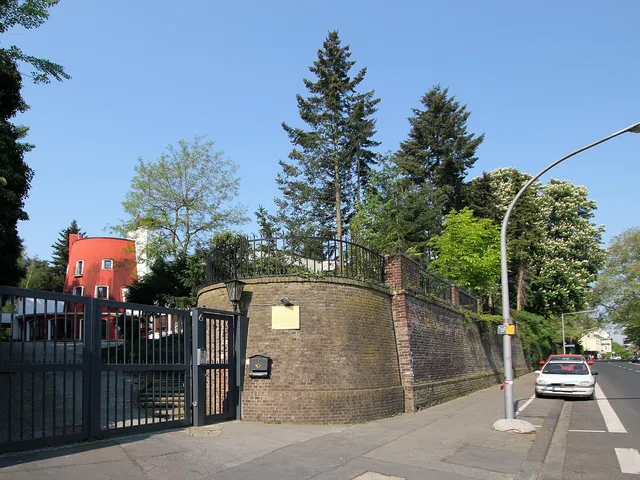
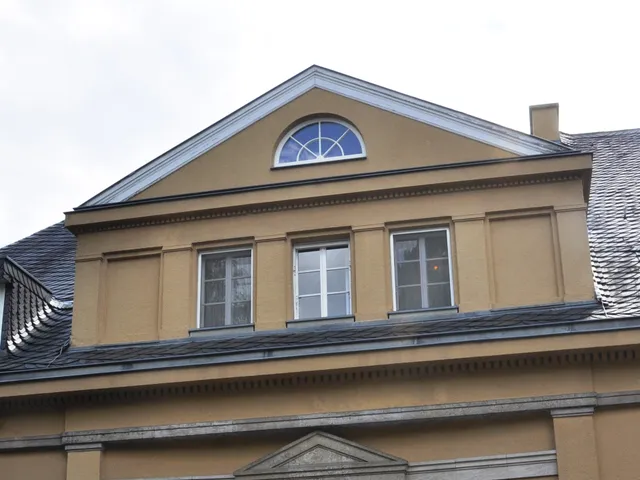
The main house, with its lateral projections, faces Schillingsrotter Platz. A wing with a garage and chauffeur's house connects it to Lindenallee. The exterior appears "in the style of conservative modernism," yet like many of Felix's designs, it follows the building traditions of the Lower Rhine and Westphalia. The interior is considerably more opulent, with a living hall featuring a wooden ceiling and stone fireplace, a richly stuccoed dining room, and a timber-paneled stair hall. A pergola walkway frames the garden, which is comparatively small because of the modest plot. Toward the street, a high wall with an integrated round pavilion encloses the grounds.
Vacancy and Restoration
After years of standing empty, the property still belonged to the Federal Property Office in 2004, which put it up for sale again that year. Following the sale, the villa was comprehensively restored under the direction of the architect Thomas Kostulski, with the work completed by 2007 at the latest.
Timeline
- 1924/25Villa built to a design by Emil Felix for Anton Paul Brüning
- 1926–1929Interior fitting-out of the villa
- 1938Alterations under owner Felix Brenninkmeyer to plans by Paul Pott
- März–Juni 1945Residence of US military governor John K. Patterson
- spätestens 1952Residence of the Canadian ambassador
- 1992Listed in Cologne's heritage register (5 November)
- 2004Federal property office re-advertised the villa for sale
- bis spätestens 2007Comprehensive renovation led by Thomas Kostulski
Map
Blue dots: other places nearby — tap to explore.
You might also like — related or nearby
Comments
- Loading comments…
Sources & links
Auto-generated, last verified: 2026-11-11
How this page is made
This page draws on open sources — Wikipedia, Wikidata, official websites and the city’s open data — plus basic place data and photos from Google Maps where a place is listed there. Every statement is checked against the sources linked here, and pages are refreshed regularly.
Spotted a mistake anyway? Tell us below — we read every submission.