About Cologne
History
From Roman administrative seat to a city of a million: Cologne is one of Germany's oldest cities – founded in 38 BC and raised to a colonia as early as AD 50.
In 38 BC the Romans settled the Germanic Ubii on the Rhine – the Oppidum Ubiorum was born. In AD 50, at the instigation of Agrippina the Younger, who was born here, the settlement was granted city rights and the formal name Colonia Claudia Ara Agrippinensium. Over the centuries „Colonia" became „Köln".
As the seat of a powerful archbishopric from 795, the city grew in the Middle Ages into the largest city north of the Alps. In 1248 the foundation stone of the Gothic Cologne Cathedral was laid – yet it was not completed until 1880.
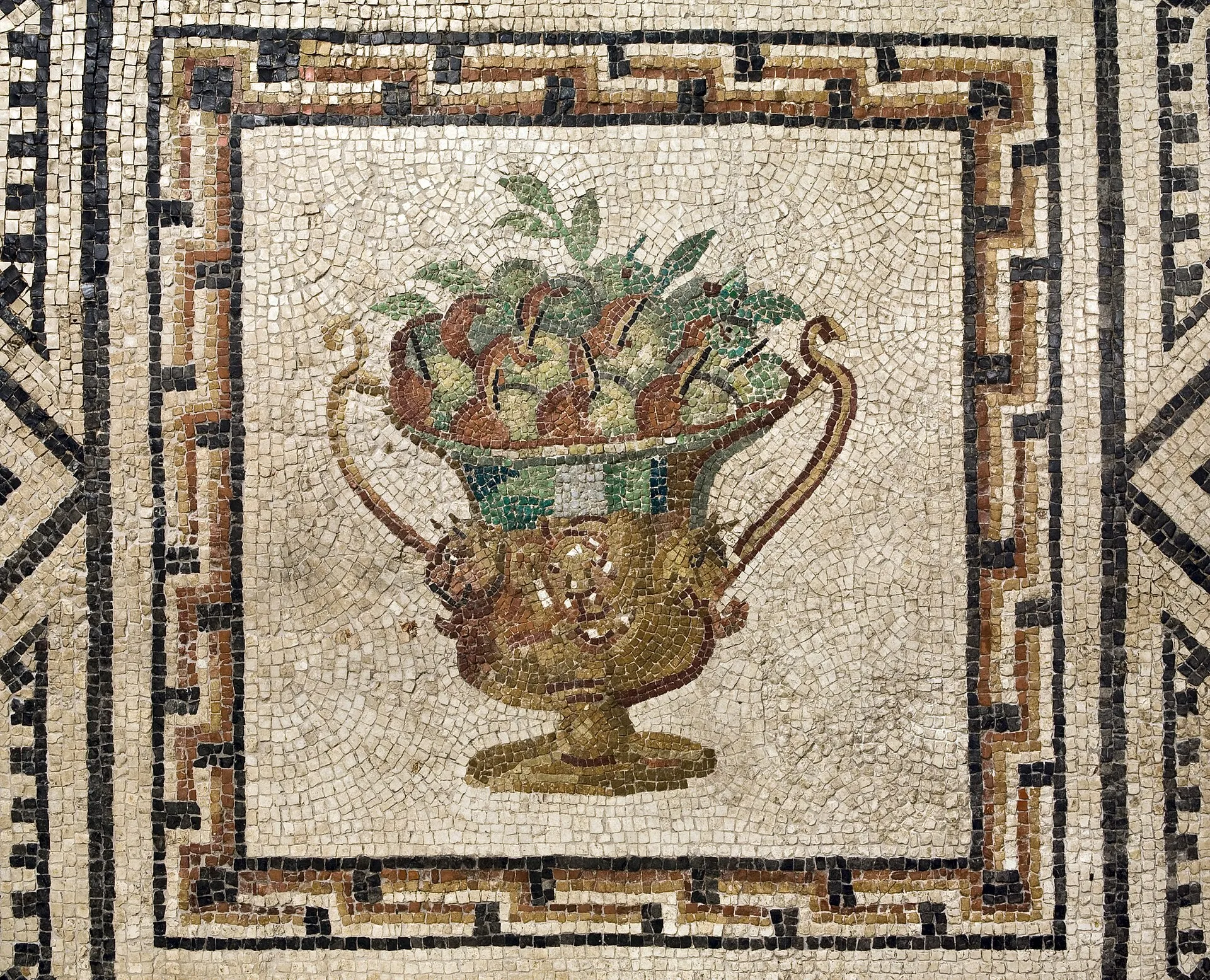
The Second World War destroyed almost the entire old town; the reconstruction still shapes the cityscape today. The Roman past reaches deep underground and is on display at the Römisch-Germanisches Museum in the heart of the city.
Timeline
- 38 v. Chr.The Romans found the Oppidum Ubiorum on the Rhine.
- 795Cologne becomes the seat of an archbishopric.
- 1248Foundation stone of the Gothic cathedral is laid.
© Thomas Wolf ( Der Wolf im Wald ) · CC BY-SA 3.0 - 1880The cathedral is completed after 632 years.
- 1945Severe destruction in the Second World War.
- 2005World Youth Day with over a million guests.
Sources & links
- Wikipedia (retrieved 2026-06-30)
How this page is made
This page draws on open sources — Wikipedia, Wikidata, official websites and the city’s open data. Every statement is checked against the sources linked here, and pages are refreshed regularly.
Spotted a mistake anyway? Tell us below — we read every submission.
Comments
- Loading comments…