Markermühle
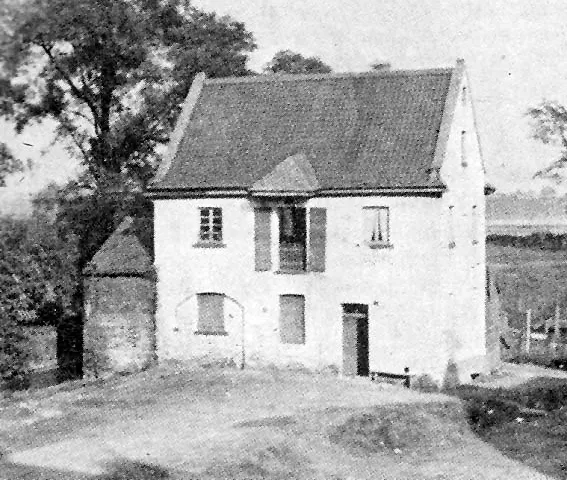
A former water mill on the Strunde in Cologne-Mülheim that ground tobacco, pepper and tanning bark – yet it is documented in writing only once, in 1854.
The Markermühle belonged to the Markerhof, also known as the Merkerhof or Rubenshof, which stood on Frankfurter Straße.
Source: Wikipedia
At a Glance
- Type
- former water mill
- District
- Mülheim (borough of Mülheim), Cologne
- Watercourse
- Strunde
- Drive
- undershot water wheel
- Affiliation
- Markerhof
The only written mention of the Markermühle dates from 1854, when the domain steward Joseph Zacharias Bertoldi leased it; how long it existed before that is unknown. Unusually, it ground tobacco, pepper and tanbark.
What Was Ground Here
The Markermühle ground tobacco and pepper, as well as tanning bark (oak bark used in leather tanning). It served as a house and cameral mill for the Markerhof and for the neighbors in the surrounding area.
History
It is not known when the mill was built. There is only a single written mention, dating from 1854. In that year, the domain receiver Joseph Zacharias Bertoldi leased the mill. The Markerhof, to which it belonged, was demolished in 1912.
The Strunde in Today's Cityscape
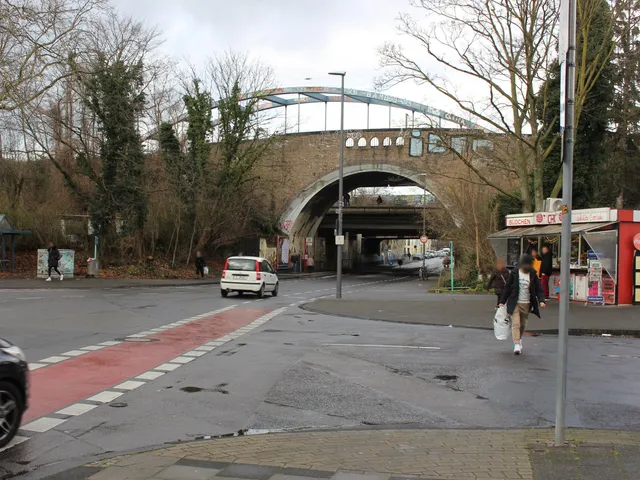
The mill stood near the pond in the Stadtgarten. The channelized course of the Strunde crossed Wiener Platz. When the site was excavated for the BULL high-rise, this course was rerouted further toward Bachstraße so that it no longer lay within the foundation area. This rerouting affected the stream bed at Wiener Platz. Today the Strunde flows as a straightened stream channel from the railway beneath Sonderburger Straße, Jan-Wellem-Straße and Bachstraße to the Rhine.
Timeline
- 1854Only written mention; Joseph Zacharias Bertoldi leases the mill
- 1912The associated Markerhof is demolished
Map
Blue dots: other places nearby — tap to explore.
You might also like — related or nearby
Comments
- Loading comments…
Sources & links
Auto-generated, last verified: 2026-11-08
How this page is made
This page draws on open sources — Wikipedia, Wikidata, official websites and the city’s open data — plus basic place data and photos from Google Maps where a place is listed there. Every statement is checked against the sources linked here, and pages are refreshed regularly.
Spotted a mistake anyway? Tell us below — we read every submission.